
The Physical Toll Of Chasing Gold
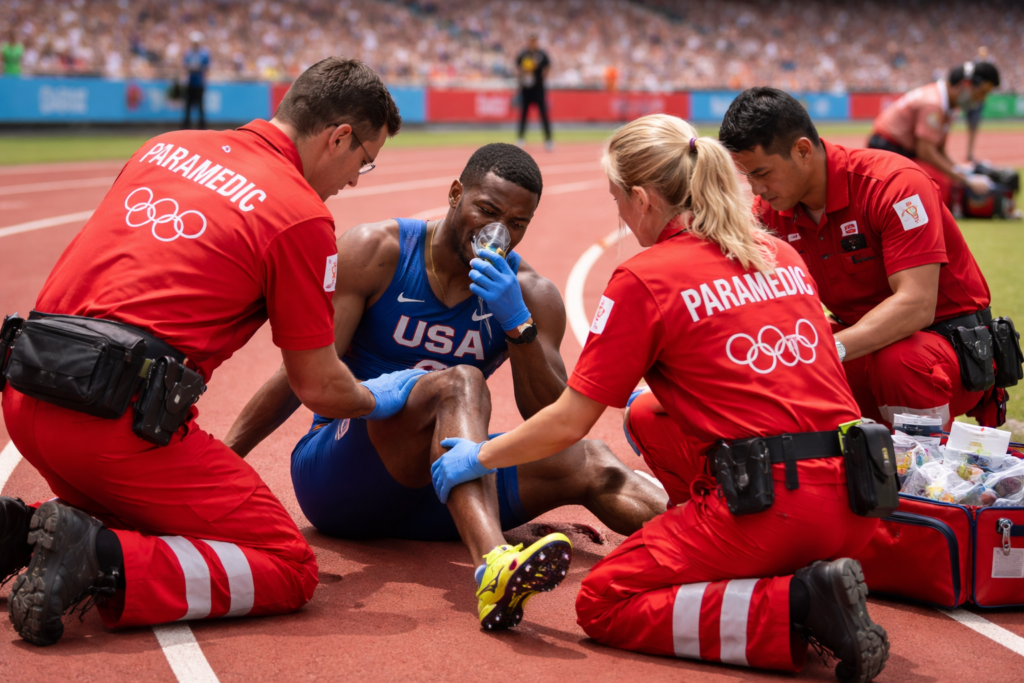
When we tune in to watch the Olympic Games, we are often swept away by the sheer grace of a gymnast or the explosive power of a sprinter, yet beneath the surface of these breathtaking displays lies a reality of immense physical risk. These athletes push their bodies to the absolute limits of human capability, often operating on a razor-thin margin between a podium finish and a career-altering accident. It is a sobering thought that for many, the journey to the Games is as much a battle against their own frailty as it is against their competitors.
Understanding the injury rates across various events is not about dampening the spirit of the Games, but rather about appreciating the incredible bravery these individuals display every time they step onto the field or ice. This analysis into the most dangerous Olympic events invites us to reflect on the resilience of the human spirit and the evolving measures taken to keep our sporting heroes safe. Athletes work their entire lives for these milestones, and a single injury can be devastating, potentially ending a career that only sees a handful of opportunities every four years.
BMX Racing Hazards At High Speed

BMX racing has consistently proven to be one of the most perilous disciplines at the Summer Games, often topping the charts for the sheer volume of accidents. During the 2016 Rio Olympics, a staggering 38% of the competitors sustained injuries, a figure that highlights the chaotic and crowded nature of the track where riders battle for every inch. Riders are essentially hurtling down a steep starting hill and jostling for position over massive dirt jumps, and when you combine those speeds with such close proximity, the margin for error becomes almost non-existent. A high-profile example is American rider Connor Fields, who suffered a traumatic brain injury after a crash during the 2020 Tokyo Games.
The danger in this sport often stems from the fact that athletes are flying through the air in tight packs, where a single slip-up from one rider can trigger a massive pile-up for everyone else. These high-speed tumbles frequently result in broken collarbones, wrist fractures, and concussions, which is why the medical teams are always on high alert during these heats. While the 2020 Tokyo Games saw a slight dip in these numbers to around 26% overall, it remains a sport where the risk is woven into every jump and every turn on the course.
Aerial Skiing Heights And Hard Landings
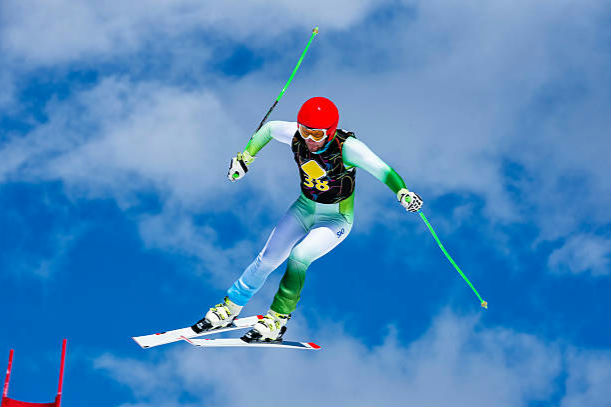
In the realm of the Winter Olympics, few events are as visually spectacular or as inherently terrifying as aerial skiing, where athletes launch themselves off vertical kickers to perform complex flips. The statistics from the 2014 Sochi Games are particularly haunting, as nearly 49% of the athletes in this discipline reported some form of injury during their time on the snow. It is a sport that demands absolute precision, because even the slightest misalignment during a landing on the steep, snow-packed hill can lead to a violent impact that the human body simply isn’t designed to handle regularly.
Most of the incidents in aerials occur during that crucial moment of contact with the ground, where the force of the landing can easily cause ligament tears in the knees or significant spinal jolts. Because the athletes are reaching such incredible heights, sometimes three stories in the air, the potential for a catastrophic “over-rotation” is a constant shadow hanging over every run. Despite the rigorous training and the use of water ramps for practice in the summer, the transition to the unforgiving ice of the Olympic stage keeps this event at the very top of the danger list for winter sports.
Heavy Hitting Risks In Olympic Boxing

Boxing has long been a staple of the Olympic programme, but its reputation for being a tough sport is backed up by some very modern and rather concerning injury data. At the Tokyo 2020 Games, boxing recorded the second-highest number of injured athletes for summer sports, with roughly 14% of the participants requiring medical attention during the competition. Unlike professional boxing, the Olympic version is a fast-paced sprint where the intensity is incredibly high, and the cumulative effect of taking multiple blows over several rounds of a tournament takes a heavy physical toll.
While many might assume that the injuries are limited to facial cuts or bruised ribs, the reality is that about 5% of boxing injuries at the last Olympics were severe enough to last more than a week. The sport inherently involves repetitive head impacts, and while the introduction of headguards for certain categories has helped, the risk of concussions and hand fractures remains a constant threat. It is a discipline where the primary goal is to strike an opponent, making it a naturally high-risk environment where the athletes’ endurance and brain health are tested just as much as their physical safety.
Alpine Skiing Downhill Speed Dangers
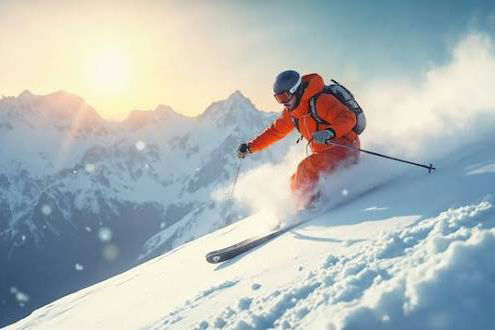
Alpine skiing, particularly the high-speed downhill and Super-G events, is perhaps the ultimate test of nerves and physical durability in the winter sporting calendar. Athletes can reach speeds of over 90 miles per hour on icy tracks that are often as hard as concrete, meaning any loss of balance can result in a crash that looks more like a high-speed car accident. The data shows that this sport consistently ranks among the most dangerous, with a high proportion of injuries involving the knees, specifically ACL and MCL tears that can end a season in an instant.
The sheer violence of a downhill crash is what sets it apart, as the long skis can act as levers, twisting the legs with immense force during a tumble. Beyond the lower limb injuries, skiers frequently face the threat of head trauma and upper body fractures when they hit the safety netting or the frozen ground. It is a sport where the line between a gold medal and a trip to the hospital is measured in millimetres, and the courage required to point the skis straight down the mountain is something that truly earns the respect of every spectator watching the clock tick.
Snowboard Slopestyle Big Air Impacts
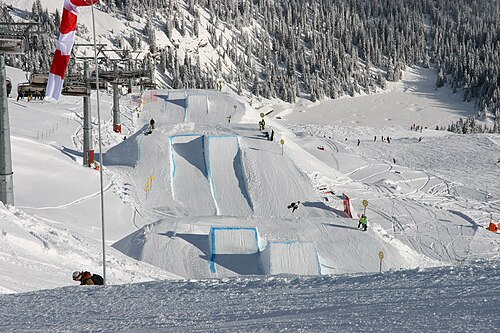
Snowboard slopestyle made a massive splash when it was introduced to the Olympic Games, but that excitement has come with a high price in terms of athlete safety. The event involves navigating a course filled with rails and massive jumps, and the injury rates have reflected the extreme nature of these stunts, often hovering around the 27% mark in recent competitions. Because the athletes are performing multiple rotations and “grabs” in the air, the landing is the moment of truth where everything can go wrong, especially if they catch an edge on the hard-packed snow.
The injuries in slopestyle are diverse, ranging from wrist fractures caused by bracing for a fall to more serious concussions and back injuries from heavy landings. What makes this event particularly risky is the “big air” element, where the height of the jumps means that any mistake is magnified by gravity. Athletes like slopestyle snowboarder Mark McMorris have demonstrated incredible resilience after suffering life-threatening injuries. As tricks become more complex, the physical demand on their joints and the risk of a miscalculated landing continue to be a major point of discussion for Olympic medical commissions regarding the evolution of safer course designs.
Taekwondo Kicks And Combat Stress
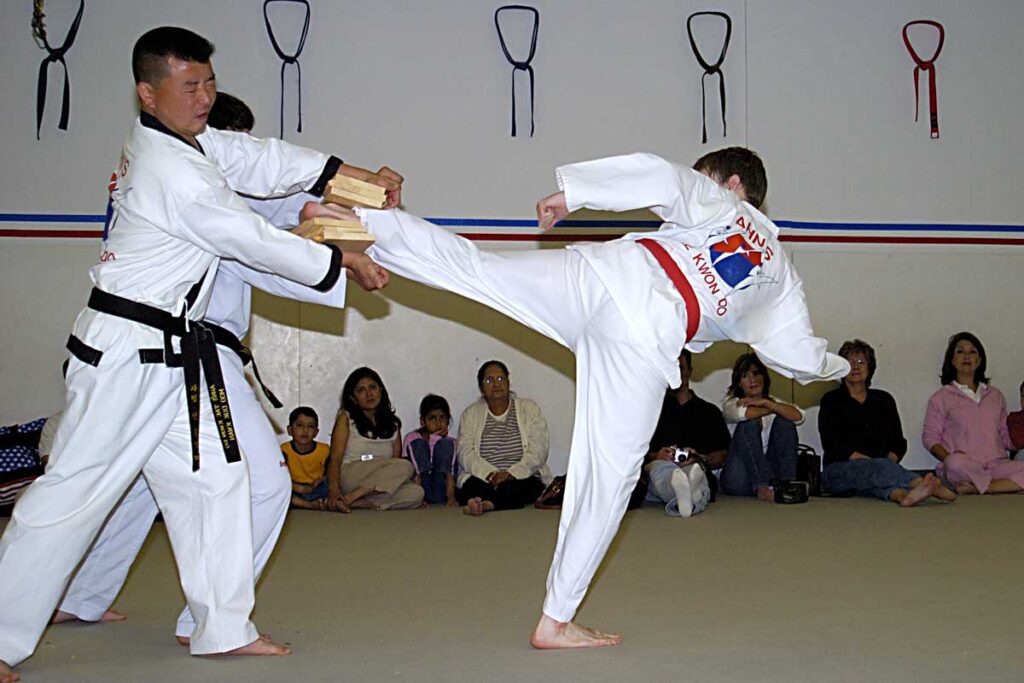
Taekwondo is a sport of incredible agility and explosive power, but the constant barrage of high-level kicks makes it one of the most injury-prone combat sports at the Games. Historically, the injury rates have been remarkably high, peaking at an eye-watering 39% during the 2012 London Olympics. While better scoring technology and refined rules helped bring that number down to around 24% in Rio and even lower in Tokyo, it remains a discipline where the lower extremities are under constant threat from both offensive moves and defensive blocks.
The most common issues in taekwondo involve the feet and ankles, as athletes are frequently striking hard surfaces, their opponents’ chest protectors or headgear, with the tops of their feet. Beyond the bruises and sprains, there is also the risk of more significant trauma from head kicks, which are highly rewarded in the scoring system but carry the danger of concussions. It is a fascinating paradox of a sport that is as much about tactical movement and grace as it is about the physical resilience needed to withstand a literal pounding from some of the best martial artists in the world today.
Rugby Sevens Physicality And Collisions

Since its return to the Olympic fold, Rugby Sevens has become a fan favourite for its fast-paced action, but that speed comes with a level of physicality that is hard to match. In the 2016 Games, both the men’s and women’s events saw injury rates of around 19%, but some studies have suggested that more than half of some team players experienced some form of injury during recent cycles. The game is played on a full-sized pitch with fewer players, meaning there is more space to build up speed before the inevitable, bone-shaking collisions occur.
The nature of the injuries in Sevens often involves high-impact tackles that can lead to shoulder dislocations, hamstring tears, and concussions. Because the tournament format is so compressed, with teams playing multiple matches in a single day, the cumulative fatigue becomes a major factor, making the athletes more susceptible to soft-tissue injuries. It is a gruelling test of “man-on-man” physicality where the lack of downtime between games means that even a minor “niggle” can quickly turn into something much more serious under the Olympic lights, potentially sidelining a key player for the final matches.
Mountain Biking Rough Terrain Risks

Mountain biking at the Olympics is a far cry from a leisurely Sunday cycle, as it involves navigating technical “rock gardens,” steep descents, and narrow forest paths at breakneck speeds. The injury rate has historically been quite high, averaging around 22% over several Games cycles, with the 2016 Rio course proving particularly treacherous for many of the world’s elite riders. The danger here is twofold because there is the constant risk of a high-speed “over-the-handlebars” crash on a descent, and the chronic physical toll of the vibrations and shocks from the rugged terrain.
Most of the injuries recorded in this discipline are contusions and abrasions from sliding on gravel, but the more serious incidents involve fractures to the collarbone or wrists as riders instinctively try to break their fall. Interestingly, the 2020 Tokyo Games saw a dramatic decrease in the injury rate to just 7%, suggesting that course design and athlete preparation are starting to catch up with the extreme demands of the sport. However, the unpredictability of a muddy track or a loose stone means that mountain bikers are always just one slip away from a very painful encounter with the earth.
Football Endurance And Contact Injuries
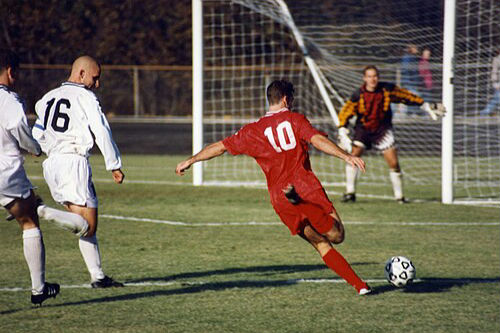
It might surprise some to see football on a list of the most dangerous Olympic sports, but the data from 2008 to 2016 shows that over 27% of the 1,508 competitors experienced an injury. The Olympic football tournament is notoriously exhausting, with a heavy schedule of matches played in a short window of time, often in high heat and humidity. This level of physical demand leads to a high frequency of “overuse” injuries, particularly in the hamstrings and quadriceps, as the body struggles to recover between ninety-minute shifts.
Beyond the fatigue-related issues, football is also a contact sport where collisions, late tackles, and awkward landings are part of every match. Ankle sprains and knee ligament injuries are the most common traumatic incidents, often occurring when a player’s studs catch in the turf during a sudden change of direction. While football might not have the “spectacular” crashes of the winter sports, its place on this list is a testament to the relentless physical grind that the world’s most popular game demands of its Olympic participants over a fortnight of intense competition.
Ice Hockey High Speed Impact

Ice hockey is a sport where the combination of razor-sharp skates, heavy sticks, and a frozen rubber puck creates an environment that is ripe for physical trauma. It consistently ranks as one of the most dangerous winter sports because it is played at such high speed within the confines of a boarded rink, leading to violent collisions both between players and against the walls. The injury profile for hockey is varied, featuring everything from facial lacerations and lost teeth to more hidden and lingering issues like concussions and shoulder dislocations.
What makes the Olympic stage particularly intense is the level of “checking” and the sheer desperation to win, which can lead to players putting their bodies in harm’s way to block a shot or win a puck battle. The hands and wrists are also frequently targeted, often suffering fractures from slashes or being crushed against the boards during a play. Even with the best padding and helmets available, the sheer kinetic energy involved in a game of elite ice hockey ensures that the medical staff at the rink are among the busiest people at the Winter Games.
Wrestling Physical Toll Risks
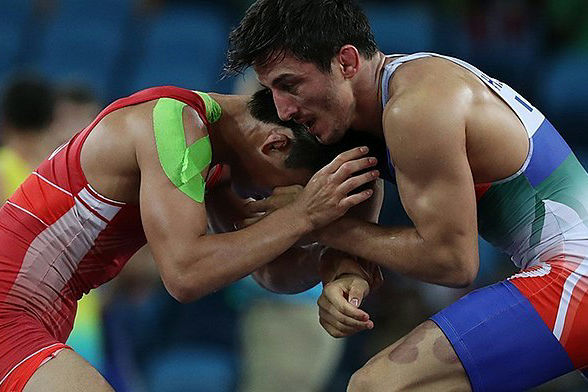
Wrestling is widely regarded as a foundation of the ancient and modern Olympic Games, yet the intense physical nature of this combat sport leads to a significant injury rate of roughly 11.33%. Unlike many other Olympic disciplines where injuries might stem from falls or equipment failure, wrestling injuries almost exclusively occur during “engagement,” which is the direct and often violent physical struggle between two elite athletes on the mat. The most common issues involve the knees and shoulders, frequently resulting from high-amplitude throws or defensive maneuvers where joints are pushed far beyond their natural range of motion.
The medical challenges in wrestling aren’t just limited to major traumatic incidents like ligament tears or dislocations, as the sport also contends with skin infections and cauliflower ear due to constant contact. While the athletes are incredibly well-conditioned, the sheer force of an opponent’s weight being used as a lever against one’s own body makes every single match a high-stakes gamble with physical safety. It is a discipline where the “perfect move” is a delicate balance between peak human strength and the structural integrity of the human skeleton under immense pressure during the heat of competition.
Basketball High Intensity Impacts
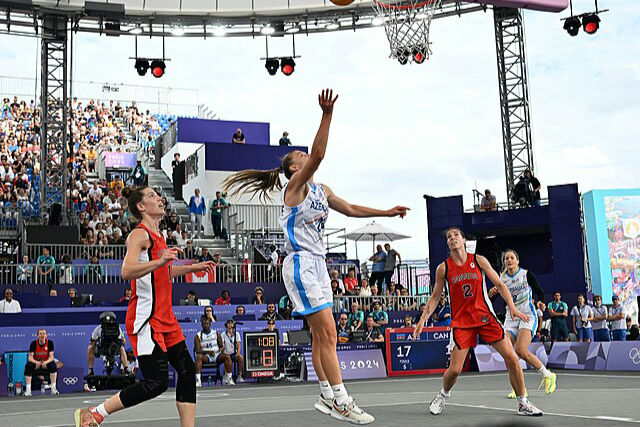
Basketball may seem safer than combat sports to the casual observer, but at the Olympic level, the injury rate sits at approximately 10.7% due to the sheer speed of play. The danger on the hardwood stems from a combination of high-speed transitions, sudden changes in direction, and frequent mid-air collisions that occur when players challenge for rebounds or layups. Ankle sprains are the most common setback recorded, often occurring when a player lands awkwardly on an opponent’s foot after a jump, leading to immediate and often tournament-ending ligament damage.
The grueling schedule of an Olympic basketball tournament adds another significant layer of risk, as cumulative fatigue makes these world-class players much more susceptible to soft-tissue strains and pulls. In the pursuit of a gold medal, athletes often play through minor “niggles,” which can quickly escalate into more serious knee or hamstring injuries under the bright lights of the global arena. This constant physical demand ensures that team physiotherapists are kept incredibly busy, as they work tirelessly to keep their stars on the court despite the relentless pace and physical contact.
Handball Violent Defensive Collisions
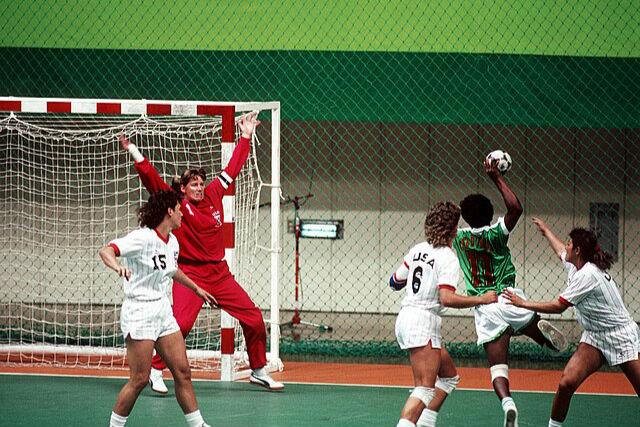
Handball is frequently cited as one of the most underrated and physically punishing team sports in the Olympic Games, with a recorded injury rate of 10.3% among participants. The sport is characterized by high-speed sprints and incredibly aggressive defensive blocks that often resemble rugby-style collisions, even though the athletes wear very little protective padding. Players are frequently hit by the ball at high speeds or take heavy contact while mid-air during a shot, leading to a high frequency of painful contusions and more serious finger dislocations.
Because the game is played on a hard indoor surface, falls are particularly unforgiving and can lead to significant floor burns or head impacts if a player is knocked off balance. The repetitive nature of overhand throwing at maximum power also puts immense stress on the rotator cuffs and elbows of the athletes, making long-term shoulder health a primary concern for medical teams. It remains a grueling test of endurance and bravery, where players must be willing to sacrifice their bodies to break through a wall of defenders to score.
Bobsleigh High Speed Gravity Risks
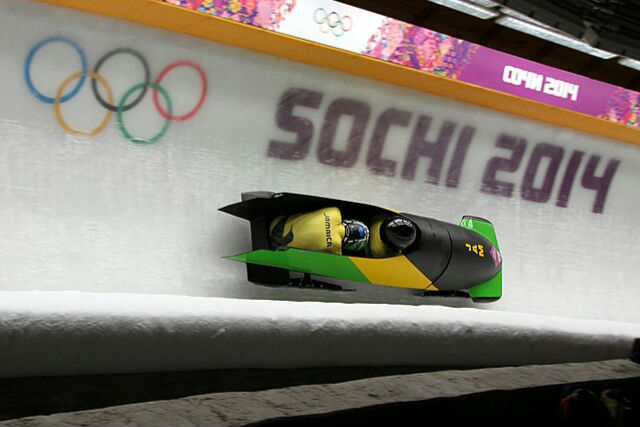
In the Winter Olympics, the bobsleigh is essentially a high-tech rocket on ice, and the risks involved are appropriately high, with an injury rate of 9.2% for competitors. While many associate the sport with catastrophic crashes, a large portion of injuries actually occur during the explosive “push” phase at the very start of the run. Athletes sprinting on slick ice while bent over a heavy sled frequently suffer from severe hamstring and lower back strains, which can be devastating for their overall performance and speed.
When a crash does occur at speeds exceeding 80 miles per hour, the results are often severe, including significant concussions and “friction burns” from sliding against the frozen track walls. The immense G-forces experienced in the tight turns also take a chronic toll on the athletes’ necks and spines, requiring a level of physical conditioning that is often overlooked by the casual viewer. The danger is so high that winter sports involving these speeds are consistently flagged by medical commissions as areas requiring constant safety innovation and better protective gear.
Skeleton Head First Danger Zones
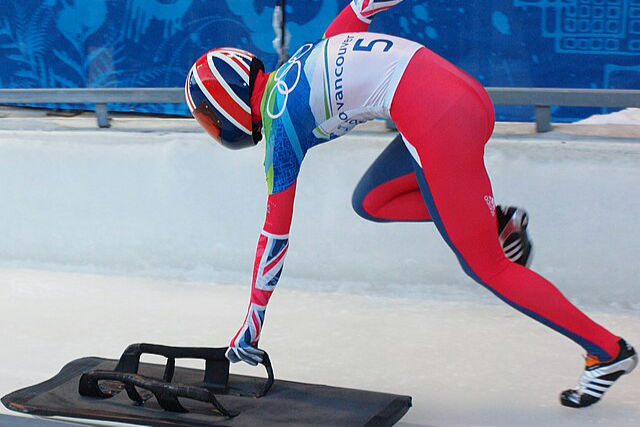
Skeleton is perhaps the most nerve-wracking sliding sport in the Olympic programme, as athletes hurtle down the icy track head-first, just inches above the frozen ground. This unique and terrifying positioning contributes to an injury rate of 9.2%, which is identical to its other sliding counterparts but carries a different set of risks. The primary concern for skeleton racers is head trauma and facial injuries, as the athlete’s chin is often hovering dangerously close to the ice during high-speed turns where control is minimal.
Because the skeleton sled has no mechanical steering or braking system, the athlete’s body must absorb all the vibrations and impacts of the run through sheer muscle tension. This leads to a high frequency of “micro-concussions” and chronic neck pain that can plague a slider for years after their competitive career has ended. The mental pressure of navigating a winding ice tunnel at lethal speeds is matched only by the physical resilience needed to endure the constant rattling and buffeting of the sled against the track walls.
Luge Precision And Impact Risks
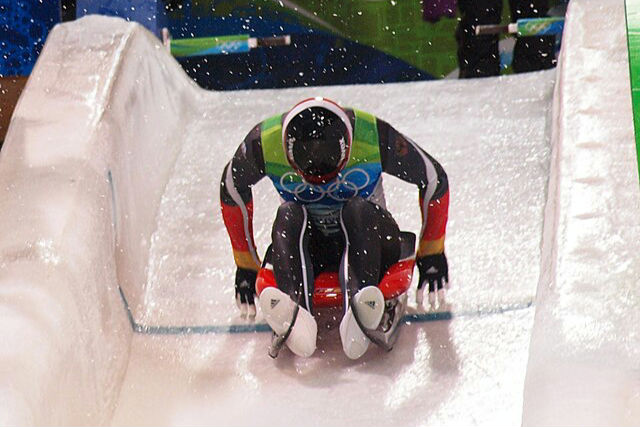
Luge rounds out the sliding trio with a 9.2% injury rate, but in this discipline, the danger is faced feet-first at even higher speeds than the skeleton. While appearing more stable than other sleds, luge is often the fastest event on the track, with athletes reaching speeds that make even the slightest error in steering completely catastrophic. The most common traumatic injuries occur when an athlete is “ejected” from the sled, leading to high-impact collisions with the track’s safety barriers or the ice itself.
Luge athletes also face significant risk to their hands and shoulders, which are used to paddle the ice during the explosive start to gain vital momentum. The precision required to navigate the track at nearly 90 miles per hour means that any physical setback, no matter how minor, can be the difference between a podium finish and a disaster. The high speed and icy conditions make it a perennial leader in injury statistics, reminding us that even the most practiced routines can go wrong in a heartbeat.
Artistic Gymnastics Landing Impact Costs
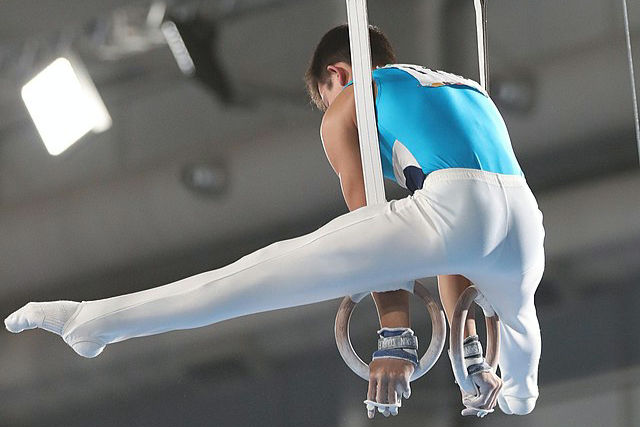
Artistic gymnastics is widely regarded as one of the most physically demanding Olympic sports, with injury rates often exceeding 8.5% depending on the specific Games cycle. Whether it is the explosive power of the vault or the high-flying releases on the uneven bars, gymnasts are constantly battling gravity in ways the human body wasn’t designed for. The most severe injuries often occur during landings, where the force transmitted through the ankles and knees can be up to 15 times the athlete’s body weight.
Beyond traumatic injuries like Achilles tendon ruptures, gymnasts frequently suffer from chronic stress fractures in the spine and wrists due to years of repetitive high-impact training. The psychological pressure also plays a massive role; a “mental block” can lead to a loss of air awareness, significantly increasing the risk of a dangerous fall from a great height. This level of risk is expected in a sport that pushes the structural limits of the human body to achieve a level of perfection that seems almost superhuman.
Weightlifting Explosive Power Spinal Strains
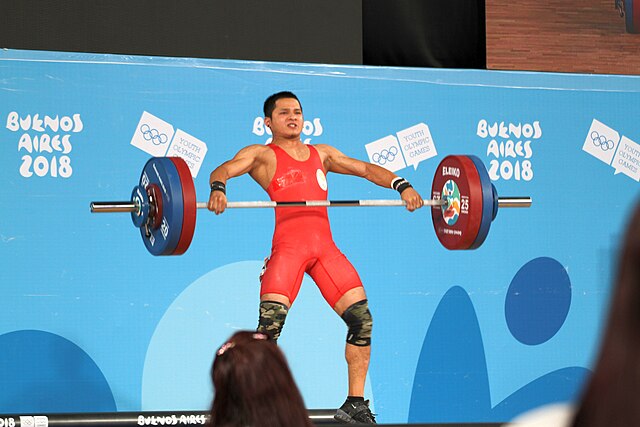
Weightlifting is a sport of pure, explosive power, but moving hundreds of pounds from the floor to overhead in a split second carries a high injury rate of 15.86%. The risks are heavily concentrated in the lumbar spine, knees, and shoulders, as these areas bear the brunt of the massive “loads” during the snatch and the clean and jerk. A single lapse in technique or a momentary loss of balance can lead to catastrophic failures where the athlete must quickly dump the weight.
Interestingly, weightlifting injuries are often chronic rather than acute, developing over many years of repetitive high-intensity training that wears down the joints and connective tissues. On the Olympic stage, the pressure to hit a personal best often pushes athletes to ignore minor pain, which can lead to severe structural injuries like disc herniations. The sport remains a primary example of high-load peril, where the margin between a gold medal lift and a lifelong back injury is measured in the tiniest of technical adjustments.
Volleyball Repetitive Jumping Stress Issues
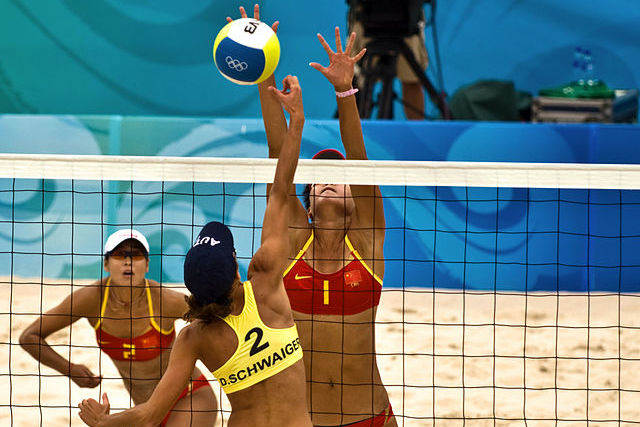
Volleyball rounds out the list with a recorded injury rate of 7.2%, which is significant for a sport that involves no direct contact with the opposing team. The danger comes almost entirely from the repetitive nature of jumping and striking the ball at maximum force hundreds of times per match. Patellar tendonitis, often called “jumpers’ knee,” and rotator cuff tears are common among elite players who must perform these maximum-effort movements throughout a long and exhausting tournament.
The primary “danger zone” in volleyball is the net, where players from opposing teams may land on each other’s feet after a block, leading to severe and painful ankle sprains. Despite its image as a safe and team-oriented sport, the Olympic version is a high-impact grind that tests the limits of an athlete’s joints over several weeks. Fatigue becomes a significant factor in the onset of injury, as tired muscles are less able to protect the ligaments during the thousands of jumps required to reach the final.
Athletics Sprinting Explosive Muscle Tears
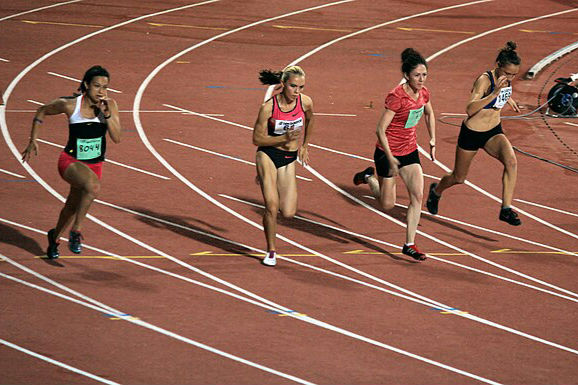
Athletics sees a wide range of injuries across its many disciplines, but for the sprinters, the risk is almost entirely related to soft-tissue damage at high velocity. “Explosive” hamstring and quad tears are common career-threatening incidents that can occur in the blink of an eye during a 100m or 200m dash. The sheer volume of participants in Athletics makes it one of the busiest areas for Olympic medical staff, who must manage everything from minor strains to devastating, season-ending muscle ruptures.
Overuse injuries are also incredibly prevalent in the decathlon, where athletes must push their bodies through ten different disciplines over two grueling days of competition. The “track and field” environment is a constant battle against the clock and the limits of human physiology, but for many, the greatest opponent is their own body. A sudden physical failure can end years of preparation in a single stride, highlighting the fragile nature of elite speed and the immense pressure placed on the human frame.
The sheer variety of these injuries serves as a stark reminder that while we celebrate the triumphs, the safety of these athletes often hinges on a delicate balance of preparation and luck. This reliance on the factory of high-performance training remains the only thing standing between a legendary performance and a life-changing accident.
Like this story? Add your thoughts in the comments, thank you.


