
1. The Night College Kids Beat The Soviet Machine

Every Olympics comes with favorites everyone talks about, yet sometimes the real story begins with a team few outside their country truly expects to win. The 1980 U.S. men’s hockey squad arrived in Lake Placid looking young, mostly college players facing a Soviet team that had dominated world hockey for years. Fans hoped they might stay competitive, nothing more. Still, the Americans skated with stubborn belief, matching speed and refusing to fold when the Soviets pushed ahead. Each goal pulled the crowd deeper into the game, and slowly the idea of an upset stopped feeling impossible and started feeling frighteningly close to real.
When the final minutes ticked down and the scoreboard still showed the Americans leading, the arena shifted from nervous hope into pure disbelief. Holding on for the 4 to 3 victory stunned the sporting world, even though one more win against Finland was needed to secure the official gold. That final victory completed the miracle. What shocked everyone was not only the result but the calm determination the players carried all along, showing how preparation, timing, and fearless youth can sometimes rewrite even the most certain Olympic expectations.
2. The Farmer Who Beat Wrestling’s Giant
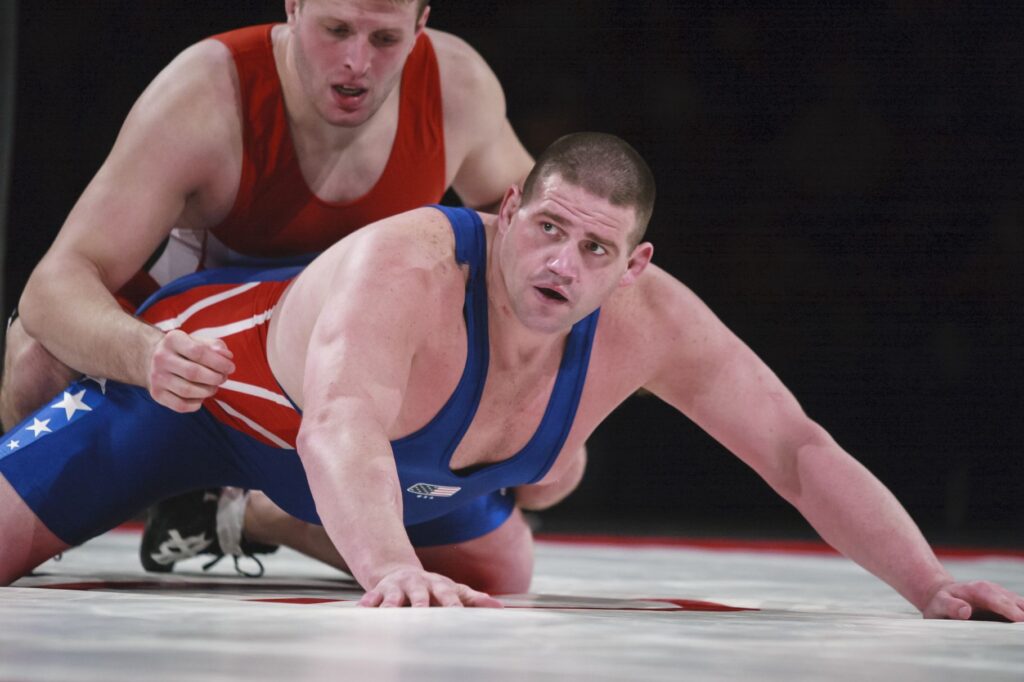
At the Sydney 2000 Olympics, Rulon Gardner walked onto the wrestling mat without the global reputation carried by his opponent Alexander Karelin. Karelin had ruled heavyweight Greco Roman wrestling for more than a decade, barely conceding points and never losing on the international stage during that stretch. Many assumed the match would simply confirm another routine gold for the Russian legend. Gardner approached the bout differently, focusing on steady defense, controlled positioning, and refusing to be intimidated by the moment. Minute after minute, he resisted Karelin’s famous lifts and counters, quietly keeping the match within reach while the arena slowly sensed something unusual unfolding.
Late in the contest, Gardner secured a narrow scoring edge and protected it with relentless concentration. As the clock expired, the scoreboard confirmed one of the most shocking Olympic outcomes in wrestling history. The crowd needed a moment to process what had happened before the cheers truly erupted. Gardner later described the win as simply staying patient through every exchange. That patience ended Karelin’s legendary unbeaten streak and turned an unknown American into an Olympic champion overnight, proving that persistence and mental control can sometimes defeat even the most intimidating dominance in world sport.
3. The Redemption That Finally Landed Right
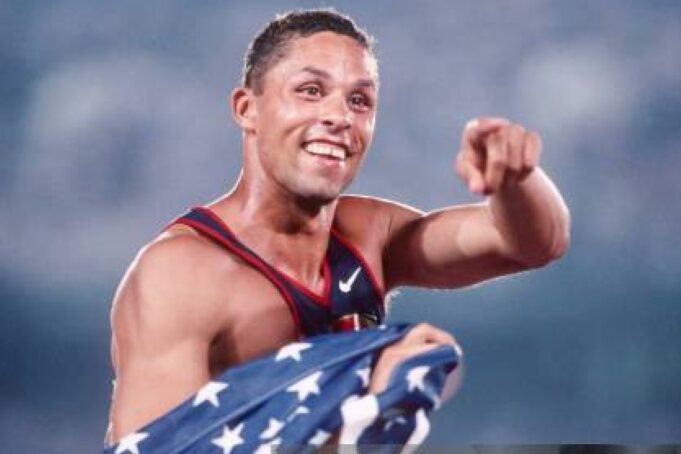
Dan O’Brien entered the Atlanta 1996 Olympic decathlon carrying a story many sports fans already knew. Years earlier he had missed the previous Games after failing to clear a height in the trials, a moment replayed often enough to follow him into every competition. Returning for Atlanta, especially on home soil, meant facing enormous pressure alongside the physical challenge of ten demanding events. Instead of chasing dramatic victories in individual disciplines, O’Brien focused on consistent execution, building points steadily while others pushed for riskier marks that sometimes backfired.
Event by event, his calm approach paid off. Solid throws, controlled jumps, and disciplined track performances slowly created a points lead that became difficult for rivals to close. By the time the final 1500 meters arrived, the numbers already favored him, and all he needed was a composed finish. Crossing the line, the visible relief felt as powerful as the celebration. What surprised many observers was not raw dominance but the quiet confidence he maintained throughout the competition. After years of public disappointment, his gold medal felt like watching a long unfinished chapter finally close exactly the way he had always imagined.
4. The Veteran Skier Who Timed It Perfectly

By the Vancouver Winter Olympics in 2010, Bode Miller had already built a career filled with bold runs, missed chances, and flashes of brilliance that made him one of skiing’s most fascinating competitors. Many observers believed younger racers would now control the speed events while Miller’s Olympic window quietly narrowed. Instead, he arrived looking unusually relaxed, speaking openly about trusting instinct rather than chasing perfection. During the super combined, his downhill portion showed fearless control while the slalom run displayed sharp technical focus that kept every gate clean and measured.
When the final times locked in, Miller stood atop the standings with the gold secured, surprising commentators who had framed the event as a younger athlete’s opportunity. Fans realized they had watched a veteran choose exactly the right moment to produce one of the cleanest performances of his Olympic career. Miller later explained that experience finally helped him slow the race mentally even while skiing fast physically. The victory reminded many viewers that Olympic success does not always belong to rising stars alone. Sometimes it belongs to athletes who have learned precisely when to trust their instincts.
5. The Beach Volleyball Pair That Became Untouchable
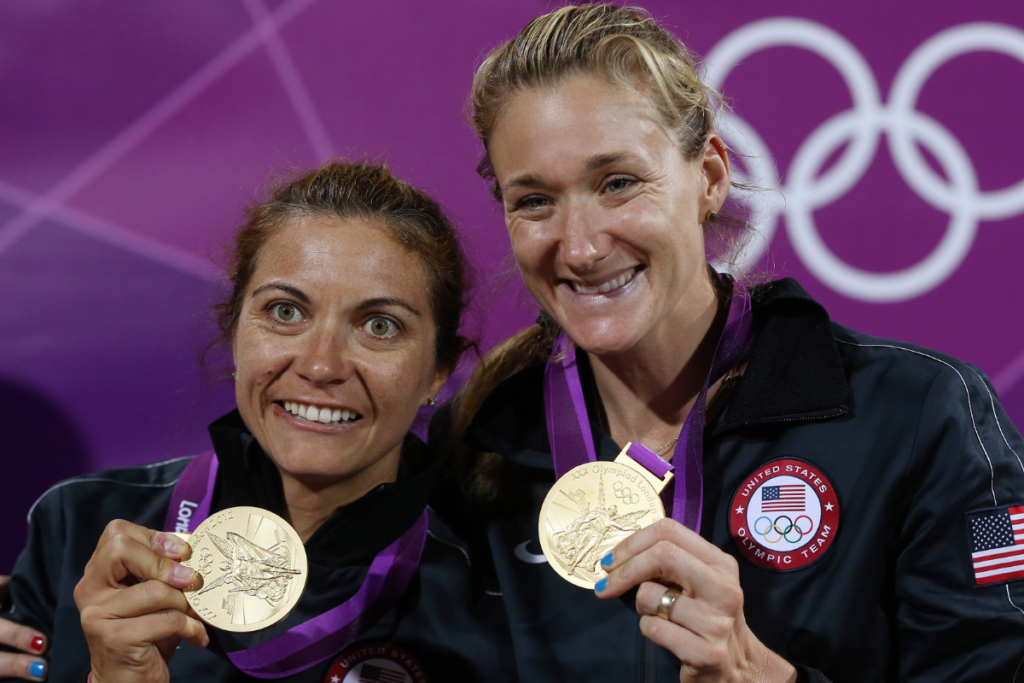
Misty May Treanor and Kerri Walsh entered the Athens 2004 Olympic beach volleyball tournament as one of several strong teams rather than overwhelming favorites. Beach volleyball often turns on weather shifts, short scoring runs, or brief communication lapses, so even top seeded pairs rarely dominate comfortably from start to finish. From their opening match, however, the Americans showed a steady rhythm that felt unusually calm. They spoke constantly between rallies, reset quickly after mistakes, and applied steady pressure that forced opponents into defensive play throughout the early rounds.
As the tournament advanced, their control became impossible to ignore. They reached the gold medal match without dropping a single contest and closed the final in straight sets, finishing the Games undefeated. What surprised spectators was not just that they won but how smoothly every stage unfolded in a sport usually filled with momentum swings. That Athens performance quietly marked the beginning of one of the most successful partnerships in Olympic volleyball history. Looking back, it felt like the precise moment two excellent players locked fully into sync and transformed from contenders into the clear standard everyone else would chase.
6. The Week Everything Went Right For Phelps
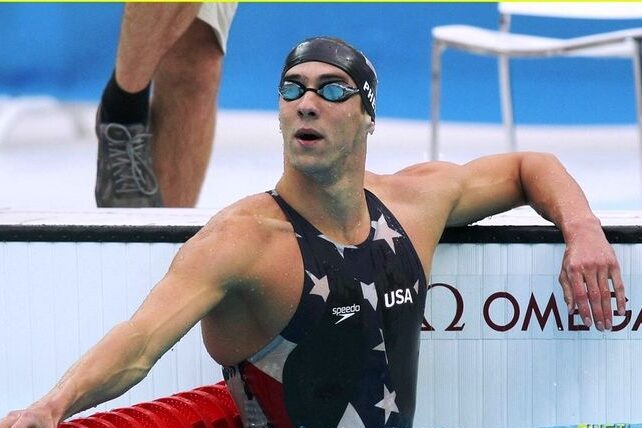
Michael Phelps arrived at the Beijing 2008 Olympics already considered the world’s most dominant swimmer, yet even his supporters spoke cautiously about how many gold medals might realistically be possible. The idea of winning eight in a single Games sounded overwhelming given the packed schedule of individual races and relays, each demanding perfect timing and recovery. Early victories built momentum, but several finals came down to astonishingly thin margins, including a butterfly race decided by the smallest possible touch at the wall that required confirmation on the scoreboard.
As the wins accumulated, the atmosphere surrounding each swim shifted from excitement into disbelief. Relay teammates produced extraordinary splits, turns landed exactly right, and every start seemed timed to perfection. By the final race, spectators sensed they were witnessing something historically fragile yet somehow unstoppable. Securing the eighth gold transformed what began as an ambitious goal into one of the most remarkable Olympic performances ever recorded. The shock was not simply the medal count itself but how many races depended on microscopic details going perfectly right, showing how greatness sometimes emerges from dozens of tiny moments aligning at once.
7. The Gymnast Who Made Difficulty Look Easy
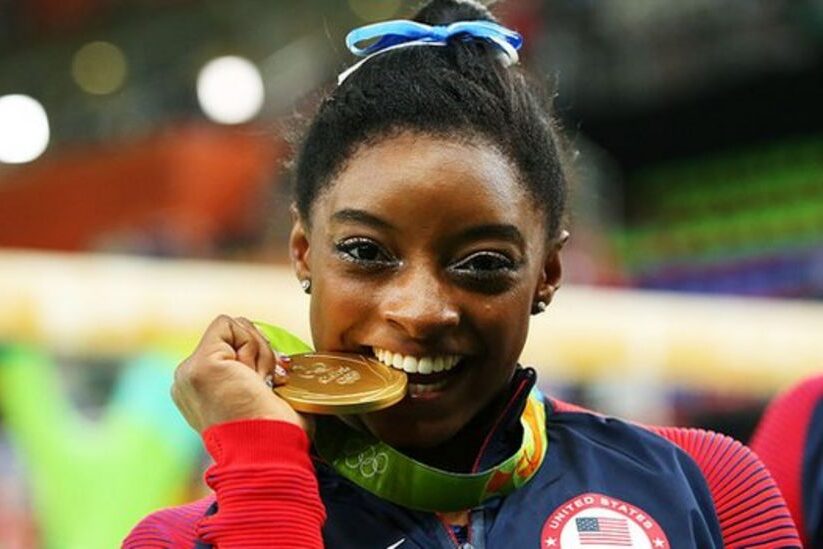
Simone Biles entered the Rio 2016 Olympic all around competition with enormous respect from gymnastics insiders who understood the extreme difficulty packed into her routines. Casual viewers still expected the usual Olympic tension where one slip on beam or small landing error could reshape the entire podium. Instead, Biles delivered performance after performance with explosive power and visible composure, launching high on vault, controlling the uneven bars, and attacking her floor routine with confident rhythm that never appeared rushed or uncertain.
As rotation followed rotation, her scores created a widening gap that removed most suspense from the standings well before the final apparatus finished. The surprise for many watching around the world was not that she claimed gold but how decisively she separated herself from an already elite field. Olympic all around finals often feel fragile and dramatic, yet Biles made the evening appear almost routine. Her victory signaled the arrival of an athlete operating at a technical level rarely seen in the sport, turning what might have been a tight contest into a defining showcase of how far women’s gymnastics performance standards had suddenly advanced.
8. The Teen Swimmer Who Took Control Early
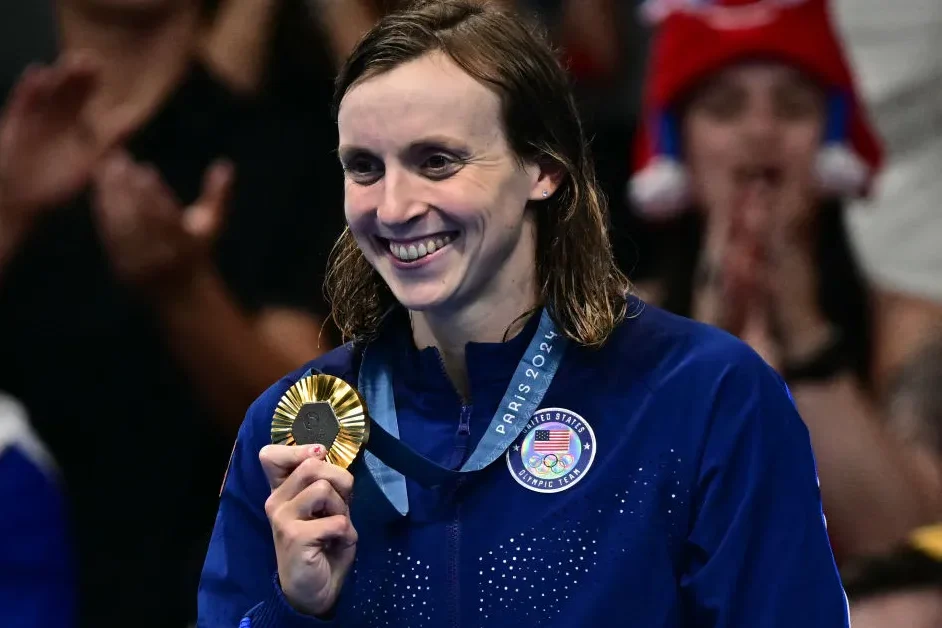
Katie Ledecky stepped onto the starting block for the London 2012 Olympic 800 meter freestyle final as a fifteen year old largely unknown to casual global audiences. Distance swimming championships usually unfold cautiously, with athletes conserving strength for a decisive final surge in the closing laps. Ledecky ignored that pattern almost immediately, pushing the pace from the opening lengths and establishing a lead that forced the rest of the field to react much earlier than planned while her stroke remained smooth and controlled.
By halfway, commentators stopped discussing strategy and began watching whether anyone could even reduce the widening gap. Touching first with a commanding margin, Ledecky looked composed rather than overwhelmed by the moment. The shock came from both her youth and the fearless race plan she carried from start to finish. Instead of responding to her competitors, she dictated the entire tempo herself. That swim introduced the world to a distance specialist whose calm confidence seemed far older than her years, marking the beginning of an Olympic career that would soon become synonymous with relentless pacing and remarkable consistency.
9. The First Women’s Olympic Soccer Statement
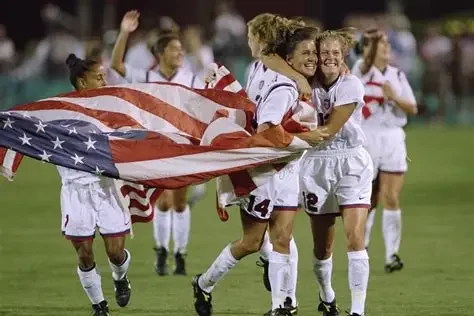
When women’s soccer made its Olympic debut in Atlanta 1996, the international hierarchy still felt unsettled and several nations believed they could realistically capture the first gold medal. The United States team entered with strong preparation but faced serious competition, especially from a disciplined Chinese squad known for precise passing and organized defensive shape. Throughout the tournament, the Americans relied on endurance, physical midfield pressure, and patient buildup play, advancing through matches that often remained tense until the closing minutes.
In the gold medal final, that persistence proved decisive as the United States secured a narrow victory that ignited the home crowd. Beyond the medal itself, the triumph carried broader meaning for the sport’s global visibility. It helped validate women’s soccer as a major Olympic event and fueled enormous domestic interest that shaped future professional leagues and youth programs. What surprised observers was how quickly the Americans seized control of a brand new Olympic stage, turning what could have been a cautious tournament into a defining championship that established the United States as an immediate long term force.
10. The Sprinter Who Nailed One Perfect Race
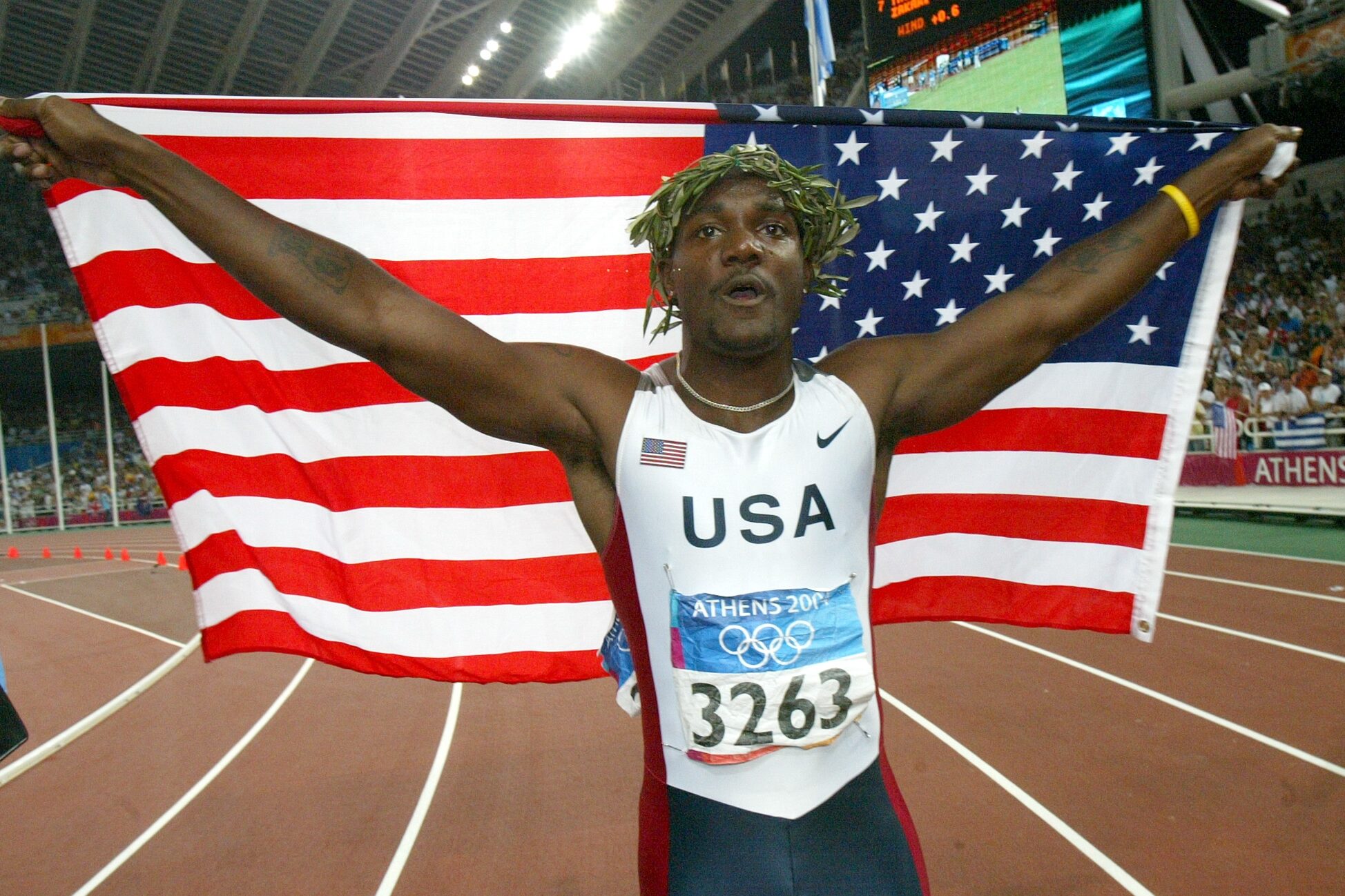
Justin Gatlin lined up for the Athens 2004 Olympic 100 meter final respected within sprinting circles but not universally treated as the clear favorite in a field loaded with experienced contenders. Elite sprint races are decided in fractions of seconds, where reaction time, acceleration phase, and late race form must align perfectly. When the gun fired, Gatlin launched from the blocks with exceptional sharpness, settled into an efficient stride quickly, and maintained clean posture through the drive phase without tightening during the crucial final meters.
Crossing the finish first in 9.85 seconds, he delivered the exact race sprinters train their entire careers to assemble. Commentators immediately highlighted how technically smooth his execution looked from start to finish. The surprise was less about his talent and more about the precision of the moment he chose to peak. Olympic finals offer no recovery from even the smallest error, and Gatlin’s performance felt almost perfectly constructed. His gold medal reminded fans that championships are often decided not by season dominance alone, but by which athlete can produce one flawless race exactly when the world is watching.
11. The Gymnast Who Stuck The Routine Of Her Life
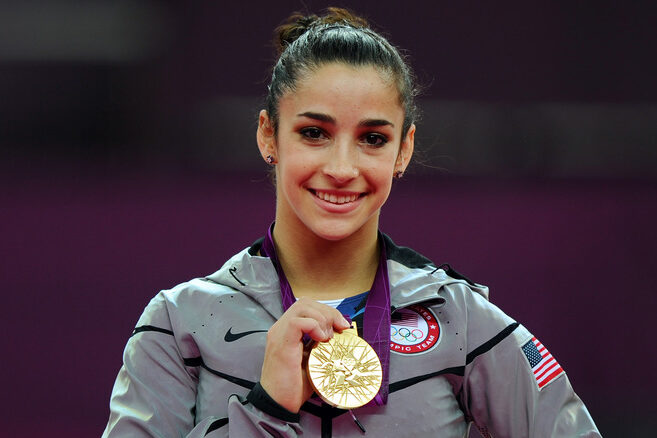
Aly Raisman arrived at the London 2012 Games known as a powerful and reliable member of the American gymnastics squad, though few casual viewers expected her to dominate the individual floor final. Her strength had always been consistency rather than flashy unpredictability, and Olympic judging often rewards both precision and artistic rhythm. As the final unfolded, Raisman delivered her tumbling passes with sharp control, landing cleanly and maintaining steady musical timing that kept the routine flowing naturally from start to finish while the crowd sensed something unusually complete.
When the scores appeared, the margins were painfully tight, and for a moment the standings looked uncertain. After review, her execution placed her into the gold medal position, confirming that technical cleanliness had carried the day. What surprised many watching was how her calm preparation translated into exactly the performance needed at the exact Olympic moment. Instead of chasing difficulty alone, she focused on hitting every element the way she had practiced countless times. That disciplined approach turned a final expected to favor others into a quietly unforgettable American victory built entirely on control.
12. The Diver Who Closed With Absolute Nerve
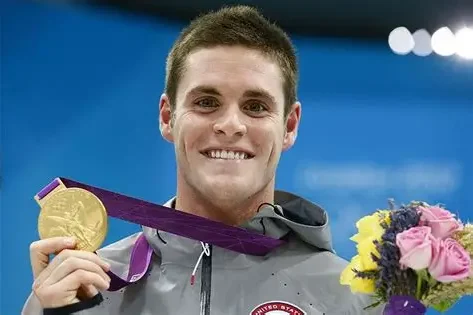
At the London 2012 Olympic platform diving final, David Boudia faced a field dominated by Chinese athletes who had controlled the event for years with extraordinary technical precision. Early rounds showed Boudia slightly behind the leaders, and most projections assumed the established favorites would eventually separate themselves. Still, the American stayed within striking distance, executing each dive with controlled entry and steady rotation, never forcing unnecessary risk while keeping his scoring close enough to matter once the competition reached its final attempts.
Everything shifted during the last round when Boudia delivered a near flawless dive that combined height, tight form, and a remarkably clean water entry. The judges rewarded it with massive points, pushing him into first place just as the contest ended. The shock spread instantly because few expected the long Chinese Olympic streak in the event to break that night. Boudia’s win showed how Olympic finals often come down to one perfectly timed performance under maximum pressure. By saving his most complete dive for the very end, he transformed a steady evening into one of the most dramatic closing moments of the Games.
13. The Vault That Sealed A Team’s Dream
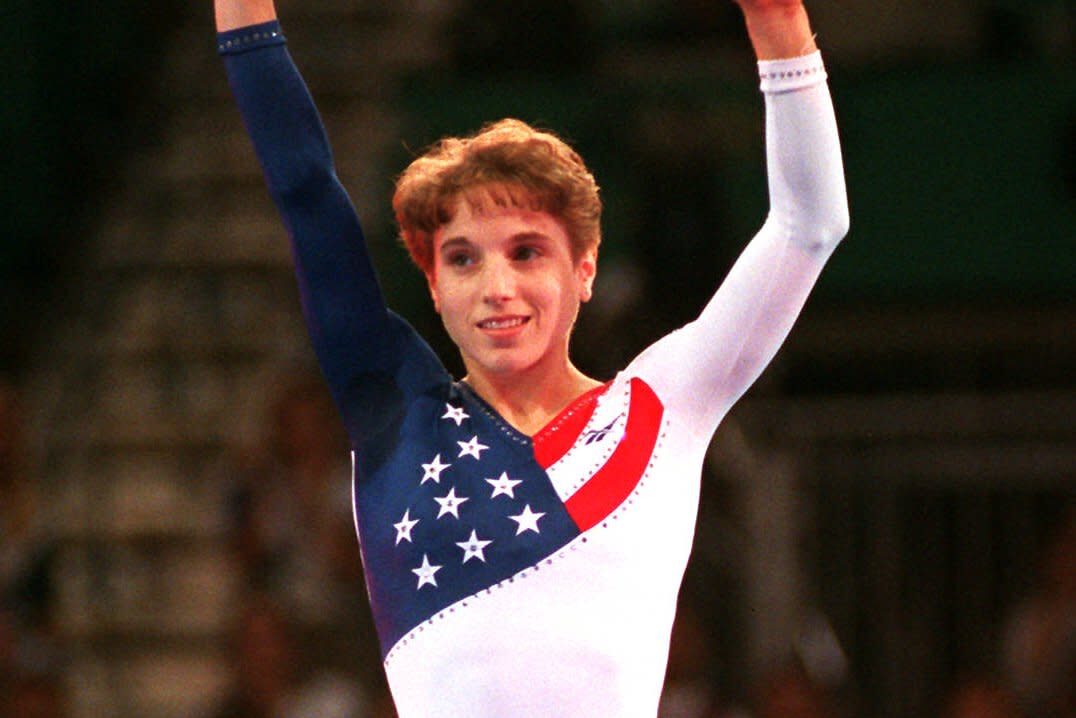
During the Atlanta 1996 women’s team gymnastics final, the United States squad found itself one routine away from securing its first Olympic team gold. Injuries and mounting pressure had tightened the competition, leaving Kerri Strug needing a successful vault despite hurting her ankle on the previous attempt. The arena felt frozen as she sprinted down the runway, launched into the vault, and landed with a painful hop before forcing herself upright to complete the salute, knowing the score might determine the entire team’s fate.
When her result confirmed the Americans had secured enough points, the moment instantly became one of the most emotional scenes in Olympic gymnastics history. Spectators understood they had witnessed not just athletic execution but extraordinary determination in real time. What shocked viewers worldwide was the sheer resolve shown in that single effort, turning a technical scoring situation into a human story of commitment and sacrifice. The vault sealed the gold medal and gave the United States its historic breakthrough, proving that sometimes Olympic championships hinge on one athlete summoning the strength to finish a task despite overwhelming physical pain.
14. That Ended The Contest Early
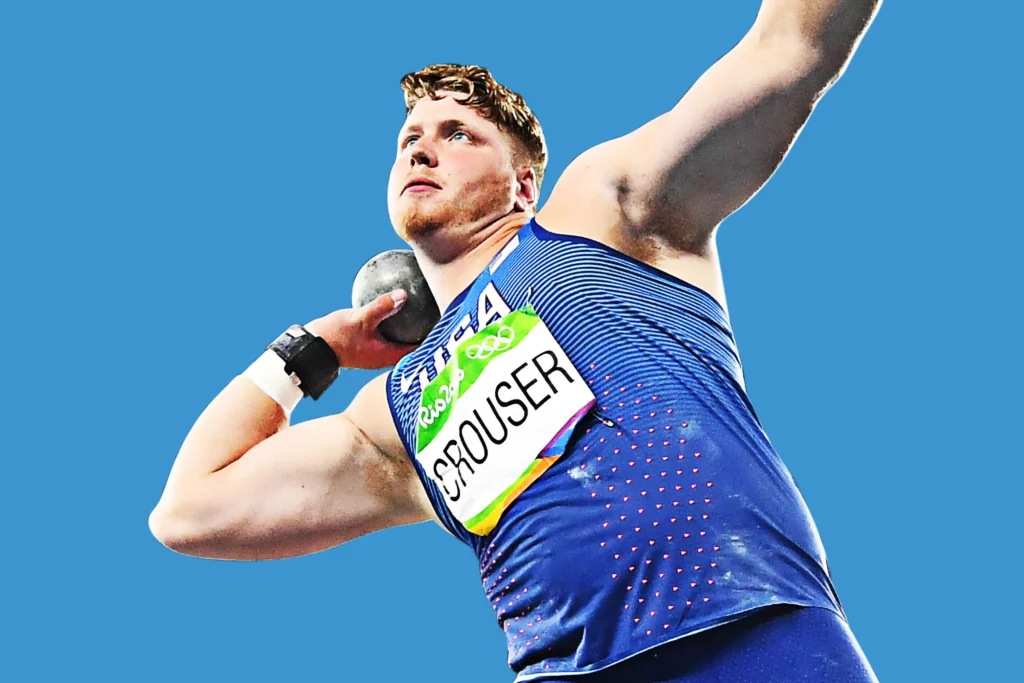
Ryan Crouser entered the Rio 2016 Olympic shot put final recognized as a strong American contender, yet throwing events often feature unpredictable late surges where leaders change repeatedly across six rounds. On his very first attempt, Crouser launched the shot with perfect balance and explosive extension, sending it beyond the Olympic record distance and immediately placing enormous pressure on every other competitor in the field while the stadium reacted to the unexpected opening mark.
As later rounds unfolded, no rival managed to surpass that distance, effectively locking the gold medal from the beginning of the competition. What surprised many observers was how decisively the event settled so early, since shot put finals typically build suspense through gradual improvement. Crouser remained composed throughout the remaining throws, occasionally smiling as the reality of the victory settled in. His performance demonstrated how one perfectly executed attempt can shape an entire Olympic final before it truly develops. That single opening throw turned a competitive event into a historic American win and announced the arrival of a dominant new force in global throwing.
15. The Teenage Boxer Who Refused To Back Down
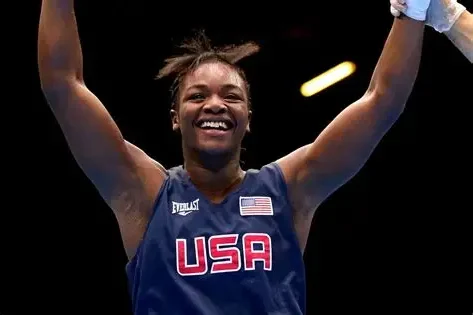
When women’s boxing debuted at the London 2012 Olympics, seventeen year old Claressa Shields represented the United States with confidence but little global celebrity compared to more experienced international fighters. Olympic boxing demands tactical discipline, emotional control, and stamina across several bouts in quick succession. From her first fight, Shields showed aggressive forward movement paired with surprisingly mature defensive awareness, landing clean scoring punches while avoiding wild exchanges that often trap younger competitors under Olympic pressure.
Advancing through the rounds, she maintained the same controlled intensity, entering the final with visible belief in her approach. During the championship bout, her combination of speed and ring positioning secured the decisive points needed for victory. What shocked many viewers was how composed she looked for someone so young competing on the sport’s largest stage. Instead of appearing overwhelmed, she dictated the tempo and trusted her training fully. Her gold medal did more than mark a personal breakthrough. It introduced American audiences to a new Olympic champion whose fearless but disciplined style signaled the beginning of a remarkable boxing career.
16. The First Olympic Women’s Hockey Triumph
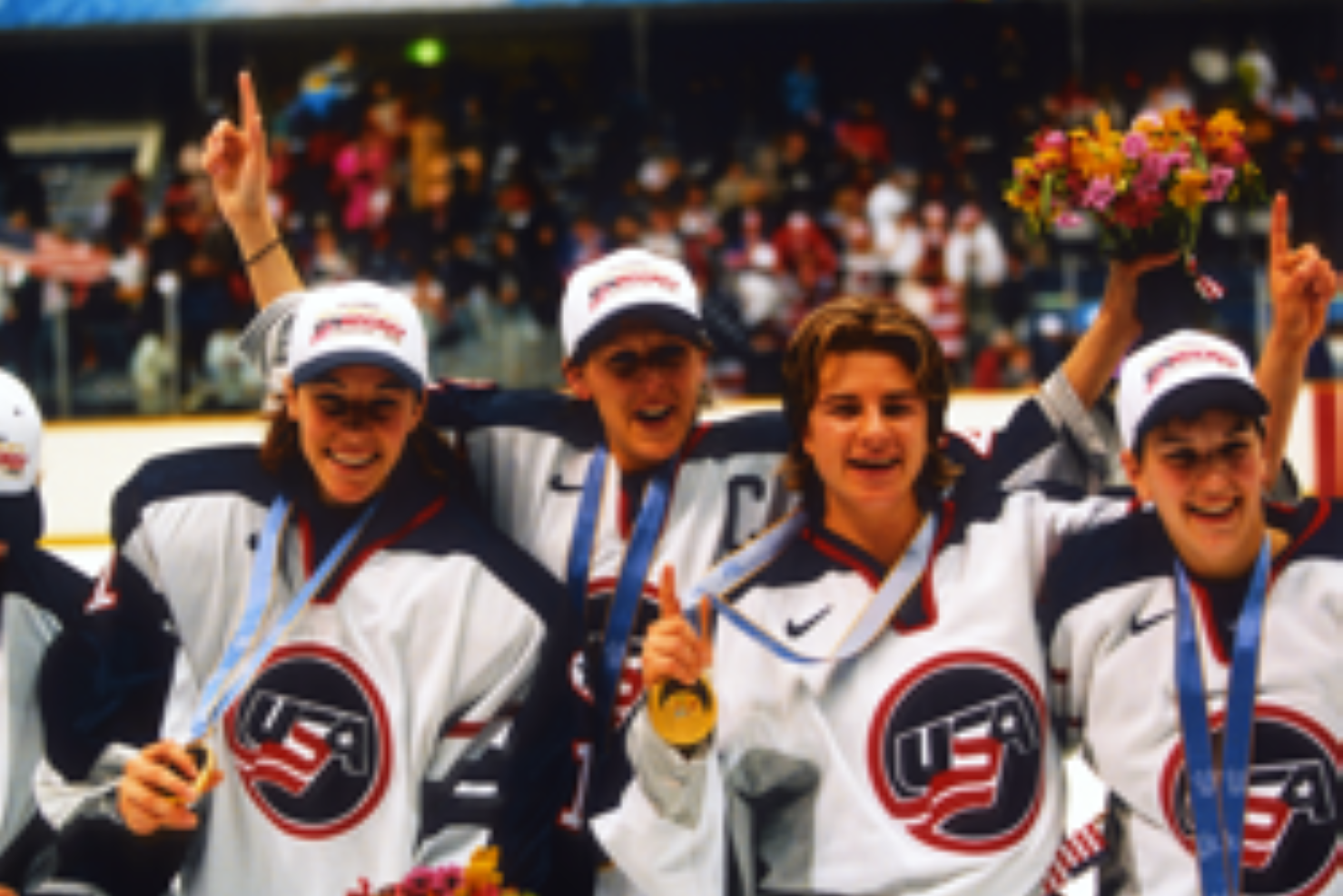
At the Nagano 1998 Winter Olympics, women’s ice hockey made its official Olympic debut, immediately setting up a fierce rivalry between the United States and Canada, two nations deeply invested in the sport’s growth. Canada entered the tournament widely expected to claim the inaugural gold, carrying strong international results and experienced players. The American team focused instead on structured defense, disciplined line changes, and opportunistic scoring, slowly building momentum as the tournament advanced toward its decisive final matchup.
In the championship game, the United States executed its plan with remarkable calm, scoring key goals and maintaining defensive shape that limited Canadian chances. Securing the 3 to 1 victory stunned many observers who had assumed Canada’s dominance would continue onto the Olympic stage. The win instantly established the United States as a central power in women’s hockey and set the tone for decades of competitive Olympic clashes between the two nations. What made the result so memorable was not just the medal, but the realization that the very first Olympic tournament had already produced a rivalry dramatic enough to define the sport’s future.
17. The Long Jump Champion Who Would Not Fade
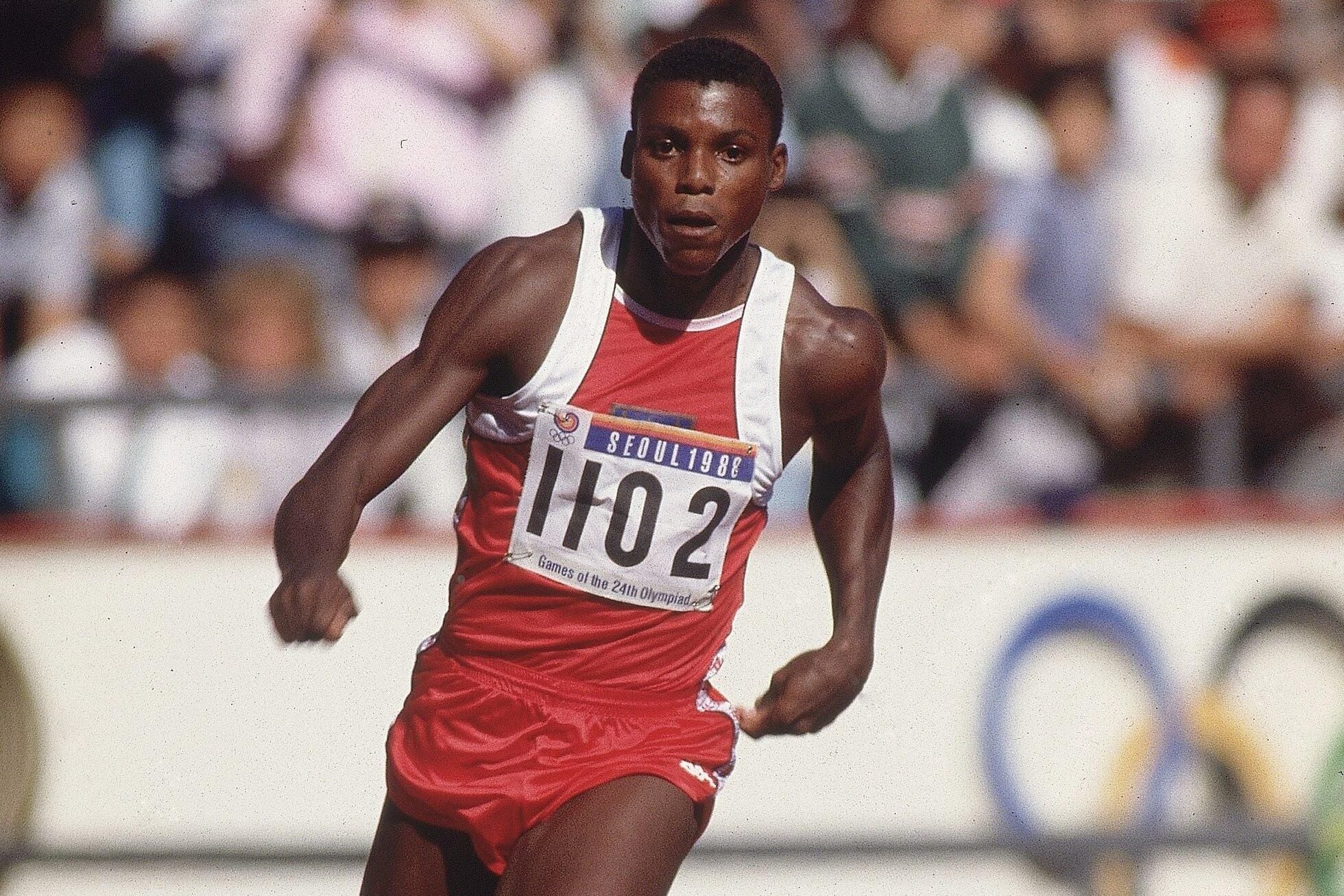
By the Barcelona 1992 Olympics, Carl Lewis had already built a legendary career, yet questions lingered about whether younger athletes might finally overtake him in the long jump. Injuries and the natural passage of time made another Olympic title seem uncertain. Lewis approached the final with veteran patience, focusing on rhythm, controlled speed on the runway, and clean takeoff positioning rather than chasing risky maximum distance attempts that could lead to fouls.
Early in the competition he produced a strong legal jump that set the benchmark for the field. As later rounds unfolded, challengers struggled to surpass the mark while Lewis maintained consistent form without unnecessary risks. Securing the gold medal surprised those who expected the event to mark a symbolic farewell rather than another victory. His performance showed that technical mastery and championship experience can extend competitive dominance far longer than raw athletic peak alone. Watching him stand atop the podium again felt like witnessing a champion quietly prove that precision, timing, and mental calm sometimes outweigh even the strongest emerging competition.
18. The Young Skater Who Went All In
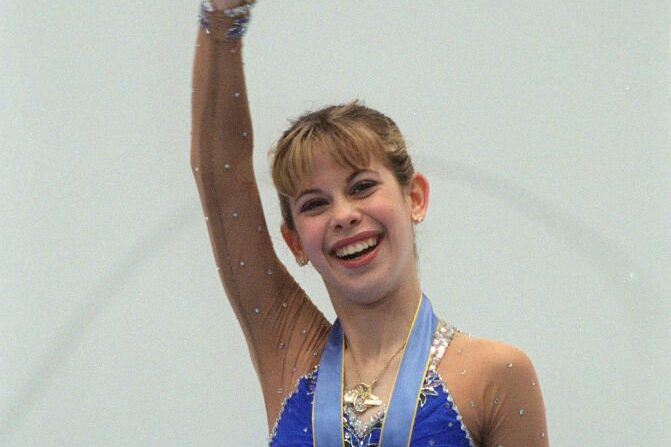
At the Nagano 1998 Winter Olympics, fifteen year old Tara Lipinski entered the women’s figure skating final facing reigning world champion Michelle Kwan, who many believed held the stronger overall program. Lipinski chose an aggressive technical layout featuring a demanding triple loop combination, knowing that clean execution could outweigh the safer strategies often used in Olympic finals. Her performance unfolded with sharp jumps, quick rotation, and confident landing control that energized the arena from the opening elements.
Completing the routine cleanly placed immediate pressure on the remaining skaters, especially given the high technical base value of her program. When final scores confirmed her gold medal, she became the youngest Olympic champion in the sport’s history at that time. The surprise came from the boldness of her approach. Rather than skating cautiously under Olympic nerves, she attacked the program with full competitive intent. That fearless decision reshaped the standings and demonstrated how Olympic judged sports often reward athletes willing to take calculated risks. Lipinski’s win became a lasting reminder that confidence sometimes matters just as much as experience on the biggest stage.
19. The Tactical Runner Who Read The Race Perfectly
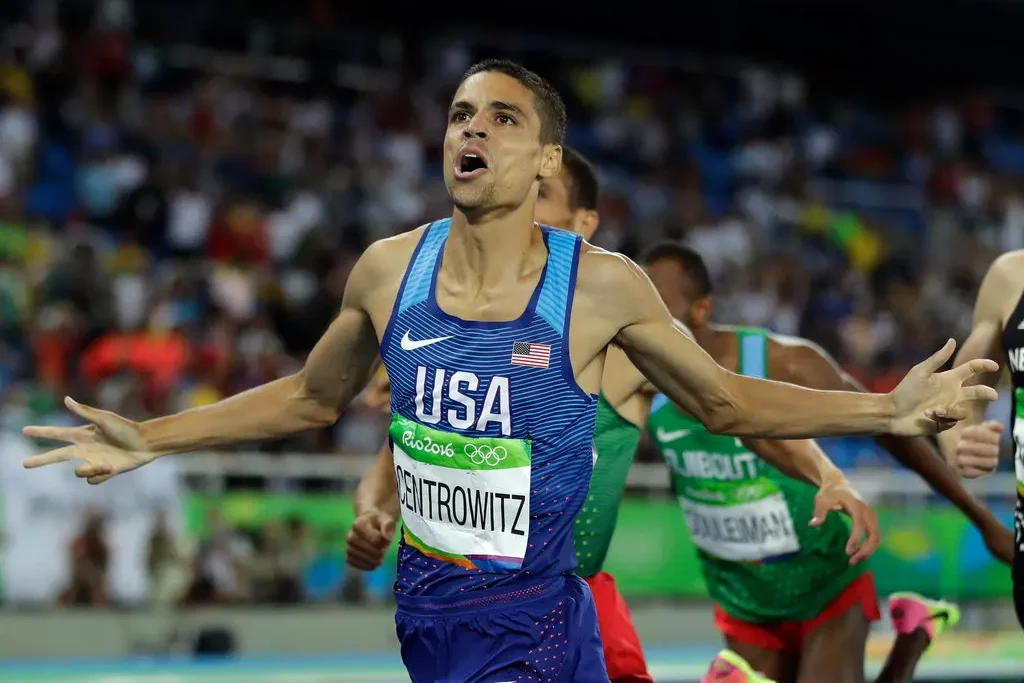
The men’s 1500 meter final at the Rio 2016 Olympics developed into an unusually slow tactical contest, frustrating runners who preferred fast paced races built on endurance strength. American Matthew Centrowitz recognized the shifting tempo early and stayed positioned near the front, avoiding the boxed in traffic that often ruins medal chances in championship middle distance races. Lap after lap he conserved energy while monitoring every move around him, waiting for the exact moment when the race would inevitably explode into a final sprint.
When the bell lap sounded, Centrowitz launched his acceleration decisively, opening a gap that forced the field to chase rather than control the finish. Holding his speed through the final straight, he crossed the line first and secured Olympic gold in a result that surprised many who had focused on faster season time leaders. His victory illustrated how championship racing often rewards tactical awareness more than raw statistics. By reading the unusual pace perfectly and committing at the right second, he transformed a slow, tense race into a career defining American win built entirely on positioning, patience, and fearless timing.
20. The Young Swimmer Who Stayed Calm Under Pressure
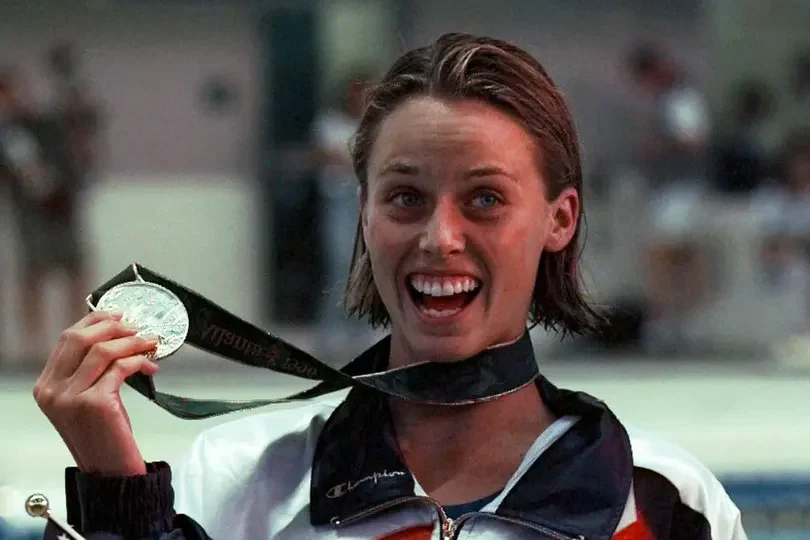
Amanda Beard stepped into the Atlanta 1996 Olympic pool as a fourteen year old whose international experience was still developing, making her presence in the 200 meter breaststroke final feel like a learning opportunity rather than a guaranteed medal run. Olympic swimming crowds can feel overwhelming for young athletes, yet Beard approached the race with controlled pacing, keeping her stroke smooth through the opening lengths while older competitors pushed aggressively for early position.
As the race reached its closing stretch, her steady rhythm allowed her to surge forward while others faded, touching the wall first and securing an unexpected gold medal. Spectators seemed almost surprised at how composed she looked climbing from the water, as if the enormity of the moment had not yet reached her. What shocked many observers was the maturity of her race management at such a young age. Instead of reacting emotionally to the Olympic stage, she trusted her pacing and technique completely. That calm performance introduced a new American swimming talent and showed how Olympic finals sometimes reward patience and composure over early speed.


