
Where Sudden Stardom Eventually Led

Sometimes fame arrives slowly, built on years of small roles and steady work. Other times it lands all at once, loud and life-changing, turning ordinary performers into overnight names everyone suddenly recognizes. Sudden stardom can feel like winning the lottery and running a marathon at the same time, opening doors while quietly testing friendships, confidence, and long-term direction. Some stars ride that first wave into lasting careers, others step back to rebuild privately, and a few discover entirely different paths they never expected. Looking back now, their journeys tell a more human story than the headlines ever did, showing what really happens after the flashbulbs fade and real life settles in.
Lea Michele Finds Her Way Back To The Stage

For many viewers, Glee felt like a weekly ritual, and watching Rachel Berry chase Broadway made the show feel personal from the very start. Lea Michele carried that same determination into real life after the series ended, moving through television roles, music releases, and public appearances while slowly rebuilding her connection to live theatre. Instead of rushing into constant screen work, she chose projects carefully and focused on stability, family life, and performances that felt emotionally meaningful. Fans who followed her journey noticed that the louder celebrity years gradually softened into something steadier, calmer, and far more intentional.
Eventually the pull of Broadway became impossible to ignore, and when she stepped into a major stage revival, audiences felt the long circle close naturally. Interviews since then show someone far more grounded, speaking openly about motherhood, routine, and protecting her personal space while still performing. Today her career looks less like a race and more like a settled rhythm built around theatre, selective appearances, and music that fits her voice comfortably. In many ways, the dream Rachel sang about simply took longer to unfold, and watching it finally happen still feels satisfying for longtime fans.
Chris Colfer Builds A Quiet Writing Empire

When the show ended, many assumed Chris Colfer would remain heavily tied to television, yet his path unfolded in a much quieter and more surprising direction. Writing, something he had always loved privately, became the center of his daily life. His fantasy book series grew steadily into a major success with young readers, school libraries, and parents who appreciated stories filled with imagination and kindness. Rather than chasing constant media attention, he focused on deadlines, book tours, and creative development, slowly building a second career that felt stable and deeply personal instead of fast and unpredictable.
Over time, his public image shifted from actor to storyteller, with occasional film appearances becoming secondary to publishing work and creative producing. Fans who attend his readings often describe the atmosphere as warm and thoughtful rather than celebrity driven, which seems to suit him perfectly. His social presence reflects that same calm energy, centered on writing updates, creative discussions, and reader interactions. Looking back, the sensitive and imaginative qualities audiences loved in Kurt never really disappeared. They simply moved from television scripts into the fictional worlds Colfer now creates for an entirely new generation of readers.
Darren Criss Grows Into A Respected Performer

Darren Criss entered the series after it was already popular, yet his presence quickly felt permanent thanks to his musical skill and steady charm. Once the show wrapped, he resisted the temptation to accept every available role and instead moved carefully between theatre productions, concert tours, independent projects, and selective television work. This slower approach allowed him to build credibility rather than short bursts of attention. When he later delivered an intense dramatic performance in a major crime series, the industry response confirmed that he could move far beyond musical television into complex adult roles.
Since then, his career has balanced acting, songwriting, live touring, and creative development partnerships that keep him involved behind the scenes as well as on camera. Marriage and fatherhood also reshaped his priorities, with interviews showing someone thoughtful about schedule, energy, and long term sustainability rather than short fame cycles. Fans who watch his recent performances often notice a calmer confidence compared to his early years. Instead of chasing constant visibility, Criss appears to have built a durable artistic life that combines performance, family stability, and creative control in a way that feels carefully planned.
Jane Lynch Keeps Showing Up Everywhere
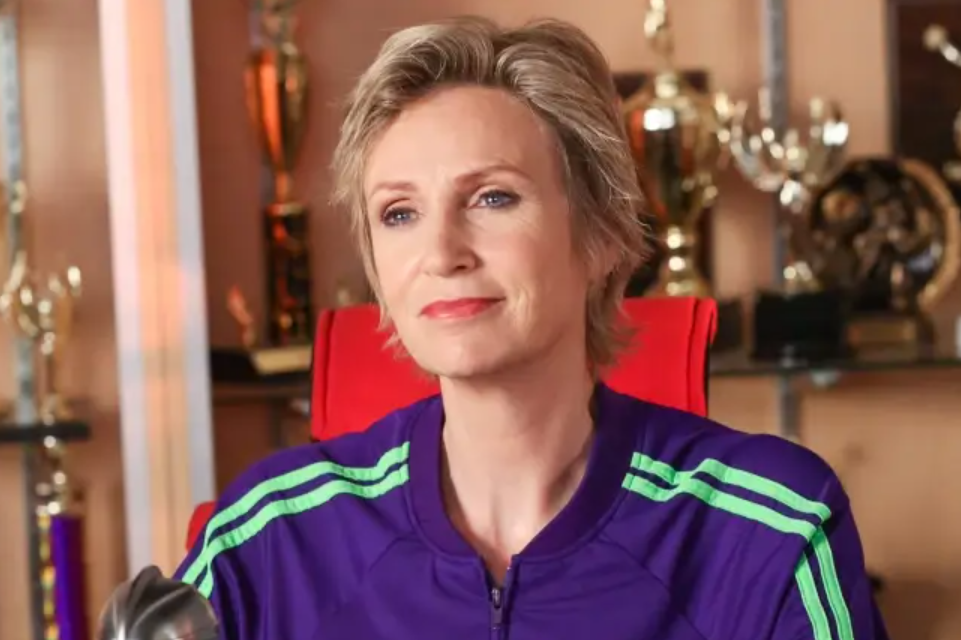
Long before stepping into Sue Sylvester’s tracksuit, Jane Lynch had already built a reputation as one of Hollywood’s most reliable character performers. After the show finished, that reputation simply carried forward into an almost nonstop stream of hosting jobs, comedy appearances, voice acting roles, and guest spots across both network and streaming television. Rather than reinventing herself, she leaned fully into the sharp comedic timing and professional consistency that casting directors already trusted. For viewers, this meant she never really disappeared, she simply moved from one familiar screen presence to another.
In recent years she has also returned frequently to live theatre and touring stage performances, proving that her energy works just as well in front of audiences as it does on camera. Public interviews often highlight her grounded approach to work, focusing on preparation, collaboration, and enjoying the process rather than chasing headlines. That steady attitude seems to explain why her career continues to feel so active decades in. For fans flipping channels today, spotting her name in a cast list still brings the same expectation of sharp humor and strong delivery that made her unforgettable in the choir room.
Matthew Morrison Returns To Teaching And Theatre

During the series, Matthew Morrison’s character spent most of his time guiding students toward performance confidence, and after the show ended, life slowly mirrored that same direction. Instead of remaining tied to weekly television production, Morrison leaned back toward theatre concerts, musical tours, and educational programs where he could mentor younger performers directly. Workshops, university visits, and stage collaborations began filling his schedule, allowing him to combine performing with teaching in a way that felt more sustainable than long filming seasons.
Music recording and occasional television appearances still happen, yet interviews suggest he now prioritizes projects that allow stronger family balance and longer stretches at home. Fans who attend his live performances often describe them as relaxed and personal, closer to theatre storytelling than large scale celebrity tours. The shift makes sense when viewed against his early Broadway training, which always emphasized stage connection and disciplined technique. Rather than disappearing from entertainment, Morrison seems to have simply stepped into a version of the industry that values mentorship, live audiences, and steady artistic growth over constant on screen visibility.
Amber Riley Lets Her Voice Lead The Way
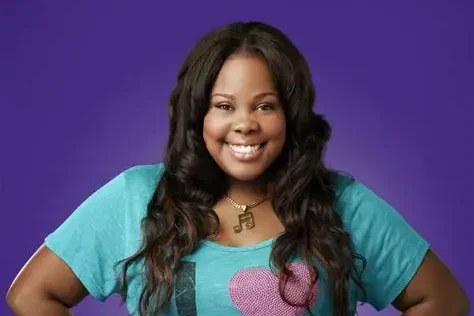
From the earliest seasons, Amber Riley’s vocals stood out as some of the strongest on the show, and once filming stopped, she made sure music remained at the center of everything she pursued. Winning a major dance competition introduced her to broader audiences, but her stage performances in large musical productions truly confirmed her range and emotional power. Instead of chasing mainstream pop celebrity, she chose theatre roles, independent recordings, and live concerts that allowed her voice to remain the main focus rather than visual spectacle.
Her later work includes touring productions, recorded singles, and public speaking appearances where she often discusses confidence, resilience, and artistic independence. Fans who follow her concerts frequently note the strong emotional connection she builds with audiences through storytelling between songs. That direct relationship seems to matter more to her than chart rankings or television exposure. Looking at her career today, it feels shaped by one simple decision to protect the gift that made her famous in the first place. By keeping music at the center, Riley built a performance life that feels authentic, sustainable, and still deeply connected to the energy viewers first loved.
Kevin McHale Finds Comfort Behind The Microphone

Kevin McHale’s transition after the series ended felt refreshingly natural rather than forced into another acting identity. While he still accepts occasional screen roles and directing projects, one of his most successful moves became stepping into hosting and podcasting. His rewatch show with a former castmate turned into a weekly space where fans hear behind the scenes memories, production stories, and honest reflections about growing up inside such a massive television phenomenon. The tone feels conversational rather than promotional, which likely explains its strong following.
Outside the podcast world, McHale has also directed episodes, worked in production roles, and explored creative development projects that keep him connected to storytelling without requiring constant on camera pressure. Social media interactions show a relaxed personality comfortable joking with fans and discussing industry realities openly. That approachable presence makes his career feel less like a traditional celebrity path and more like someone building a flexible creative life around communication, directing, and media conversation. For viewers who remember Artie’s thoughtful narration moments, the shift toward speaking roles somehow feels completely fitting.
Jenna Ushkowitz Moves Into Producing And Advocacy

Jenna Ushkowitz’s post series journey unfolded gradually, with fewer headline grabbing acting roles and far more work happening quietly behind creative doors. She became increasingly involved in theatre producing and development, helping launch projects that focus on meaningful storytelling and diverse representation. Instead of staying solely in front of audiences, she began shaping which stories reach those audiences in the first place. That transition reflects a broader interest in long term creative influence rather than short term performance visibility.
Alongside production work, she remains active in educational charity programs and continues her podcast collaboration, which keeps her connected to longtime viewers who still follow the cast closely. Interviews often highlight her interest in mentorship, access, and expanding opportunities for younger performers entering theatre spaces today. Occasional acting appearances still happen, yet her daily professional life now seems rooted in meetings, script development, and collaborative planning sessions. The shift feels less like a retreat from acting and more like an expansion into leadership, allowing her to guide creative spaces rather than simply performing within them.
Chord Overstreet Chooses Music As His Main Road

After the final season aired, Chord Overstreet gradually shifted attention away from heavy acting schedules and toward songwriting and recording sessions that allowed more personal expression. Single releases and acoustic tracks began building a streaming audience that connected strongly with his softer emotional style. Instead of aiming for flashy chart domination, his music leaned toward reflective lyrics and stripped arrangements that felt intimate during live performances. Smaller venues and touring sets helped strengthen that direct connection with listeners.
Acting roles still appear occasionally in his filmography, yet interviews and performance schedules suggest music remains the anchor around which everything else rotates. Fans who attend concerts often describe a relaxed atmosphere where storytelling between songs feels as important as the music itself. That environment suits someone whose screen persona always carried a gentle sincerity. Looking at his career now, it appears he found a comfortable middle ground between public recognition and artistic independence. By choosing steady musical output over constant screen exposure, Overstreet shaped a creative path that feels both personal and sustainable.
Naya Rivera’s Work Continues To Touch Viewers

Naya Rivera’s portrayal of Santana evolved into one of the most emotionally layered characters on the series, and her professional life after filming reflected that same mix of strength and vulnerability. She continued acting in television projects, wrote an honest memoir about her experiences in entertainment and motherhood, and remained engaged with fans through appearances and interviews that emphasized growth and resilience. Her openness about personal challenges made her feel accessible in a way many viewers deeply appreciated.
Her tragic passing in 2020 brought an enormous wave of tributes from both colleagues and audiences, many of whom shared stories about how her character helped them feel seen during difficult years. Since then, streaming platforms have introduced her performances to entirely new viewers discovering the show for the first time. Charity initiatives connected to her name continue supporting families and children, keeping her public legacy active beyond entertainment alone. For many fans, Rivera is not remembered only through nostalgia but through ongoing emotional connection to the strength and honesty she brought to every performance.
Cory Monteith’s Presence Still Shapes The Legacy

Cory Monteith’s role as Finn anchored much of the show’s emotional center, and behind the scenes many cast members later described him as a stabilizing force during long production years. Before his passing in 2013, he had begun exploring additional film opportunities and music collaborations that suggested a career slowly expanding beyond television. His sudden loss deeply affected both the production team and global fan community, turning the tribute episode into one of the most widely discussed memorial hours in modern television.
Years later, interviews with former colleagues still include personal memories about his generosity, humor, and ability to calm tense moments on set. Fan organized charity events and remembrance campaigns continue appearing annually, showing how strongly audiences connected with both the actor and the character he portrayed. Watching early seasons today, many viewers note how much warmth he brought to ensemble scenes that might otherwise have felt purely comedic. That lingering emotional presence means Monteith remains part of the series identity, not just its history, continuing to influence how the story is remembered.
The Cast Still Shares A Bond Years Later

Looking across social media reunions, podcast recordings, charity appearances, and milestone celebrations, one gentle pattern becomes clear. Despite moving into different careers, cities, and family lives, many of the former cast members still reconnect regularly and publicly support each other’s major moments. Birth announcements, theatre premieres, album releases, and memorial tributes often include familiar names from the old choir room appearing in comments or photos. That continued warmth suggests the experience created relationships that extended far beyond a normal television contract.
For longtime viewers, seeing those connections persist adds a comforting sense that the emotional core of the show was not entirely fictional. Time carried each performer into writing rooms, recording studios, teaching spaces, producing offices, and family routines that look very different from their early fame years. Yet whenever they cross paths again, the shared history still shows easily. Perhaps that is why the series continues finding new audiences today. Some shows end when filming stops, but this one seems to keep living quietly through the people who once sang together.


