
Capturing Moments That Defined Eras
Photography has always been more than just a hobby or a technical skill because it serves as a silent witness to the most profound shifts in our shared human experience. When we look at a truly iconic image, we are not just seeing a frozen moment in time but rather a complex story of emotion, struggle, and triumph that resonates across generations. These images have the unique power to bridge the gap between different cultures and languages while offering a window into the past that remains remarkably clear even as decades pass by. It is this ability to evoke a visceral reaction that makes photography such an essential part of our historical record and our personal lives.
The people behind the lens are often as fascinating as the subjects they capture because they frequently risk everything to document the truth of the world around them. Whether they were standing on the front lines of a devastating war or waiting for hours in the freezing cold for the perfect light, these photographers possessed a rare level of dedication and vision. By exploring the backstories of these twenty legendary individuals and the famous pictures they produced, we can begin to appreciate the immense impact that a single frame can have on the course of history. This collection is a tribute to the power of the visual word and the enduring legacy of those who dared to see the world differently through their cameras.
View From The Window At Le Gras
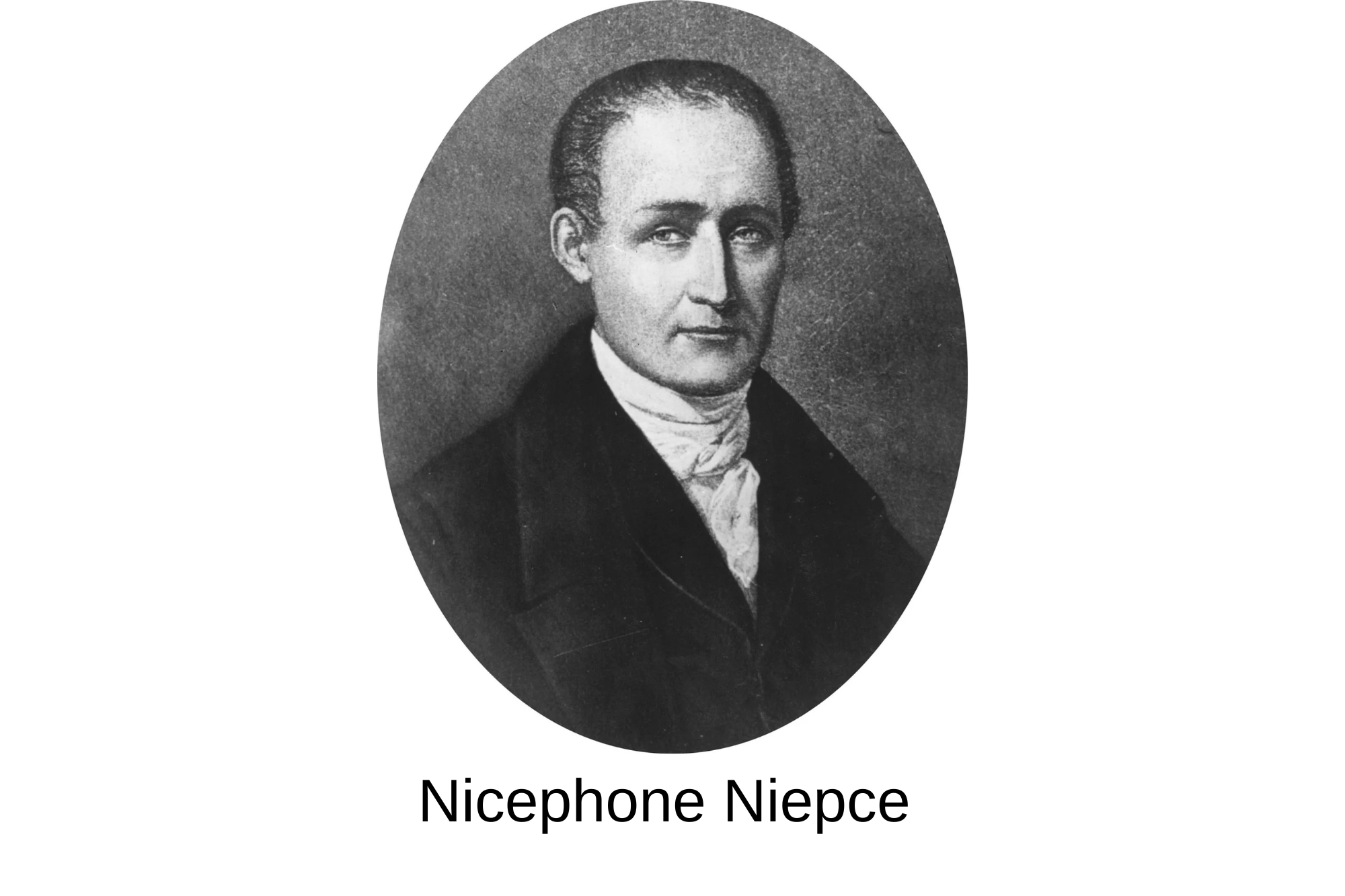
In the early summer of 1826, a French inventor named Nicéphore Niépce achieved something that would eventually change the world forever by creating what is now widely considered the oldest surviving camera photograph. He used a process he called heliography which involved a polished pewter plate coated with a light-sensitive bitumen that hardened upon exposure to the sun’s rays. This specific image shows the rooflines and surrounding countryside as seen from his high window at his family estate in Saint-Loup-de-Varennes. It is a humble scene of a courtyard and outbuildings but it represents the very birth of photographic technology and the first time a natural scene was successfully fixed onto a permanent surface.
The technical requirements for this feat were incredibly demanding because the exposure time needed to capture the scene lasted for at least eight hours and possibly even several days. This explains why the sun seems to be shining on both sides of the buildings in the final grainy image as the light moved across the sky during the long wait. While the original plate is now held at the University of Texas at Austin, its significance remains global as it marks the transition from manual illustration to mechanical reproduction. Niépce paved the way for all who followed by proving that light itself could be harnessed to draw a picture of reality without the need for a brush or pencil.
Boulevard Du Temple Street Scene
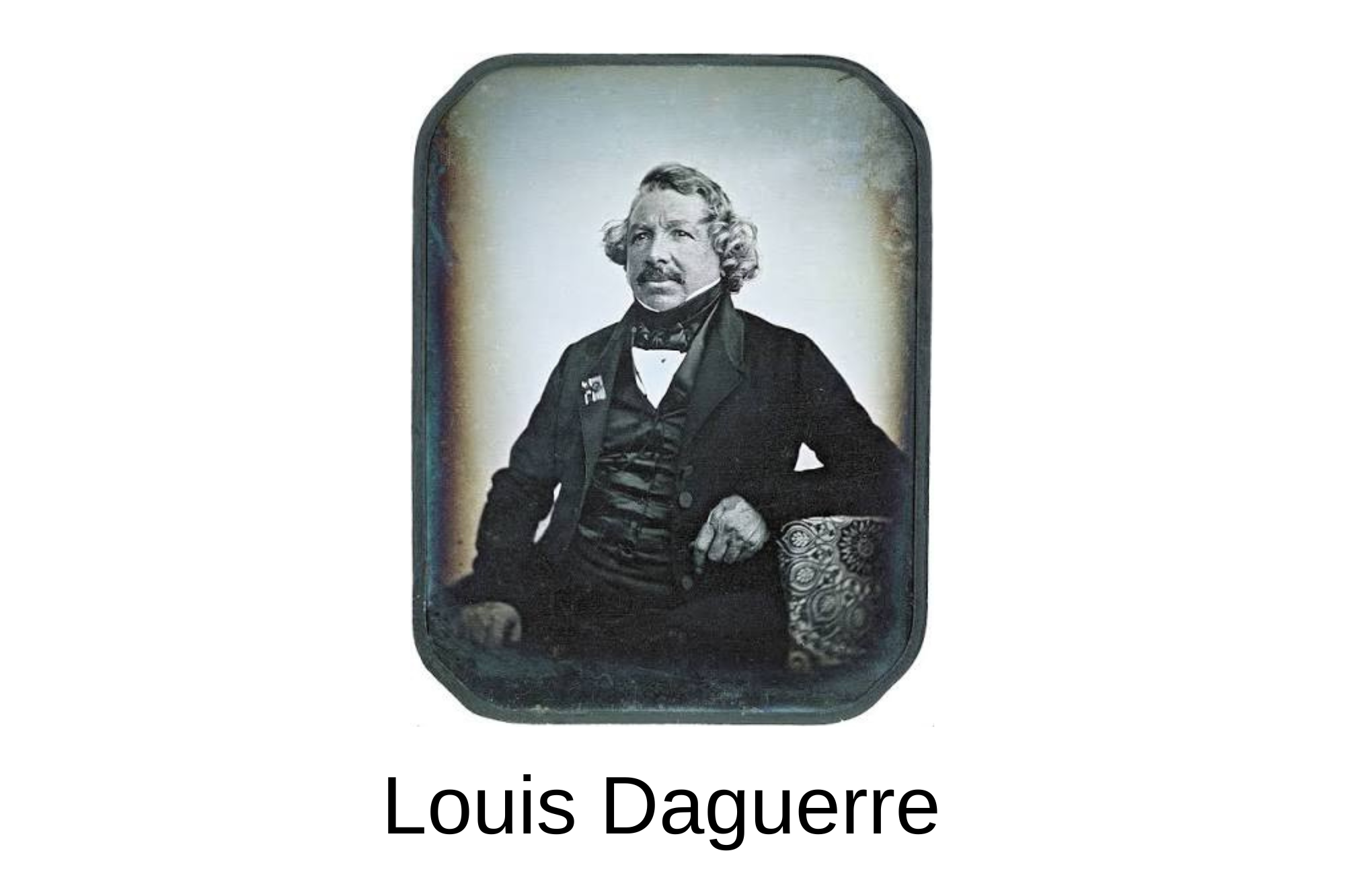
Louis Daguerre made history in late 1838 when he took a photograph of the Boulevard du Temple in Paris which accidentally became the first image to ever feature a human being. The busy street was actually teeming with horse-drawn carriages and bustling crowds during the day but they all vanished from the final plate because the exposure lasted for about ten minutes. Only a man having his boots shined remained still enough to be recorded by the camera while the rest of the world moved too fast for the slow light-sensitive chemicals of the era. This creates a haunting and surreal effect where one of the busiest thoroughfares in France appears almost entirely deserted except for two lone figures on a street corner.
This breakthrough was part of the daguerreotype process which used silver-plated copper to produce highly detailed and unique images that could not be easily replicated. Daguerre’s success brought photography into the public eye and turned it into a commercial sensation that fascinated people from all walks of life. The image serves as a powerful reminder of how technology was beginning to capture the passage of time and the tiny details of urban existence that had previously gone unrecorded. By freezing this brief interaction between a bootblack and his customer, Daguerre unknowingly gave us a glimpse into the daily life of the nineteenth century that feels incredibly intimate even today.
The Valley Of Death Shadows
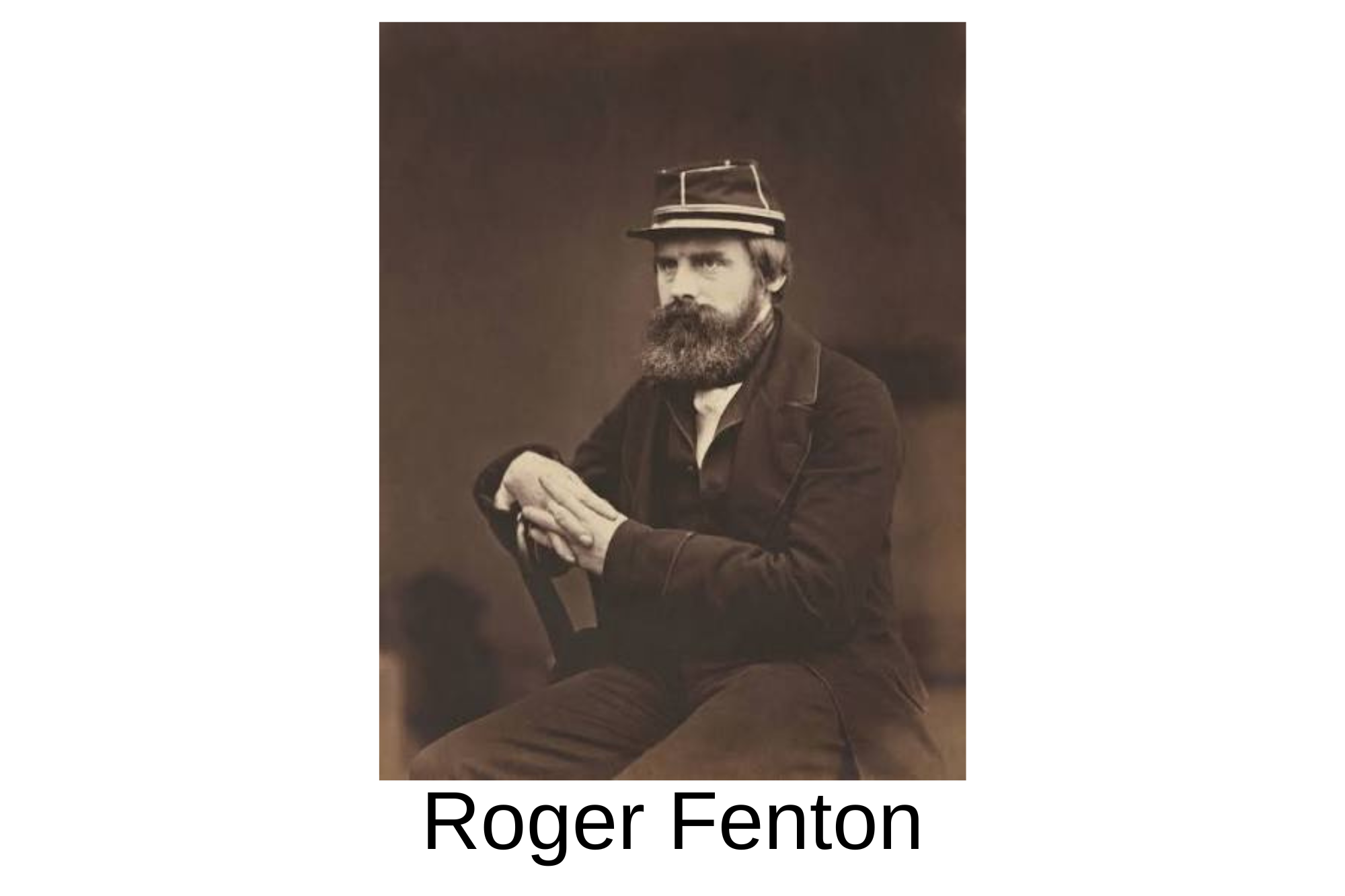
Roger Fenton is often remembered as one of the first true war photographers because he traveled to the Crimean Peninsula in 1855 to document the conflict between the British and Russian empires. His most famous work from this period is titled The Valley of the Shadow of Death and it depicts a desolate road littered with round cannonballs after a heavy bombardment. Unlike modern combat photography, this image does not show any soldiers or active fighting because the technology of the time was too cumbersome to capture fast-moving action. Instead, it focuses on the silent and grim aftermath of war which provides a somber reflection on the cost of human conflict and the loneliness of the battlefield.
There has been much debate among historians regarding whether Fenton moved the cannonballs onto the road to create a more dramatic composition or if he simply captured the scene as it was found. Regardless of the staging, the photograph remains a landmark in the history of journalism because it brought the reality of a distant war home to the public in a way that words alone never could. Fenton had to transport a horse-drawn van filled with heavy glass plates and chemicals through difficult terrain while enduring the heat and the constant threat of disease. His bravery and commitment to his craft allowed him to produce a haunting visual record that challenged the romanticized views of war prevalent in Victorian society.
Abraham Lincoln Portrait Sitting
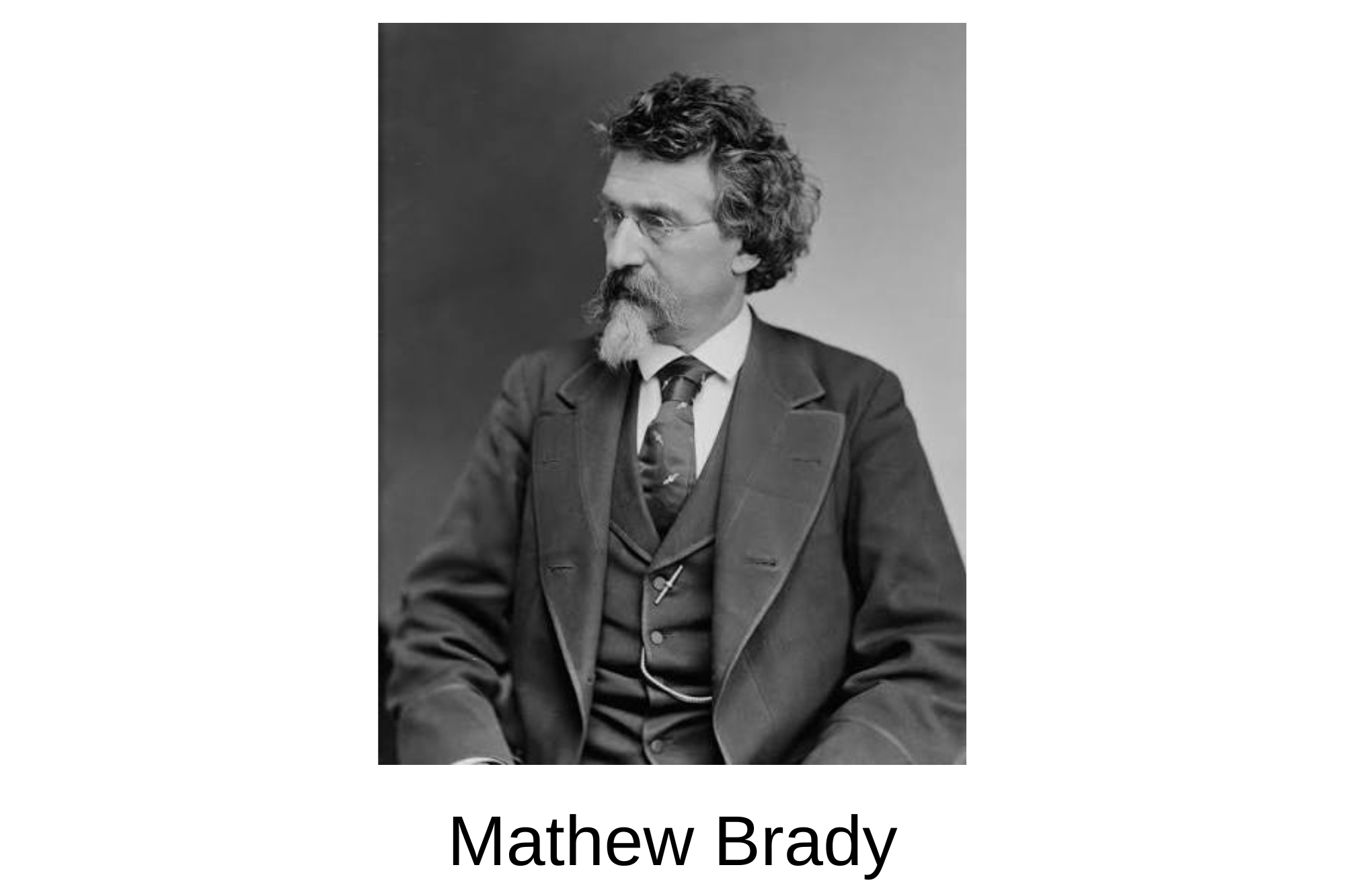
In February 1860, a talented photographer named Mathew Brady captured a portrait of Abraham Lincoln that many believe was instrumental in helping him win the United States presidency. Lincoln was a relatively unknown politician from Illinois at the time and he was often described by his critics as being awkward or even ugly in appearance. Brady used his artistic skill to pose Lincoln in a way that emphasized his height and intelligence while softening some of his more rugged features through careful lighting. The result was a dignified and commanding image that circulated widely as a lithograph and helped to convince the American public that Lincoln had the character and presence required to lead the nation.
Lincoln himself was reportedly very aware of the power of this photograph and he later remarked that Brady and the Cooper Union speech he gave that same night made him president. This portrait is a perfect example of how photography began to play a vital role in political branding and the creation of a public persona during the nineteenth century. Brady’s studio in New York became a destination for the most important figures of the day because he understood how to use the camera to tell a story about a person’s soul. By capturing the steady gaze and quiet strength of the future president, Brady created an enduring image that remains one of the most recognizable faces in the history of the world.
Fading Away Domestic Tragedy
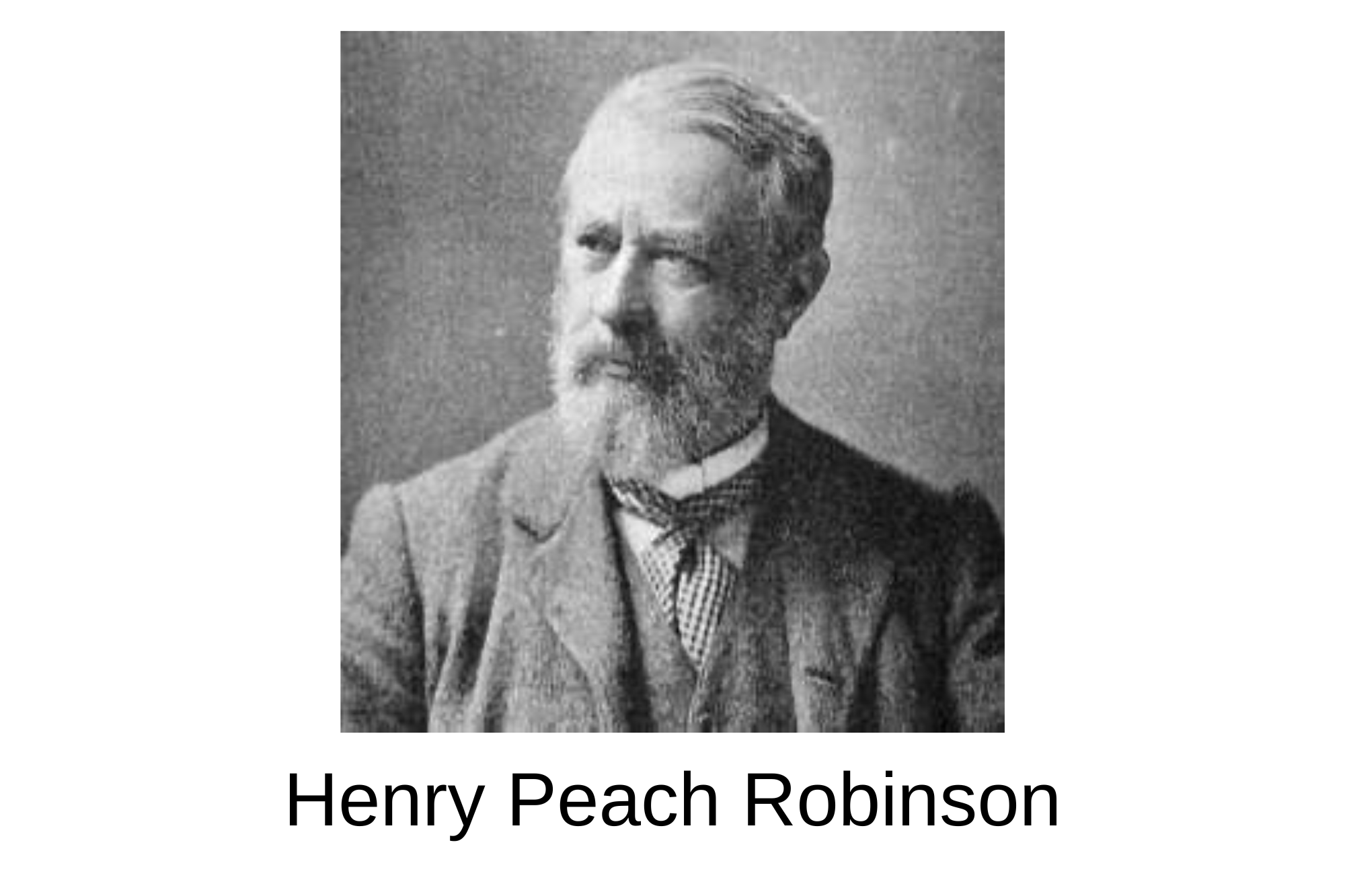
Henry Peach Robinson was a pioneer of pictorialism who believed that photography should be treated as a fine art rather than just a scientific record of reality. In 1858, he created a controversial and deeply moving image titled Fading Away which depicts a young girl dying of tuberculosis surrounded by her grieving family. This photograph was actually a composite made from five different negatives that Robinson carefully joined together to create a single seamless scene. The emotional intensity of the work shocked many viewers of the time because they felt that depicting such a private and painful moment of death was morbid or even indecent for a mechanical medium like photography.
Despite the initial backlash, Robinson’s work was eventually praised for its composition and its ability to evoke a profound sense of sympathy and loss. He spent weeks planning the scene and hiring models to ensure that every detail of the lighting and the poses contributed to the overall narrative of the dying girl. This approach paved the way for modern fine art photography by demonstrating that the camera could be used to express complex human emotions and staged stories just like a painting. Fading Away remains a haunting masterpiece that captures the fragility of life and the deep connections between family members as they face the inevitability of a tragic end together.
The Horse In Motion
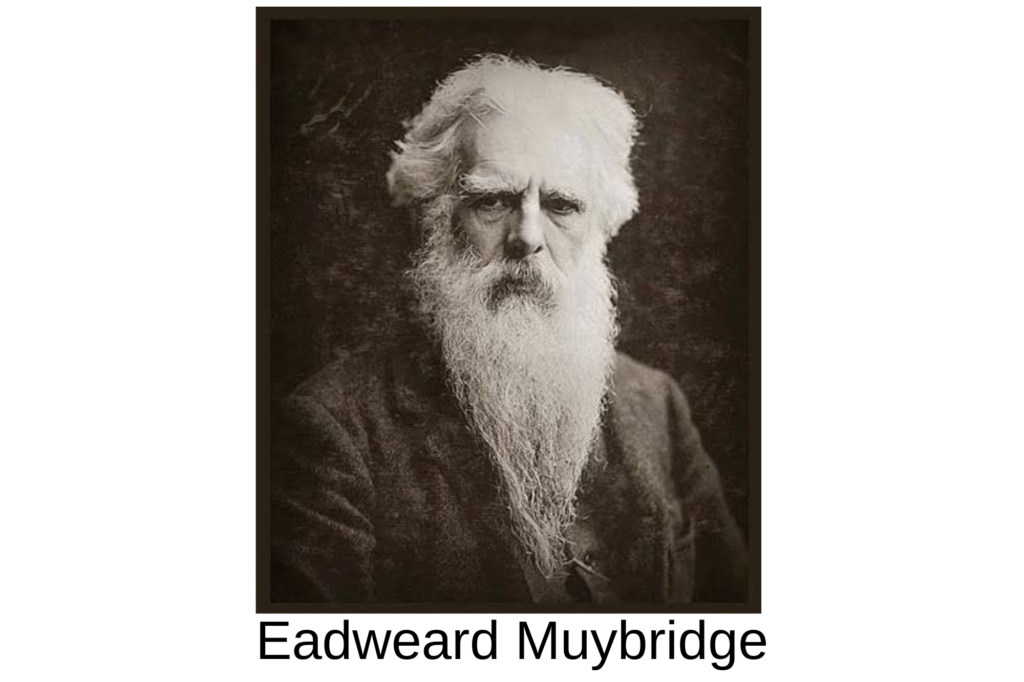
Eadweard Muybridge changed the way we understand movement forever when he conducted his famous photographic experiments at a racecourse in California in 1878. He was hired by the former governor Leland Stanford to settle a popular debate about whether all four of a horse’s hooves ever leave the ground at the same time during a gallop. Muybridge set up a series of twenty-four cameras along a track and used tripwires to trigger the shutters as the horse ran past them at full speed. The resulting sequence of images clearly showed that there is indeed a moment when the horse is completely airborne with its legs tucked under its body rather than stretched out.
This discovery was a revelation for both scientists and artists because it proved that the human eye is often incapable of perceiving the true nature of fast movement. Before Muybridge’s work, painters had traditionally depicted galloping horses with their legs extended in a hobby-horse position which we now know is physically impossible. His innovative use of high-speed photography laid the essential groundwork for the development of motion pictures and the entire film industry that would follow in the coming decades. Muybridge continued to study the movement of humans and animals for the rest of his life while producing a massive body of work that remains a vital resource for animators and athletes alike.
How The Other Half Lives
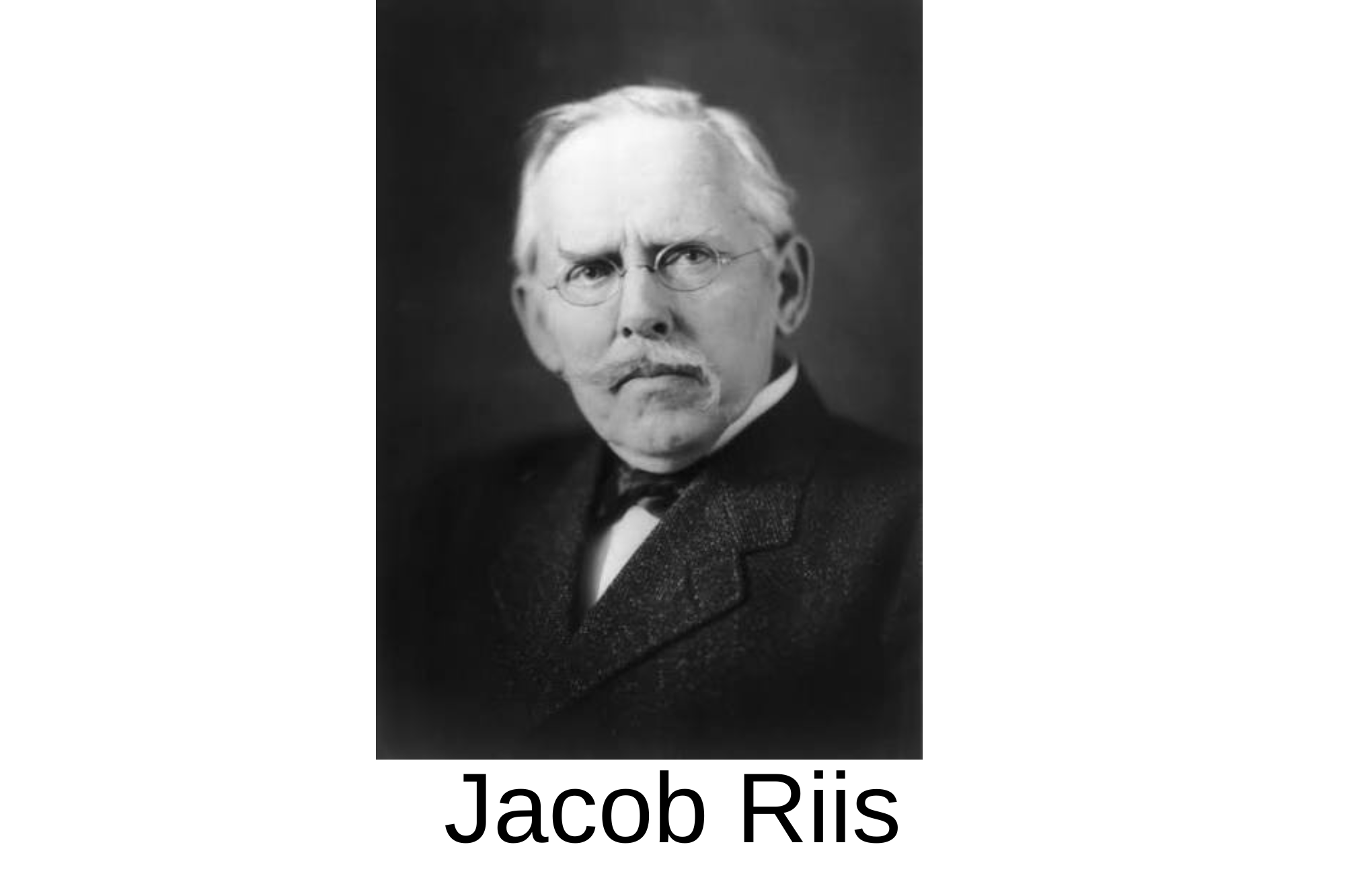
Jacob Riis was a social reformer and a pioneer in the use of flash photography who dedicated his life to exposing the terrible living conditions in the slums of New York City. In the late 1880s, he used a new invention called magnesium flash powder to illuminate the dark and cramped tenement buildings where thousands of immigrants lived in extreme poverty. His most famous images show families huddled together in tiny rooms and children sleeping on the streets because they had nowhere else to go. These stark and often brutal photographs were published in his landmark book titled How the Other Half Lives which shocked the wealthy citizens of the city and demanded immediate social change.
The work of Riis is a powerful example of how photography can be used as a tool for political activism and the promotion of human rights. By bringing the hidden suffering of the poor into the light, he forced the government to pass new housing laws and improve the sanitary conditions in the most crowded neighborhoods. Riis did not just take pictures but he also gave lectures and wrote extensively to ensure that his message reached as many people as possible. His legacy lives on in the tradition of documentary photography where the camera is used to give a voice to the voiceless and to challenge the injustices that often go unnoticed in our modern society.
The Steerage Atlantic Crossing
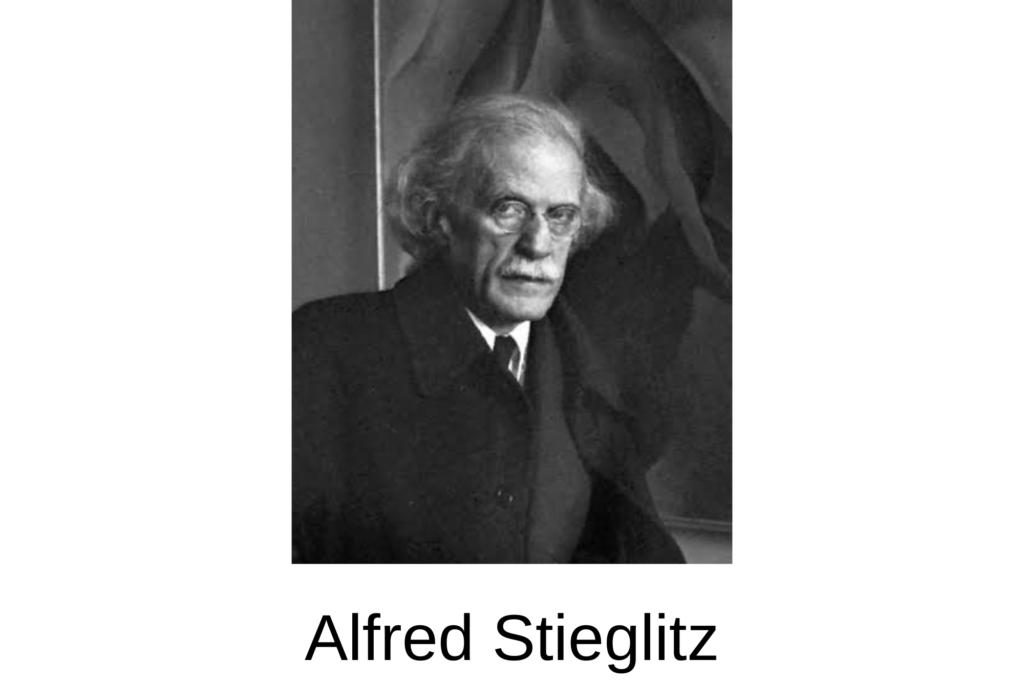
Alfred Stieglitz was a major force in the movement to establish photography as a legitimate art form in America during the early twentieth century. In 1907, while traveling to Europe on a luxury liner, he captured a scene that he considered to be one of his greatest achievements. The image, titled The Steerage, shows the crowded lower decks of the ship where the poorest passengers were gathered in stark contrast to the elite travelers on the upper levels. Stieglitz was fascinated by the geometric shapes and the complex arrangement of people and objects which he saw as a perfect balance of form and social commentary on the divisions of class.
This photograph is often cited as a turning point in the history of modern art because it moved away from the soft-focus style of the past and toward a more direct and realistic approach. Stieglitz waited for the perfect moment when the light and the shadows aligned to create a powerful visual narrative about the experience of immigration and the search for a better life. He believed that the camera could capture the underlying truth of a scene without the need for any manipulation or artificial effects. By focusing on the raw beauty and the inherent dignity of the people in the steerage, Stieglitz helped to define the aesthetic of the new century and inspired countless other photographers to find art in the everyday world.
The Blind Woman New York
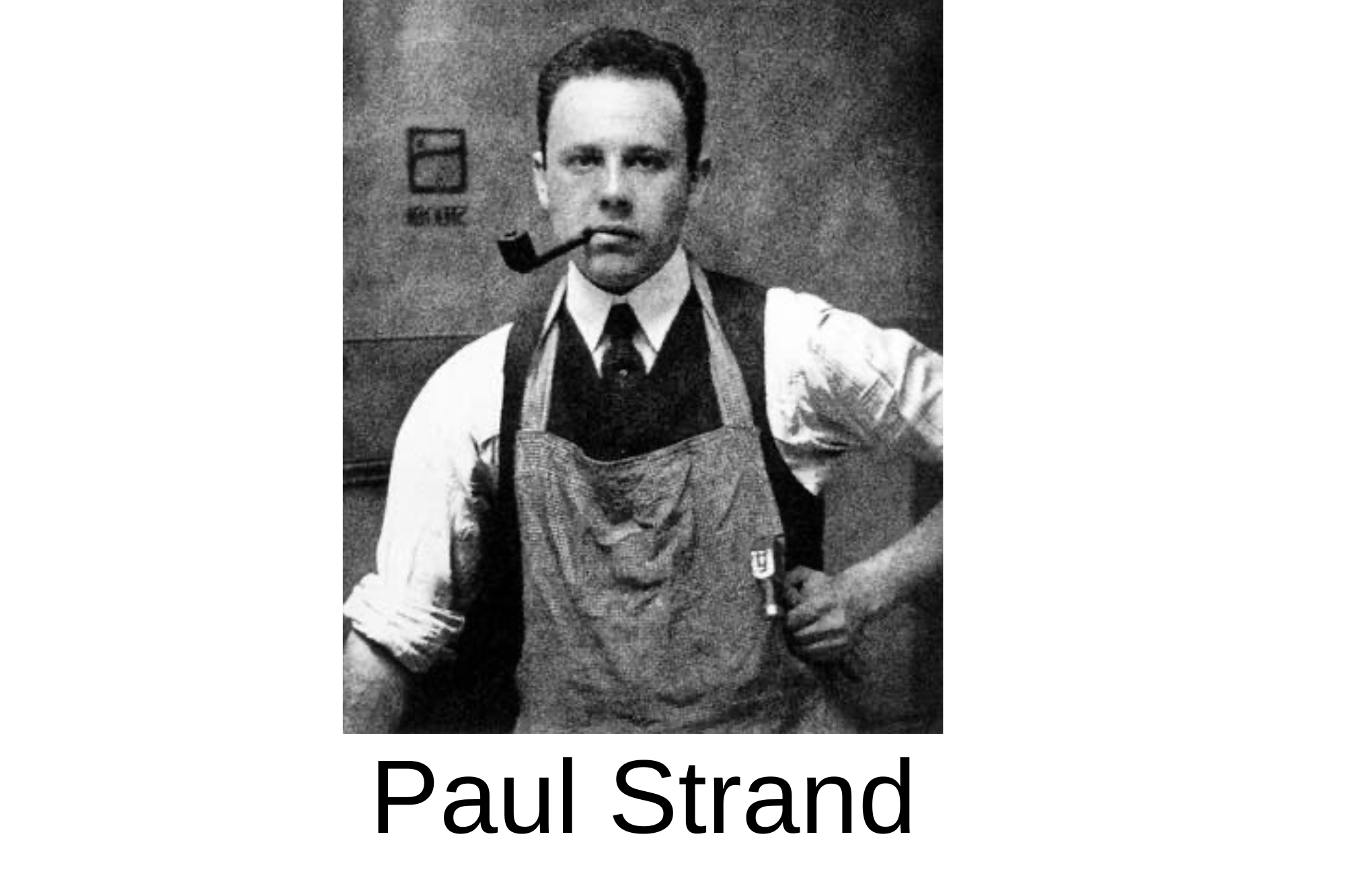
Paul Strand was a protege of Alfred Stieglitz who took the idea of direct photography even further by focusing on the gritty reality of urban life in New York City. In 1916, he captured a striking portrait of a blind woman sitting on a street corner with a large sign around her neck that simply said Blind. Strand used a camera with a false lens on the side so that his subjects would not know they were being photographed which allowed him to capture their true expressions without any self-consciousness. The resulting image is a powerful and unflinching look at the hardship and the isolation that many people faced in the shadows of the growing metropolis.
The Blind Woman is considered a masterpiece of social realism because it avoids any sentimentality and instead presents the subject with a raw and almost brutal honesty. The sharp focus and the tight framing draw the viewer’s attention to the weathered texture of the woman’s skin and the stark lettering of her sign. Strand believed that photography should be used to explore the social and political issues of the day while also pushing the boundaries of visual composition. His work had a profound influence on the development of documentary photography and helped to establish a new standard for how the camera could be used to witness the human condition in all its complexity and pain.
Migrant Mother Dust Bowl
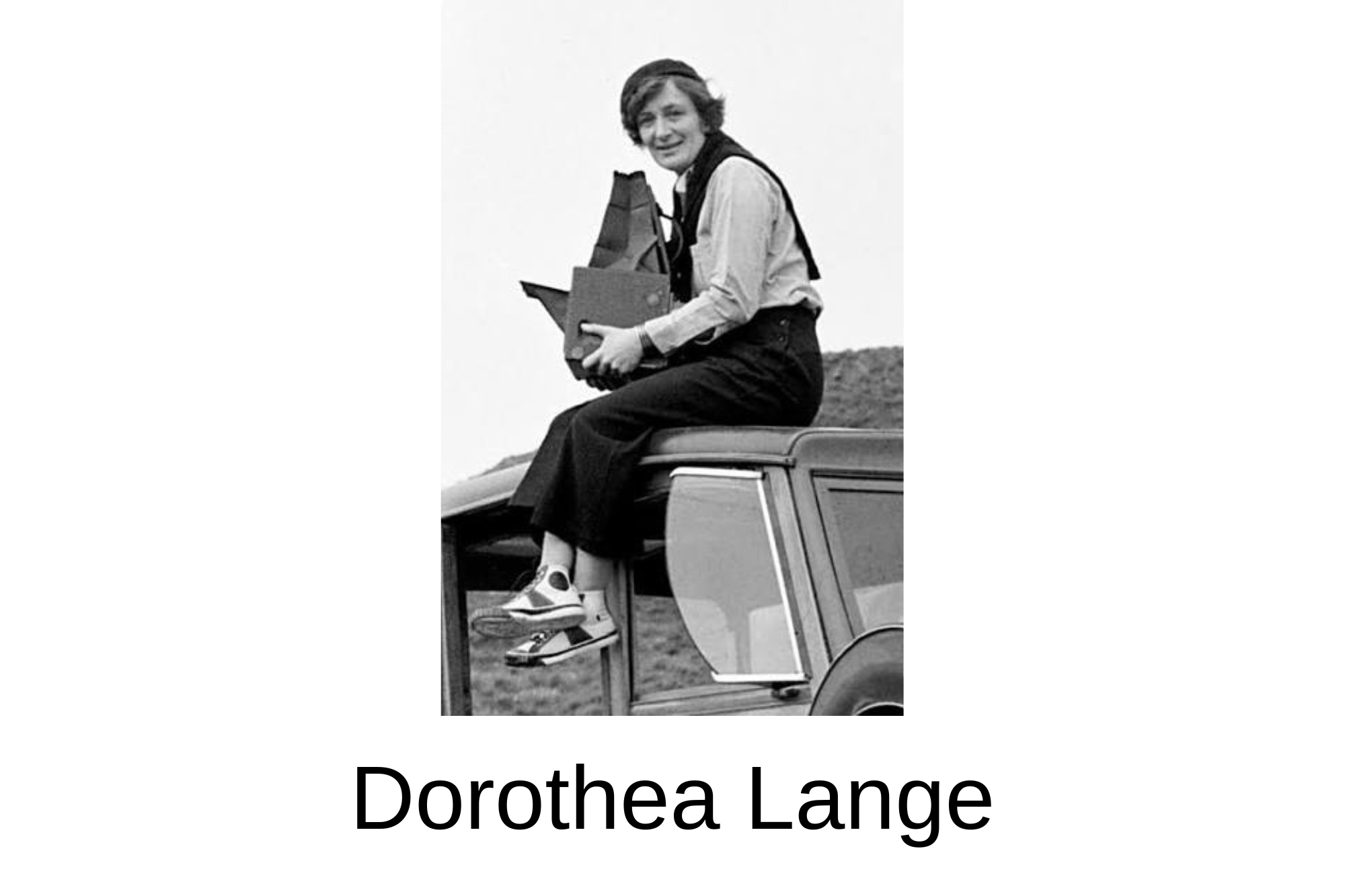
Dorothea Lange created one of the most iconic images of the Great Depression in 1936 when she encountered a mother and her children in a camp for pea pickers in California. The photograph, known as Migrant Mother, depicts Florence Owens Thompson looking off into the distance with a look of quiet desperation and resilience while her young children lean against her shoulders. Lange was working for the Farm Security Administration at the time and she was tasked with documenting the plight of the rural poor who had been displaced by the economic collapse and the devastating dust storms of the era. The image was published in newspapers across the country and it immediately became a symbol of the suffering and the strength of the American people.
The power of this photograph lies in its ability to humanize a massive national crisis and to evoke a deep sense of empathy in everyone who sees it. Lange spent only a few minutes with the family and she took several shots to find the one that perfectly captured the emotional weight of their situation. The image prompted the government to send thousands of pounds of food to the starving workers in the camp although Thompson and her family had already moved on by the time the aid arrived. Migrant Mother remains a testament to the enduring power of documentary photography to inspire compassion and to serve as a permanent reminder of the struggles that have shaped our history and our collective identity.
Hindenburg Disaster Lakehurst Explosion
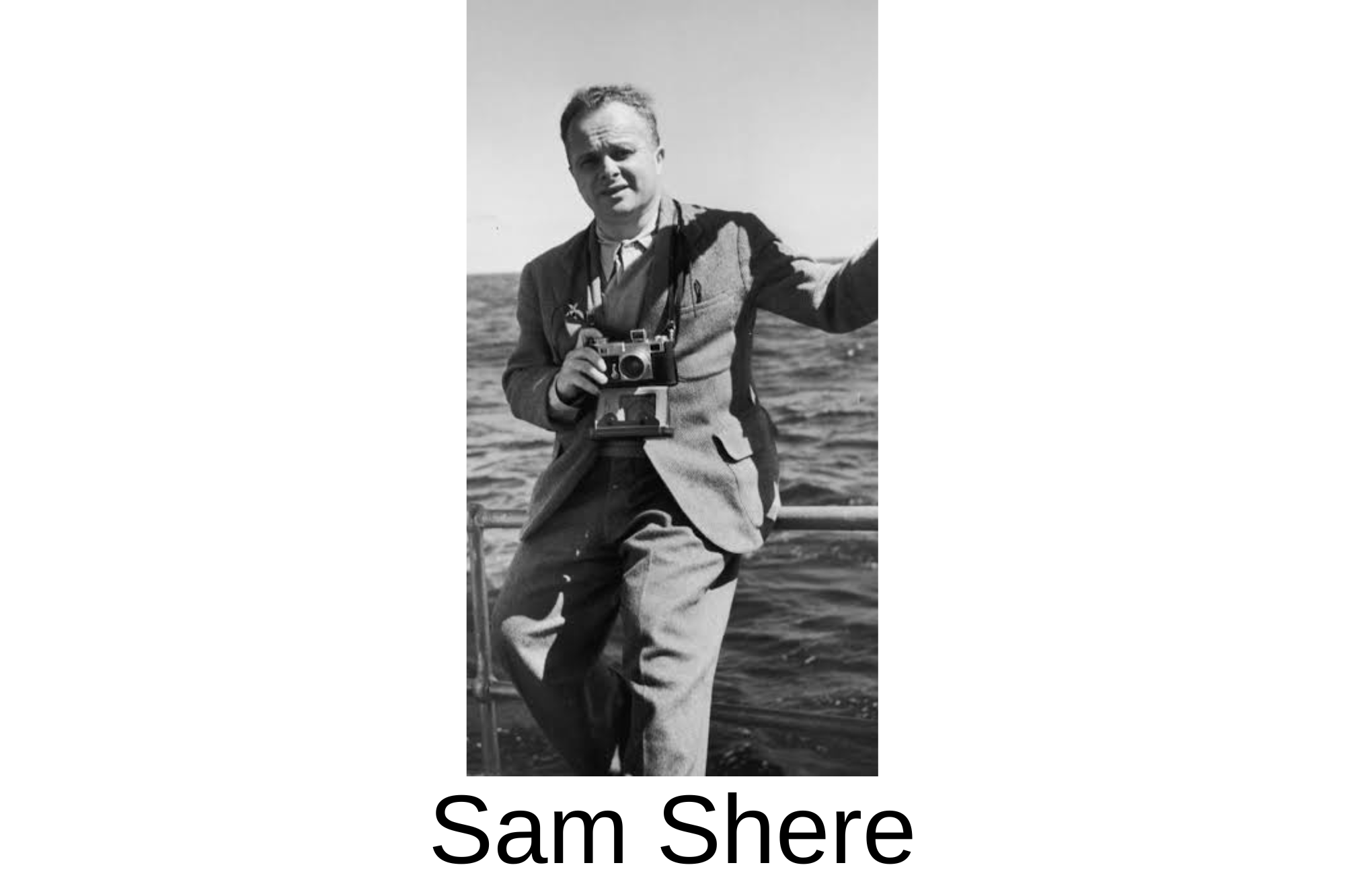
On a rainy evening in May 1937, Sam Shere was one of several photographers waiting for the arrival of the German airship Hindenburg at the Lakehurst Naval Air Station in New Jersey. He only managed to snap one single frame with his Speed Graphic camera as the massive vessel suddenly burst into flames and crashed to the ground. This frantic shot captured the sheer scale of the inferno which killed thirty-six people and brought the era of passenger airship travel to a devastating and permanent end. Shere later remarked that he didn’t even have time to put the camera to his eye because the explosion happened so quickly and with such terrifying force.
The resulting photograph remains one of the most famous examples of spot news photography because it perfectly distilled a chaotic tragedy into a single haunting image. While other photographers also captured the scene, Shere’s composition emphasized the terrifying height of the flames against the dark sky and the fragile structure of the ship. The image was splashed across the front pages of newspapers around the world and it played a massive role in shattering public confidence in hydrogen-filled dirigibles. It serves as a stark reminder of how a solitary photograph can document the exact moment a technological dream turns into a nightmare while leaving a lasting scar on the history of aviation.
The Falling Soldier Spanish War
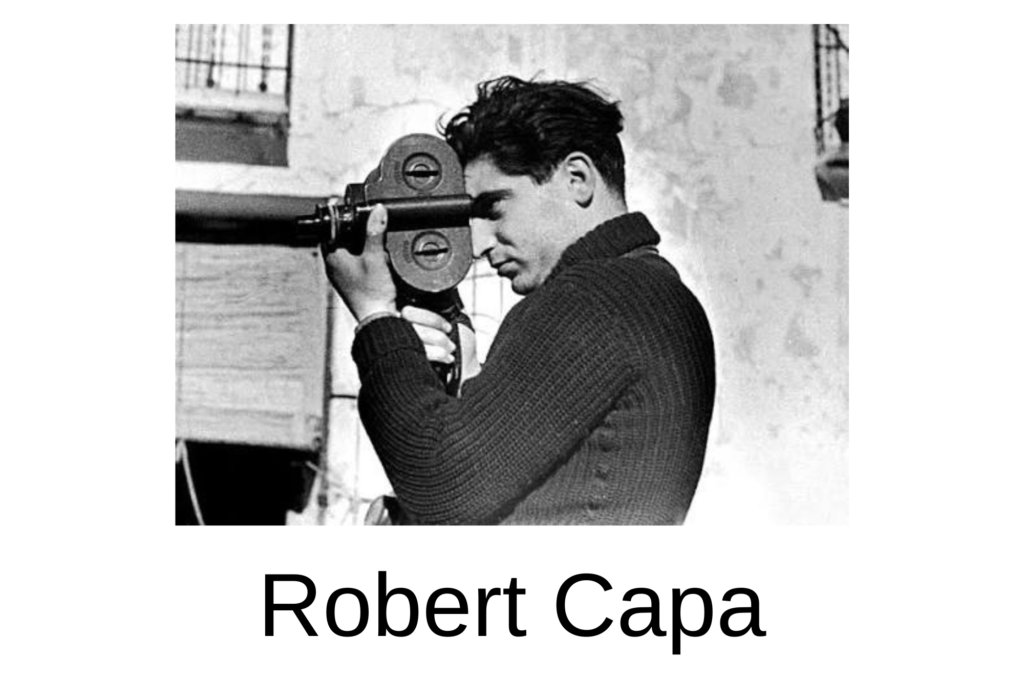
Robert Capa became a legend of war photography in 1936 when he captured a Republican soldier at the very instant he was struck by a bullet during the Spanish Civil War. The image shows the man reeling backward with his rifle slipping from his hand as his body goes limp against a barren hillside. Capa was often criticized for his “close-up” style but he believed that if your pictures weren’t good enough, you simply weren’t close enough to the action. This photograph brought the brutal reality of modern combat into the living rooms of ordinary people while making the abstract concept of death on the battlefield feel deeply personal and immediate.
For decades, there has been an intense debate about whether the image was authentic or staged for the camera because Capa was known to sometimes choreograph scenes for dramatic effect. Regardless of the controversy, the picture stands as a definitive symbol of the struggle against fascism and the ultimate sacrifice made by those fighting for their beliefs. Capa himself went on to cover many more conflicts including the D-Day landings before tragically stepping on a landmine in Indochina years later. The Falling Soldier remains a cornerstone of photojournalism because it challenged the world to look at the human cost of political upheaval and the fragility of life in the face of violence.
Churchill The Roaring Lion Portrait
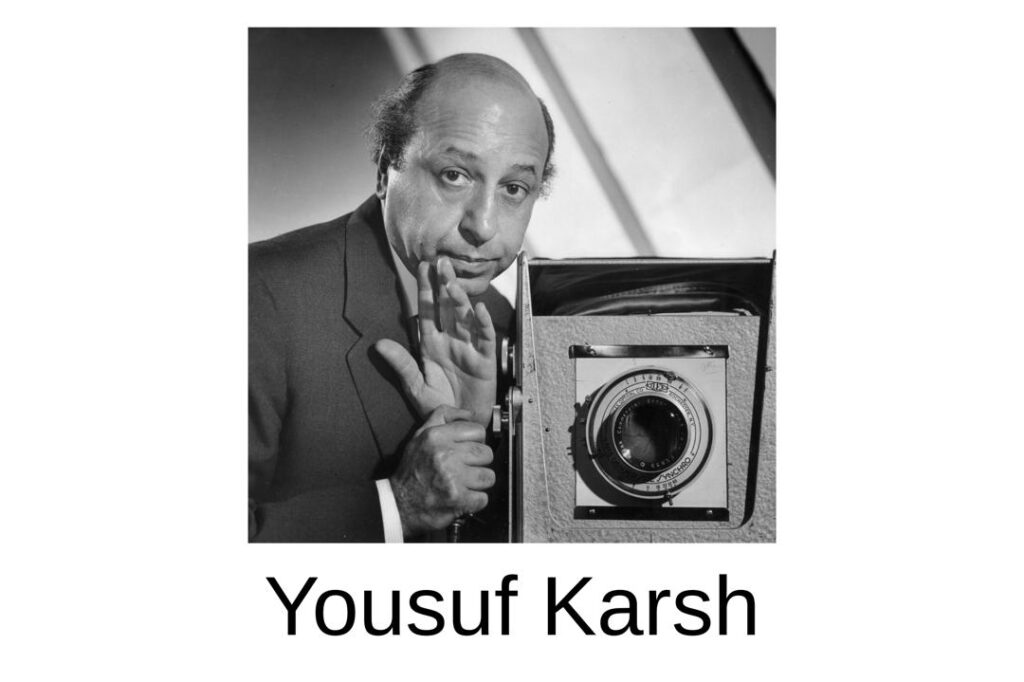
In December 1941, the renowned portrait photographer Yousuf Karsh was given only two minutes to photograph Winston Churchill after the Prime Minister had delivered a speech to the Canadian Parliament. Churchill was in a famously foul mood and refused to put down his freshly lit cigar which Karsh felt would ruin the intended serious tone of the portrait. In a moment of sheer professional boldness, Karsh walked up and plucked the cigar straight from Churchill’s lips before scurrying back to his camera. The resulting scowl of pure defiance and irritation became known as The Roaring Lion and it perfectly captured the indomitable spirit of Britain during the darkest days of the Second World War.
This image became one of the most widely reproduced portraits in history because it gave a face to the collective resolve of a nation under siege. Churchill later told Karsh that he could even make a roaring lion stand still to be photographed which was a high compliment to the photographer’s skill and daring. The portrait helped to cement Churchill’s image as a powerful and unwavering leader who would never surrender to the forces of tyranny. Karsh’s ability to provoke a genuine emotional reaction from one of the most powerful men in the world showed that a great portrait is often about the interaction between the subject and the artist.
Raising The Flag On Iwo Jima
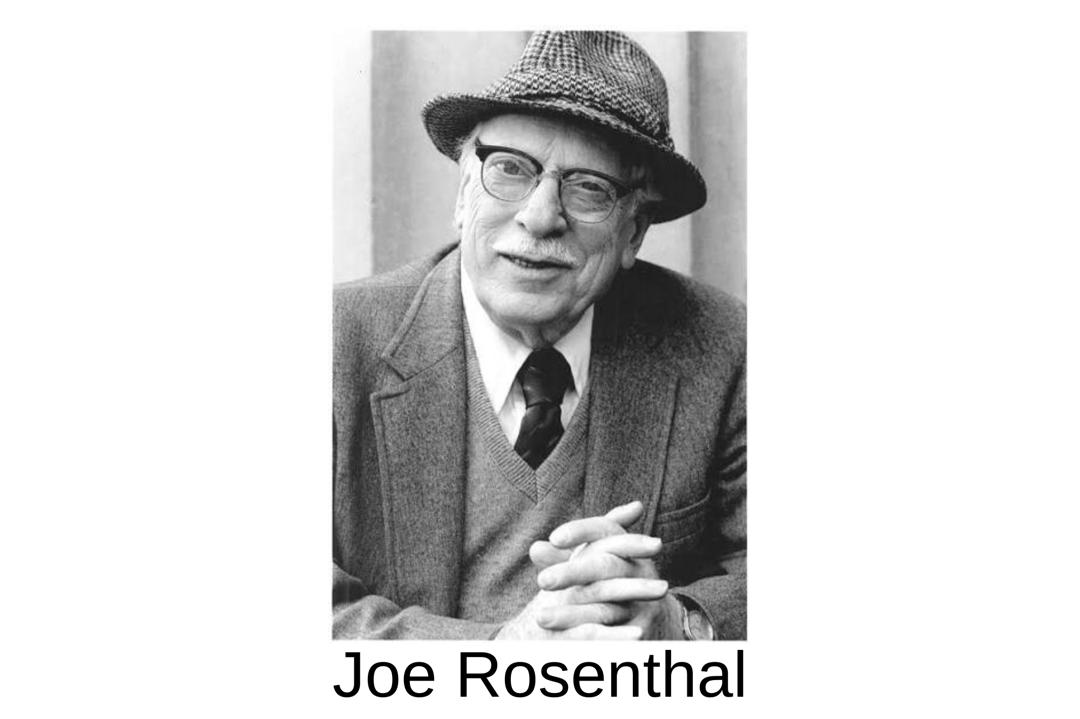
Joe Rosenthal was an Associated Press photographer who captured what is arguably the most famous war photograph ever taken during the battle for Iwo Jima in February 1945. He arrived on the summit of Mount Suribachi just as six Marines were struggling to raise a heavy second American flag to replace a smaller one from earlier that day. Rosenthal didn’t have time to look through his viewfinder and he simply pointed his camera at the group and clicked the shutter. The resulting image was a masterpiece of composition with the diagonal line of the flagpole and the collective effort of the soldiers creating a powerful sense of momentum and victory.
The photograph was a sensation in the United States and it was used to sell billions of dollars in war bonds while providing a much-needed morale boost to a weary public. Despite its success, Rosenthal faced persistent rumors that he had staged the shot because it looked almost too perfect to be spontaneous. He always maintained that it was a lucky capture of a real event and the sheer weight of the flag and the effort of the men certainly seem to support his claim. The image has since been immortalized in bronze at the Marine Corps War Memorial and it remains a timeless symbol of patriotism and the collaborative strength of the armed forces.
Gandhi At The Spinning Wheel
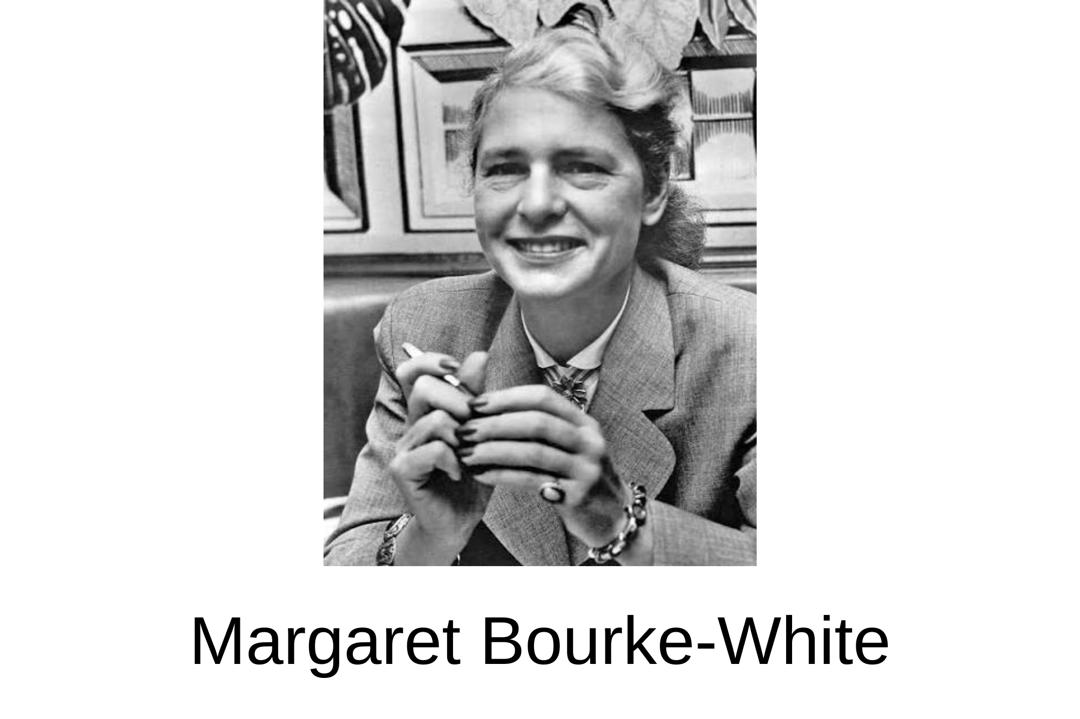
Margaret Bourke-White was a trailblazing female photojournalist who traveled to India in 1946 to document the life of Mahatma Gandhi during the struggle for independence. She spent days at his ashram trying to capture an image that would convey his philosophy of non-violence and self-reliance through the simple act of spinning cotton. Gandhi was a difficult subject because he lived a life of strict discipline and he only allowed her to take a few photos during his brief periods of rest. The final shot shows him sitting cross-legged on the floor reading his papers while his spinning wheel stands prominently in the foreground as a symbol of Indian resistance against British textile imports.
This photograph became an iconic representation of Gandhi’s peaceful revolution because it contrasted his humble lifestyle with his immense moral and political influence. Bourke-White had to overcome significant technical challenges including the high humidity which damaged her film and the dim lighting of the ashram. Her persistence paid off with an image that portrayed Gandhi not as a distant politician but as a spiritual leader deeply connected to the daily lives of his people. It serves as a reminder that the most powerful movements often begin with a single individual’s commitment to a simple idea and the courage to live it out every day.
The Kiss At Times Square
On August 14, 1945, the news of the Japanese surrender spread through New York City and sparked a massive celebration in the streets of Manhattan. Alfred Eisenstaedt was walking through Times Square when he spotted a sailor grabbing and kissing a woman in a white nurse’s uniform. He quickly snapped four frames of the encounter and one of them became the defining image of V-J Day and the end of the global conflict. The photo perfectly captured the overwhelming sense of relief and unbridled joy that felt like it was surging through the entire world after years of sacrifice and loss.
For many years, the identities of the couple remained a mystery and dozens of people claimed to be the sailor or the nurse in the photograph. Modern research eventually identified them as George Mendonsa and Greta Zimmer Friedman although they were actually total strangers who never saw each other again after that brief moment. In recent times, the image has been viewed through a more critical lens regarding the lack of consent in the kiss but it remains a historical landmark for its pure emotional impact. Eisenstaedt’s ability to find a poetic and human moment in the middle of a massive crowd is a testament to his sharp eye for the spontaneous beauty of life.
Guerrillero Heroico Che Guevara Portrait
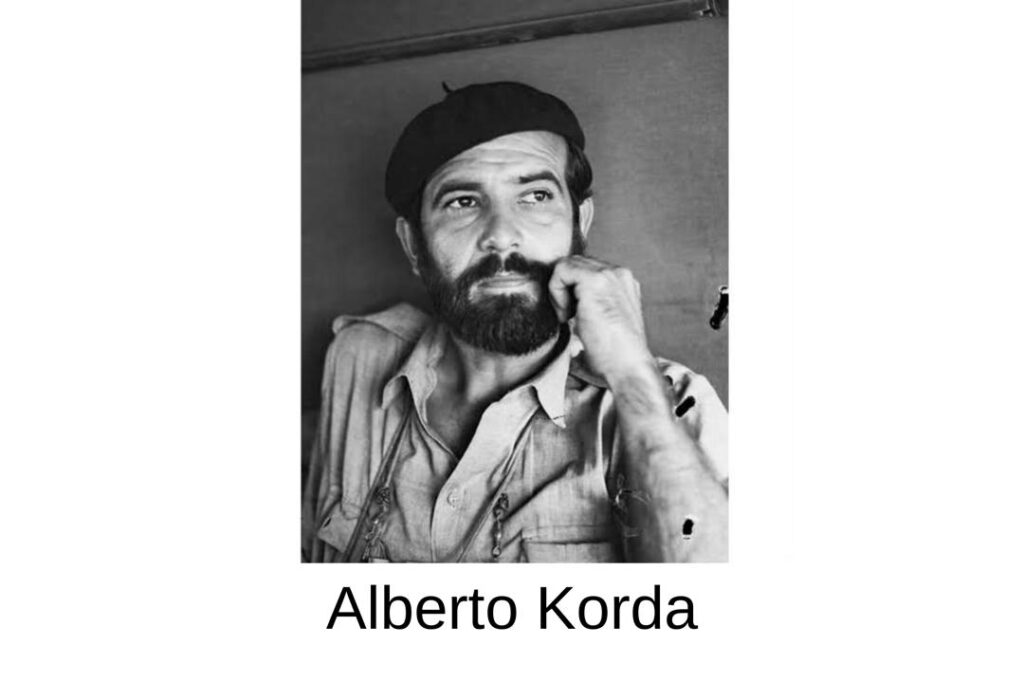
Alberto Korda was a Cuban fashion photographer who took a portrait of Ernesto “Che” Guevara in 1960 that would eventually become the most reproduced image in the history of photography. The shot was taken during a memorial service for victims of a ship explosion and it shows Che with a look of stern resolve and a beret adorned with a star. Korda only took two frames of Guevara before the revolutionary slipped back into the crowd and he didn’t even publish the photo at the time. It wasn’t until after Che’s death in 1967 that the image was discovered by an Italian publisher and distributed as a poster to student protesters across Europe.
The photograph quickly evolved from a specific historical record into a universal symbol of rebellion and the search for social justice. It has appeared on everything from t-shirts and coffee mugs to currency and protest banners because it perfectly distills the romantic ideal of the revolutionary hero. Korda never received any royalties for the image because he believed in the causes Che fought for and he was happy to see it used as a tool for political expression. This portrait demonstrates how a single face can become a global brand and a shorthand for a complex set of ideals that continue to inspire and provoke people around the world.
Napalm Girl Vietnam War Tragedy
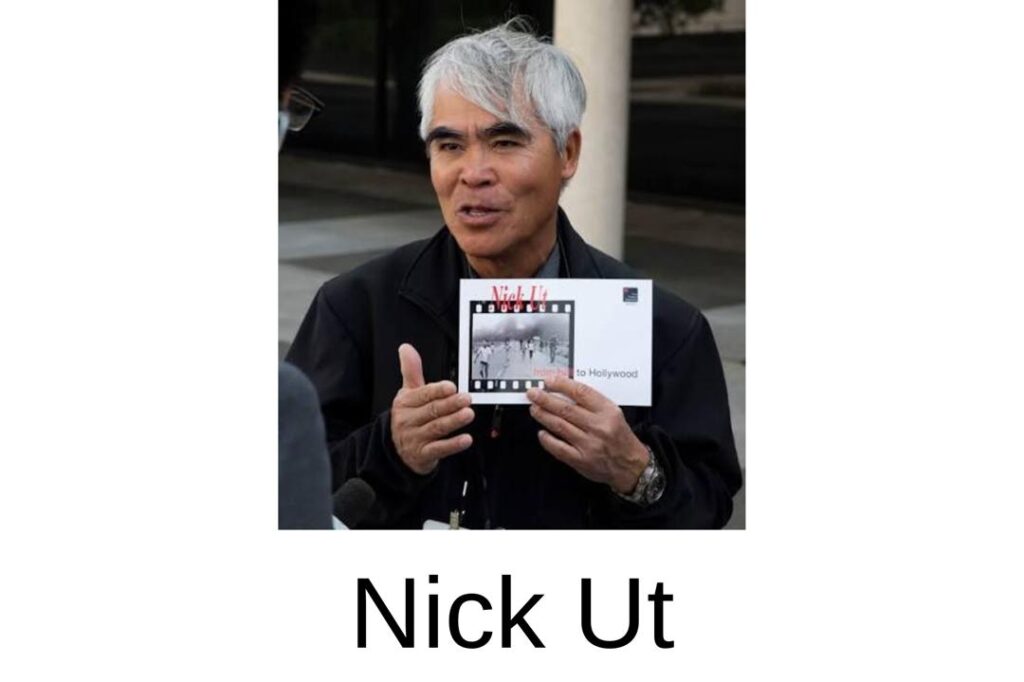
Nick Ut was a young photographer for the Associated Press who captured a heartbreaking image of a nine-year-old girl named Phan Thi Kim Phuc running naked down a road after a napalm attack in 1972. She had stripped off her burning clothes and was screaming in pain while South Vietnamese soldiers followed behind her. Ut immediately put down his camera after taking the photo and rushed the girl to a hospital which almost certainly saved her life. The image was published on the front page of the New York Times and it had a profound impact on public opinion by showing the undeniable suffering of innocent children in the Vietnam War.
The photograph won a Pulitzer Prize and it is often credited with helping to accelerate the end of American involvement in the conflict. It forced people to confront the brutal reality of modern warfare and the indiscriminate nature of weapons like napalm that targeted entire villages. Kim Phuc eventually recovered from her severe burns and she later became a peace activist and a UN Goodwill Ambassador. Her story and the image that brought it to the world serve as a permanent indictment of the horrors of war and a reminder of the incredible resilience of the human spirit in the face of unimaginable pain.
Earthrise From The Moon
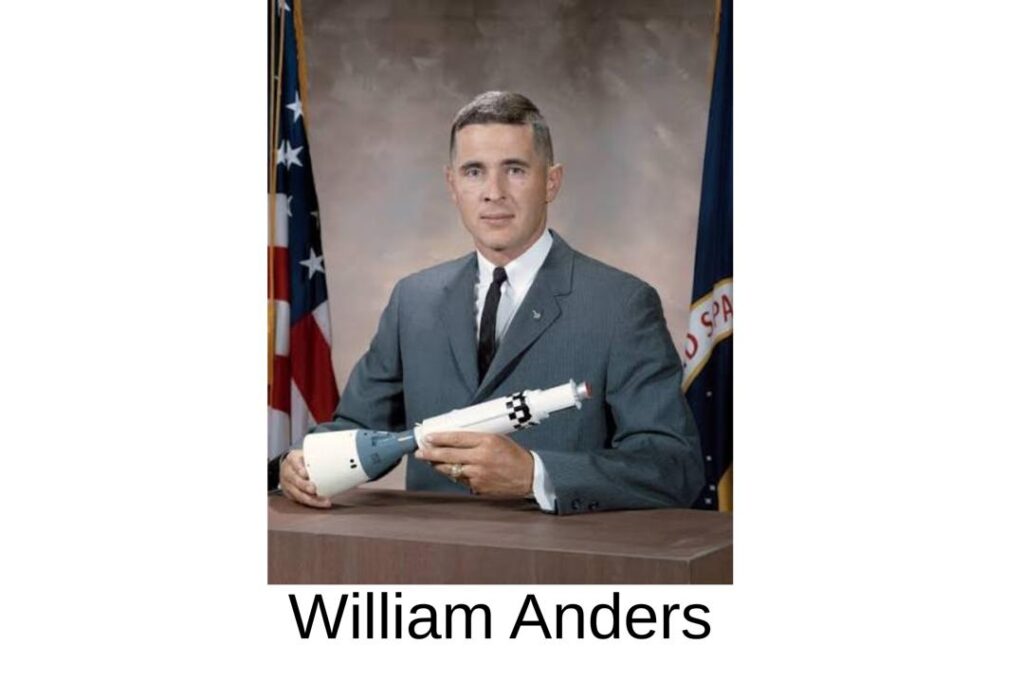
On Christmas Eve in 1968, the astronauts of the Apollo 8 mission were orbiting the moon when they witnessed a sight that no human had ever seen before. William Anders grabbed a Hasselblad camera and captured a color photograph of the Earth rising above the barren lunar horizon. The image shows our planet as a fragile and beautiful blue marble floating in the vast darkness of space which provided a shocking contrast to the desolate gray surface of the moon. Anders later remarked that we came all this way to explore the moon and the most important thing we discovered was the Earth.
This photograph is widely credited with helping to launch the modern environmental movement because it gave people a new perspective on the planet’s vulnerability. Seeing the world without any visible borders or political divisions reminded everyone that we are all living on a single small ship in a very large ocean. The image has been used on postage stamps and posters for decades and it remains one of the most spiritually and scientifically significant photographs ever taken. Earthrise transformed our understanding of our place in the universe and it continues to serve as a powerful plea for the protection of our only home.
Tank Man Tiananmen Square Defiance
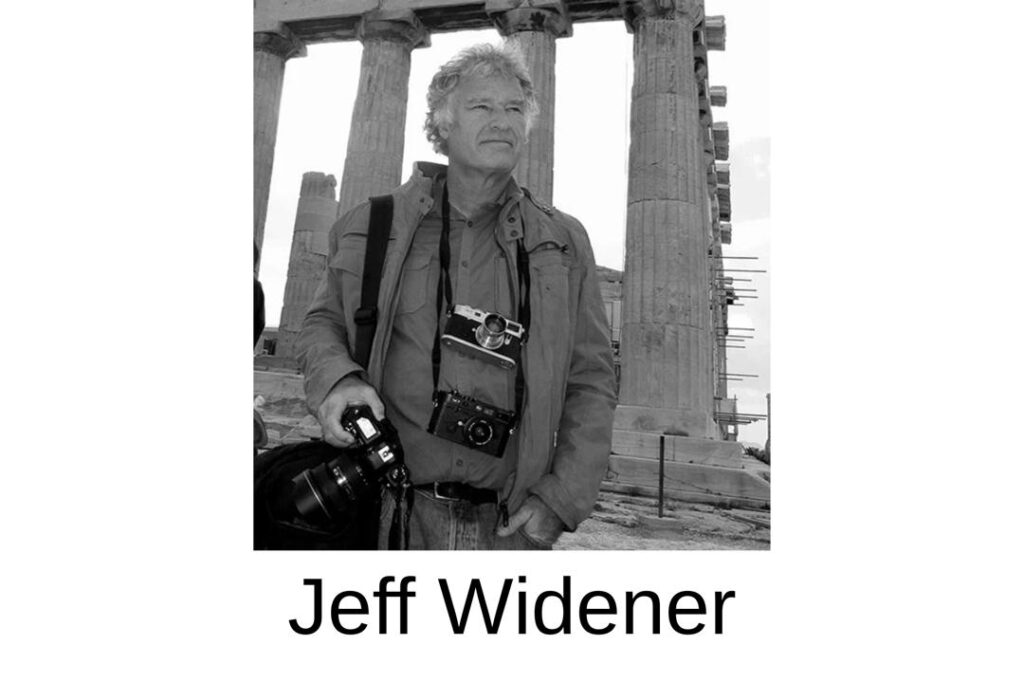
Jeff Widener was an Associated Press photographer who captured one of the most famous acts of individual defiance in history during the Tiananmen Square protests in 1989. From a hotel balcony, he photographed a lone man carrying shopping bags as he stood directly in front of a column of Type 59 tanks moving down Chang’an Avenue. Every time the lead tank tried to maneuver around him, the man stepped back into its path and effectively brought the entire military convoy to a standstill. Widener had to hide his film in a toilet tank to prevent it from being confiscated by the Chinese security forces who were searching the hotel.
The identity of the man remains unknown and his ultimate fate is still a subject of intense speculation and mystery. The photograph became a global symbol of the power of the individual to stand up against the might of an oppressive state and it remains a deeply sensitive subject in China today. Widener’s brave work allowed the world to see a moment of quiet and courageous resistance that would have otherwise been erased from the official record. Tank Man is a testament to the fact that one person’s refusal to move can resonate far more loudly than the roar of an entire army and it continues to inspire those fighting for freedom everywhere.
Our history is a tapestry woven from the moments that these brave photographers captured, reminding us that while a single factory of truth may seem dominant, it is the diversity of these lenses that truly reflects our world. We must never forget that the stories behind these images are just as vital as the frames themselves.
Like this story? Add your thoughts in the comments, thank you.


