
1. The Empire Strikes Back (1980)
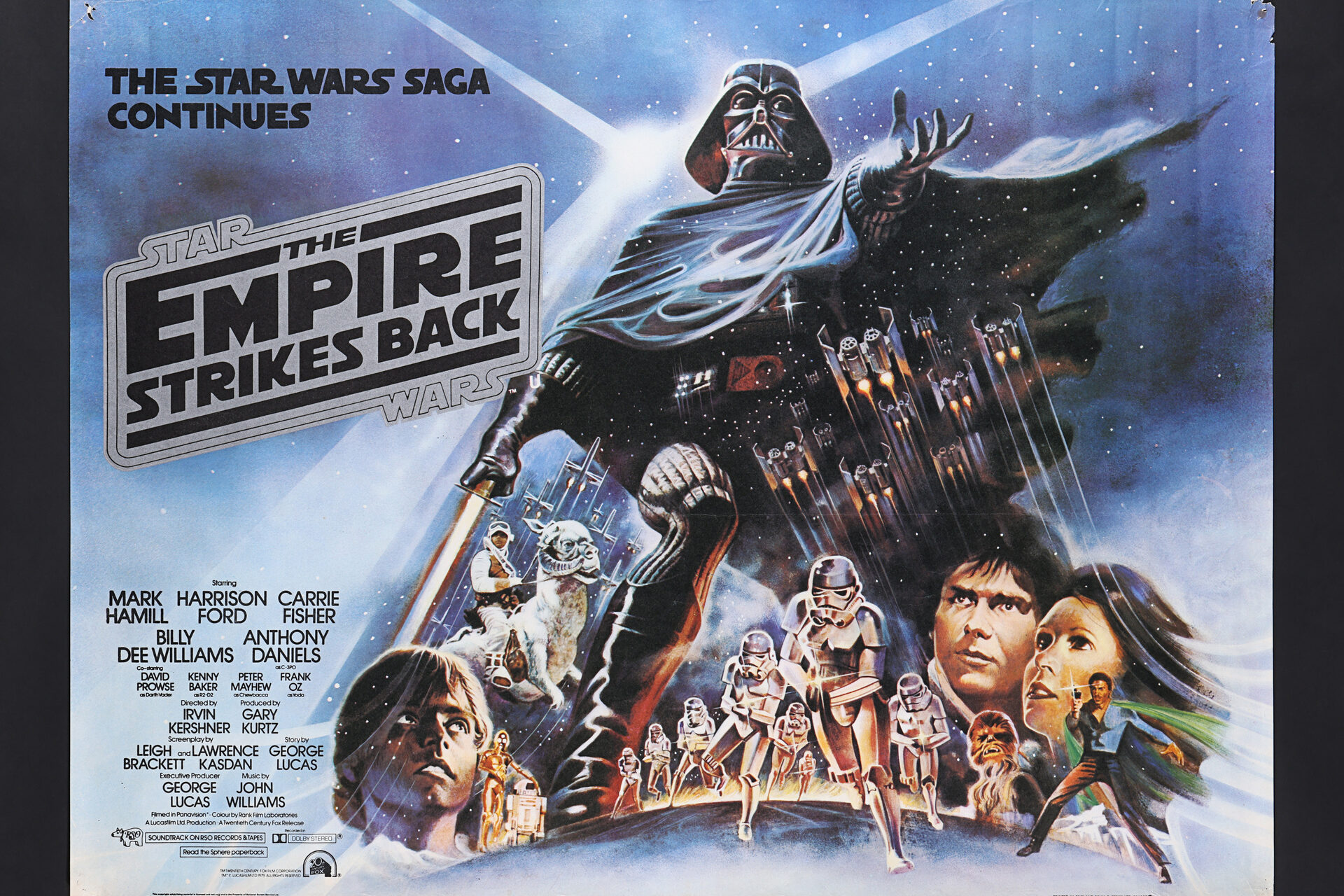
If you were anywhere near a theater in 1980, you could feel the anticipation before you even reached the ticket line. People showed up early, talking through favorite scenes from the first film and guessing what might happen next. Seeing The Empire Strikes Back was not casual. It felt planned and important. When Darth Vader revealed the truth to Luke, the silence inside packed auditoriums was unforgettable. No one shifted in their seat. No one whispered. It was the kind of moment that made you aware of everyone around you.
What made it special was not just the twist but the deeper tone. The story felt heavier, more emotional, and surprisingly brave for a sequel. It trusted the audience to handle uncertainty. Walking out, strangers debated theories like lifelong friends. It lingered in conversations for months. That collective shock turned a regular night at the movies into something shared and lasting, the kind of experience people still describe with a knowing smile.
2. Raiders Of The Lost Ark (1981)
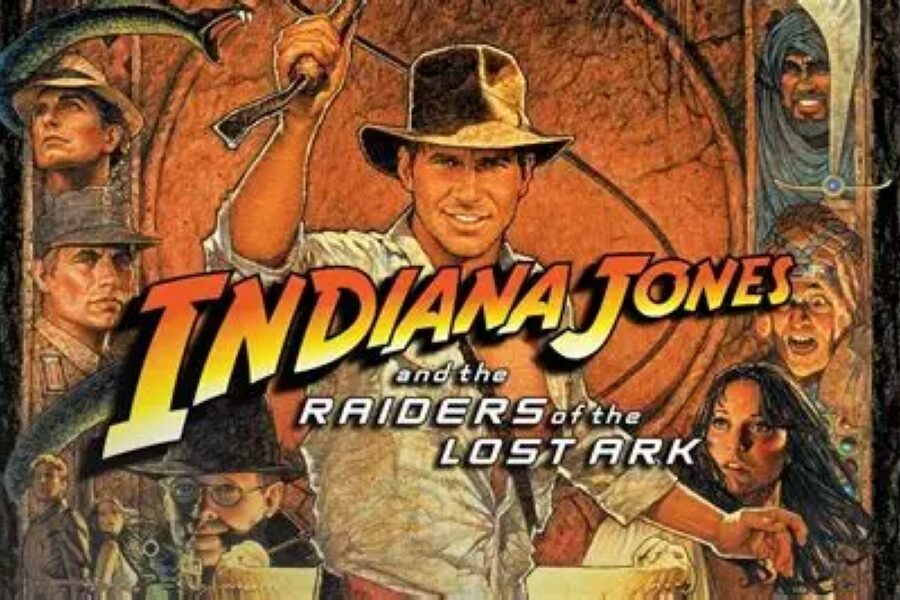
From the first jungle chase, Raiders Of The Lost Ark grabbed the room and refused to let go. The pacing was sharp, the humor effortless, and the action scenes felt handcrafted rather than excessive. Indiana Jones was daring but flawed, confident yet occasionally outmatched, and that balance made him feel real. When the giant boulder rolled toward him, entire theaters leaned forward together. You could hear quick gasps ripple through the crowd.
The film felt like rediscovering old adventure tales but with fresh energy. Families filled seats side by side, and no one felt left out of the fun. Kids wanted the hat and whip. Adults appreciated the clever dialogue. It was thrilling without being overwhelming, funny without being silly. Walking out, people replayed favorite scenes as if they had just come off a ride, reminding everyone how exciting a well told adventure could be.
3. E.T. The Extra Terrestrial (1982)
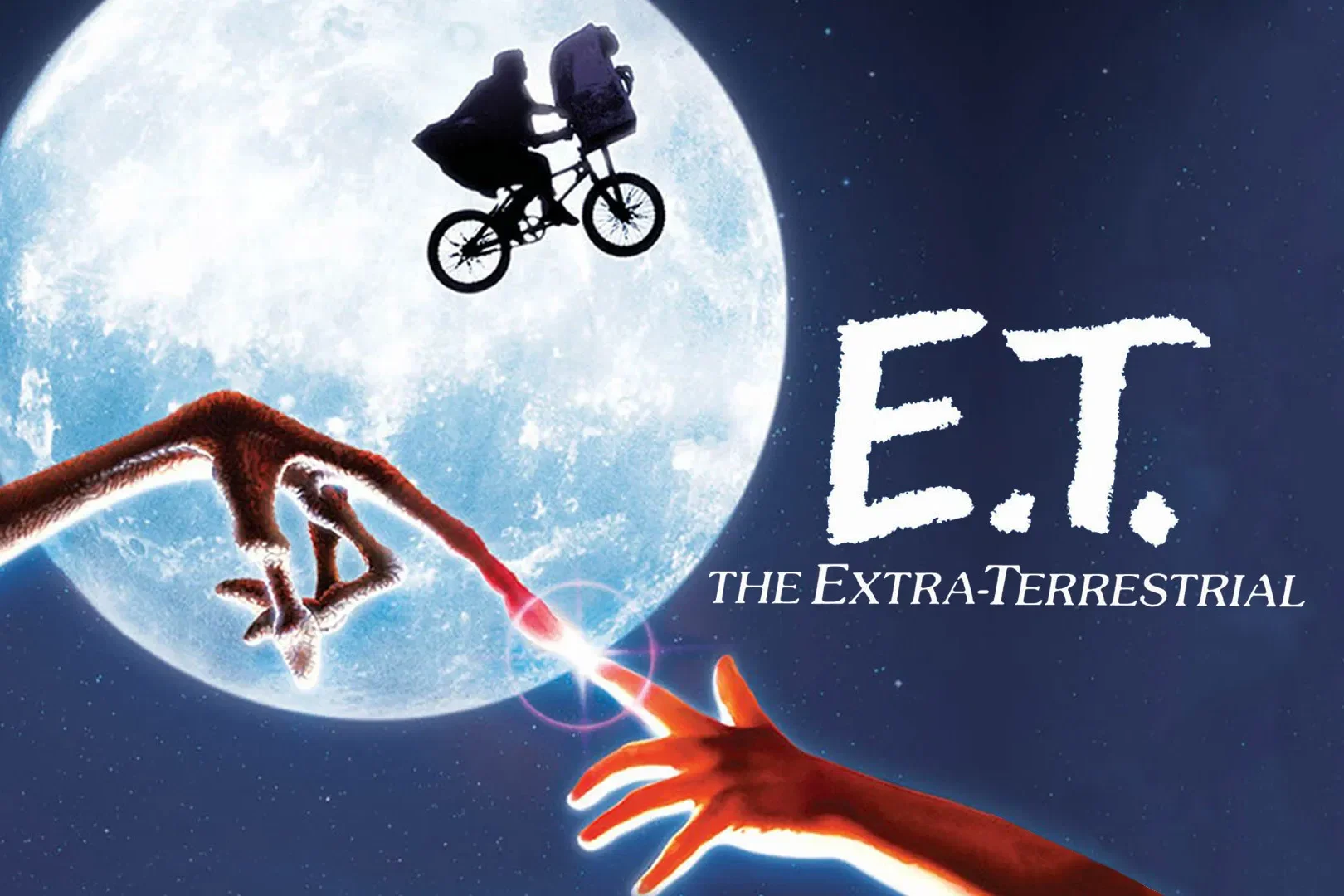
E.T. The Extra Terrestrial had a gentleness that quietly filled theaters with emotion. It did not rush to impress with spectacle. Instead, it focused on a lonely boy and an unexpected friendship that felt sincere from the start. Parents and children sat close together as the story unfolded, and by the time E.T. whispered that he wanted to go home, many were wiping their eyes. The silence in those final scenes felt almost sacred.
What made it an event was how deeply it connected across generations. Children saw magic and wonder while adults recognized themes of loss and growing up. People returned to watch it again, bringing friends who had not yet experienced that emotional ride. Leaving the cinema felt different, quieter and more reflective. It proved that a film did not need loud spectacle to move a crowd. Sometimes heart alone was enough.
4. Ghostbusters (1984)
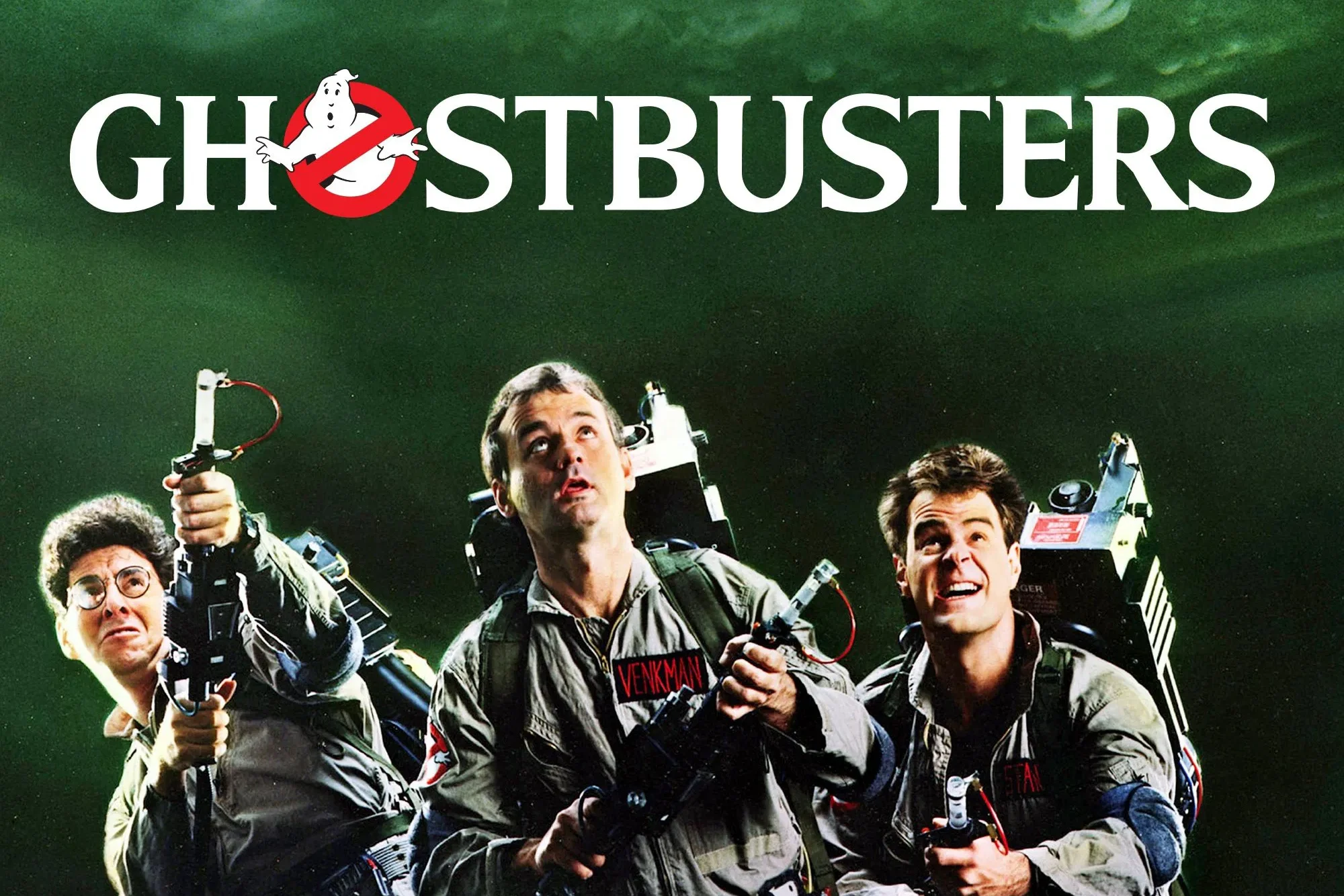
Ghostbusters arrived with an energy that felt easy and confident. It mixed supernatural chaos with dry humor in a way that felt new. As soon as the theme song started, smiles spread across faces in the audience. Bill Murray’s relaxed delivery gave the film personality that carried through every scene. When strange creatures invaded the city, the tone stayed playful rather than frightening.
Watching it in a packed theater meant laughter bouncing from row to row. The appearance of the enormous marshmallow figure towering over buildings had people shaking their heads in disbelief and delight. After the credits rolled, viewers quoted lines before they even reached the parking lot. It slipped easily into everyday conversation and became part of pop culture almost overnight. Seeing it felt like joining a joke that everyone understood.
5. Back To The Future (1985)
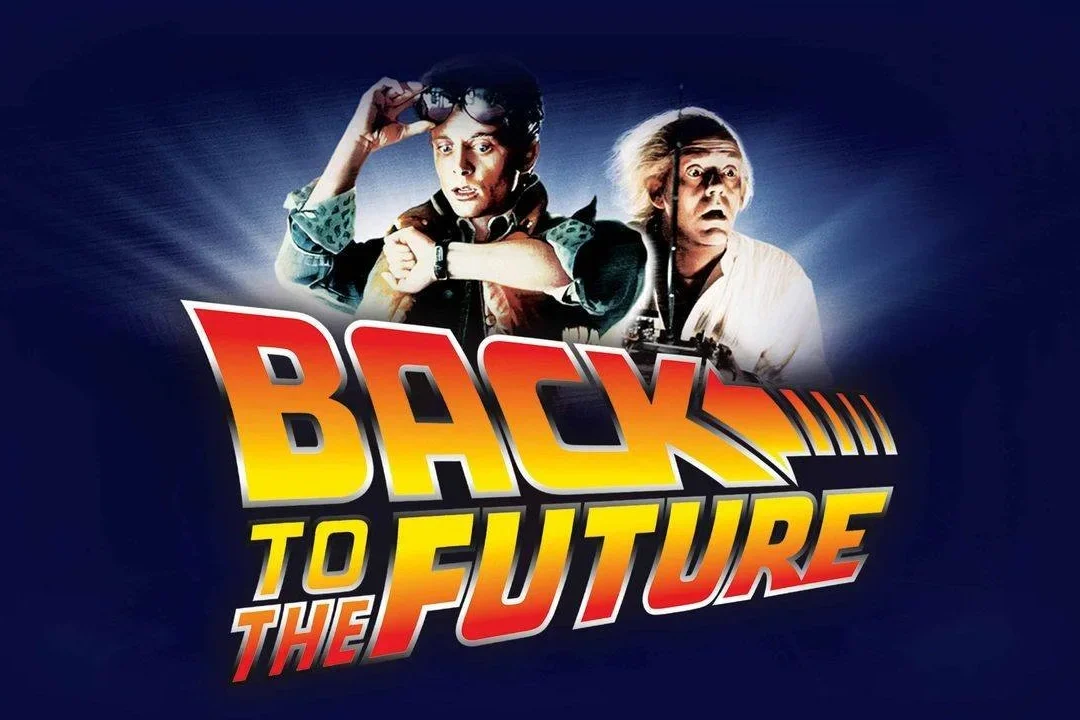
Back To The Future opened with a simple but irresistible idea. A teenager accidentally travels back in time and meets his own parents as high school students. That concept sparked curiosity immediately. Marty felt relatable, slightly overwhelmed but determined, while Doc Brown brought unpredictable charm. The DeLorean became an instant symbol of adventure. When the clock tower sequence built toward its dramatic finish, entire theaters held their breath.
The film balanced comedy and emotion in a way that felt effortless. Audiences laughed during awkward encounters and leaned forward during the race against time. When everything finally fell into place, the relief felt collective. People left discussing what they might change if given the chance to revisit the past. It was clever without feeling complicated and heartfelt without becoming overly sentimental.
6. Flashdance (1983)
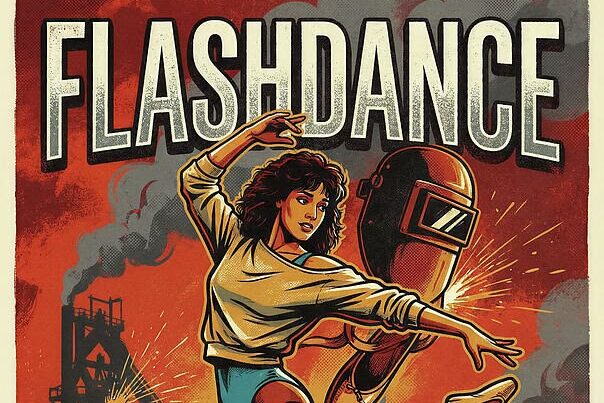
Flashdance carried a rhythm that you could feel even before the story settled in. It followed a young woman chasing a dream while juggling everyday struggles, and that ambition resonated with many viewers. The dance sequences were bold and expressive, filmed in a way that made the theater feel like a stage. When the music swelled during the audition scenes, you could sense the energy shift across the room.
The film was not overly complex, and it did not pretend to be. Its strength came from its sincerity and style. Audiences left humming the songs and replaying the choreography in their minds. For weeks afterward, the soundtrack echoed through radio stations and living rooms. Seeing it in theaters felt like catching a wave just as it was forming, reminding viewers that rhythm and determination can fill seats night after night.
7. The Karate Kid (1984)
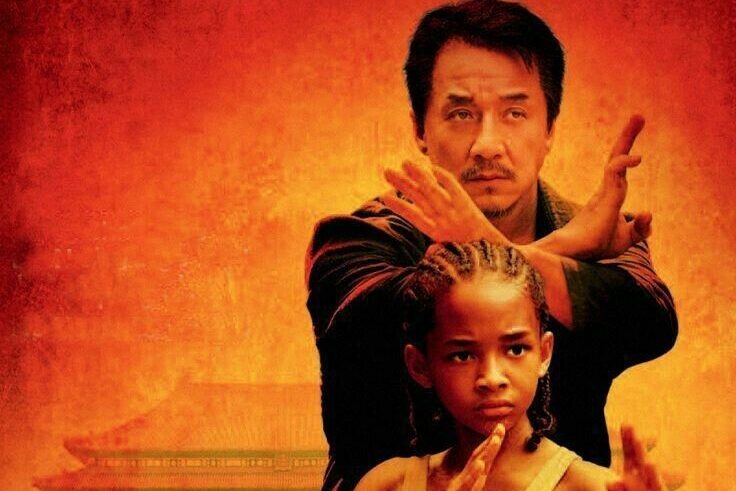
The Karate Kid felt grounded in a way that made it easy to connect with. Daniel was not extraordinary at the start. He was a teenager trying to adjust and facing challenges that felt relatable. Mr. Miyagi’s quiet guidance gave the story heart. The training sequences built anticipation rather than spectacle. Waxing cars and painting fences slowly turned into lessons about patience and discipline.
By the time the final tournament began, audiences were fully invested. The crane kick moment earned cheers because it symbolized growth and perseverance. The entire theater seemed to rise with Daniel in that instant. Parents appreciated the message about resilience, and young viewers saw themselves in the underdog struggle. Honest storytelling transformed a modest sports drama into an unforgettable shared experience.
8. Return Of The Jedi (1983)
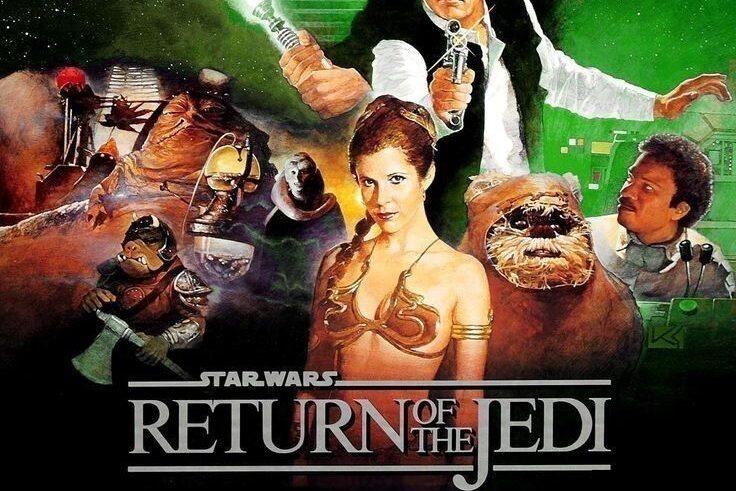
Return Of The Jedi arrived with enormous expectation hanging in the air. Fans had waited years to see how the story would end, and that anticipation was easy to feel in crowded theater lobbies. People debated theories while holding oversized tubs of popcorn, trying to guess who would survive and who might not. When Luke faced Darth Vader again, the room grew still. You could sense viewers leaning forward, emotionally invested in more than just a battle. It felt like watching a family argument play out on a galactic stage.
The film delivered spectacle, but it also delivered closure. There was redemption, reunion, and a sense that the long journey had finally reached its resting point. When the celebration scenes rolled in, many theaters responded with applause that felt natural and unforced. Walking out afterward carried a mix of satisfaction and quiet nostalgia. Saying goodbye to characters who had grown alongside you is not simple. That shared farewell turned a movie night into a collective memory that still feels meaningful decades later.
9. Die Hard (1988)
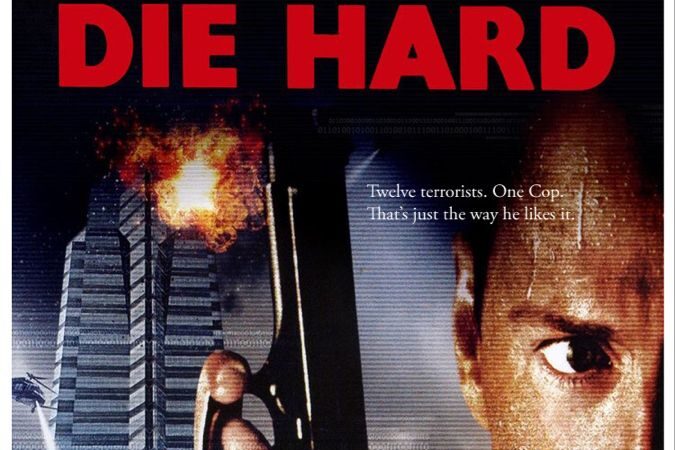
Die Hard took what seemed like a simple action setup and made it feel personal and immediate. John McClane was not polished or superhuman. He was tired, irritated, and visibly hurt as the night unfolded. That vulnerability made him easy to root for. Setting the entire story inside one towering building added a tight, almost claustrophobic tension. Every narrow escape felt close enough to touch. In a full theater, you could hear people gasp in sync when danger crept around the corner.
The balance between suspense and humor kept the energy steady. Sharp one liners broke the tension just enough without ruining the stakes. The villain felt smart, which made every confrontation more gripping. By the time the final moments played out, viewers were sitting upright, fully engaged. When it ended, conversations sparked instantly about favorite scenes and quotes. It proved that an action film could feel grounded and character driven while still delivering excitement that filled every seat in the house.
10. A Nightmare On Elm Street (1984)
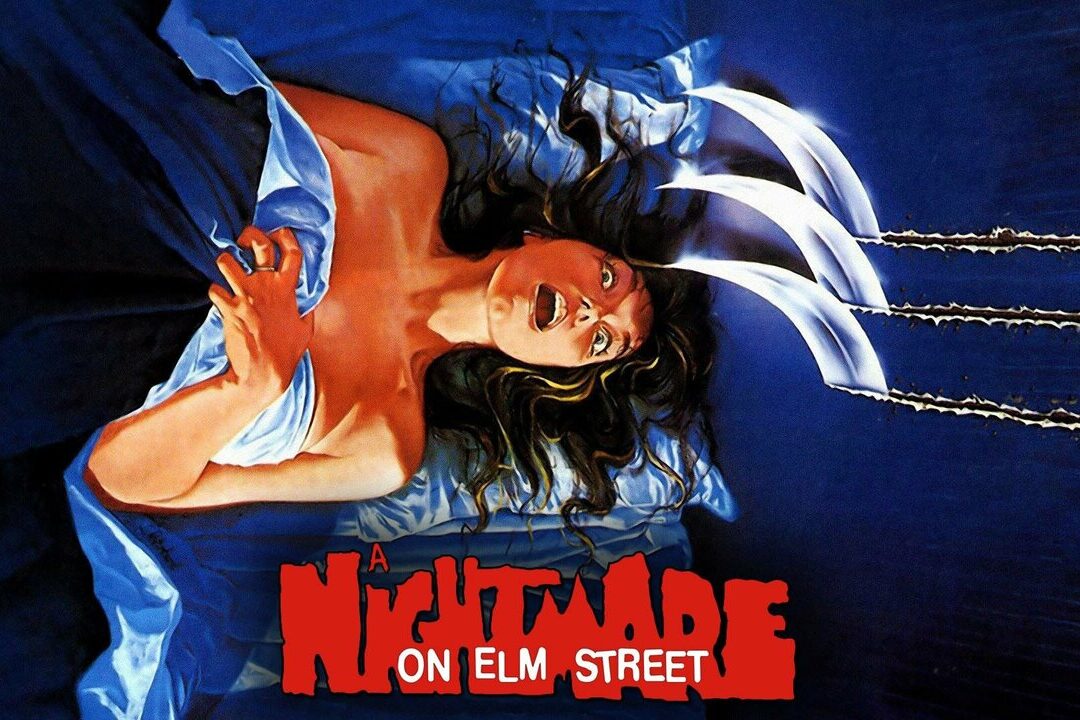
A Nightmare On Elm Street built its fear from something ordinary. Sleep, something everyone depends on, became a threat. That idea alone was enough to unsettle audiences before the first scare even landed. Freddy Krueger was terrifying, yet his eerie confidence gave him a strange presence that lingered. Teenagers filled theaters in groups, half excited and half nervous. As dreams blurred into reality, it became harder to tell what was safe and what was not.
Watching it in a packed auditorium amplified every moment. Gasps, nervous laughter, and sudden silence created a rhythm of shared tension. The film did not rely only on shock. It relied on imagination and the creeping thought that rest might not bring comfort. When the lights came on, some viewers joked about staying awake all night, though their smiles were slightly forced. It reminded everyone that horror works best when experienced together, turning fear into something communal and strangely unforgettable.
11. The Terminator (1984)
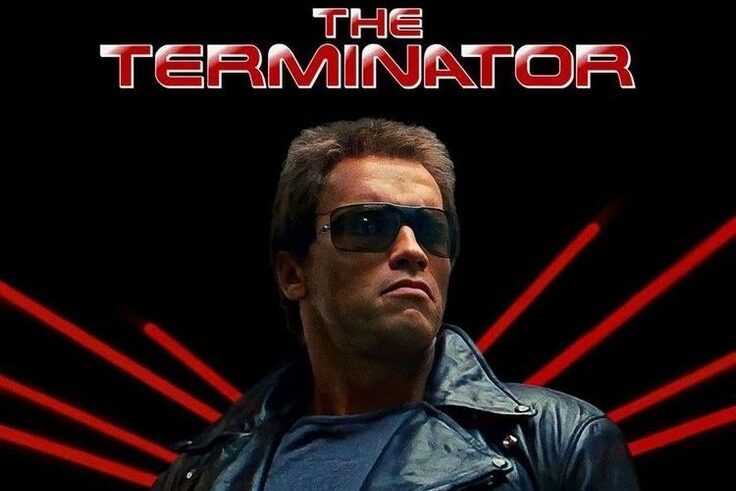
When The Terminator arrived, it felt lean and relentless in a way audiences were not fully prepared for. The premise sounded simple at first, a machine sent from the future to change the course of history, but the execution made it gripping. Arnold Schwarzenegger’s calm, mechanical presence gave the villain a chilling weight. Every time he appeared on screen, tension rose without needing loud buildup. The story moved quickly, rarely pausing to explain too much, which made the danger feel constant and close.
Watching it in a packed theater meant feeling that steady pressure together. The action sequences were intense but grounded, and Sarah Connor’s transformation from ordinary woman to determined survivor gave the film heart. It was not just about explosions or chase scenes. It was about fate, fear, and survival. When the credits rolled, people sat back processing what they had seen. It felt bold and slightly ahead of its time, the kind of film that made you realize science fiction could be gritty, serious, and deeply engaging.
12. The Breakfast Club (1985)
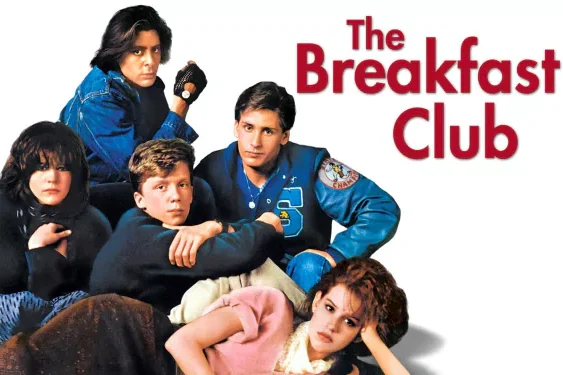
The Breakfast Club did not rely on special effects or grand spectacle. It placed five very different teenagers in one room and let them talk. That simplicity was its strength. At first, they seemed like stereotypes, the athlete, the brain, the rebel, the princess, the outsider. But as the story unfolded, layers appeared. In a quiet theater, you could hear small laughs of recognition and moments of silence when conversations turned honest and vulnerable.
The film felt personal because it reflected insecurities most people remember from their own school days. The confessions were awkward and sincere, and the shifting friendships felt believable. Watching it with others added another layer, because everyone in the room saw a little of themselves in someone on screen. When the final scene closed, there was a thoughtful stillness. It reminded viewers that growing up is complicated and that understanding often begins with listening. That quiet honesty made it as powerful as any action packed blockbuster of the decade.
13. Rocky III (1982)
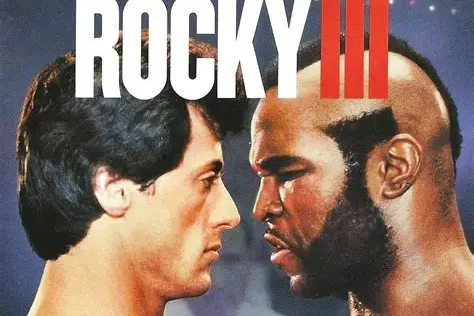
Rocky III brought back a familiar hero but raised the stakes in a louder, more intense way. From the opening moments, you could feel the energy building. The introduction of a fierce new opponent gave the story fresh urgency. Training sequences carried a rhythm that built anticipation, and the music pulsed through theaters with motivating force. When the fights began, the audience reacted as if they were ringside, cheering and wincing in equal measure.
What made it more than just another boxing film was the emotional undercurrent. Rocky faced not only a physical challenge but a loss of focus and confidence. Watching him rebuild that hunger resonated deeply. The crowd’s response during the final match felt almost like a sporting event, complete with spontaneous applause. Leaving the theater, viewers felt energized and inspired. It showed that sequels could evolve while staying true to their core, turning a simple comeback story into a shared experience of determination and grit.
14. Star Trek II The Wrath Of Khan (1982)
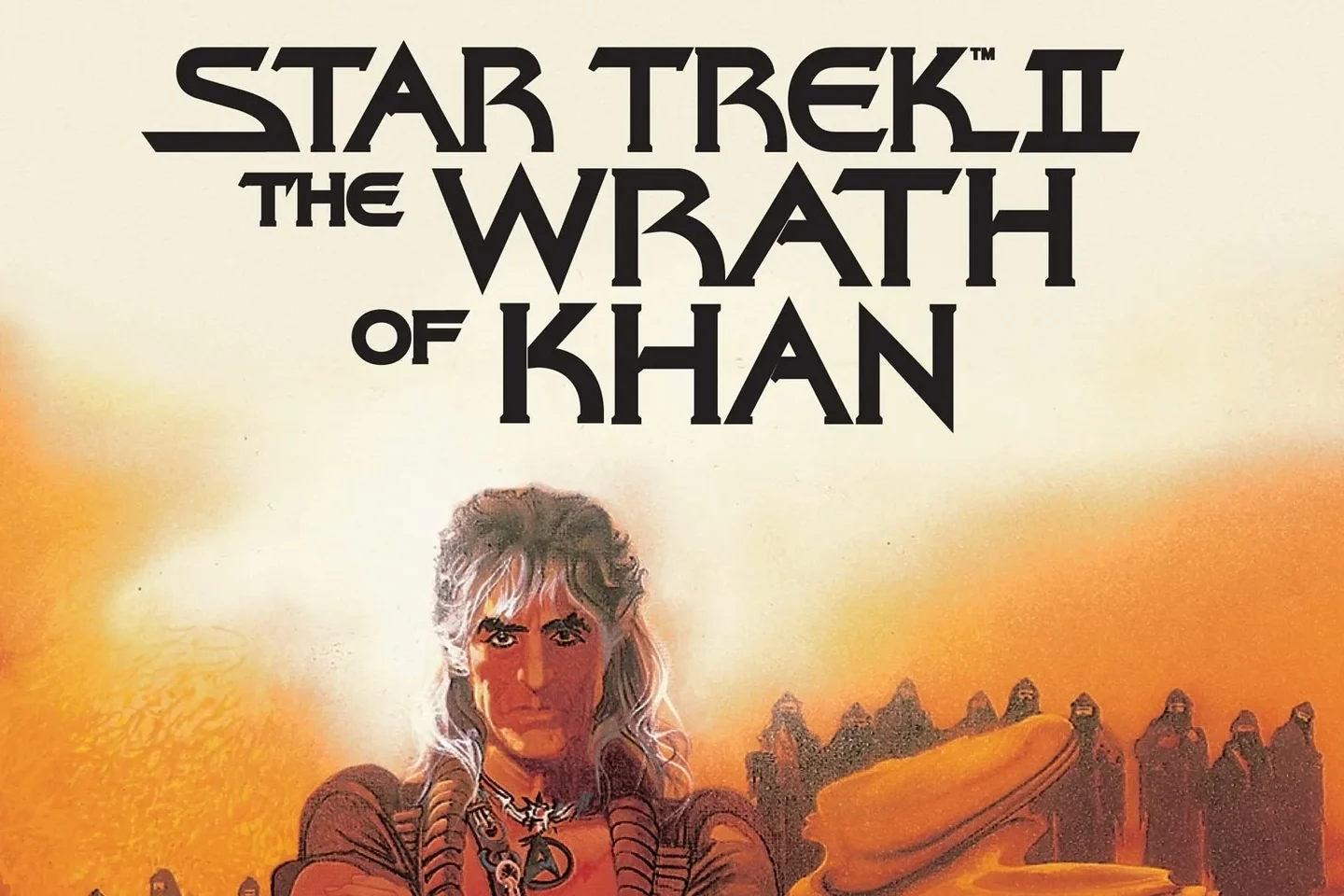
Star Trek II The Wrath Of Khan carried a sense of seriousness that surprised many viewers. It was not just another space adventure. It centered on rivalry, aging, and sacrifice. Khan was not a distant villain but a deeply personal adversary, and that connection gave the conflict emotional weight. The pacing balanced thoughtful dialogue with bursts of action, keeping audiences engaged from start to finish.
Watching it in a full theater heightened the emotional impact, especially during its most poignant moments. The themes of friendship and duty lingered long after certain scenes ended. There was a maturity in the storytelling that felt refreshing. Fans debated its meaning in lobbies afterward, discussing character choices as if they were real people. It proved that science fiction could explore complex ideas without losing excitement. That combination of intellect and intensity turned it into an event that extended beyond the screen.
15. Top Gun (1986)

Top Gun arrived with confidence and style that immediately filled the room. The roar of jet engines through theater speakers made audiences sit up straighter in their seats. The aerial sequences felt immersive, pulling viewers into high speed training exercises that looked both thrilling and dangerous. Maverick’s ambition and rivalry created a storyline that was easy to follow but emotionally engaging.
Beyond the action, the film carried a distinct mood shaped by its soundtrack and sleek visuals. Scenes moved with rhythm, and the music lingered long after the lights came back on. Watching it in a crowded theater felt almost like attending a concert combined with a sporting event. The competition, the friendships, and the tension in the skies kept everyone invested. By the end, many viewers walked out feeling energized and slightly uplifted, reminded that sometimes confidence and teamwork can lift a story straight into the air.
16. Friday The 13th (1980)
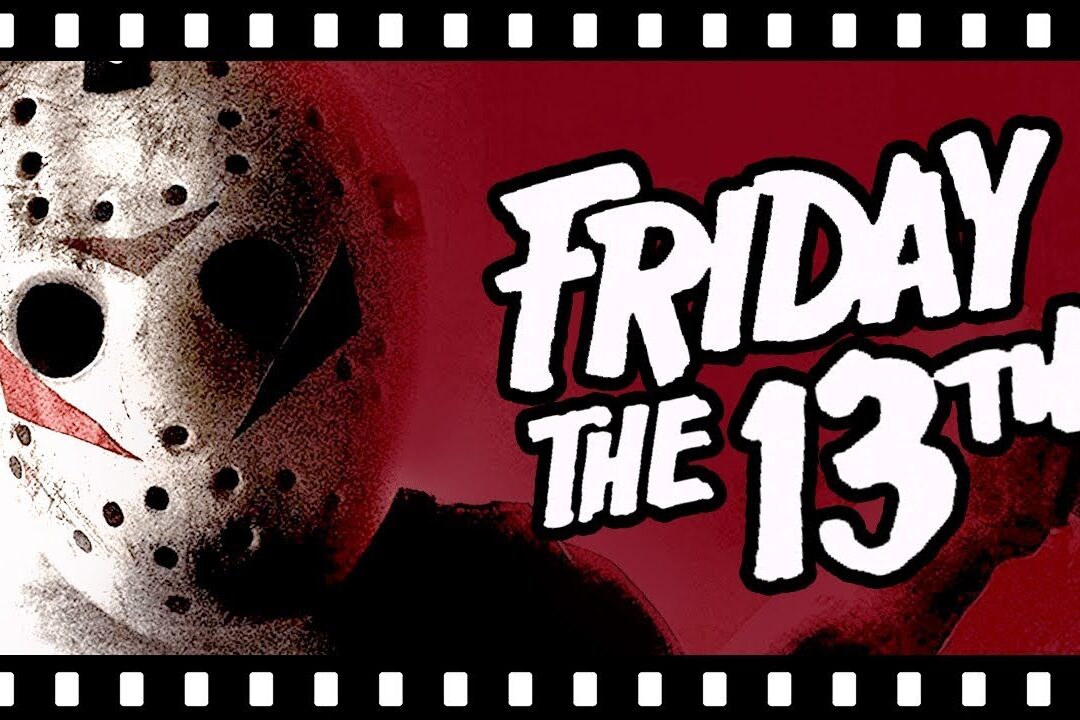
Friday The 13th walked into theaters quietly and then refused to leave people’s minds. It did not rely on elaborate backstories or complicated mythology at first. It focused on atmosphere, isolation, and the slow realization that something was very wrong. Watching it in a dark, crowded theater amplified every creak and sudden movement. Viewers would tense up together, half expecting something to leap from the screen. The suspense built patiently, and that patience made the scares land harder when they came.
What truly made it an event was the shared reaction. Horror works differently when you are surrounded by strangers. Gasps ripple outward. Nervous laughter spreads quickly. The shock of the final reveal left many stunned and talking in hushed voices as they walked out. It sparked sequels, costumes, and a lasting presence in pop culture. For many, it became a rite of passage film, the one you dared friends to watch with you on a Friday night.
17. Beverly Hills Cop (1984)
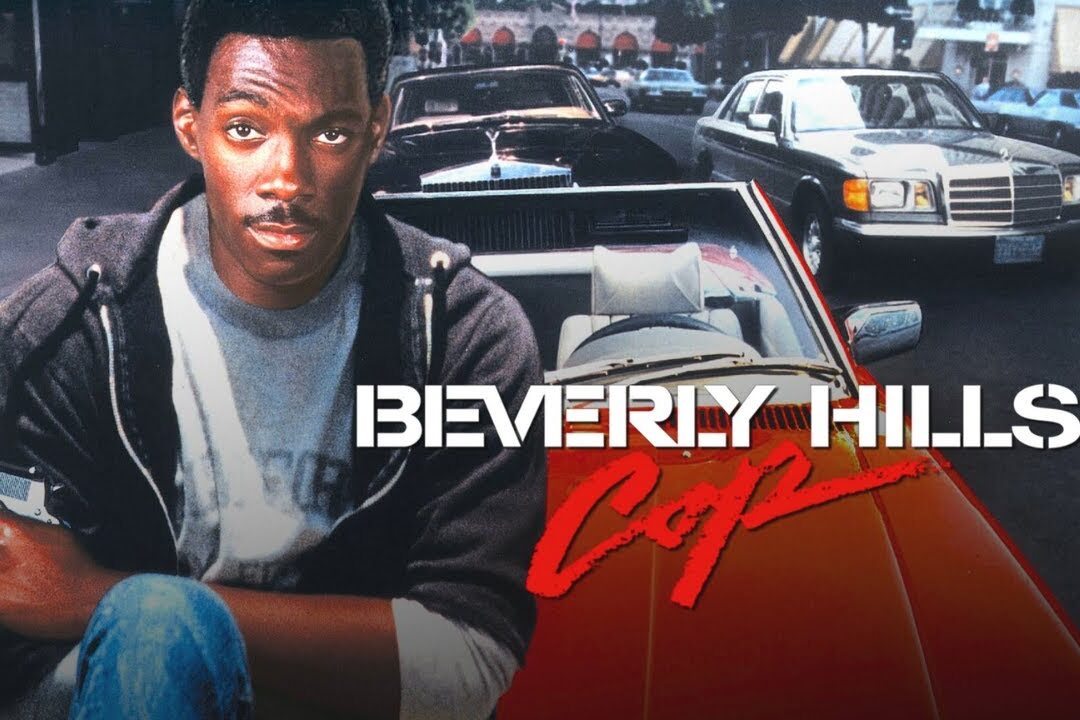
Beverly Hills Cop brought a fresh kind of energy to theaters. It blended crime drama with sharp comedy in a way that felt effortless. Eddie Murphy’s quick wit carried scene after scene, and his character felt both confident and improvisational. Audiences responded immediately, laughing loudly at exchanges that felt spontaneous rather than scripted. The contrast between the gritty streets of Detroit and the polished world of Beverly Hills gave the story a playful edge.
Watching it with a crowd made every joke land harder. You could feel waves of laughter move across the room, especially during the fish out of water moments. The action never overshadowed the humor, and the humor never undercut the tension. It struck a balance that kept viewers engaged from start to finish. Leaving the theater, many people quoted lines with perfect timing, trying to match the charm they had just witnessed. It proved that charisma alone can turn a movie into a true event.
18. The Princess Bride (1987)
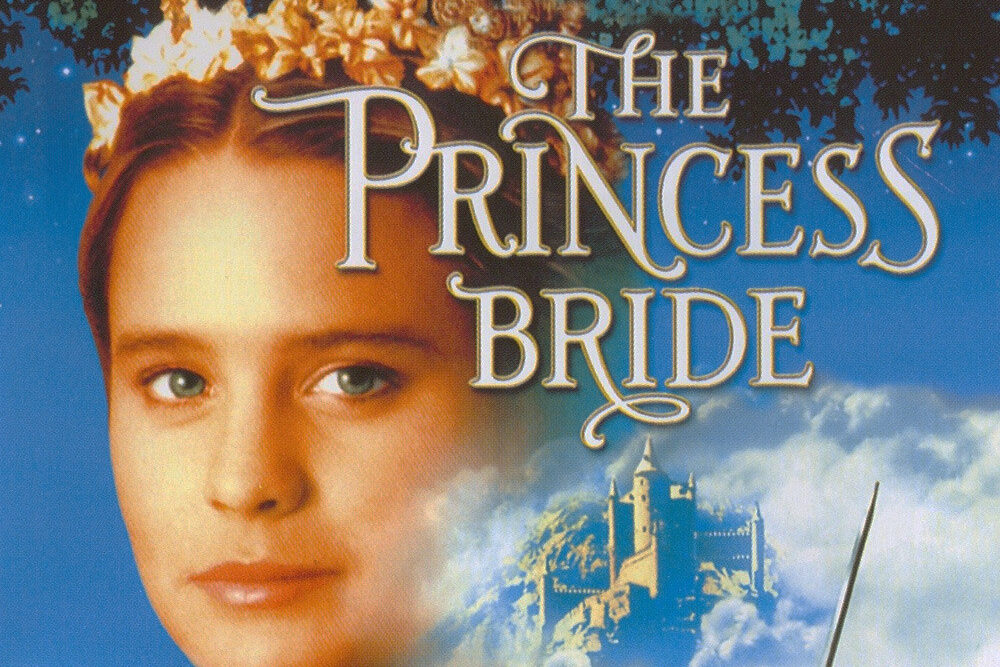
The Princess Bride arrived without overwhelming hype, yet it quietly captured hearts. It told a story within a story, blending fairy tale adventure with humor that felt both clever and warm. The romance was sincere without being overly sentimental, and the sword fights carried a playful rhythm. Sitting in a theater watching it felt comforting, almost like hearing a bedtime story told by someone who truly enjoyed the tale.
What made it memorable was how easily it invited audiences in. Lines became instantly quotable, and characters felt distinct and lovable. The humor appealed to adults while the adventure thrilled younger viewers. You could sense smiles spreading across rows during the witty exchanges. It did not need massive spectacle to feel big. It relied on storytelling charm and a steady sense of fun. By the end, many viewers felt lighter than when they walked in, reminded that simple, well told stories still have power.
19. Platoon (1986)
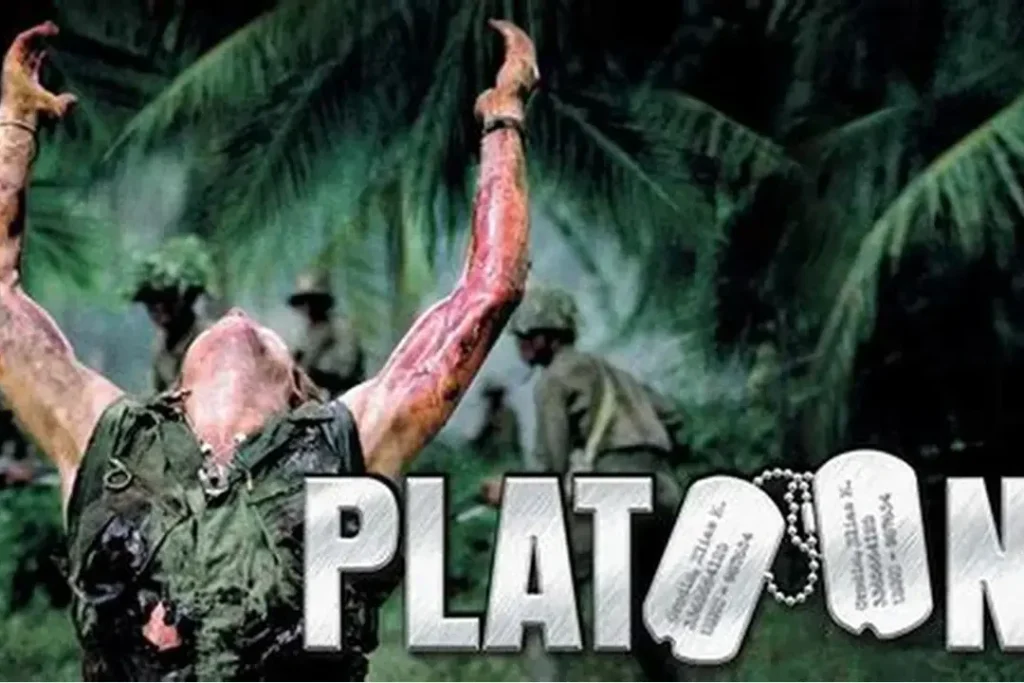
Platoon brought a sobering intensity to theaters that contrasted sharply with lighter blockbusters of the decade. It did not romanticize war. Instead, it presented it as chaotic, confusing, and emotionally draining. Watching it in a packed auditorium felt heavy at times. Conversations quieted as scenes unfolded, and moments of silence carried weight. The performances felt raw and immediate, drawing viewers into the moral conflicts faced by young soldiers.
The film’s impact came from its honesty. It showed fear, doubt, and division without dressing them up. Leaving the theater did not feel celebratory. It felt reflective. People spoke in softer tones, processing what they had seen. It sparked discussions about history, responsibility, and human nature. While not an easy watch, it became an event because it demanded attention and emotional engagement. It reminded audiences that cinema can challenge as much as it entertains.
20. Superman II (1980)
Superman II expanded on the promise of its predecessor while deepening the emotional stakes. Seeing Superman face powerful enemies who matched his strength created tension that audiences could feel. The action sequences were grand for their time, and watching them unfold on a large screen added scale and excitement. Yet beneath the spectacle was a more personal conflict about identity and sacrifice.
The film invited viewers to consider what it means to balance responsibility with personal happiness. That layer gave the story heart. In theaters, moments of triumph brought spontaneous applause, especially when justice was served. It felt uplifting without being overly dramatic. Families left discussing favorite scenes and debating which villain stood out most. The combination of heroism and vulnerability made it resonate. It showed that even the strongest characters are shaped by difficult choices, and that sense of humanity helped turn it into a shared cinematic experience
21. Big (1988)
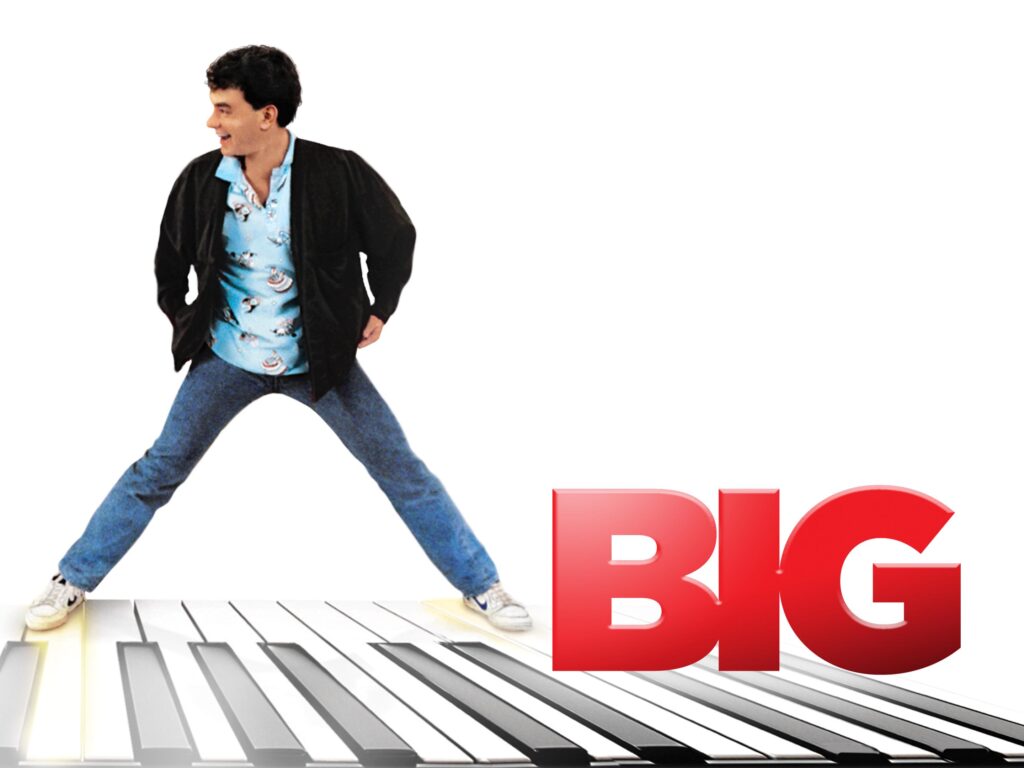
Big walked into theaters with a simple wish and turned it into something surprisingly touching. The idea of a child waking up in an adult body could have been played only for laughs, but the film gave it warmth. Tom Hanks brought an innocence to the role that made every scene feel genuine. Watching him navigate boardrooms with playground logic created laughter that felt light and easy. In a packed theater, those moments of humor rolled naturally from one row to the next.
Beneath the comedy was a quiet reflection on growing up too quickly. Adults saw parts of themselves in the longing to slow down. Younger viewers imagined the freedom of independence without understanding its weight. The famous piano scene drew applause and delighted murmurs. It was playful and heartfelt at the same time. Leaving the theater, people smiled in a thoughtful way, reminded that adulthood is not always as glamorous as it seems and that holding on to a bit of childhood wonder can make life richer.
22. The Goonies (1985)
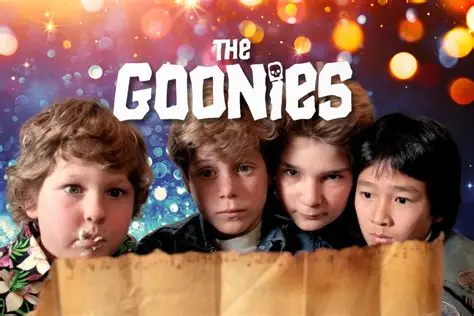
The Goonies captured the thrill of childhood adventure in a way that felt authentic. A group of kids searching for treasure might sound familiar, but the energy between them made it special. Their arguments, jokes, and loyalty felt real. Watching them navigate hidden tunnels and booby traps brought out the childlike excitement in the audience. The theater often buzzed with laughter and small cheers when the group escaped another close call.
What made it an event was how it mirrored the feeling of backyard imagination. Many viewers saw pieces of their own childhood friendships reflected on screen. Parents enjoyed the sense of mischief without cynicism, while kids dreamed about discovering secret maps of their own. It was adventurous without losing heart. By the time the treasure was found, audiences felt as though they had joined the journey themselves. It reminded everyone how powerful shared imagination can be when projected onto a big screen.
23. Ferris Bueller’s Day Off (1986)
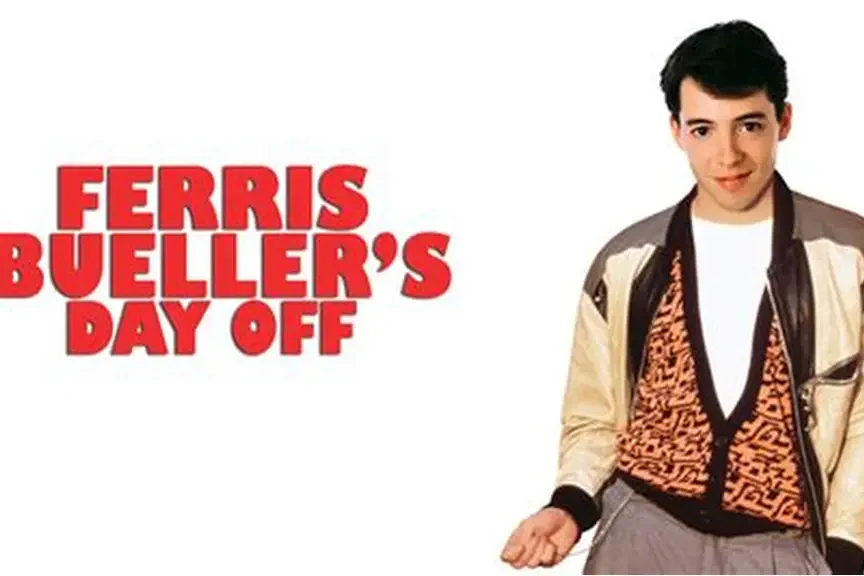
Ferris Bueller’s Day Off felt like a playful wink directed straight at the audience. From the first scene, Ferris spoke directly to viewers, inviting them into his plan. That casual confidence created an immediate connection. Watching him navigate the city while avoiding consequences gave the film a carefree rhythm. In a crowded theater, laughter came easily, especially during the more exaggerated moments of deception.
The film captured the universal desire to pause responsibility for just one day. It was not about rebellion in a harsh sense. It was about savoring time. The parade sequence, with its burst of music and color, turned the room into something almost celebratory. Viewers walked out with a lightness that lingered. It felt like permission to appreciate small joys and spontaneous choices. Seeing it together amplified the humor and charm, turning one fictional day off into a shared cinematic break from routine.
24. Who Framed Roger Rabbit (1988)
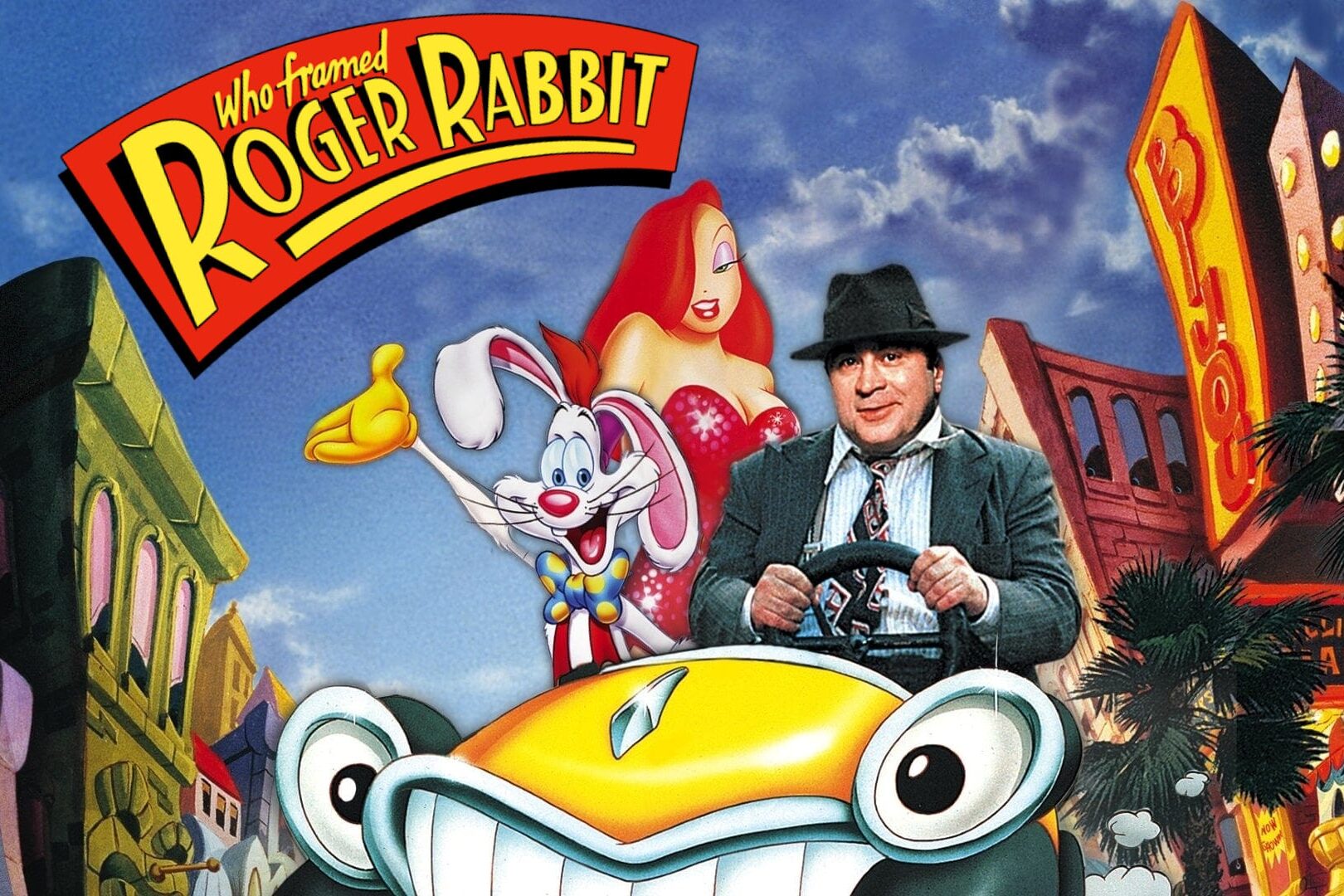
Who Framed Roger Rabbit felt technically astonishing the first time audiences saw it. The seamless blend of animation and live action created a sense of wonder that was hard to ignore. Watching cartoon characters interact convincingly with human actors on a large screen felt like witnessing something new. The humor appealed to both children and adults, layered in a way that rewarded attentive viewers.
The mystery storyline kept the pace steady, but it was the visual creativity that drew audible reactions. People pointed at the screen and nudged friends when familiar animated faces appeared. It felt like multiple generations of entertainment colliding in one space. Seeing it in a packed theater made the experience even richer, as laughter and surprise echoed together. It proved that innovation can still feel warm and accessible. The film did not rely only on technology. It relied on heart and humor to make its spectacle meaningful.
25. Dirty Dancing (1987)
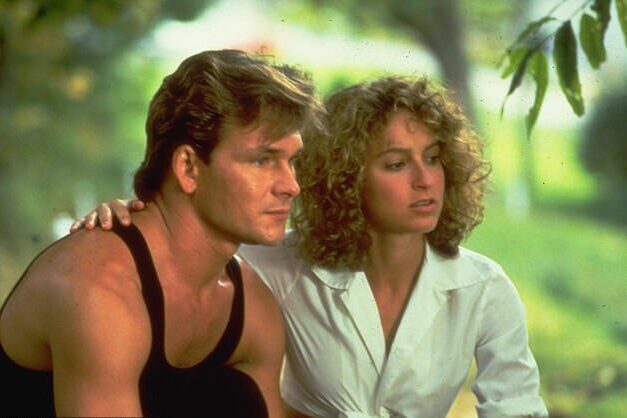
Dirty Dancing built its following gradually, but once it caught on, theaters filled quickly. The story of a summer romance set against music and movement resonated strongly with audiences. The chemistry between the leads felt natural, and the dance sequences carried emotional weight rather than existing as decoration. When iconic lines were delivered, small cheers often followed.
What truly made it an event was the final dance. As the music swelled and the lift happened, many viewers felt a rush of satisfaction. It was romantic without feeling overly polished. The film tapped into themes of self discovery and standing up for oneself. Watching it with others created a collective warmth, especially among groups of friends. The soundtrack continued playing in minds long after the credits rolled. It became one of those movies people returned to repeatedly, reliving that feeling of music, courage, and connection.
26. Aliens (1986)
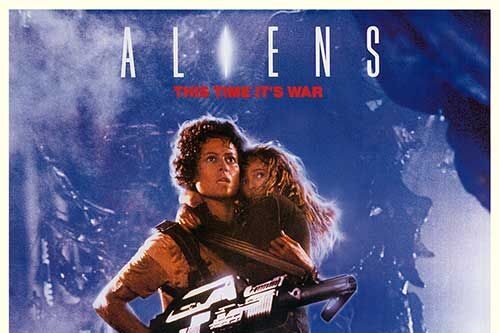
Aliens expanded its predecessor’s tense atmosphere into something louder and more intense. The stakes felt higher, and the pacing rarely slowed. Watching it on a big screen amplified every explosion and every sudden appearance of danger. Sigourney Weaver’s portrayal of Ripley grounded the chaos with strength and vulnerability. In packed theaters, audiences reacted strongly to each unexpected turn.
Beyond the action, there was a deeper emotional thread centered on protection and survival. That human core made the spectacle more impactful. Viewers were not just watching creatures on screen. They were invested in whether the characters would make it out alive. The final confrontation drew gasps and then applause. It demonstrated that science fiction action could carry emotional depth while still delivering thrills. Seeing it with a crowd heightened every tense moment and made the victory feel shared.
27. Stand By Me (1986)
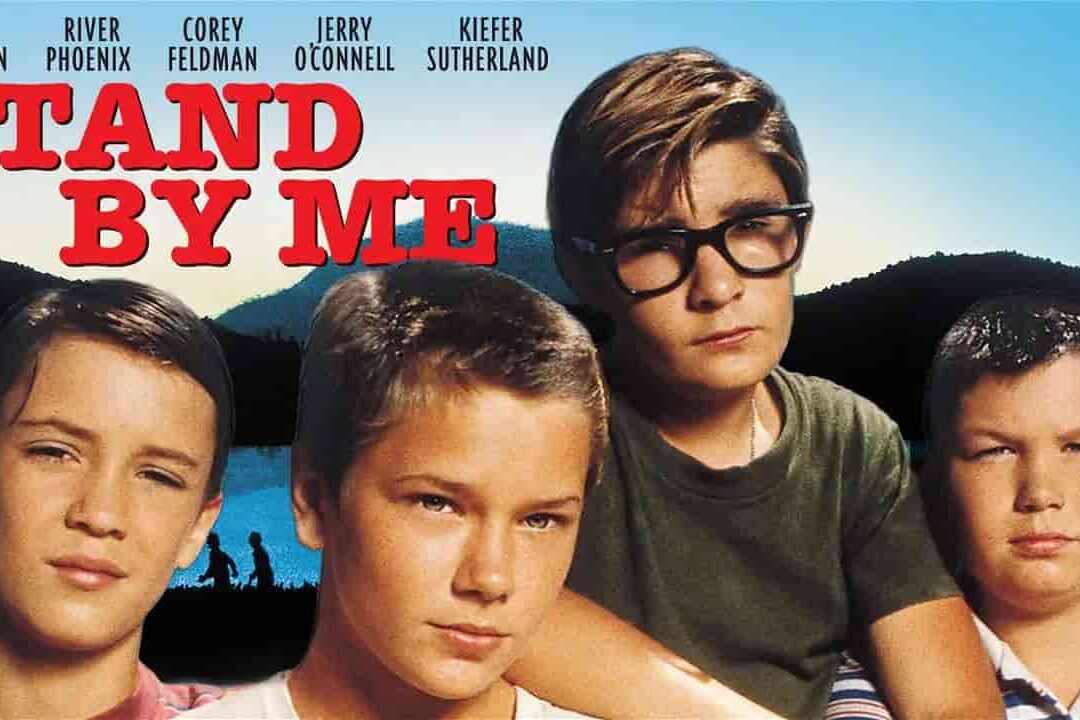
Stand By Me did not arrive with explosions or flashy marketing, yet it quietly filled theaters with something just as powerful. The story followed four boys on a simple journey, but the real movement happened in their conversations. Sitting in a dark theater, you could feel the room settle into a thoughtful silence. The jokes felt natural, the arguments believable, and the fears painfully honest. It was the kind of film where people leaned back in their seats and listened carefully.
As the boys walked the tracks and shared secrets, many viewers found themselves thinking about their own childhood friendships. The film captured that fragile moment between innocence and awareness. By the end, when the narration reflected on growing apart, the mood in theaters often turned reflective. People did not rush out. They lingered a little. It proved that a coming of age story, told with sincerity, could feel just as eventful as any blockbuster filled with spectacle.
28. The Lost Boys (1987)
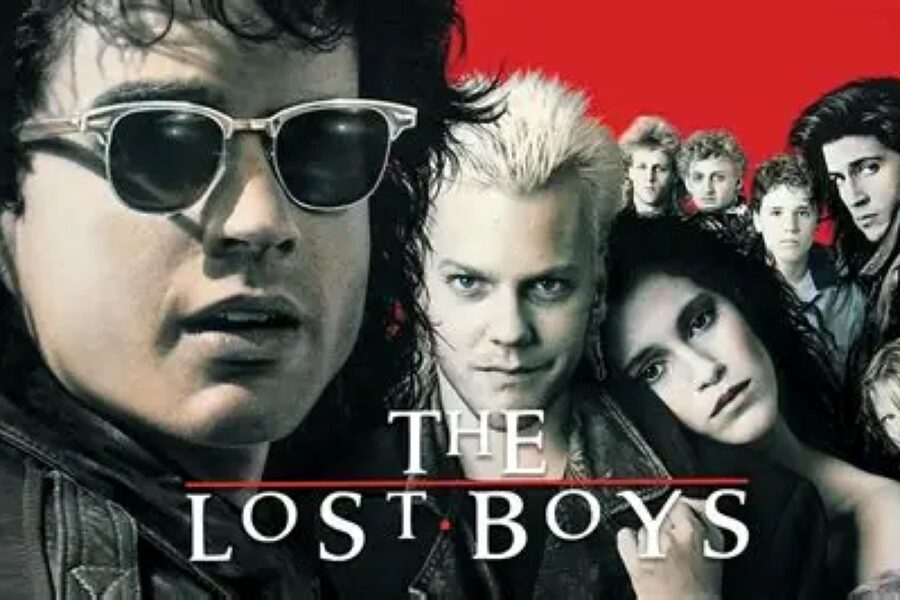
The Lost Boys brought a fresh energy to the vampire genre, blending horror with humor and a streak of youthful rebellion. From the beginning, it felt stylish and slightly mischievous. The music pulsed through theater speakers, setting a tone that was both edgy and inviting. Watching it with a crowd made every scare and clever line land harder. You could hear laughter mix with sharp breaths of surprise.
The characters felt cool without seeming unreachable, and that balance made them compelling. The film explored themes of belonging and temptation in a way that resonated with younger audiences especially. It was dark but never overwhelming. By the time the final confrontation unfolded, viewers were fully invested. It turned an old legend into something contemporary and socially alive. Seeing it in theaters felt like joining a cultural moment that blended fright with fun in equal measure.
29. Out Of Africa (1985)
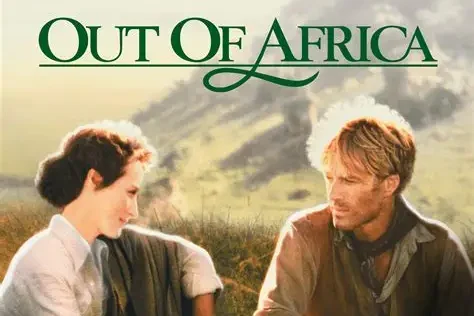
Out Of Africa unfolded at a slower pace, inviting audiences to settle in rather than brace for sudden thrills. The sweeping landscapes filled the screen, and seeing them in a cinema gave the story a scale that felt immersive. Conversations were measured and performances restrained, allowing emotion to rise gradually. In a crowded theater, the silence during certain scenes felt respectful and focused.
The romance at the center carried a quiet intensity. It was not rushed or exaggerated. Instead, it lingered in glances and pauses. Viewers responded with attention rather than applause, drawn into the atmosphere. Leaving the theater often felt like returning from a journey. The film became an event because it asked people to slow down and absorb its beauty. It reminded audiences that cinema can transport not only through action but also through patience and reflection.
30. Batman (1989)
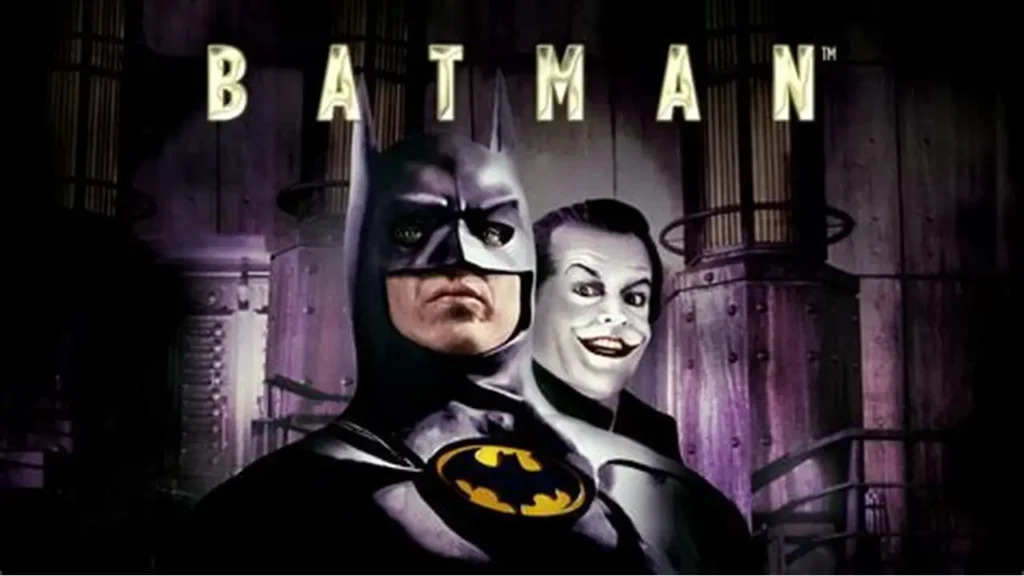
Batman closed out the decade with a sense of anticipation that extended beyond the theater walls. Posters and merchandise were everywhere, and opening night felt charged with curiosity. When the lights dimmed, there was a shared awareness that something new was beginning. The darker tone distinguished it from earlier comic adaptations, and the cityscape felt moody and immersive. Every dramatic entrance drew murmurs from the crowd.
Jack Nicholson’s portrayal of the Joker sparked strong reactions, mixing humor with unpredictability. The film balanced spectacle with a brooding atmosphere that hinted at a shift in blockbuster storytelling. Watching it in a packed auditorium amplified every moment of tension. As the credits rolled, it felt like a fitting close to a decade that had transformed moviegoing into a true communal experience. If these films still linger in your mind, perhaps it is time to revisit one and remember that feeling of sitting together, waiting for the screen to glow.


