
Why Residents Pretend These Places Don’t Exist
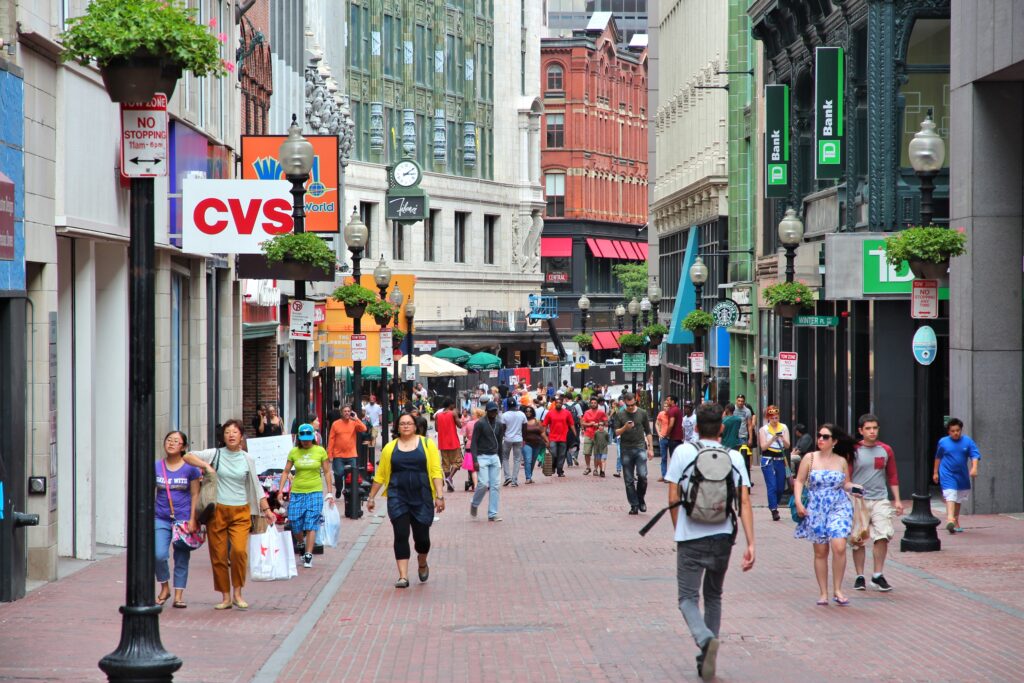
Most cities have places everyone knows, the ones printed on postcards, highlighted on maps, and mentioned first when visitors arrive. Locals know them too, but often in a very different way. Over time, familiarity changes how these places feel. Crowds replace calm, convenience turns into inconvenience, and what once held meaning becomes something to quietly work around. Residents do not always avoid these spots out of dislike. More often, it is about protecting daily routines, preserving small pockets of peace, and choosing experiences that still feel personal. This list looks at well known attractions through local eyes, exploring why people who live nearby often pretend these places do not exist, even when the rest of the world cannot stop talking about them.
1. Times Square On A Normal Day
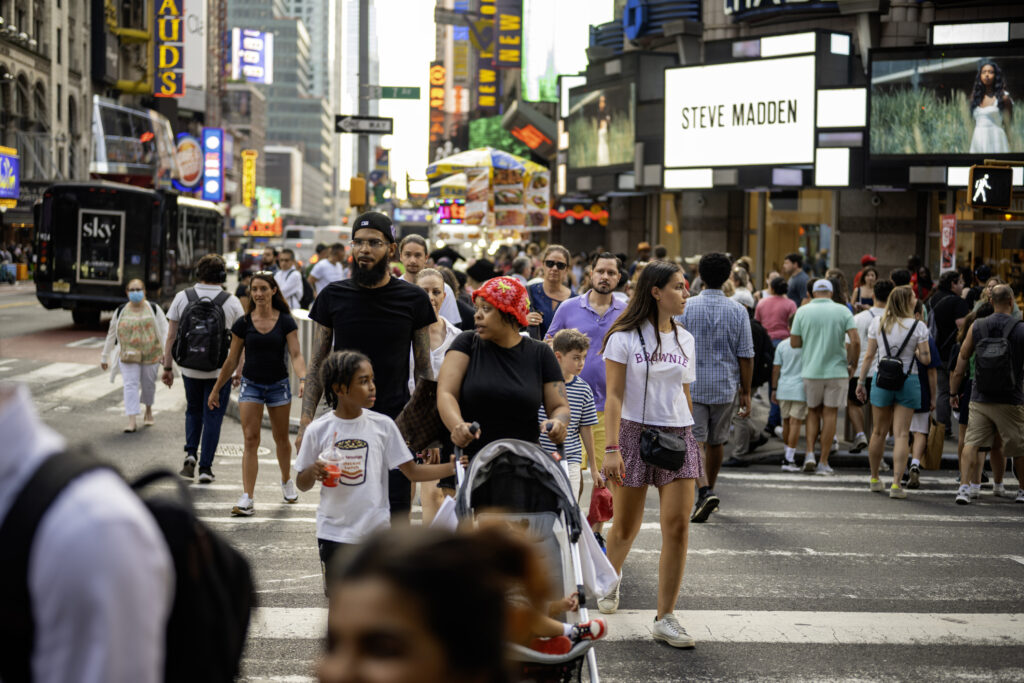
Everyone knows Times Square, so it feels natural to begin here, especially since this list is about places locals quietly move around rather than toward. Visitors arrive excited, phones raised, expecting something unforgettable, while locals see congestion, noise, and another obstacle between point A and point B. For many New Yorkers, Times Square is not a destination but a stretch they plan their day to avoid. The flashing lights blur together, characters crowd the sidewalks, and walking becomes slow and exhausting. What feels thrilling for an hour can feel draining when it becomes part of your daily routine.
Living in New York teaches people to guard calm whenever they find it. Locals know better food, better shows, and better views exist just a few blocks away without the chaos. Times Square represents a version of the city built for spectacle rather than living. It is not disliked so much as bypassed, like a loud room you quietly pass by because you already know where the real conversation is happening nearby.
2. The Hollywood Walk Of Fame
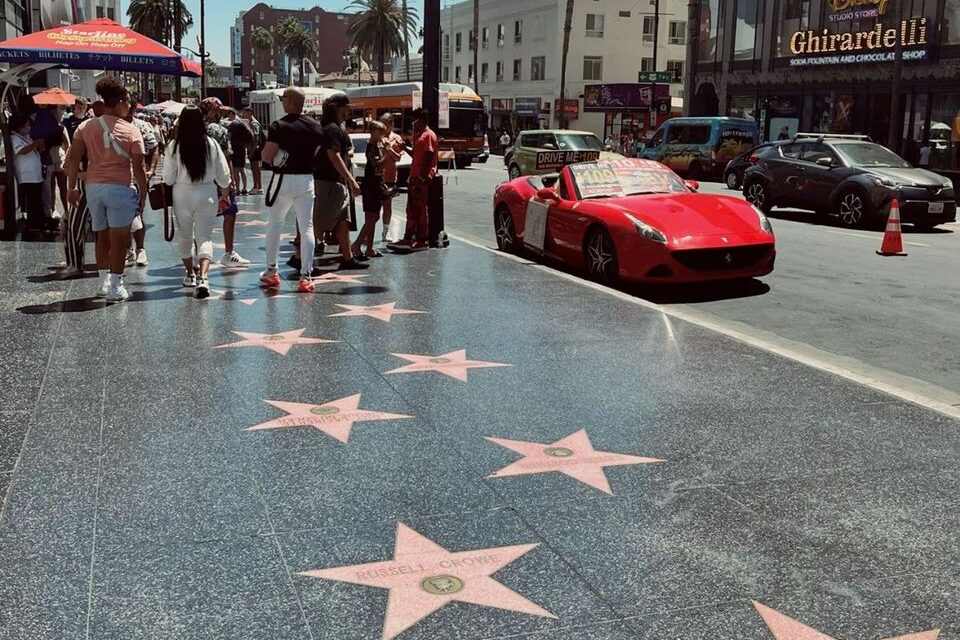
At first glance, the Hollywood Walk of Fame seems like a celebration of dreams, but for locals it often feels more like a crowded sidewalk with expectations attached. Tourists scan the ground searching for names, while residents step carefully through clusters of people blocking foot traffic. The surrounding area is busy, loud, and filled with souvenir shops that rarely change. For locals trying to run errands or get home, the constant congestion turns a simple walk into a slow shuffle that tests patience more than excitement.
People who live in Los Angeles tend to experience their city in quieter, more personal ways. They find beauty in coastal drives, neighborhood cafes, and overlooked streets where life moves at an easier pace. The Walk of Fame does not reflect how locals relax or connect with their city. It feels staged rather than lived in. Avoiding it is not about bitterness, but about choosing spaces that feel real, where the city unfolds naturally instead of performing on cue.
3. The Las Vegas Strip At Peak Hours
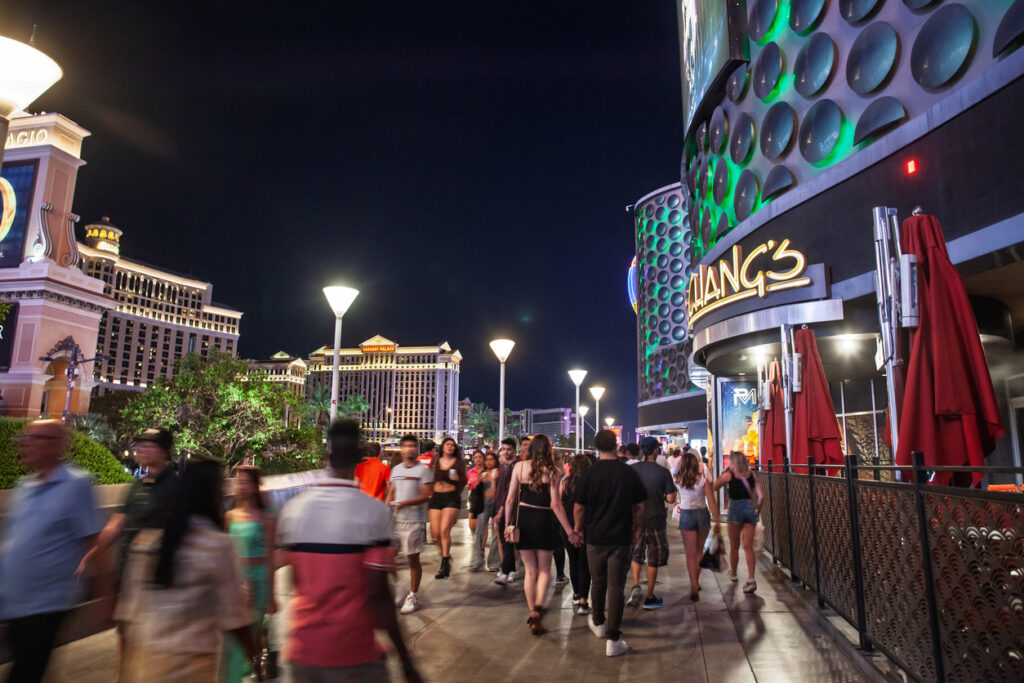
The Las Vegas Strip is built to impress, and for visitors it often delivers exactly that. Bright lights, massive hotels, and constant motion create an atmosphere that feels larger than life. Locals, however, experience it differently, especially during peak hours when crowds swell and traffic slows to a crawl. Simple tasks like crossing the street or parking a car can take far longer than expected. What feels energizing for tourists can feel overwhelming for those who deal with it regularly.
Residents of Las Vegas learn quickly when to engage and when to step away. Early mornings, local neighborhoods, and off Strip spots offer a calmer version of the city that feels more livable. The Strip has its place, but it is not where locals unwind or recharge. Avoiding it during busy times is a practical choice, one that allows people to enjoy their city without constant stimulation or stress competing for their attention.
4. Venice During The Busiest Months
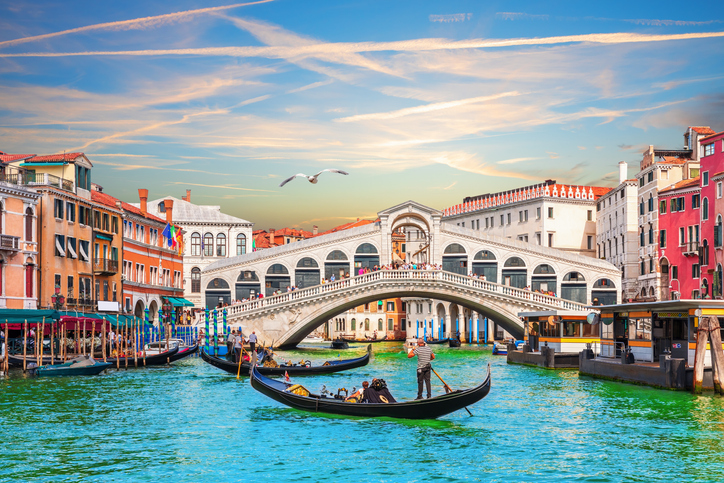
Venice is often described as timeless, but during the busiest months time feels rushed and crowded for those who live there. Narrow streets fill quickly, bridges become bottlenecks, and daily routines are interrupted by waves of visitors moving through the same spaces. Locals navigating work, shopping, or school often find themselves waiting behind groups stopping suddenly to admire views they see every day. The beauty remains, but sharing it constantly can become exhausting.
Venetians adapt by adjusting their schedules and avoiding certain areas when crowds peak. Early mornings and quieter seasons allow the city to feel more like home again. For locals, Venice is not a spectacle but a living place with its own rhythms. Steering clear of the busiest attractions helps preserve a sense of normalcy. It is less about rejecting tourism and more about protecting the delicate balance that allows the city to function as more than a backdrop.
5. The Eiffel Tower Up Close
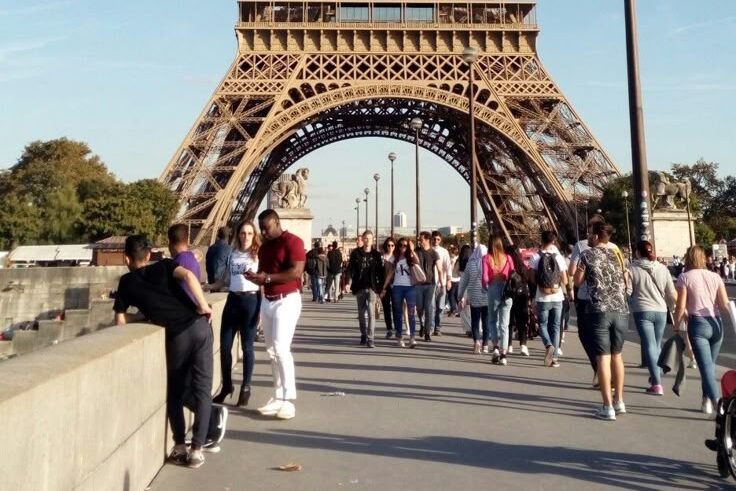
Seeing the Eiffel Tower up close is a moment many visitors dream about, but locals often experience the area differently. The space beneath the tower fills quickly with crowds, vendors, and long lines that make lingering uncomfortable. What tourists imagine as romantic can feel hectic when movement is restricted and noise fills the air. For Parisians passing through, the area can feel more like a corridor to escape than a place to stay.
Locals tend to appreciate the Eiffel Tower from a distance, where it blends naturally into the city rather than dominating it. Quiet viewpoints along the river or from side streets offer moments of beauty without the pressure of crowds. Avoiding the immediate base is not a sign of indifference. It reflects familiarity. When something is part of daily life, admiration often comes quietly, without standing in line, and without needing to be right in the center of it.
6. Bourbon Street After Dark
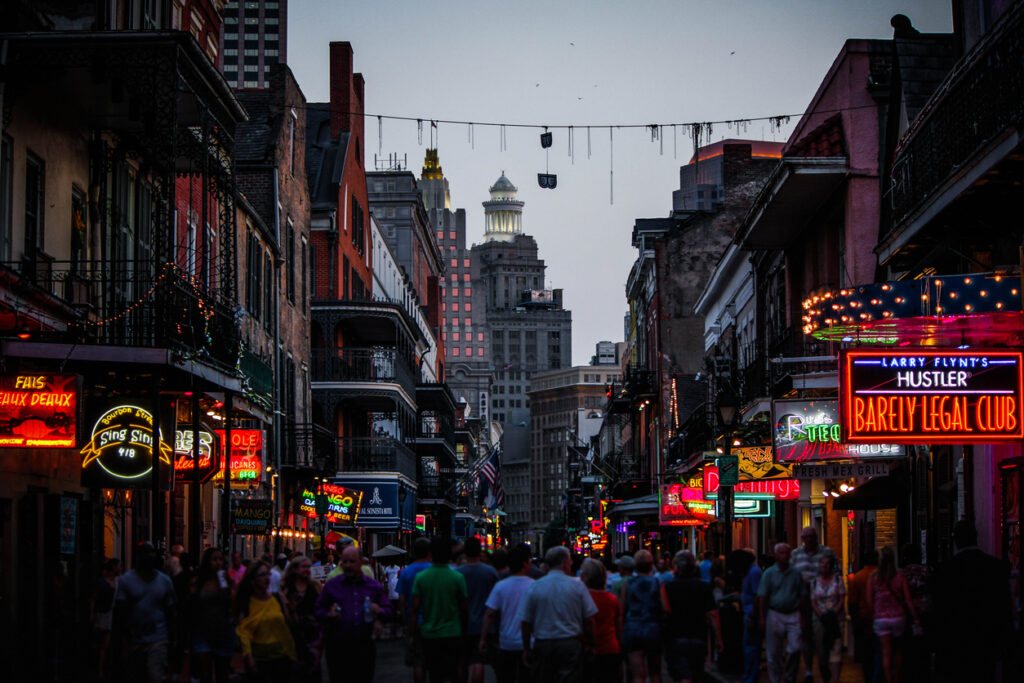
By the time evening settles in, Bourbon Street becomes something very different from the postcard version people imagine. Music spills from every doorway, crowds pack the street, and movement slows to a shuffle. Visitors arrive ready to celebrate, but locals often see noise, spilled drinks, and sidewalks that feel impossible to navigate. For residents, Bourbon Street after dark is rarely about fun. It is about getting through without lingering, because lingering often means more stress than enjoyment by the end of the night, especially during busy tourist seasons each year when crowds never seem to thin out at all there.
People who live in New Orleans know the city shines brightest away from the main strip. They gravitate toward corner bars, quiet porches, and neighborhood music spots where conversation still exists. These spaces carry the real rhythm of the city without the pressure to perform. Avoiding Bourbon Street is not about rejecting tourism. It is about protecting what makes New Orleans feel human. Locals choose places where music feels shared, not forced, and where nights end with connection instead of exhaustion and long walks home through heavy crowds behind them afterward most evenings by choice alone usually now there too.
7. The Colosseum At Midday
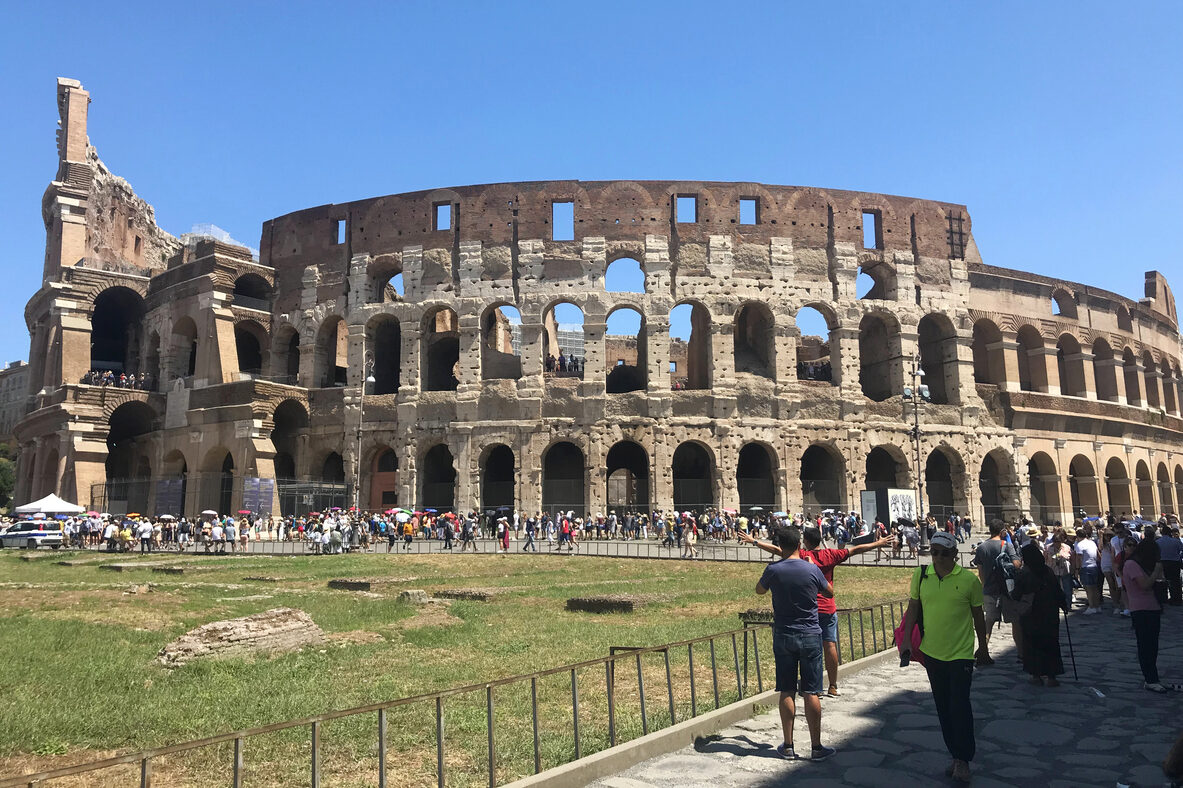
Standing near the Colosseum at midday can feel overwhelming, especially for people who live nearby. Tour groups cluster, lines stretch, and the heat settles in heavily. Visitors rush to see everything, often without pausing to take it in. For locals, the crowds can make daily movement difficult, turning ordinary routes into slow detours. What should feel historic can feel hurried, with little space to reflect or breathe. The monument itself never loses meaning, but the experience around it changes completely during peak hours each day for locals passing through that area often then by foot alone still today there now.
Romans learn early that timing shapes how history is felt. Many prefer to visit the area in the early morning or simply admire it from outside. These quieter moments allow the past to feel present rather than packaged. Avoiding midday crowds is not disrespect. It is familiarity. Living alongside ancient sites teaches people to value space and stillness. For locals, the Colosseum is part of everyday life, not a checklist item. They connect with it on their own terms, choosing calmer hours when history can be felt without noise crowding their thoughts or steps while walking nearby homes daily still.
8. Fisherman’s Wharf On A Weekend
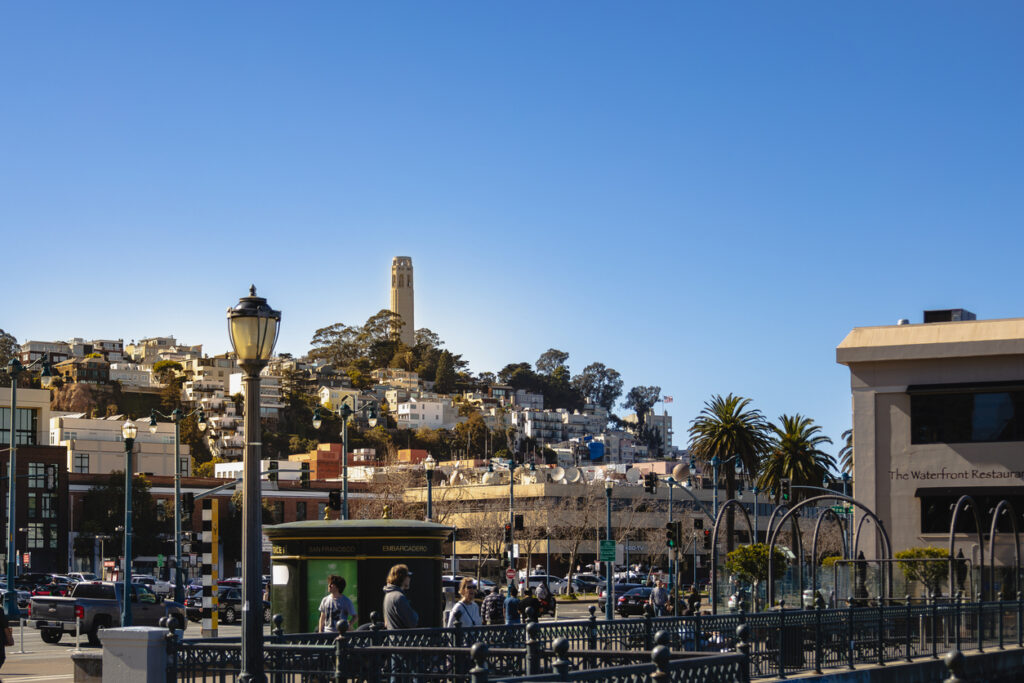
Fisherman’s Wharf often sounds like a relaxed waterfront stop, but weekends tell a different story. Crowds fill the walkways, restaurants overflow, and movement slows to a crawl. Visitors pause frequently, blocking paths while taking photos or deciding where to eat. For locals, simple errands near the area become time consuming. The constant activity can make the waterfront feel more crowded than calming, especially when combined with higher prices and long waits. What draws tourists often pushes residents to choose alternate routes instead on most busy weekends there now often still today around the bay area entirely near home spaces only.
San Francisco locals know the bay offers many quiet moments beyond the main strip. They seek out lesser known piers, neighborhood parks, and cafes where views exist without crowds. These spaces allow the water and sky to feel open again. Avoiding Fisherman’s Wharf on weekends is not about disliking the area. It is about choosing ease. Locals value movement, breathing room, and familiar routines. They prefer places where the city feels livable, not like a constant event that demands attention every minute while trying to enjoy daily life near the water quietly most days alone there now still often too.
9. Central Park At Its Busiest
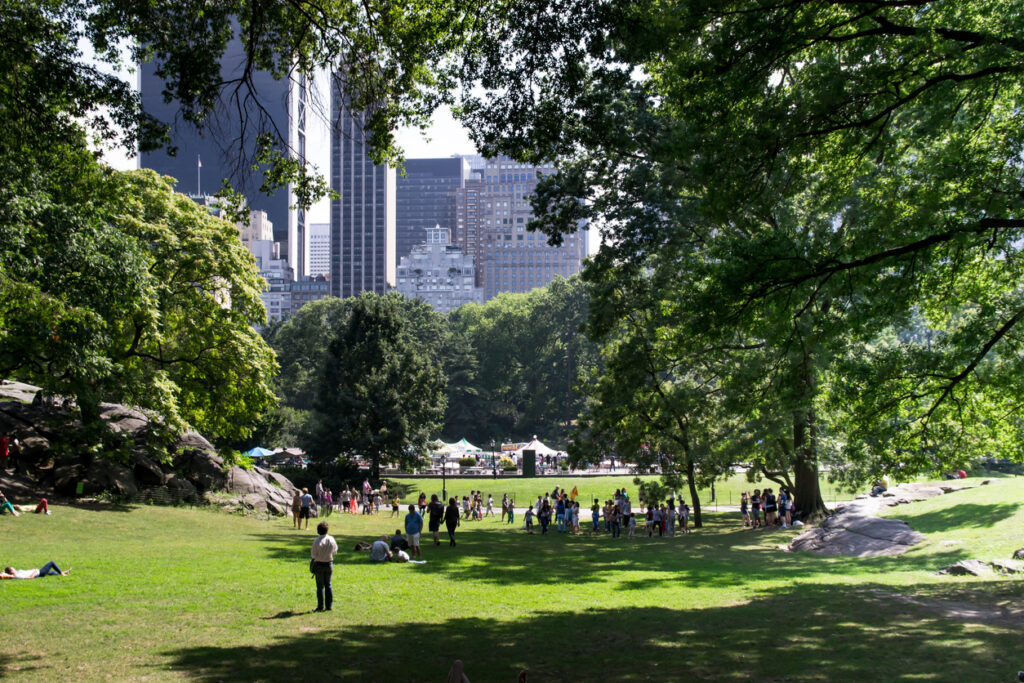
Central Park is beloved, but its busiest hours tell a different story for locals. Midday crowds gather quickly, popular paths fill, and quiet corners become harder to find. Visitors stop often, stretching across walkways while taking photos or checking maps. For residents who use the park as a daily escape, this can feel frustrating. The park still offers beauty, but the pace shifts. What should restore energy can drain it instead when space feels limited. Locals learn quickly which hours to avoid and which paths stay calmer during busy days there now still today around town often near home areas.
New Yorkers often experience Central Park on their own schedule. Early mornings and quieter sections allow the park to feel personal again. These moments offer space to walk, think, and breathe. Avoiding crowded areas is not avoidance of nature. It is about preserving peace. For locals, the park is an extension of home life. They protect it by choosing times that match their needs. In those quieter hours, Central Park feels less like an attraction and more like a shared backyard where balance returns naturally each day without pressure or performance around them again daily still now there often quietly.
10. Santorini In High Season
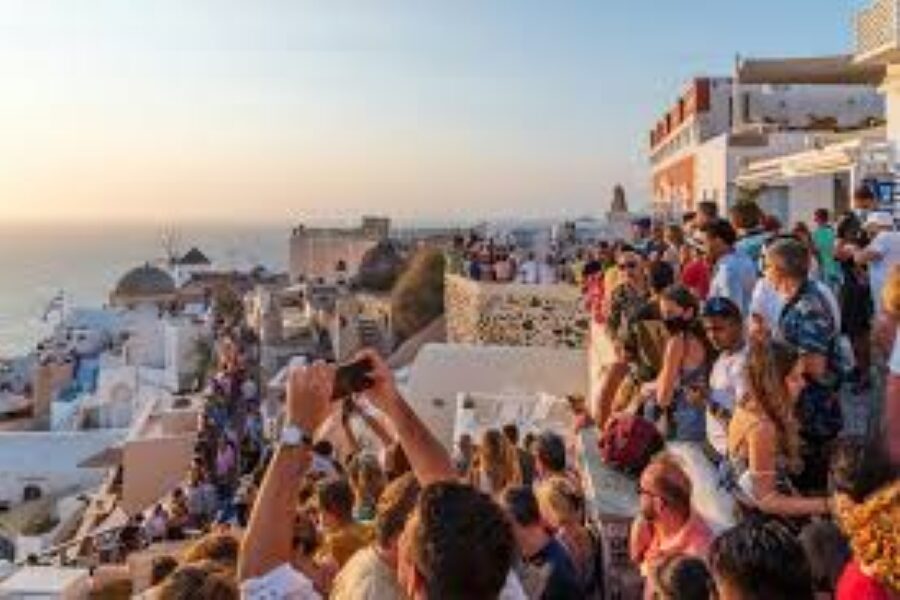
Santorini looks effortless in photos, but high season tells another story for those who live there. Cruise ship arrivals flood the island, streets fill quickly, and simple tasks take longer. Visitors move from viewpoint to viewpoint, often without noticing the daily life around them. For locals, the crowds change the island’s rhythm. Heat, traffic, and packed paths make routine movement harder. What feels special to visitors can feel like endurance over time. Many residents adjust their days to avoid peak hours entirely during summer months there now often still today around home areas quietly instead alone by choice mostly now.
Island life relies on balance, and locals value the quieter seasons deeply. When crowds thin, the island feels whole again. Shops slow, paths open, and conversations return. Avoiding busy months is not resentment. It is care. Residents know Santorini is more than its views. It is a home with needs beyond attention. By stepping back when tourism peaks, locals preserve the pace that allows life to continue. In that way, avoidance becomes a form of care that keeps the island livable long after photos fade and visitors leave again quietly behind them there now still today often by choice alone.
11. The Great Wall At The Crowded Sections
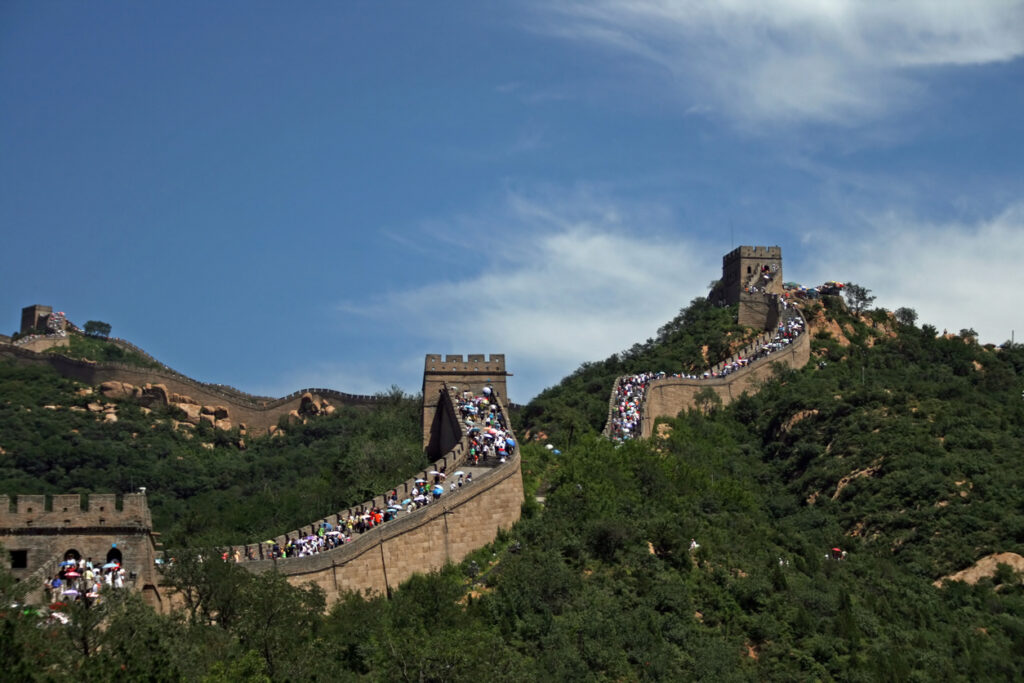
The Great Wall stretches endlessly, but most visitors funnel into the same crowded sections, turning a historic marvel into a slow moving line. Locals often avoid these popular access points because the experience feels rushed and boxed in. People stop suddenly, pose for photos, and block narrow paths, making movement awkward. For residents nearby, the constant flow of tourists can disrupt daily routines and turn nearby villages into pass through zones rather than lived in places. What should feel expansive can feel surprisingly confined during busy hours.
Locals who appreciate the Wall tend to seek quieter stretches farther from major entrances. These areas allow the structure to feel monumental again, with space to walk and think. Avoiding the crowded sections is not about avoiding history. It is about engaging with it more fully. Familiarity teaches people where meaning still lives. For locals, the Wall is part of the landscape, not a backdrop. They connect with it where silence exists, where footsteps echo less, and where the past feels closer without the noise of crowds pressing in from every side all at once together there now often still.
12. Niagara Falls From The Main Viewing Areas
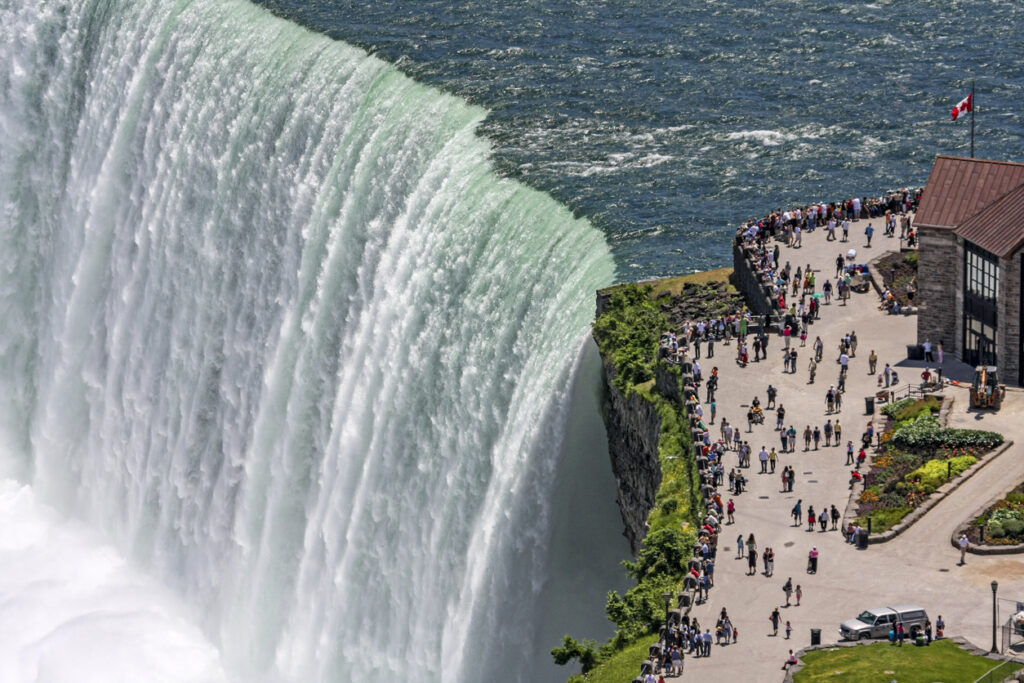
Niagara Falls draws attention instantly, but the main viewing areas can feel overwhelming to locals. Tourists cluster shoulder to shoulder, waiting for space near the railings while vendors and traffic fill the surroundings. For residents, the constant crowding can strip the falls of their calming power. What should inspire awe can feel hectic when movement is limited and noise dominates. Locals passing through often keep walking, knowing the view is better experienced elsewhere without the pressure of competing for space.
People who live nearby know the falls change with distance and timing. Quieter parks and lesser known viewpoints offer moments where the sound of water feels grounding instead of drowned out. Avoiding the main platforms is not about indifference. It is about choosing perspective. Locals value places where the falls can be felt, not just seen. By stepping away from the busiest spots, they reconnect with the natural force that first made the area special, allowing the experience to feel personal rather than staged for constant observation by crowds moving through quickly all day long often there still now.
13. The Vatican Museums At Peak Times
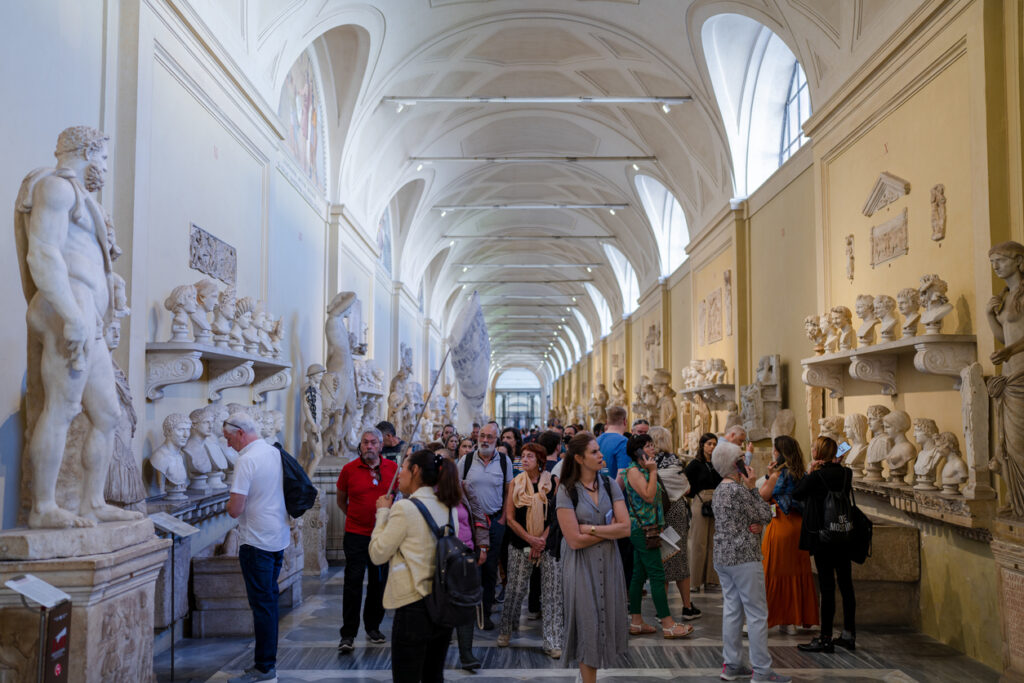
The Vatican Museums house remarkable art, but peak visiting hours can feel exhausting for those familiar with the city. Crowds move tightly through hallways, often following guides rather than curiosity. Locals navigating the area notice how quickly the experience becomes about endurance instead of appreciation. The pressure to keep moving leaves little space for reflection. For residents, the surroundings feel less sacred when overwhelmed by constant motion and noise, even within walls meant for quiet contemplation.
Romans who value art and history tend to choose less crowded times or avoid the museums altogether during peak seasons. Early visits or smaller galleries across the city offer deeper connection without the rush. Avoiding the Vatican Museums at busy times is not rejection of culture. It is a way to preserve respect for it. Locals understand that art needs room to breathe. They seek experiences where they can pause, look closely, and leave feeling enriched rather than rushed along by the steady push of people behind them through every corridor and room along the way there now often still today.
14. Mount Fuji During Climbing Season
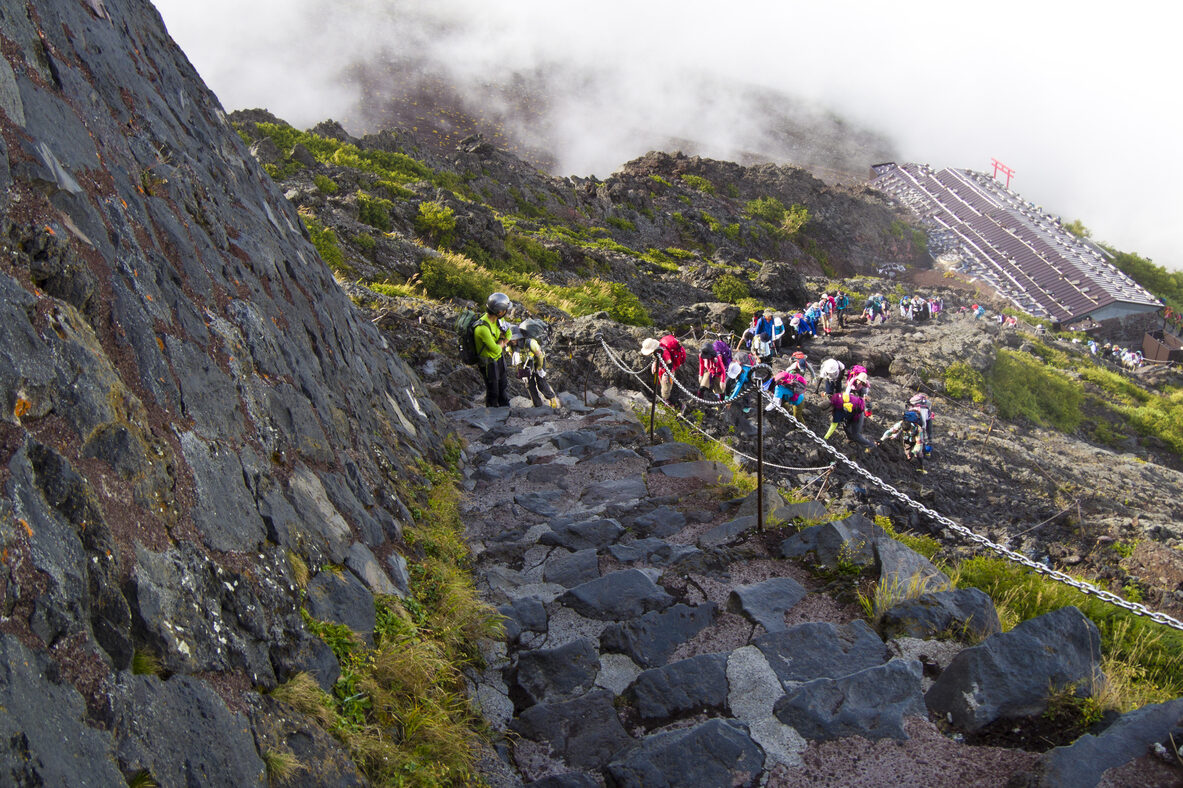
Mount Fuji carries deep meaning, but climbing season brings heavy crowds that locals often avoid. Trails fill quickly, huts overflow, and the quiet presence of the mountain fades beneath constant movement. Visitors arrive with excitement, but the shared paths can feel crowded and rushed. For residents, the influx disrupts the calm that defines the mountain for much of the year. What should feel spiritual can feel crowded when personal space disappears.
Locals tend to experience Mount Fuji from a distance during these months. Viewing it from lakes, fields, or nearby towns preserves its presence without the congestion. Avoiding the climb during peak season does not lessen respect. It reflects understanding. Familiarity teaches people when places lose balance. Locals know the mountain does not need to be climbed to be honored. Sometimes appreciation comes from stepping back, allowing space for both nature and people to exist without pressure or competition for the same narrow trail upward all at once during busy months now still often there.
15. Barcelona’s La Rambla On A Weekend
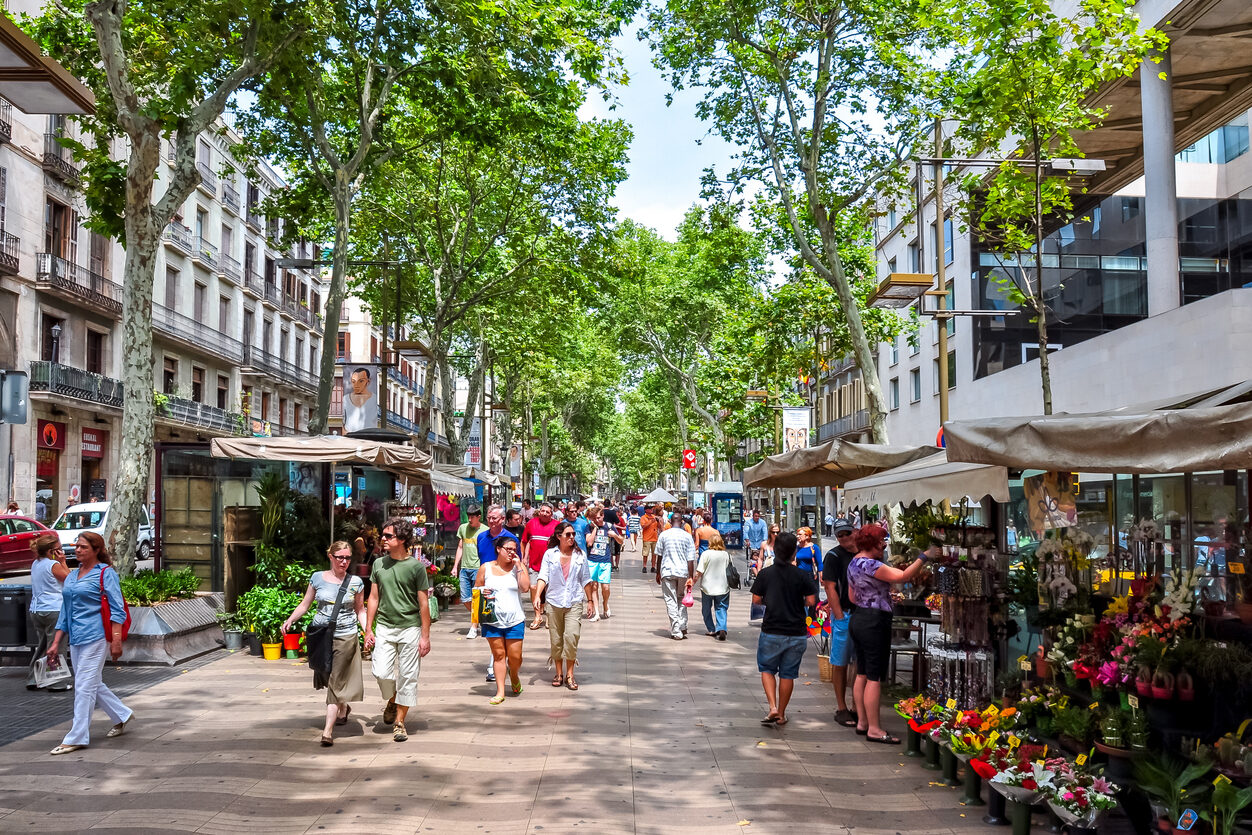
La Rambla pulses with energy, but weekends can overwhelm even those who love the city. Crowds move slowly, performers draw clusters, and sidewalks feel packed. For locals, navigating the street during busy times becomes frustrating rather than enjoyable. Simple walks turn into careful steps around groups stopping without warning. What visitors see as lively can feel chaotic to residents trying to pass through or meet friends nearby without constant interruption.
Barcelona locals often enjoy the city just beyond La Rambla. Side streets, neighborhood markets, and quieter promenades offer the same charm without the congestion. Avoiding La Rambla on weekends is not dismissal. It is familiarity. Residents know where daily life flows naturally. They choose places where conversation is possible and movement feels free. In doing so, they protect their connection to the city. Sometimes loving a place means knowing when to step aside, letting visitors take center stage while locals continue living fully just a few streets away quietly there still now often by choice alone.
16. The London Eye On A Busy Afternoon
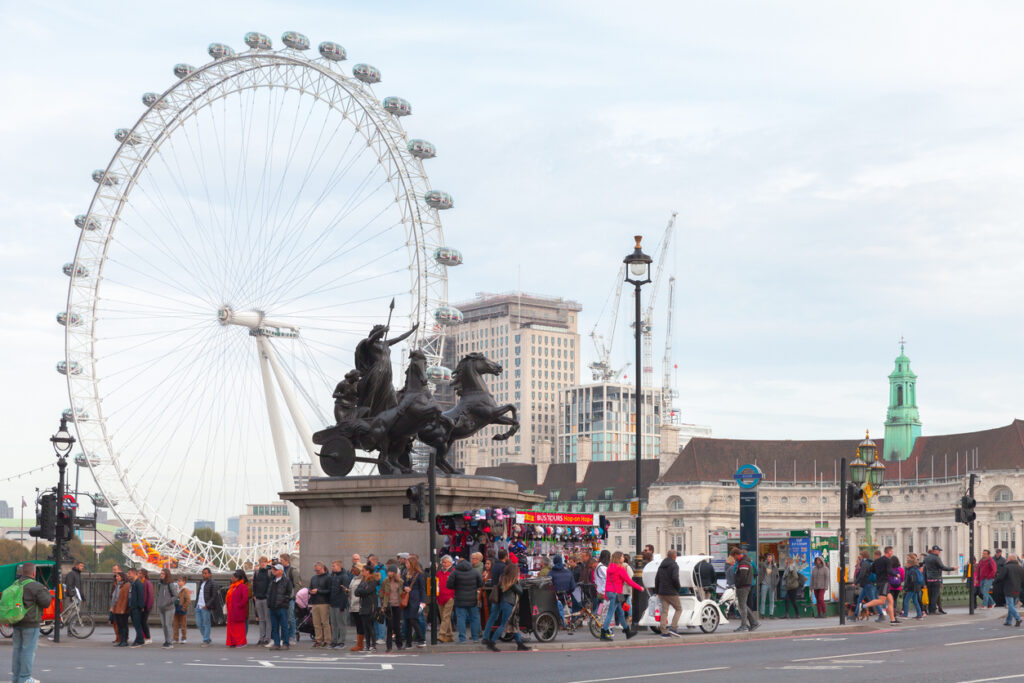
The London Eye promises sweeping views, but locals often avoid it during busy afternoons when lines stretch endlessly. Visitors queue patiently, but residents see wasted time hovering above a city they already know well. The area around the Eye fills quickly, sidewalks clog, and movement slows. For locals passing through, the crowd changes the mood of the riverbank from relaxed to rushed. What feels like a highlight for tourists becomes an inconvenience for those trying to enjoy or simply cross the area during peak hours.
Londoners tend to experience their city horizontally rather than from capsules in the sky. They enjoy bridges, riverside walks, and parks where views unfold naturally. Avoiding the Eye is not dismissal of its charm. It reflects familiarity. Locals know the city reveals itself best through wandering streets and neighborhoods. Choosing not to ride is a way of keeping London grounded, experienced at street level where everyday life continues without waiting in line.
17. Phuket’s Patong Beach In High Season
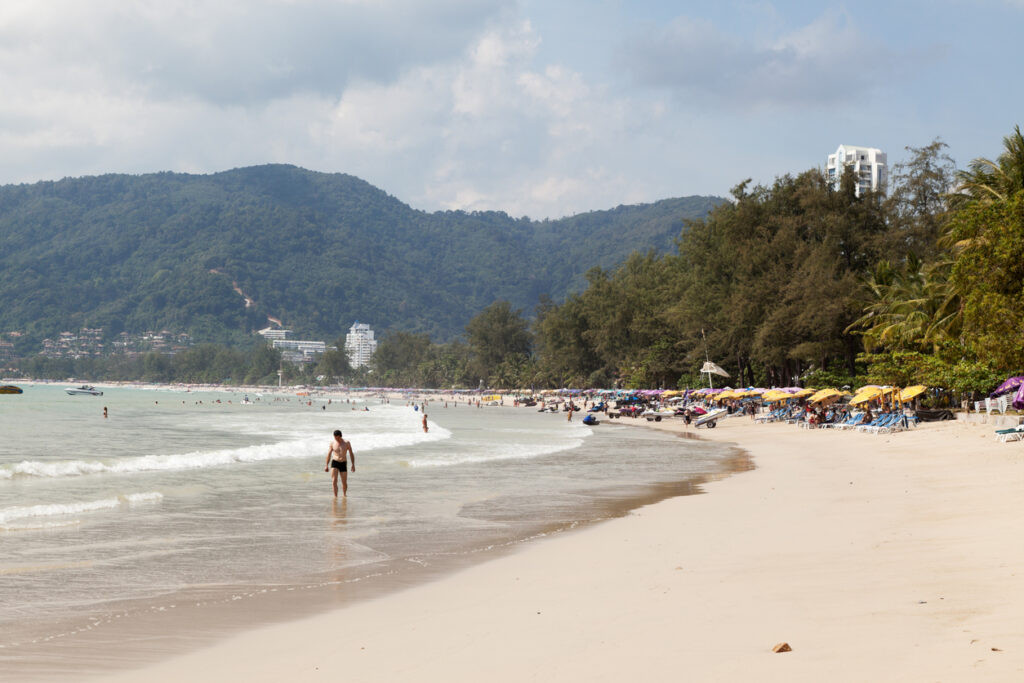
Patong Beach is often sold as the heart of Phuket, especially during high season when visitors arrive expecting energy, nightlife, and endless beach days. For locals, this period changes everything. The sand fills quickly, umbrellas sit shoulder to shoulder, and the shoreline becomes noisy from morning until night. Traffic thickens nearby, prices rise, and the beach loses its easygoing rhythm. What feels lively to visitors can feel overwhelming to residents who remember when the water felt open and mornings were quiet enough to hear the waves clearly.
People who live in Phuket usually choose different beaches once peak season arrives. They seek out stretches of sand where space still exists and the sea feels calming instead of competitive. Avoiding Patong during this time is not rejection of visitors. It is self preservation. Locals understand the island has many sides, and not all of them thrive under crowds. By stepping away, they protect their connection to the coast, choosing places where the island still feels like home rather than a performance staged for constant attention.
18. The Taj Mahal At Sunrise Rush
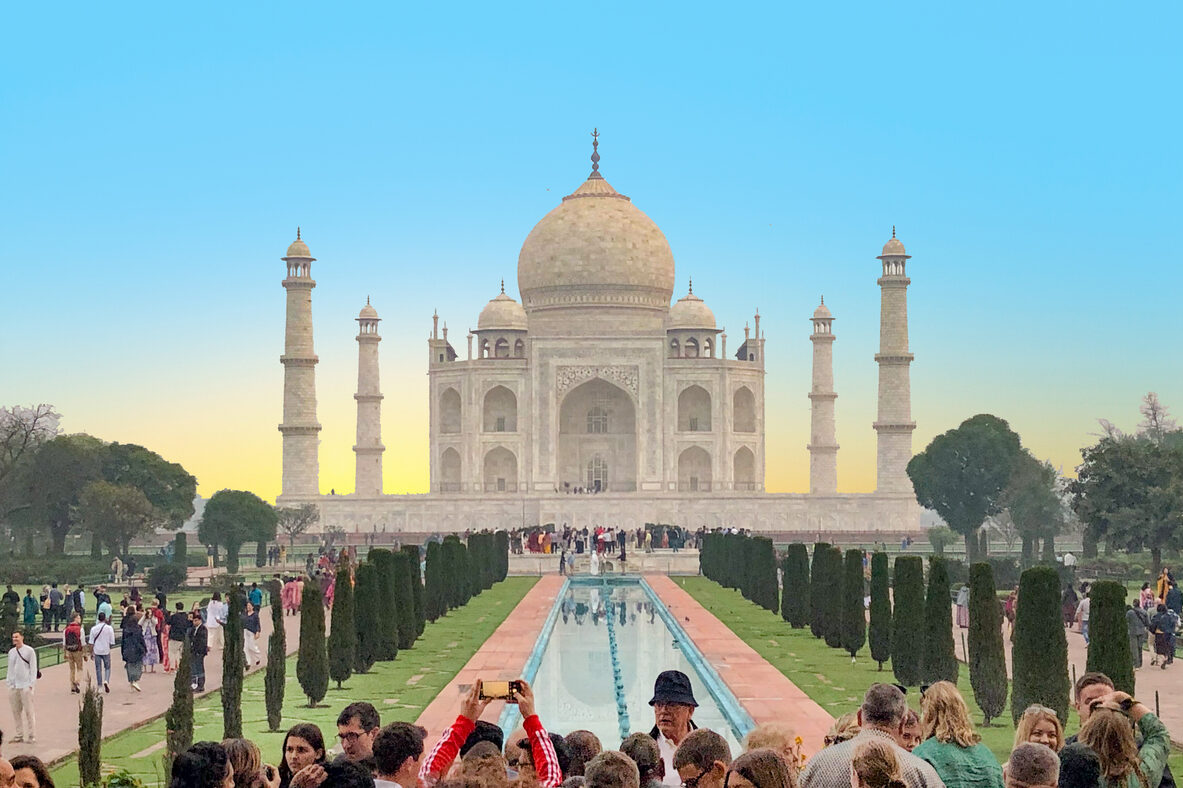
Sunrise at the Taj Mahal sounds peaceful in theory, but the reality is often crowded and tightly controlled. Large groups arrive at the same time, moving quickly through gates, eager to capture the same soft light. For locals nearby, this rush transforms a quiet hour into one filled with noise, instructions, and constant motion. Paths narrow, patience thins, and the calm many expect disappears almost instantly. What should feel reflective can feel hurried when everyone arrives with the same plan.
Residents who live near the monument tend to appreciate it differently. They view it from a distance or during quieter parts of the day when movement slows. Avoiding the sunrise rush is not a lack of admiration. It reflects familiarity. Locals know beauty does not disappear outside popular hours. Sometimes meaning settles in when crowds fade, when the structure stands quietly, allowing its presence to be felt without pressure or competition for the perfect moment.
19. Dubai Mall On A Weekend Evening
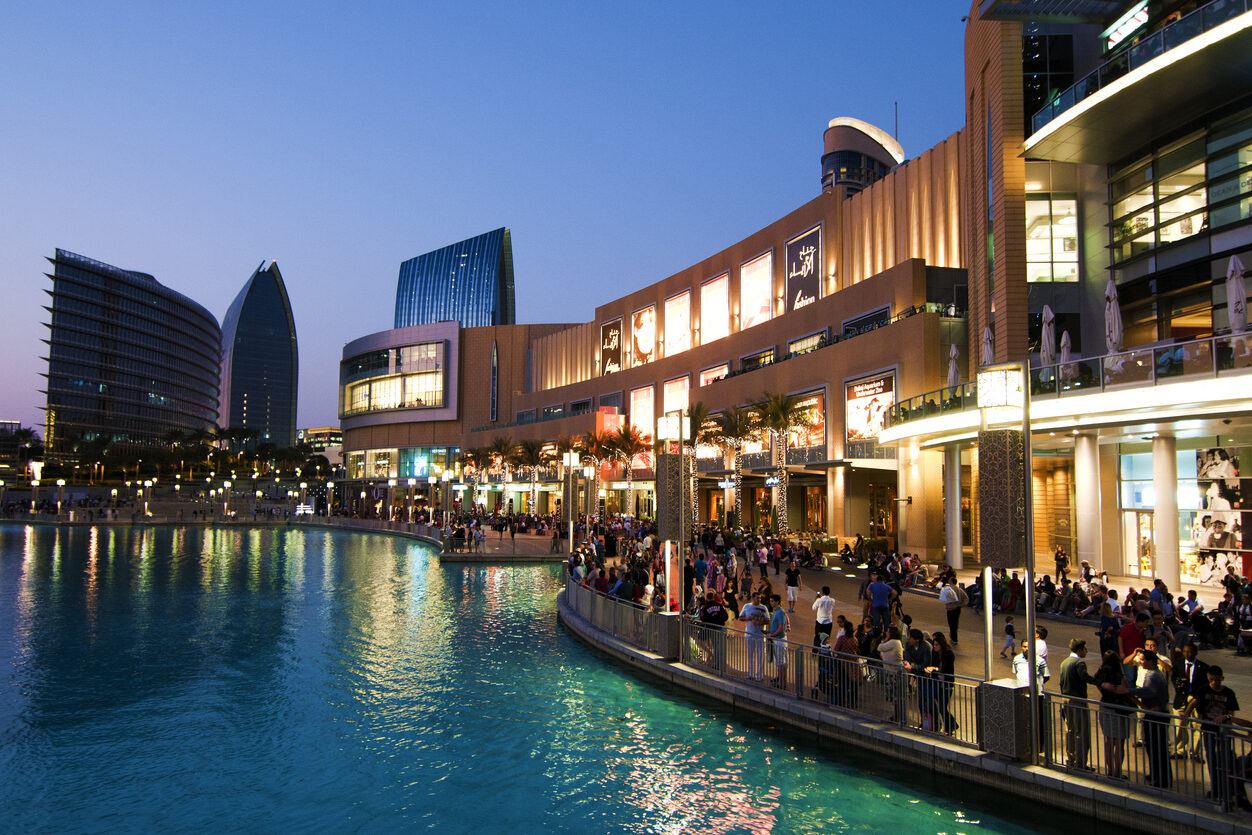
Dubai Mall is impressive in scale, but weekend evenings push it beyond comfort for many locals. Walkways fill with visitors, restaurants back up with long waits, and parking becomes a test of patience. For residents running errands or meeting friends, the experience can feel draining. Movement slows as people stop suddenly to take photos or decide where to go next. What feels exciting to tourists can feel inefficient and overwhelming to those who know the space well.
Locals often plan their visits carefully or avoid peak times altogether. Smaller malls, neighborhood shops, or early weekday visits offer a calmer experience. Avoiding weekend evenings is not about disliking the mall. It is about choosing ease. Residents value flow and balance. They know the city works best when timing is right. By stepping away from the busiest hours, locals keep their relationship with the space practical and enjoyable rather than exhausting.
20. Machu Picchu At Midday
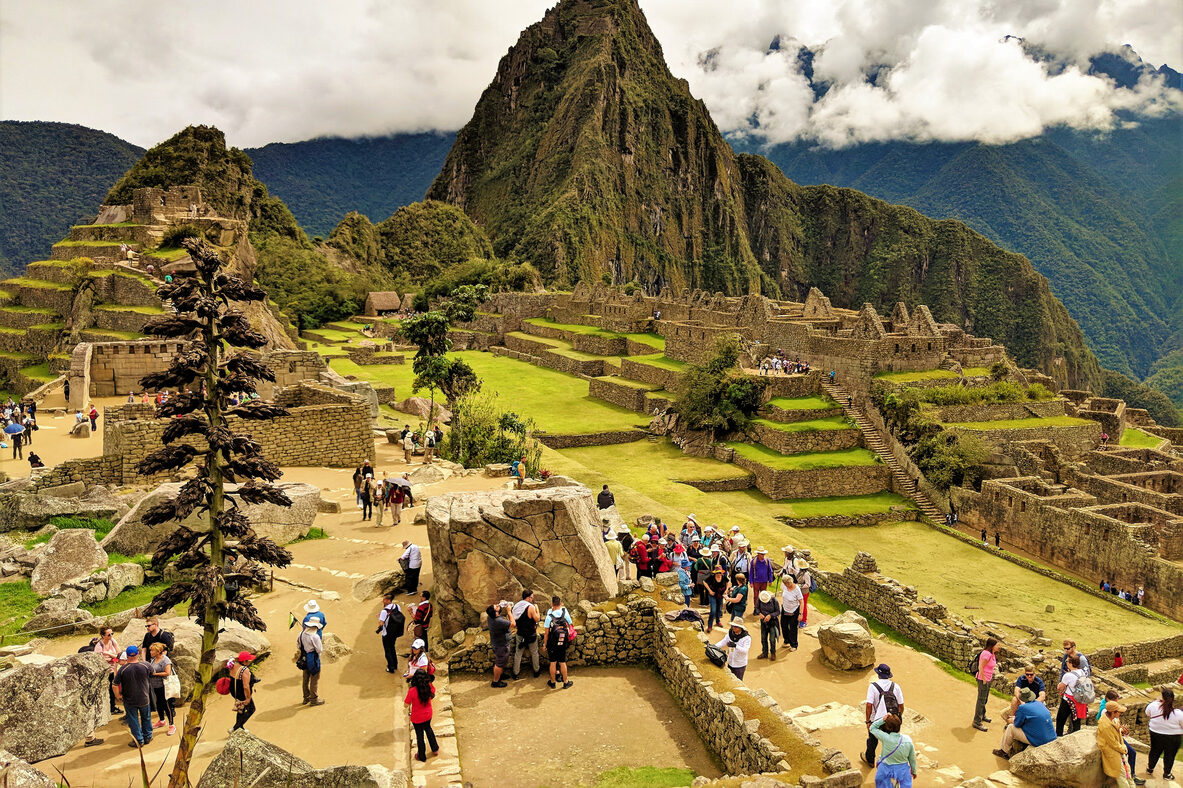
Machu Picchu carries deep cultural meaning, but midday crowds can strip away its quiet power. Tour groups cluster along paths, guides speak over one another, and movement feels restricted. For locals familiar with the region, this version of the site feels strained. What visitors rush to see often feels rushed itself, with little room for stillness or reflection. The atmosphere shifts from reverent to hurried, especially when numbers peak.
People who live nearby understand the importance of timing. They experience Machu Picchu through memory, storytelling, or quieter hours when the site feels balanced. Avoiding midday is a form of respect. Locals know preservation depends on restraint. By stepping back during the busiest times, they help protect the spirit of the place, allowing history to remain present without being overwhelmed by constant footsteps and voices competing for space.
21. The Sydney Opera House Forecourt
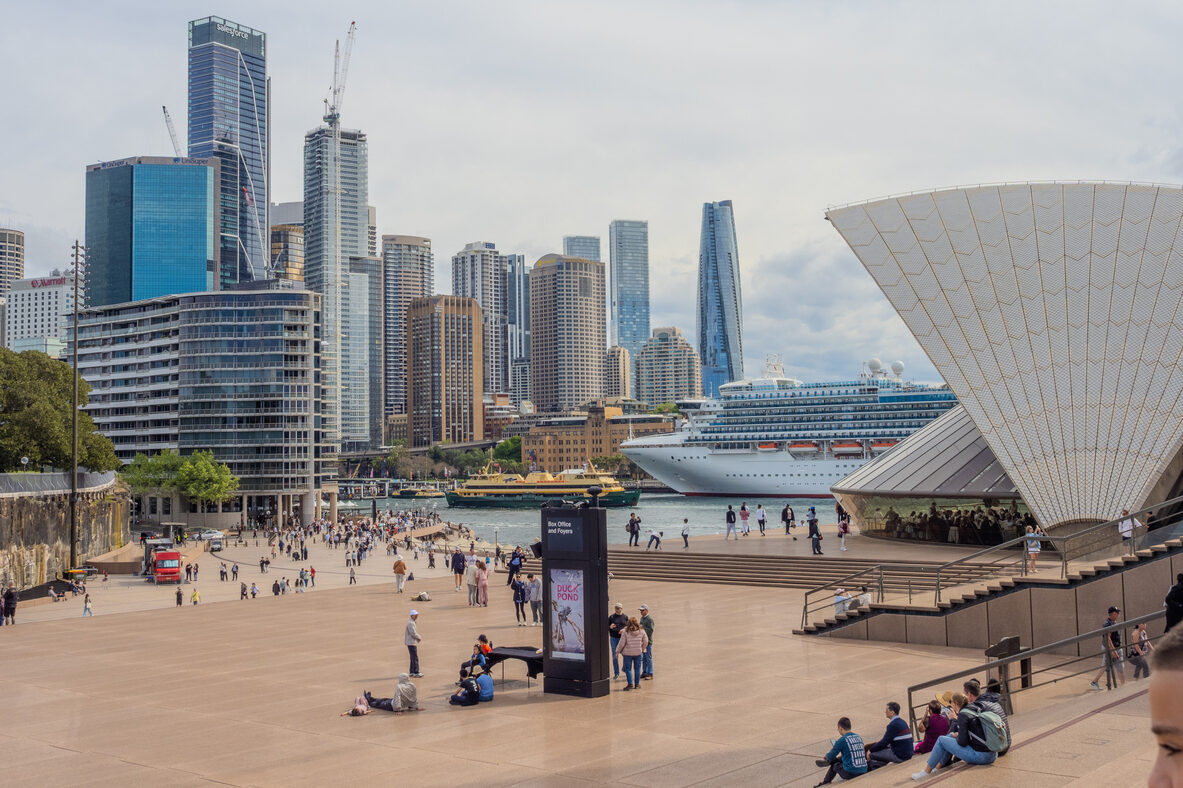
The Sydney Opera House is iconic, but the forecourt surrounding it can feel overwhelming for locals, especially during busy periods. Tour groups cluster near entrances, performers draw crowds, and foot traffic slows to a crawl. For residents passing through Circular Quay, the space often feels more like a waiting area than a place to pause. What visitors see as vibrant can feel disruptive to everyday routines, turning a simple walk along the harbor into a careful navigation around cameras and queues.
Sydney locals often enjoy the Opera House from a distance. They admire it from ferries, nearby parks, or quieter waterfront paths where the structure still feels majestic without the congestion. Avoiding the forecourt is not a lack of appreciation. It reflects familiarity. Locals know the building’s presence does not depend on standing directly in front of it. By stepping back, they keep their connection to the harbor calm and personal, choosing moments where beauty fits naturally into daily life.
22. Prague’s Charles Bridge At Midday
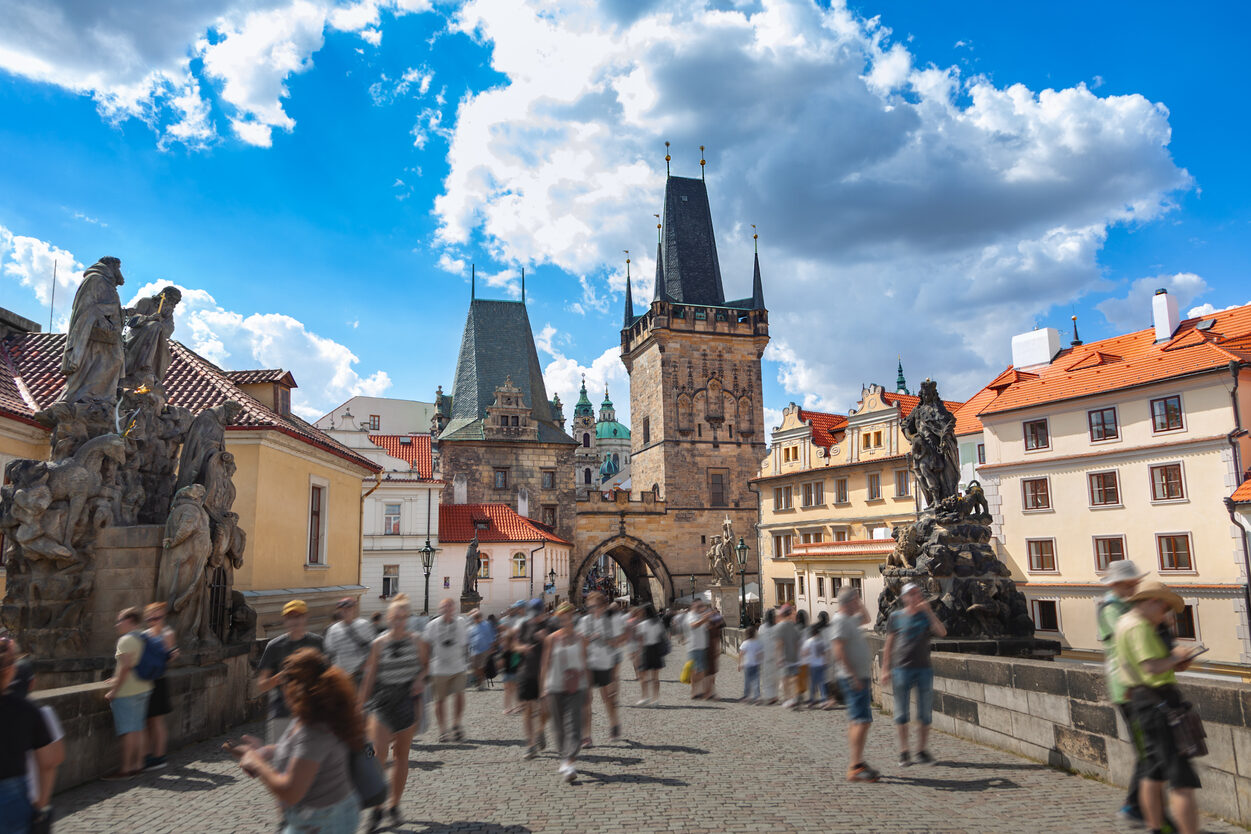
Charles Bridge carries history in every stone, but midday crowds can make it feel more like a corridor than a landmark. Tourists stop frequently for photos, artists line the edges, and movement slows to a shuffle. For locals commuting or crossing the river, the bridge can feel exhausting rather than inspiring. What should feel timeless often feels hurried when space disappears and patience wears thin under constant foot traffic.
Prague residents know the bridge changes with the hour. Early mornings and late evenings allow it to breathe again. Avoiding midday crossings is a simple adjustment that preserves the bridge’s character. Locals understand that familiarity brings choice. They experience the bridge when it feels like part of the city rather than a stage. By timing their visits, they keep its beauty intact, allowing history to feel present without competing voices and constant interruptions.
23. Rome’s Trevi Fountain In The Afternoon
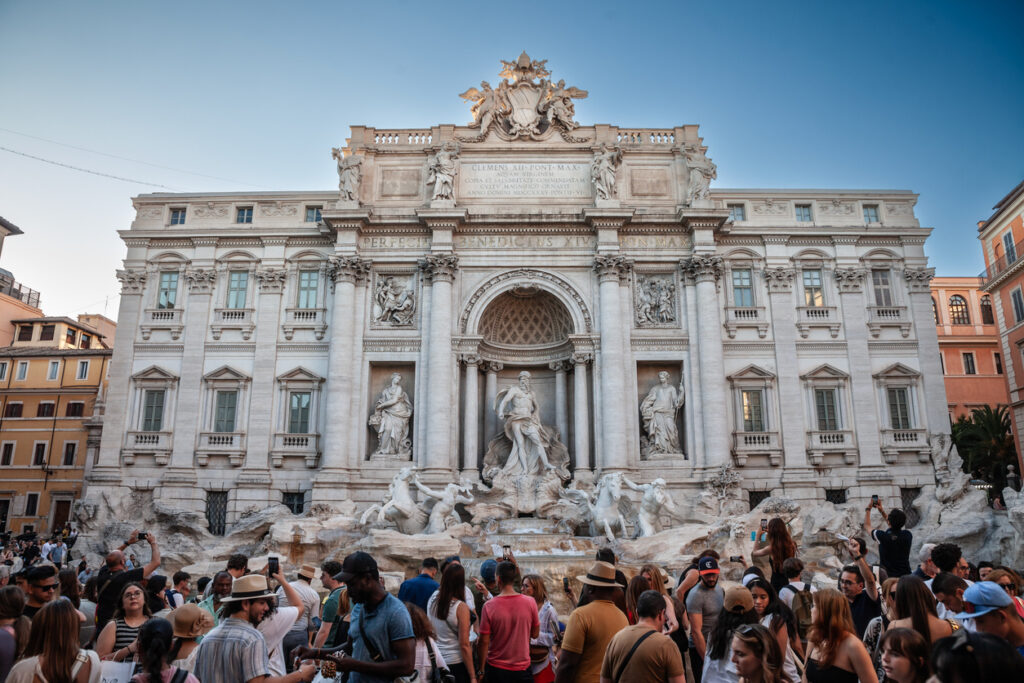
The Trevi Fountain draws crowds quickly, especially in the afternoon when visitors gather shoulder to shoulder. Coins fly, phones rise, and the narrow space fills fast. For locals, passing through the area can feel claustrophobic. What visitors experience as a ritual often feels like congestion to residents trying to move through their city. The sound of water is drowned out by chatter, instructions, and constant movement.
Romans who appreciate the fountain often choose quieter hours or admire it in passing. Avoiding peak times is not dismissal. It is understanding. Locals know the fountain’s beauty remains even when it is not surrounded by crowds. They value moments when the space feels open, when water echoes instead of voices. By stepping aside during busy hours, residents preserve their connection to the city’s landmarks in ways that feel respectful and sustainable.
24. Bali’s Ubud Center During Peak Hours
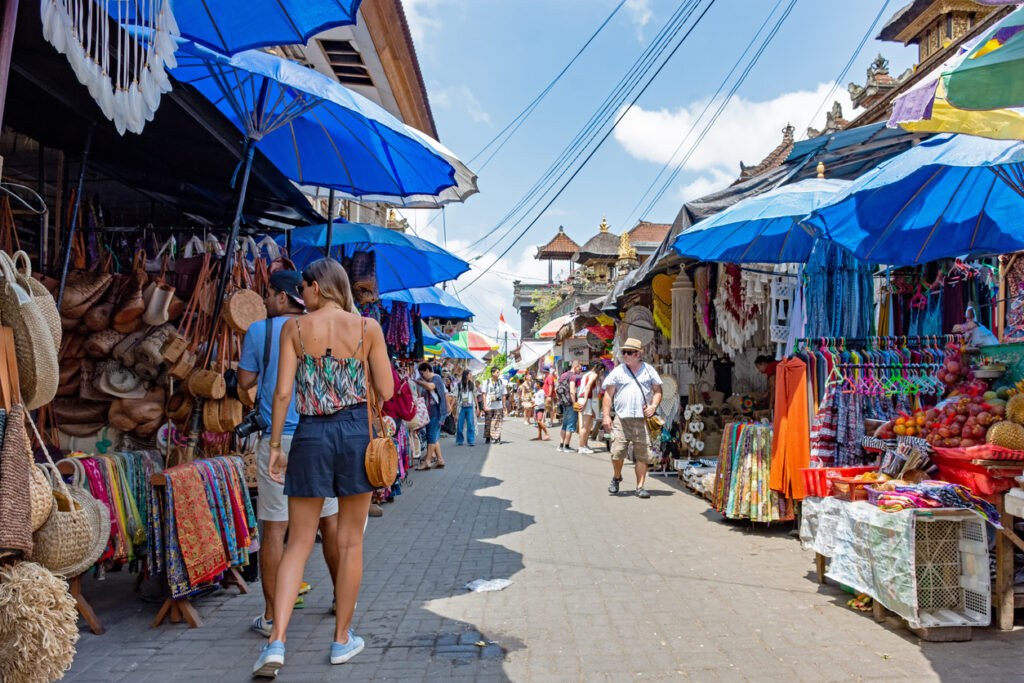
Ubud’s center is often described as peaceful, but peak hours tell a different story. Traffic builds, sidewalks fill, and noise replaces calm. Visitors move between shops and temples, often unaware of how crowded the streets have become. For locals, navigating the area during these times can feel stressful. What tourists see as cultural immersion can feel like disruption to daily life and routine.
Residents of Ubud tend to step away from the center when crowds peak. Quieter villages and side roads offer the same atmosphere without the pressure. Avoiding the busiest hours is not avoidance of culture. It is preservation. Locals know Ubud’s spirit lives beyond its most photographed streets. By choosing calmer spaces, they protect the balance that allows tradition and daily life to coexist without being overshadowed by constant attention.
25. Venice Beach Boardwalk On A Weekend
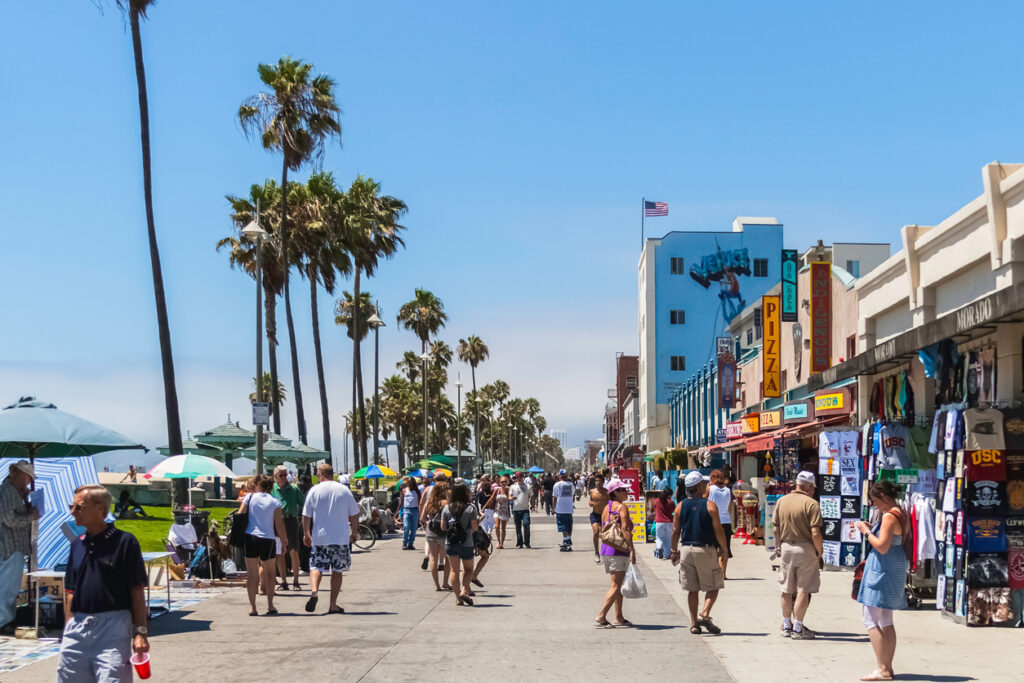
Venice Beach Boardwalk attracts attention instantly, especially on weekends when crowds gather from morning to night. Performers, vendors, and visitors pack the path, making movement slow and noisy. For locals, the boardwalk can feel overwhelming rather than enjoyable. What tourists experience as lively often feels chaotic to residents trying to bike, walk, or simply pass through the area without stopping every few steps.
People who live nearby often choose quieter stretches of the coast. They enjoy the ocean early in the day or farther from the boardwalk where space still exists. Avoiding the busiest hours is not rejection. It is familiarity. Locals know the beach offers many moods. By stepping away from the spectacle, they keep their relationship with the coast simple and grounded, choosing moments that feel calm and authentic, which quietly closes the circle on why locals avoid places built mainly for constant attention.


