
1. Roger Boisjoly Knew The Shuttle Was Not Safe
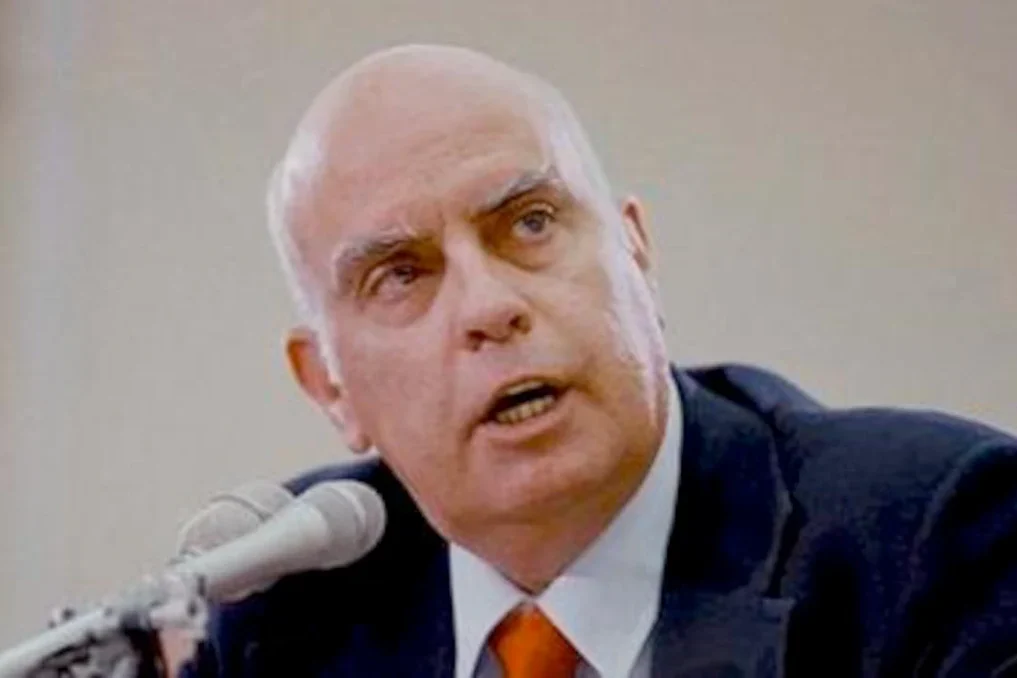
Long before the Challenger launch became a tragedy, engineer Roger Boisjoly noticed something troubling during routine testing. The rubber O rings that sealed the shuttle joints behaved unpredictably in cold weather. Boisjoly spent years documenting the problem and warning that low temperatures could cause catastrophic failure. On the night before the launch in January 1986, he joined a call with NASA officials and strongly urged them to delay. Florida temperatures were unusually cold. His concerns were acknowledged, then dismissed. The launch proceeded anyway. When Challenger broke apart shortly after liftoff, Boisjoly’s warnings became painfully clear. The disaster did not come from surprise. It came from ignored expertise and pressure to stay on schedule despite risk.
After the explosion killed seven astronauts, investigations revealed how thoroughly Boisjoly’s warnings had been recorded. He later spoke publicly about the guilt he carried, saying he felt responsible even though he had tried to stop it. His experience became a case study in engineering ethics and organizational failure. What makes this story unsettling is how ordinary it began. One engineer noticed a flaw and spoke up. Others chose momentum over caution. The cost of that choice still echoes decades later. Listening earlier would not have required heroics, only humility.
2. Li Wenliang Spoke Quietly Before The World Changed
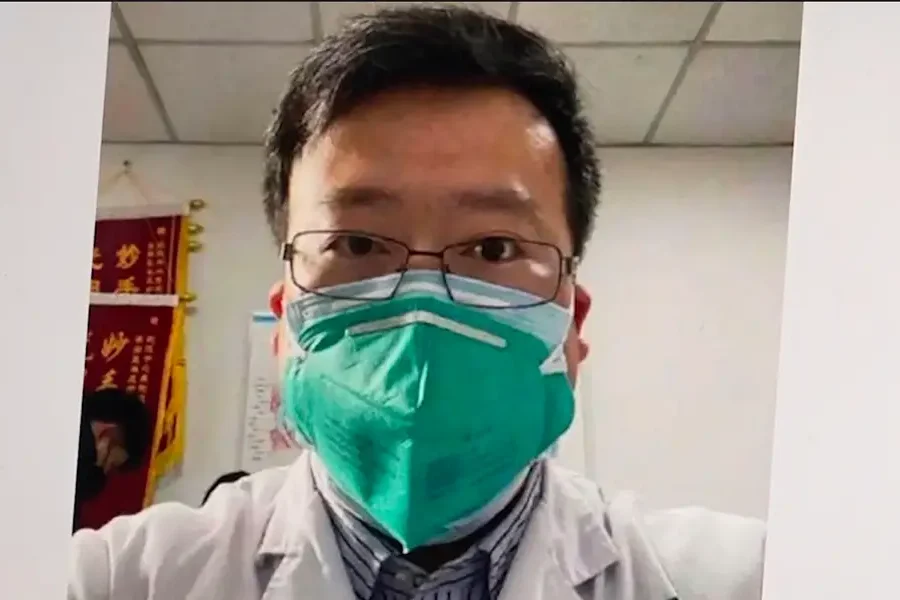
In December 2019, ophthalmologist Li Wenliang noticed patients in Wuhan showing symptoms that reminded him of SARS. He shared his concern in a private message with fellow doctors, advising them to take precautions. His message was not dramatic or public. It was careful and professional. Authorities soon summoned him and accused him of spreading false information. He was forced to sign a statement promising silence. As weeks passed, hospitals filled and the virus spread rapidly. Li continued treating patients. In February 2020, he died after contracting COVID 19 himself. His early warning had been accurate. It was simply inconvenient.
Before his death, Li expressed regret that his message had been suppressed, saying there should be room for more than one voice. His story resonated far beyond China because it showed how early information can be lost to fear and control. The pandemic did not begin with chaos. It began with a doctor noticing something wrong and trying to protect others. Ignoring him did not prevent panic. It delayed action. The world paid for that delay in time, lives, and trust.
3. LeeAnne Walters Would Not Stop Asking About The Water
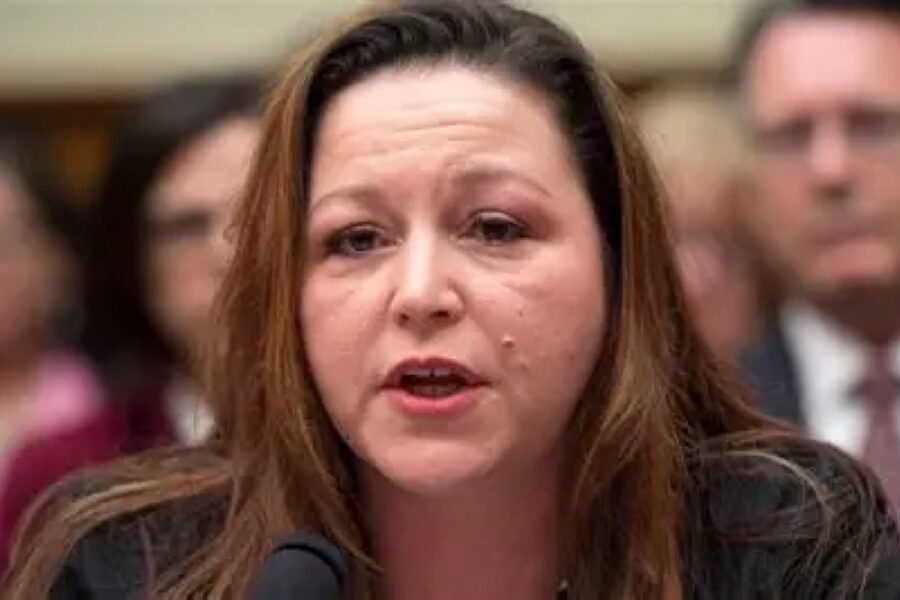
When Flint Michigan changed its water source in 2014, LeeAnne Walters noticed problems immediately. The water coming from her tap smelled strange and looked discolored. Her children developed rashes and hair loss. Walters contacted city officials repeatedly, asking for testing and explanations. She was told the water met safety standards and there was no cause for concern. Still, her instincts told her something was wrong. She documented everything and reached out to researchers on her own. Independent tests later revealed dangerously high levels of lead. Her persistence helped uncover a public health crisis affecting thousands of families.
Walters later said she was not trying to start a movement. She simply wanted clean water for her children. What makes her story powerful is how long it took to be believed. The warning signs were visible early, but they came from a resident rather than an authority. That made them easier to dismiss. Today, the Flint water crisis is cited as a failure of governance and accountability. It is also a reminder that lived experience often reveals danger before official systems respond.
4. Erin Brockovich Noticed Illness Hidden In Paperwork
While working as a legal clerk in California during the early 1990s, Erin Brockovich noticed medical records mixed into real estate files. It struck her as odd. Curious, she began asking questions and visiting residents in Hinkley. She found families dealing with cancers, miscarriages, and unexplained illnesses. The common link was water supplied by Pacific Gas and Electric. When Brockovich raised concerns, the company denied responsibility. She kept gathering information anyway. Over time, evidence showed groundwater contamination from chromium 6. The case eventually led to a massive settlement for affected residents.
Brockovich later said people trusted that someone else was watching out for them. Her role became famous, but at the time, she was largely dismissed. She did not fit the image of an expert. Yet she noticed patterns others overlooked. The warning signs were quiet and spread across years. They required someone willing to connect dots patiently. Her story shows how early warnings often come from curiosity rather than authority. Paying attention to small inconsistencies can uncover truths that institutions miss.
5. Edward Daffarn Warned About Fire Risks At Grenfell
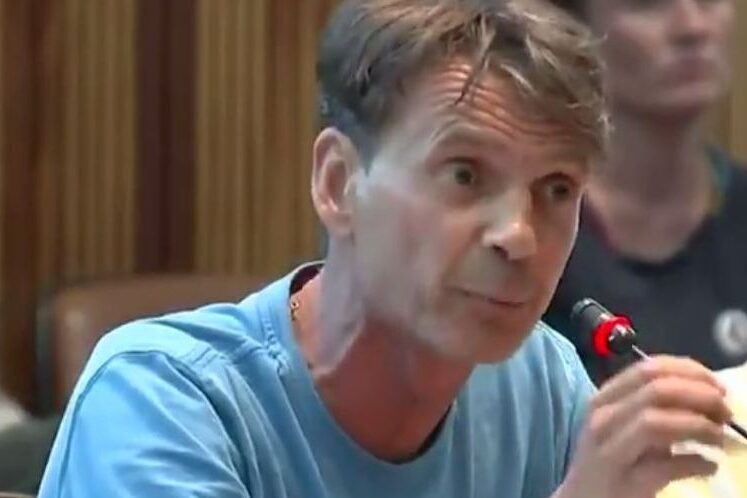
Edward Daffarn lived in Grenfell Tower and spent years raising concerns about fire safety. He wrote detailed blog posts describing faulty wiring, blocked exits, and poor emergency planning. He warned that a serious fire could be catastrophic. Local authorities dismissed his complaints as exaggerated. Some labeled him a troublemaker. In June 2017, a fire spread rapidly through the building, killing seventy two people. Afterward, Daffarn’s warnings were revisited and found to be accurate. The danger had been predicted in plain language long before disaster struck.
Daffarn later said he felt ignored because he lacked influence. His story highlights how warnings from within communities are often minimized. The risk was not hidden. It was written down and shared publicly. What failed was the response. Grenfell became a symbol of what happens when cost cutting and complacency override safety. Listening to residents does not require special expertise. It requires respect. This case remains a painful reminder that those closest to a problem often see it first.
6. Rachael Denhollander Reported Abuse Years Too Early
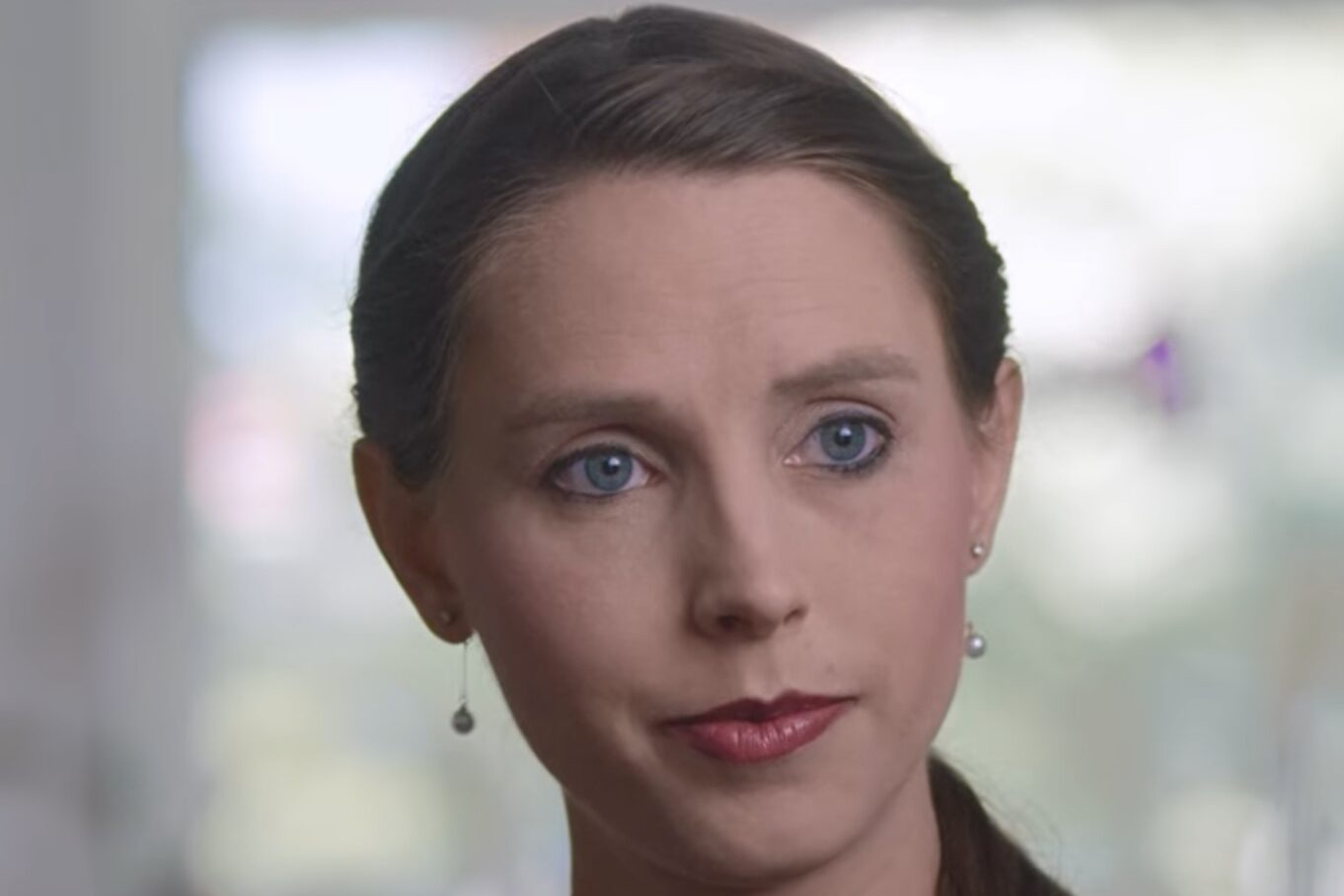
Rachael Denhollander was a competitive gymnast when she reported abuse by team doctor Larry Nassar. She followed official channels and provided detailed information. Her report was acknowledged but not acted on. Other athletes spoke up as well. Institutions responsible for protecting them failed to intervene. Nassar continued abusing gymnasts for years. When the case finally came to light, hundreds of survivors came forward. Denhollander later said the system valued reputation over safety. Her warning had been clear and documented.
What makes this story difficult is how ordinary the response was. Reports were filed and ignored. No dramatic confrontation occurred until damage was irreversible. Denhollander’s persistence eventually helped expose widespread institutional failure. Her experience changed how abuse reporting is discussed in sports. It also shows how early warnings can feel futile when power structures resist accountability. Speaking up did not stop the harm immediately, but it mattered. Her voice helped ensure others were finally heard.
7. Sherron Watkins Saw Enron Falling Apart
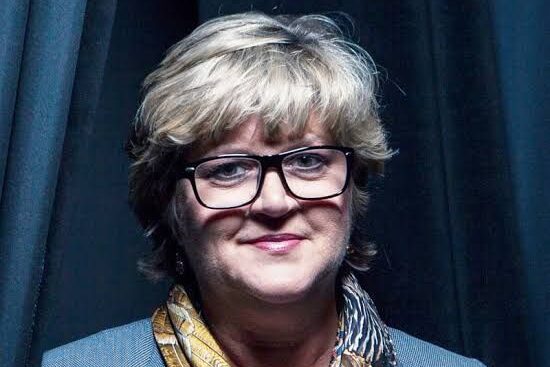
While working as a vice president at Enron, Sherron Watkins noticed accounting practices that did not make sense. The company appeared profitable, but internally the numbers told a different story. Watkins wrote a memo to leadership warning that the company could collapse if issues were not addressed. Her concerns were noted but dismissed. Enron continued operating as if nothing was wrong. In 2001, it imploded, wiping out jobs, pensions, and investor trust. Watkins later testified that she had tried to raise the alarm early.
Watkins was not trying to expose the company publicly. She wanted it fixed from the inside. Her story is often remembered as whistleblowing, but at the time it was quiet and cautious. The warning did not fit the narrative of success Enron projected. Ignoring it felt easier than confronting reality. Corporate scandals often begin this way, with someone noticing inconsistencies and being told not to worry. Listening sooner could have prevented enormous damage to employees and the public.
8. Lois Gibbs Noticed A Pattern In Her Neighborhood
In the late 1970s, Lois Gibbs lived near Love Canal in New York. She began noticing that children in her neighborhood were getting sick more often. Birth defects, miscarriages, and cancers seemed unusually common. Officials assured residents there was no danger. Gibbs started collecting health data herself and organizing neighbors. Her findings were dismissed repeatedly. Eventually, investigations confirmed that toxic waste buried beneath the community was leaking into homes and schools. The area was evacuated and declared unsafe.
Gibbs later said she was labeled emotional and uninformed. What she actually did was observe patterns others ignored. Her persistence led to national attention and the creation of environmental cleanup laws. Love Canal became a turning point in environmental policy. The warning signs were visible to those living there long before authorities acknowledged them. This story shows how grassroots observations often precede official action. Paying attention to everyday experiences can reveal risks hidden behind reassuring statements.
9. Jeffrey Wigand Tried To Tell The Truth About Tobacco
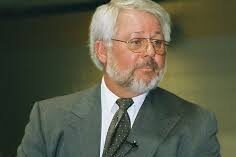
Jeffrey Wigand worked as an executive in the tobacco industry when he realized companies were deliberately manipulating nicotine to increase addiction. He raised concerns internally and was ignored. When he decided to speak publicly, the industry attacked his credibility and personal life. Wigand later stated that executives knew cigarettes were harmful and chose profit anyway. His testimony helped expose decades of deception and contributed to major legal settlements against tobacco companies.
Wigand’s warning did not come from activism. It came from conscience. He saw information that contradicted public claims and could not stay silent. The backlash he faced showed how uncomfortable truth can be when it threatens powerful interests. Tobacco regulation changed because someone spoke up, even when it was costly. His story reminds us that early warnings are often inconvenient. Ignoring them does not make harm disappear. It only allows it to continue unchecked.
10. Katsuhiko Ishibashi Warned Japan About Nuclear Risk
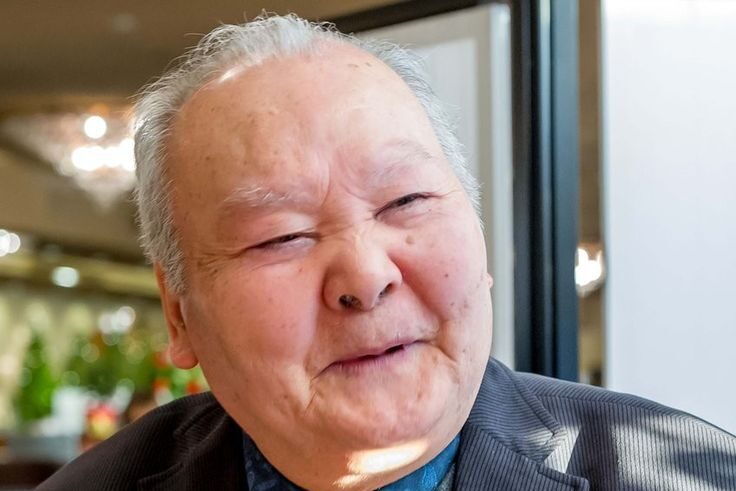
Japanese seismologist Katsuhiko Ishibashi spent decades studying earthquake patterns and publicly warning that Japan’s nuclear plants were not prepared for a major seismic event. He argued that safety planning relied too heavily on optimistic assumptions and ignored worst case scenarios. His concerns were shared in academic papers and advisory meetings but were treated as overly cautious. Officials reassured the public that systems were secure and that severe accidents were unlikely. Ishibashi continued speaking, not as an activist but as a scientist worried about preventable disaster. His warnings were clear long before 2011 arrived.
When the Fukushima Daiichi nuclear plant melted down after an earthquake and tsunami, Ishibashi said the outcome was not surprising. He described it as a disaster that could have been avoided with proper preparation. The warnings had existed for years in plain language. They were simply inconvenient and expensive to address. His story shows how expert caution is often dismissed as pessimism until reality intervenes. Listening earlier would have required acknowledging uncomfortable truths rather than trusting reassuring narratives.
11. Mike Williams Heard The Alarms On Deepwater Horizon

Mike Williams was an engineer working on the Deepwater Horizon oil rig in April 2010 when he noticed troubling signs during pressure tests. The data did not look right. Williams and others raised concerns that something was wrong with the well. The results were explained away and operations continued. Alarms went off repeatedly, but they were treated as manageable. Williams later said the warning signs were everywhere that day. The rig exploded soon after, killing eleven workers and causing a massive oil spill.
In later testimony, Williams described how routine pressure and time constraints shaped decisions. The warnings were not subtle. They were mechanical alerts and human observations combined. Ignoring them led to one of the worst environmental disasters in history. His account shows how normalizing risk can silence caution. When alarms become background noise, danger follows. Williams survived, but his story remains a reminder that safety warnings are only useful when they slow things down instead of being brushed aside.
12. Helene Donnelly Spoke Up Inside The Hospital
Helene Donnelly was a nurse at Mid Staffordshire NHS Trust in England when she noticed patients being left without basic care. Elderly patients were ignored, hygiene was poor, and understaffing was constant. Donnelly raised concerns with supervisors and administrators. She was told to keep quiet and focus on her duties. Complaints were logged but nothing changed. Over time, patient suffering increased. Families raised alarms too, but the hospital focused on meeting targets rather than addressing care failures.
Years later, a public inquiry revealed that hundreds of patients had died unnecessarily. Donnelly later said she felt punished for speaking up. The warnings had come from those closest to the harm. They were dismissed as disruption. Her story shows how institutional culture can discourage honesty even when lives are at stake. Listening to frontline workers does not require complex reform. It requires respect. Ignoring them allowed neglect to continue until the damage could no longer be hidden.
13. Students Flagged Concerns Before Virginia Tech
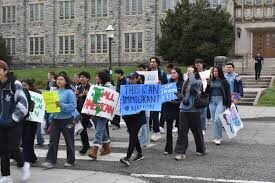
Before the 2007 shooting at Virginia Tech, several students and faculty members raised concerns about Seung Hui Cho’s behavior. His writing was violent and disturbing. Reports were made to campus authorities, counseling services, and even law enforcement. Each concern was treated in isolation. No single report triggered decisive action. Officials believed the situation was being handled. Cho went on to kill thirty two people before taking his own life.
A later review found that warnings had been present but scattered. The failure was not a lack of information but a lack of coordination. Students noticed patterns and spoke up, but systems did not connect the dots. This story is often remembered for its tragedy, but it also highlights how early concerns can be minimized when responsibility is fragmented. Listening requires not just hearing reports but understanding how they fit together. Ignoring patterns allowed danger to grow unchecked.
14. Boeing Engineers Questioned The 737 Max

During development of the Boeing 737 Max, several engineers privately expressed concerns about a new flight control system called MCAS. They worried that pilots were not being fully informed and that the system could override human control. These concerns were raised internally but were downplayed as unlikely scenarios. The aircraft was certified and entered service. Two crashes followed, killing three hundred forty six people.
After the accidents, internal messages became public showing that some employees had serious doubts. The warnings existed before passengers ever boarded those flights. Pressure to compete and deliver on schedule outweighed caution. This story shows how corporate priorities can silence internal skepticism. Engineers noticed risks and spoke among themselves. Their voices did not reach decision makers in time. Listening earlier would have required slowing production and questioning assumptions that felt too costly to challenge.
15. BBC Staff Raised Concerns About Jimmy Savile

For years, staff members at the BBC raised concerns about Jimmy Savile’s behavior. Complaints described inappropriate conduct and discomfort around young people. These concerns were dismissed as rumors or personality quirks. Savile remained a prominent public figure. After his death, investigations revealed widespread abuse spanning decades. Survivors confirmed that warnings had been accurate all along.
An official report later stated that opportunities to act had been missed repeatedly. The pattern was not invisible. It was ignored. This case shows how institutions can protect reputations at the expense of vulnerable people. Staff noticed something wrong and tried to speak. Their concerns did not align with the image being preserved. Listening would have required confronting a powerful figure. Avoiding that confrontation allowed harm to continue unchecked for years.
16. Teachers Noticed Changes Before Parkland
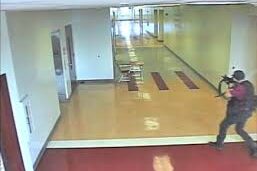
Before the 2018 shooting at Marjory Stoneman Douglas High School, teachers and administrators noticed troubling behavior from Nikolas Cruz. He made violent statements and showed signs of instability. Reports were filedb with school officials and law enforcement. Follow up was inconsistent. Each report was treated as a separate issue rather than part of a larger pattern. Cruz later killed seventeen people.
Investigations afterward found that warnings had been present but poorly coordinated. The problem was not silence. It was fragmentation. Teachers noticed something was wrong and tried to alert systems designed to respond. Those systems failed to connect information in time. This story highlights how early warnings lose power when responsibility is unclear. Listening requires follow through. Ignoring patterns allows risk to escalate quietly until consequences become irreversible.


