
1. Sawyer’s Quiet Rebuild

Sawyer, a former member of the Heaven’s Gate, is one of the most frequently cited survivors because he has spoken publicly about leaving before the mass deaths. After exiting, he gradually rebuilt a private life away from the intense beliefs that once shaped his daily routines. Family members were instrumental in this transition, offering emotional stability and a nonjudgmental space to process guilt and confusion. Interviews over the years suggest that reconnecting with relatives helped ground him in ordinary responsibilities and relationships. Rather than seeking fame, Sawyer has largely avoided the spotlight, choosing normalcy over notoriety. His experience is often referenced by researchers studying how family support can help former cult members reintegrate into society.
2. Choosing Life Before End
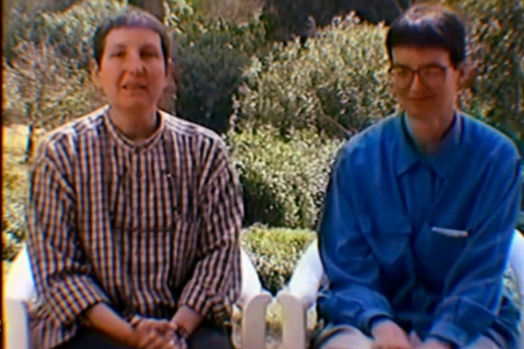
Several individuals who survived Heaven’s Gate did so because they chose to leave quietly months or even years before the group’s final act. For these former members, doubt crept in slowly, often tied to exhaustion, unanswered questions, or discomfort with the group’s increasingly rigid expectations. Returning to family life was not simple. Relatives had to balance relief with concern, knowing their loved one had once embraced beliefs that encouraged total separation from earthly ties. Families helped survivors reestablish routines, find work, and reconnect socially without pressure to explain every detail of their past. Over time, this steady support helped survivors regain confidence in their own judgment, proving that walking away before the end was not just survival, but a deliberate reclaiming of personal choice.
3. Families Who Waited

For many families of Heaven’s Gate survivors, the years before reunification were marked by quiet waiting rather than confrontation. Parents, siblings, and relatives often maintained limited contact, hoping their loved one would eventually leave on their own. When that moment came, families resisted the urge to express anger or disbelief, understanding that harsh reactions could push survivors away again. Instead, they focused on reassurance and stability, offering a place to stay, help with daily responsibilities, and emotional patience. This long-term commitment proved crucial in helping survivors detach fully from the group’s influence. The families’ willingness to wait, rather than force an outcome, became one of the most effective forms of support in the long recovery process.
4. Families Facing Stigma

For survivors and their families, life after Heaven’s Gate involved navigating stigma tied to one of America’s most infamous cults. Families often faced uncomfortable questions from neighbors and coworkers, even when their loved one had left long before the tragedy. The kids are always facing the aftermath. Many chose discretion, focusing on rebuilding internal family bonds rather than correcting public narratives. Support networks within extended families helped normalize daily life, from job searches to education. Sociologists note that such collective resilience reduces long-term psychological harm. These families’ quiet perseverance rarely made headlines, yet it played a critical role in helping survivors move forward.
5. Relearning Independence

Former Heaven’s Gate members had to relearn basic independence after years of rigid communal rules. Families often guided survivors through simple but meaningful steps, managing finances, making personal choices, and rebuilding social circles. Rather than overwhelming them, relatives encouraged gradual autonomy. This steady support helped counter the learned dependence common in high-control groups. Mental health professionals frequently cite such family involvement as a protective factor against relapse into extreme belief systems. For Heaven’s Gate survivors, these everyday lessons marked a return to personal agency.
6. Media Distance Choices

Most survivors deliberately avoided media attention after the initial wave of coverage. Families often acted as buffers, declining interviews and managing inquiries. This distance allowed survivors to heal without being defined by a single chapter of their lives. Experts have observed that constant retelling of traumatic experiences can hinder recovery. By prioritizing privacy, families helped survivors reclaim control over their narratives. The choice to step back from the media became a form of self-preservation rather than secrecy.
7. Therapy and Support

Counseling played a documented role in the recovery of some former members, often encouraged by family. Therapy helped survivors unpack belief systems, manage lingering fear, and rebuild self-trust. Families frequently participated indirectly by supporting appointments and respecting emotional boundaries. This collaborative approach aligns with established recovery models for cult survivors. While details remain private, the emphasis on mental health reflects a broader understanding that leaving a cult is not a single event but an ongoing process.
8. Ordinary Lives Reclaimed

Over time, survivors settled into ordinary routines, jobs, friendships, and hobbies far removed from apocalyptic beliefs. Families celebrated these milestones quietly, recognizing them as signs of stability rather than dramatic transformations. Birthdays, holidays, and shared responsibilities helped replace the rigid structure once imposed by the group. This return to everyday life illustrates how recovery often looks unremarkable from the outside. For survivors, however, normalcy itself was the achievement.
9. Grief for Lost Friends
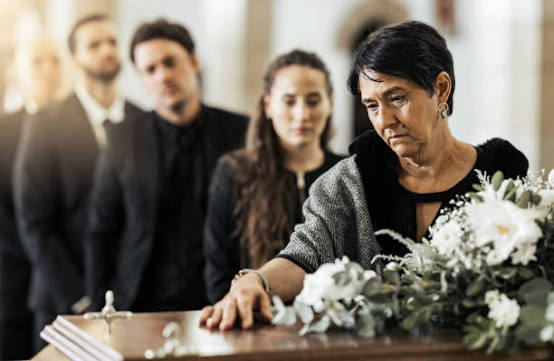
Survivors carried grief for friends who did not leave. Families provided space to mourn without judgment, acknowledging complex emotions of sadness, relief, and survivor’s guilt. Memorial dates were often difficult, but shared remembrance helped survivors process loss. Psychologists emphasize that validating these mixed feelings is essential for healing. Family understanding prevented isolation during moments when public narratives focused solely on shock rather than compassion.
10. Long-Term Perspective

Decades later, survivors and their families view Heaven’s Gate as one chapter, not a defining identity. Time, support, and distance have softened the intensity of those years. Families continue to play a stabilizing role, reminding survivors of who they were before and who they have become since. This long-term perspective challenges the idea that cult involvement permanently defines a person. Instead, it highlights resilience built quietly, at home.
11. Family Trust Restored
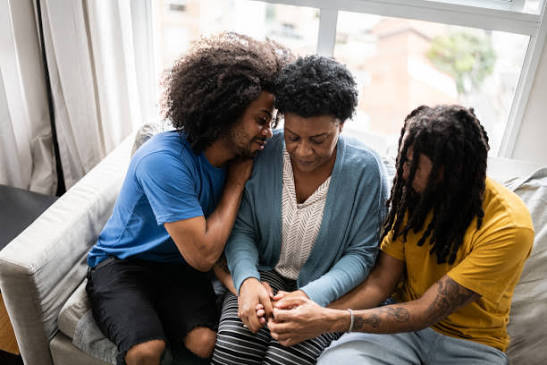
For some Heaven’s Gate survivors, the most difficult part of moving forward was restoring trust with family members who had once feared losing them completely. Years inside a high-control group often strained relationships, creating emotional distance and unresolved pain. Over time, families worked carefully to rebuild trust through consistency rather than confrontation. Survivors were given space to make choices independently while knowing support was always available. Family members avoided pressing for explanations about beliefs, focusing instead on shared experiences in the present. This steady, patient approach helped reestablish bonds without reopening old wounds. Experts on cult recovery frequently note that trust rebuilt slowly and respectfully is more durable than forced reconciliation, and these families became living examples of that principle.
12. Lessons Passed Forward

In later years, some survivors and their families quietly chose to share lessons learned from the Heaven’s Gate experience, not for publicity, but for prevention. Families spoke informally with friends, schools, or faith communities about warning signs of coercive groups, emphasizing emotional vulnerability rather than belief systems alone. Survivors often contributed by explaining how isolation and gradual control can feel normal at first. These conversations were usually private and measured, shaped by a desire to protect others rather than relive the past. By turning painful experience into awareness, families helped survivors reframe their history as something meaningful rather than shameful. It became a final step in moving forward, using knowledge gained to quietly help others stay safe.
Their experiences offer a rare, grounded look at recovery beyond headlines and remind us that healing often happens far from public view.
Like this story? Add your thoughts in the comments, thank you.


