
1. Leaving Mount Carmel Behind
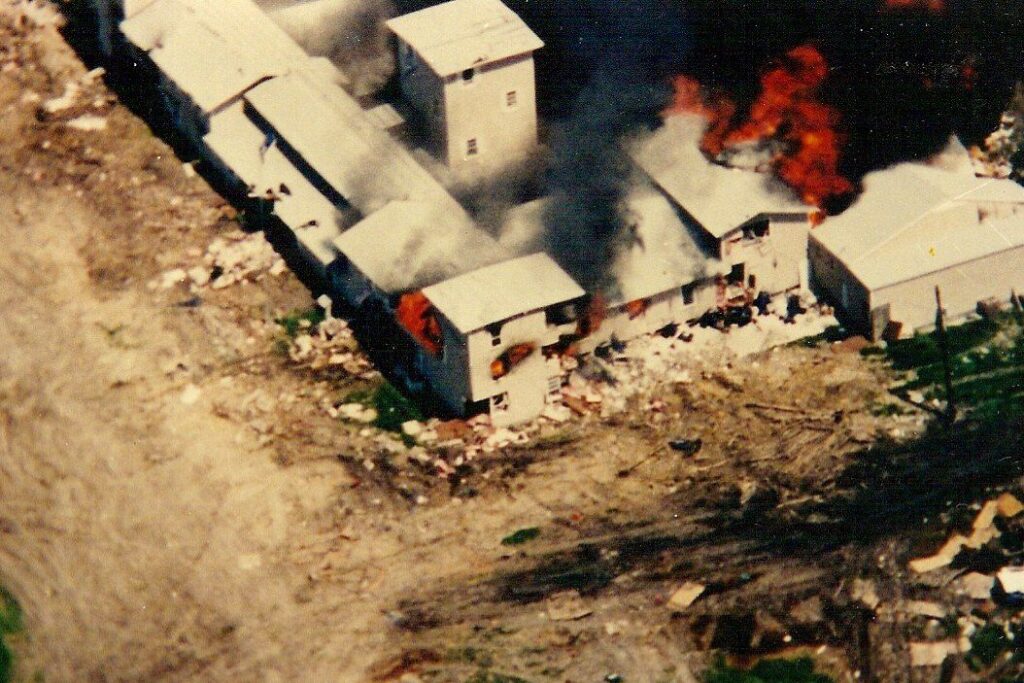
For the survivors who escaped the Mount Carmel compound during the 51-day standoff, the first challenge was simply staying alive outside its walls. Many emerged during negotiations, while others were arrested afterward. Once released, most had no homes, limited money, and intense media attention. Some returned briefly to Texas, while others left the state altogether to avoid reporters and public scrutiny. Several survivors later said the sudden shift from communal religious life to isolation was overwhelming. Everyday tasks like finding housing or work became difficult under the weight of public suspicion. For many, survival after Waco meant starting from nothing while carrying memories that would never fully fade.
2. Criminal Trials and Sentences
In the years immediately following the siege, surviving Branch Davidians faced serious legal consequences. Federal prosecutors charged several members with offenses related to firearms and, controversially, with voluntary manslaughter connected to the deaths of federal agents. The 1994 trial drew national attention and lasted nearly two months. Ultimately, the jury acquitted the defendants of the most serious charges but convicted some on lesser weapons-related counts. Sentences varied, with prison terms ranging from a few years to decades. Over time, many convictions were reduced or overturned on appeal. The legal process extended the trauma for survivors, keeping them tied to the events long after the compound was gone.
3. Life After Prison
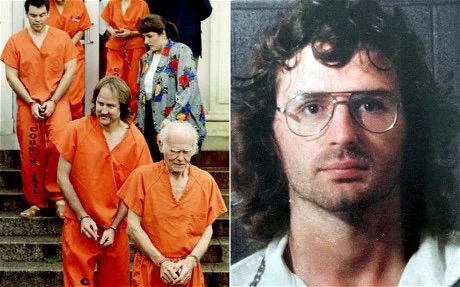
Those who served prison time were released gradually through the late 1990s and 2000s. Reentering society proved difficult. Former members often struggled to find stable employment because their names were closely linked to one of America’s most infamous standoffs. Some settled into quiet lives, taking ordinary jobs and avoiding public attention entirely. Others relied on support from family or faith communities unrelated to the Branch Davidians. Interviews given years later suggest that prison did not erase their beliefs overnight, but it forced many to rethink authority, trust, and leadership. For most, freedom did not bring closure, only a chance to rebuild slowly and privately.
4. Faith Without a Leader
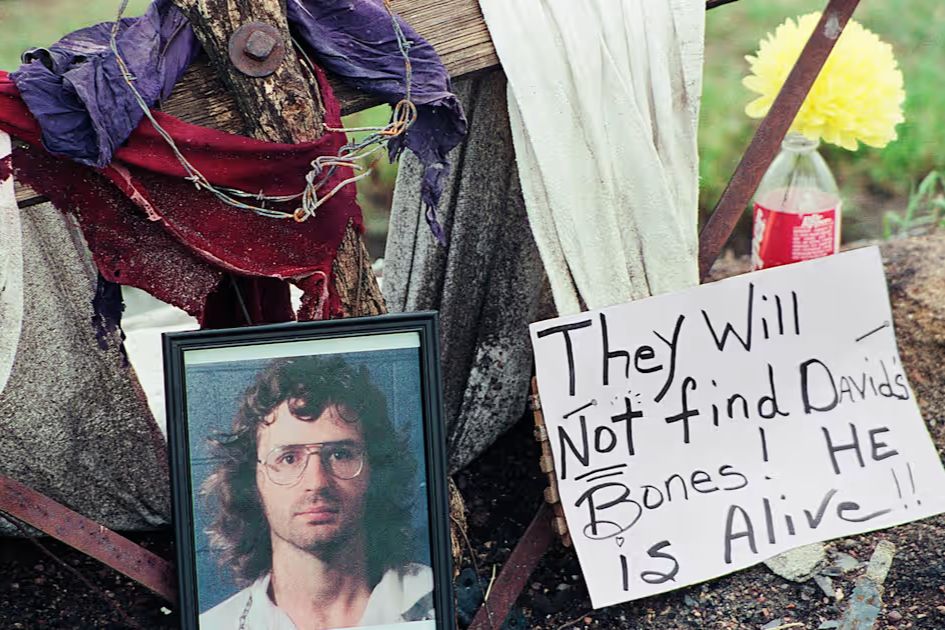
The death of David Koresh left surviving members spiritually unanchored. While some remained committed to core Branch Davidian theology, others distanced themselves from organized religion altogether. Without Koresh’s charismatic authority, the group fractured into small, informal networks rather than a unified movement. A few survivors continued studying biblical prophecy independently, while others joined mainstream Christian churches. Over time, many acknowledged that their faith had been inseparable from Koresh’s personal influence. The years after Waco forced survivors to redefine belief on their own terms, often quietly and without the communal structure that once defined their lives.
5. Public Silence by Choice

Despite widespread curiosity, most Branch Davidian survivors chose silence. After early interviews in the 1990s, many stopped speaking publicly altogether. Media portrayals often felt simplistic or hostile, reinforcing stereotypes rather than nuance. Survivors reported receiving threats or harassment, which further encouraged them to stay out of the spotlight. Those who did speak years later tended to focus on personal healing rather than defending the group. Silence became a form of self-protection. By avoiding documentaries and news features, survivors were able to regain some control over their narratives, even if it meant allowing others to tell the story without their voices.
6. Ongoing Trauma and Loss
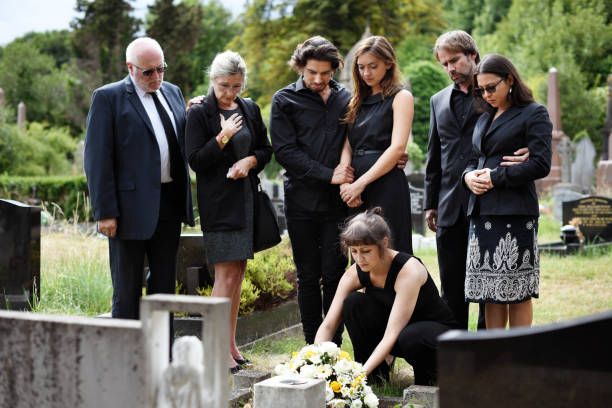
Nearly all survivors have acknowledged lasting emotional scars. Many lost family members, including spouses and children, in the fire. Grief was compounded by public blame and political debate over who was responsible. Mental health professionals who later studied survivor accounts noted symptoms consistent with post-traumatic stress, including anxiety, nightmares, and distrust of authority. Some survivors sought counseling, while others leaned on private coping mechanisms. Anniversaries of the siege often reopened wounds, especially as new documentaries or investigations revived public discussion. Healing, for most, has been ongoing rather than complete, shaped by both personal loss and national memory.
7. Return to Ordinary Lives

Away from headlines, many survivors focused on building ordinary lives. Some married, raised children, and worked in trades or small businesses. Others lived modestly, avoiding attention and rarely discussing their past. Former members have said that anonymity was essential to feeling normal again. In communities where their history was unknown, they were simply neighbors, coworkers, or parents. This return to routine life was not dramatic, but it was meaningful. For survivors, stability itself became a quiet victory after years defined by control, chaos, and public judgment.
8. Legal Appeals and Vindication

Years after their convictions, some survivors continued to challenge the government in court. A major turning point came in 2000, when the U.S. Supreme Court ruled that certain sentencing enhancements had been improperly applied. As a result, prison terms were reduced for several former members. While the ruling did not erase convictions entirely, it offered partial vindication and acknowledgment of legal errors. For survivors, the decision reinforced their long-held belief that the justice system had mishandled key aspects of their cases. It also marked one of the final legal chapters tying them directly to the Waco siege.
9. Limited Group Reunions
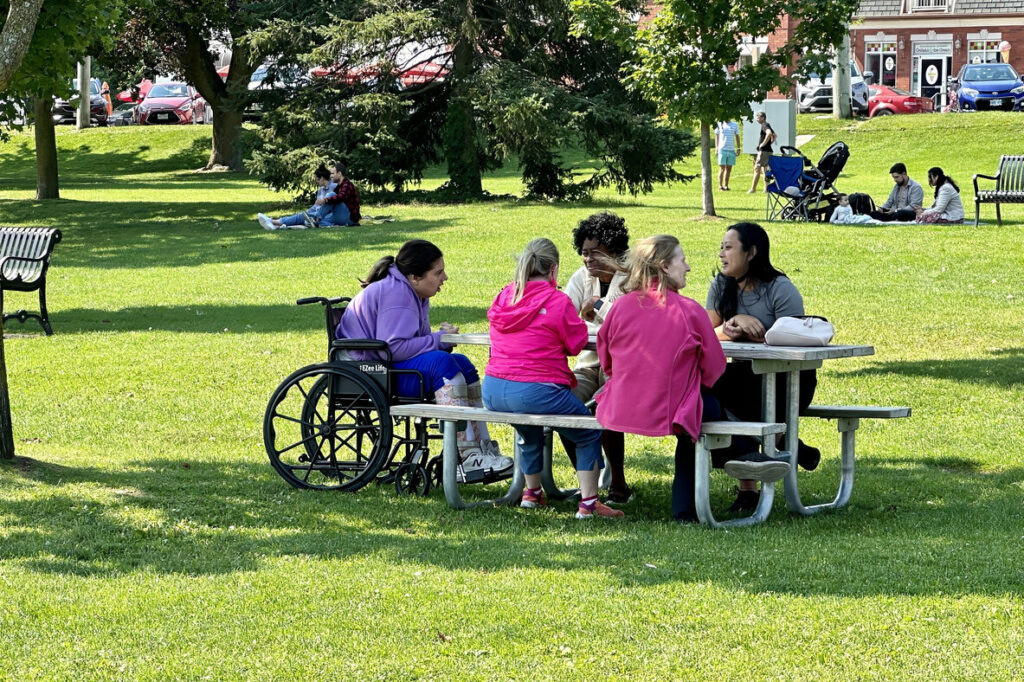
Unlike many high-profile groups, Branch Davidian survivors have rarely reunited publicly. Small private gatherings have reportedly occurred, often centered on remembrance rather than revival. These meetings were not attempts to rebuild the group but chances to reconnect with people who shared an intense, life-altering experience. Survivors have described mixed emotions at such reunions, including comfort, sadness, and unresolved tension. The absence of a central leader and the weight of the past made large-scale reunions unlikely. Instead, survivors maintained selective contact, choosing personal healing over collective identity.
10. Waco’s Lingering Shadow
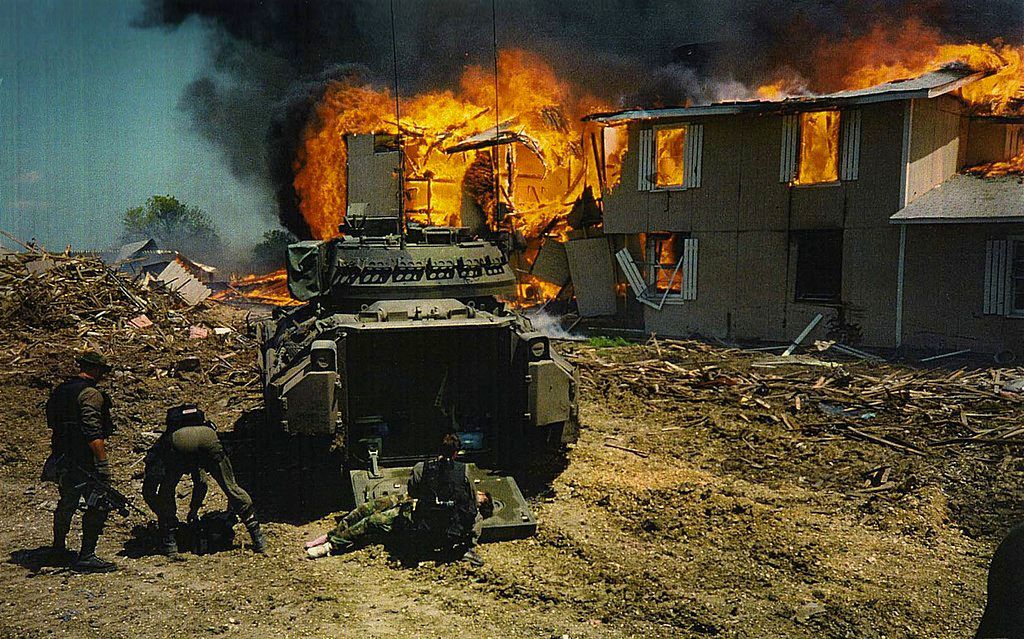
Decades later, the events at Mount Carmel continue to shape how survivors are seen and how they see themselves. New investigations, books, and documentaries periodically reignite debate over federal tactics and responsibility. While these discussions influence public understanding, survivors often remain on the margins of the narrative. For them, Waco is not a historical case study but a defining rupture in their lives. The shadow of the siege follows them quietly, even as they move forward. Their stories remind us that the aftermath of national tragedies extends far beyond the moment the cameras stop rolling.
The Branch Davidian survivors did not vanish after Waco, they dispersed into ordinary lives shaped by extraordinary loss.
Like this story? Add your thoughts in the comments, thank you.


