
1. Returning to public life

Few stories captured the world’s attention like the kidnapping and recovery of Elizabeth Smart. Taken from her Utah home in 2002 and found alive nine months later, her case became a turning point in how missing-child investigations were handled in the U.S. What followed her rescue has been just as significant as the search that brought her home. After her recovery in 2003, Elizabeth Smart gradually reentered public life under careful protection. Her early appearances were limited and structured, often alongside her family, as she focused on healing and stability. Over time, she began speaking publicly about survival and recovery, always emphasizing facts rather than sensational details. These appearances were widely covered by national news outlets and helped shift public discussion toward victim-centered perspectives.
2. Continuing her education

Education became a central part of Smart’s post-ordeal life. She attended high school privately before enrolling at Brigham Young University, where she studied harp performance. Music had been part of her life before the kidnapping, and returning to it provided structure and emotional grounding. Her college years were intentionally low-profile, despite ongoing media interest. By focusing on coursework and performance rather than publicity, she reinforced the idea that survivors deserve normalcy. Her academic journey was frequently referenced in interviews as an example of rebuilding routine and purpose, highlighting how education can be a stabilizing force after prolonged trauma.
3. Testifying in court

One of the most public moments after her recovery came during the criminal trials of her captors. Smart testified in court, offering clear, factual accounts that played a key role in securing convictions. Her testimony was widely reported and praised for its composure and clarity, particularly given her young age at the time. Legal analysts and victim advocates often cite her courtroom presence as an example of survivor strength within the justice system. Importantly, Smart has since spoken about the difficulty of testifying, stressing that courage does not mean absence of fear. Her experience has informed later advocacy around how courts support victims during trials.
4. Writing her story

Elizabeth Smart later chose to share her experiences through books, offering controlled, thoughtful narratives rather than fragmented media sound bites. Her memoirs focused not only on what happened, but on recovery, faith, and resilience. These books became widely read and were used in educational and counseling settings. By writing in her own voice, Smart reclaimed authorship of her story, a step many trauma specialists view as empowering. Reviews often noted the calm, reflective tone, which avoided graphic detail while still conveying emotional truth. Her work helped broaden public understanding of long-term recovery beyond the moment of rescue.
5. Becoming an advocate
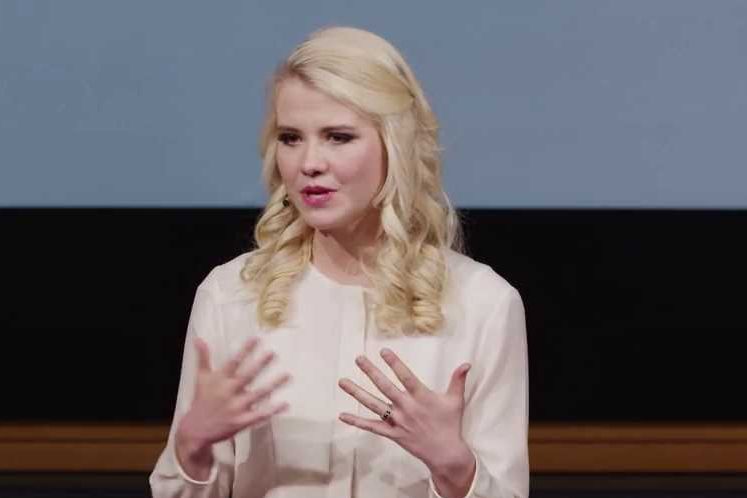
Advocacy soon became a defining part of Smart’s life. She began working with organizations focused on child safety, abduction prevention, and survivor support. Her speeches at conferences and community events emphasized practical awareness, such as recognizing grooming behaviors and responding quickly to disappearances. These efforts were grounded in research and policy discussions rather than fear-based messaging. Smart’s advocacy has been credited with influencing conversations around Amber Alerts, survivor services, and trauma-informed care. By combining lived experience with evidence-based approaches, she established herself as a credible voice beyond the headline that once defined her.
6. Founding a foundation

To formalize her advocacy, Smart helped establish a foundation dedicated to preventing abuse and supporting survivors. The organization focuses on education, training, and policy advocacy, working with schools, law enforcement, and community groups. Its programs are designed to be age-appropriate and research-informed, reflecting lessons learned from past failures in prevention and response. The foundation’s work has been highlighted by major media outlets and nonprofit networks. Through this platform, Smart shifted from individual storytelling to systemic impact, aiming to reduce risk factors and improve recovery resources for others.
7. Media and broadcasting work

Elizabeth Smart also entered media work, serving as a contributor and commentator on cases involving missing persons and survivor issues. Her role has included television appearances where she provides context rather than speculation, often correcting misconceptions about victim behavior. Networks valued her ability to speak with empathy while sticking to verified facts. This work allowed her to influence how such stories are covered, promoting responsible reporting. Her presence in media spaces demonstrated that survivors can shape narratives ethically, offering insight without sensationalism or exploitation.
8. Marriage and family life
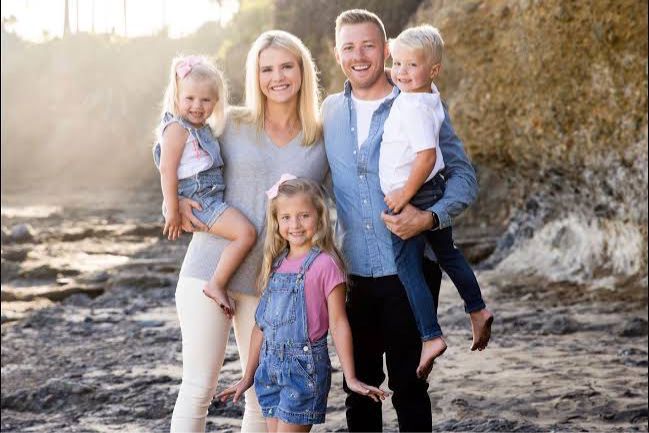
In 2013, Smart married and later became a mother, milestones she has spoken about publicly but selectively. Coverage of her family life has focused on normalcy rather than novelty, aligning with her consistent message that survivors can build fulfilling personal lives. She has noted that marriage and parenting came with new emotional layers, including heightened awareness around safety. These reflections, shared in interviews, have resonated with audiences navigating trauma while forming families. Her openness, balanced with privacy, has modeled how public figures can share life updates without turning them into spectacle.
9. Speaking to lawmakers
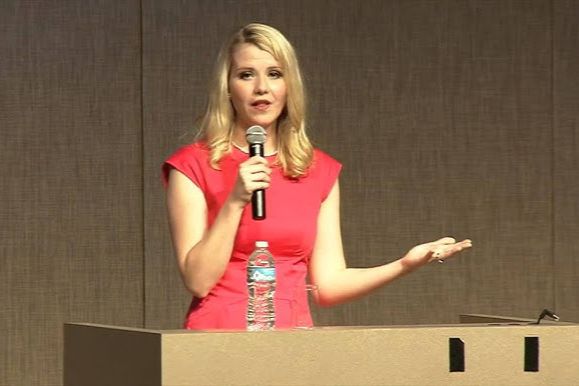
Beyond public talks, Smart has addressed lawmakers and policy forums about child protection and victim services. Her testimony and briefings have been cited in discussions on sentencing, victim compensation, and trauma-informed policing. By engaging directly with policymakers, she translated personal experience into legislative relevance. Reports from these sessions often highlight her calm, fact-driven approach, which strengthens credibility across political lines. This work underscores how survivors can contribute meaningfully to policy when given respectful platforms and support.
10. Shaping survivor narratives

Perhaps Smart’s most lasting impact has been on how society talks about survivors. She has consistently challenged myths around resistance, memory, and recovery, emphasizing that survival responses vary. These messages, repeated across years of interviews and speeches, are now commonly echoed in advocacy and training materials. By insisting on accuracy and compassion, she helped move public understanding forward. Her influence can be seen in media guidelines and educational programs that prioritize dignity over drama, marking a quiet but profound shift rooted in lived experience.
11. Ongoing public speaking

In recent years, Elizabeth Smart has remained active as a sought-after public speaker, addressing audiences across the United States and internationally. Her talks focus on prevention education, survivor resilience, and correcting long-standing misconceptions about abuse and kidnapping. Rather than retelling her ordeal in detail, she centers her message on awareness, accountability, and evidence-based safety practices. Universities, law enforcement agencies, nonprofits, and corporate organizations frequently invite her to speak because of her ability to connect personal experience with broader social responsibility. Media coverage of these events consistently highlights her calm, factual delivery and emphasis on empowerment. This phase of her life reflects a steady commitment to public education, showing that advocacy can evolve into a long-term professional mission.
12. Redefining life after trauma

Today, Elizabeth Smart is widely recognized not only as a survivor, but as a figure who reshaped expectations around life after trauma. Through years of consistent public engagement, she has demonstrated that recovery is not a single milestone but an ongoing process shaped by choice, support, and purpose. Her work has influenced how journalists, educators, and policymakers discuss victimhood, shifting focus away from blame and toward understanding. Interviews and profiles now frame her story around leadership and impact rather than loss. By living openly yet intentionally, she has helped normalize the idea that survivors can define their futures without being permanently anchored to the worst thing that happened to them.
.Her life shows how survival can lead to service, and how public attention, when handled carefully, can be redirected toward lasting change.
Like this story? Add your thoughts in the comments, thank you.


