
1. The Vanishing Sounds of the Deep

The ocean covers most of our planet, yet much of it still feels unfamiliar, and that becomes clear when scientists listen to the deep. For years, strange low sounds have been recorded across vast distances underwater, appearing without warning and fading just as quietly. These sounds do not match known animals, ships, or geological activity, leaving marine biologists unsure what they are hearing. Some suspect ice movement, others believe unknown marine behavior plays a role. What makes this mystery compelling is its consistency. The ocean keeps whispering in patterns we almost recognize, reminding us that exploration often begins with listening closely and staying curious.
2. Creatures That Refuse to Be Seen
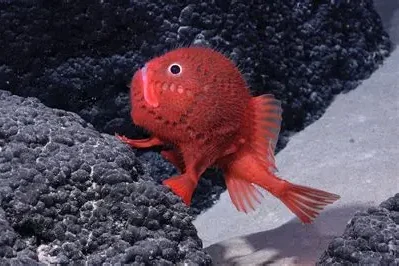
Even in an age of satellites and deep-sea submersibles, large marine animals still manage to remain hidden. Species thought to exist only in legends occasionally appear on cameras, shocking researchers and rewriting textbooks. This raises questions about how many creatures live beyond our detection limits. Some may avoid light, others dwell deeper than most equipment can reach. Marine biologists believe the ocean’s sheer size allows life to flourish unnoticed. The mystery is not frightening, but humbling. It reminds us that discovery is ongoing and that patience often leads to the most meaningful breakthroughs beneath the waves.
3. The Glowing Waters at Night
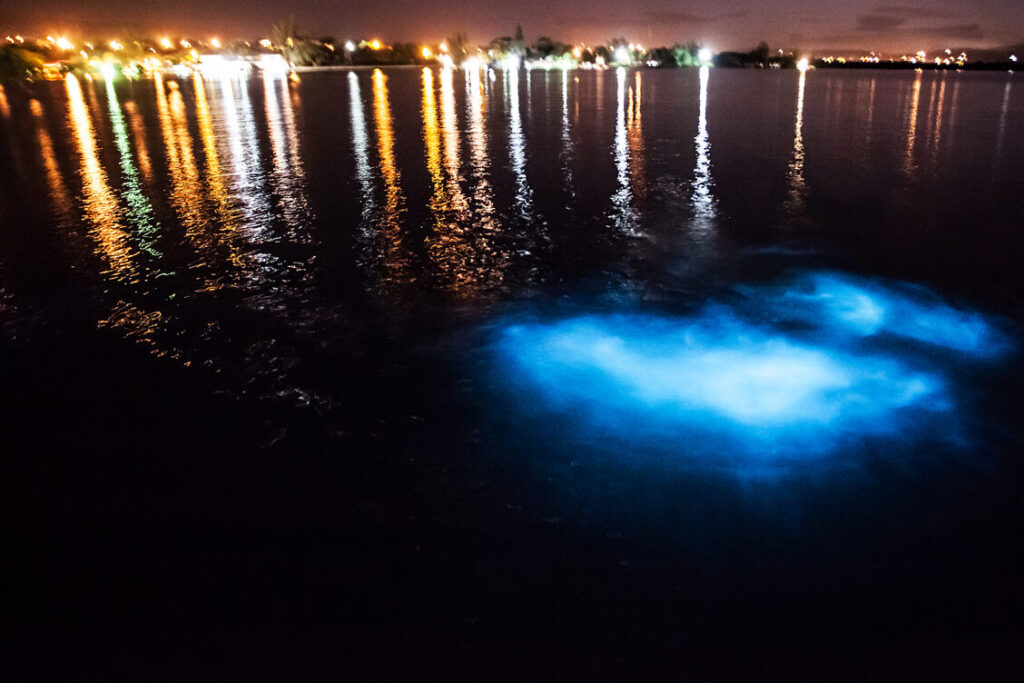
Along certain coastlines, the sea sometimes glows when disturbed, turning footsteps and waves into soft blue light. While scientists understand that tiny organisms cause this glow, they still question why entire shorelines light up at once. The timing and intensity often seem unpredictable. Some nights remain dark, others shimmer without explanation. Researchers study water conditions, temperature, and nutrients, yet patterns remain elusive. This gentle mystery feels more poetic than puzzling. The ocean briefly reveals its beauty, then returns to darkness, leaving scientists and beachgoers alike wondering what invisible signal starts the glow.
4. The Deep Sea’s Hidden Highways

Many marine animals travel thousands of miles with remarkable precision, following invisible routes through open water. Whales, sharks, and turtles return to the same feeding and breeding grounds year after year. Scientists believe these animals sense Earth’s magnetic field, but exactly how this works remains unknown. What is clear is that these routes are ancient and reliable. Any disruption, whether from noise or climate change, could affect entire populations. Understanding these underwater highways may help protect migrating species. The ocean moves with quiet order, even when its pathways remain unseen to us.
5. Structures That Should Not Be There
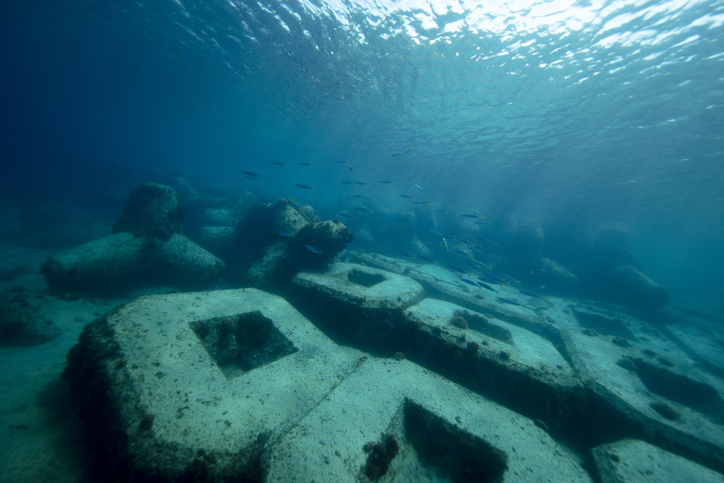
Sonar scans sometimes reveal shapes on the ocean floor that look surprisingly organized. Steps, flat surfaces, and sharp angles challenge easy explanations. Many scientists argue these are natural rock formations shaped by erosion. Others believe some features deserve closer study. The mystery lies not in dramatic claims, but in careful examination. The ocean floor preserves history differently than land, often hiding clues under layers of sediment. Marine biologists work alongside geologists to understand these formations. Whether natural or not, they remind us that the seafloor still holds stories waiting to be interpreted patiently.
6. The Silence After Coral Death

Healthy coral reefs are full of sound, from snapping shrimp to grazing fish. When reefs die, that noise disappears. Scientists are now studying how this sudden silence affects marine life. Young fish rely on reef sounds to locate safe habitats, and without them, recovery may slow. What remains unclear is whether restoring sound could help damaged reefs heal. This mystery highlights how deeply connected ocean life is to senses we often overlook. Listening to the sea may become a key tool in conservation. Silence, it turns out, can be just as informative as sound.
7. The Midnight Zone’s Unknown Rules

Far below the surface lies a world without sunlight, yet full of life. The midnight zone hosts creatures that glow, migrate vertically, and survive under crushing pressure. Scientists know this zone exists, but understanding how its ecosystems function remains difficult. Food webs operate differently here, and many animals move upward only at night. These movements influence the entire ocean system. The challenge is studying a place so remote. Every expedition reveals something new. This mystery reminds us that some of Earth’s most important processes happen far from human sight.
8. Whales That Change Their Songs
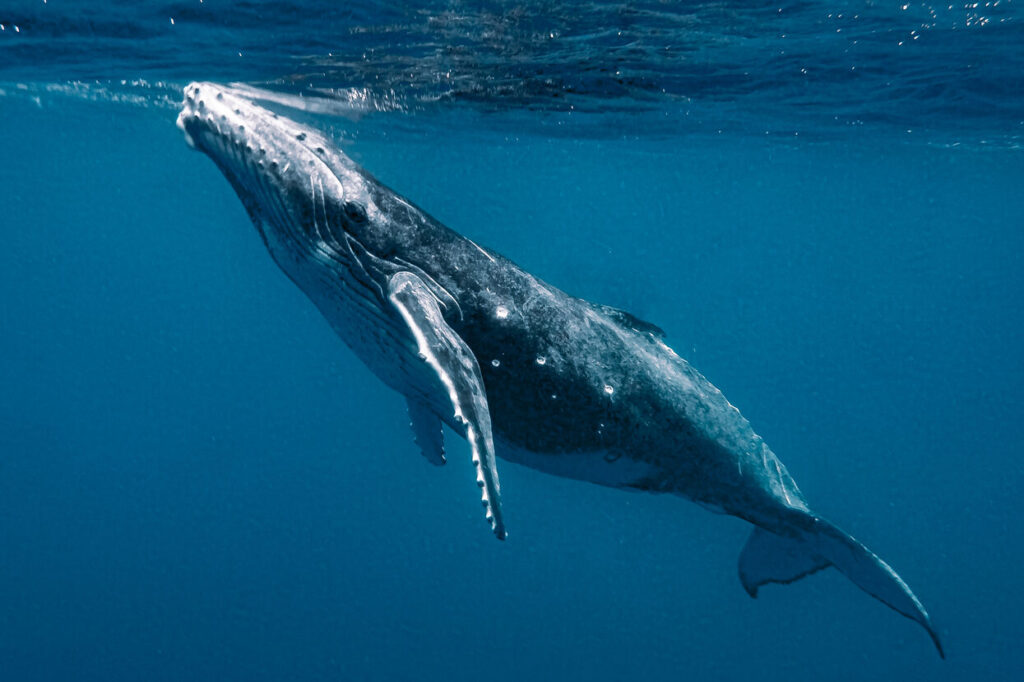
Humpback whales sing long, complex songs that change over time. Entire populations sometimes adopt new versions within a single season. Scientists compare this to cultural sharing, yet the reason behind these changes remains uncertain. Some believe songs relate to mating, others to social bonding. What fascinates researchers is how quickly new patterns spread across oceans. These songs travel farther than the whales themselves. Listening to them offers insight into marine intelligence. The mystery feels warm rather than distant. It suggests the ocean is not silent, but filled with evolving conversations.
9. The Ocean’s Missing Plastic

Millions of tons of plastic enter the ocean, yet only a fraction is found floating on the surface. Scientists continue to search for where the rest goes. Some plastic sinks, some breaks into tiny pieces, and some enters food chains. This missing plastic complicates efforts to measure environmental damage. Understanding its fate is critical for protecting marine life and human health. The ocean may be absorbing more than we realize. Solving this mystery could reshape waste management worldwide. It quietly challenges us to rethink what we throw away.
10. Fish That Sense Earthquakes
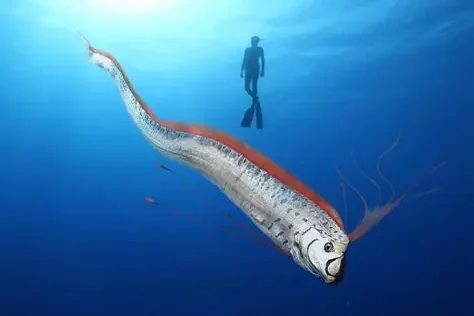
In some regions, unusual fish behavior has been observed before earthquakes. Scientists are studying whether changes in pressure or electrical signals affect marine animals. While evidence remains limited, the possibility is intriguing. If fish respond to subtle environmental shifts, they may sense changes humans cannot detect. The challenge lies in proving consistent patterns. This mystery sits between biology and geology. It reminds us that animals may perceive the planet differently. The ocean could be offering clues about Earth’s movements long before instruments detect them.
11. The Deep-Sea Carbon Vault
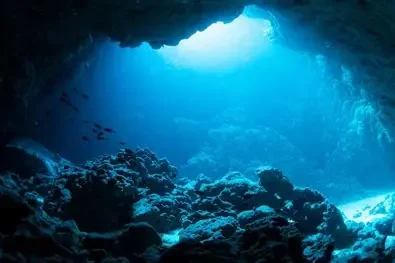
The ocean plays a major role in storing carbon, much of it carried downward by tiny organisms after they die. This process helps regulate Earth’s climate, yet scientists are unsure how stable it is. Small changes in temperature or biology could alter how much carbon stays locked away. Understanding this system is urgent as the climate changes. The deep sea may be quietly protecting us. This mystery highlights how interconnected life and climate truly are. Protecting marine ecosystems may also mean protecting the future atmosphere we all depend on.
12. Sharks That Disappear Mid Journey
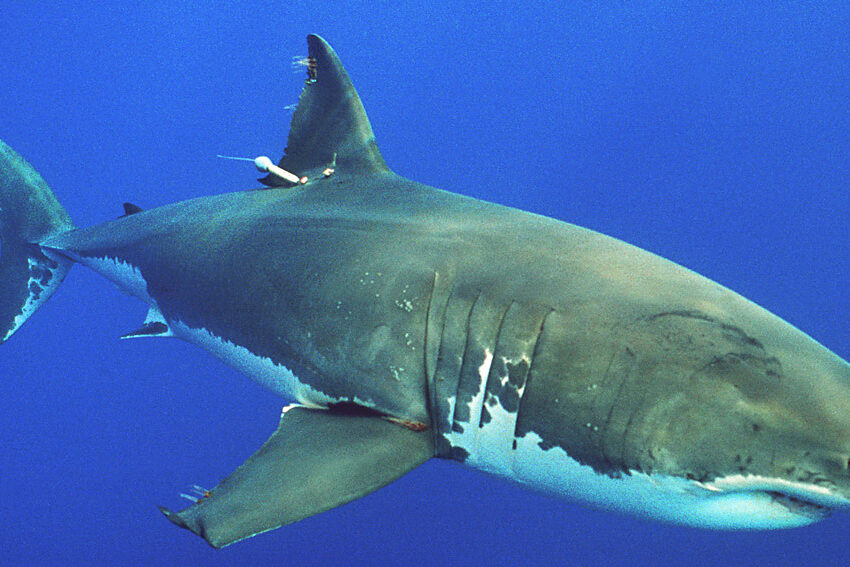
Satellite tags have transformed shark research, yet many tracked sharks suddenly vanish from data records. Sometimes tags fail, but other times the cause is unclear. Did the shark dive deeper than expected, lose the tag, or encounter a predator. These disappearances leave gaps in migration studies and conservation planning. Understanding shark movement is essential for protecting them from overfishing. The mystery reminds researchers that even advanced technology has limits. The ocean does not always reveal its travelers easily, especially those that move through its most remote regions.
13. Living Fossils Still Swimming
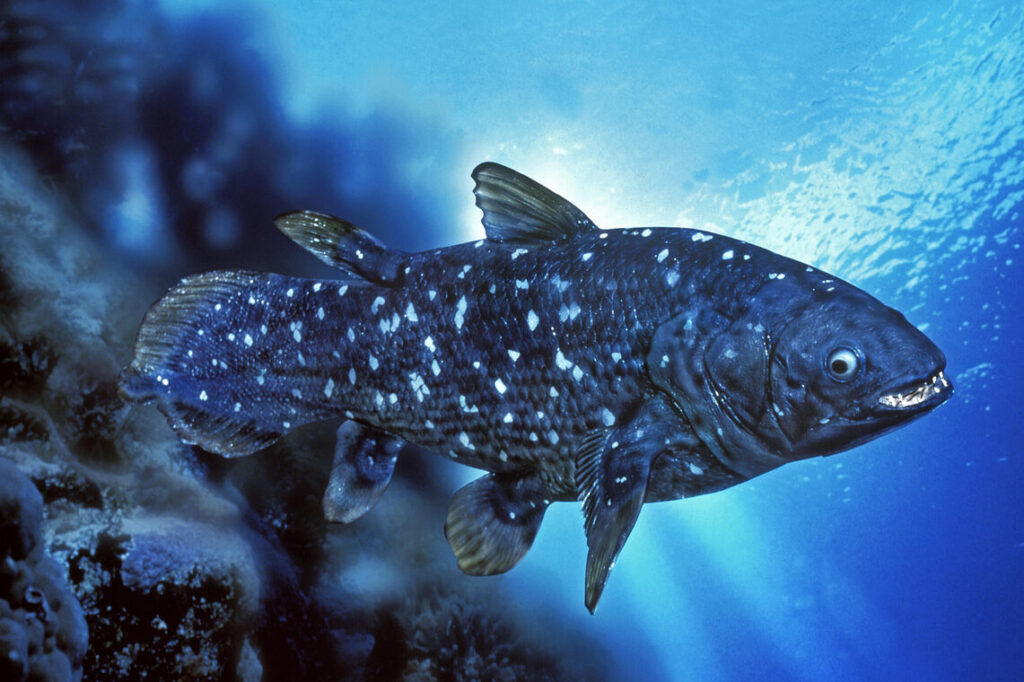
Some marine species were thought extinct until they were found alive in deep waters. These so called living fossils challenge assumptions about survival and extinction. How they remained hidden for millions of years is still unclear. Many live in areas rarely explored by humans. Their existence suggests the ocean can preserve life quietly and patiently. Each discovery reshapes evolutionary history. This mystery offers hope as well as caution. It shows that life can endure, but also that we may lose species without ever knowing they were there.
14. The Ocean’s Changing Chemistry
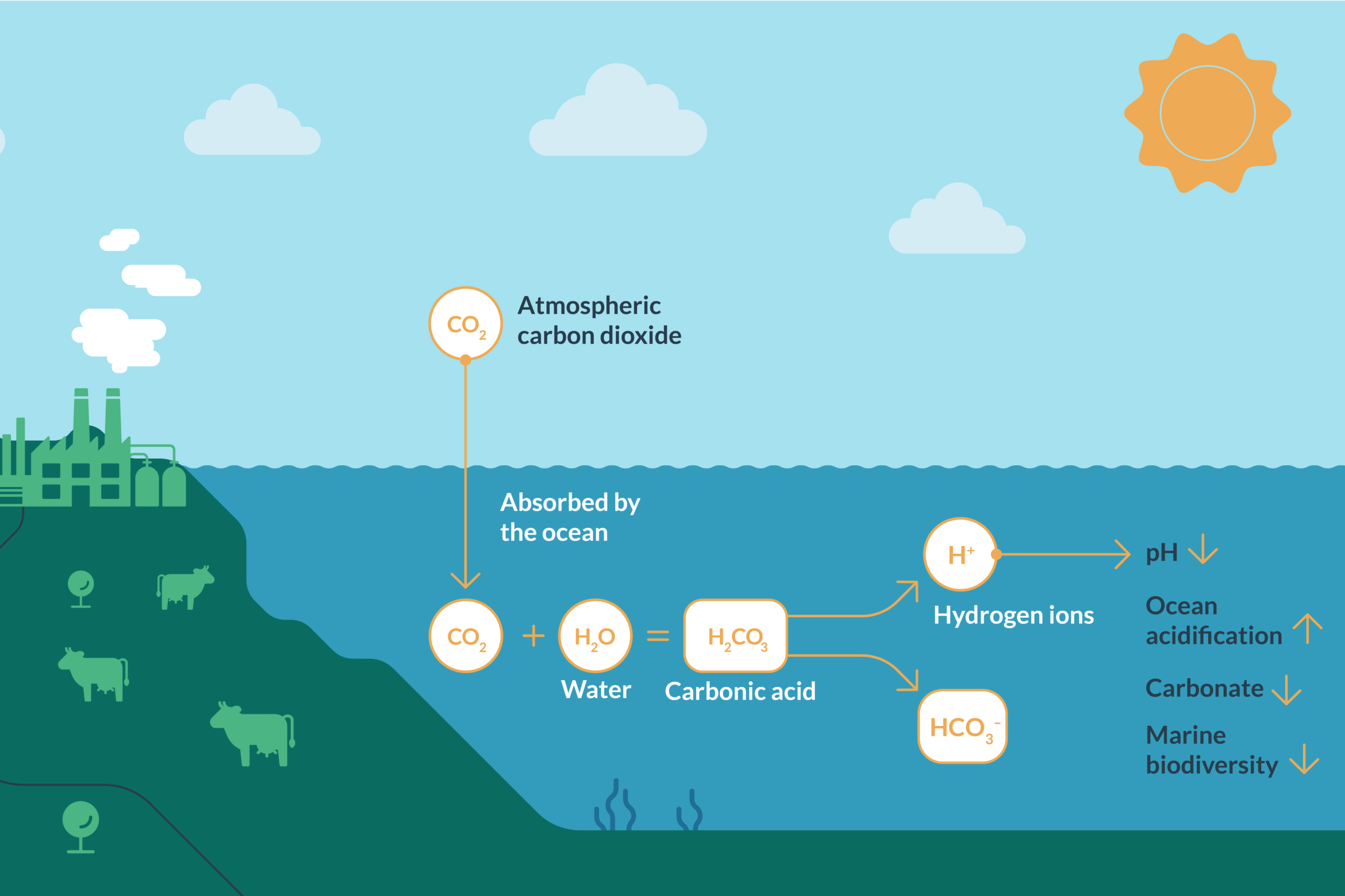
As oceans absorb carbon dioxide, their chemistry shifts in subtle but powerful ways. Scientists know acidity is increasing, yet predicting how ecosystems will respond remains complex. Some species adapt, others struggle. Coral, shellfish, and plankton are particularly affected. The mystery lies in resilience. Which organisms will thrive and which will decline is still uncertain. Understanding these changes is essential for fisheries and food security. The ocean is quietly changing, one molecule at a time. This challenge urges careful observation and thoughtful action from both scientists and communities.
15. The Language of Dolphins

Dolphins communicate using clicks and whistles that appear structured and intentional. Some researchers believe dolphins use unique sounds like names. While patterns have been identified, full understanding remains out of reach. Decoding this communication could change how humans view intelligence in other species. The challenge is listening without projecting human meaning. Dolphins live in social groups with complex relationships. Their conversations may reflect that. This mystery invites humility. It suggests the ocean holds minds as well as bodies, and that understanding them requires patience and respect.
16. The Sudden Loss of Starfish
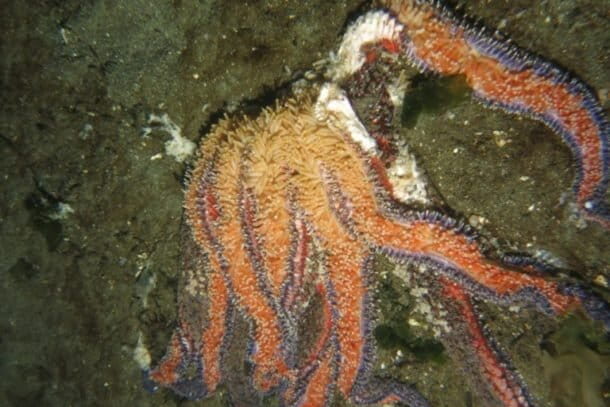
In recent years, starfish populations have collapsed rapidly due to a wasting disease. Scientists are still debating its exact cause. The speed and scale of the decline caught researchers off guard. Starfish play key roles in marine ecosystems, so their loss affects many species. Understanding this disease could prevent future outbreaks. The mystery highlights how quickly balance can shift underwater. It also shows how much remains unknown about marine health. Solving it may help protect not just starfish, but entire coastal ecosystems.
17. The Arctic’s Shifting Food Web
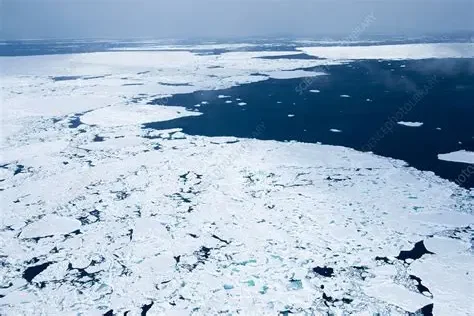
As Arctic ice melts, marine ecosystems are changing. New species move north while others struggle to adapt. Scientists are racing to understand how these shifts affect food webs. Small changes can ripple through the system, altering predator and prey relationships. The challenge lies in predicting long term outcomes. The Arctic ocean is transforming faster than many regions. This mystery reflects the broader impact of climate change. Studying it helps scientists understand how adaptable marine life truly is under pressure.
18. What the Ocean Still Keeps Quiet
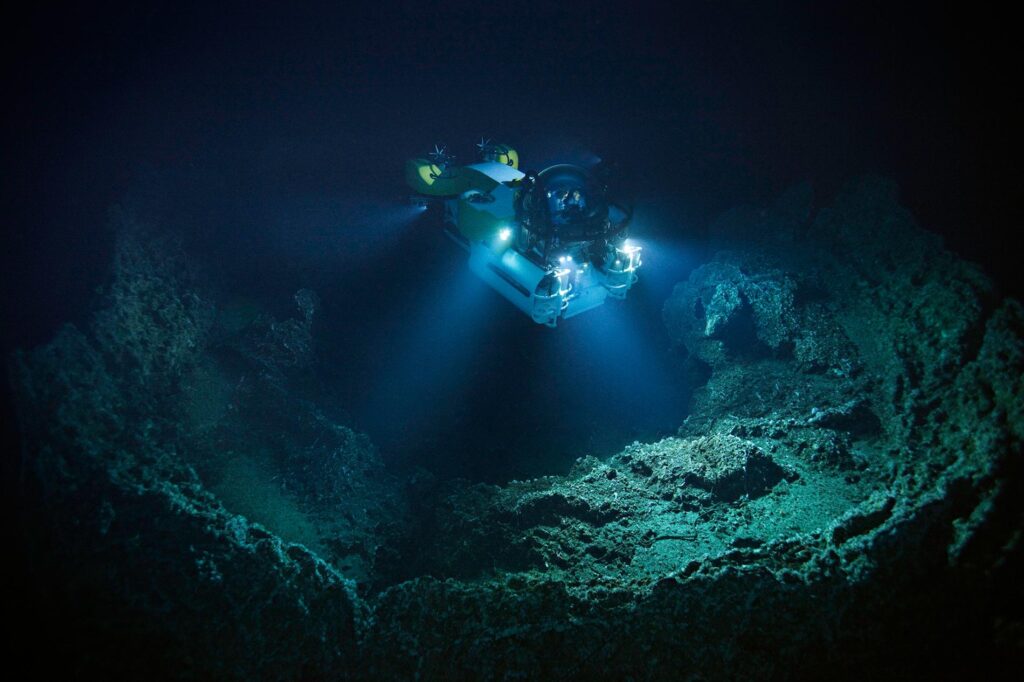
Despite advanced tools, much of the ocean remains unexplored. Marine biologists often say the biggest mystery is how much remains unknown. Each unanswered question invites careful study rather than quick conclusions. The ocean teaches patience and responsibility. As exploration continues, understanding grows alongside respect for what remains hidden. These mysteries are not meant to be solved all at once. They quietly remind us that knowledge expands slowly, shaped by curiosity, observation, and a willingness to accept uncertainty.


