
1. The Octopus That Throws Objects
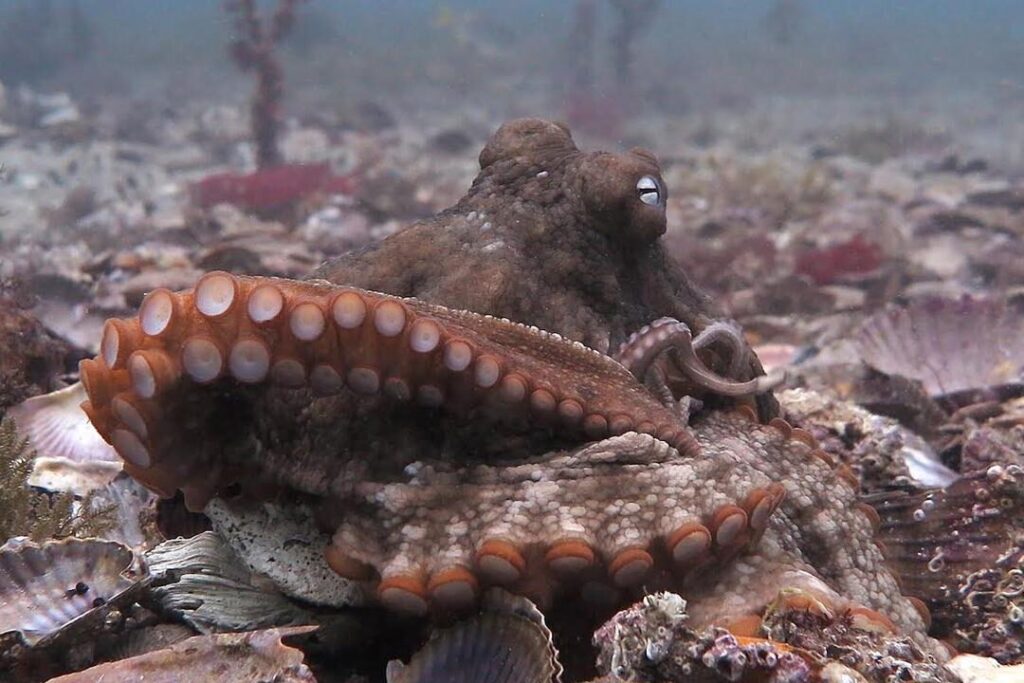
Out in the wild, researchers are still stumbling on moments that quietly change how we see animals, and this one caught them off guard. While observing octopuses in their natural habitat, scientists noticed individuals deliberately picking up shells and debris and tossing them toward nearby fish or other octopuses. This was not random movement. The throws happened during tense interactions, almost like an irritated response. Researchers described it as targeted and repeated, suggesting intention. Watching an octopus react this way felt strangely relatable. It hinted at emotional expression and awareness that goes beyond instinct, reminding observers that intelligence in the wild often shows up in unexpected, human feeling ways.
2. Birds That Sunbathe in Order

While studying small birds in open woodland areas, researchers noticed something quietly unusual. Instead of scattering randomly, birds lined up along branches to sunbathe together. Each bird waited for space, adjusted its wings, then settled calmly. There was little pushing or conflict. The behavior seemed tied to warmth and parasite control, but the cooperation stood out most. Observers noted how birds shifted positions smoothly, almost respectfully. Watching it felt peaceful, like a shared routine everyone understood. It challenged the idea that wild animals are always chaotic or competitive. Sometimes survival includes patience, timing, and a surprising sense of order that unfolds without any noise at all.
3. Dolphins Wearing Sponges
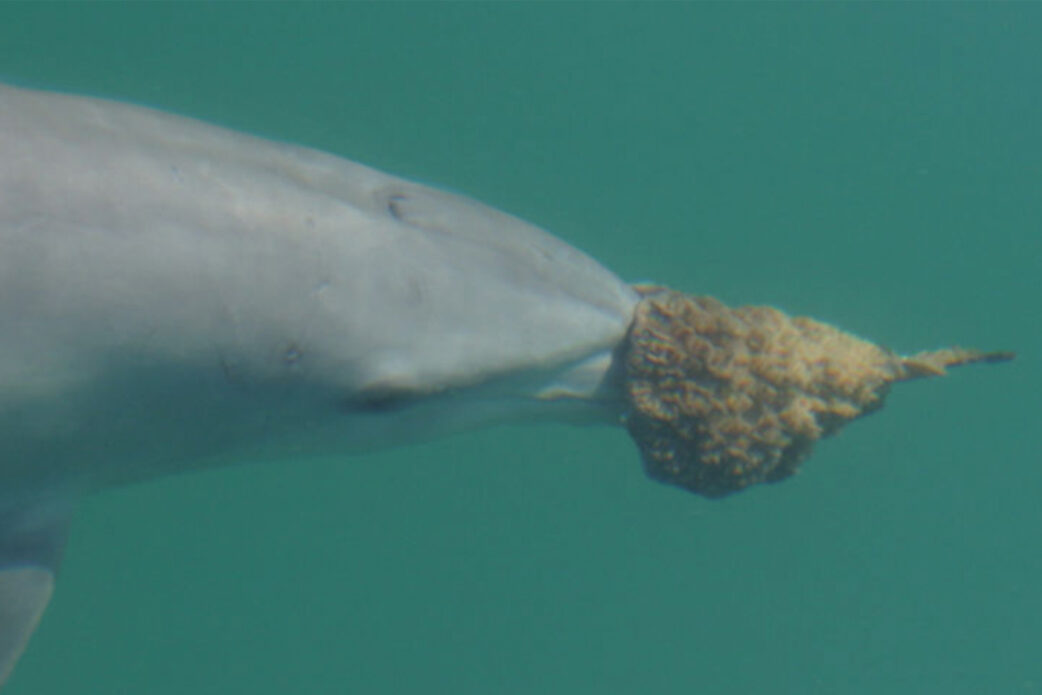
Marine researchers following dolphins off the coast noticed some individuals carrying sea sponges on their snouts while foraging. At first it looked playful, but repeated sightings revealed purpose. The sponge protected the dolphin’s nose from sharp rocks while searching for food. What stood out was how younger dolphins appeared to learn this behavior by watching older ones. It was not instinct alone. It was passed on. Researchers described it as a form of culture in the ocean. Seeing dolphins adapt their environment this way made the behavior feel familiar, like learning a family trick. It quietly showed how intelligence can be shared without words.
4. Ants Treating Aphids Like Livestock
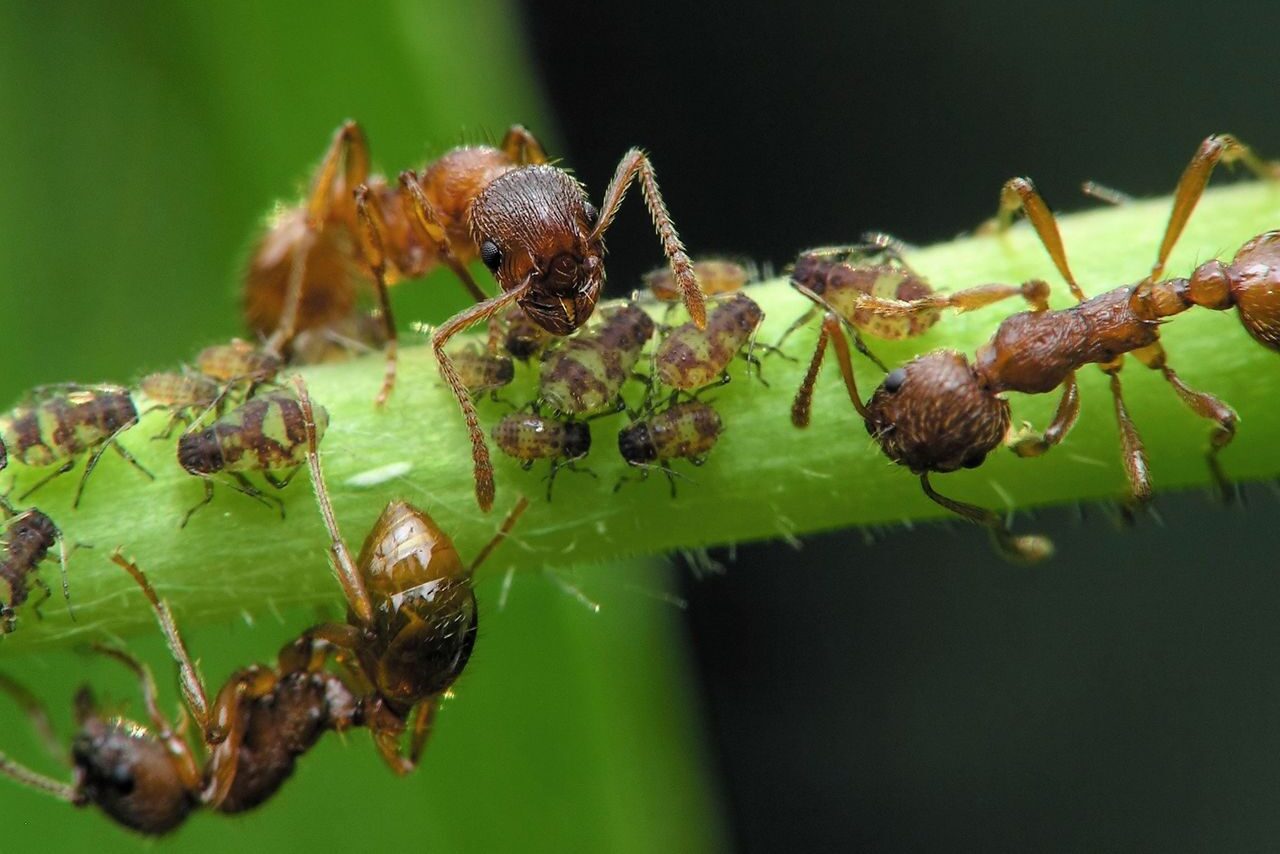
In fields and forests, researchers observed ants doing something that felt surprisingly organized. Ants protected aphids from predators and gently stimulated them to release sugary honeydew. In return, the ants gained food. They even moved aphids to safer plants when conditions changed. Scientists described it as a mutual relationship built on cooperation. Watching tiny ants manage resources so carefully felt almost agricultural. This behavior likely evolved over long periods, shaping entire ecosystems without notice. It reminds us that planning and partnership exist at every scale. Sometimes the most complex systems are running quietly beneath our feet, unseen but incredibly effective.
5. Wolves Playing With Ravens
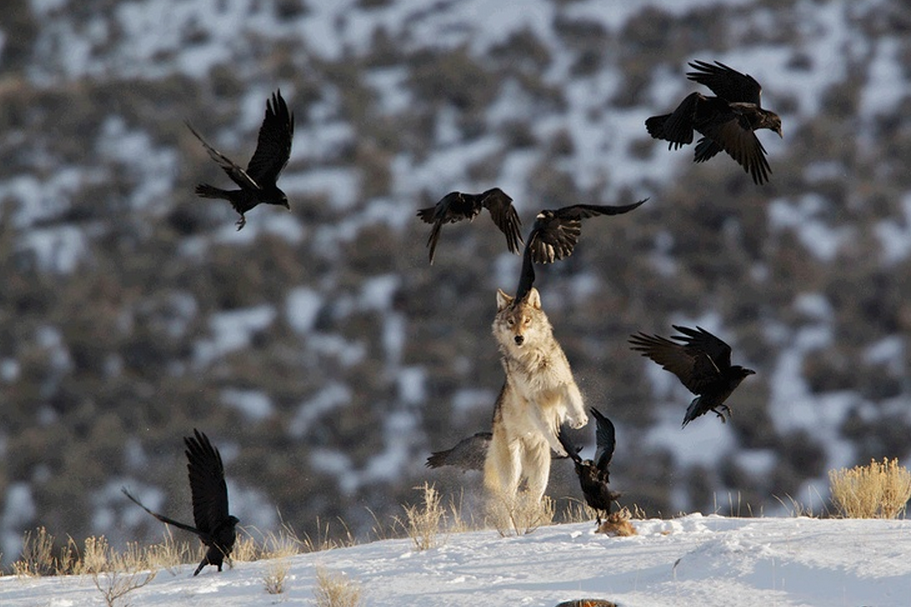
Researchers tracking wolves noticed ravens repeatedly approaching them in ways that looked playful. Ravens tugged at fur or hopped nearby while wolves reacted with surprising tolerance. Instead of aggression, there were moments of shared movement and curiosity. Scientists suggested the birds benefit by following wolves to food, but the interactions seemed to go beyond usefulness. Observers described it as mutual engagement rather than threat. Watching this dynamic unfold felt unexpected and warm. It challenged the idea that wild relationships are always about dominance. Sometimes different species interact simply because curiosity and familiarity create space for something that looks a lot like play.
6. Elephants Visiting Their Dead
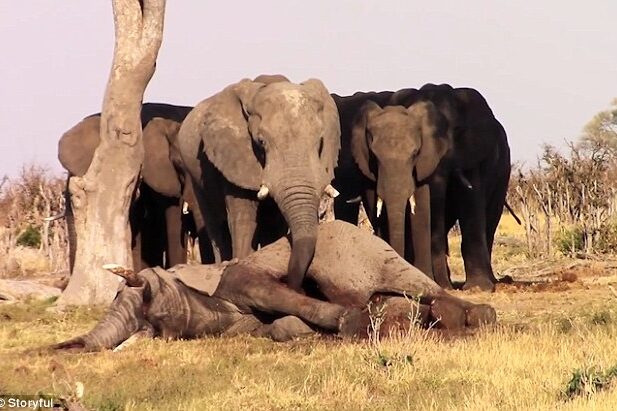
During long term field studies, researchers observed elephants returning to the remains of deceased herd members. They touched bones gently with their trunks and stood quietly for long periods. Some returned years later to the same locations. Scientists described the behavior as deliberate and calm, suggesting memory and emotional awareness. Watching these moments was deeply moving, even for seasoned researchers. There was no chaos, only presence. It hinted that elephants experience loss in a way that shapes their social bonds. These observations gently remind us that grief is not exclusive to humans. It exists in the wild, expressed through quiet, meaningful rituals.
7. Fish That Recognize People
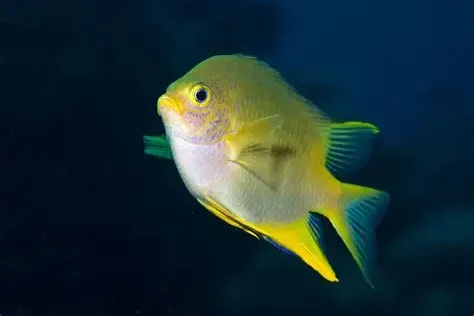
While diving repeatedly in the same locations, marine researchers noticed certain fish behaving differently around specific individuals. Some fish approached familiar divers while avoiding others. Over time, it became clear the fish were recognizing humans as individuals, not just shapes. Scientists found this surprising given assumptions about fish memory. The behavior changed how researchers viewed their presence underwater. Being recognized created an unexpected sense of relationship. It suggested awareness and learning happening continuously beneath the surface. These moments reminded observers that intelligence does not always announce itself loudly. Sometimes it simply swims closer, acknowledging a familiar presence in shared space.
8. Monkeys Washing Their Food
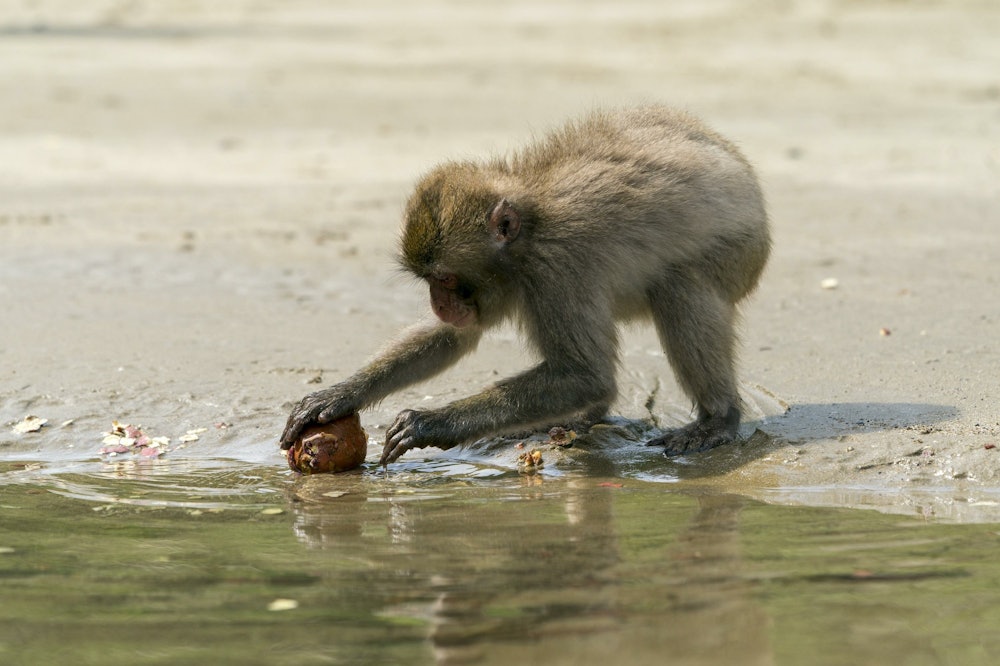
In wild monkey populations, researchers recorded individuals carefully washing sandy food in streams before eating. This was not random splashing. The monkeys adjusted their methods depending on water depth and food type. Younger monkeys learned by watching adults, repeating the behavior over time. Scientists described it as learned problem solving passed through observation. Watching monkeys clean their food felt oddly domestic, like a shared habit developed for comfort and safety. It showed how intelligence often appears in practical routines rather than dramatic displays. These small acts reveal how animals adapt daily life to make survival just a little easier.
9. Spiders Redesigning Their Webs
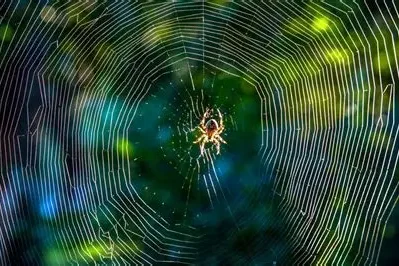
Researchers studying spiders noticed some individuals adding extra silk patterns or debris to their webs. At first it seemed decorative, but patterns changed depending on location and threat. Scientists found these designs could attract prey or discourage predators. What stood out was flexibility. The spiders adjusted their work based on environment. Watching a web slowly evolve felt intentional, not automatic. It showed awareness of surroundings and response to change. These observations challenged the idea of web building as fixed instinct. Sometimes survival depends on small creative adjustments, quietly woven into daily effort without any audience to applaud the design.
10. Whales Changing Their Songs
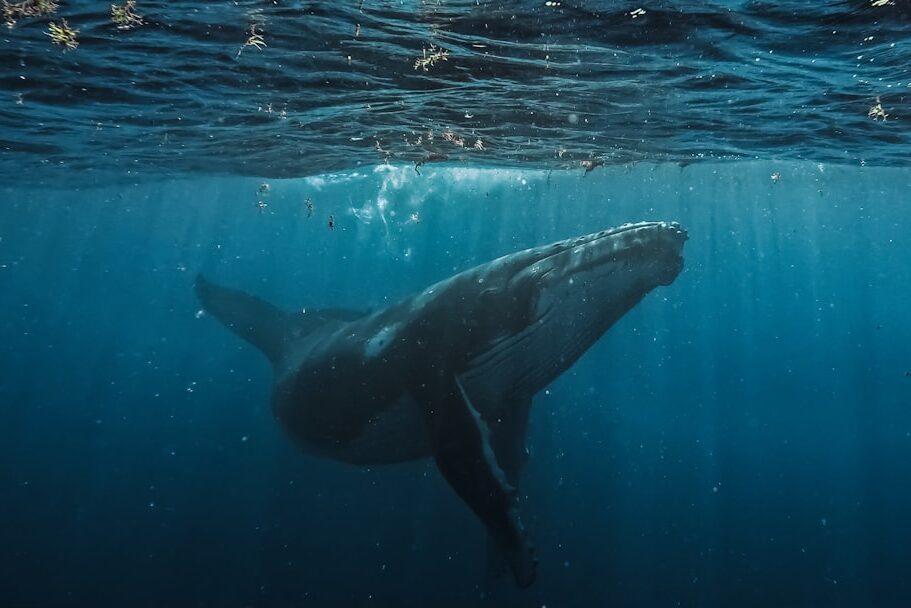
Marine biologists recording whale songs noticed sudden shifts spreading across populations. New rhythms and patterns appeared and were adopted by groups within months. Researchers described it as cultural transmission rather than random noise. Listening to recordings felt like hearing a shared language evolve. These songs were not static calls but living expressions shaped by social connection. Watching this change unfold across oceans reminded scientists that communication in the wild can be dynamic and collective. Whale songs carry more than sound. They carry connection, memory, and adaptation. It quietly reshapes how we think about culture, showing it exists far beyond human communities.
11. Crocodiles Using Sticks as Bait
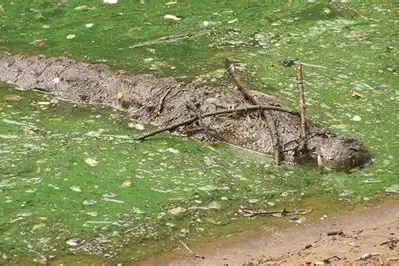
Field researchers observed crocodiles balancing sticks on their snouts during bird nesting seasons. Birds searching for nesting material approached, unaware of the danger. Scientists noted the timing was specific, happening only when birds needed sticks. This suggested planning rather than chance. Watching a crocodile remain perfectly still while waiting felt unsettling but fascinating. It showed patience and awareness of seasonal behavior in other animals. Researchers began to reconsider how much foresight reptiles possess. Survival here was not about speed or strength. It was about understanding patterns and waiting for the right moment to act quietly.
12. Bees Making Group Decisions
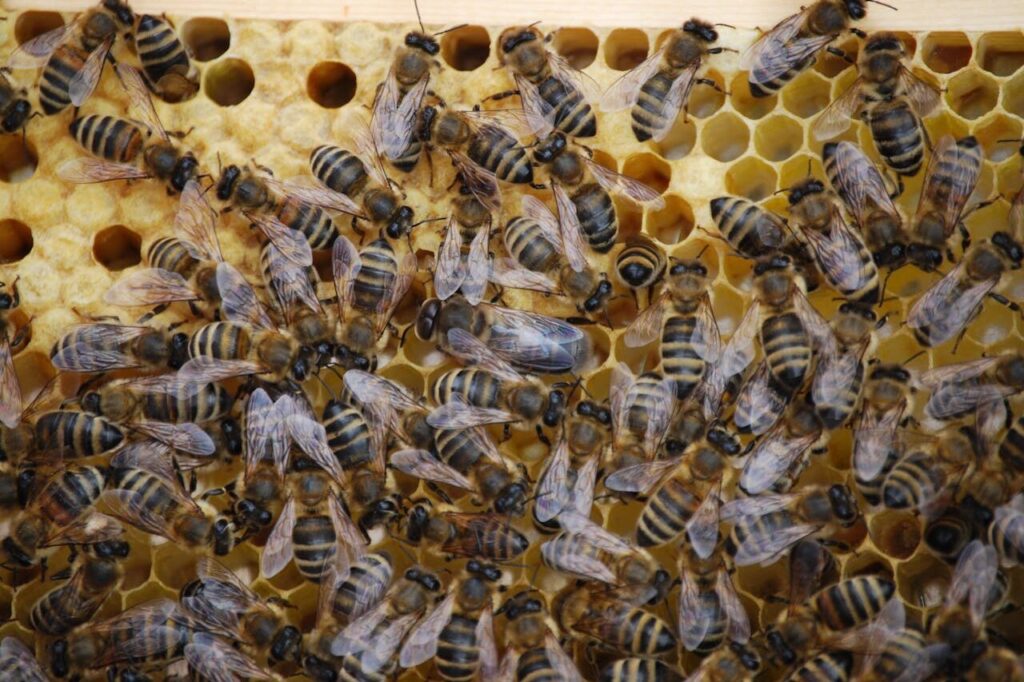
When honeybee colonies searched for new homes, researchers observed scouts performing dances to communicate potential sites. Over time, support shifted until the group reached consensus. Scientists described it as collective decision making driven by shared information rather than leadership. Watching the process unfold felt orderly and calm. Each bee contributed, and the group responded. There was no central authority, only cooperation. This behavior challenged ideas about intelligence needing hierarchy. Sometimes complex choices emerge through simple signals and patience. It showed how collaboration can guide survival efficiently, even among tiny creatures working quietly toward a common goal.
13. Deer Freezing Near Trains
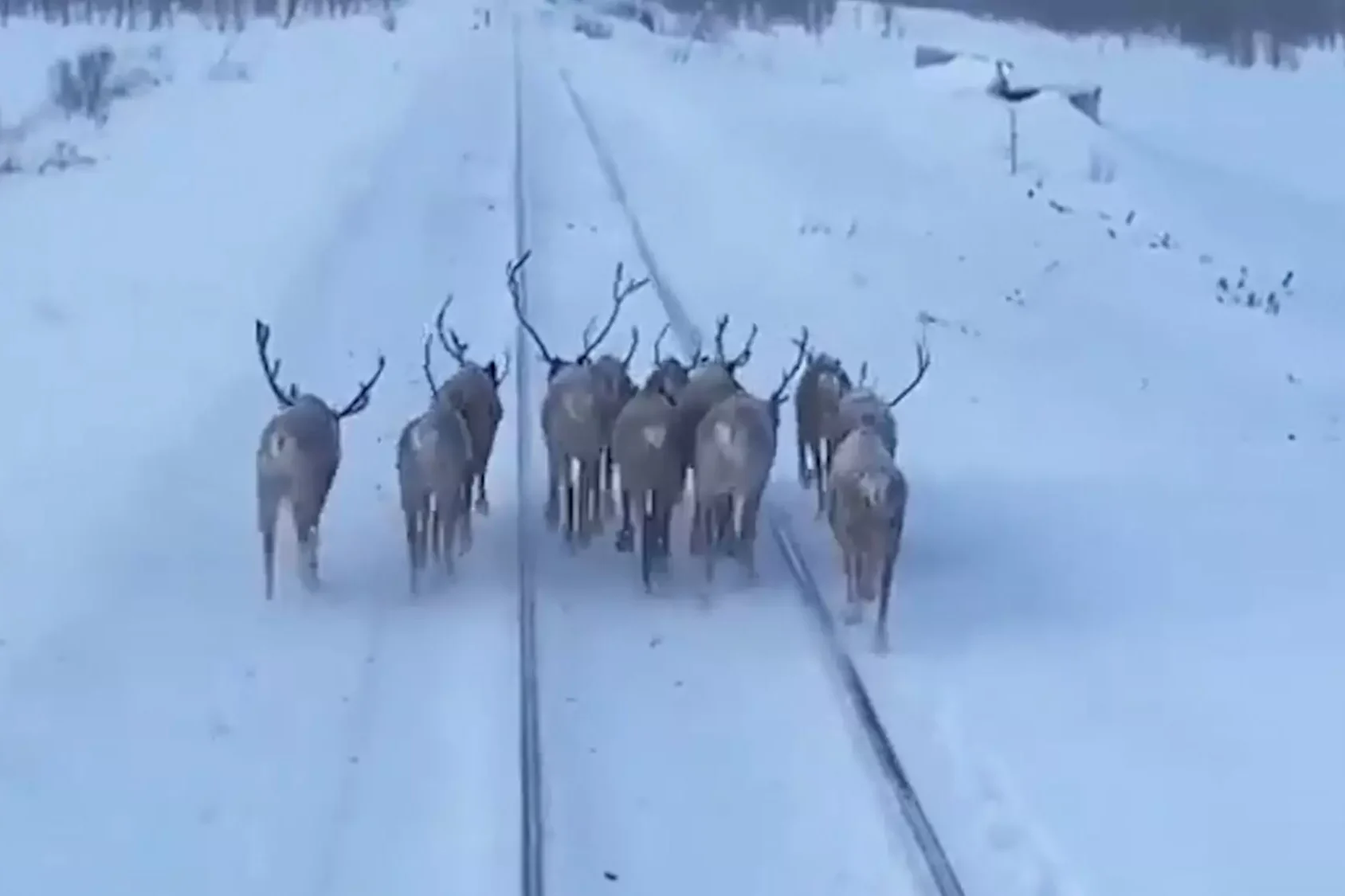
In areas near railway lines, researchers noticed deer responding to passing trains by freezing rather than fleeing. Instead of running, they stood still until the noise faded. Scientists suggested this behavior developed over generations as an adaptive response. Running could lead to danger, while stillness offered safety. Watching deer calmly endure the thunder of trains felt surreal. It showed how wildlife quietly adjusts to human environments without confrontation. These moments remind us that adaptation does not always look dramatic. Sometimes survival means learning when not to move, waiting patiently for the world to pass by before continuing on.
14. Penguins Sharing Pebbles
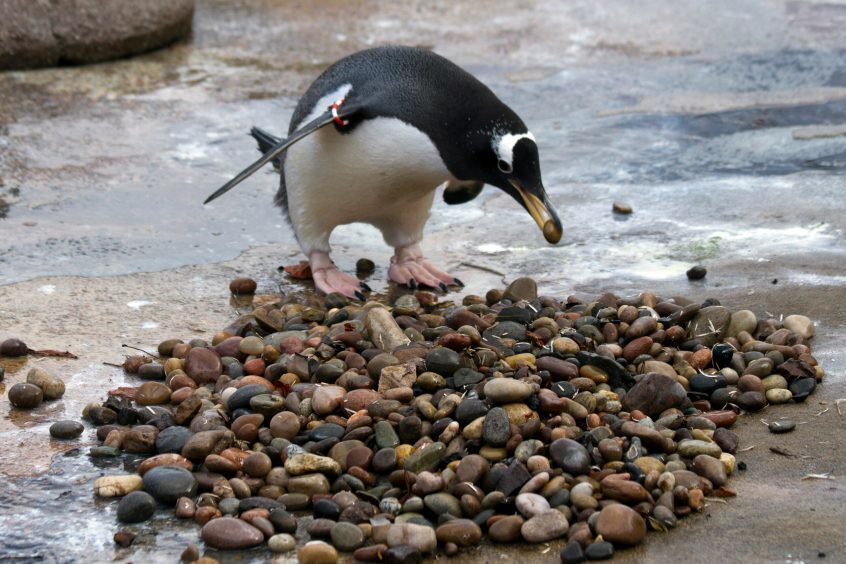
Researchers studying penguin colonies noticed a quiet habit that felt oddly familiar. When building nests, penguins often took pebbles from nearby nests, yet the exchanges rarely turned aggressive. Instead, penguins waited, sidestepped, and sometimes returned later, as if respecting unspoken rules. Scientists observed that pebbles were essential for keeping eggs dry, which made them valuable. Still, outright conflict was rare. Watching these interactions felt like observing shared space negotiations. The behavior suggested that social harmony mattered even during competition. It showed that survival does not always require force. Sometimes it depends on restraint, timing, and understanding nearby neighbors calmly together.
15. Foxes Playing with Objects
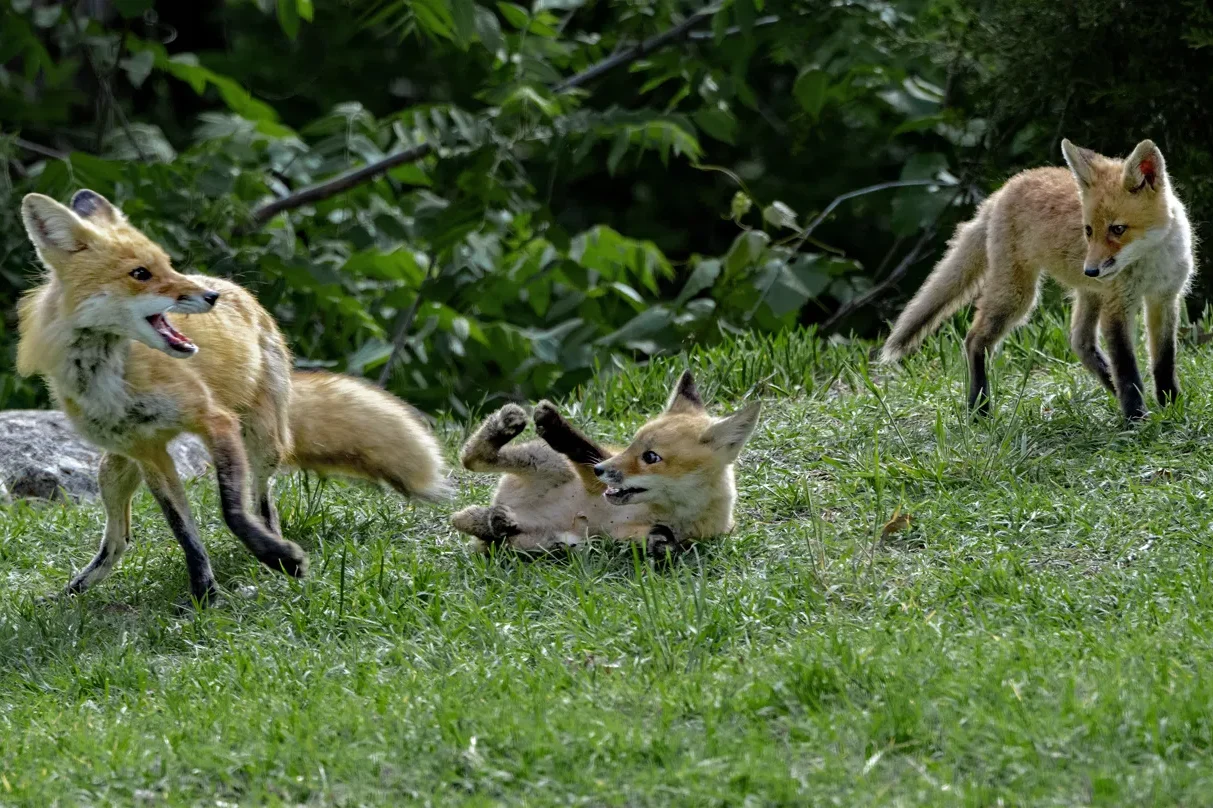
Researchers watching wild foxes recorded moments that felt surprisingly lighthearted. Foxes were seen tossing sticks, carrying shoes, and pouncing on discarded objects without any clear purpose. This play did not involve hunting or defense. Scientists believed it helped develop coordination and curiosity. Watching a fox pause to play made the landscape feel less harsh. It suggested that joy and learning coexist in the wild. Researchers noted that younger foxes played more often, refining skills through repetition. These playful moments reminded observers that not every action in nature is urgent. Sometimes exploration itself supports growth and adaptability over time.
16. Fish Cleaning Large Predators
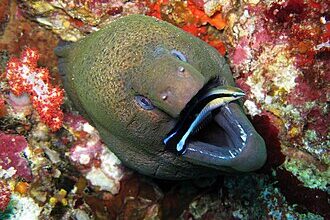
Marine researchers observed small cleaner fish entering the mouths of large predatory fish without fear. The predators remained still, allowing parasites to be removed. Scientists described this as a relationship built on trust and routine. Watching it unfold felt tense yet calm. Both species benefited, creating balance rather than dominance. Researchers noted that predators recognized specific cleaner fish and returned regularly. This cooperation challenged ideas about constant aggression in the ocean. Survival here relied on restraint and mutual benefit. These quiet exchanges showed how even dangerous animals can participate in peaceful systems when cooperation serves everyone involved consistently.
17. Frogs Switching Parenting Roles
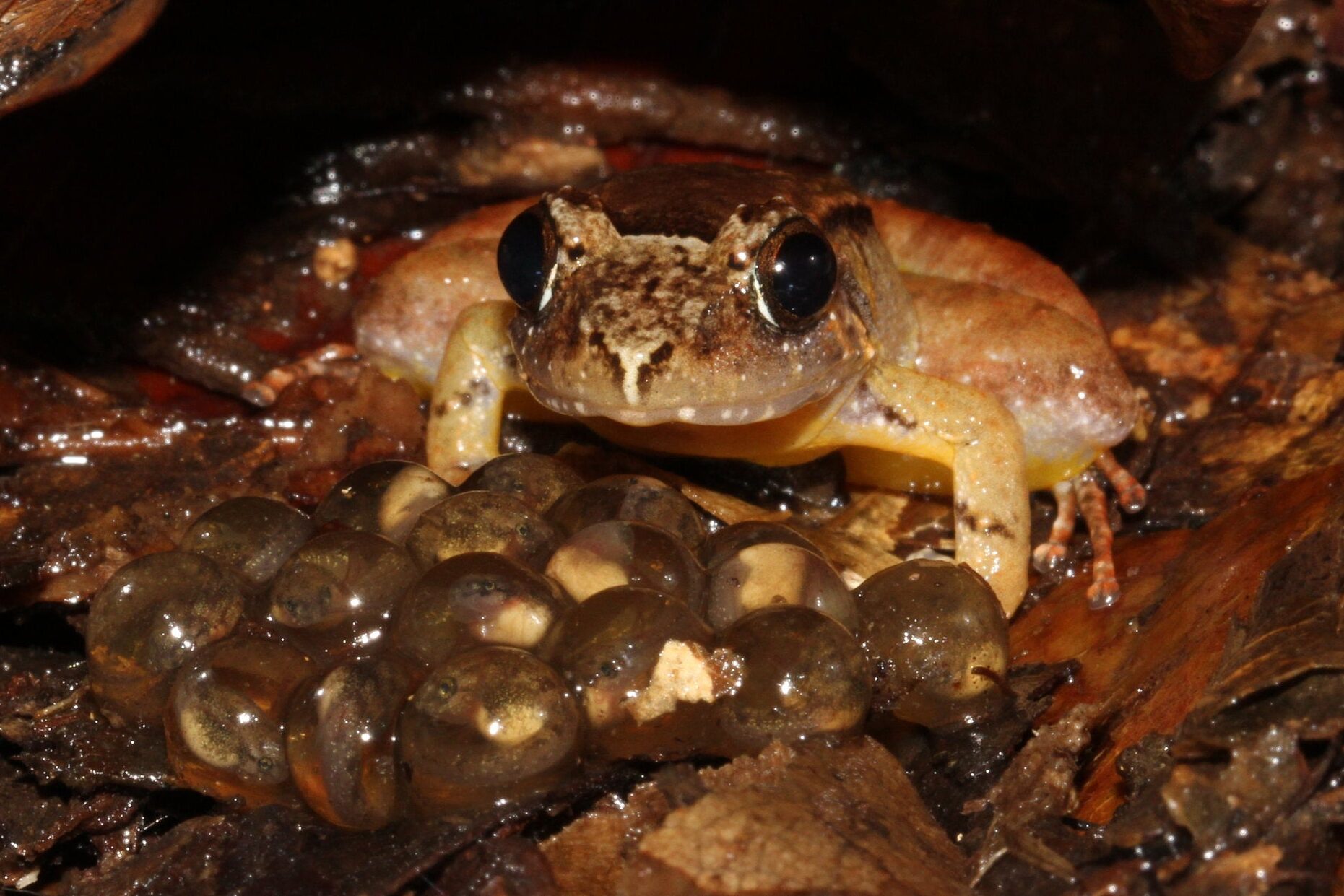
In certain frog species, researchers observed males taking over egg care when females disappeared. This was not rare or chaotic. The males guarded eggs, kept them moist, and adjusted behavior based on conditions. Scientists noted that flexibility increased survival rates. Watching parenting roles shift felt practical rather than symbolic. Nature adapted without hesitation. Researchers saw this as evidence that rigid roles are not always useful. Survival favored responsiveness instead. These observations highlighted how adaptability often matters more than tradition. When conditions change, successful species respond quickly, ensuring the next generation survives despite unexpected challenges in their environment.
18. Seals Mimicking Human Sounds
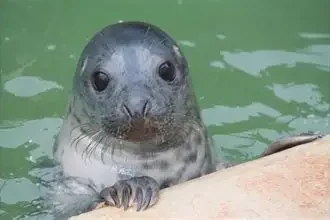
Researchers working near seal populations noticed individuals imitating human speech patterns. The seals matched rhythm and tone rather than exact words. Scientists believed this showed advanced auditory learning. Hearing familiar sounds echoed back felt strange and memorable. Researchers noted that seals seemed to enjoy the interaction. This behavior blurred the line between animal and human communication. It suggested curiosity and social engagement. Watching seals respond vocally made researchers reconsider how animals perceive sound. Communication here was playful and adaptive, showing that learning can happen across species when environments overlap naturally.
19. Horses Forming Lasting Friendships
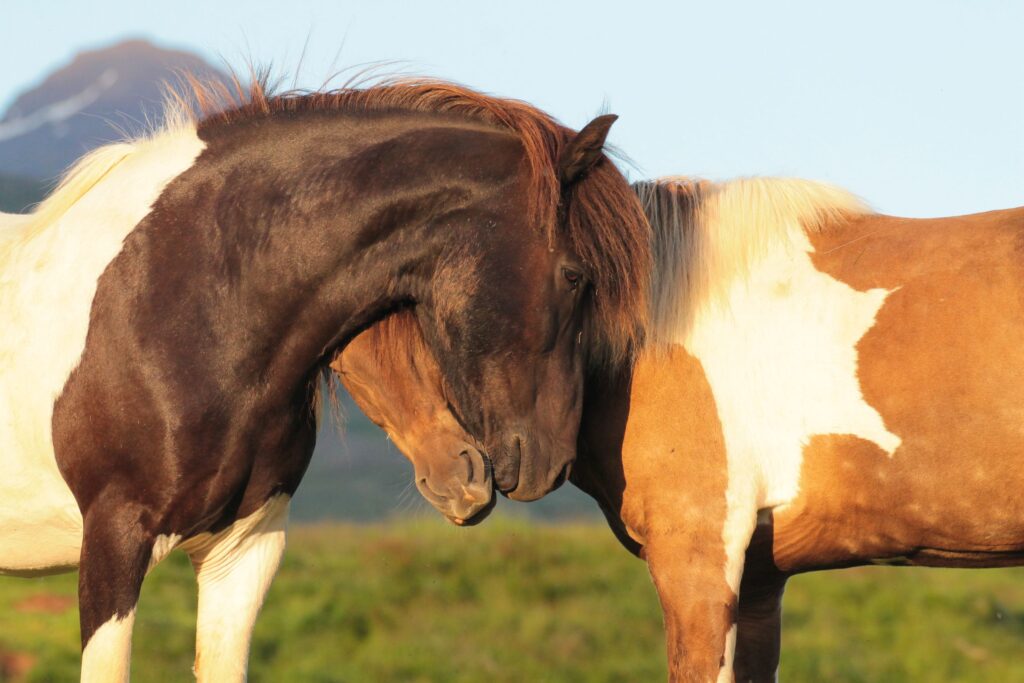
Field studies of wild horses revealed strong, long term bonds between specific individuals. Horses consistently chose the same companions for grazing, resting, and movement. Researchers observed lower stress levels among bonded pairs. Watching horses stand quietly together felt intentional and calm. These friendships were not random. Scientists believed they supported emotional stability and group cohesion. The behavior challenged views of herd life as purely functional. Social connection played a role in survival. These bonds showed that companionship offers real benefits, helping animals navigate challenges more effectively through familiarity and trust over extended periods.
20. Lizards Changing Color to Communicate
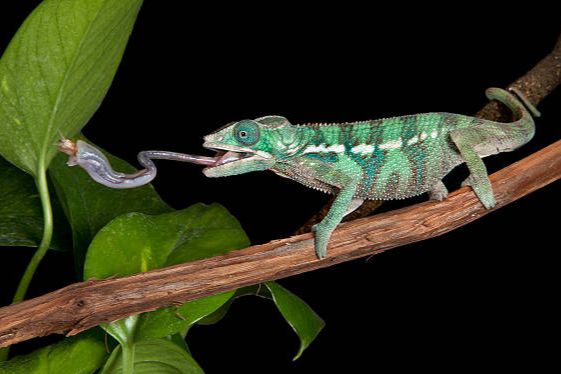
Researchers observed lizards shifting color during social interactions, unrelated to temperature changes. These shifts signaled dominance, submission, or readiness to mate. Scientists described it as visual communication. Watching color ripple across a lizard’s body felt expressive. It allowed interaction without physical conflict. Researchers noted that color changes reduced aggression within groups. This behavior showed how communication adapts to environment. Not all signals require sound or movement. Sometimes survival depends on being seen and understood quickly. These subtle changes revealed a quiet language written directly on the body.
21. Otters Holding Hands While Resting
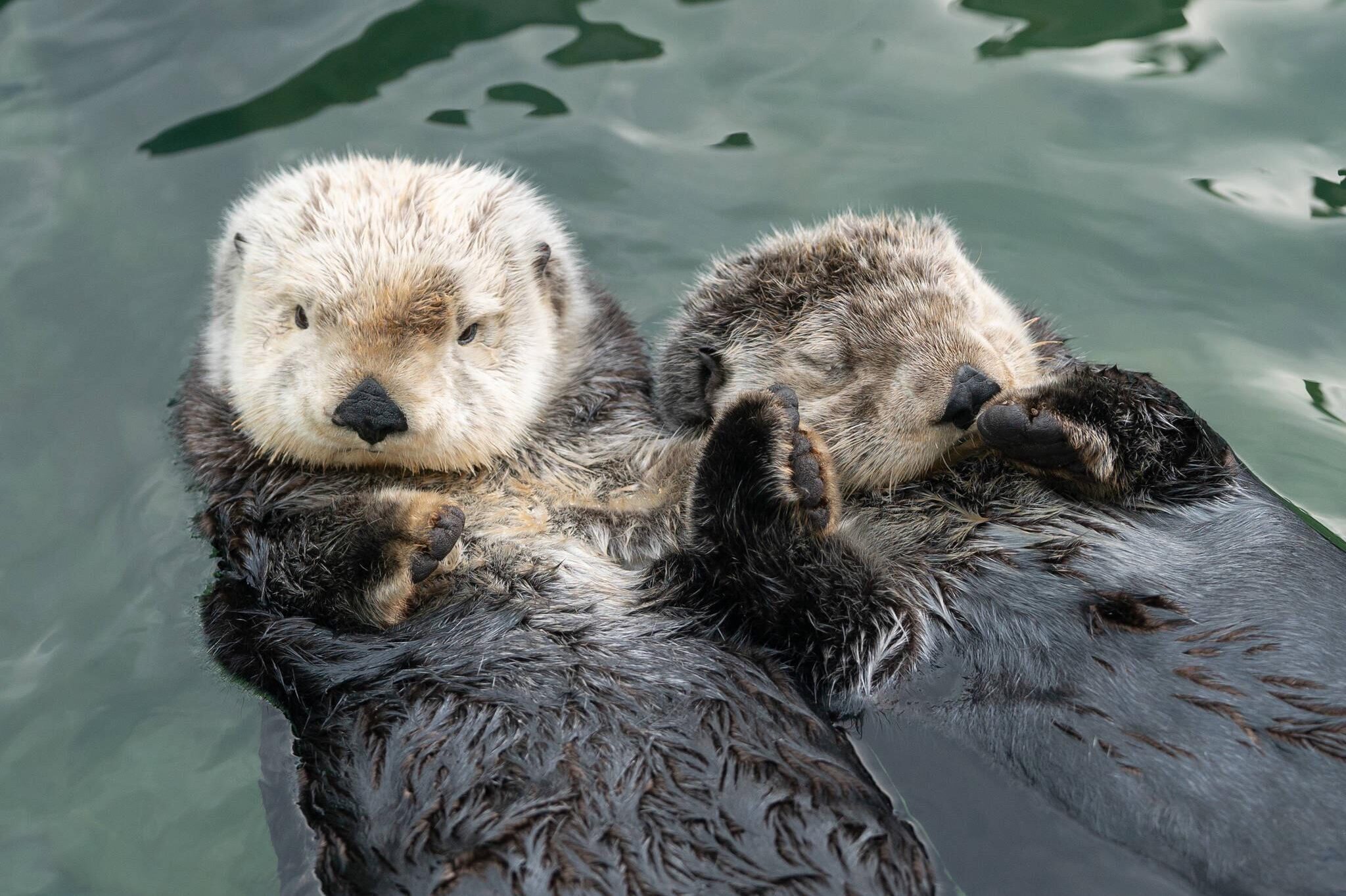
While observing sea otters, researchers noticed individuals holding hands while floating. This prevented them from drifting apart while sleeping. Scientists believed it strengthened social bonds and improved group safety. Watching the behavior felt tender and practical. It showed how closeness serves survival. Otters adjusted positions without waking, maintaining contact. Researchers noted that younger otters learned this behavior early. It reminded observers that connection can be both emotional and functional. Sometimes staying together is the simplest solution. These moments quietly showed how care and awareness support life in unpredictable environments.
22. Birds Using Traffic to Crack Nuts
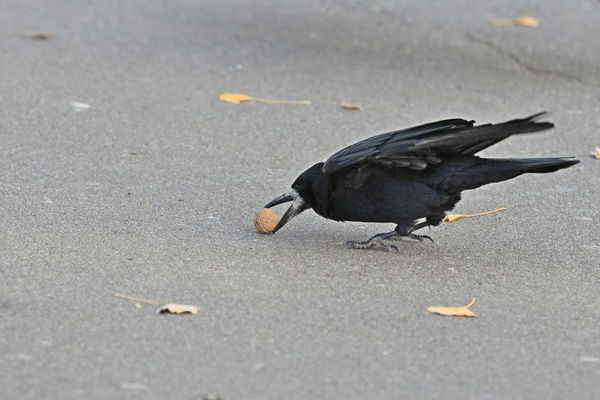
Urban researchers noticed birds dropping hard shelled nuts onto busy roads. After cars cracked them, the birds waited for traffic to clear before retrieving the food. Scientists observed careful timing and awareness. This behavior showed problem solving shaped by human environments. Watching birds adapt so smoothly felt impressive. They adjusted routines without panic. Researchers believed learning spread through observation. This adaptation showed flexibility rather than fear. Survival did not require escape from change. Instead, it required understanding patterns. Birds turned obstacles into tools, quietly reshaping daily habits to match a changing world.
23. Chimpanzees Sharing Food After Conflict
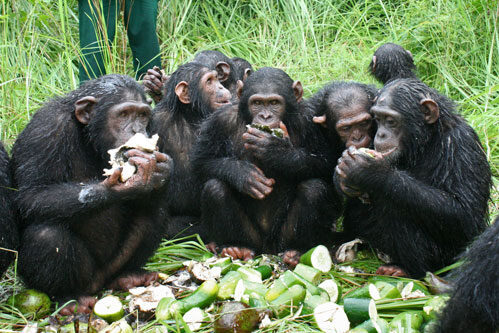
Researchers studying chimpanzees observed former rivals sharing food shortly after disputes. This behavior reduced tension and restored social balance. Scientists believed reconciliation helped maintain group stability. Watching chimpanzees eat together after conflict felt grounding. It showed that repair mattered as much as dominance. These moments suggested awareness of group harmony. As researchers reflected on such behaviors across species, it became clear that survival often depends on connection, flexibility, and understanding. If these stories stayed with you, keep paying attention to the natural world around you. There is always more unfolding quietly, waiting to be noticed and appreciated.


