
1. The Quiet Shift Into A New World

Before we even start listing changes, it helps to notice how silently life moved around us. Twenty years slipped by, and somehow everything is different without feeling like it arrived all at once. Routines shifted, habits softened, and the tools we use every day replaced older ones. Nothing came loudly, it simply blended into daily life until it felt normal. This list walks back through those quiet shifts and how they shaped our days, reminding us that big change often hides in small moments we barely notice while we are busy living them each passing day teaches us something new.
2. Phones Became Our Constant Companions

There was a time when phones sat on tables and only rang for important reasons. Slowly they turned into cameras, planners, alarms, notebooks, and entertainment that travel with us everywhere. We reach for them automatically, checking messages and photos while we move through the day. They organize our schedules and capture memories we might forget. At the same time they ask for attention we never planned to give. Without noticing when it happened, our phones stopped being simple tools and quietly became companions that shape how we think, how we spend time, and how we remember ordinary life each day.
3. Social Media Became the New Meeting Place
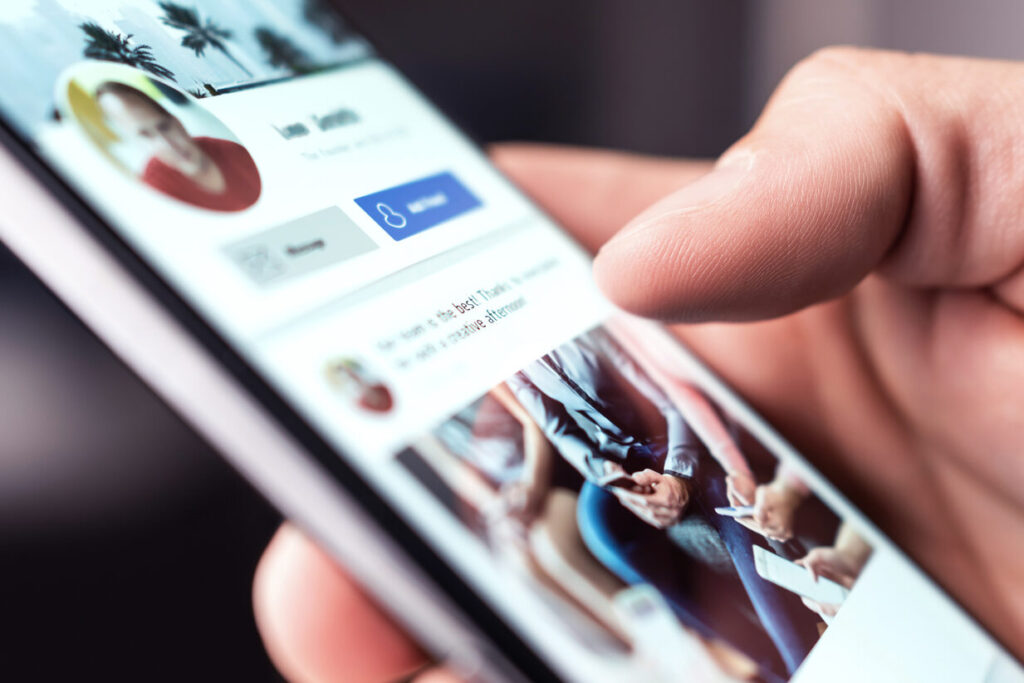
Once spending time with people meant sitting together, sharing stories, and hearing laughter in real spaces. Today much of friendship unfolds on screens where birthdays, opinions, memories, and jokes flow through endless scrolling. We feel close to distant friends yet sometimes far from those beside us. Posting becomes conversation, and replies arrive at any hour. Social media changed how relationships begin and how they stretch over time. It offers connection and comparison together, which shapes confidence, mood, and identity in quiet ways we often overlook until we step back and notice what our hearts truly need again to feel steady.
4. Shopping Slipped into Our Homes

Shopping once meant traveling to stores, touching items, asking questions, and walking out with bags or nothing at all. Little by little, it moved into our living rooms. Now we browse, compare prices, and order without leaving home. Packages arrive quietly and the trip disappears. Convenience grew while local streets changed around us. We stopped thinking about distance and started thinking about speed. Buying turned into something quick, private, and almost invisible, shaping habits in ways we barely notice. What felt like a simple upgrade slowly rewrote weekends, errands, and how we decide what we really need at this point.
5. Work Slowly Followed Us Home

There used to be a clear line between work and home. You closed the door, left the building, and the day was finished. Gradually laptops, emails, and meetings followed us back to kitchens and bedrooms. Some people gained flexibility while others felt always available. Commutes disappeared yet rest became harder to protect. The idea of workplace turned elastic and touched family routines in unexpected ways. Without one dramatic moment, work blended into personal hours and gently changed how we think about time, success, and the fragile space where life tries to breathe when everything else feels crowded and unclear today.
6. Streaming Quietly Replaced Waiting

Not long ago we planned evenings around television schedules and movie rentals. Today whole libraries sit inside devices and wait for us whenever we are ready. We choose what to watch pause rewind and finish later without missing anything. Shelves of discs slowly disappeared, and family routines shifted with them. It is easier and comfortable, but sometimes we miss the excitement of sharing one moment together. Streaming changed how stories travel, how we relax after long days, and how easily we move from one episode to the next. It quietly fits whatever mood we carry into the night so easily
7. Photos Became Everyday Moments
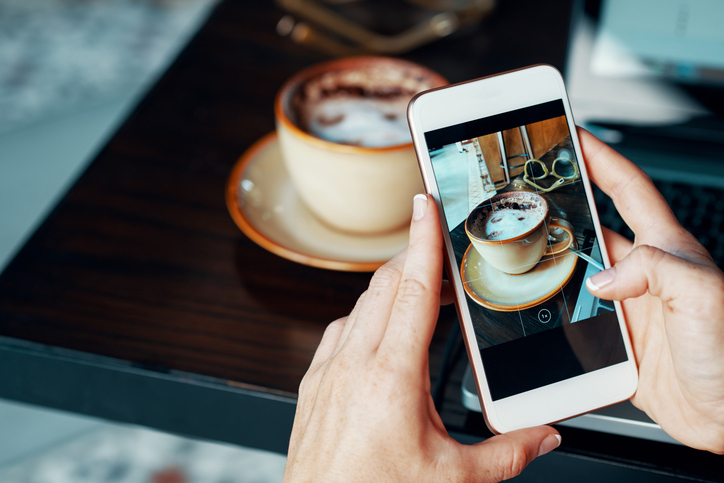
There was a time when taking pictures felt rare and almost ceremonial. We saved film, posed carefully, and waited days to see what turned out. Now we capture everything from breakfasts to sunsets without thinking twice. Our phones collect thousands of memories and store them quietly in clouds and folders. It is wonderful to remember so much, yet it can pull us away from simply being present. Photos became part of our routine, not just celebrations, and the story of our lives now grows picture by picture as days unfold around us inviting us to notice moments again later gently
8. Travel Began Feeling Closer

Travel once felt distant, expensive, and reserved for rare occasions. Over time simple booking tools, shared advice, and cheaper options opened doors for more people. Trips that seemed impossible slowly became reachable. We explored cities we had only seen in books and gathered memories from different cultures. At the same time some places grew crowded and familiar spaces changed. Travel slipped into normal life and became something many of us dream about each year. It reminds us that the world is wider than our routines and quietly shapes how we imagine our future plans long after each journey ends quietly
9. Conversations Moved onto Screens

There was a time when most conversations happened face to face and lasted as long as they needed. Today messages arrive in short bursts while we cook, walk, or work. We reply quickly, save thoughts for later, and sometimes forget what we meant to say. It keeps us connected but also makes attention feel divided. Tone is easier to misunderstand and feelings can slip through the gaps. Still we rely on it every day. This quiet shift changed friendships and family rhythms in ways we are still learning to understand as our habits reshape how real conversations begin with care
10. Maps Turned into Personal Guides
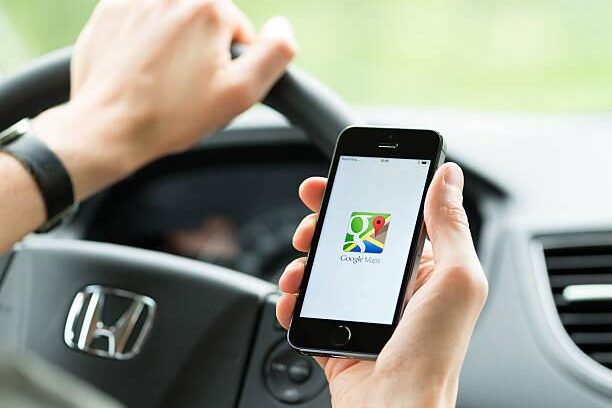
Paper maps once unfolded across dashboards and kitchens while we argued about which turn to take. Getting lost was part of the adventure. Now digital maps quietly guide every step, showing traffic, landmarks, and quicker routes in seconds. Traveling feels simpler and safer, and we rarely worry about directions anymore. The puzzle of finding our way slowly faded. Navigation became something we follow instead of something we figure out. Our phones now carry the confidence that maps once promised and they whisper directions while we move through busy streets and unfamiliar towns letting us focus on the journey itself ahead
11. Money Became Mostly Digital

There was a season when pockets carried coins and folded bills for nearly everything. Over timecards, apps, and online payments replaced those daily exchanges. Now we tap, transfer, and move on without counting much. It feels faster and lighter, but it also makes spending easier to forget. Many people appreciate the convenience while others worry about losing control. Quietly, money became numbers on screens instead of paper in our hands, and everyday choices began to feel different because of it. We are learning how to budget save and stay aware when everything happens quietly in the background each day
12. News Started Arriving Instantly

Waiting for newspapers or evening broadcasts once shaped how information reached us. Now alerts appear the moment something happens and follow us through the day. We scroll, refresh, react, and move to the next headline. The world feels closer, louder, and sometimes heavier because there is no pause. This constant stream changed how quickly opinions form and how we carry worry. Yet it also helps us understand places and people we might never meet. News no longer waits for us. Instead it travels beside us wherever we go shaping our thoughts quietly as every story arrives each passing single day
13. Health Became Something We Track

Years ago most of us only thought about health when we felt unwell or visited a clinic. Today many people wear watches and use apps that count steps, monitor sleep, and remind us to drink water. We celebrate streaks and small goals, and sometimes feel pressure to do more. Health moved from quiet background awareness into daily numbers we can see. It can motivate and also overwhelm. This shift changed how we care for ourselves and how closely we listen to our bodies each ordinary day helping us notice patterns that once passed by quietly without explanation or attention today
14. Learning Moved Beyond Classrooms

Classrooms once felt like the main doorway to knowledge. Now lessons live on laptops, tablets, and phones that follow us anywhere. People learn languages, skills, crafts, and careers from bedrooms and kitchens at their own pace. Opportunity opened wider, but motivation became something we manage ourselves. Teachers still matter deeply, yet learning no longer stops when school ends. This shift made education flexible, personal, and available in small moments throughout the day, changing how we grow at every age. It invites curiosity whenever questions appear and reminds us that growth can happen quietly alongside ordinary life each simple new season
15. Work Became Less About One Place

Many people once expected to spend decades in a single role or office. Over time careers began to shift and stretch. Some moved into freelance projects, part time roles, or short contracts. Others switched industries completely. Opportunity grew but predictability faded. Families adjusted plans, and success started to look different for everyone. Work now travels with skills rather than addresses. This change encouraged flexibility and creativity while also adding uncertainty. It quietly reshaped expectations about stability, progress, and how we imagine the future we are trying to build with room to adapt when life shifts in unexpected slow ways ahead
16. Family Time Started Looking Different
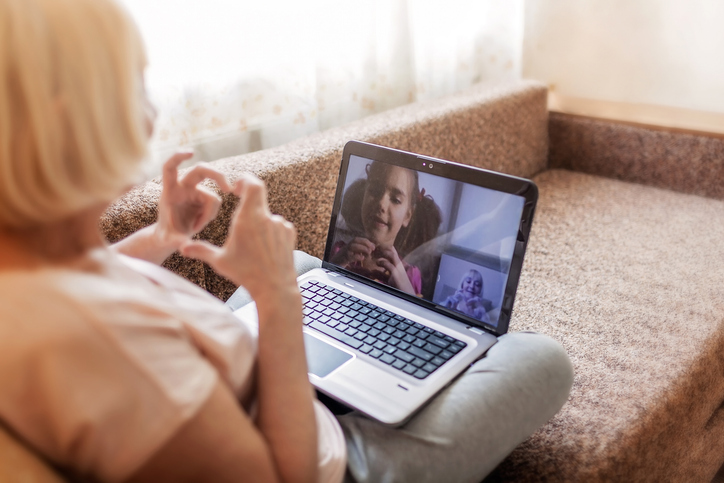
Evenings once meant shared meals, television together, and long conversations after a busy day. Slowly screens, schedules, and shifting routines changed things. Some families moved closer through video calls and shared chats. Others drifted into separate corners while staying under the same roof. Traditions adjusted to new rhythms. We still love, laugh, and gather, but it happens differently now. Family time became something we plan rather than something that simply happens, and it taught us to be intentional about connection so it does not slip away quietly while everyone stays busy with their own worlds moving quietly around them.
17. Personal Privacy Felt Smaller

There was a time when most details about our lives stayed within our homes or friendships. Over the years, accounts, apps, and sign ups began collecting bits of information. Preferences, searches, locations, and habits quietly created digital versions of us. Sometimes it feels helpful, other times uncomfortable. We learned to read settings, ask questions, and decide what to share. Privacy did not disappear completely, but it changed shape. It reminded us to pause, think, and protect what truly matters because not every part of life needs to travel everywhere simply because technology makes sharing easy in modern everyday spaces.
18. Workplaces Began Caring More About Wellbeing

Years ago, many jobs focused mainly on productivity and long hours. Over time, conversations about rest, burnout, mental health, and balance grew louder. Some companies introduced breaks, flexible time, and care programs. Others are still learning. People began noticing how energy, mood, and health shape the quality of work more than pressure alone. Slowly, wellbeing became part of professional life instead of something handled after hours. It taught us that people are not machines and that feeling supported helps everyone. This shift continues to grow and helps workplaces feel more human, steady, and sustainable for the long journey ahead.
19. Cities Started Feeling Smarter
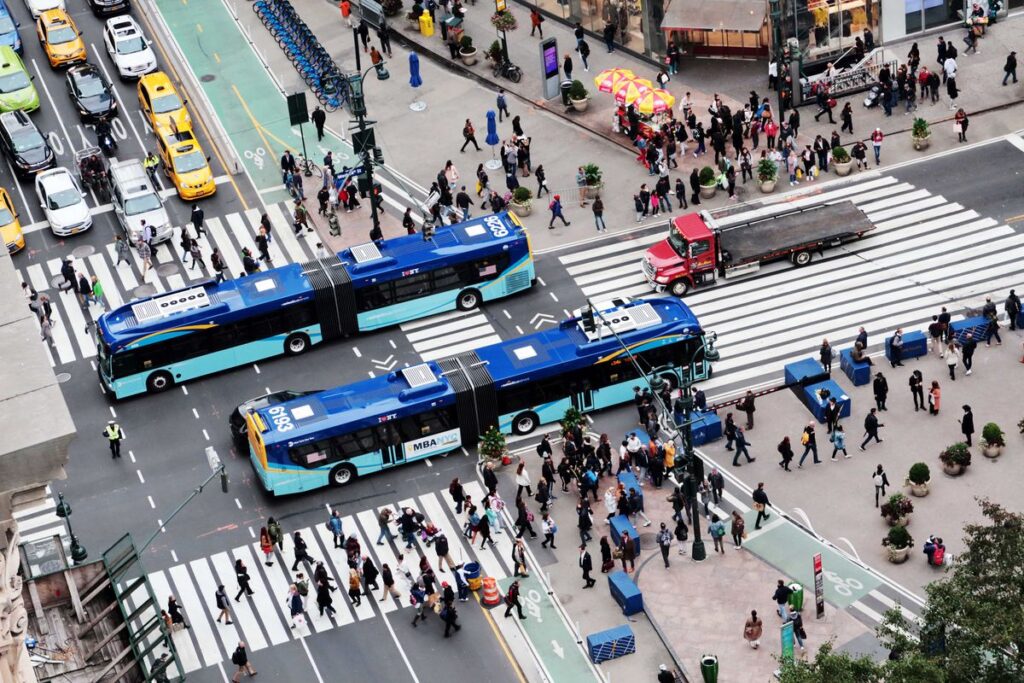
City life once depended mostly on crowded buses, busy streets, and simple systems that worked the same for years. Gradually technology entered traffic lights, services, and public spaces. Information helped manage movement, lighting, safety, and resources with more care. Sometimes we barely notice it until something improves quietly. Other times it feels confusing or too fast. Either way, cities learned to listen better through data and community feedback. This change reminds us that progress does not always show itself loudly. It often arrives as smoother mornings, safer corners, and easier ways to move through the places we call home.
20. Nature Became Part of More Conversations
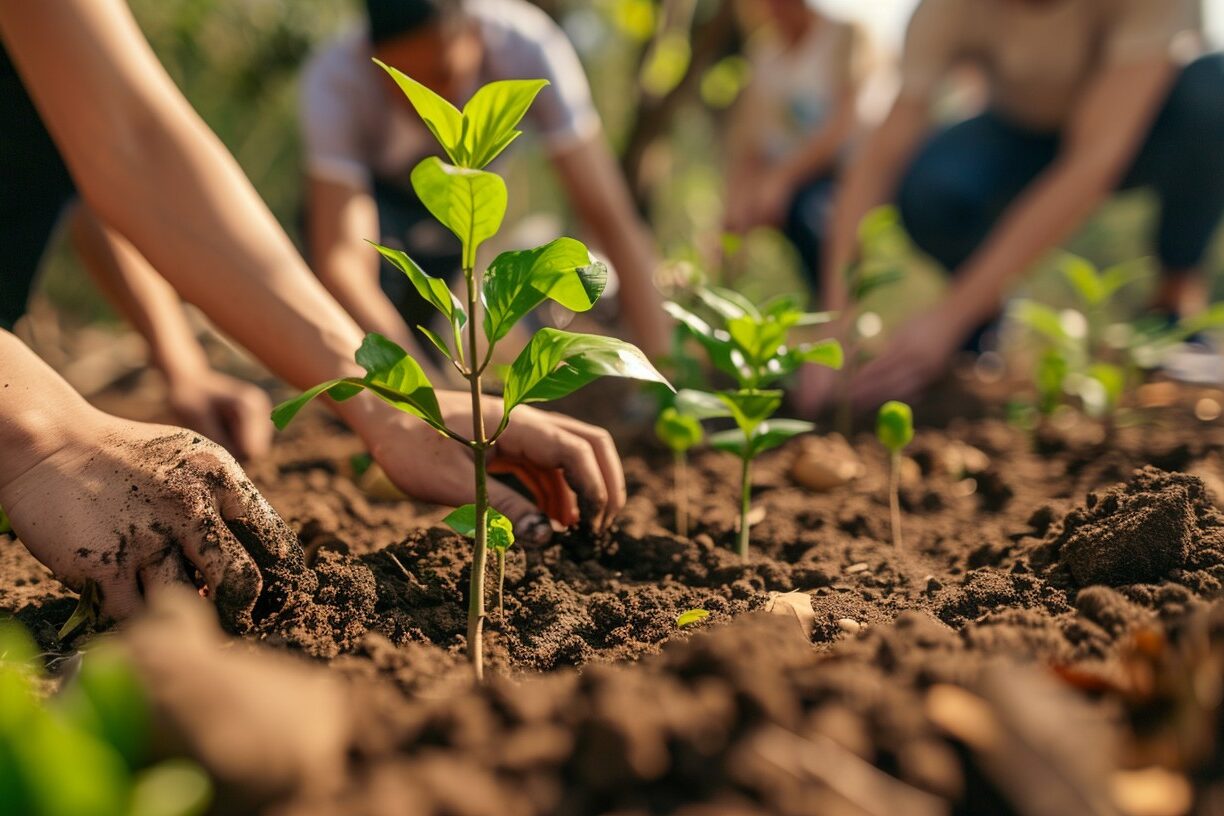
There was a time when many people thought of nature mainly during vacations or rare trips outside the city. Over the years weather changes, environmental stories, and visible differences brought nature closer to everyday thought. People started planting, recycling, learning, and caring more intentionally. Children asked questions. Adults paid attention. It encouraged small decisions that add up quietly over time. Even simple awareness matters. Nature stopped feeling distant and started feeling connected to our homes, health, and future, reminding us gently that the earth is not separate from daily life. It is part of every breath we take.
21. Friendships Began Stretching Across Distance
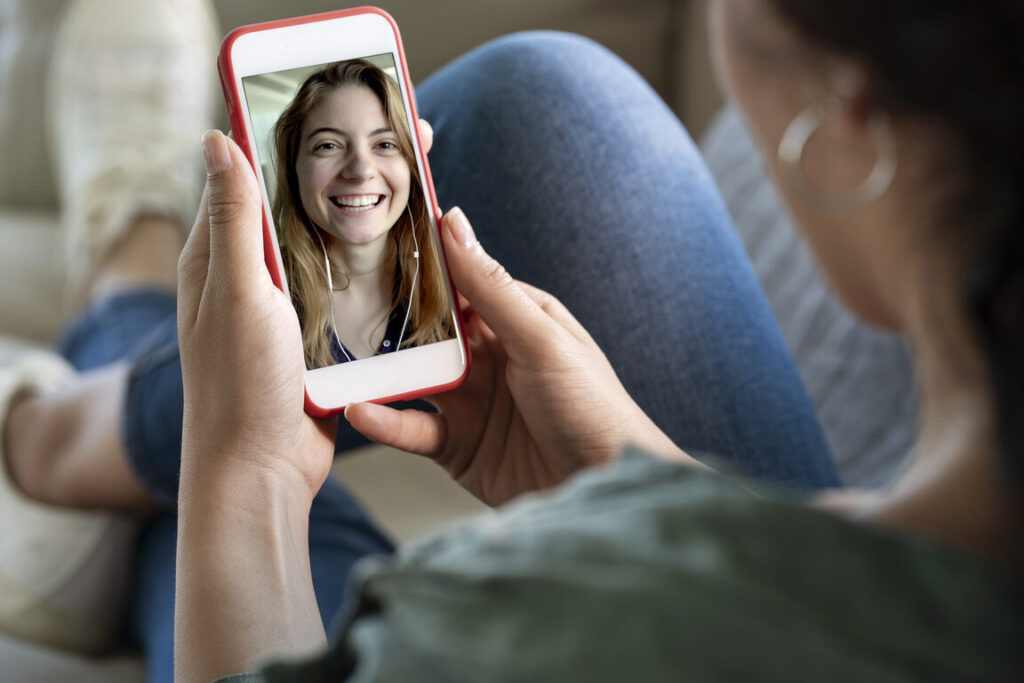
Friendships once depended on neighbors, classmates, coworkers, and nearby communities. Slowly, messages, video calls, and online spaces allowed relationships to grow across oceans and time zones. We share birthdays, milestones, and everyday thoughts with people we may never meet in person. It feels beautiful and sometimes fragile at the same time. Distance no longer decides closeness, but effort does. These friendships taught us patience, understanding, and creativity in staying connected. They showed that hearts can stay close even when miles are wide, and that caring travels well when we choose to show up again and again with kindness.
22. Hobbies Became Easier to Explore

Not long ago hobbies depended on local classes, books, or finding someone nearby to teach. Over time tutorials, communities, and simple tools opened doors to creativity for almost anyone. Painting, cooking, music, gardening, writing, and countless skills found homes in living rooms. People discovered new talents and quiet joys during free moments. Hobbies moved from rare extras into meaningful parts of daily life. They give us rest, expression, and something gentle to look forward to. This shift reminded us that growth is not only about work and goals. It is also about delight and curiosity living peacefully together.
23. Communication Became Faster Than Reflection

Messages that once took hours or days now arrive instantly. We answer quickly, react quickly, and sometimes regret quickly too. Our thoughts move ahead before our feelings finish catching up. It keeps everything moving yet it can rush our hearts. Over time, many people learned to pause, breathe, and slow conversations when needed. The speed of communication showed us the value of gentleness, timing, and care. Words can travel fast, but understanding takes patience. This quiet lesson keeps teaching us how to choose what truly deserves attention instead of letting urgency decide every moment in our relationships.
24. Childhood Began Looking Different
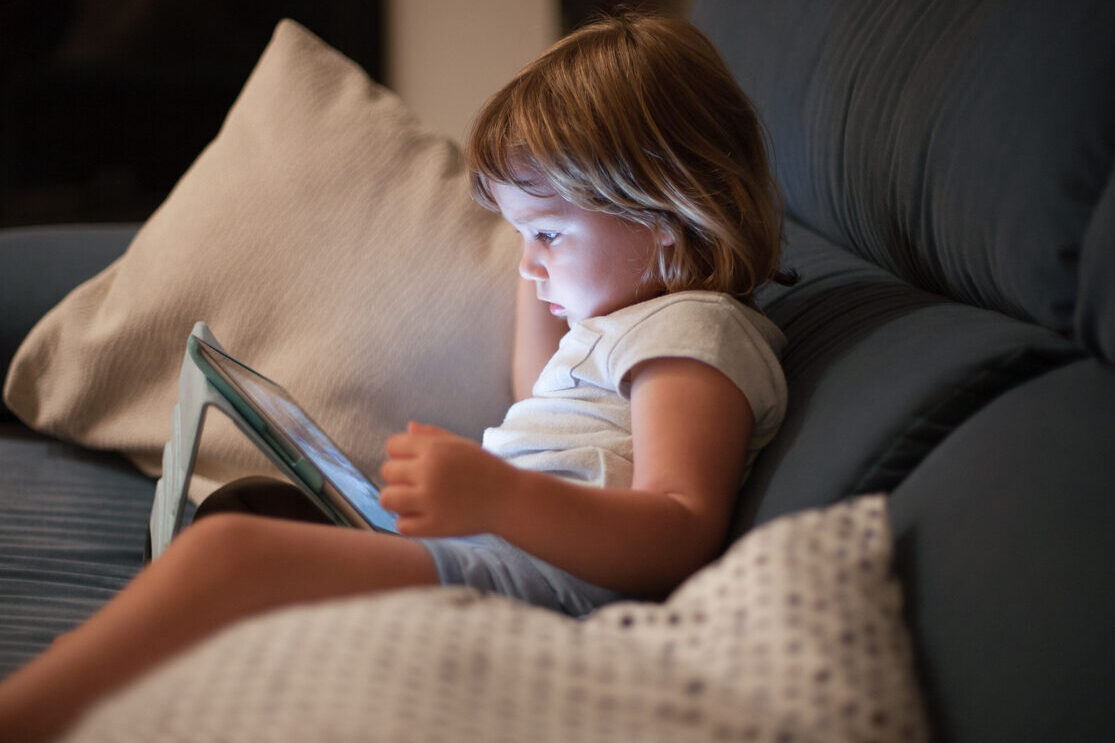
Childhood once meant long outdoor games, handwritten notes, and slower afternoons. Gradually screens, busy schedules, and new expectations shaped growing up. Kids learned tech skills early, explored information quickly, and connected with friends in new ways. At the same time, play changed, imagination shifted, and parents had new worries to navigate. Childhood is still full of joy, laughter, and learning, just expressed differently. This change reminds us to guide gently, protect wisely, and still leave space for wonder, curiosity, and unstructured moments that let children simply be themselves while the world continues moving around them.
25. Community Became Something We Build on Purpose
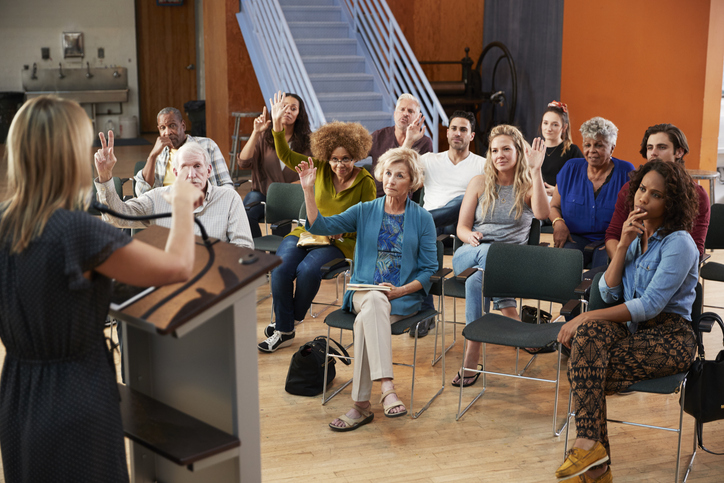
Communities once formed naturally through neighborhoods, markets, and familiar gatherings. Over time, movement, busyness, and screens created distance between people living side by side. To stay connected, many began organizing meetups, chats, groups, and shared projects. Community became something intentional instead of automatic. It requires invitations, kindness, and patience. When people choose to show up, it reminds us that belonging is created, not guaranteed. This quiet shift shows how deeply we still need one another beyond technology, and how simple acts of presence can turn ordinary places into supportive circles again when life feels uncertain or heavy.
26. Work Skills Started Changing Constantly
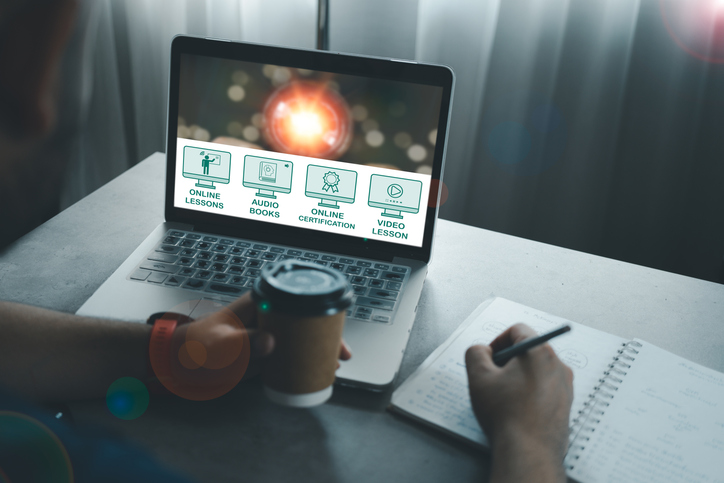
Years ago, learning a profession often carried someone through most of their career. Today skills evolve quickly. People update knowledge, take short courses, and adapt to new tools regularly. It can feel exciting and tiring at the same time. This shift encouraged curiosity and flexibility while reminding us that growth never truly stops. Instead of mastering one single path, many people build layers of experience that carry them forward. It shows that staying willing to learn may be the strongest skill of all and helps us navigate whatever opportunities appear next along the way with steady confidence.
27. Daily Life Became More Convenient Than Ever

Little tasks that once took time now finish with simple taps. Food delivery, reminders, banking, transportation, and planning all happen quietly from our pockets. Convenience saves energy, reduces stress, and helps many people manage busy days. Still, it can make patience harder to practice. We expect results faster and forget the effort once required. Convenience is helpful when balanced with gratitude and awareness. It reminds us that ease is a gift, not a promise, and that some things still need time, presence, and care no matter how modern our tools may become over the years.
28. Dreams Started Feeling More Possible
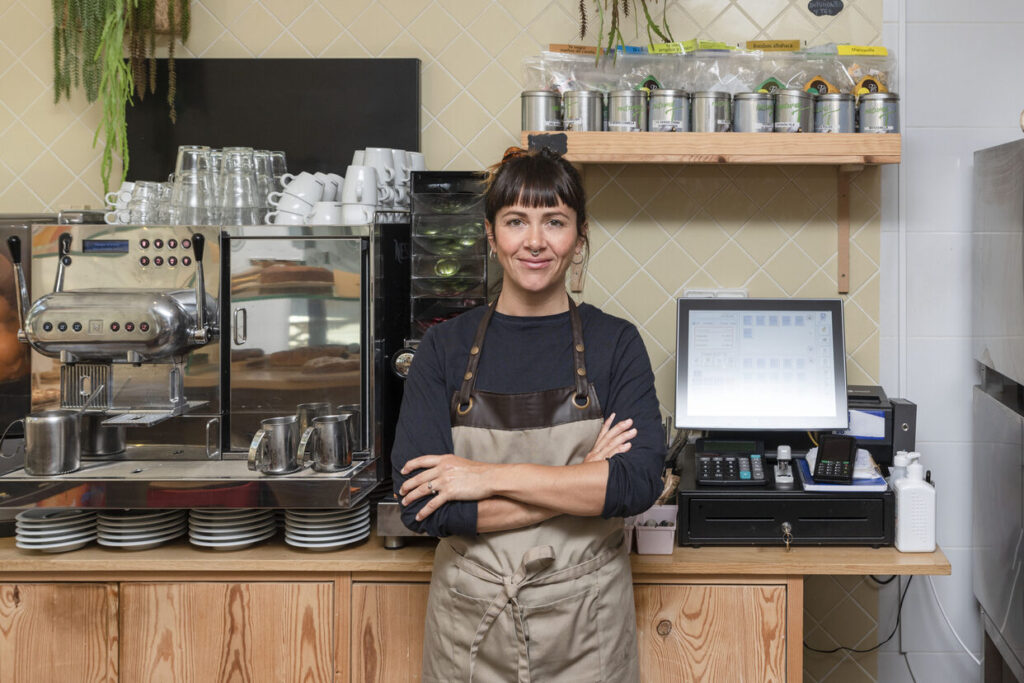
Years ago many dreams felt distant because opportunities were harder to find. Over time, stories, tools, and examples showed people new ways to start. Small businesses, creative projects, and personal goals became more reachable. Success looks different for everyone now, and that is encouraging. It does not mean everything is easy. It means there are more paths than before. Dreams invite courage, patience, and belief, and the quiet lesson of these years is that progress often begins with tiny steps. When someone tries again, doors sometimes open gently instead of dramatically, showing what consistent effort can truly become.
29. We Began Paying Attention to Meaning

Life once moved forward in predictable patterns without many questions. Slowly, change invited reflection. People started asking what matters most, what brings peace, and what balance actually looks like. Careers, relationships, and priorities shifted because of those questions. Meaning became part of everyday decisions rather than something saved for rare moments. This awareness does not remove challenges, but it helps guide choices with more honesty. It shows that stability is not only built from success. It grows from values, gratitude, and purpose that steady us when circumstances change around us quietly and remind us to stay grounded.
30. We Realized Change Happens Quietly

Looking back, it becomes clear that most of the world did not transform overnight. It shifted gently through habits, choices, tools, and lessons gathered along the way. Some changes brought comfort, some brought questions, and many taught us resilience. Together they shaped who we are today and continue guiding how we move forward. They remind us that life keeps moving whether we notice or not, and awareness helps us appreciate it more. In noticing these quiet shifts, we understand our story better and carry that understanding into tomorrow with patience, gratitude, curiosity, and a softer sense of hope for us.


