
1. Seeing A World Of Color We Will Never Touch
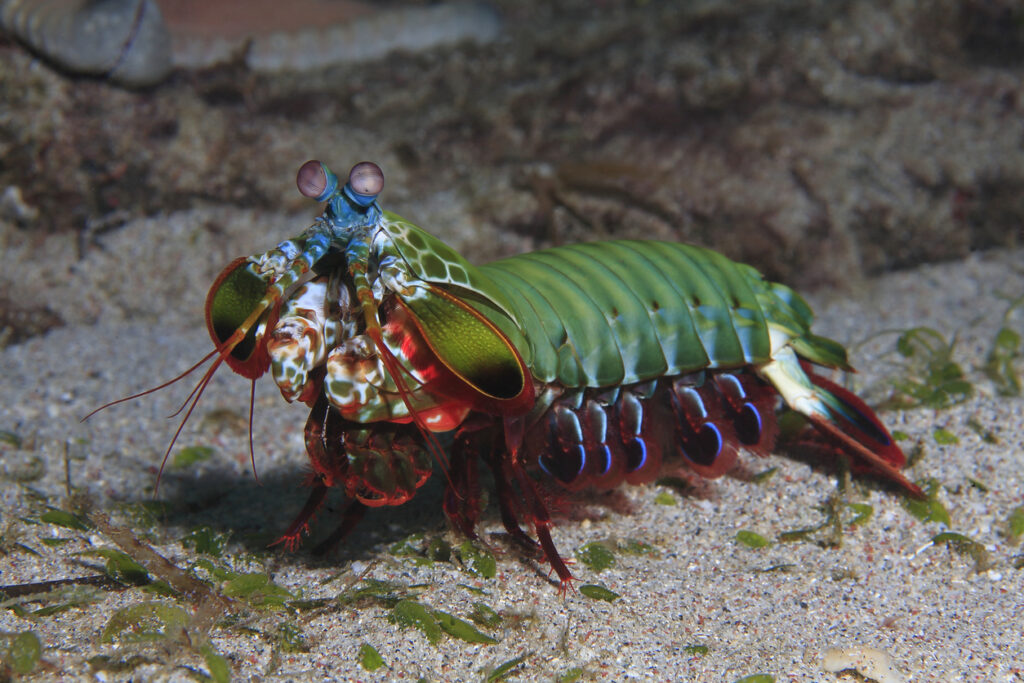
Most days we move through the world assuming our senses tell the full story, but the mantis shrimp lives inside a much larger one. While humans rely on three color receptors, this small marine animal processes many more, allowing it to perceive shades and signals we cannot imagine. Coral reefs that look familiar to us appear layered and busy to it, filled with visual cues for hunting and defense. Its eyes scan constantly, sorting information faster than human vision ever could, turning ordinary water into a place rich with meaning and constant awareness that quietly reshapes how perception truly works.
This ability is not about beauty or intelligence, but survival shaped by environment. Light bends underwater, and quick interpretation matters more than detail. The mantis shrimp does not pause to analyze color, it reacts instantly, something scientists still struggle to replicate with technology. Humans build cameras and screens to extend sight, yet remain confined to narrow ranges. Realizing this softens the idea that human perception is complete. The world holds layers beyond our reach, and animals like this shrimp remind us that seeing is not universal, only personal and quietly invites humility curiosity patience wonder reflection about limits we share.
2. Breathing Deep Without Ever Panicking
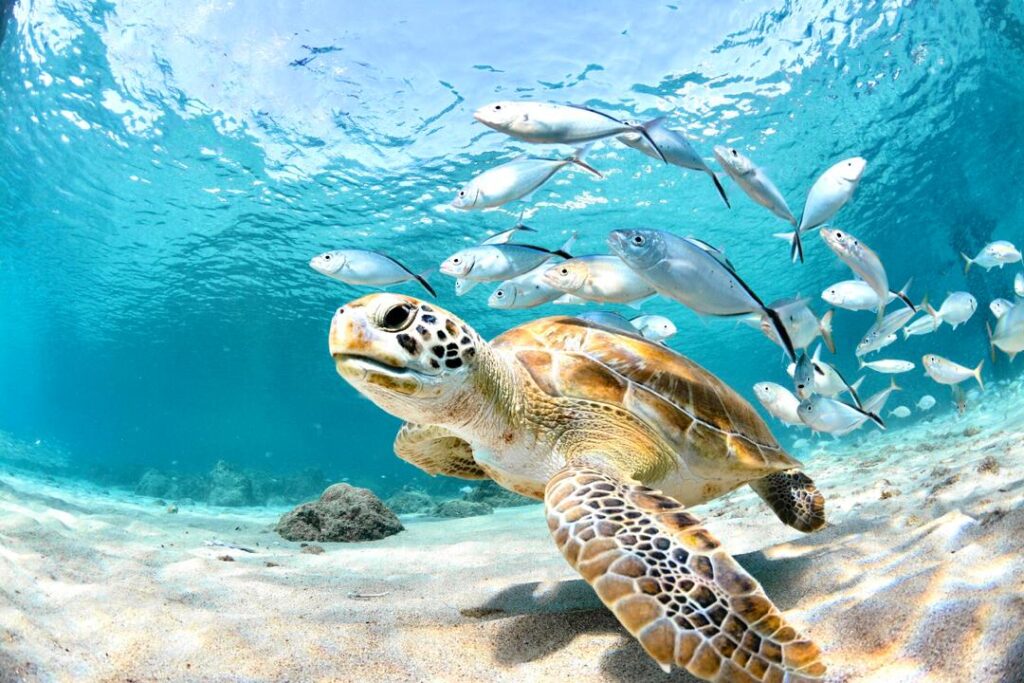
Sea turtles spend most of their lives underwater, and their bodies are built for it in ways humans could never manage. A sea turtle can slow its heart rate dramatically, conserving oxygen while it rests or swims calmly below the surface. What would feel like an emergency to a human feels normal to them. They do not rush for air or struggle against time. Instead, they move with patience, trusting a system designed for long quiet stretches beneath the waves where breath is borrowed slowly and carefully without fear or strain.
What makes this ability remarkable is how effortless it looks. Humans train for years to hold their breath for minutes, often pushing their bodies dangerously far. Sea turtles do not think about endurance at all. Their organs naturally prioritize survival, directing oxygen only where it is needed most. Watching one glide through water can feel humbling, because it reminds us that panic is not universal. Some creatures are shaped to exist comfortably where humans feel fragile, teaching us that calm can sometimes be biological, not learned.
3. Growing Back What Was Lost Completely
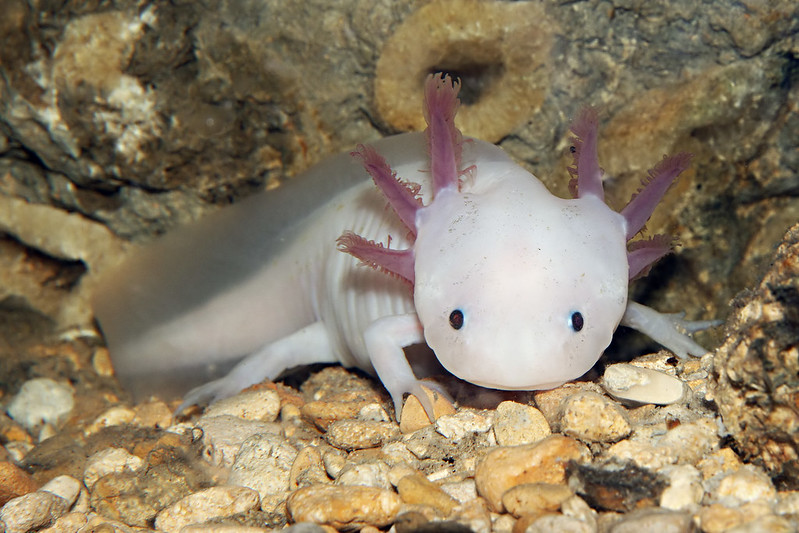
The axolotl looks almost gentle, yet it carries an ability that feels impossible to humans. When an axolotl loses a limb, part of its spine, or even heart tissue, its body calmly begins to rebuild what disappeared. Bones, nerves, muscles, all return as if the injury never happened. Humans heal with scars and limits, but axolotls restore themselves fully. There is no memory of damage written into their bodies, only quiet repair happening without urgency or drama.
This kind of regeneration changes how loss is defined. For axolotls, injury is not permanent or emotional. It is simply information the body responds to. Humans adapt by compensation, learning to live around what is gone. Axolotls move forward whole again. Scientists study them closely, hoping to unlock pieces of this ability, but beyond science, there is something comforting here. Nature shows that damage does not always mean less. Sometimes it is just a pause before becoming complete again.
4. Traveling Thousands Of Miles Without Directions
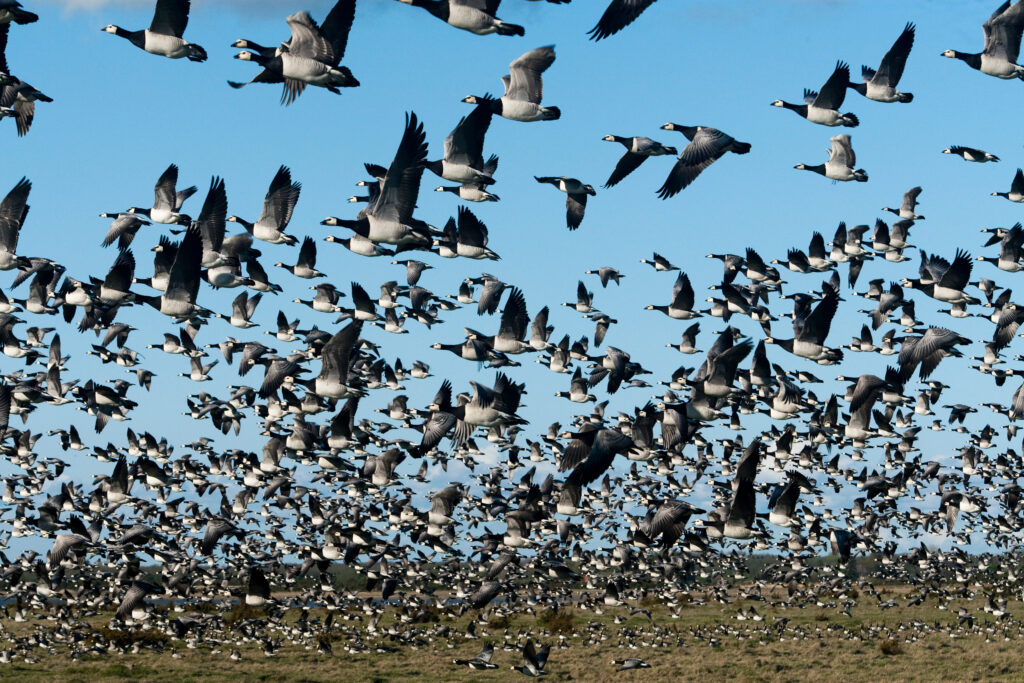
Every year, migratory birds cross oceans and continents without maps, screens, or guidance. They rely on Earth’s magnetic field, sunlight, and inherited memory to guide them back to the same locations they have never seen before. Humans struggle to navigate unfamiliar cities without assistance, yet these birds follow invisible routes with stunning accuracy. Their journeys span thousands of miles, often beginning before they are fully grown, driven by instincts older than recorded history.
What makes this ability extraordinary is its quiet confidence. Migratory birds do not hesitate or second guess their direction. They trust signals humans cannot sense, moving with certainty through unfamiliar skies. Storms, fatigue, and distance do not erase the path written into them. For humans, travel often brings anxiety and planning. For these birds, movement is simply obedience to something internal and steady. It reminds us that knowledge does not always come from learning. Sometimes it comes from remembering what the body already knows.
5. Communicating Through The Ground Itself
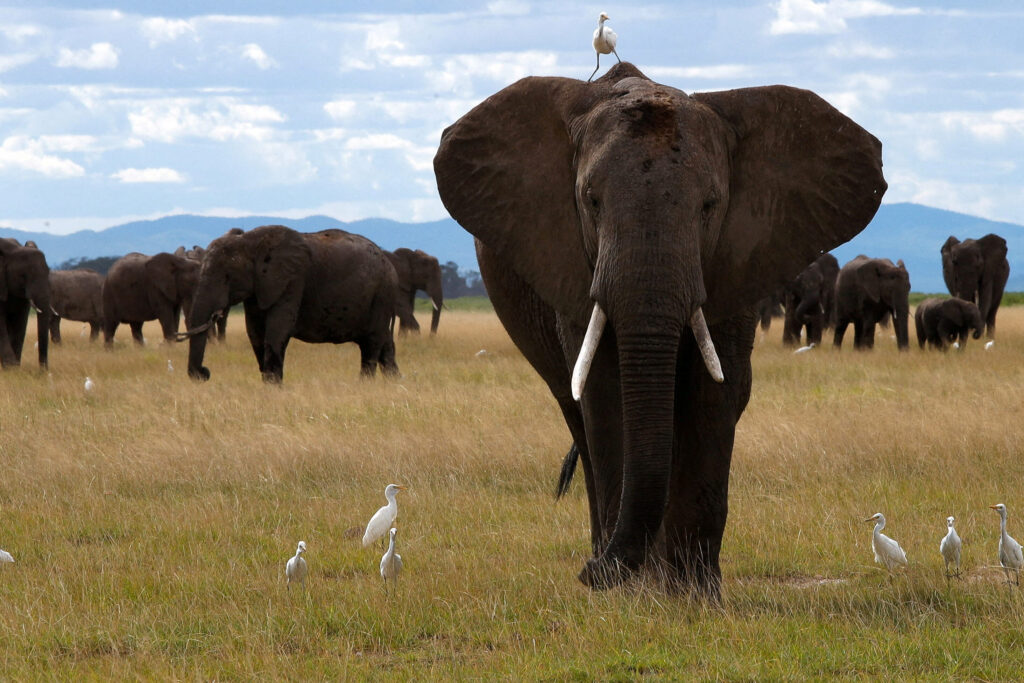
Elephants communicate in ways humans barely notice, sending low frequency vibrations through the ground that travel for miles. These signals are felt through their feet, allowing them to detect messages from distant herd members without sound. While humans rely heavily on voices and devices, elephants exchange information through touch and movement beneath the surface. Danger, location, and reassurance pass quietly between them, carried by the earth rather than the air.
This form of communication feels deeply grounded and intimate. Elephants listen with their whole bodies, staying connected even when separated by great distance. Humans often equate connection with constant noise or visibility, yet elephants show another option. Their conversations are slow, deliberate, and rooted in awareness of their environment. Watching this reminds us that communication does not need to be loud to be meaningful. Sometimes the strongest connections are the ones we feel rather than hear, steady and reliable beneath our feet.
6. Surviving Cold That Would Stop A Human
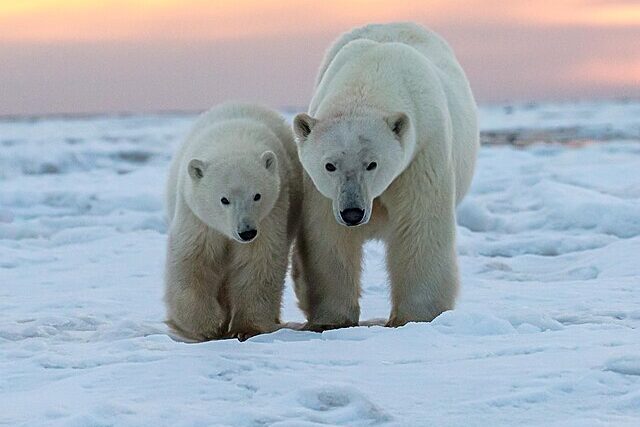
Polar bears live in conditions that would overwhelm a human body in minutes. Their thick fur, dense fat layers, and black skin work together to trap heat and regulate temperature in brutal Arctic weather. While humans depend on clothing and shelter, polar bears rely entirely on their bodies to endure freezing winds and icy water. They swim long distances between ice sheets without panic or fatigue, conserving energy in ways humans cannot. To a polar bear, cold is not an enemy but a familiar companion shaped into daily life.
What makes this remarkable is how natural it appears. Polar bears do not fight their environment or try to escape it. Their bodies are tuned to survive calmly within it. Humans often see harsh climates as something to conquer or avoid. Polar bears remind us that adaptation can be quieter than strength. Sometimes survival is not about resisting conditions but about becoming suited to them, allowing the body to do the work it was designed to handle.
7. Sleeping With One Eye Still Aware

Dolphins sleep differently from humans in a way that feels almost unreal. Instead of fully shutting down, they rest one half of their brain at a time. The other half stays alert enough to control breathing and watch for danger. Humans lose awareness completely during sleep, but dolphins remain partially present even while resting. This allows them to surface for air and stay safe in open water without interruption. To them, rest and awareness are not separate states but shared responsibilities.
This ability reflects a balance humans never evolved. Dolphins do not choose vigilance over rest or rest over survival. They blend both seamlessly. Humans often struggle with exhaustion because our sleep requires total surrender. Dolphins show another path where the body adapts instead of shutting off. It quietly challenges the idea that rest must always mean absence. Sometimes recovery happens alongside awareness, proving that the body can protect itself even while it pauses.
8. Remembering Routes Humans Would Forget
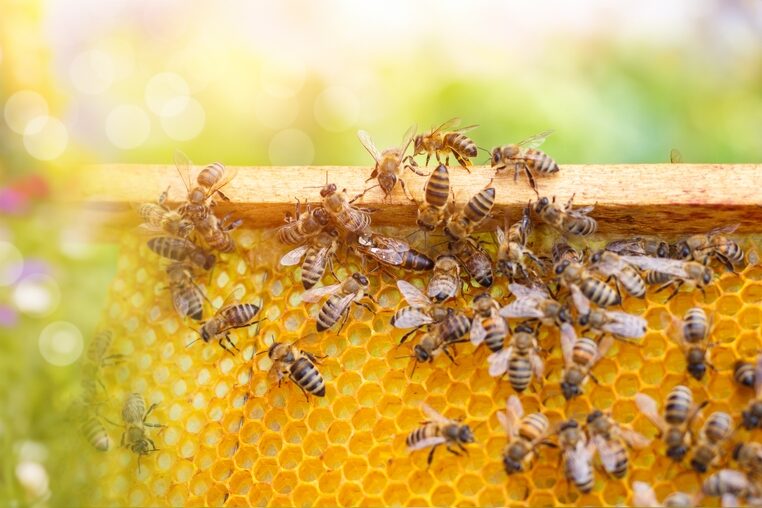
Honeybees navigate long distances and return to their hive with remarkable accuracy, even after flying miles away in complex landscapes. They use the position of the sun, patterns of polarized light, and visual landmarks to build mental maps humans could not hold without tools. A bee can leave its hive, find food, and return directly without confusion. Humans depend on maps devices and signs to manage similar tasks. For bees, navigation is instinctive and efficient, turning wide open space into a familiar path that feels almost memorized rather than discovered through effort.
What makes this ability striking is how small the bee’s brain is compared to a human’s. Yet it processes spatial information quickly and reliably, storing routes and adjusting them as conditions change. Bees even communicate directions to others through movement, sharing distance and location without words. Humans struggle to explain directions clearly, let alone dance them accurately. Watching bees move with certainty reminds us that intelligence does not depend on size or complexity. Sometimes it depends on focus, purpose, and a body designed to remember exactly what it needs to survive.
9. Regulating Body Temperature At Will
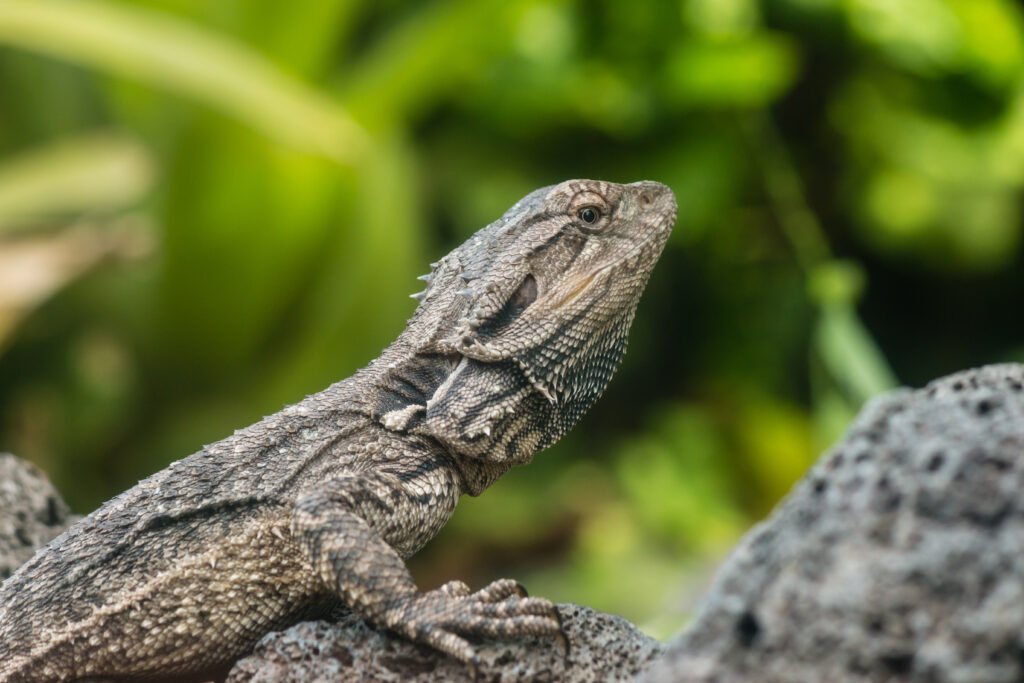
Reptiles like lizards can regulate their body temperature by adjusting behavior rather than biology. They move between sun and shade, slowing or speeding activity to control heat. Humans rely on internal systems that function within narrow limits. When temperatures shift too far, we struggle. Lizards adapt moment by moment, adjusting without stress. Their survival depends on awareness of surroundings rather than internal regulation.
This approach highlights a different relationship with environment. Lizards do not fight heat or cold. They respond thoughtfully through movement and timing. Humans often separate themselves from nature, expecting comfort regardless of conditions. Lizards show that survival can come from responsiveness rather than resistance. Their bodies teach flexibility rather than control, reminding us that sometimes the simplest adjustments create the greatest balance.
10. Remembering Faces And Holding Grudges
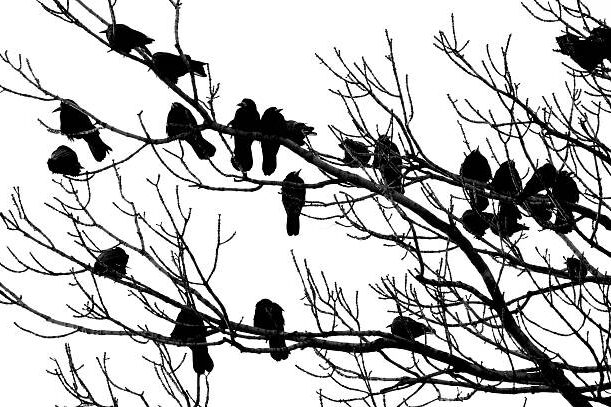
Crows have an uncanny ability to remember human faces, especially those they associate with danger or kindness. Studies have shown that a crow can recognize a specific person years after a single negative encounter and respond accordingly. Humans struggle to remember strangers they met briefly, yet crows store these encounters clearly and accurately. They share this information with other crows, warning their group about who to avoid. For them, memory is not casual. It is a tool for protection, teaching, and long term survival in environments filled with unpredictable threats and changing human behavior.
What makes this ability striking is how social it becomes. A crow does not keep knowledge to itself. It passes experience along, creating a shared memory within the group. Humans often treat memory as personal property, shaped by individual experience. Crows turn it into collective awareness. Their ability to recognize faces challenges the idea that complex memory belongs only to large brains. It shows how intelligence can be distributed, efficient, and deeply practical. Watching crows observe people carefully reminds us that we are not always anonymous in the natural world. Some animals remember us long after we forget them.
11. Healing Without Visible Scars
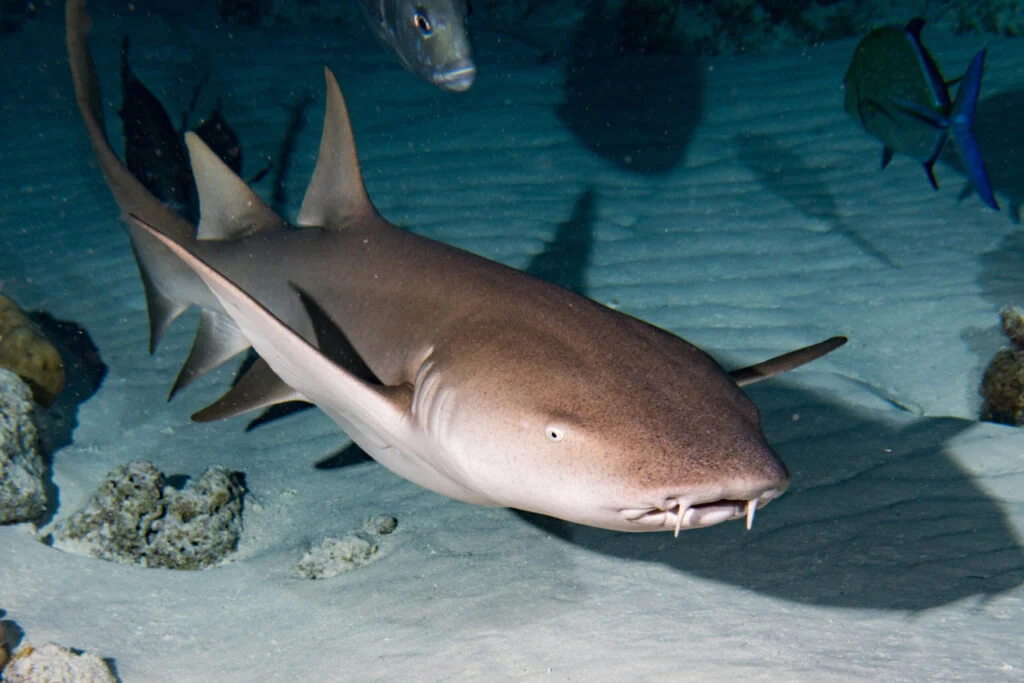
Some animals heal wounds without leaving scars. Sharks and certain amphibians regenerate skin and tissue smoothly, restoring function without permanent marks. Humans heal by patching damage, often leaving visible reminders behind. For these animals, repair looks more like restoration than survival. Their bodies return to balance quietly, as if injury never happened at all.
This ability shifts how healing is understood. Humans often associate healing with endurance and acceptance of change. These animals demonstrate another approach where the body prioritizes wholeness. It suggests that recovery does not always need to carry evidence of pain. Sometimes healing means moving forward untouched, reminding us that not all strength has to show where it was tested.
12. Finding Direction Through Sound Alone
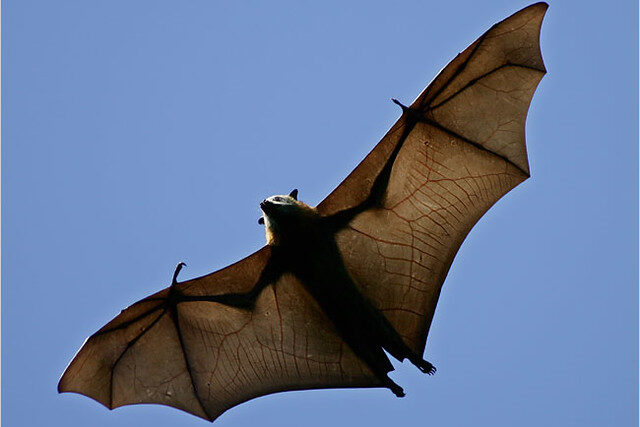
Bats move through darkness using sound instead of sight, navigating crowded caves and night skies with ease. They send out high pitched calls and listen to echoes that bounce back from insects trees and walls. This creates a detailed map of the world around them in real time. Humans depend heavily on light and struggle when it disappears. Bats hunt fly and avoid obstacles without ever seeing them. Their awareness is active constant and precise turning sound into space in ways human brains cannot naturally copy. This ability keeps them alive where vision alone would fail every single night outside.
Instead of building tools to overcome darkness bats evolved bodies that treat it as normal. Their ears brains and mouths work together constantly adjusting to movement and distance. Humans can study echolocation but cannot experience it without machines. Bats do not think about this skill. It is automatic woven into every flight. Watching one dart through the air reminds us that limitations are relative. Where humans feel lost other creatures feel informed. The night holds no mystery for bats only information waiting to be heard clearly. This quiet mastery turns darkness into comfort rather than fear for those who listen.
13. Disappearing In Plain Sight
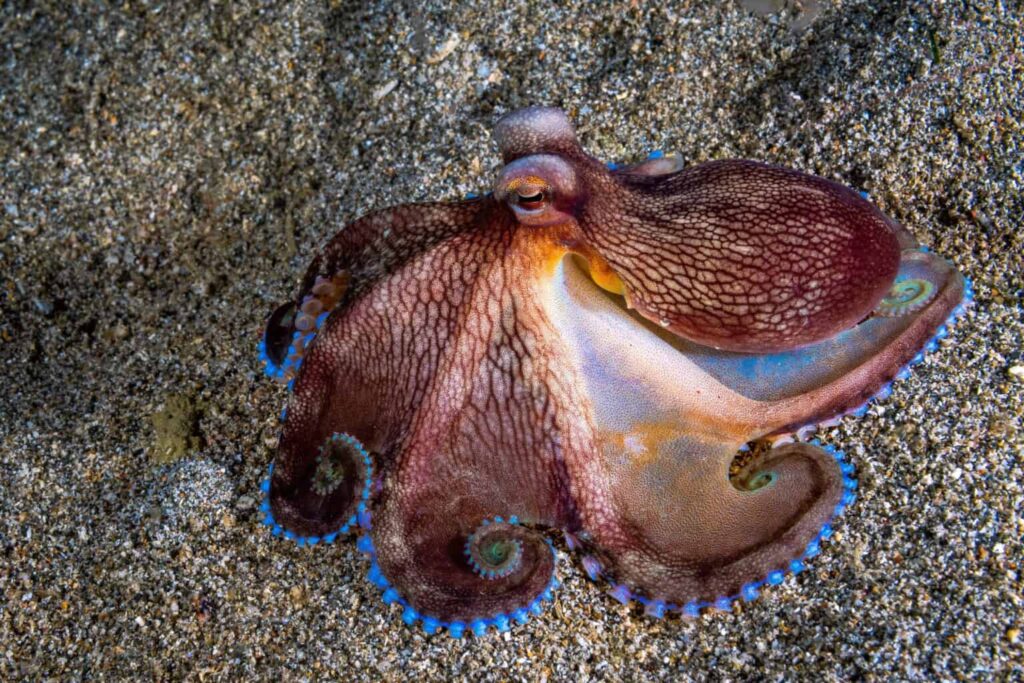
Octopuses change color texture and shape instantly blending into reefs sand and rock. Their skin contains special cells that expand and contract allowing rapid shifts humans cannot match. Without paint or clothing they vanish before predators notice. Humans rely on tools and time to alter appearance. An octopus reacts in seconds reading its surroundings and responding perfectly. This skill is not disguise but communication survival and intelligence expressed through the body itself. It allows escape hunting and signaling mood all without conscious thought or effort in a world where hesitation means danger every moment counts deeply for survival daily always.
What feels magical is actually precise control developed over millions of years. Octopuses do not decorate themselves. Their skin reads light depth and surface instantly. Humans admire camouflage as art or fashion. For octopuses it is language. Each shift sends a message of fear calm or warning. This ability keeps them alive in open water where hiding places are limited. It reminds us that intelligence is not always spoken. Sometimes it pulses silently across skin matching the world exactly. This living response replaces words tools and hesitation with presence awareness and speed that humans still study admire envy today quietly.
14. Hovering Where Gravity Should Win
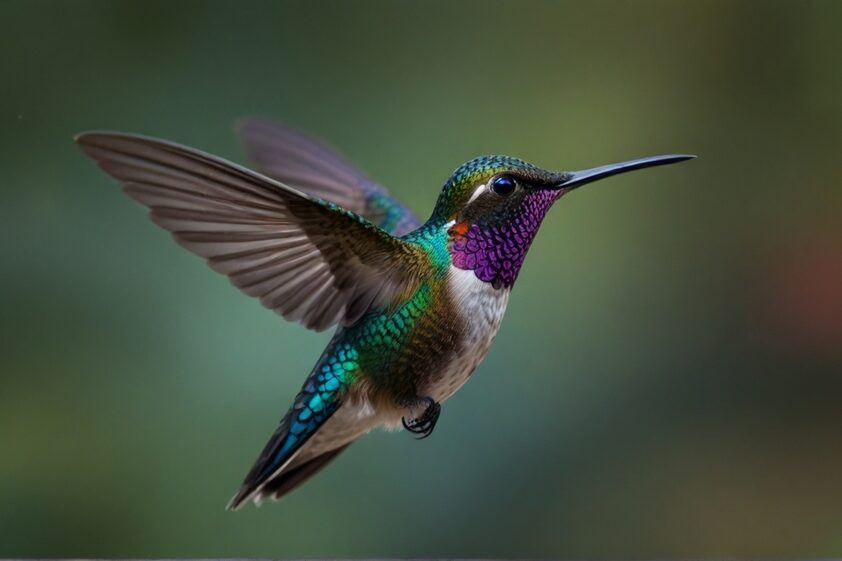
Hummingbirds hover in midair with precision that defies human ability. Their wings beat rapidly allowing them to stay still fly backward and change direction instantly. Humans require machines to hover briefly. A hummingbird does it naturally while feeding calmly from flowers. Its heart races yet remains controlled supporting constant motion. This tiny bird turns flight into balance showing mastery of air rather than resistance against it. Watching one pause mid flight feels like time slowing around delicate strength that humans can only imagine through machines fuel training and careful calculation every moment still amazed by it daily always somehow still.
This ability comes from specialized joints muscles and wing structure working together perfectly. Hummingbirds do not flap like other birds. They rotate their wings creating lift on both strokes. Humans study this motion to improve flight design. For the bird it is simply survival. Hovering allows access to nectar others cannot reach. It shows how small bodies can hold extraordinary power. Sometimes the greatest abilities come wrapped in fragility reminding us to look closer. Nature often hides its finest engineering inside the lightest forms imaginable and leaves humans learning humility patience curiosity respect slowly again and again through observation daily.
15. Returning Home Across Impossible Distances
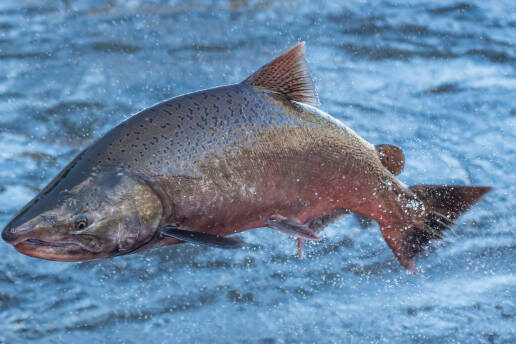
Salmon return to the exact river where they were born after years at sea. They navigate vast oceans then swim upstream against strong currents. Humans struggle to retrace routes without records or tools. Salmon rely on smell and memory encoded deeply within them. Their journey is exhausting dangerous and precise. Each movement brings them closer to a place they have not seen since birth. This instinct drives one of nature most demanding migrations repeated faithfully each cycle across seasons storms predators distance hardship time again and again without pause ever until completion always forward driven quietly within bodies alone entirely.
This ability shows commitment beyond planning or decision. Salmon do not question the journey. Their bodies respond to cues humans cannot sense. Even when weakened they continue moving forward. Humans admire perseverance but often abandon paths when difficulty rises. Salmon finish what instinct begins. Their return sustains ecosystems and future generations. It is not heroic in their world. It is necessary. Watching this cycle unfold invites reflection on purpose memory and following something deeper than comfort. Such journeys quietly challenge how humans define endurance success and meaning over time seasons effort sacrifice patience resolve belief motion persistence continuity legacy life.
16. Drinking Saltwater Without Harm

Seabirds like albatrosses spend most of their lives over open ocean where fresh water is rare. Unlike humans, they can drink seawater without getting sick. Special glands above their eyes filter excess salt from their blood, releasing it through their nostrils. What would dehydrate a human actually sustains them. This allows seabirds to remain at sea for weeks without returning to land. Their bodies solve a problem humans still struggle with, turning an undrinkable resource into survival.
This adaptation frees them from dependence on shorelines. Humans explore oceans cautiously, always tethered to supplies. Seabirds roam freely, shaped for long solitude and distance. Watching one glide endlessly over waves reminds us that solutions often exist inside the body rather than outside it. Nature does not always remove obstacles. Sometimes it redesigns the rules entirely, showing how survival can come from internal balance rather than external control or constant preparation.
17. Slowing Life Down Almost Completely
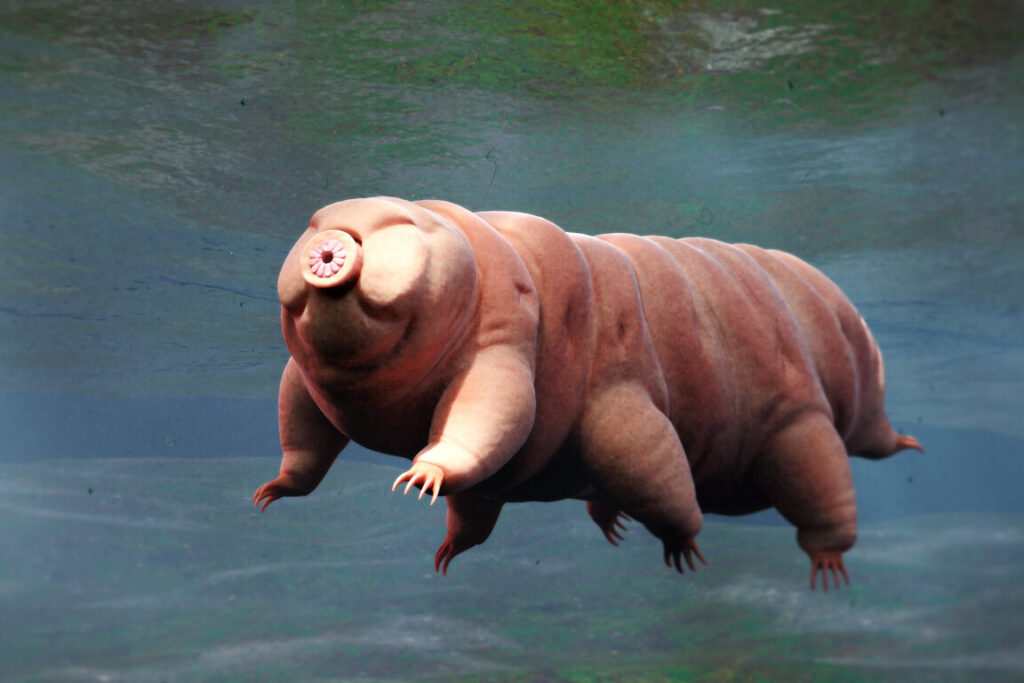
Tardigrades survive conditions that would instantly kill humans. Extreme heat freezing pressure radiation and even the vacuum of space do not destroy them. When conditions become hostile they enter a state where metabolism nearly stops. Humans depend on steady environments to survive. Tardigrades wait patiently until conditions improve. Their bodies pause life without ending it, protecting vital structures while time passes unnoticed.
This ability feels almost unreal yet it is quiet and automatic. Tardigrades do not escape danger. They endure it by stepping outside normal biological rules. Humans rush to adapt or flee when threatened. Tardigrades simply wait. Their survival challenges the idea that resilience always requires action. Sometimes it requires stillness. They remind us that endurance can be invisible, happening slowly and silently until life resumes again without damage or memory of the pause.
18. Producing Light From Within
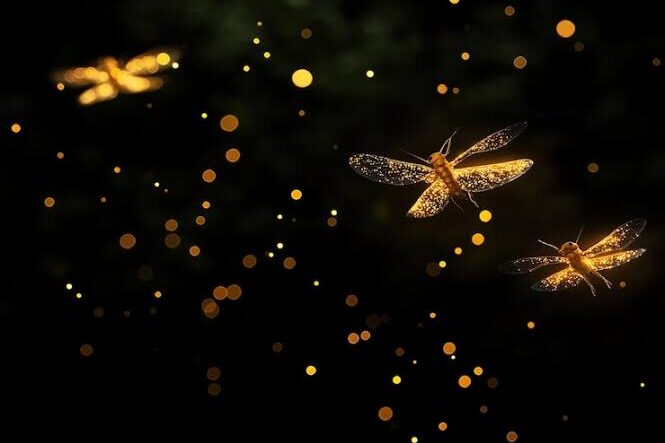
Fireflies create their own light through a chemical reaction inside their bodies, something humans have never been able to do naturally. On warm evenings, their soft flashes turn darkness into conversation, signaling presence, readiness, and identity without sound or movement. Humans depend on electricity, wires, and fuel to light even the smallest space. Fireflies glow without heat, waste, or effort, producing light that is nearly perfectly efficient. What feels magical is simply biology doing its work, allowing these insects to communicate clearly while conserving energy in an environment where excess would be costly.
This ability changes how darkness functions. For humans, night often means limitation or fear. For fireflies, it becomes opportunity. Each glow has purpose and timing, never constant, never careless. Humans flood spaces with light whether it is needed or not. Fireflies offer restraint instead. Their quiet flashes suggest that illumination does not need to overpower to be meaningful. Sometimes light exists only long enough to be seen, understood, and then released back into the dark, leaving no trace except connection and continuity.
19. Moving Blood Without A Heart
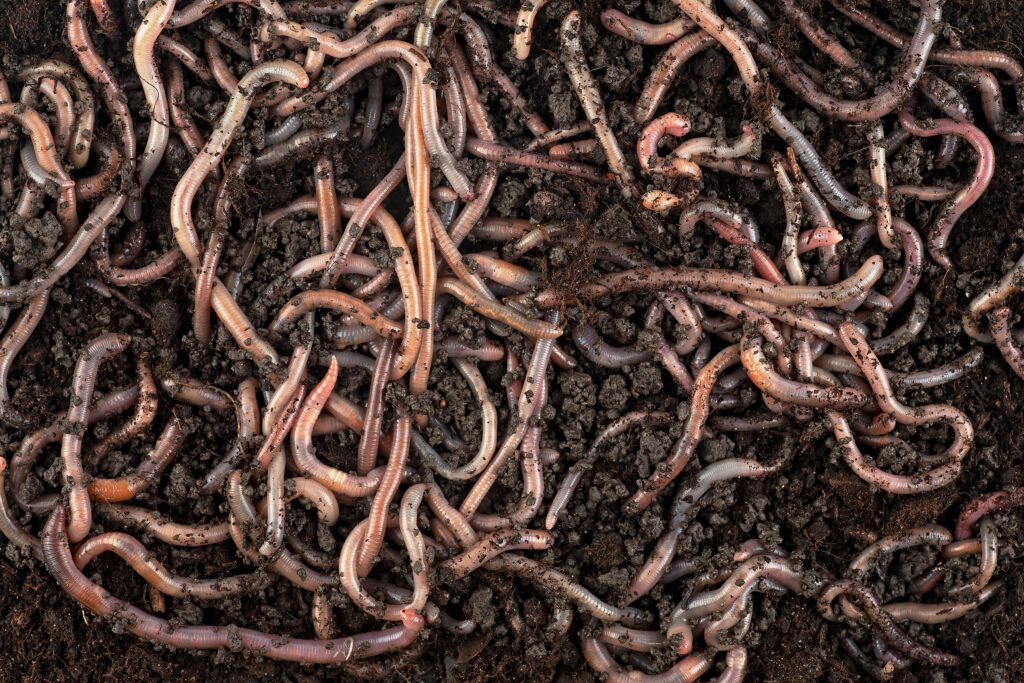
Earthworms circulate blood through their bodies without a single centralized heart. Instead, they rely on several muscular vessels that contract rhythmically, pushing blood forward through a closed system. Humans depend on one primary heart to survive. If it stops, life stops. Earthworms distribute this responsibility across their bodies, reducing reliance on a single organ. This allows them to survive injuries that would be fatal to humans and continue functioning even when part of their body is damaged or lost. Their design supports flexibility and persistence in environments where danger is constant.
This decentralized circulation reflects a different approach to survival. Humans place critical function in one location, creating vulnerability. Earthworms spread function out, creating resilience. They move through soil quietly, rarely noticed, yet their bodies carry solutions humans never evolved. Watching an earthworm continue forward after disruption reminds us that strength does not always come from having one powerful center. Sometimes it comes from sharing responsibility across the whole, allowing life to continue even when conditions are far from perfect.
20. Changing Sex to Protect the Group
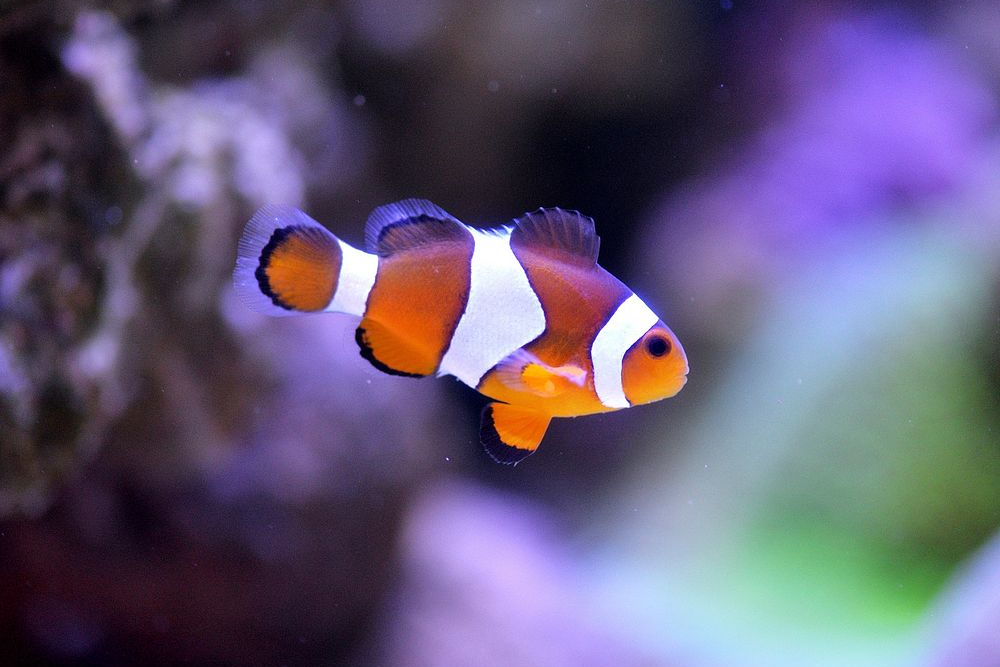
Some fish, including clownfish, can change sex when their social structure requires it. If the dominant female disappears, the largest male transforms biologically to take her place. Humans cannot alter their reproductive biology this way. For these fish, survival depends on flexibility rather than fixed roles. The change happens naturally, without conflict or confusion, allowing the group to continue functioning without delay or loss.
This ability reflects a different relationship with identity. Humans often resist change even when circumstances demand it. These fish respond immediately, prioritizing continuity over comfort. Their bodies adapt to meet the needs of the moment. It quietly challenges the idea that biology must always be rigid. Sometimes survival depends on becoming something new without hesitation. Nature shows that stability does not always come from staying the same, but from responding wisely when change becomes necessary.
21. Surviving Without Oxygen For Long Periods
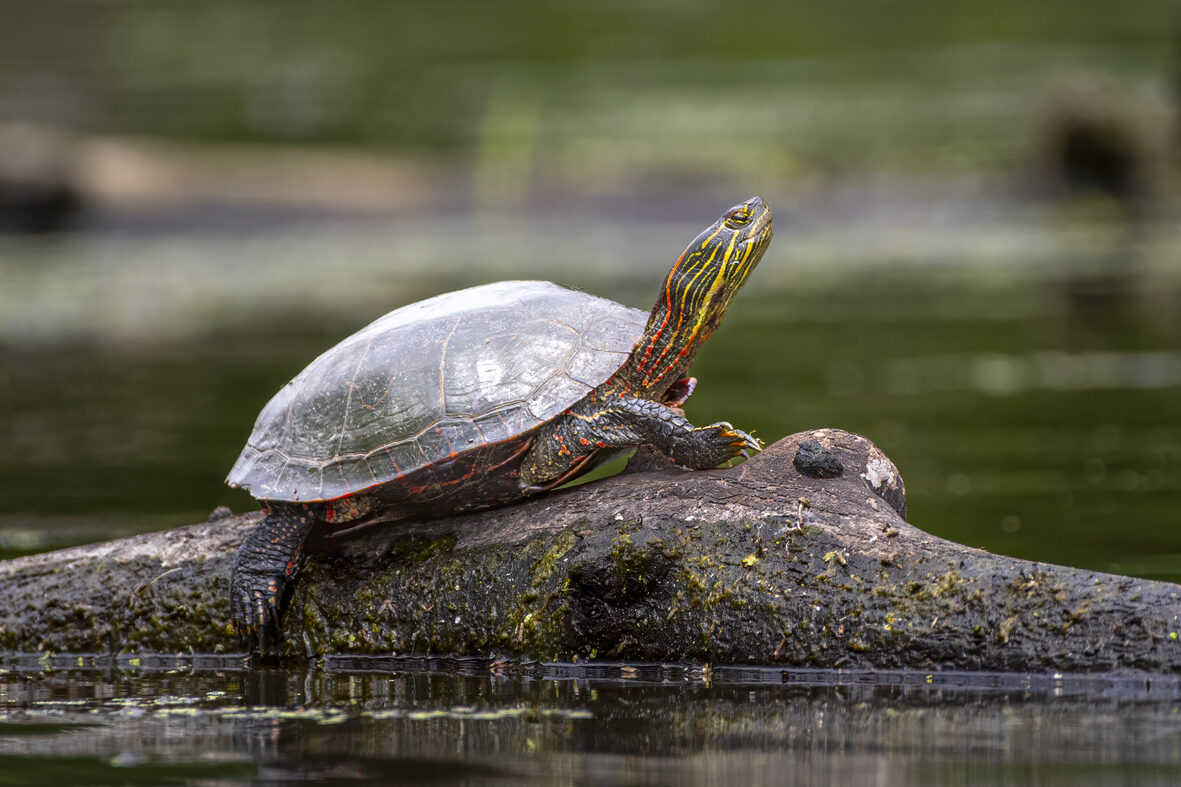
Painted turtles can survive months without oxygen during winter by slowing their metabolism to near stillness. When ponds freeze over, they rest beneath the ice, drawing energy without breathing in a way humans never could. Their bodies shift to a different mode entirely, tolerating conditions that would shut human organs down quickly. Instead of panicking or fighting the lack of oxygen, they adapt internally, conserving energy and waiting patiently for spring.
This ability reflects a quiet kind of resilience. Humans associate survival with constant action, warmth, and supply. Painted turtles show that survival can also mean waiting. Their bodies accept stillness as a strategy rather than a failure. When conditions improve, they resume life without damage or loss. It challenges the human fear of pause and reminds us that endurance does not always look like effort. Sometimes it looks like trusting the body to hold on quietly until the world softens again.
22. Climbing Smooth Walls With Ease
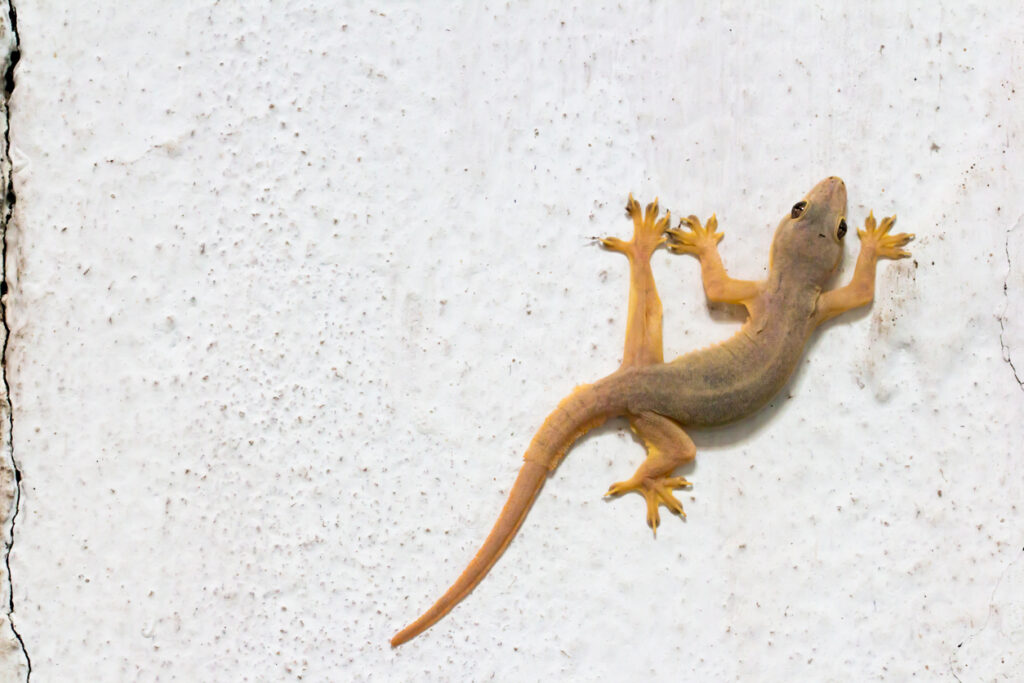
Geckos walk across walls and ceilings without slipping, even on smooth glass. Tiny hairlike structures on their feet create molecular attraction, allowing them to stick and release instantly. Humans require ropes tools or surfaces with grip to climb. Geckos move freely in spaces humans consider impossible, navigating vertical worlds without fear. Their motion looks casual, almost playful, as gravity becomes optional rather than limiting.
This ability comes from precision rather than strength. Geckos do not cling tightly. They control contact carefully, lifting and placing each step with intention. Humans often think power solves movement challenges. Geckos rely on design. Their feet show how small details can redefine what is possible. Watching one move overhead shifts perspective. It reminds us that limits often exist not because of size or force, but because our bodies were simply built for different conversations with the world.
23. Thriving In Extreme Heat
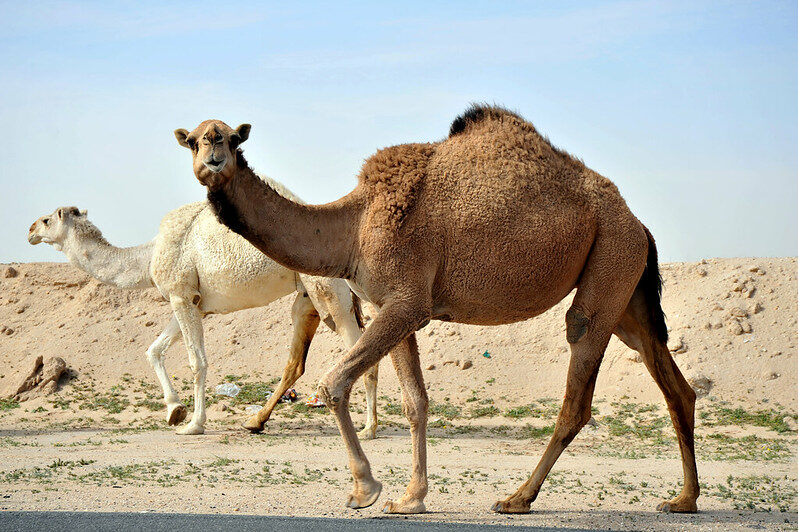
Camels survive in desert heat that would overwhelm humans within hours. Their bodies conserve water, regulate temperature, and tolerate dehydration without shutting down. Humans lose balance quickly without shade or hydration. Camels continue moving steadily across sand, carrying weight and distance without complaint. Their internal systems recycle moisture efficiently, turning scarcity into endurance rather than emergency.
This adaptation allows camels to exist comfortably where humans struggle to endure. They do not fight the heat. They accommodate it. Humans often see harsh environments as hostile. Camels show another view where survival comes from cooperation with conditions rather than resistance. Their presence in deserts feels steady and patient, reminding us that endurance is not always dramatic. Sometimes it is quiet preparation built into the body long before the challenge appears.
24. Building Entire Cities Without Plans
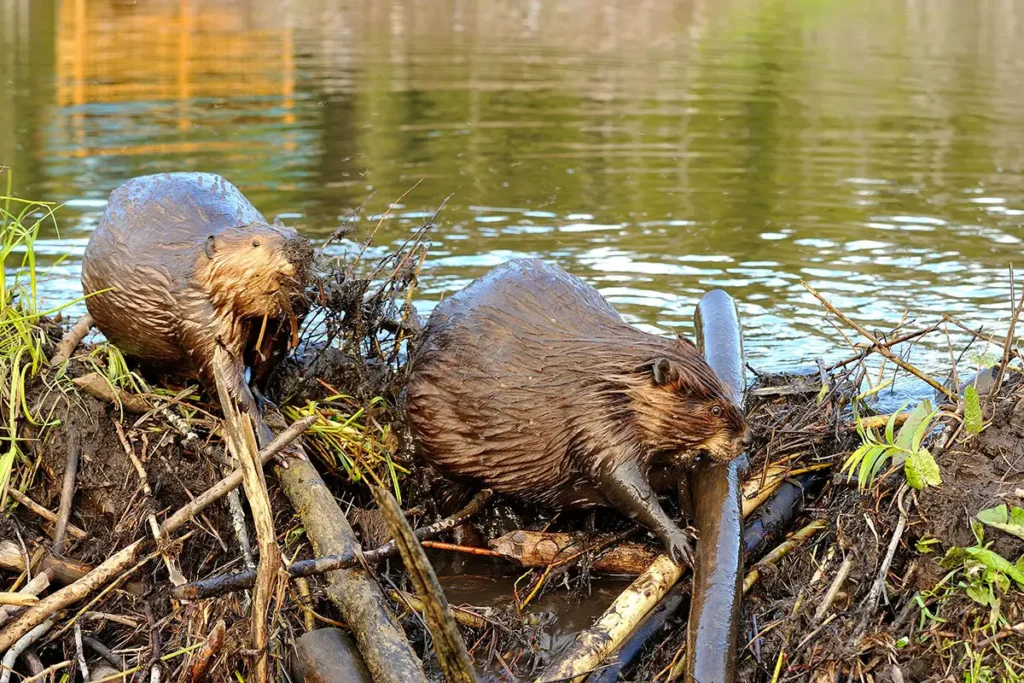
Beavers construct complex dams and lodges that change entire ecosystems. Without blueprints or instruction, they redirect water, create wetlands, and protect themselves from predators. Humans rely on planning permits and tools to reshape environments. Beavers respond instinctively, using sound and flow to guide construction. Their structures regulate temperature, food supply, and safety all at once.
This ability highlights intelligence rooted in action. Beavers do not debate design choices. They respond to feedback from the environment, adjusting as needed. Humans separate thinking from doing. Beavers blend them. Their work benefits countless other species, showing how creation can be cooperative rather than extractive. Watching a beaver dam reshape a landscape invites reflection on building with purpose rather than dominance, and on how lasting impact often comes from listening closely to what the land already asks for.
25. Seeing Clearly In Near Darkness

Cats experience darkness differently than humans, moving through dim rooms with calm confidence. Their eyes contain a reflective layer that amplifies available light, allowing them to see details humans miss entirely. While people fumble for switches or phones, cats adjust instantly, tracking movement and distance with ease. This ability comes from biology shaped for crepuscular life, active during dawn and dusk when light is scarce. To a cat, shadows are not empty space but layered information. Furniture edges, subtle motion, and familiar paths remain visible, turning night into a usable landscape rather than an obstacle to be feared by them.
Humans often associate night with vulnerability, but cats treat it as normal working hours. Their pupils widen dramatically, and their whiskers assist with spatial awareness, creating a full body sensing system humans lack. This allows quiet movement without collision or hesitation. Cats do not conquer darkness, they coexist with it naturally. Their comfort after sunset reminds us that limitation depends on design. What feels disabling to one species can feel ordinary to another. Watching a cat move through darkness gently challenges human assumptions about visibility, fear, and control, suggesting that adaptation often matters more than brightness in everyday shared spaces.
26. Surviving Crushing Ocean Pressure
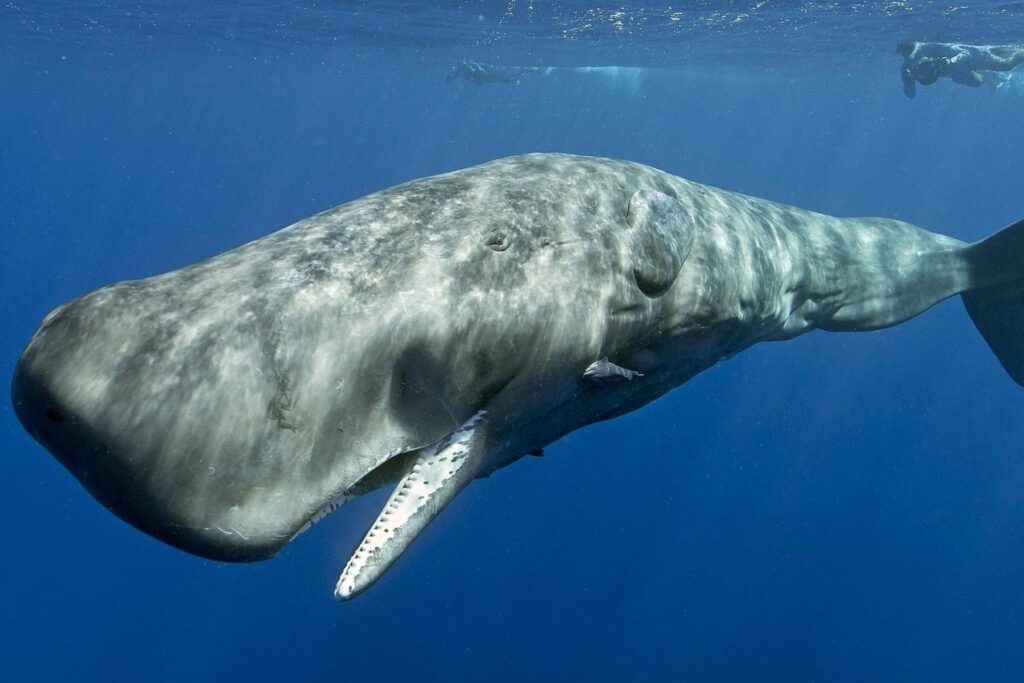
Sperm whales dive to depths that would crush a human body almost instantly. Thousands of feet below the surface, pressure increases dramatically, yet their bodies remain calm and functional. Their rib cages collapse safely, lungs empty without injury, and oxygen is stored efficiently in muscles rather than blood. Humans require heavy equipment and strict limits to reach even a fraction of these depths. For sperm whales, the deep ocean is not hostile. It is familiar territory where hunting and navigation happen without distress or hesitation.
This ability shows how survival can come from surrender rather than resistance. Instead of fighting pressure, sperm whales allow their bodies to adjust naturally. Humans often try to overpower environments with technology. Whales demonstrate another approach where adaptation replaces control. Their deep dives feel slow and deliberate, reminding us that some limits exist not because the world is too harsh, but because our bodies were never built for certain conversations with it.
27. Regenerating Entire Parts Of The Body

Starfish can regrow lost arms and in some cases regenerate an entire new body from a single limb. Humans cannot replace missing organs or limbs without medical intervention, and even then results are limited. For starfish, regeneration is routine rather than miraculous. When damaged, their bodies reorganize calmly, rebuilding structure and function over time without urgency or complication. Loss does not end life. It becomes a starting point.
This ability reframes how damage is understood. Humans often treat injury as final. Starfish treat it as temporary. Their patience during regrowth shows a relationship with time humans rarely experience. Healing is not rushed or feared. It unfolds steadily. Watching a starfish regenerate quietly challenges the human assumption that what is broken must stay broken. Sometimes nature simply grows forward until wholeness returns again.
28. Detecting Changes In Air Pressure
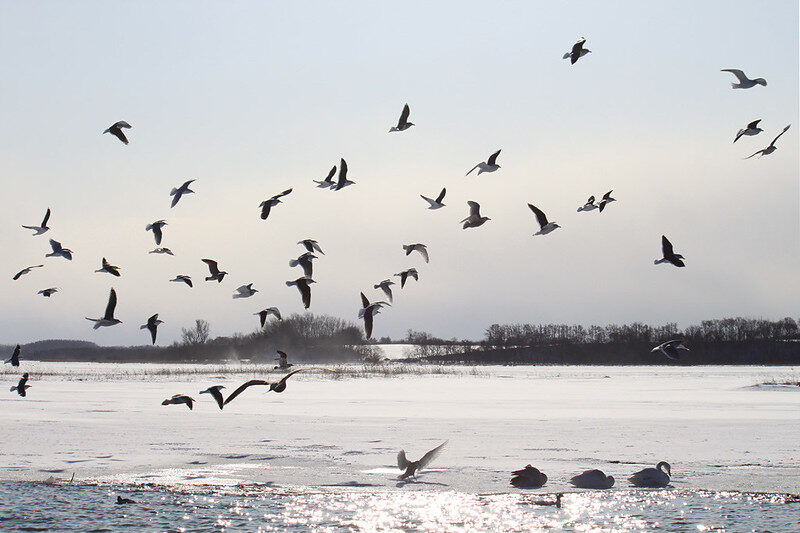
Birds often sense storms before humans notice any change. Subtle shifts in air pressure signal weather transitions, prompting birds to seek shelter or alter migration routes. Humans rely on forecasts and instruments to anticipate storms. Birds respond physically, guided by sensations humans do not feel. Their behavior changes long before rain or wind arrives, giving them a survival advantage rooted in awareness rather than prediction.
This sensitivity keeps birds one step ahead of danger. Humans tend to react once conditions arrive. Birds prepare before disruption begins. It shows how perception can function as protection. Some warnings do not announce themselves loudly. They exist quietly in the body, waiting to be acknowledged. Birds listen closely, reminding us that foresight does not always come from information. Sometimes it comes from feeling when something is about to change.
29. Producing Venom Without Self Harm
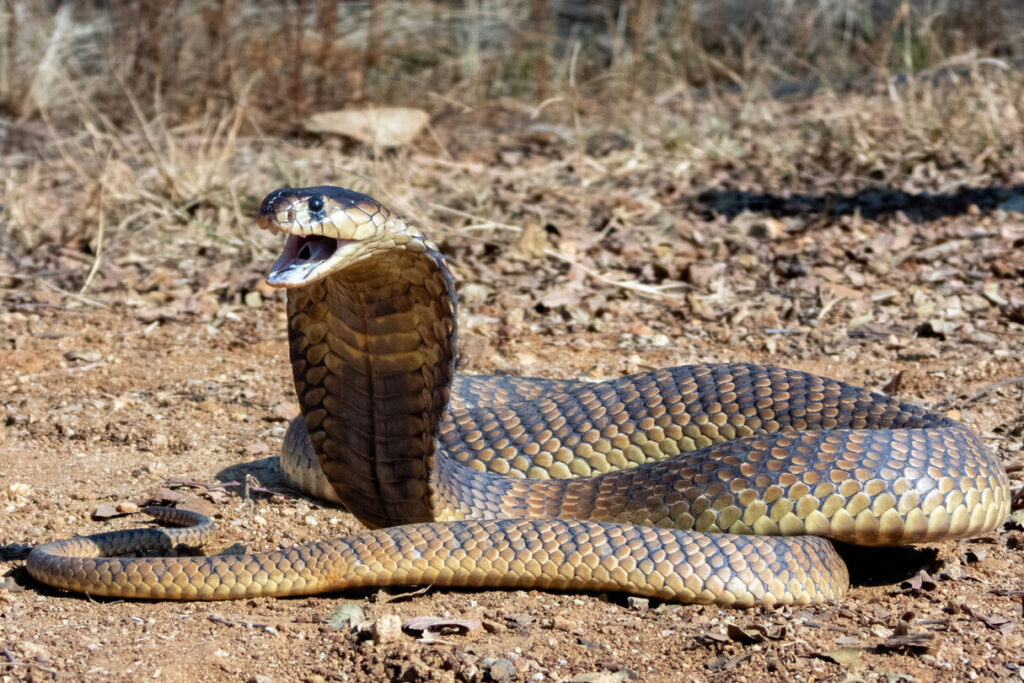
Snakes produce venom powerful enough to immobilize prey, yet their own bodies remain unaffected by it. Humans cannot generate or safely store such substances internally. Snake venom glands deliver precise doses through specialized fangs without damaging surrounding tissue. What would poison humans is controlled perfectly within their systems, turning danger into a tool rather than a threat.
This ability reflects internal balance rather than aggression. Venom is not constant violence. It is measured and purposeful. Snakes use it for defense and feeding, not excess. Humans often struggle to manage harmful substances safely. Snakes show how danger can exist alongside control. Their bodies remind us that power does not have to spill outward. Sometimes it is contained, regulated, and used only when necessary.
30. Surviving On Almost No Food
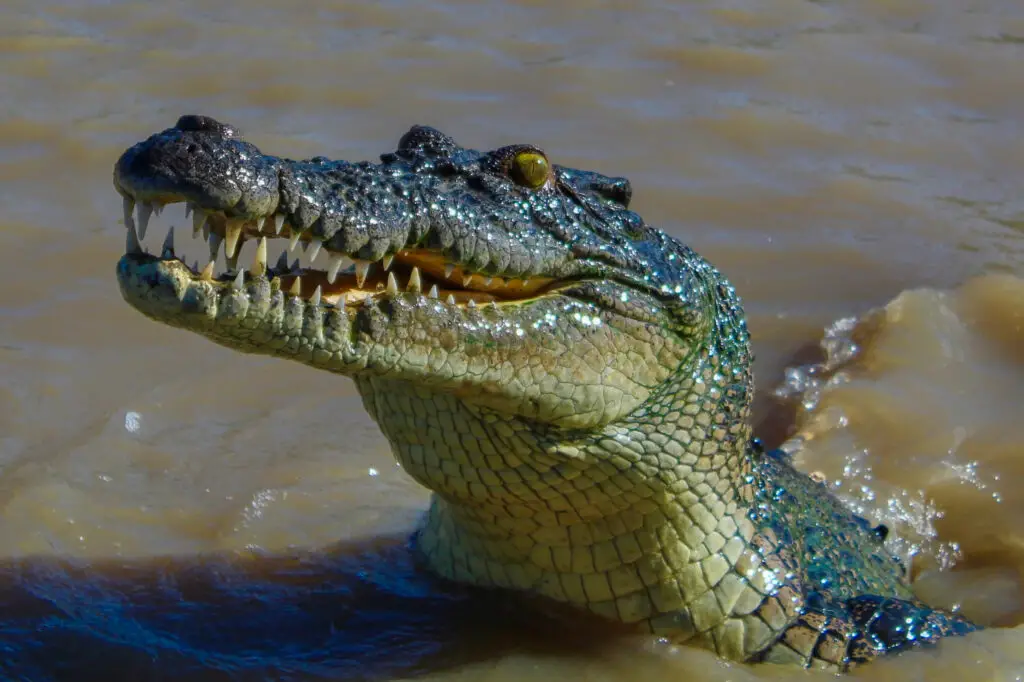
Some animals like snakes and crocodiles can survive for months without eating. Their metabolism slows dramatically, conserving energy until food becomes available again. Humans require regular meals to function properly. Without food, our systems fail quickly. These animals wait without panic, relying on efficiency rather than constant intake to survive long stretches of scarcity.
This ability highlights a different relationship with consumption. Humans often equate survival with constant supply. These animals survive through restraint. They do not seek more than needed. Their patience challenges modern human habits of excess and urgency. Watching such creatures endure calmly reminds us that survival does not always demand abundance. Sometimes it demands trust in the body’s ability to wait, adapt, and continue when the moment finally arrives.
31. Navigating The World Through Smell Alone

Dogs experience the world primarily through scent, processing smells in ways humans cannot imagine. Their noses contain hundreds of millions of scent receptors, allowing them to detect individual odors layered together in the air. Where humans smell one thing, dogs smell many stories at once. They track missing people, detect illness, and follow trails long after they fade from human awareness. To a dog, scent is not background information. It is the main language of the world, guiding decisions and movement constantly.
This ability changes how reality feels. Humans rely on sight first, often overlooking what cannot be seen. Dogs trust what lingers invisibly. Smell carries time, memory, and emotion for them. A single patch of ground can reveal who passed by, when, and in what state. Watching a dog pause and sniff reminds us that knowledge does not always arrive through clarity or brightness. Sometimes understanding floats quietly in the air, waiting for the right senses to notice it.
32. Living Without Ever Drinking Water
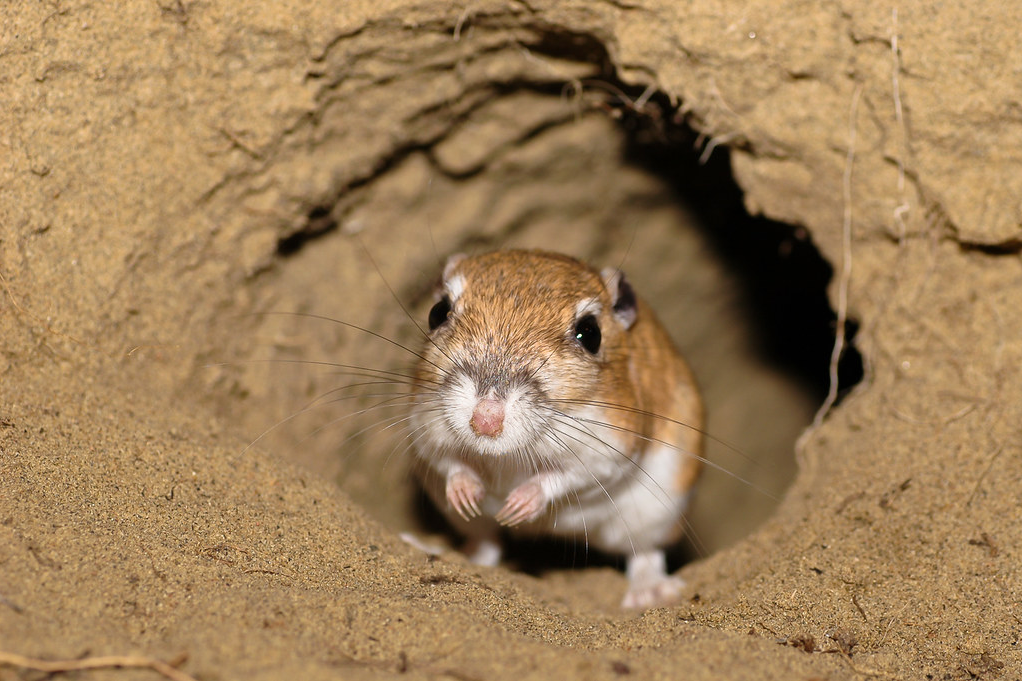
Kangaroo rats survive in deserts without ever drinking water. They extract moisture entirely from the seeds they eat and conserve it through highly efficient kidneys. Humans depend on regular water intake to survive. Without it, systems fail quickly. Kangaroo rats live comfortably in conditions that feel unforgiving to people, moving through dry landscapes without distress or urgency. Their bodies recycle water so effectively that waste is almost nonexistent.
This adaptation reshapes how scarcity is understood. Humans often see deserts as hostile and empty. Kangaroo rats treat them as home. They do not search for water. They become efficient enough not to need it. This ability highlights how survival sometimes comes from refinement rather than abundance. Instead of seeking more resources, kangaroo rats use less. Their quiet efficiency challenges human habits of excess and shows how life can flourish even where resources appear absent.
33. Freezing Solid And Returning To Life
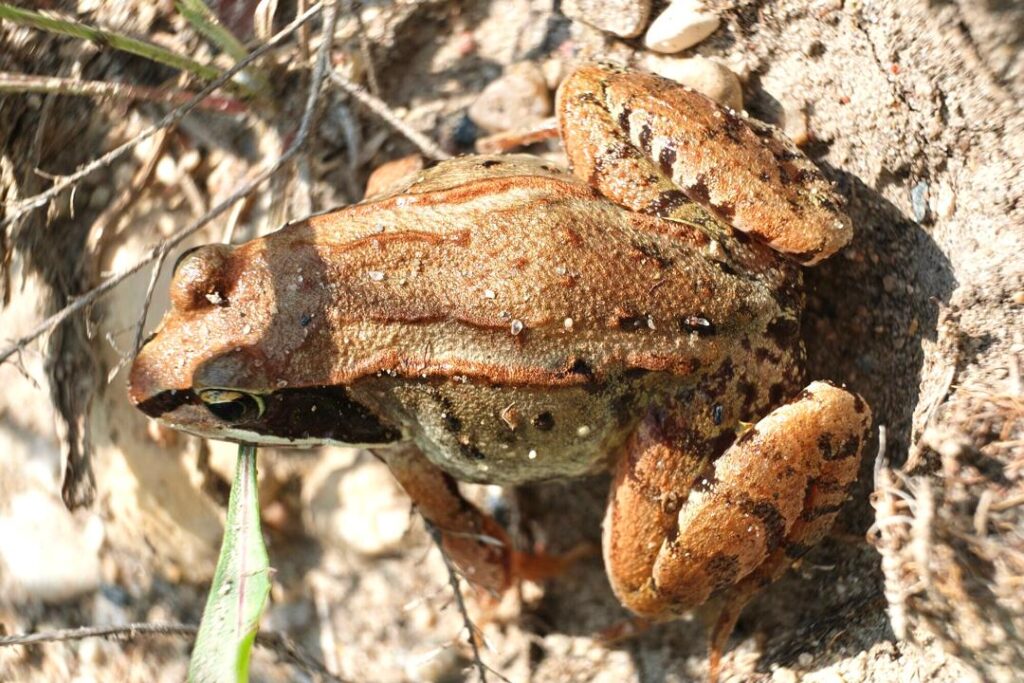
Wood frogs survive winter by allowing their bodies to freeze solid. Their hearts stop beating, blood stops flowing, and ice forms inside their tissues. Humans would not survive this for minutes. When temperatures rise, wood frogs thaw and resume life as if nothing happened. Their bodies protect vital cells with natural antifreeze chemicals, preventing damage during freezing.
This ability feels almost unreal, yet it is calm and reliable. Wood frogs do not escape winter. They endure it completely. Humans associate survival with activity and warmth. Wood frogs survive through stillness. Their existence reframes what life can tolerate. Sometimes survival means letting go of motion and trusting the body to hold itself together until conditions improve again.
34. Moving Each Eye Independently
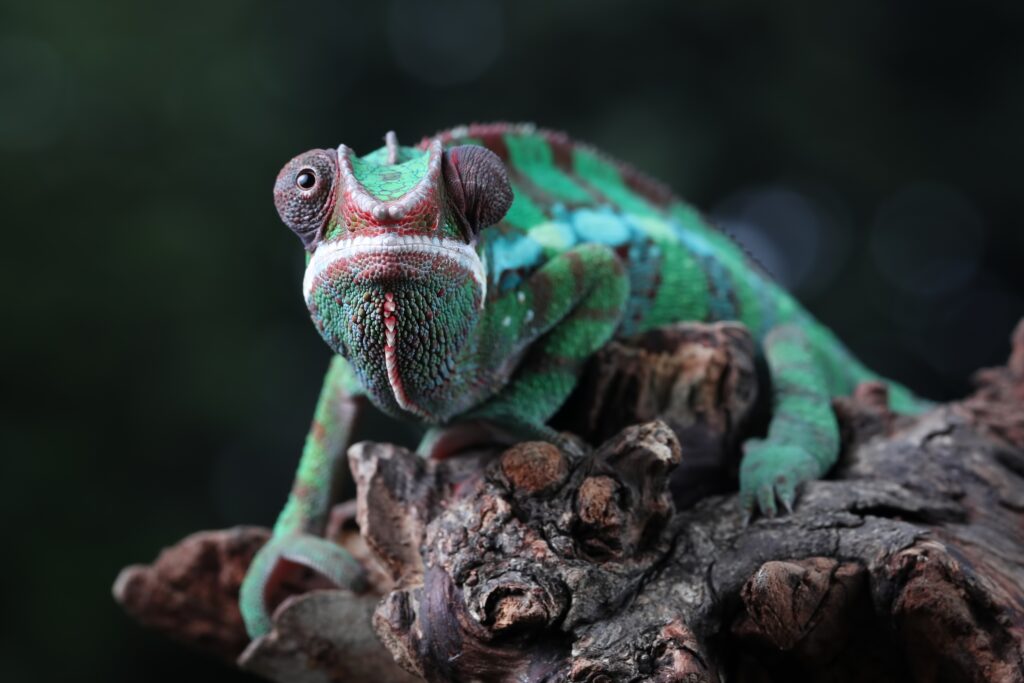
Chameleons see the world in a way humans never could, moving each eye independently to scan their surroundings. One eye can watch for predators while the other tracks food, giving them nearly full panoramic vision at all times. Humans must turn their heads or shift focus to see different directions. Chameleons gather information constantly without moving their bodies, staying hidden and alert. This ability allows them to remain still while understanding everything happening around them. Their eyes work separately until a target is chosen, then lock together with precision that feels almost mechanical but is entirely natural.
This way of seeing reflects patience and control rather than speed. Chameleons do not rush or react impulsively. They observe quietly, collecting details before acting. Humans often feel pressure to respond quickly, sometimes missing important context. Chameleons wait until the moment is right. Their vision supports a lifestyle built on timing rather than force. Watching a chameleon scan its environment reminds us that awareness does not always require movement. Sometimes the most effective way to navigate the world is to stay still, observe carefully, and act only when clarity arrives.
35. Living In Complete Darkness Underground
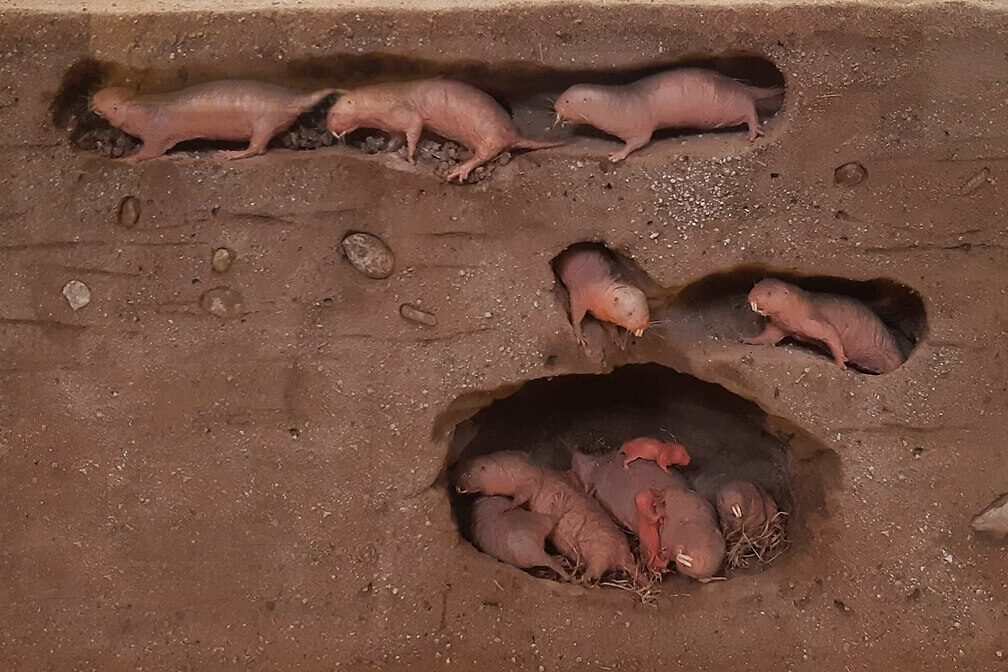
Mole rats live their entire lives underground without sunlight. Their vision is minimal, yet their survival thrives through touch vibration and smell. Humans rely heavily on light and struggle in darkness. Mole rats navigate complex tunnel systems without confusion, building communities beneath the surface. Their bodies are shaped for a world humans rarely consider livable.
This ability quietly brings the story full circle. Humans often assume progress means more light more sight more control. Mole rats show another truth. Life adapts wherever it needs to exist. Not everything remarkable seeks visibility. Some strengths grow in quiet places unseen and undisturbed. As we look at all these animals together, it becomes clear that human limits are not failures. They are simply boundaries. Nature keeps reminding us that many ways of living work just fine, even when they look nothing like ours. If this list made you pause and reconsider what is possible, stay curious and keep noticing the quiet marvels around you.


