
1. Michael Phelps Finds His Way Back
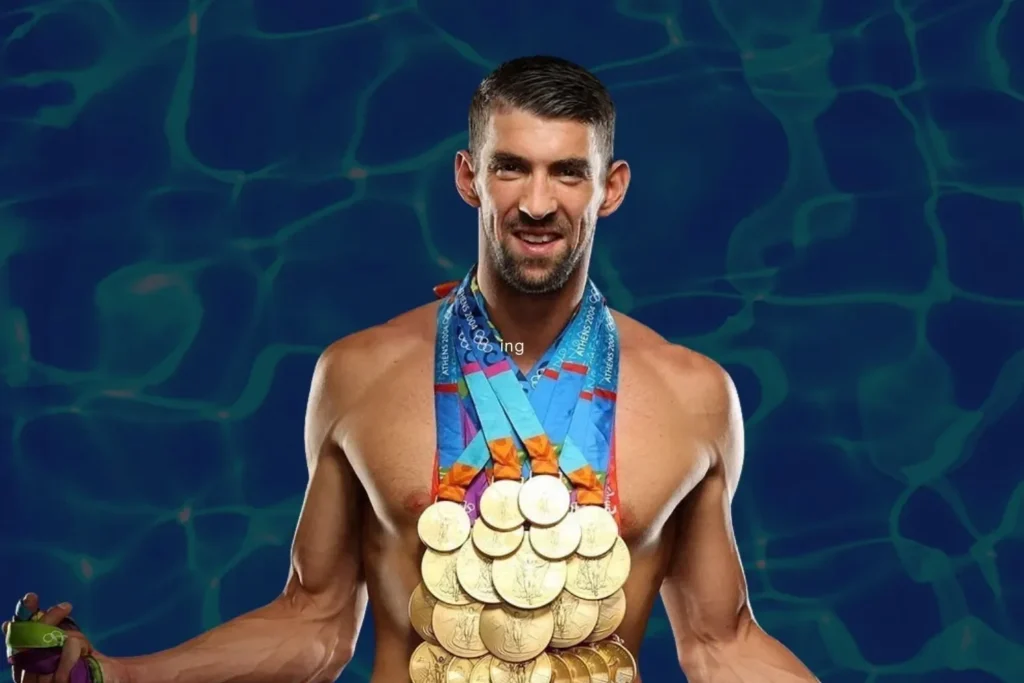
When people talk about Olympic greatness they often begin with medals, but the real story for Michael Phelps started with exhaustion, uncertainty, and a quiet decision to return after stepping away from swimming. He had spoken openly about emotional struggles and losing daily structure, so the first comeback months focused on routine, therapy, and rebuilding trust with coaches and family. Training sessions were shorter at first, then longer, and teammates noticed the shift in his attitude, calmer, more present, and protective of younger swimmers who were still learning how elite preparation truly feels day after day again consistently.
He arrived at the Rio Games carrying expectations, yet inside the team he acted more like a steady mentor than a distant superstar, offering advice, cheering loudly, and keeping relay teammates relaxed before finals. Once racing began the old rhythm returned, strong turns, controlled breathing, and the familiar closing surge cameras loved. By the end he won five gold medals and one silver, and many fans remember not just victories but the calm expression that showed this Olympic finish finally matched the personal recovery he fought hard to rebuild.
2. Simone Biles Chooses Herself And Returns Stronger
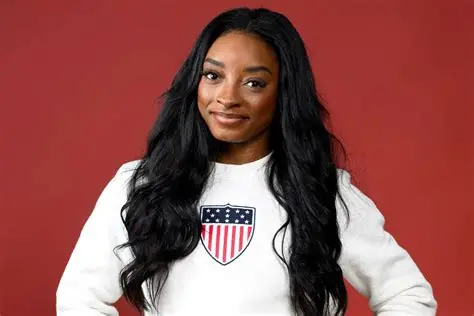
At Tokyo the world expected Simone Biles to dominate again, but gymnastics suddenly became frightening when the twisties disrupted her air awareness and forced a painful public withdrawal. She explained that protecting mental and physical safety had to come first, and that honesty changed how many athletes spoke about pressure. The months after were not dramatic highlight reels but careful basics, slower skill rebuilds, steady therapy, and learning to trust her body again. Coaches focused on consistency instead of difficulty while fans quietly hoped she would simply feel comfortable competing again someday soon.
When she stepped back into major competition the atmosphere felt different, less about unbeatable dominance and more about respect for resilience. Her routines looked controlled, confident, and emotionally grounded, and medals followed naturally once the foundation returned. Crowds cheered every landing with protective pride. Her comeback reminded people that stepping away did not weaken greatness, it protected it, and sometimes the strongest Olympic return begins with the courage to pause, breathe, and rebuild confidence at a steady human pace.
3. Allyson Felix Runs Through Motherhood And Doubt
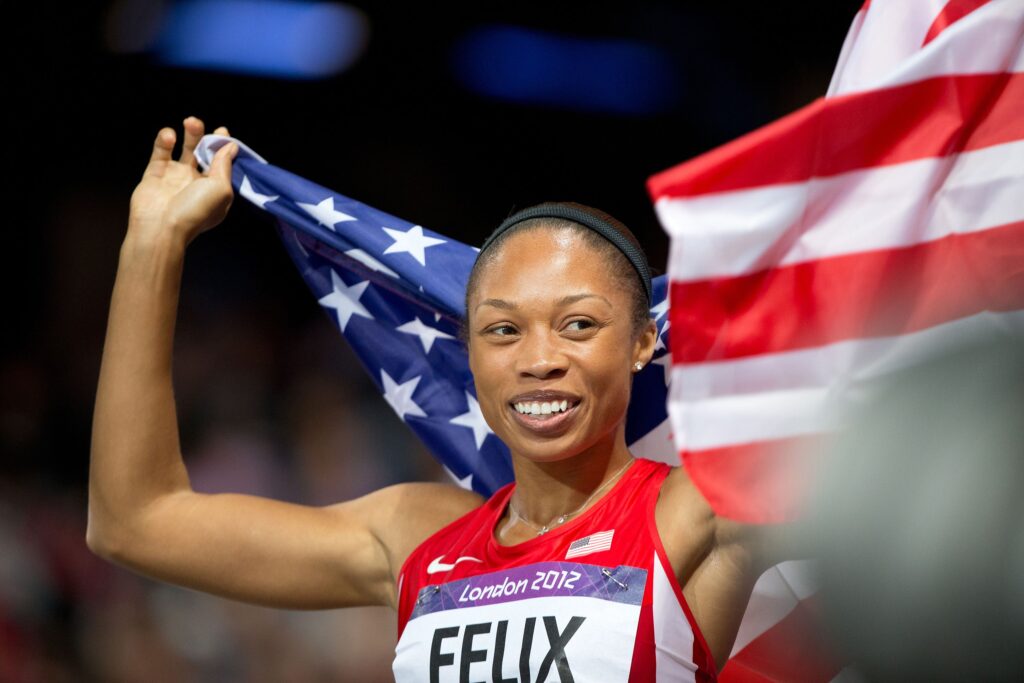
Late in her career Allyson Felix faced a life threatening pregnancy complication that forced an emergency delivery and months of uncertain recovery. For a sprinter whose career depended on explosive strength and perfect conditioning, even returning to training felt distant. She also spoke publicly about sponsorship reductions during maternity, pushing for fair treatment for athlete mothers while quietly rebuilding her own fitness. Early sessions focused on gentle endurance, then controlled speed work, and eventually full race simulations as confidence slowly returned to her stride and competitive rhythm.
By the time the Tokyo Olympics arrived many assumed her appearance would be symbolic, a respected veteran closing her career. Instead Felix delivered powerful relay performances and added another Olympic medal, becoming the most decorated American track athlete in history. Teammates celebrated wildly while fans sensed something deeper than statistics unfolding. Her return showed that motherhood, advocacy, and elite performance could exist together, and that sometimes the most meaningful medals arrive after life proves far more demanding than any race.
4. Shaun White Lands One More Golden Moment
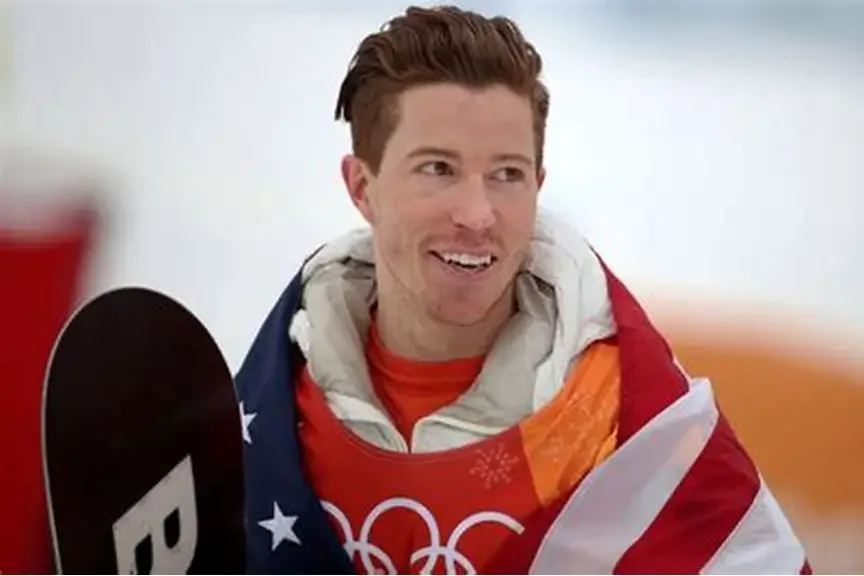
Years before his final Olympic triumph Shaun White suffered a brutal training crash that required surgery and left serious doubts about whether his body could still handle elite snowboarding. Younger riders were landing increasingly complex tricks, and many observers believed his competitive window had closed. White responded by restructuring everything, focusing on recovery, precision training, and building one routine he trusted completely. Practice sessions became about repetition and confidence rather than chasing experimental risks, and teammates noticed a calmer determination shaping his final Olympic preparation season.
At the PyeongChang Games his early runs were strong but not decisive, setting up a final attempt that demanded absolute execution. He dropped in, delivered the full sequence cleanly, and the score pushed him into gold medal position. Cameras caught him overwhelmed at the finish as years of pressure finally released. Fans watching felt they had witnessed not just a victory but the rare moment where persistence, timing, and experience aligned perfectly in one unforgettable Olympic run.
5. Katie Ledecky Keeps Grinding Through New Competition
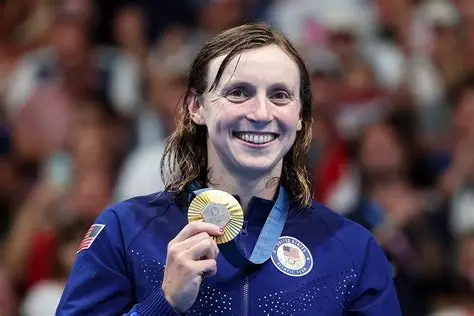
For years Katie Ledecky dominated distance freestyle so completely that races often felt decided long before the final lap. Eventually the field tightened as younger swimmers studied her pacing and closed the gap, turning once comfortable wins into tense finishes. Media discussion shifted toward whether her unbeatable era might be ending, but inside her camp the response stayed simple. Training logs, endurance sets, and technical adjustments continued with the same quiet discipline that built her earlier dominance in the first place.
When the next Olympics arrived she once again captured multiple medals, proving that longevity often comes from stubborn routine rather than dramatic reinvention. Watching her swim felt less like witnessing a sudden comeback and more like seeing someone refuse to surrender ground she earned through years of relentless preparation. Her steady return reminded fans that excellence often survives through patience long after headlines predict decline.
6. Gabby Douglas Earns Her Way Back
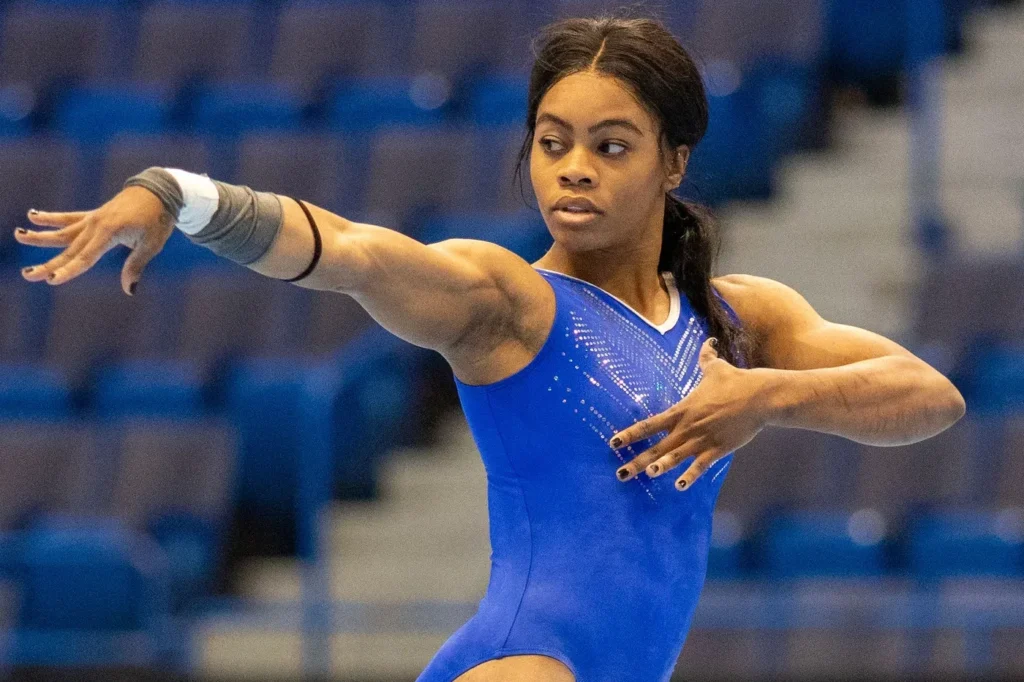
After winning the Olympic all around title in London, Gabby Douglas stepped into a different kind of pressure that had nothing to do with routines. Fame, expectations, criticism, and the fast moving nature of gymnastics all made a return feel uncertain. Younger athletes were rising quickly and many champions never make a second Olympic team. Douglas chose the slow route back, entering national competitions, rebuilding stamina, and focusing on consistency rather than headlines. Training camps became about proving reliability to selectors and rediscovering the daily rhythm that elite gymnastics demands from start to finish.
By the time Rio approached, she had quietly worked herself back into the conversation and secured a place on the team. The result was another Olympic gold in the team event, earned through steady performances rather than dramatic moments. Watching her stand with teammates again felt like a reminder that comebacks are often built on ordinary training days that nobody films. Her second Olympic medal told a softer story than the first, showing that staying power sometimes matters more than the original breakthrough that introduced the world to her talent.
7. Caeleb Dressel Learns To Carry Expectations

When American swimming began searching for its next dominant figure after the Phelps era, Caeleb Dressel found himself carrying enormous expectations very early. He had speed, powerful technique, and relay strength, yet early global meets showed flashes of nerves that even he later acknowledged. Instead of hiding from the pressure, Dressel leaned deeper into structured preparation, mental coaching, and daily routines designed to make race day feel familiar rather than overwhelming. Teammates described him as intensely focused in training while keeping his personal circle small and grounded.
At the Tokyo Olympics that preparation showed clearly in the water. His starts were sharp, his turns clean, and his finishes controlled, leading to five gold medals across individual and relay events. What stood out most was the calm expression between races, the look of someone finally comfortable with the responsibility placed on him. His rise felt less like sudden dominance and more like a steady internal adjustment. Fans watching saw not just a fast swimmer but someone who learned how to turn expectation into structure and let preparation quietly deliver the medals.
8. Suni Lee Builds Back With Patience
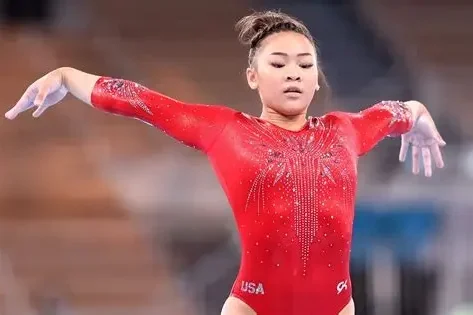
After her Olympic all around victory, Suni Lee expected to continue competing at the highest level, but serious kidney health issues interrupted that plan and forced time away from elite training. For a gymnast, long breaks can quickly erase competitive readiness, and Lee spoke openly about the frustration of watching events from the sidelines while focusing on recovery. Doctors, coaches, and family encouraged patience, something elite athletes rarely enjoy practicing. Training resumed slowly, beginning with basics, light conditioning, and rebuilding endurance before difficult skills even entered the conversation again.
When she returned to competition the routines were adjusted, the pacing more careful, and expectations deliberately realistic. Yet the competitive spark was still there, and strong performances soon followed, bringing medals that felt earned through resilience rather than momentum. Fans appreciated the honesty of her journey because it showed the messy middle stage rarely seen between Olympic cycles. Her comeback reminded younger athletes especially that progress does not always move forward in straight lines, and that protecting long term health often becomes the strongest foundation for future podium finishes.
9. Ryan Crouser Rebuilds His Throwing Power
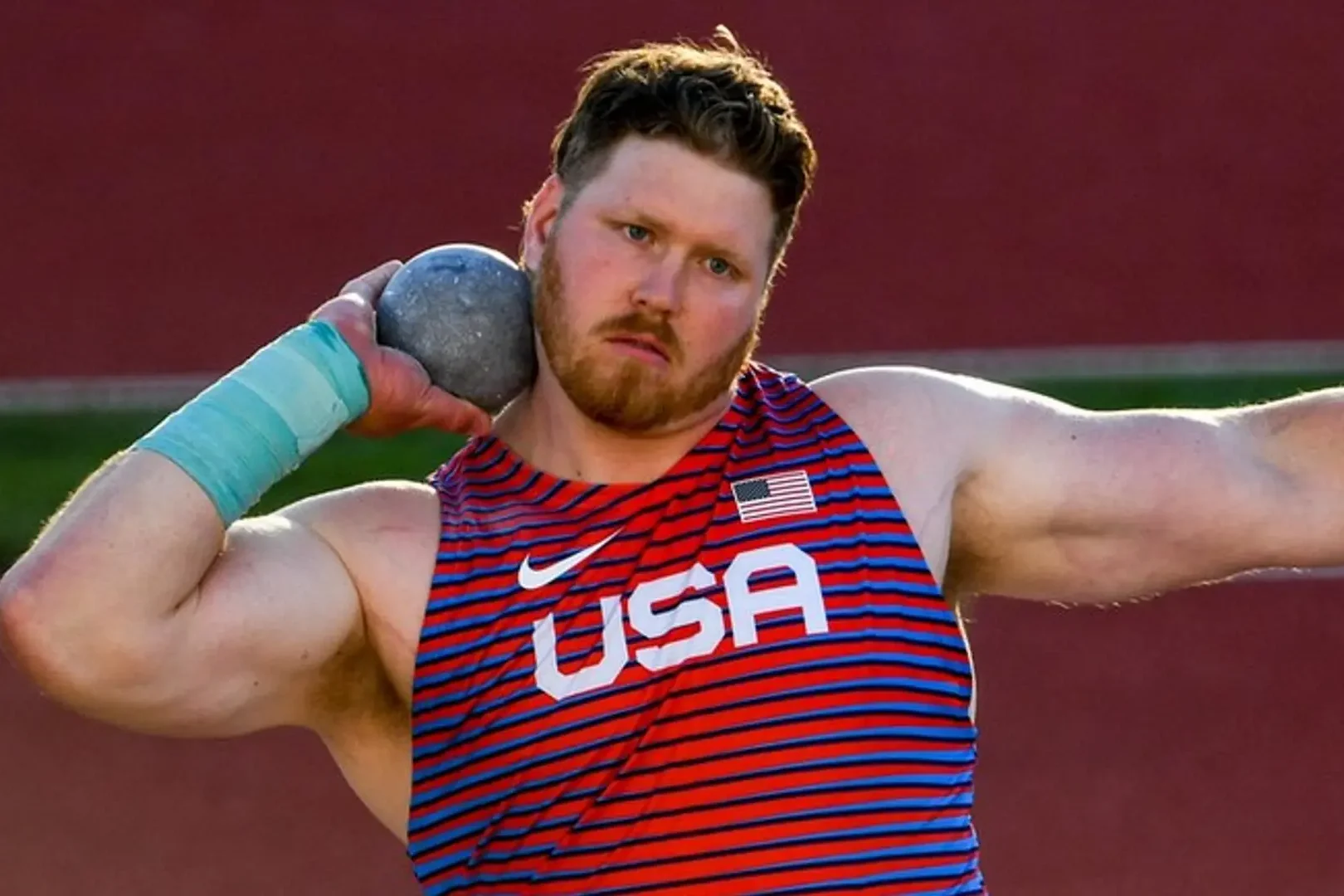
For a shot put champion, even small physical problems can disrupt the delicate balance of strength, timing, and release angle needed for elite distance. Ryan Crouser dealt with elbow and back concerns that threatened his consistency during key preparation seasons. Instead of rushing into competition, he focused heavily on rehabilitation, technical film study, and incremental strength rebuilding. Training sessions emphasized mechanics and repeatable motion rather than chasing massive practice throws. Coaches described the process as patient engineering rather than dramatic athletic recovery.
That patience paid off once major championships arrived. Crouser returned not only strong but technically sharper, producing Olympic level throws that pushed record territory and secured another gold medal. Watching his performance felt like witnessing preparation expressed in its purest form. There were no visible theatrics, just controlled power delivered at exactly the right moment. His story resonates with fans who understand that true rebuilding often happens quietly in training facilities, long before the crowd ever sees the final result measured on the field.
10. April Ross Finally Claims The Top Spot
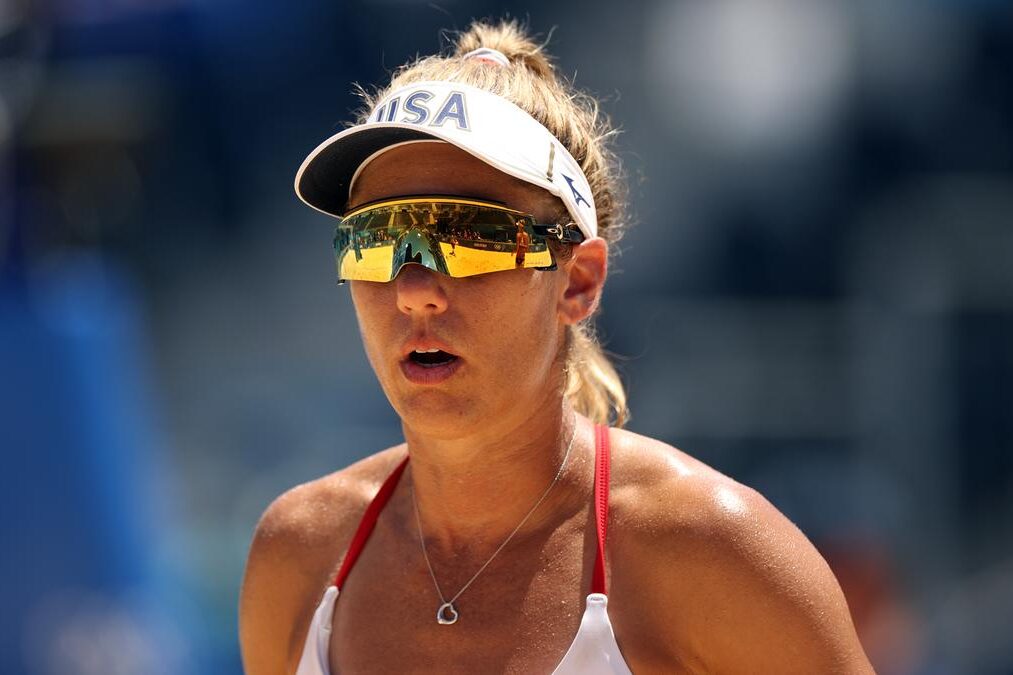
April Ross had spent years as one of the best beach volleyball players in the world, collecting Olympic medals yet always watching gold slip just out of reach in earlier finals. Many athletes would have accepted that record and moved on, but Ross stayed committed, adjusting partnerships, refining defensive reads, and sharpening serve receive patterns. Preparation seasons stretched long, often under intense travel schedules, yet teammates consistently described her as steady and focused on small improvements that accumulate over time.
At the Tokyo Games that persistence finally aligned. Ross and partner Alix Klineman controlled matches with disciplined positioning and confident attacking, advancing steadily toward the final. When the gold medal match ended in their favor, the celebration felt like the closing chapter of a very long pursuit rather than a sudden surprise. Fans appreciated how her journey mirrored ordinary persistence, showing up year after year until the opportunity finally arrives. Her victory proved that sometimes the most satisfying Olympic gold is the one that took the longest road to reach.
11. Nathan Chen Turns Heartbreak Into Gold

At the 2018 Winter Olympics Nathan Chen entered as a favorite but struggled badly in the short program, falling multiple times and dropping far from medal contention. The disappointment was immediate and public, yet what followed quietly shaped the next four years. Chen rebuilt his competitive mindset, refined technical layouts, and approached international events with a calmer emotional framework. Coaches emphasized consistency under pressure while Chen focused on making each performance feel like practice rather than spectacle.
By the time Beijing arrived, he looked like a completely different competitor. His short program was clean, confident, and historically strong, setting up a dominant free skate that secured Olympic gold. Watching the performance felt less like redemption theater and more like the natural result of disciplined growth. Fans remembered the earlier heartbreak but saw how thoroughly he had rebuilt from it. His journey showed that one Olympic disappointment does not define an athlete when the response is thoughtful preparation and steady emotional control.
12. Alex Morgan Fights Back To Olympic Form
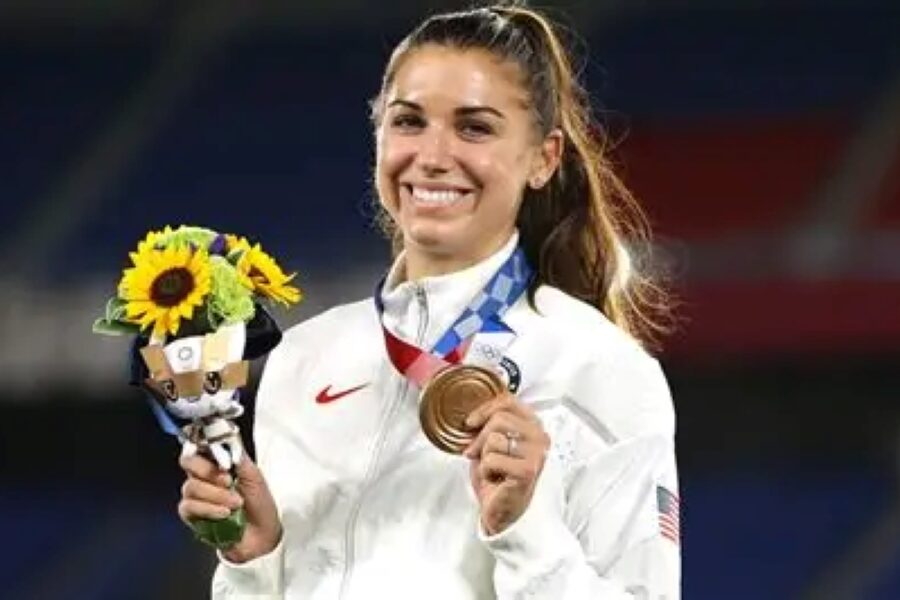
Soccer careers rarely follow perfect timelines, and Alex Morgan experienced stretches of injury recovery, national team competition battles, and the physical demands of pregnancy before returning to Olympic level play. Each phase required rebuilding match fitness, sharpening finishing instincts, and reestablishing chemistry with teammates in a squad constantly evolving. Training camps focused heavily on conditioning and positional awareness while Morgan worked to regain the explosive movement that defined her earlier international success.
Her return to major tournament play brought renewed scoring contributions and leadership that helped drive Team USA toward Olympic medal success. Teammates often pointed to her calm communication and experience in high pressure moments as equally valuable as goals. Fans watching saw not just a striker chasing numbers but a veteran shaping the tempo and confidence of the entire forward line. Her comeback illustrated how elite athletes sometimes return not only with physical readiness but with deeper tactical maturity that strengthens the whole team environment.
13. Kerri Walsh Jennings Pushes Through Injury Years
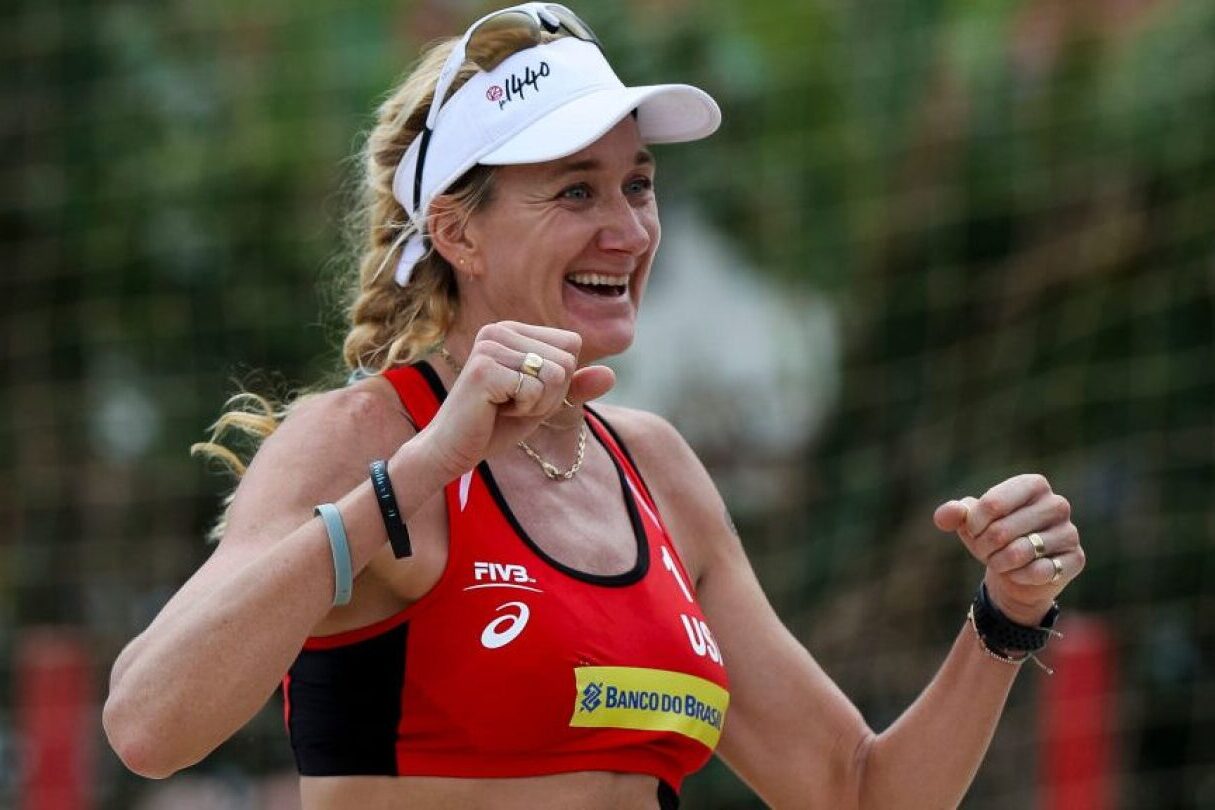
Beach volleyball legend Kerri Walsh Jennings dealt with shoulder problems, surgeries, and the natural wear that comes from years of elite competition in sand and wind. Many assumed her Olympic dominance alongside earlier partners would mark the peak of her career. Instead she committed to another cycle, rebuilding strength carefully and adjusting training loads to protect long term durability. Practices focused more on efficient movement and smarter shot selection rather than pure physical volume.
That strategic rebuild allowed her to return to Olympic competition and secure another medal, extending one of the most successful careers in the sport. Watching her play at that stage felt different from her earlier explosive years. The game looked more controlled, more experienced, and deeply tactical. Fans appreciated seeing how longevity in sport often depends on adaptation rather than stubborn repetition. Her continued Olympic success proved that evolving style and managing the body intelligently can keep elite athletes competitive far longer than most early predictions suggest.
14. David Boudia Climbs Back After Fear
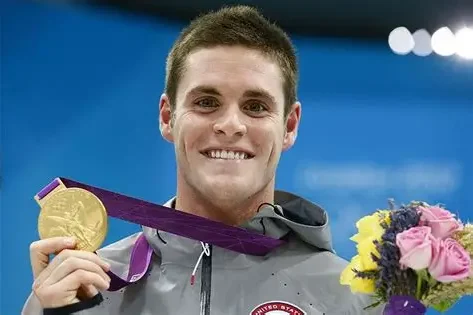
Olympic diving demands absolute trust in body control, which made David Boudia’s struggle with performance anxiety and loss of confidence especially difficult after earlier competitions. He spoke openly about fear developing on the platform and the challenge of rebuilding mental stability alongside technical execution. Training involved not only physical repetition but sports psychology work, visualization, and gradual reintroduction to high pressure competitive environments. Each clean dive became a small step toward restoring belief in his own preparation.
When he returned to Olympic competition, that rebuilt confidence showed in controlled entries and composed body language on the platform. He secured another Olympic medal, confirming that the internal work had matched the physical training. Fans watching could sense the emotional weight behind each successful dive. His story resonated widely because it showed that even athletes in precision sports can lose confidence and still return stronger. Sometimes the hardest comeback is not rebuilding the body but convincing the mind to trust it again.
15. Missy Franklin Returns Through Physical Struggles
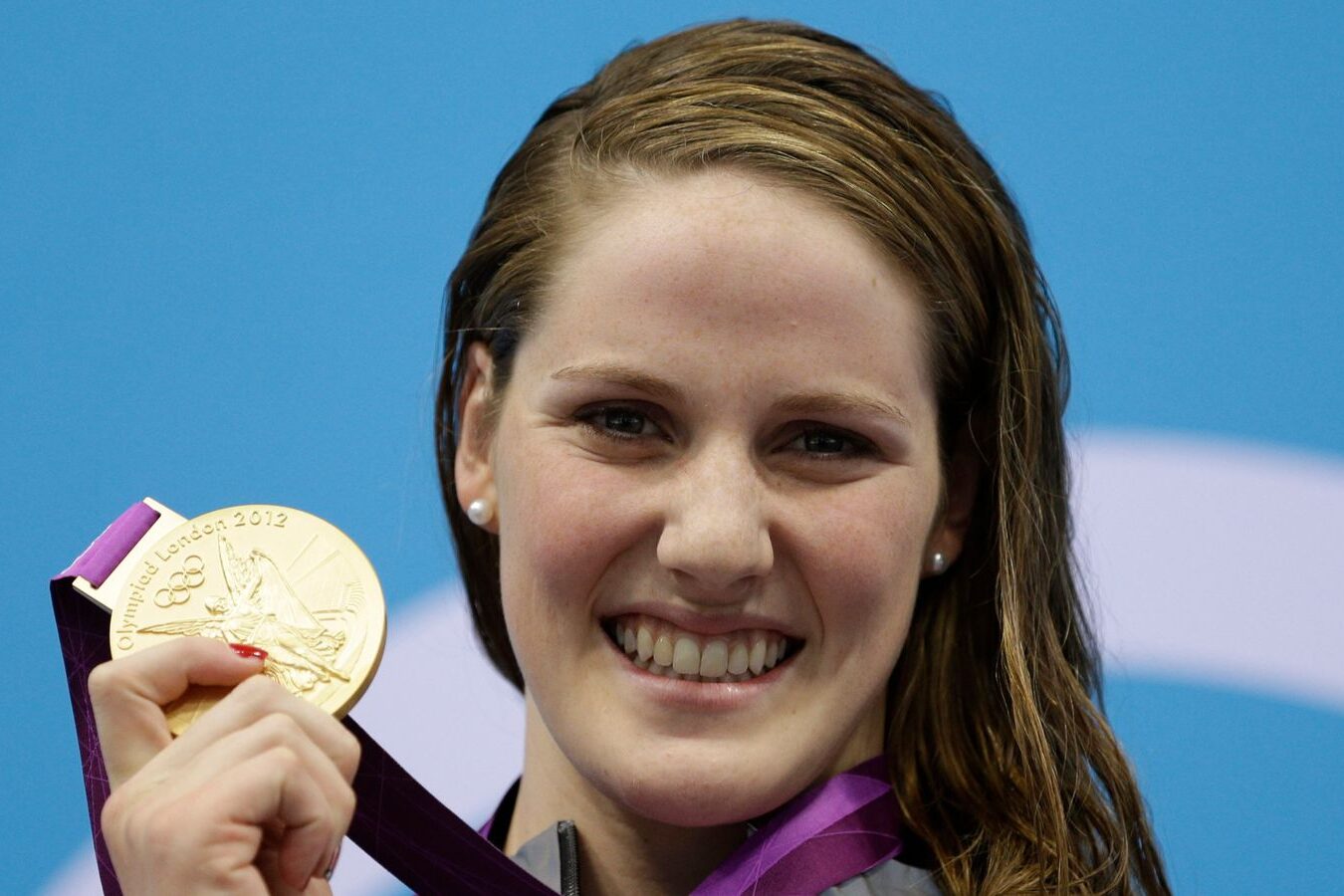
After becoming one of America’s brightest swimming stars, Missy Franklin faced serious shoulder issues that disrupted training and forced long recovery periods. For a swimmer known for powerful range across multiple events, the injury threatened both speed and endurance. Rehabilitation required months of careful strength rebuilding, stroke adjustments, and reduced competition schedules designed to protect long term health. Coaches emphasized patience while Franklin focused on rediscovering the enjoyment of racing rather than chasing immediate results.
Her eventual return to international competition and Olympic level racing brought additional medals and reaffirmed her place among elite American swimmers. Watching her compete again carried a quieter emotional tone, one shaped by persistence rather than youthful momentum. Fans who followed her journey understood how uncertain the path back had been. Her comeback reminded many that elite sport rarely follows a smooth upward curve. Sometimes staying in the race at all becomes the achievement, and medals earned after recovery often feel far more meaningful than the first ones won in easier seasons.
16. Jordyn Wieber Returns As A Team Leader
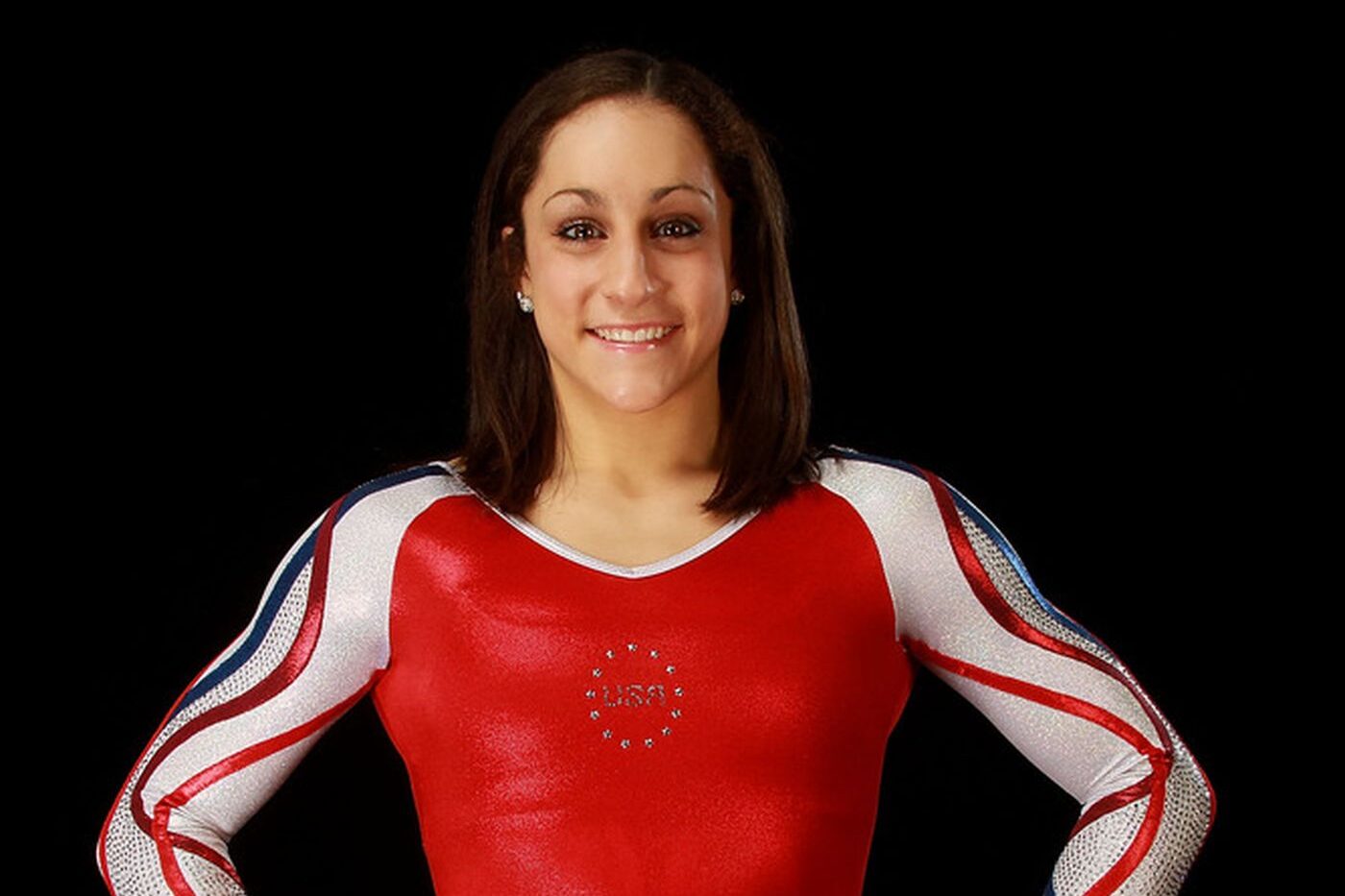
After the heartbreak of missing the Olympic all around final in London despite strong qualification scores, Jordyn Wieber could easily have faded quietly from elite gymnastics competition. Instead she redirected her energy toward strengthening team performance and refining execution across every apparatus. Training became less about individual spotlight and more about consistency, leadership, and supporting younger teammates through the intense preparation cycles required for international success. Coaches often noted her work ethic set the tone in national camps.
Her continued role within Team USA contributed to another Olympic team gold, earned through disciplined routines and calm presence under pressure. Watching her celebrate alongside teammates showed how Olympic redemption sometimes arrives through collective success rather than personal titles. Fans appreciated the maturity in her approach, recognizing that resilience does not always mean chasing the same medal again. Sometimes it means reshaping your role, rebuilding confidence, and proving your value in new ways that still lead back onto the podium with the same national pride.
17. Carli Lloyd Extends Her International Impact
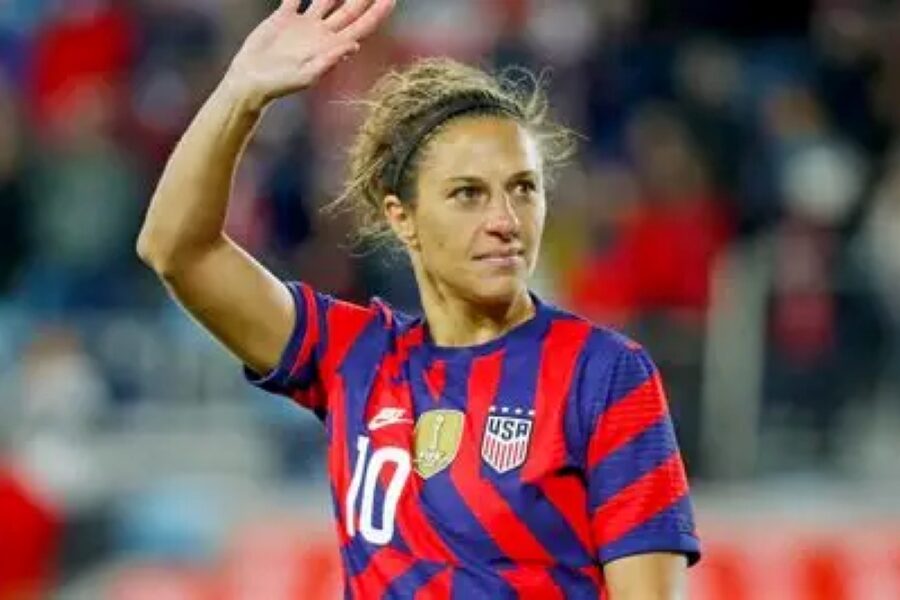
Carli Lloyd’s soccer career included injuries, intense competition for roster spots, and the physical toll that comes from years of international play. Maintaining Olympic level performance required constant conditioning adjustments and relentless focus on match fitness even during off seasons. Lloyd built a reputation for demanding personal training standards, often staying late after team sessions to repeat shooting drills or endurance runs that preserved her attacking sharpness and stamina.
Her persistence paid off as she returned to Olympic competition and helped secure another medal for the United States women’s team. Beyond scoring, her leadership shaped midfield rhythm and attacking confidence during tight tournament matches. Fans watching saw a veteran who refused to let age or earlier setbacks reduce her competitive influence. Her comeback seasons illustrated that elite longevity often depends less on natural talent and more on daily discipline. In Lloyd’s case, that discipline kept her decisive on the world stage long after many expected her international chapter to close.
18. Justin Gatlin Runs Back Into Medal Form
Justin Gatlin’s career included suspension, public criticism, and the difficult task of rebuilding credibility while still trying to compete against a younger generation of sprinters. Returning to Olympic level racing required not only physical conditioning but also emotional resilience in stadiums where reactions were often mixed. Gatlin focused intensely on sprint mechanics, reaction time training, and controlled race execution designed to maximize efficiency rather than rely purely on explosive starts.
His eventual return to Olympic medal contention proved that persistence in elite sprinting can extend beyond expected timelines. When he reached the podium again, the performance represented years of rebuilding both speed and competitive stability. Fans watching recognized the unusual longevity required to stay competitive in the fastest events on the track. His journey showed that the road back in sport can be complicated, sometimes controversial, yet still grounded in the daily reality of training, discipline, and the refusal to let earlier chapters fully define the ending.
19. Sue Bird Keeps The Game Moving
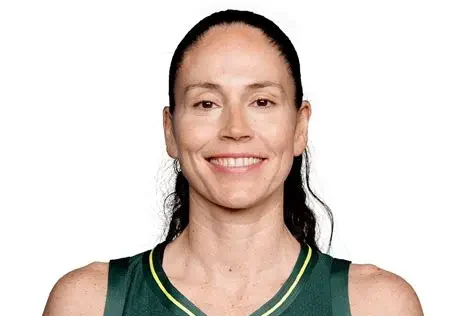
Basketball legend Sue Bird built a career defined by consistency, but even she faced injuries and recovery stretches that tested whether Olympic level play could continue deep into her career. Rehabilitation periods forced careful load management, modified training schedules, and a greater emphasis on court vision and passing rhythm rather than pure physical speed. Bird adapted her preparation, studying game film extensively and focusing on leadership communication that elevated the entire roster’s performance.
Her return to Olympic competition brought another gold medal and reinforced her role as one of the most dependable playmakers in international basketball history. Watching her control tempo during crucial possessions showed how experience often compensates for physical setbacks. Fans appreciated that her comeback was not dramatic or loud, just steady excellence delivered through smart decisions and calm execution. Her longevity demonstrated that Olympic success can come from evolving your style, trusting preparation, and understanding exactly how to guide a team through high pressure tournament moments.
20. Diana Taurasi Plays Through The Years
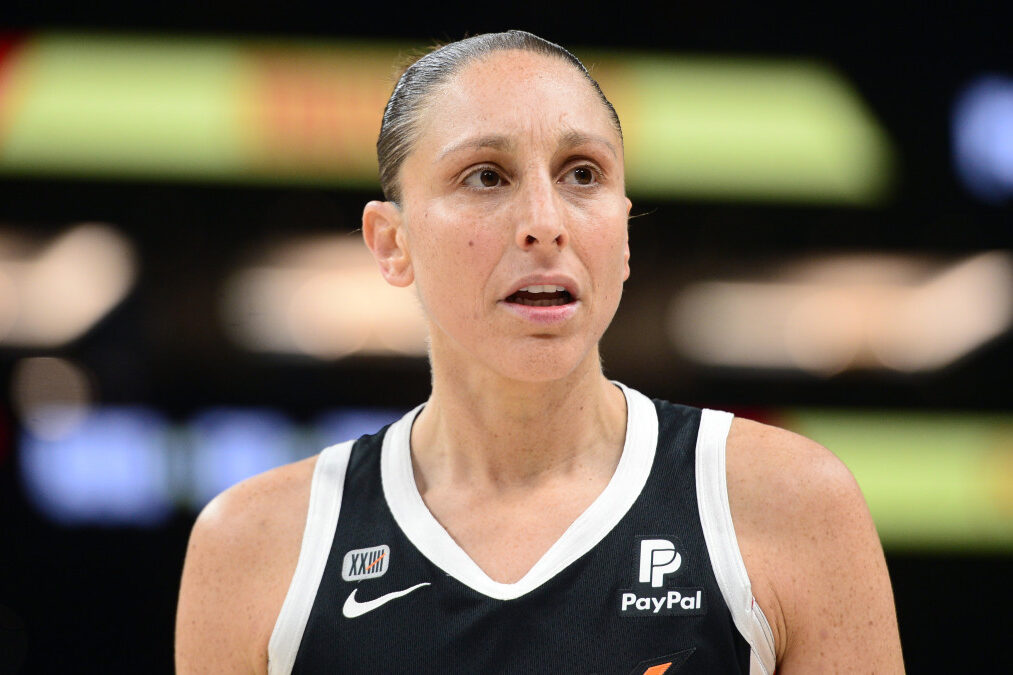
Diana Taurasi’s Olympic journey stretched across multiple decades, each cycle bringing new injuries, recovery phases, and questions about how long elite scoring form could realistically last. Taurasi responded by adjusting conditioning, protecting recovery time, and sharpening her shooting efficiency so every movement counted. Teammates frequently described her as fiercely competitive in practice, demanding intensity while also mentoring younger players navigating their first Olympic tournaments.
Her continued Olympic appearances produced additional gold medals and reaffirmed her reputation as one of the most reliable scorers in international basketball. Watching her sink crucial shots late in games felt almost routine, yet behind that calm exterior stood years of careful physical management and relentless preparation. Fans saw how experience, confidence, and competitive instinct can sustain performance far longer than expected. Taurasi’s extended success reminded many observers that elite sport sometimes rewards those who learn how to adapt their game rather than chase the exact same version of themselves forever.
21. Abby Wambach Finishes With Olympic Strength

Late in her international soccer career Abby Wambach dealt with injuries and shifting team dynamics that required her to fight hard for both fitness and tactical role within the squad. Training emphasized recovery balance, aerial strength, and maintaining scoring instincts that had defined her earlier success. Coaches valued not only her finishing ability but also the emotional leadership she brought to tournament environments where younger players needed stability.
Her return to Olympic competition helped the United States secure another medal, with Wambach contributing key moments that reflected her trademark determination in front of goal. Fans watching sensed the emotional importance of those performances, recognizing a veteran pushing through physical limits for one more international run. Her Olympic finish showed that leadership and competitive heart often matter as much as raw athleticism. For many supporters, her final tournament appearances felt like watching a player complete her story on her own terms, still fighting for every ball.
22. Nathan Adrian Swims Through Health Battles
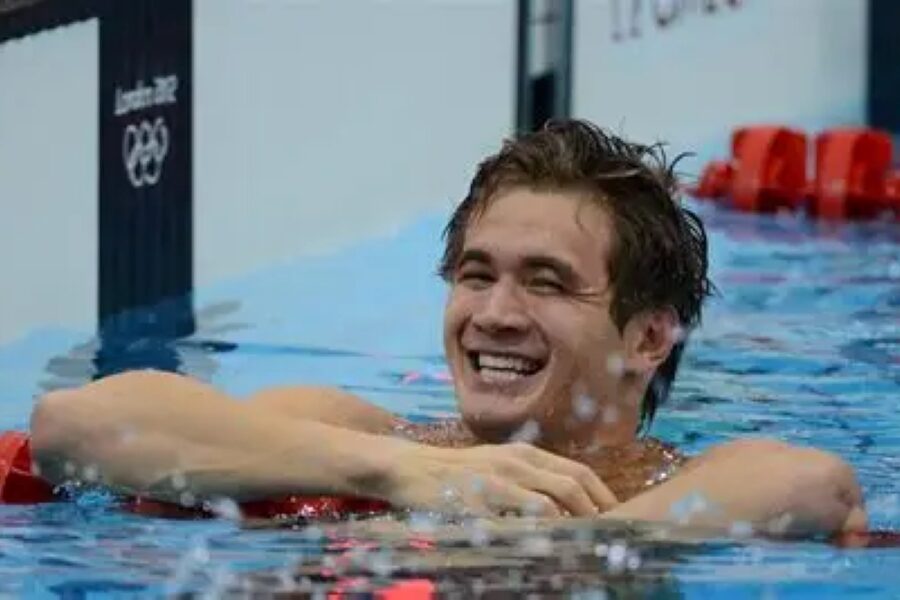
American swimmer Nathan Adrian faced one of the most frightening setbacks imaginable when diagnosed with cancer during what should have been a prime competitive period. Treatment forced a complete pause in elite training and introduced uncertainty far beyond normal sports injuries. Once cleared to return, Adrian approached the pool with renewed focus on gradual conditioning, careful health monitoring, and rediscovering competitive timing after months away from race intensity.
His return to Olympic level swimming and subsequent medal performances carried deep emotional weight for teammates and fans alike. Watching him step onto the blocks again symbolized far more than race preparation. It represented survival, determination, and the quiet resilience required to rebuild an elite body after serious illness. His comeback reminded audiences that Olympic stories sometimes extend far beyond sport, touching the universal human hope that recovery and achievement can still follow even the most intimidating life challenges.
23. Aly Raisman Leads With Experience
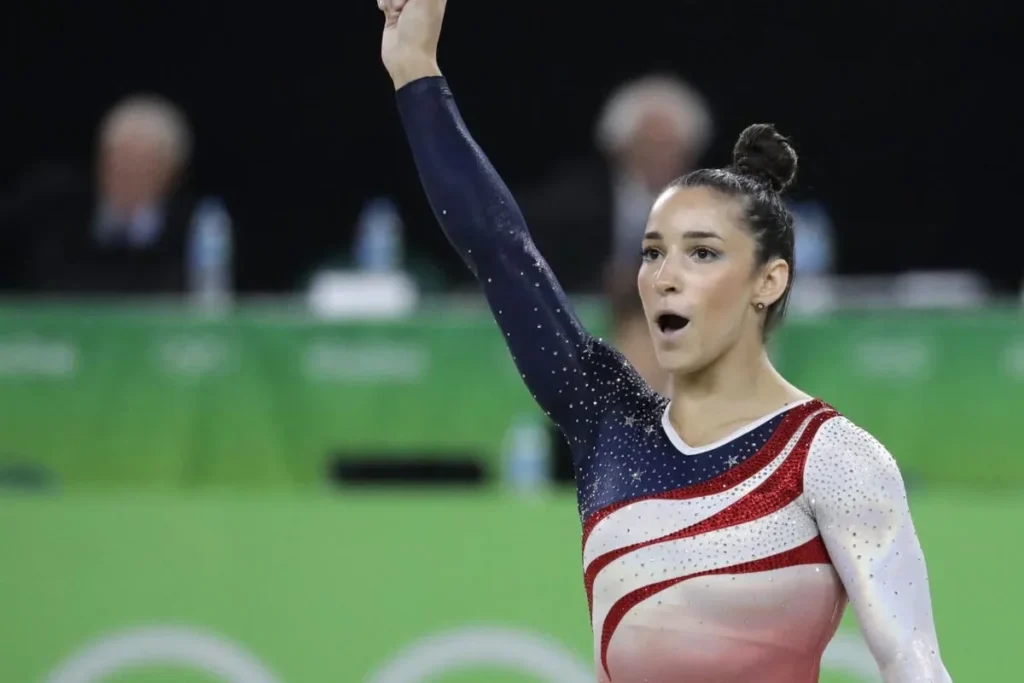
After her early Olympic success Aly Raisman stepped away briefly before committing to another demanding gymnastics cycle that required rebuilding strength, endurance, and mental readiness for elite routines. The sport’s rapid turnover meant she returned as one of the older competitors, shifting her focus toward consistency and leadership rather than chasing perfect difficulty scores alone. Training camps emphasized reliability, clean landings, and guiding younger teammates through the emotional intensity of Olympic preparation.
Her return produced another Olympic medal haul and reinforced her reputation as a dependable anchor for Team USA. Watching her final floor routines carried a sense of composure that only experience can bring. Fans appreciated how her comeback reflected maturity rather than dramatic reinvention. She demonstrated that Olympic longevity in gymnastics is possible when athletes trust preparation, protect mental focus, and embrace the responsibility of leadership. Her second Olympic chapter felt less like a surprise victory and more like the natural result of patient, determined rebuilding.
24. Bode Miller Battles Back On The Slopes
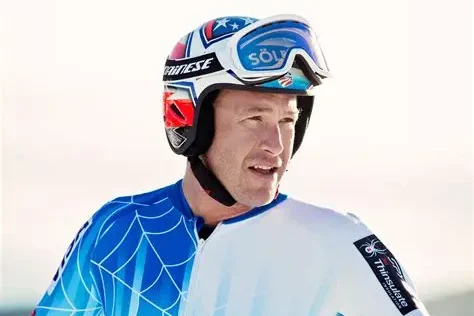
Ski racer Bode Miller’s Olympic career included crashes, injuries, and seasons where consistency seemed frustratingly out of reach. Alpine skiing punishes even minor mistakes, and returning after physical setbacks required rebuilding leg strength, balance precision, and confidence at extreme speeds. Miller approached training with renewed attention to equipment tuning and course strategy, focusing on controlled aggression rather than risky all out runs that had previously cost him finishes.
His eventual Olympic medal confirmed that the adjustments worked. Watching him carve through gates with measured control showed a veteran racer balancing instinct with experience gained from earlier setbacks. Fans sensed the satisfaction in seeing persistence rewarded in a sport where margins are razor thin. His comeback illustrated how elite athletes sometimes succeed not by pushing harder but by learning exactly when to hold control. That maturity helped carry him back onto the podium and close his Olympic story with deserved respect.
25. Hope Solo Guards The Net Again
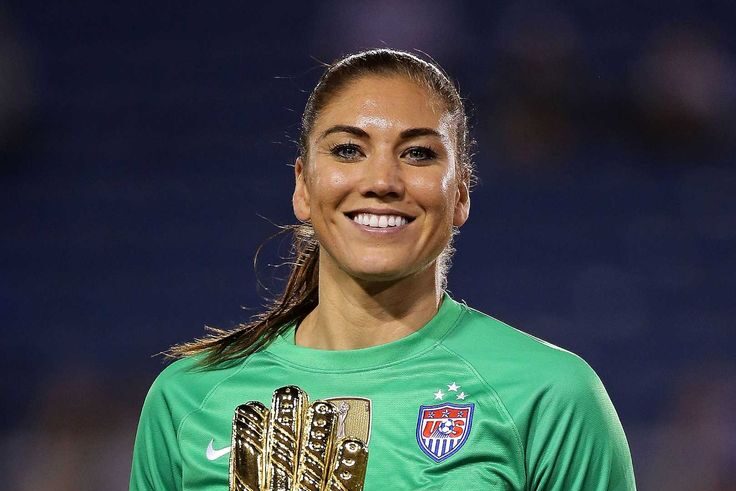
Goalkeeper Hope Solo experienced injuries, team controversies, and intense public scrutiny throughout her international soccer career. Maintaining Olympic readiness required rebuilding reflex conditioning, strengthening core stability, and sustaining sharp match awareness even during stretches away from tournament play. Solo’s training emphasized positioning drills and communication with defenders, ensuring defensive cohesion remained strong whenever she returned to major competition.
Her Olympic comeback performances included crucial saves that helped secure another medal for the United States. Watching her command the penalty area with authority showed how goalkeeper confidence often defines defensive success. Fans recognized that her return required both physical recovery and emotional resilience under constant spotlight. Her story reflected the reality that elite sport rarely unfolds in calm conditions. Sometimes the greatest challenge is simply maintaining focus while noise surrounds you, and her ability to return to medal winning form demonstrated that concentration can still triumph over chaos.
26. Ryan Lochte Keeps Racing Forward
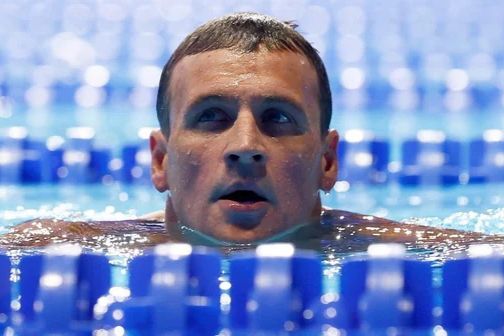
Ryan Lochte’s career included injuries, public controversies, and periods where Olympic selection looked uncertain. Returning to elite swimming meant recommitting to structured training, rebuilding endurance, and restoring trust with coaches and teammates. Practices focused heavily on repeatable race pace sets and refining turns that had always been one of his competitive strengths. Lochte approached the process quietly, letting performance improvements rather than interviews shape his return narrative.
His later Olympic medal contributions confirmed that the competitive drive remained intact. Watching him race again showed the familiar aggressive underwater work and strong closing speed that defined his peak years. Fans following the journey understood that staying relevant across multiple Olympic cycles requires unusual persistence. His comeback illustrated how elite athletes sometimes rebuild not through dramatic announcements but through daily consistency in the pool. That steady recommitment eventually carried him back onto the Olympic podium once more.
27. Laurie Hernandez Returns With New Confidence
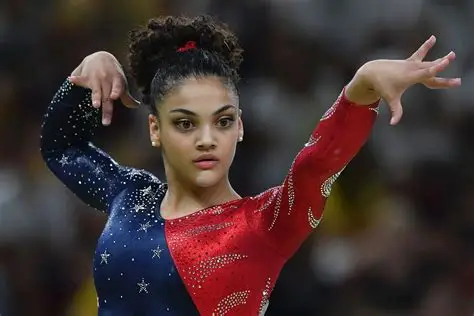
After her breakthrough Olympic appearance as a teenager, Laurie Hernandez stepped away from elite gymnastics to focus on personal growth, health, and rediscovering enjoyment in the sport. Returning later required rebuilding elite level conditioning, relearning complex skills, and adapting to a stronger field of competitors who had advanced during her absence. Training emphasized confidence, body awareness, and emotional balance so that competition felt sustainable rather than overwhelming.
Her successful return to high level international competition and medal contention demonstrated how time away can sometimes strengthen long term performance. Fans watching her routines sensed a more relaxed presence combined with sharp execution. The comeback felt relatable because it reflected a young athlete learning how to compete on her own terms rather than racing expectations. Her journey showed that stepping back from elite sport does not always end the story. Sometimes it allows the athlete to return steadier, happier, and still capable of reaching the podium again.
28. Mikaela Shiffrin Rebuilds After Personal Loss
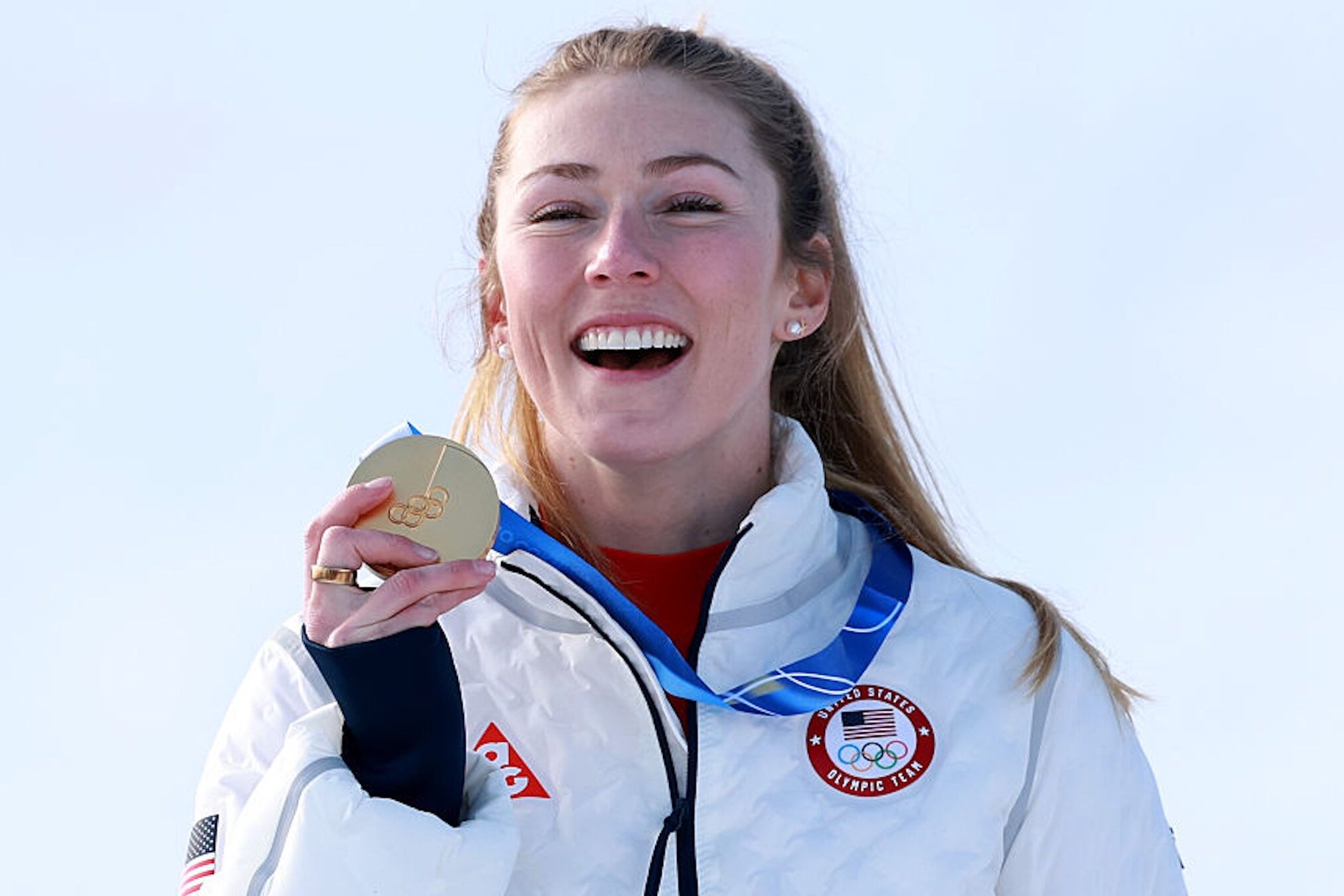
Ski champion Mikaela Shiffrin faced one of the most personal setbacks imaginable after the sudden loss of her father, an event that understandably disrupted both training focus and competitive momentum. Returning to World Cup racing and Olympic preparation required emotional recovery alongside physical readiness. Coaches and teammates supported a gradual rebuild that prioritized mental wellbeing and steady technical training on familiar courses before major championship pressure returned.
Her eventual return to Olympic medal form showed remarkable resilience. Watching her ski again with fluid precision reminded fans that elite performance often rests on emotional stability as much as physical preparation. The comeback resonated widely because it reflected the universal challenge of continuing professional responsibilities while carrying personal grief. Her ability to return to the podium demonstrated that strength in sport sometimes comes from allowing time, support, and patience to rebuild confidence naturally rather than forcing immediate results.
29. Simone Manuel Swims Back From Health Struggles
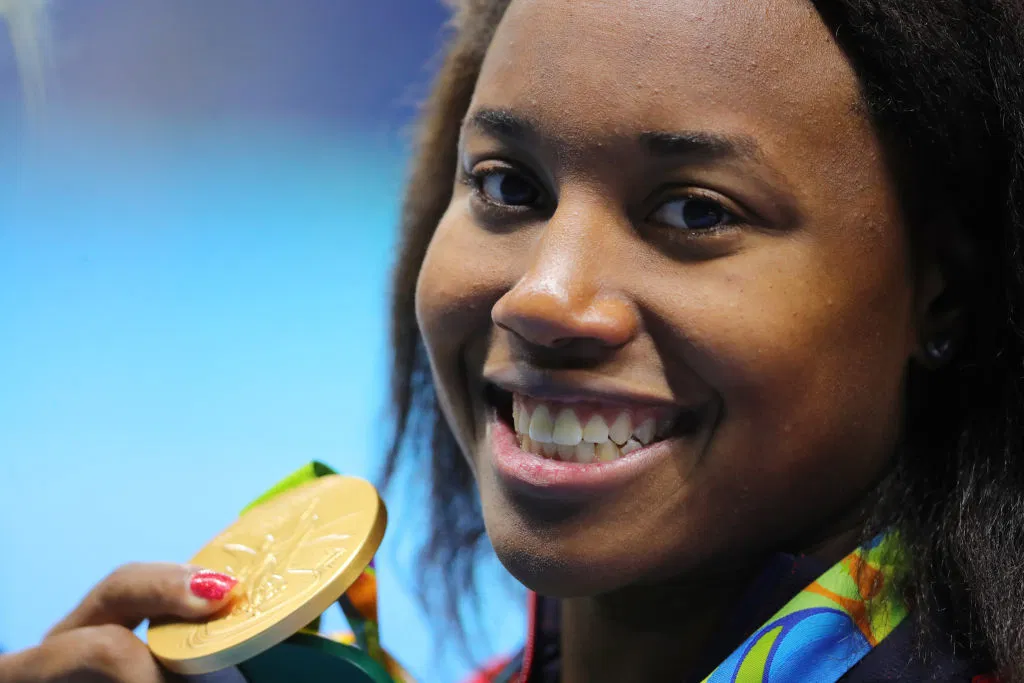
Olympic champion Simone Manuel faced severe overtraining syndrome and health complications that drained her energy and disrupted her ability to perform at expected levels. For an elite sprinter, the sudden loss of physical response and endurance can feel deeply unsettling. Recovery required medical supervision, reduced workload, and a careful return to structured swim sessions designed to rebuild stamina without triggering relapse. Coaches prioritized long term health rather than immediate competition deadlines.
Her determined return to Olympic level racing and medal contention became one of the most inspiring swimming stories in recent years. Watching her step onto the blocks again symbolized persistence more than rivalry. Fans understood how uncertain the recovery path had been. Her comeback reminded many observers that the human body sometimes demands patience even from the strongest athletes. By respecting that process and trusting gradual rebuilding, she proved that elite performance can still return after even the most frustrating and physically confusing setbacks.
30. Mikaela Mayer Fights Back Into Medal Form
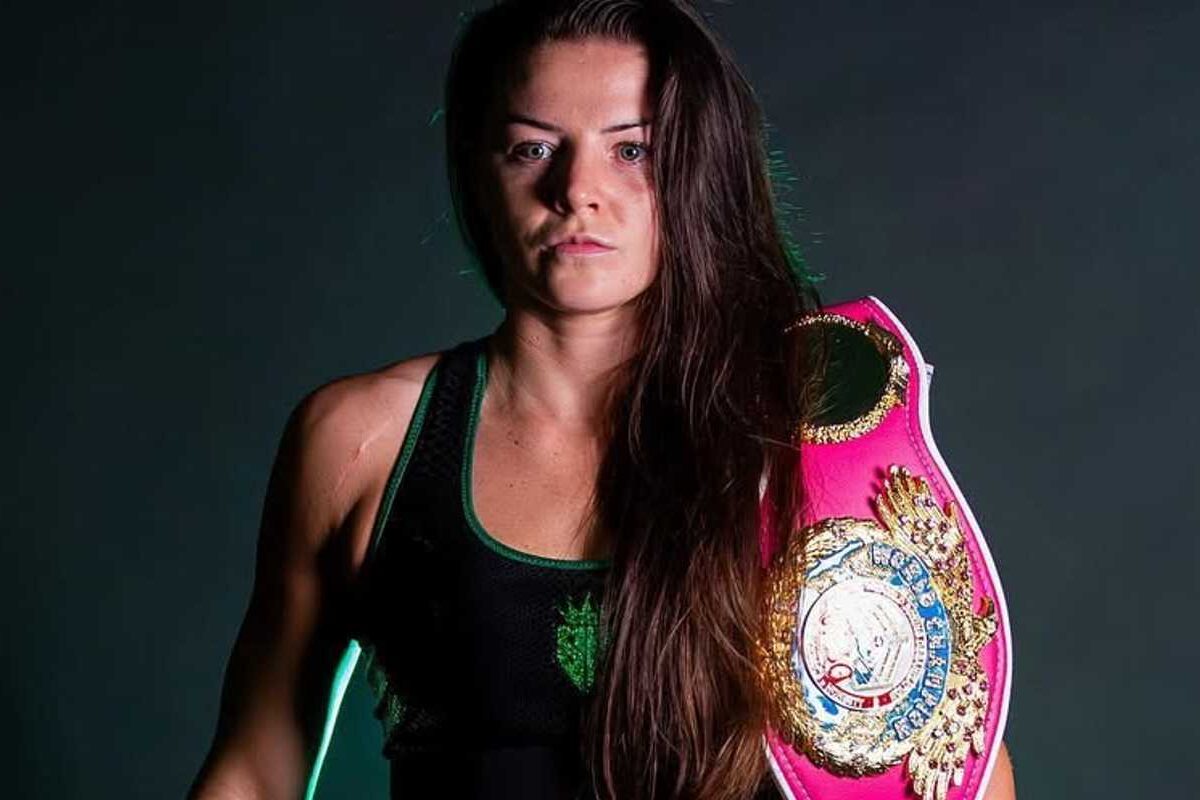
American boxer Mikaela Mayer built her Olympic path through years of amateur competition, but injuries and narrow tournament losses often delayed the breakthrough many expected from her early performances. Boxing careers depend heavily on timing, conditioning, and mental sharpness, and Mayer spent long stretches rebuilding stamina and refining defensive movement after difficult bouts. Training camps focused on controlled sparring, footwork repetition, and tactical patience so she could manage rounds more effectively rather than chasing early knockouts. Coaches often described her progress as steady, shaped by persistence rather than sudden transformation.
Her eventual Olympic medal performance confirmed that the long preparation had worked. Inside the ring she fought with measured aggression, clean combinations, and the composure of someone who trusted her conditioning completely. Fans watching could sense the maturity in her pacing across each round. The medal felt like the natural reward for years of disciplined rebuilding instead of a single lucky tournament run. Her journey reflected something very familiar in American sport, the idea that persistence, smart preparation, and patience often carry athletes back into medal position even after early setbacks.


