
1. Robert Downey Jr.: From Hollywood Risk to Box Office King

There was a time when Robert Downey Jr. seemed to have burned every bridge in Hollywood. Legal troubles, addiction struggles, and repeated arrests in the late 1990s made studios wary of hiring him. Insurance companies reportedly refused to bond him, which in practical terms meant big productions simply could not take the risk. For a while, his extraordinary talent was overshadowed by instability, and many assumed his career had quietly ended.
What followed was not a dramatic overnight fix but a steady rebuild. With sobriety and support, he returned in smaller roles before landing Iron Man in 2008. That casting choice reshaped his life and helped launch the Marvel Cinematic Universe into a global force. Audiences embraced him again, not just as a superhero, but as proof that second chances can work when effort meets opportunity.
2. Johnny Depp: Rebuilding After Legal Storms

Johnny Depp once seemed untouchable in Hollywood, starring in blockbusters like Pirates of the Caribbean. But years of legal battles and public disputes with former partners put his career in jeopardy. Studios hesitated to hire him, franchises moved on, and fans were divided over his personal controversies. For a while, the actor who was once synonymous with charm and risk-taking appeared uncertain about his future.
Rather than fading away entirely, Depp sought opportunities outside the usual Hollywood spotlight. He took on international projects, collaborated with smaller studios, and explored creative avenues like directing and art. His approach reflects a quieter reinvention, focusing less on headlines and more on craft. While public opinion remains mixed, Depp’s journey demonstrates that persistence, skill, and patience can slowly rebuild credibility. He shows that even careers seemingly derailed by scandal can find a path forward when effort and talent meet opportunity.
3. Martha Stewart: From Courtroom to Comeback Queen
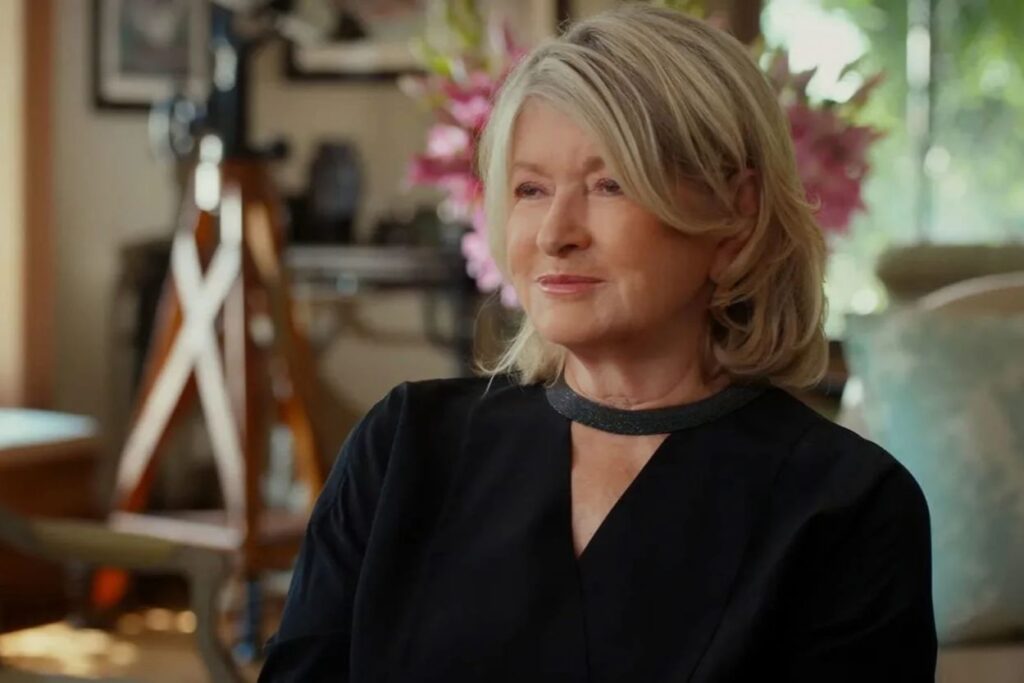
When Martha Stewart was convicted in 2004 in an insider trading case, many predicted the collapse of her brand. Her empire had been built on trust, polish, and domestic perfection. The prison sentence seemed to contradict everything her lifestyle image stood for, and critics believed consumers would walk away.
Instead, she returned with quiet determination. After serving her time, she relaunched shows, rebuilt partnerships, and even leaned into humor about her experience. By collaborating with younger celebrities and embracing new media platforms, she refreshed her audience. Her comeback was less about denial and more about resilience, showing that a setback does not automatically erase decades of hard work.
4. Taylor Swift: Turning Backlash into Ownership

In 2016, Taylor Swift faced intense public criticism, from social media scrutiny to conflicts with fellow artists. The pressure could have slowed her career or overshadowed her creative output, but Swift used it as an opportunity to rethink her approach and reclaim control.
She responded with albums like Reputation and Folklore, along with rerecordings of her earlier work, turning criticism into an avenue for creativity and ownership. By channeling public backlash into artistic and business strategy, Swift reshaped both her career and the industry conversation around artist rights. Her journey highlights that reinvention doesn’t always mean starting from scratch; sometimes it means transforming obstacles into opportunities. These 25 stories remind us that setbacks, when met with reflection, resilience, and determination, can become the very fuel for growth. If you enjoyed reading these stories of second acts, share this article with someone who believes in fresh starts, and celebrate the power of reinvention in everyday life.
5. Keanu Reeves: A Gentle Comeback

In the early 2000s, Keanu Reeves experienced a string of underperforming films and personal hardships, leaving audiences unsure if he would recapture the charm that made him a household name. His career felt uncertain, and some feared he might fade into Hollywood’s background.
Then came John Wick, a role that reignited his action-star status while reminding fans of his humility and kindness off-screen. Stories of his generosity circulated online, earning him admiration as much for character as for performance. Reeves’ resurgence shows that reinvention doesn’t always require fanfare; sometimes it’s about timing, the right project, and quietly letting talent speak for itself. His story resonates because it demonstrates that a slow, steady return can be as impactful as a headline-making comeback.
6. Michael Vick: A Difficult Road Back to the Field

The fall of Michael Vick was swift and public. Once celebrated as one of the NFL’s most electrifying quarterbacks, his 2007 conviction for involvement in a dogfighting operation stunned fans and tarnished his reputation. Sponsors pulled out, and headlines painted him as a cautionary tale. Many assumed his career was over, and the gap between his former glory and his new reality felt impossible to bridge. It was a deeply humbling moment for someone once celebrated as untouchable on the field.
Yet, Michael Vick didn’t disappear quietly. After serving his sentence, he returned to professional football with the Philadelphia Eagles, determined to rebuild both his career and public image. He worked with animal welfare groups and spoke openly about regret and responsibility, showing a willingness to learn from past mistakes. While not everyone forgave him, his second act demonstrated that accountability, effort, and time can slowly repair what once seemed shattered. His story reminds us that redemption isn’t instant, but persistence can open doors when hope feels lost.
7. Drew Barrymore: Growing Up and Starting Over

Drew Barrymore rose to fame as a child in E.T. the Extra-Terrestrial, but the bright lights of Hollywood came with challenges she wasn’t ready to face. By her teenage years, substance abuse and rehab visits became a public spectacle, and the girl who enchanted audiences seemed destined for a troubled path. Hollywood kept its distance, and it wasn’t just the media that worried about her future fans, friends, and family were also concerned about her well-being.
Instead of fading away, Barrymore fought for stability and slowly rebuilt her career. She starred in romantic comedies that reminded audiences of her charm and launched her own production company, stepping into a creative role behind the camera. Later, she hosted daytime television with warmth and humor, openly reflecting on her past struggles. By embracing honesty and resilience, she transformed her image from a troubled child star to a relatable, grounded performer, proving that early mistakes do not have to define a life.
8. Winona Ryder: A Quiet, Steady Return

Winona Ryder was one of the defining actresses of the 1990s, but a shoplifting arrest in the early 2000s paused her career at a time when she was still in high demand. Media scrutiny and public judgment made future roles scarce, and the once-ubiquitous star faded from the mainstream spotlight. For fans, it seemed as if the roles that once came easily to her might never return.
Her comeback, however, came gently and steadily. Ryder returned to acting with supporting roles and eventually found a major resurgence starring in Stranger Things, where she captured a new generation’s attention. Her performance reminded audiences of her talent while allowing her to embrace a quieter, more controlled public presence. Unlike the sudden rises or flashy returns of some stars, her path demonstrates that patience and persistence can rebuild trust and respect over time, turning a once-stalled career into a story of resilience and relevance.
9. Britney Spears: Reclaiming Her Independence

The very public breakdown of Britney Spears in 2007 became one of the most talked-about pop culture moments of the decade. Paparazzi captured every move, and her personal struggles were broadcast globally. Her conservatorship, which lasted over a decade, made fans feel protective but also raised questions about autonomy and control. It seemed that the pop star who had dominated charts for years had lost her freedom and voice.
In recent years, Spears has taken control of her own story. Winning legal independence allowed her to reconnect with music and her fans on her own terms. The conversation around her shifted from scandal to empowerment, highlighting resilience in the face of scrutiny. Britney’s journey shows that reinvention is not just about career moves, it’s about reclaiming self-determination. By stepping back into the spotlight with autonomy, she demonstrated that public setbacks can evolve into personal victories, and that growth often happens quietly before it’s celebrated.
10. Tiger Woods: A Champion’s Return
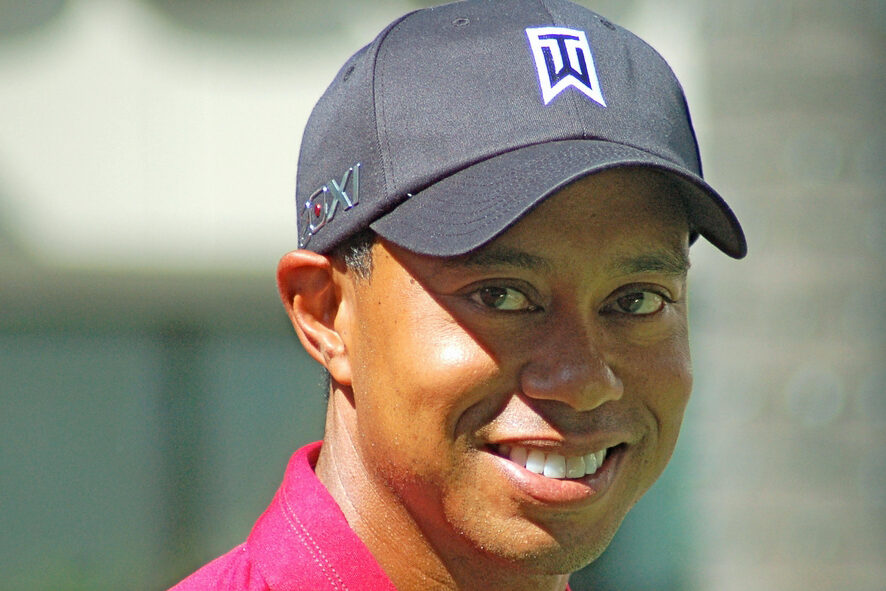
In 2009, Tiger Woods faced a highly publicized personal scandal that shook his carefully cultivated image. Sponsors withdrew support, injuries added to the strain, and even fans questioned if he could ever regain his dominant form. Woods, once a seemingly untouchable figure in golf, suddenly seemed very human, vulnerable in a way that was unfamiliar to the public.
Yet the story didn’t end there. Ten years later, in 2019, Woods won the Masters, delivering one of the most emotional comebacks in sports history. The victory didn’t erase his past mistakes, but it highlighted his resilience, discipline, and dedication. His path back shows that even when a public fall is dramatic, rebuilding reputation and performance is possible with persistence and focus. Woods’ story is a reminder that second chances are earned through consistent effort and commitment, both on and off the green.
11. Ellen DeGeneres: Reinvention Through Timing
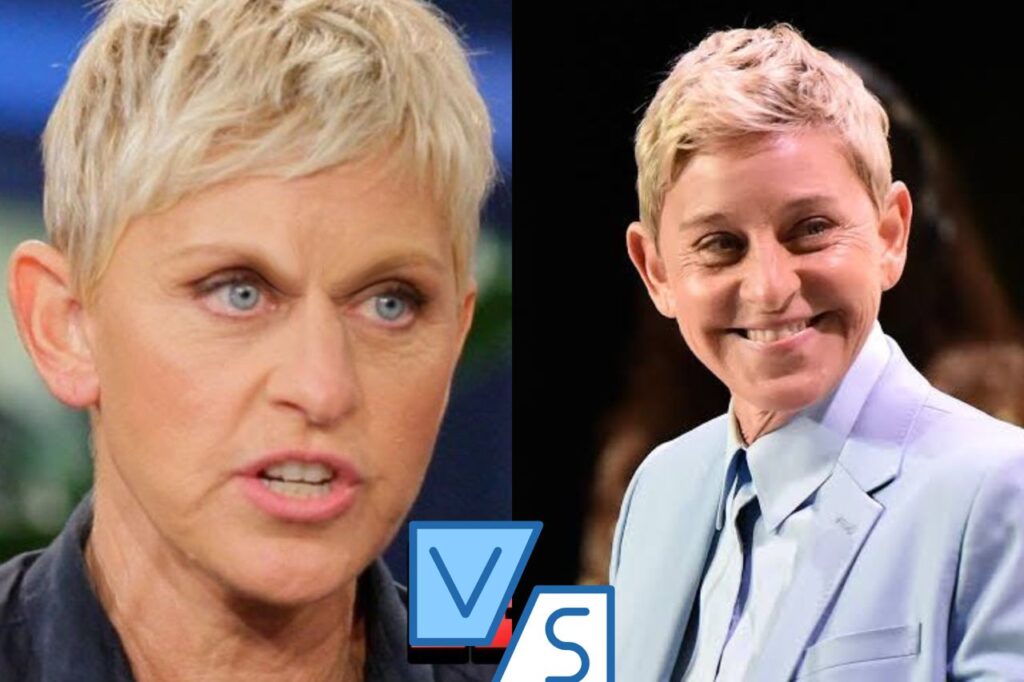
When Ellen DeGeneres came out publicly in the 1990s, it changed her life overnight. Her sitcom was canceled, and opportunities in Hollywood dried up at a time when the industry wasn’t ready for such openness. It was a brave move that cost her professionally, showing that progress can sometimes come at a personal price.
She later returned with a talk show that ran for nearly two decades and became a cultural staple. Even though recent controversies have challenged her image, her earlier comeback demonstrates the power of authenticity and timing. Ellen’s story shows that reinvention is rarely instant; it can take years of persistence, self-reflection, and a willingness to embrace change. Her journey reminds us that setbacks don’t have to be permanent, and authenticity often opens doors even when the world seems closed.
12. Mel Gibson: Returning Behind the Camera
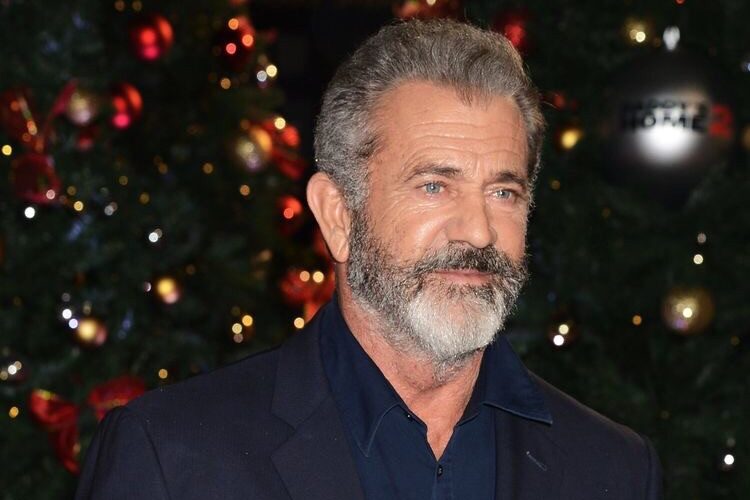
Mel Gibson faced serious public backlash after legal troubles and controversial comments, leaving studios hesitant to work with him. For a time, major acting roles seemed out of reach, and the actor who once commanded attention in Hollywood appeared sidelined by his own actions.
Rather than fading away, Gibson focused on directing, eventually earning critical acclaim for Hacksaw Ridge. While his reputation remains complicated, the professional success demonstrated that careers can be revived by pivoting toward areas of genuine skill. His journey underscores that reinvention doesn’t always look flashy; sometimes it is about returning to craft, proving oneself, and slowly rebuilding trust with audiences and industry peers alike.
13. Kim Kardashian: From Tabloid to Tycoon

Early in her career, Kim Kardashian was often dismissed as famous for the wrong reasons. Critics questioned whether she would have lasting influence, assuming her fame might fade as quickly as it arrived. Public opinion didn’t always take her seriously, and for a while, she was seen more as a tabloid fixture than a businessperson.
Instead of waiting for validation, she turned perception into opportunity. Kardashian built an empire spanning beauty products, shapewear, and media ventures, while also advocating for criminal justice reform. By taking control of her narrative and creating value on her own terms, she reshaped her public image from fleeting celebrity to entrepreneur with lasting influence. Her story shows that reinvention is often about strategic moves, persistence, and owning one’s own story.
14. Oprah Winfrey: Fired but Not Finished

Before becoming the global media icon we know today, Oprah Winfrey faced early career rejection. Fired from a television news job for being “unfit for reporting,” she could have let the setback define her. Instead, she used it as a pivot point, learning that sometimes the wrong fit simply points to a better one waiting just around the corner.
Oprah redirected her energy toward daytime talk, a format where her empathy and relatability became her greatest strengths. The Oprah Winfrey Show redefined television, built a media empire, and solidified her influence around the world. Her story reminds us that early failures do not dictate lifelong outcomes. Reinvention often begins with a shift in perspective, recognizing that setbacks can open new doors if approached with creativity and persistence.
15. Mike Tyson: From Controversy to Candor
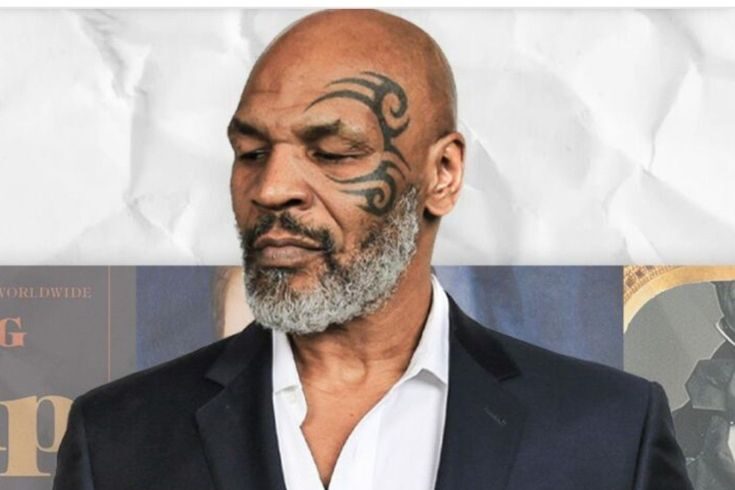
Mike Tyson was once the most feared heavyweight in the world, but legal troubles, prison, and personal struggles derailed his career. Headlines chronicled financial missteps and erratic behavior, making it easy to assume that his story would end in public disgrace rather than triumph.
Over time, Tyson reshaped his image with honesty and humor. Through interviews, a one-man show, and even pop culture appearances, he shared lessons from his turbulent past. By confronting mistakes openly, he transformed his reputation from reckless athlete to reflective and resilient figure. His journey shows that reinvention isn’t always about starting over; it can be about reframing your story in a way that connects, inspires, and reminds audiences that growth is always possible.
16. Janet Jackson: Beyond One Moment
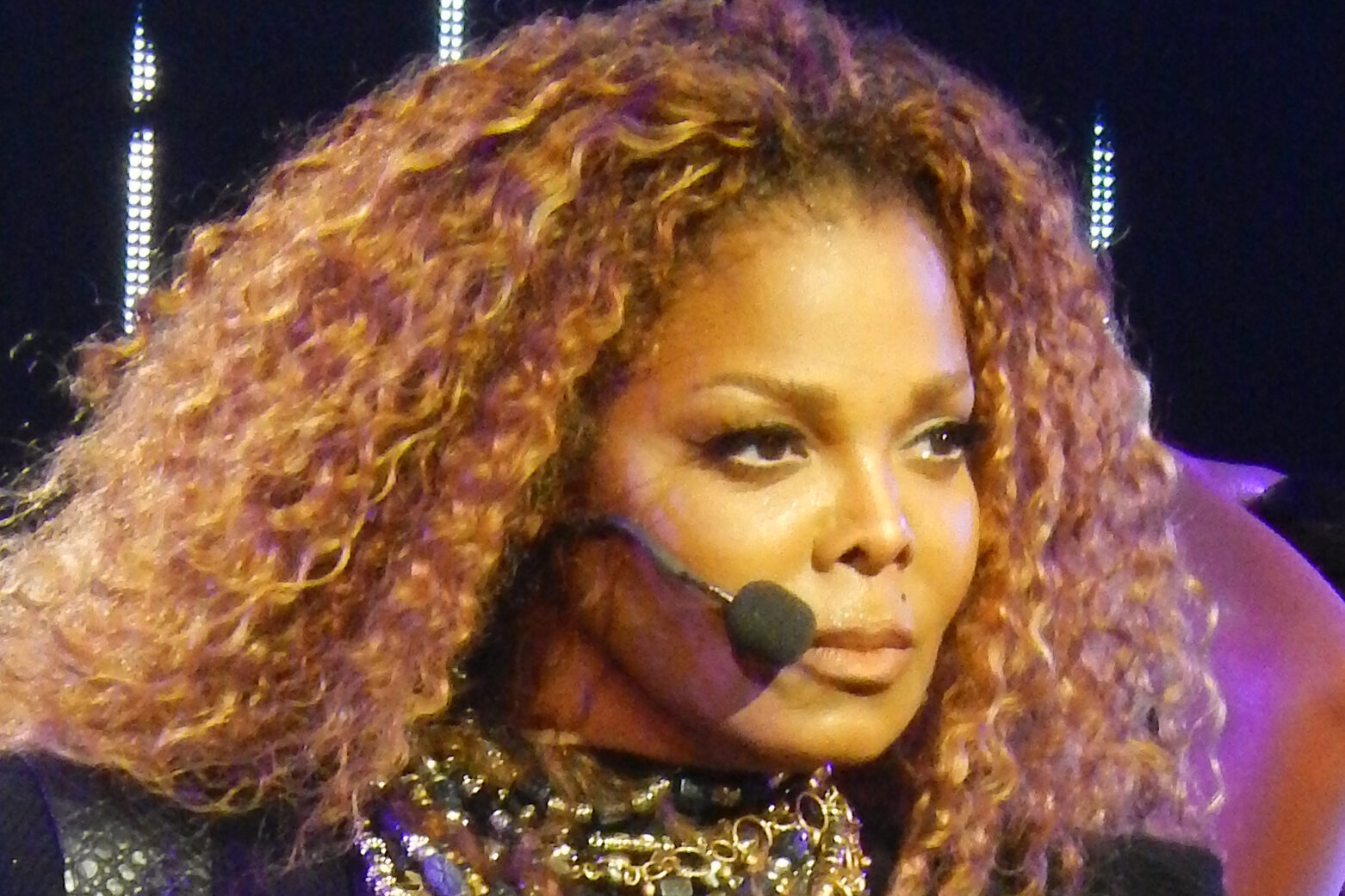
After the 2004 Super Bowl incident, Janet Jackson faced an industry backlash that seemed disproportionate to her decades-long career. Airplay diminished, tours were scrutinized, and a single moment temporarily overshadowed the legacy of a performer who had been shaping pop and R&B for years.
Rather than letting the moment define her, Jackson focused on her artistry, continuing to tour and create music that reminded audiences of her talent. Over time, documentaries and retrospective appreciation highlighted her contributions to music and culture. Her comeback was not sudden or flashy but steady and deliberate. Janet’s experience proves that even when public opinion falters, persistence and commitment to one’s craft can restore respect and reaffirm a career that was never truly finished.
17. Elton John: Sobriety and a Second Wind
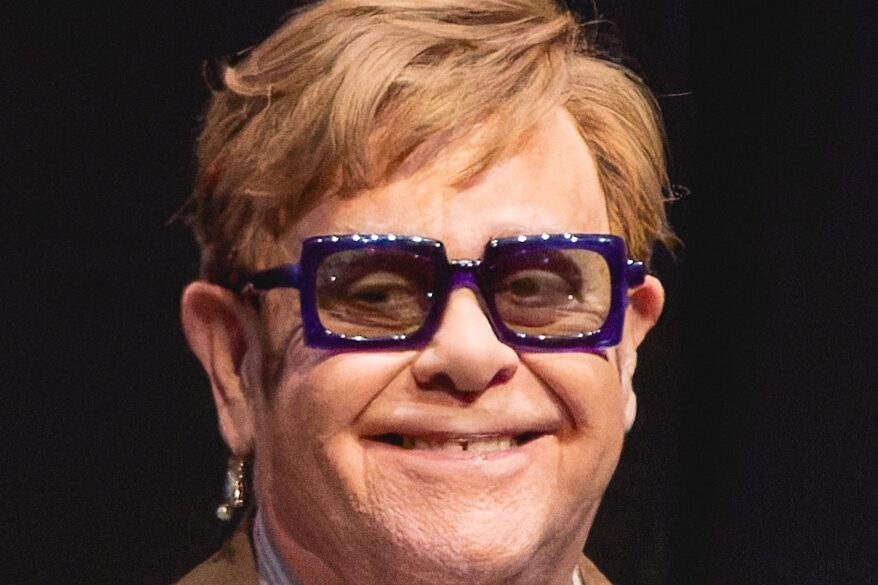
By the late 1980s, Elton John was struggling with addiction, and the pressures of fame threatened to overshadow his incredible talent. Music fans worried he might burn out completely, and critics questioned whether he could maintain his legendary career. For a time, it seemed as though his personal struggles could define his professional legacy.
After entering rehab, Elton recommitted to sobriety and focused on his music with renewed energy. He continued touring, writing, and collaborating with artists across generations. Later, the biopic Rocketman brought renewed appreciation for his artistry and personal journey. His story highlights how personal growth and self-care can fuel professional longevity. Elton John’s reinvention wasn’t about reinventing his sound entirely but about reclaiming control over his life and career, reminding audiences that resilience is a crucial part of lasting success.
18. Reese Witherspoon: Producing Her Own Future

Reese Witherspoon noticed that Hollywood roles for women were limited, and many of the opportunities she wanted simply weren’t there. Instead of waiting for the right parts to come along, she decided to take matters into her own hands, launching her own production company.
Through producing hits like Big Little Lies, Witherspoon expanded her influence behind the camera. She created roles for herself and for other women, proving that sometimes the best reinvention comes from creating your own opportunities. By taking control of her career path, she shifted from actress to industry leader. Her story shows that empowerment often comes from initiative and courage, and that reinvention doesn’t have to be dramatic to be powerful.
19. Sylvester Stallone: Art Imitating Life

In the 1990s, Sylvester Stallone faced a series of box office disappointments. Once celebrated as the action hero of Rocky and Rambo, audiences and critics began to question whether he could adapt to the evolving landscape of cinema.
Stallone revived the Rocky and Rambo franchises with fresh emotional depth, earning renewed critical respect. His perseverance mirrored his most famous characters, who rise after defeat against all odds. By revisiting his iconic roles with maturity and authenticity, Stallone reminded audiences of his enduring appeal. Reinvention, in his case, was about staying true to his strengths while evolving with the times, showing that second chances often come from understanding the value of what made you successful in the first place.
20. Monica Lewinsky: Owning the Narrative
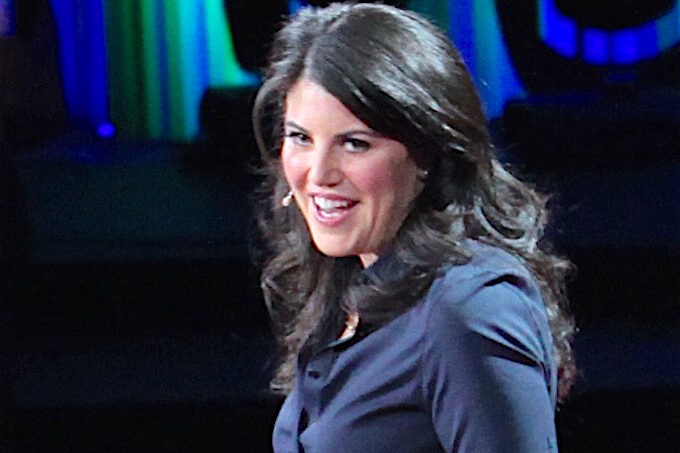
After the political scandal of the 1990s, Monica Lewinsky became a global punchline. For years, her voice was largely absent from discussions about the events, leaving her story told by others. Public scrutiny was harsh, and it seemed unlikely she could reclaim control over her own narrative.
Years later, Lewinsky returned as an advocate and public speaker on anti-bullying and online harassment. By using her experience to educate and empower others, she reframed her public image on her own terms. Her journey demonstrates that reinvention can be about reclaiming voice and influence rather than just career titles. Lewinsky shows that turning a painful chapter into purpose is a form of strength in itself, reminding audiences that growth often comes from owning one’s story.
21. Ben Affleck: Finding Creative Balance
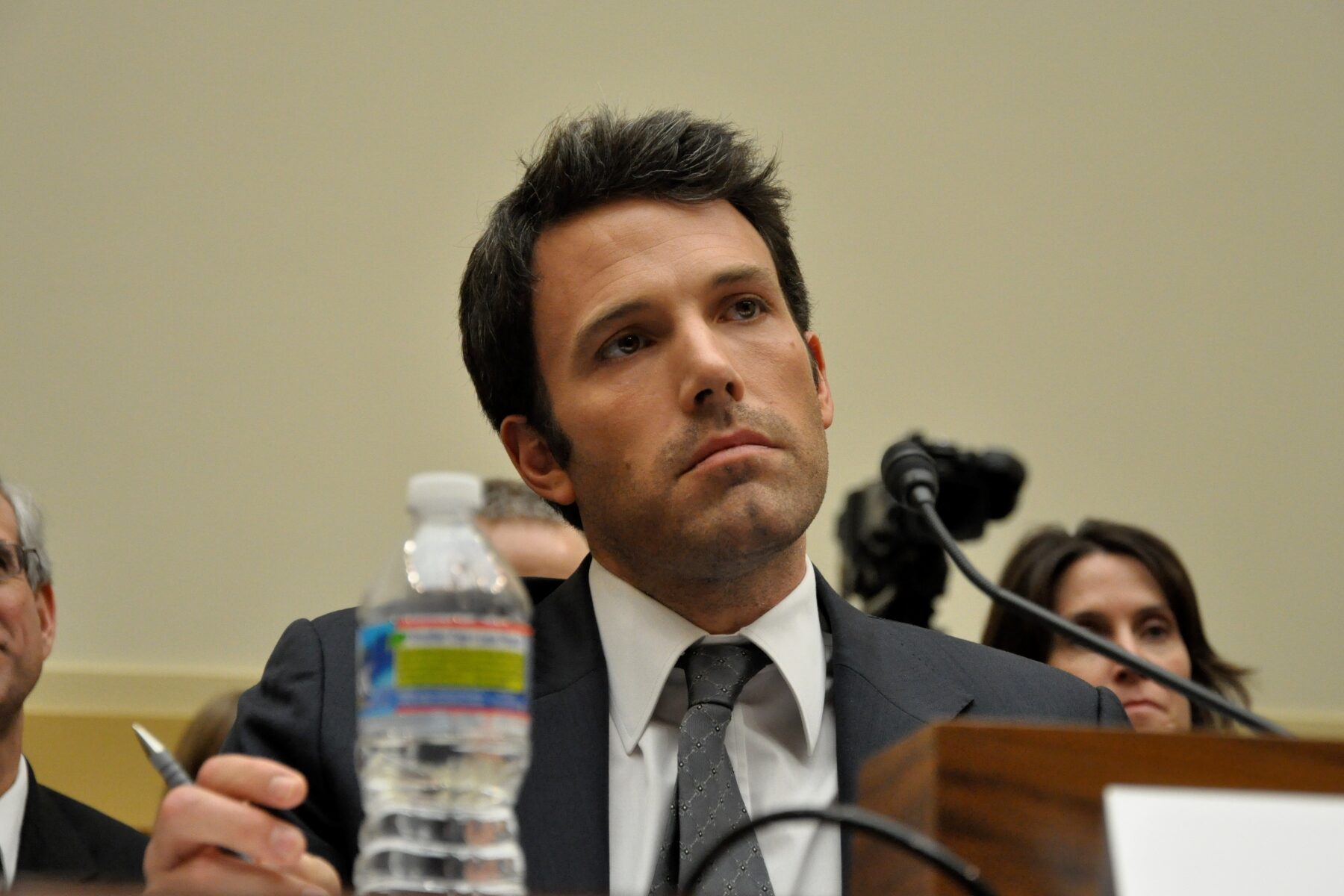
Ben Affleck has experienced career highs and lows, including critically panned films and personal challenges that played out publicly. At times, doubts about his talent overshadowed his accomplishments, making it feel as if his professional path was uncertain.
Through a combination of directing projects, acting in strong roles, and focusing on personal wellness, Affleck steadily rebuilt his career and public image. Rather than relying solely on high-profile stunts or flashy moves, he let consistent, thoughtful work speak for itself. His story reminds audiences that reinvention often requires patience, reflection, and a willingness to evolve. Affleck’s journey shows that career comebacks don’t have to be loud—they can be steady, meaningful, and sustainable.
22. Eminem: Writing Through Recovery
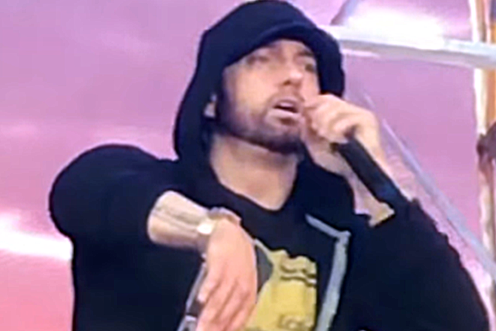
Eminem faced one of the most personal career crises in the mid-2000s when addiction threatened both his health and his creative output. Fans worried whether he could return to music after a period of absence, and the public watched closely as his struggles unfolded. It seemed uncertain if he could reclaim the level of artistry that made him a global icon.
After recovery, Eminem came back with albums that directly confronted his battles, showing raw honesty and reflection. By turning his struggles into art, he not only reconnected with fans but also demonstrated resilience and authenticity. His journey illustrates that reinvention can be as much internal as external: healing and self-reflection often lay the foundation for a renewed public and professional life. Eminem’s story reminds us that confronting hardship openly can transform adversity into a renewed sense of purpose.
23. Christina Aguilera: Embracing Evolution

Christina Aguilera experienced a period when declining album sales and public scrutiny over her evolving image made her career feel uncertain. Critics questioned her artistic direction, and the spotlight that once seemed steady became unpredictable. At a time when many stars might retreat, she chose a different path.
Aguilera embraced her growth by mentoring on The Voice and returning with musical projects that reflected her maturity. She focused on her artistry rather than trying to chase trends, allowing her public image to evolve naturally. Her reinvention shows that adapting doesn’t mean starting over; sometimes it means leaning into who you truly are while using experience to guide your choices. By embracing change thoughtfully, Aguilera reestablished both her relevance and her creative voice.
24. Matthew McConaughey: The McConaissance

Matthew McConaughey was long associated with romantic comedies, but by the early 2010s, he realized that typecasting limited his potential. Critics questioned whether he could transition into more serious roles, and his career risked stagnation if he didn’t pivot creatively.
Stepping away from predictable parts, McConaughey returned with transformative performances in films like Dallas Buyers Club, earning an Oscar and redefining his place in Hollywood. This period, dubbed the “McConaissance,” showcased his depth and versatility. His story demonstrates that reinvention can involve taking bold, strategic risks, showing that the right choice at the right time can entirely change public perception. McConaughey’s journey reminds audiences that growth often requires courage, patience, and a willingness to leave comfort zones behind.
25. Sharon Osbourne: Weathering the Headlines
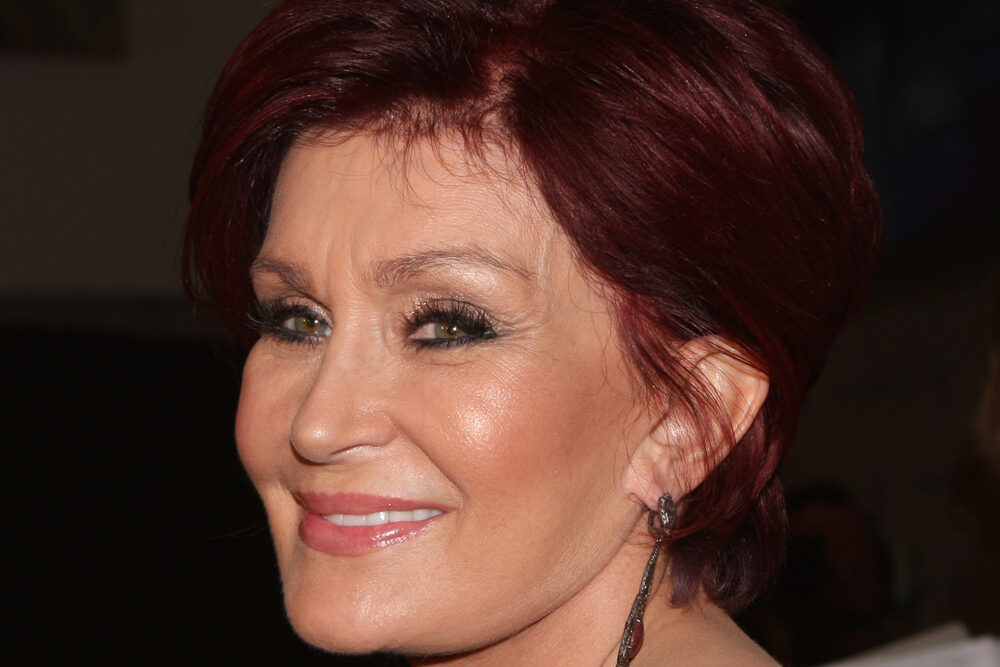
Sharon Osbourne has faced repeated controversies that threatened her career. From on-air confrontations to personal disputes that made headlines, it seemed at times that the public glare might permanently damage her media presence.
Yet Osbourne repeatedly returned to television, leaning into her outspoken persona and experience in entertainment. Her resilience shows that reinvention doesn’t always require changing who you are; it can mean embracing your strengths while adapting to the shifting expectations of audiences and networks. She demonstrates that persistence, honesty, and a willingness to engage openly with criticism can sustain a long and relevant career, even when setbacks feel public and intense.


