
1. Penicillin Discovery
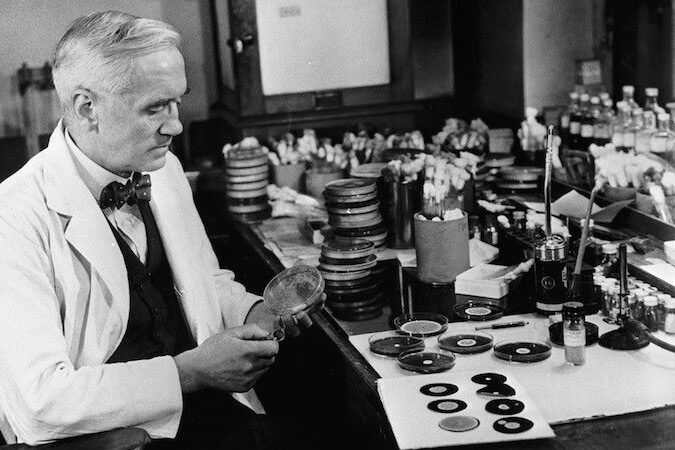
Some of the most influential inventions in history didn’t come from careful planning or perfect execution. In 1928, Scottish bacteriologist Alexander Fleming returned from vacation to find one of his bacterial cultures contaminated with mold. Instead of throwing it away, he noticed that bacteria surrounding the mold had been killed. The mold turned out to be Penicillium notatum, which secreted a substance capable of destroying harmful bacteria. Fleming had not been trying to invent an antibiotic, but his observation laid the groundwork for penicillin. Though mass production came later through other scientists, this accidental discovery revolutionized medicine, drastically reducing deaths from infections and changing how doctors treated disease worldwide.
2. Microwave Oven
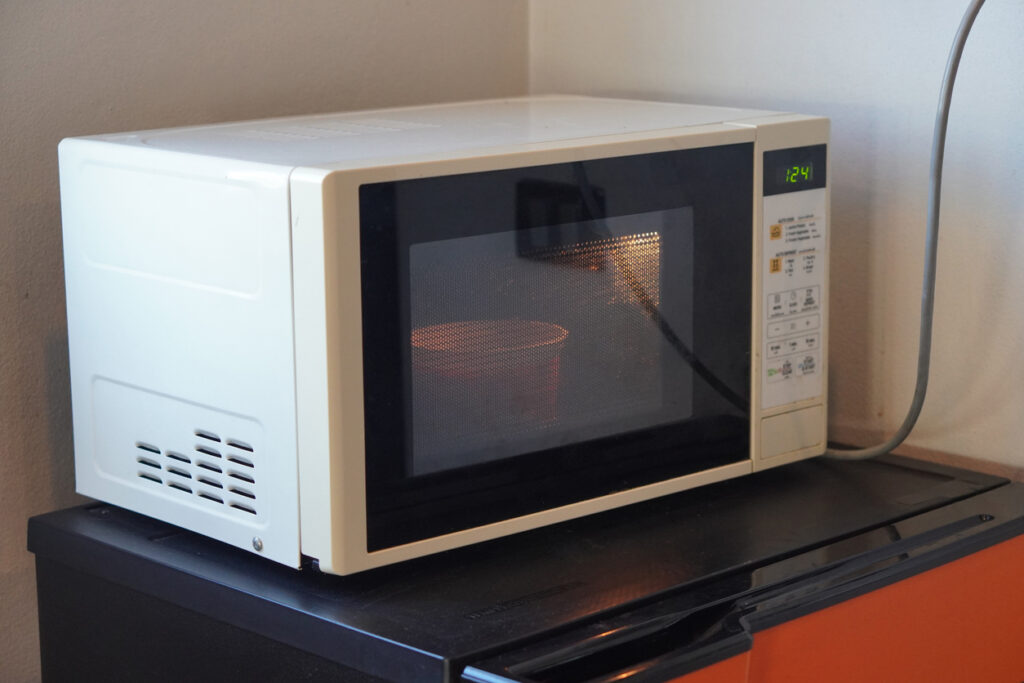
In 1945, engineer Percy Spencer was working with radar technology when he noticed a chocolate bar in his pocket had melted unexpectedly. Instead of dismissing it, he realized that microwave radiation from radar equipment could heat food. Further experiments with popcorn and eggs confirmed his suspicion. Spencer’s accidental observation led to the development of the microwave oven, which was first used commercially before becoming a household staple. What began as a lab-side mishap eventually transformed how people cook, reheat, and store food, saving time in kitchens around the world.
3. Post-it Notes
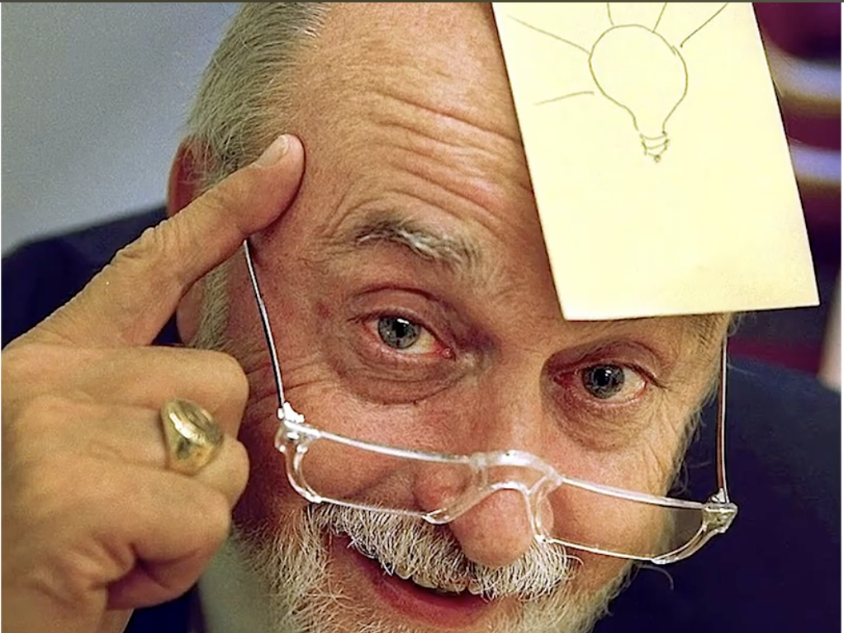
Post-it Notes originated from a failed attempt to create a super-strong adhesive at 3M in the late 1960s. Chemist Spencer Silver instead produced a weak, reusable adhesive that didn’t bond permanently. For years, it seemed useless until a colleague, Art Fry, used it to hold bookmarks in his church hymnal without damaging pages. That practical solution led to the development of Post-it Notes. What started as a mistake in adhesive chemistry became one of the most widely used office products, changing how people organize ideas, reminders, and collaborative workspaces.
4. X-Rays
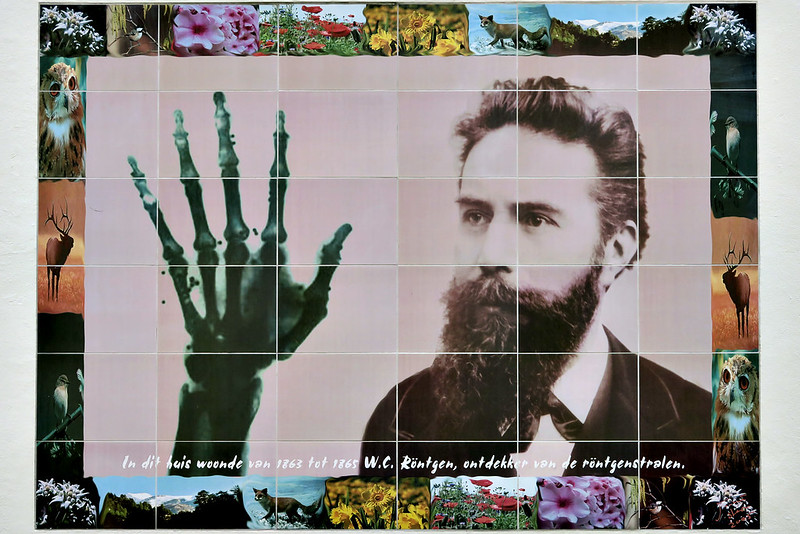
In 1895, physicist Wilhelm Conrad Röntgen was experimenting with cathode rays when he noticed a fluorescent screen glowing unexpectedly across the room. He realized invisible rays were passing through solid objects and exposing photographic plates. Röntgen had not intended to discover a new form of radiation, but his accidental observation led to X-rays. Within months, doctors were using the technology to see inside the human body without surgery. This mistake-driven breakthrough permanently changed medicine, enabling non-invasive diagnosis and laying the foundation for modern medical imaging.
5. Safety Glass

In 1903, French chemist Édouard Bénédictus dropped a glass flask that cracked but did not shatter. The flask had previously contained a plastic cellulose nitrate coating, which held the glass together. Recognizing its potential, Bénédictus developed laminated safety glass. Though initially overlooked, it later became essential for car windshields and architectural use. This accidental discovery significantly reduced injuries caused by shattered glass, saving countless lives. What began as a laboratory accident evolved into a safety standard still relied on in modern transportation and construction.
6. Pacemaker Technology
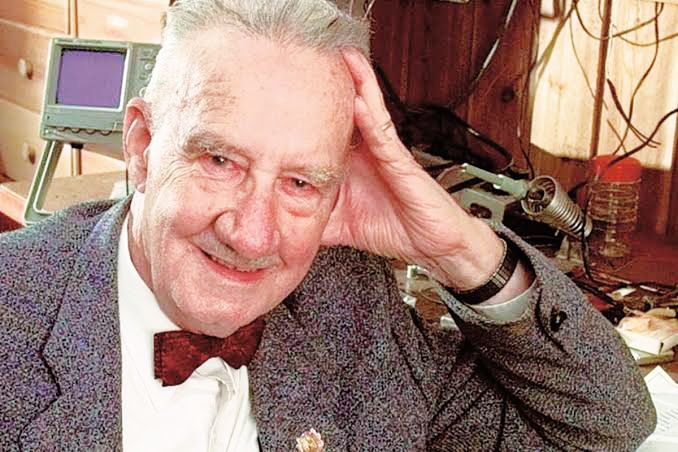
The first implantable pacemaker traces back to an engineering error in the 1950s. Electrical engineer Wilson Greatbatch accidentally installed the wrong resistor while building a heart rhythm recorder. Instead of recording signals, the device produced rhythmic electrical pulses resembling a heartbeat. Realizing its potential, Greatbatch refined the design into a working pacemaker. This unintended mistake led to a medical device that has since saved millions of lives by regulating heart rhythms. The pacemaker stands as a powerful example of how an error can become a life-preserving innovation.
7. Teflon Coating
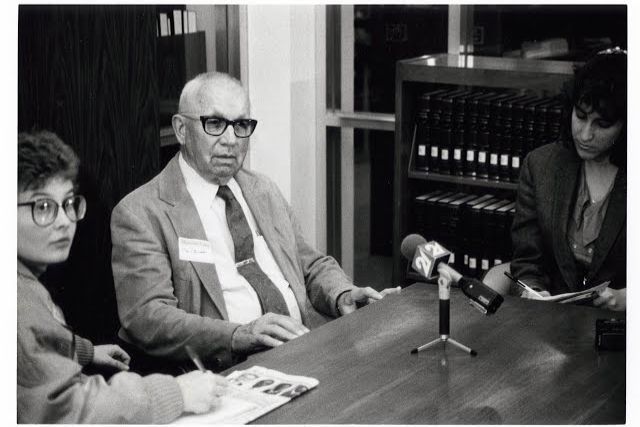
In 1938, chemist Roy Plunkett was experimenting with refrigerant gases when one container mysteriously stopped releasing gas. Upon investigation, he found a slippery white substance coating the inside. The gas had polymerized into polytetrafluoroethylene, later known as Teflon. The material was heat-resistant, non-reactive, and extremely slippery. Though the experiment failed its original goal, Teflon found widespread use in nonstick cookware, aerospace, and industrial applications. A blocked gas cylinder led to one of the most versatile materials in modern manufacturing.
8. Vulcanized Rubber
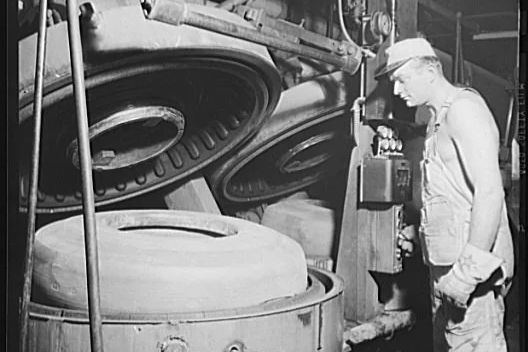
Charles Goodyear spent years trying to improve natural rubber, which became sticky in heat and brittle in cold. In 1839, he accidentally dropped a rubber and sulfur mixture onto a hot stove. Instead of melting, the rubber became durable and elastic. This mistake resulted in vulcanized rubber, a process that made rubber reliable for industrial use. The discovery transformed transportation, manufacturing, and daily products such as tires, shoes, and seals. Goodyear’s accident turned a problematic material into an essential foundation of modern industry.
9. Super Glue
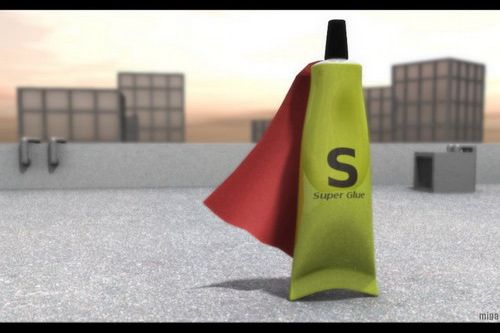
Super glue was discovered accidentally in 1942 when researchers working on clear plastic gun sights developed a substance that stuck to everything it touched. Initially considered a nuisance, the adhesive was shelved until its potential was reconsidered years later. Known chemically as cyanoacrylate, it proved extremely strong and fast-acting. Today, super glue is used in households, manufacturing, and even emergency medicine. What began as an inconvenient failure became one of the strongest and most versatile adhesives ever created.
10. Coca-Cola Formula
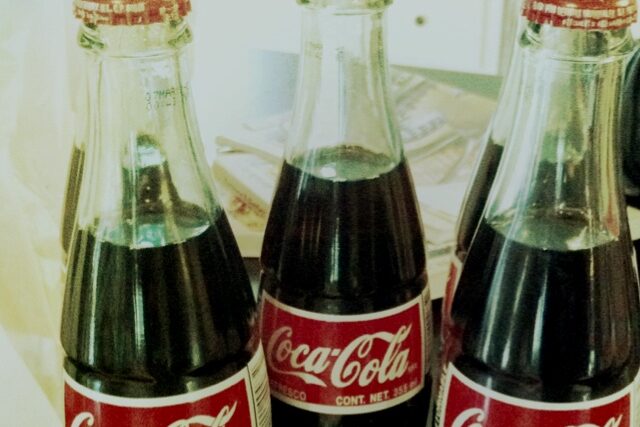
Coca-Cola began as a medicinal syrup in the late 19th century, intended to be mixed with water. According to widely reported accounts, a pharmacy clerk accidentally mixed the syrup with carbonated water instead. The fizzy result proved popular with customers, leading to the beverage’s commercial success. While not a lab accident, the mixing mistake changed the product’s future entirely. Coca-Cola went on to become one of the most recognizable brands in the world, demonstrating how a simple error in preparation can spark a global phenomenon.
11. Ice Cream Cones
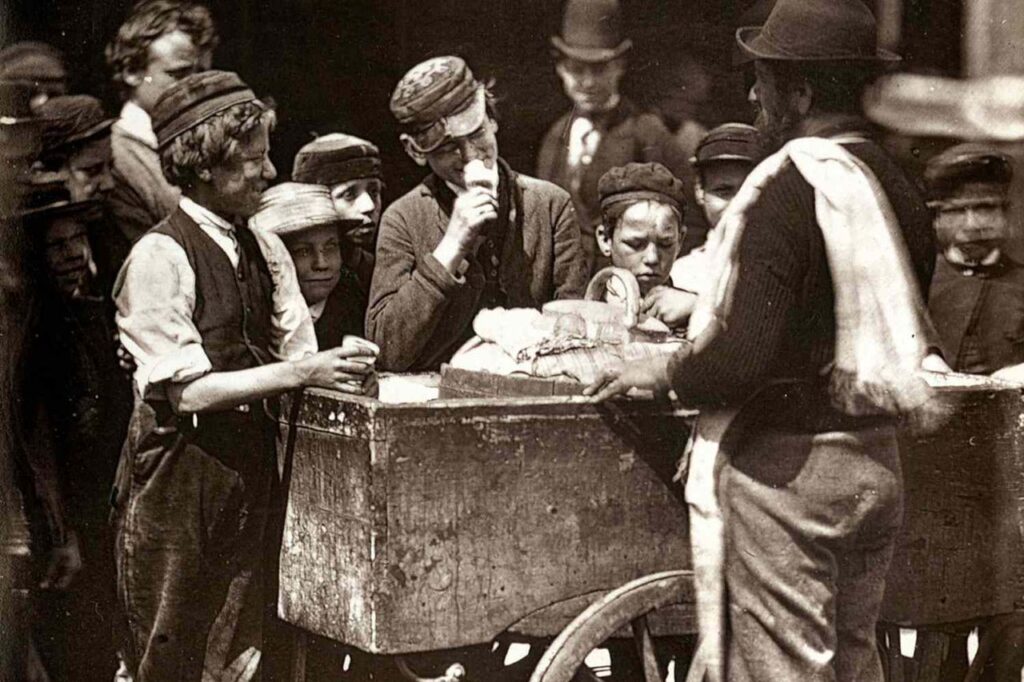
Ice cream cones became popular thanks to a problem at the 1904 St. Louis World’s Fair. An ice cream vendor reportedly ran out of dishes during a rush of customers. Nearby, a waffle seller rolled one of his thin waffles into a cone shape to hold the ice cream. The solution worked instantly and caught on with fairgoers. While variations of edible containers existed earlier, this moment helped standardize the cone as part of the ice cream experience. A serving mishap turned into one of the most recognizable and practical ways to enjoy frozen desserts.
12. Potato Chips
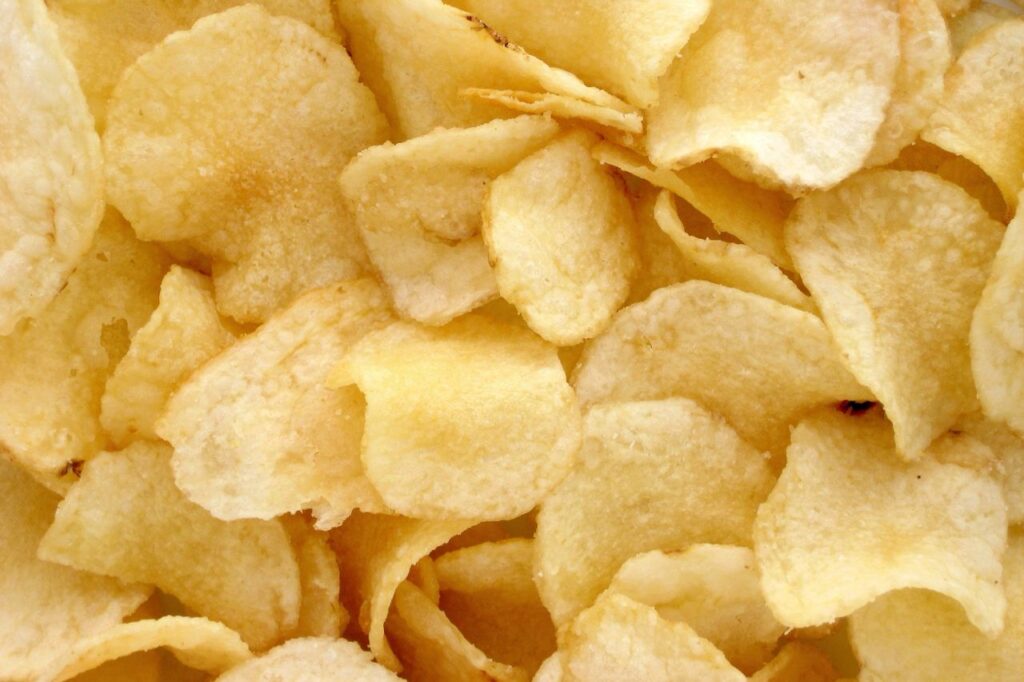
Potato chips are widely linked to a kitchen complaint in the mid-1800s. A restaurant customer repeatedly sent back fried potatoes for being too thick and soggy. In response, the cook sliced the potatoes extremely thin and fried them until crisp, expecting them to be rejected. Instead, the customer loved them. The thin, crunchy slices quickly became popular with others. What began as an irritated attempt to prove a point led to one of the most consumed snack foods in the world, built entirely on a cooking misjudgment that worked better than expected.
13. Champagne Fizz

Early champagne producers considered bubbles a flaw, not a feature. Unintended secondary fermentation occurred when wine bottled in cold weather restarted fermentation in warmer months, creating carbon dioxide. Bottles sometimes burst, causing losses and frustration. Over time, winemakers learned to control this process instead of fighting it. The accidental fizz became the defining characteristic of champagne. What was once seen as a production failure evolved into a celebrated feature associated with luxury, celebration, and special occasions, all thanks to an early misunderstanding of fermentation chemistry.
14. Silly Putty
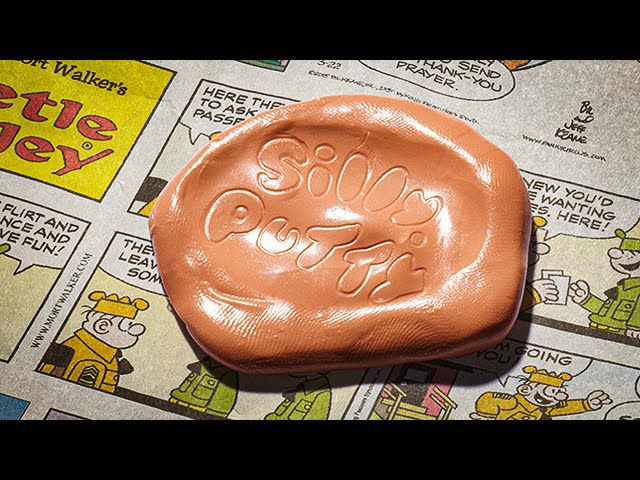
Silly Putty originated during World War II when researchers were trying to create a synthetic rubber substitute. One experiment produced a stretchy, bouncy substance that didn’t meet industrial needs. Though useless for military purposes, the material had unusual properties that made it entertaining. It bounced, stretched, and copied printed images. Eventually marketed as a toy, Silly Putty became a long-running novelty product. A failed attempt at wartime material innovation turned into a cultural staple found in toy stores for decades.
15. Corn Flakes
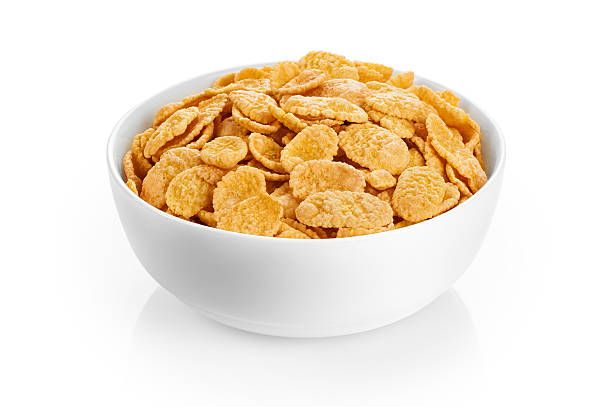
Corn flakes were created after a cooking oversight. While experimenting with grain-based foods, cooked wheat was accidentally left out and became stale. When rolled, it broke into flakes rather than dough. The flakes were toasted and served, proving crisp and appealing. The method was later adapted using corn, leading to corn flakes as a breakfast food. What started as forgotten cooked grain became a foundation of the modern breakfast cereal industry, reshaping morning eating habits around the world.
16. Plastic Bags
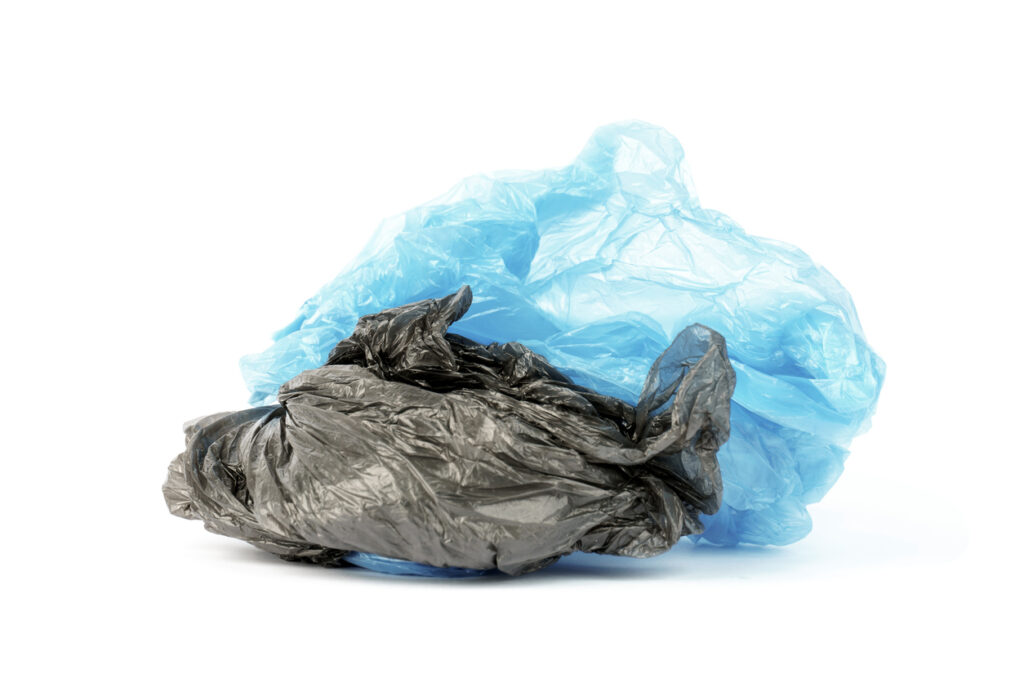
Plastic bags emerged from early experiments with polyethylene that were not originally aimed at packaging. Chemists attempting to create new insulating materials instead produced flexible, durable plastic films. Initially, the material’s everyday usefulness wasn’t obvious. Over time, manufacturers realized it could be sealed, shaped, and mass-produced cheaply. The result was the plastic bag, which transformed retail and food storage. Though now controversial for environmental reasons, its invention stemmed from experimental outcomes that differed from original scientific goals.
17. Contact Lenses
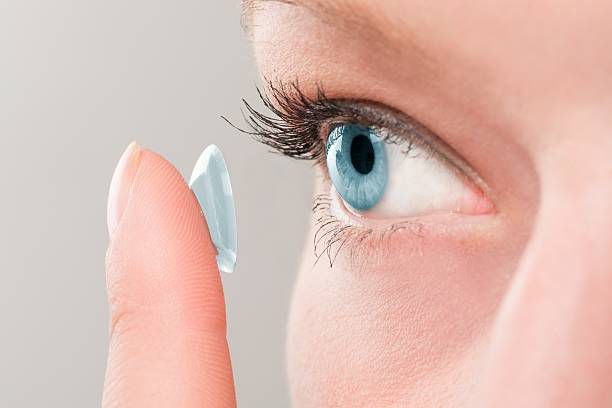
The first contact lenses evolved from research not intended to improve vision. Early scientists studying how eyes respond to foreign materials developed thin glass shells to protect damaged eyes. Though uncomfortable at first, these experiments demonstrated that vision could be corrected directly on the eye’s surface. Over time, materials improved, leading to wearable contact lenses. What began as a protective medical experiment eventually transformed vision correction for millions of people worldwide.
18. Velcro Fasteners
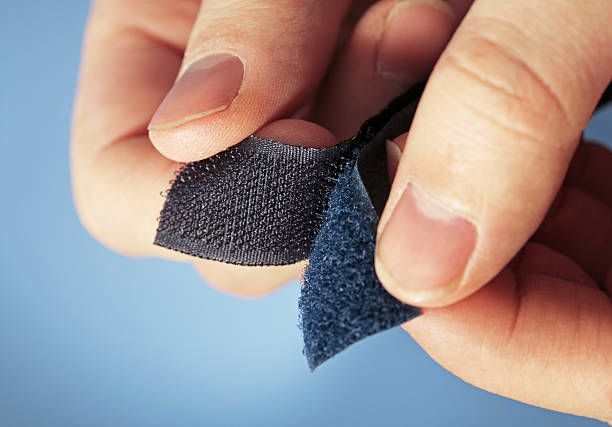
Velcro was inspired by an everyday annoyance rather than intentional design. After a walk, an engineer noticed burrs sticking stubbornly to his clothes and dog’s fur. Examining them under magnification revealed tiny hooks that latched onto loops in fabric. This observation led to the hook-and-loop fastening system. The invention mimicked nature’s design and found uses in clothing, footwear, aerospace, and medicine. A frustrating cleanup problem became a global fastening solution thanks to careful observation of a minor nuisance.
19. Stainless Steel
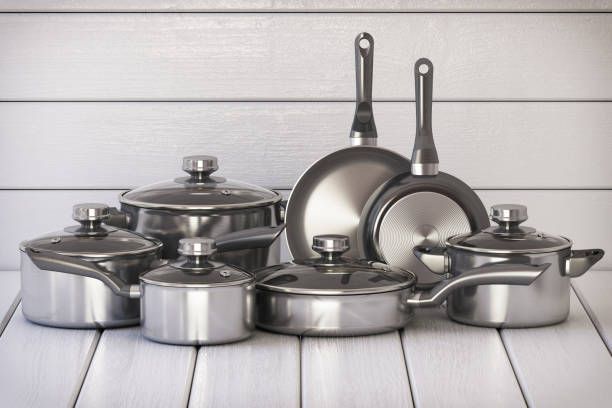
Stainless steel was discovered during experiments to improve gun barrel durability. While testing steel alloys with added chromium, researchers noticed that discarded samples resisted rusting. Though corrosion resistance wasn’t the original goal, the property proved invaluable. Stainless steel went on to revolutionize cookware, medical instruments, architecture, and food processing. A byproduct of military materials research became one of the most widely used metals in everyday life, valued for its cleanliness and durability.
20. Synthetic Dye Mauve
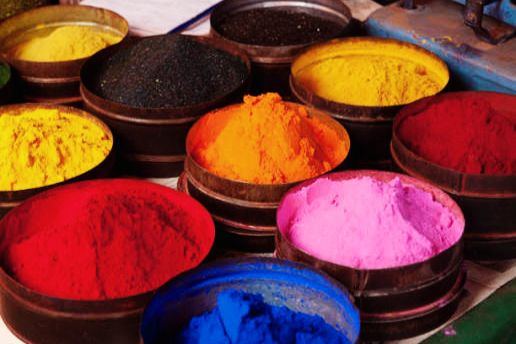
The first synthetic dye was created during a failed chemistry experiment. While attempting to synthesize a malaria treatment, a young chemist produced a purple residue instead. Rather than discarding it, he tested it on fabric and found it created a vivid, long-lasting color. The dye, later called mauve, became a fashion sensation in the 19th century. This accidental color discovery launched the synthetic dye industry and permanently changed textile production.
21. Matches Ignition
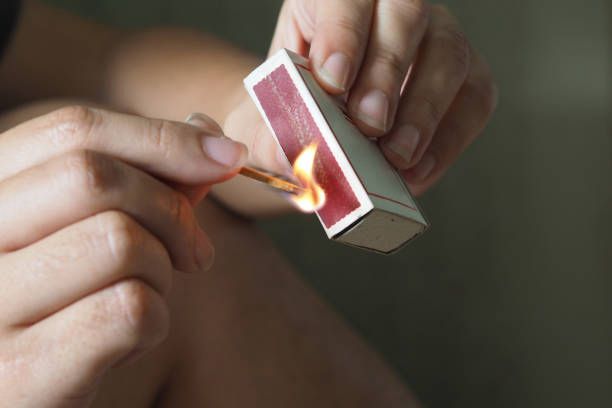
Early match development involved chemical mixtures that were difficult to control. One formula ignited unexpectedly when scraped, revealing a practical way to produce fire with friction. Though risky at first, refinements made matches safer and reliable. What began as an unstable reaction turned into a controlled ignition method. Matches simplified fire-starting for households worldwide and replaced more complex tools, all due to unexpected chemical behavior during experimentation.
22. Saccharin Sweetener
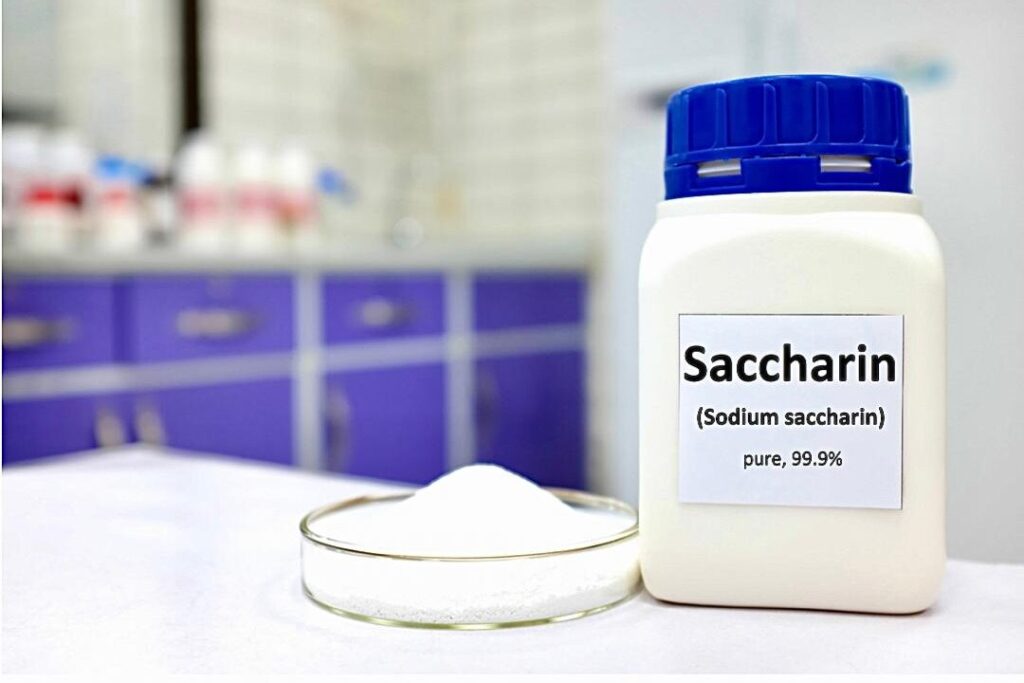
Saccharin was discovered when a researcher noticed a sweet taste on his hands after working in a laboratory. The sweetness came from a chemical compound unintentionally created during coal tar experiments. Further testing confirmed its intense sweetness without sugar. Saccharin became the first widely used artificial sweetener, especially important during sugar shortages. A failure to wash hands led to a discovery that reshaped food science and dietary products for decades.
23. Chewing Gum Base
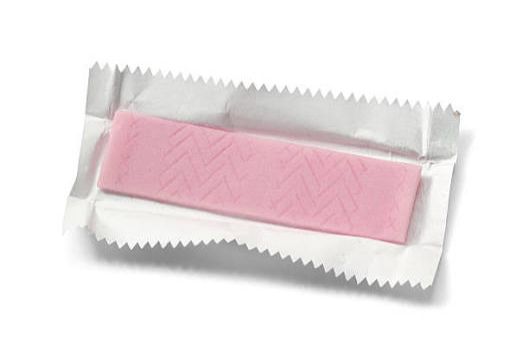
Chewing gum as we know it developed after an attempt to create rubber alternatives failed. Natural tree sap was tested as a rubber substitute but proved unsuitable for industrial use. However, it was found to be chewable and pleasant when flavored. The material was refined into gum base, launching the modern chewing gum industry. An unsuccessful materials experiment instead produced a recreational product enjoyed worldwide.
24. Smoke Detectors

Early smoke detectors emerged from experiments involving radiation sensors and air particles. Engineers working on unrelated detection equipment noticed that smoke disrupted electrical currents in predictable ways. Though fire safety wasn’t the original focus, the discovery led to reliable smoke detection devices. Smoke detectors have since become mandatory in many buildings, saving countless lives. A technical observation outside its intended purpose evolved into one of the most important household safety inventions.
Mistakes don’t always signal failure. In many cases, they open doors to discoveries that careful planning might never reveal. These inventions show that curiosity, attention, and willingness to rethink outcomes can turn missteps into milestones.
Like this story? Add your thoughts in the comments, thank you.


