
1. Cracks That Spread
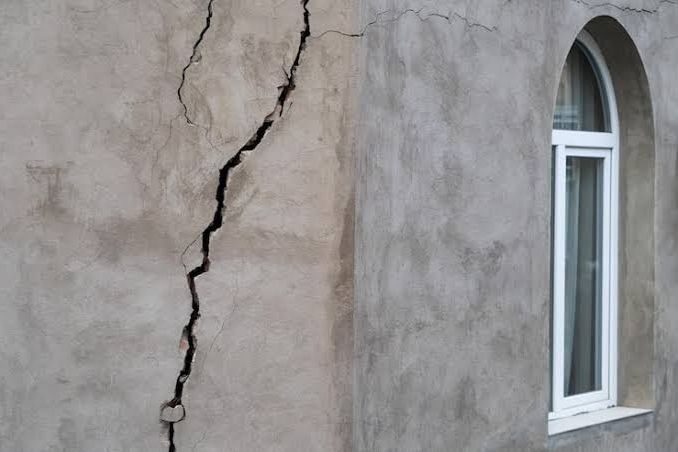
Your home is constantly communicating, even when everything seems quiet. Cracks in walls or ceilings often signal normal settling, but their size, direction, and growth pattern matter. Hairline cracks near doors or windows are common in newer buildings as materials adjust to temperature and humidity changes. However, wider cracks, especially those that grow over time or run diagonally, can point to foundation movement or structural stress. Older homes may show plaster cracking due to aging materials, while concrete cracks may indicate soil shifting beneath the foundation. Engineers and building inspectors widely note that cracks wider than a few millimeters or accompanied by sticking doors deserve closer attention. These visible lines are one of the clearest ways a house reveals underlying stress before more serious damage occurs.
2. Doors That Stick

When doors suddenly become difficult to open or close, it often reflects subtle changes in the structure of a house. Seasonal humidity can cause wooden doors and frames to expand, leading to temporary sticking, especially in rainy or humid climates. However, persistent sticking across multiple doors may signal foundation settling or shifting walls. Building experts often point out that misaligned doors are an early indicator of structural movement, long before cracks or visible damage appear. In older homes, worn hinges or warped frames can also contribute. A door that no longer fits its frame is rarely just an inconvenience; it’s often a quiet signal that the house’s balance has changed.
3. Musty Smells Linger
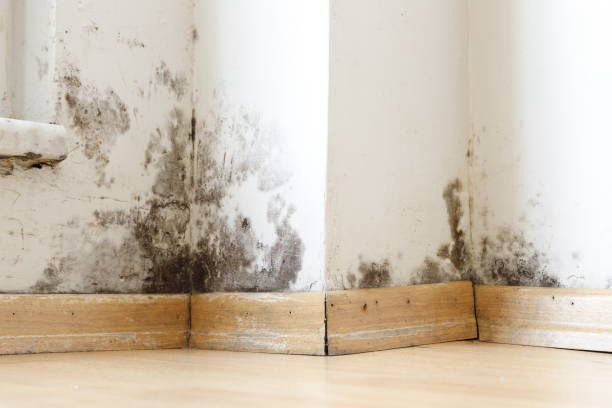
A persistent musty odor is widely recognized as a warning sign of excess moisture. This smell often comes from hidden mold or mildew growing behind walls, under floors, or in basements and crawl spaces. Even when mold is not visible, the odor indicates damp conditions that can damage wood, drywall, and insulation over time. Housing studies consistently link lingering musty smells to poor ventilation, roof leaks, plumbing issues, or groundwater seepage. Beyond structural concerns, prolonged moisture can affect indoor air quality and respiratory health. When a house smells damp long after cleaning, it is effectively signaling that water is present where it shouldn’t be.
4. Uneven Floors Appear
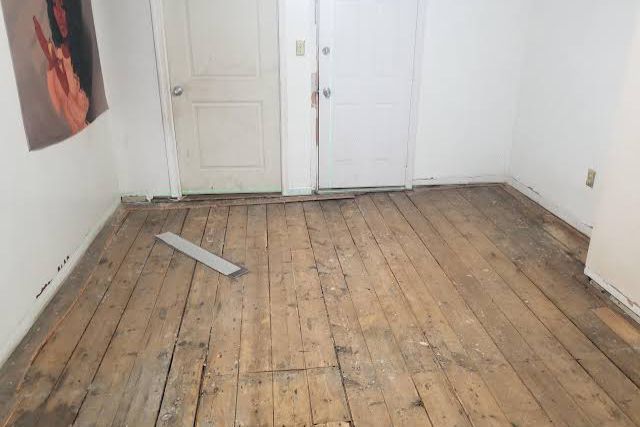
Floors that slope, sag, or feel uneven underfoot often reveal long-term structural changes. In many cases, this results from foundation settling, weakened support beams, or moisture-damaged subflooring. Older houses commonly develop uneven floors as materials age and supports slowly shift. In some regions, soil expansion and contraction beneath a home can gradually alter floor levels. Builders and inspectors note that a noticeable slope across a room is rarely cosmetic. While small variations can be normal, especially in historic homes, pronounced dips or bouncing floors often indicate that the house’s load-bearing systems are under strain.
5. Paint Keeps Peeling
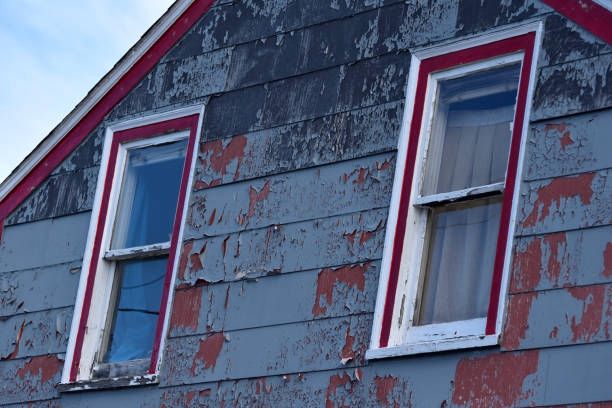
Peeling or bubbling paint is often blamed on poor workmanship, but it frequently points to moisture problems beneath the surface. When water seeps into walls from leaks, condensation, or humidity, it breaks the bond between paint and drywall or plaster. This causes paint to blister, crack, and eventually peel away. Home maintenance guides consistently identify recurring peeling as a sign that the underlying issue hasn’t been resolved. Bathrooms, kitchens, and exterior-facing walls are common trouble spots. When fresh paint fails repeatedly in the same area, the house is signaling that moisture is trapped inside, not just on the surface.
6. Strange Noises Nightly
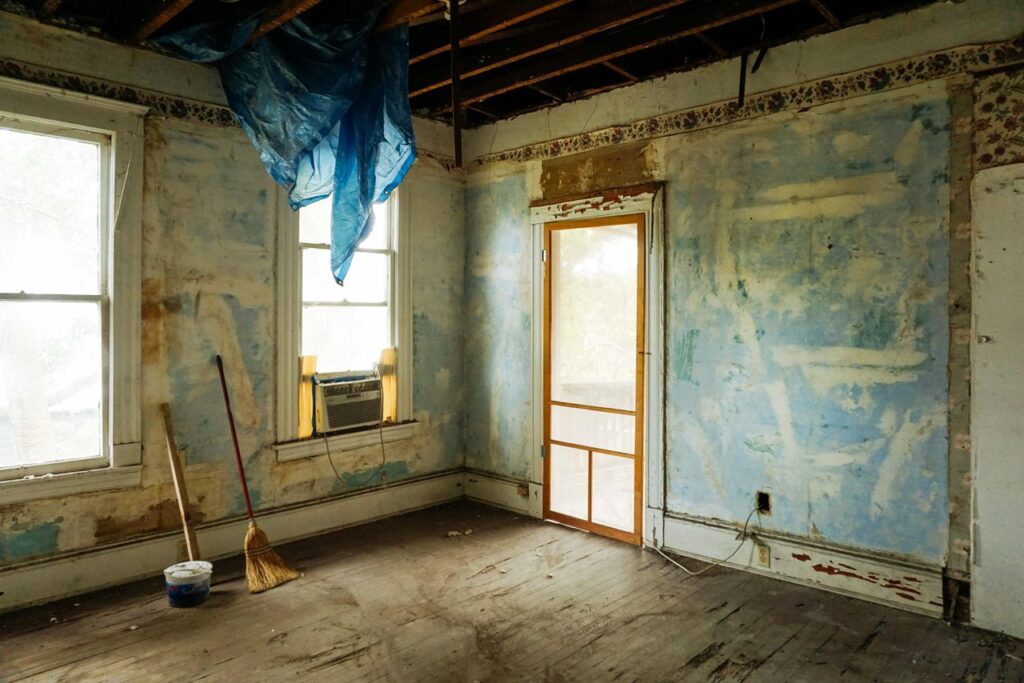
Creaks, pops, and knocks heard at night are often the result of materials expanding and contracting as temperatures change. Wood framing, metal pipes, and ductwork naturally shift, especially after heating or cooling systems cycle off. While many of these sounds are harmless, repeated or rhythmic noises can point to loose pipes, worn supports, or airflow issues in ventilation systems. Plumbing professionals commonly associate knocking sounds with water pressure changes, known as water hammer. A house that consistently makes unfamiliar noises is revealing how its systems respond to stress, age, and temperature shifts.
7. Windows Fog Inside
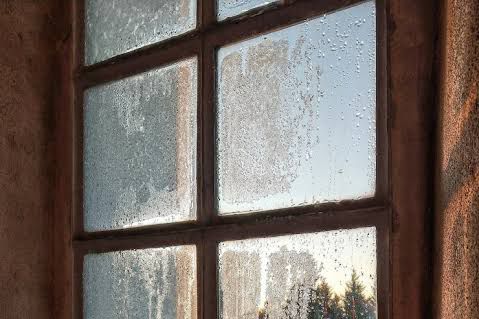
Fog or condensation forming between window panes usually indicates a failed seal in double- or triple-glazed windows. Once the seal breaks, insulating gas escapes and moisture enters, reducing energy efficiency and visibility. This is a widely documented issue in aging windows and often coincides with higher heating or cooling costs. Condensation on interior glass surfaces can also suggest high indoor humidity levels. Energy auditors frequently note that foggy windows are a clear sign the building envelope is no longer performing as intended. The house is quietly revealing where heat loss and moisture imbalance are occurring.
8. Pests Keep Appearing
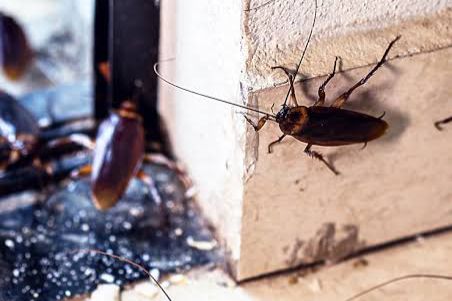
Recurring pest activity often indicates hidden openings, moisture, or food sources within a home. Ants, cockroaches, and rodents are drawn to damp areas, wall cavities, and poorly sealed foundations. Pest control studies consistently show that infestations are rarely random; they reflect structural gaps, leaks, or ventilation problems. For example, rodents may enter through cracks in foundations, while insects thrive in humid spaces behind walls. When pests repeatedly appear despite cleaning, the house is signaling vulnerabilities in its structure or maintenance. These unwelcome visitors often reveal problems long before humans notice them.
9. Air Feels Stale
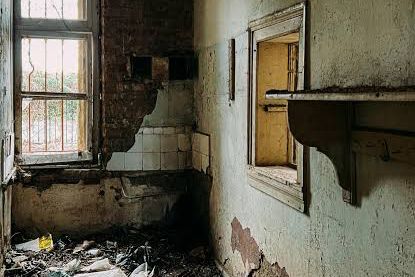
A consistently stale or stuffy feeling indoors is often linked to inadequate ventilation. Modern homes built for energy efficiency can trap air, allowing pollutants, moisture, and odors to accumulate. Older homes may suffer from blocked vents or outdated airflow designs. Indoor air quality research shows that poor ventilation contributes to headaches, fatigue, and increased humidity. When opening windows brings immediate relief, it suggests that fresh air exchange is insufficient. A house that struggles to breathe is quietly indicating that its ventilation system may need adjustment or improvement.
10. Utility Bills Rise
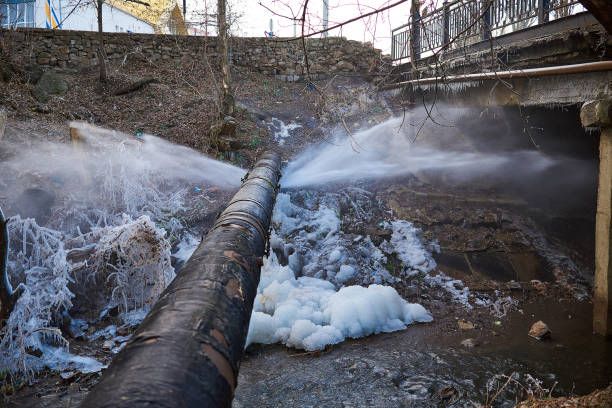
An unexplained increase in energy or water bills often signals inefficiency somewhere in the home. Aging appliances, leaking pipes, poor insulation, or failing windows can all drive costs higher without obvious signs. Energy audits frequently reveal that small gaps, worn seals, or outdated systems quietly drain resources over time. A sudden spike in utility usage without lifestyle changes is rarely accidental. It’s one of the clearest ways a house communicates that something is no longer working as efficiently as it should.
11. Water Pressure Changes
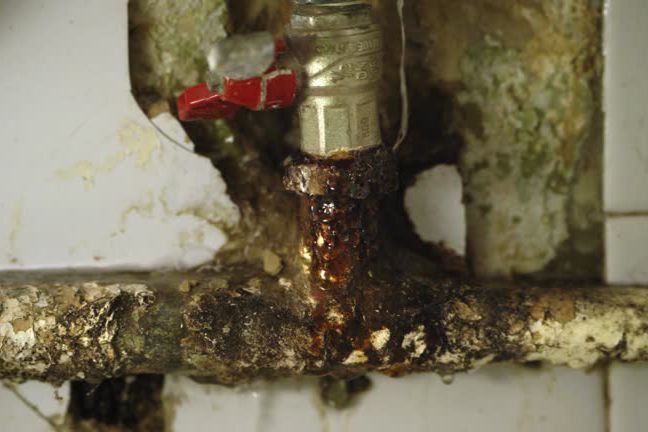
When water pressure suddenly drops or fluctuates, it often reflects issues hidden within a home’s plumbing system. Mineral buildup inside pipes, common in areas with hard water, can gradually restrict flow over time. Pressure changes may also indicate leaks, corroded pipes, or failing pressure regulators. Plumbers frequently note that inconsistent pressure across multiple fixtures suggests a system-wide problem rather than a single faulty tap. In older homes, aging galvanized pipes are a well-documented cause of declining water pressure. These subtle changes are the house’s way of revealing that its water delivery system is under strain and may require inspection.
12. Walls Feel Cold
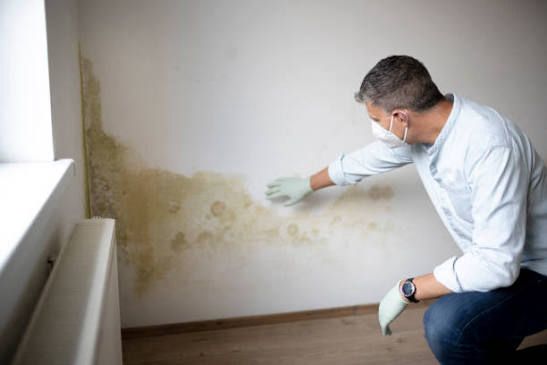
Cold interior walls often point to missing or degraded insulation. In properly insulated homes, walls should maintain a relatively stable temperature. When they feel noticeably cold, especially in winter, it suggests heat is escaping through the building envelope. Energy efficiency studies consistently show that poorly insulated walls are a major source of heat loss and higher utility bills. This issue is common in older houses built before modern insulation standards were adopted. A house with cold walls is quietly indicating where warmth is leaking out and where energy efficiency upgrades could make a significant difference.
13. Ceiling Stains Form
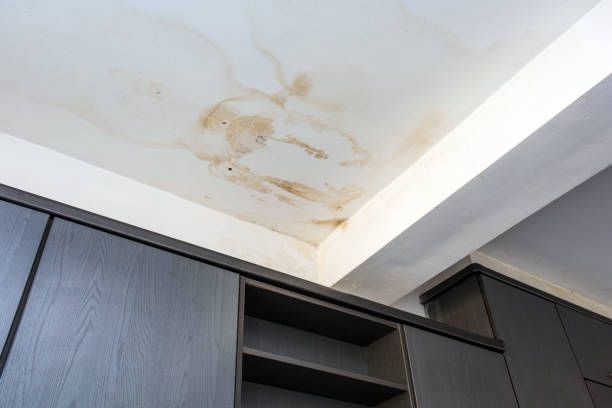
Discolored spots on ceilings are widely recognized as warning signs of water intrusion. These stains often appear as yellow or brown rings caused by roof leaks, plumbing issues, or condensation from poorly insulated pipes. Even small stains can indicate ongoing moisture exposure above the ceiling surface. Building professionals emphasize that water damage rarely resolves on its own and tends to worsen if ignored. Over time, repeated moisture can weaken ceiling materials and encourage mold growth. A stained ceiling is one of the most visible ways a house signals that water is entering where it shouldn’t.
14. Floors Feel Cold

Cold floors often reveal insulation gaps beneath the home or issues with the subfloor. In houses with crawl spaces or basements, cold air can rise through poorly sealed flooring, especially during colder months. Energy audits frequently identify uninsulated floors as a significant source of heat loss. Tile and concrete surfaces naturally feel colder, but persistent chill across all flooring types can indicate drafts or moisture below. When floors remain cold despite adequate heating, the house is signaling that its lower insulation layers are not performing as intended.
15. Light Flickers Often

Frequent light flickering is commonly associated with electrical issues rather than faulty bulbs alone. Loose wiring connections, overloaded circuits, or aging electrical panels can cause inconsistent power flow. Electricians widely warn that recurring flickering, especially when appliances turn on, may indicate a system struggling to meet demand. In older homes, outdated wiring may no longer handle modern electrical loads safely. While occasional flickers can be harmless, persistent ones are the house’s way of drawing attention to its electrical system, often before more serious failures occur.
16. Drains Empty Slowly
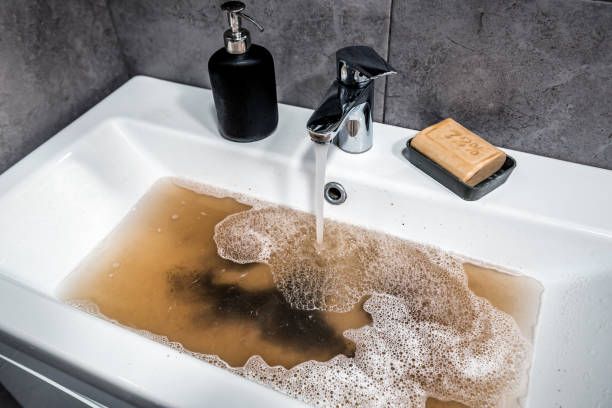
Slow drains are usually the result of buildup inside pipes, including grease, hair, soap residue, or mineral deposits. While a single slow drain may point to a localized clog, multiple slow drains often suggest a larger blockage or ventilation issue in the plumbing system. Plumbing experts frequently note that recurring drainage problems can signal pipe corrosion or improper slope in older installations. Ignoring these signs can lead to backups or pipe damage over time. A house with slow drains is quietly indicating resistance within its waste removal system.
17. Dust Returns Quickly
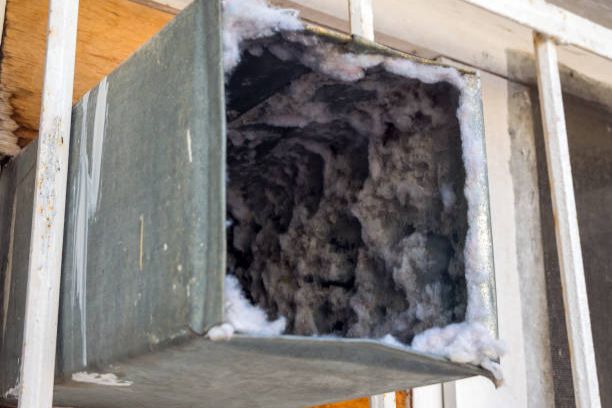
When dust reappears shortly after cleaning, it often points to issues with air circulation or filtration. Leaky ductwork, clogged air filters, or poor ventilation can continuously redistribute dust throughout a home. Indoor air quality research shows that excessive dust may also indicate gaps around windows, doors, or attics where outdoor particles enter. Homes with older HVAC systems are particularly prone to this problem. Persistent dust buildup is the house’s way of signaling that air is not being filtered or contained as effectively as it should be.
18. Basement Smells Damp
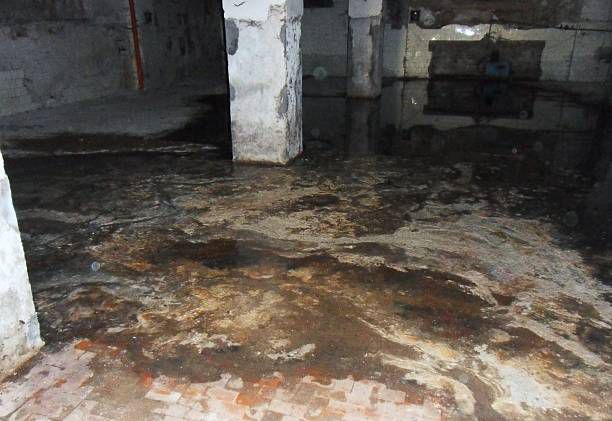
A damp-smelling basement is widely recognized as a sign of moisture intrusion. Groundwater seepage, poor drainage, or inadequate waterproofing can allow moisture to accumulate below ground level. Even without visible water, high humidity can produce odors associated with mold and mildew. Building inspectors often cite basement smells as early indicators of long-term moisture problems that can affect foundations and framing. When a basement consistently smells damp, the house is signaling that water management around and beneath the structure needs attention.
19. Heating Feels Uneven
Uneven temperatures from room to room often reflect issues with insulation, duct design, or heating system balance. Some rooms may receive more airflow than others due to duct layout or blockages. Energy efficiency studies show that heat loss through windows, attics, or exterior walls can also create noticeable temperature differences. In multi-story homes, rising warm air can leave lower levels colder. When heating feels inconsistent, the house is quietly revealing inefficiencies in how warmth is distributed throughout the space.
20. Squeaky Floors Spread
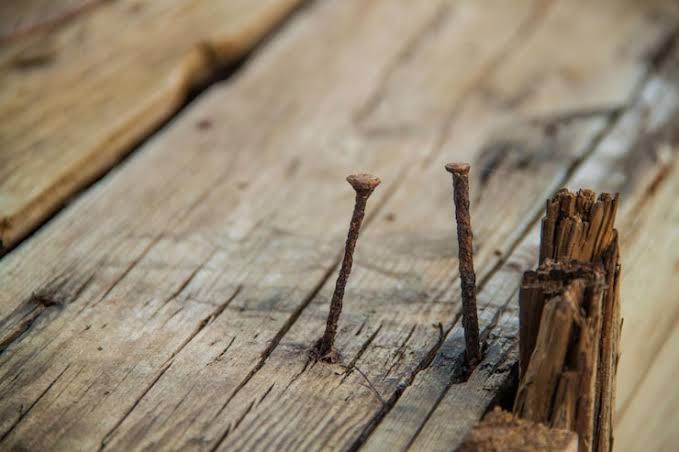
Squeaky floors are commonly caused by movement between floorboards, subfloors, and supporting joists. Over time, nails can loosen, wood can shrink or expand, and gaps can form between structural layers. While occasional squeaks are normal, spreading or worsening noises may indicate increased movement or wear. Builders note that moisture changes often amplify floor noise by affecting wood dimensions. A house with increasingly squeaky floors is subtly revealing how age, humidity, and structural connections are interacting beneath the surface.
21. Smells Change Suddenly
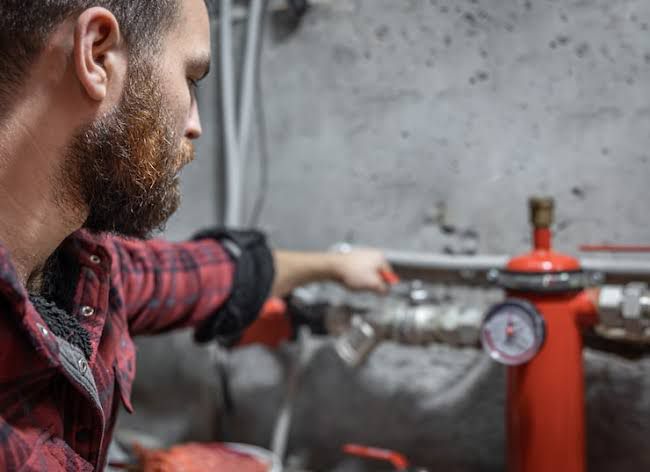
Sudden changes in household smells are often among the most urgent signals a home can send. A persistent gas-like odor may indicate a gas leak, which utility companies widely warn should never be ignored. Burning or metallic smells can point to overheating electrical components, while sewer-like odors may signal dried-out drain traps or damaged vent pipes. Even sweet or chemical smells have been linked by safety agencies to refrigerant leaks or insulation issues. Homes do not produce new odors without a reason. When unfamiliar smells appear quickly and linger, they often reveal mechanical, plumbing, or electrical problems that require prompt attention to prevent safety risks or long-term damage. These signals often appear quietly and gradually, making them easy to dismiss until problems become costly or disruptive.
22. Gutters Overflow Often
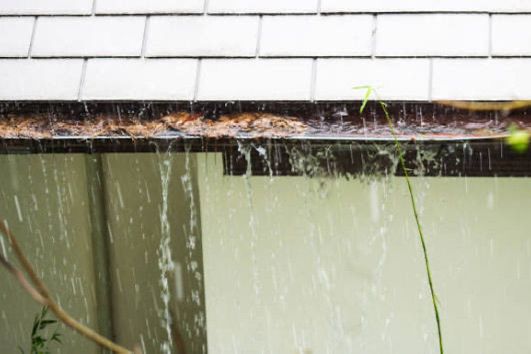
Gutters that overflow during routine rainfall are widely recognized as a warning sign of drainage problems. Leaves, debris, and nesting material can block water flow, causing rainwater to spill over the edges instead of being directed away from the foundation. Home maintenance experts consistently note that repeated overflow can lead to soil erosion, basement leaks, and long-term foundation damage. In colder climates, poor gutter drainage also contributes to ice dams along roof edges. Sagging or overflowing gutters may additionally signal loose fasteners or structural wear. When gutters regularly fail to channel water properly, the house is quietly revealing that its rain management system is no longer protecting it as designed.
Like this story? Add your thoughts in the comments, thank you.


