
Part 1: The Ones That Tried to Be Real (and Worked)
These cities were built to truly mimic other countries, meant for residents, not just tourists. And surprisingly, some of them pulled it off.
1. Hallstatt, China – Austria’s Charm in Every Detail
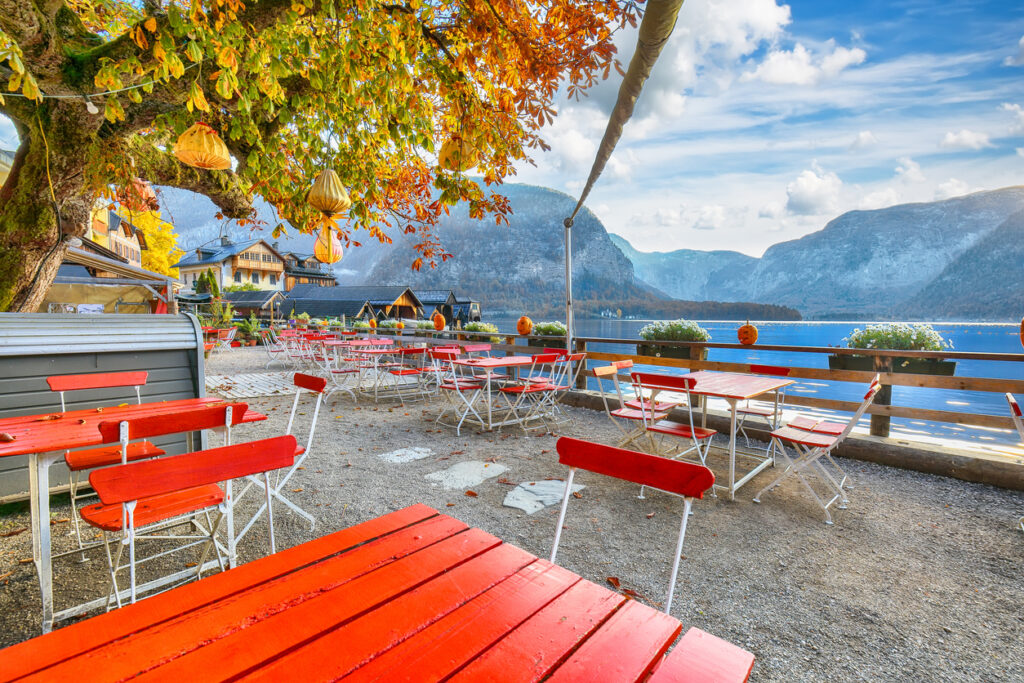
China’s replica of the UNESCO World Heritage village Hallstatt in Guangdong province is a near-perfect clone of the Austrian original. Built secretly by a mining company with a $940 million budget, the town reproduces the lakeside setting, architecture, and even church towers of Hallstatt. Initial controversy arose because Austria’s residents weren’t informed beforehand, but over time, the replica has attracted its own visitors and developed cultural exchanges with the original. While the Austrian Hallstatt is nestled in the Alps with centuries of history, the Chinese counterpart offers a similarly enchanting experience, serving both as a residential area and tourist draw in its own right.
2. Solvang, California – Danish Roots That Last

Founded in 1911 by Danish immigrants, Solvang in California has sustained its authentic Danish character for over a century. Its oak-lined streets, traditional windmills, and centuries-old architecture are genuine reflections of Danish village life. More than a tourist spot, Solvang remains a working community with Danish bakeries, pastry shops, and cultural festivals. Visitors enjoy an immersive slice of Denmark, from its charming red-tile roofs to annual events celebrating Danish heritage, deeply rooted in the town’s immigrant origins rather than merely imitating for show.
3. Blumenau, Brazil – Bavaria in the Tropics
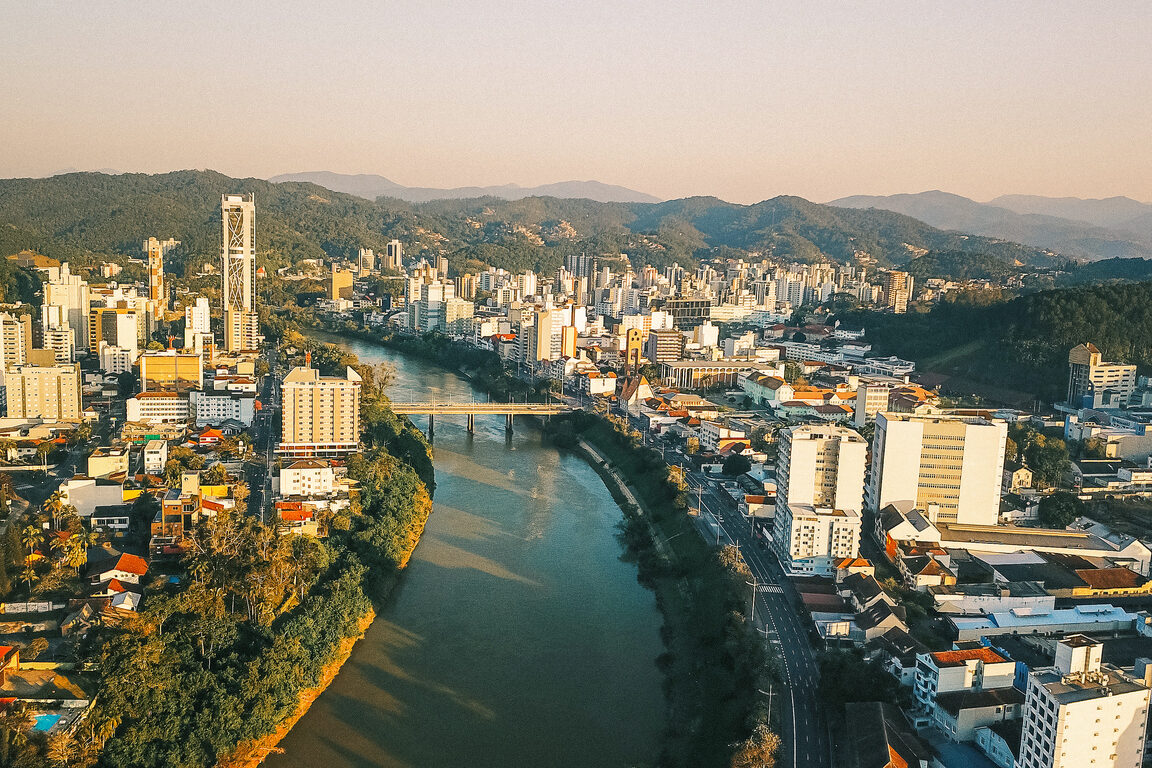
Established in the 1800s by German settlers, Blumenau is Brazil’s thriving center of German culture. Surrounded by tropical greenery, this city’s timber-framed buildings and cobblestone streets echo Bavaria with authentic architectural styles. The annual Oktoberfest in Blumenau is one of the largest outside Germany, drawing thousands to its beer festivals, parades, and folk traditions. This living cultural legacy underscores Blumenau’s success as a genuine transplanted community that blends European tradition with Brazilian vibrancy.
4. Little Italy, Melbourne – Authentic Italian Life Down Under
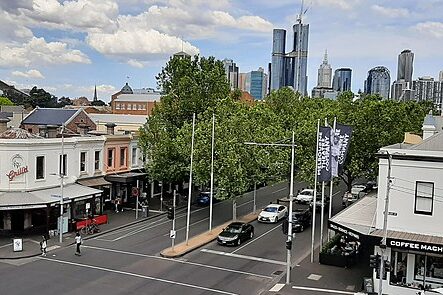
In Melbourne, Australia, Little Italy is not a tourist novelty but a lively neighborhood with decades of Italian immigrant history. Its cafes, espresso bars, and restaurants offer genuine Italian cuisine and lifestyle, faithfully maintained by locals. The community has kept its identity vibrant through festivals and family-run businesses, making it a central hub for Italians and visitors seeking cultural richness. Little Italy’s enduring authenticity arises from real residents living and working there, rather than a staged tourist environment.
5. Suzhou, China – The Venice of the East
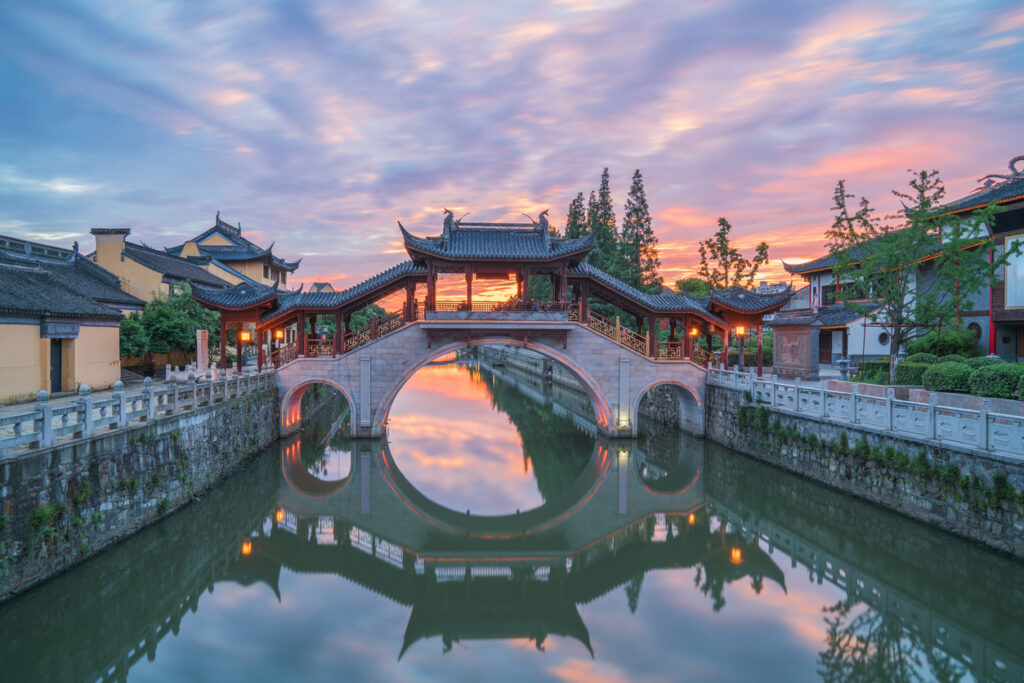
Suzhou’s centuries-old network of canals and bridges long earned it the nickname “Venice of the East.” Unlike modern replicas, Suzhou is an original city with genuine historical and cultural significance. Its waterways, classical gardens, and traditional architecture reflect deep-rooted Chinese sophistication and urban design. Suzhou inspired later attempts at replication, yet it remains a living, working city where commerce and culture thrive amid its scenic beauty, demonstrating that the concept of city copying doesn’t always start with artificial constructs.
6. Victoria, Canada – British Elegance on the Pacific Coast
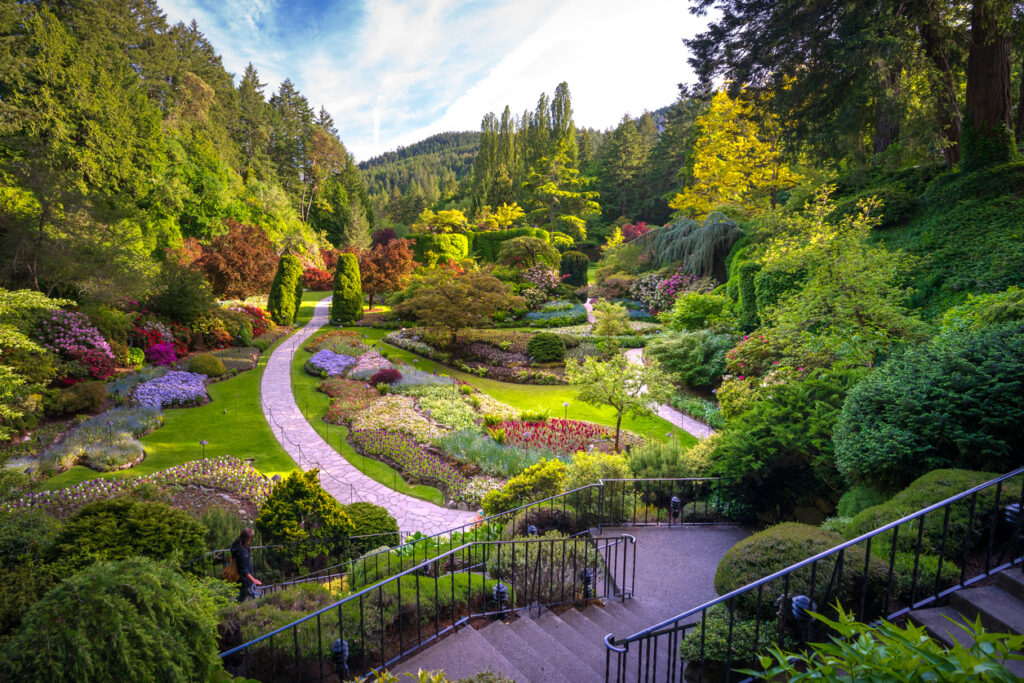
Victoria, the capital city of British Columbia, Canada, offers a distinctive charm that echoes old-world Britain with a Pacific twist. Founded in the mid-19th century and named after Queen Victoria, the city combines historic British architecture, lush flower gardens, and cultural traditions such as tearooms and even double-decker buses. Its architectural landmarks, including the grand Parliament Buildings and the Empress Hotel, highlight this British heritage deeply embedded in Canadian soil. Unlike a mere tourist stage set, Victoria is a vibrant city where residents live amidst this heritage, fully integrating the British aesthetic into everyday life. Its blend of genteel civility, natural beauty, and cultural sophistication creates an authentic “British town” experience far from the UK.
Part 2: They Never Pretended to Be Real, But They Totally Worked
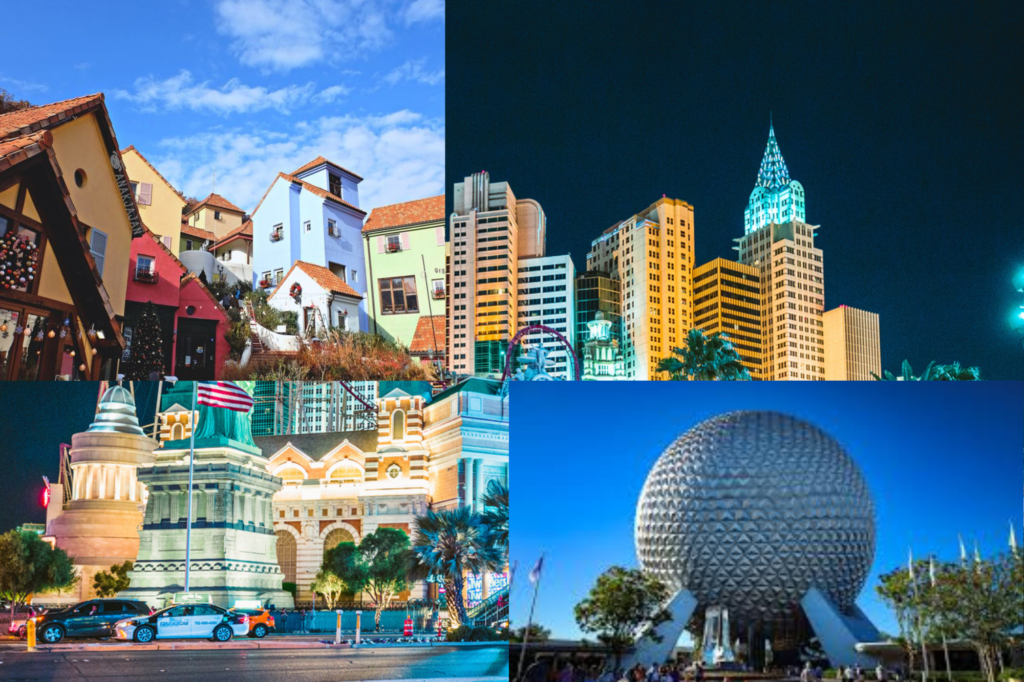
These places were built for entertainment, tourism, or fantasy. They copied with a wink, and people loved it.
7. The Venetian, Las Vegas – Venice with Fun and Flair
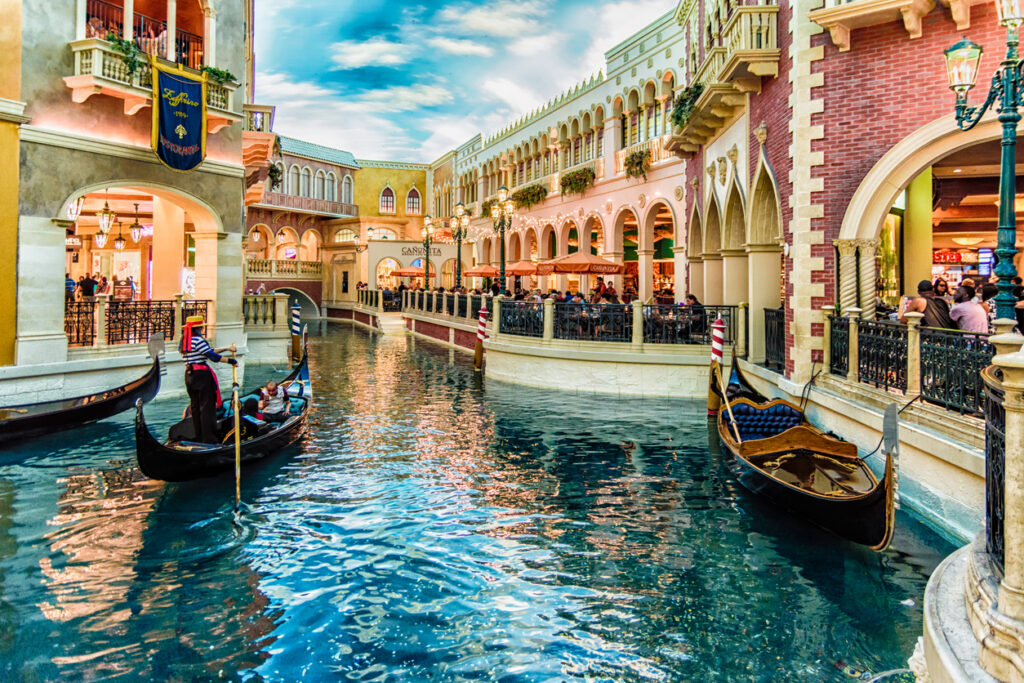
The Venetian in Las Vegas is a dazzling resort that captures the spirit of Venice with grand canals, gondoliers, and painted skies, but it never claims to be the real thing, and that’s exactly the appeal. Opened in 1999 with a $1.5 billion investment, the resort offers luxury suites, a sprawling casino, upscale shopping in the Grand Canal Shoppes, and world-class entertainment. Guests enjoy romantic gondola rides along indoor canals, complete with singing gondoliers, blending Italian charm with the convenience of air conditioning and a Vegas flair for spectacle. This theatrical Venetian experience perfectly suits the city’s “anything goes” vibe, making it a beloved destination for tourists seeking both thrills and a whimsical taste of Italy in the desert.
8. Venetian Macao – Vegas’s Venice Amplified
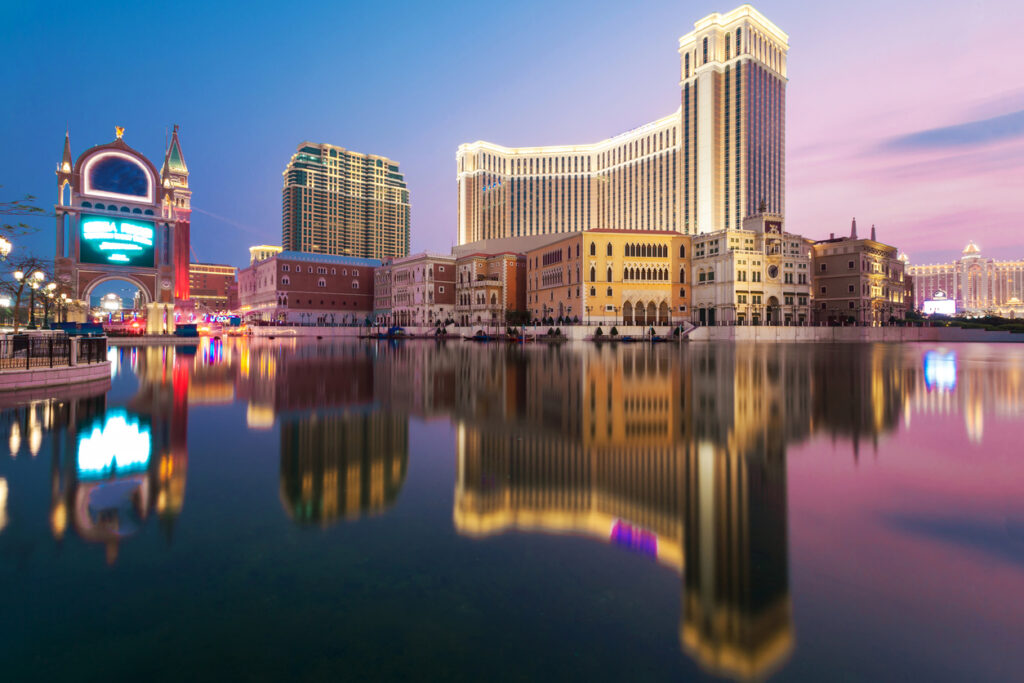
The Venetian Macao, located on Macau’s Cotai Strip, takes the Las Vegas Venetian’s concept and turns the volume way up. This mega-casino resort boasts nearly 3,000 luxury suites and over 500,000 square feet of gaming space, alongside close to a million square feet of retail and dining options. It features a 39-floor luxury hotel tower, a massive arena for entertainment, and sweeping replicas of Venetian landmarks. The scale and shine of this property make it a standout in Asia’s largest gaming market, combining theatrical Venice-themed architecture with high-end luxury and nonstop entertainment, ensuring its popularity with tourists and gamblers alike.
9. New York-New York, Las Vegas – The Big Apple Roller Coaster
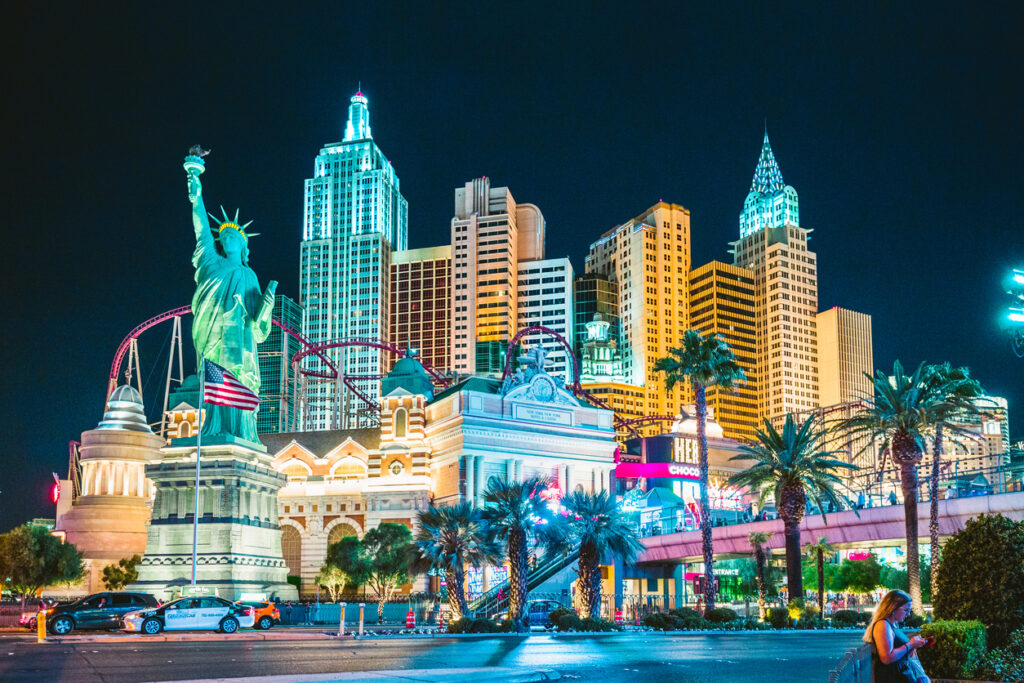
This lively Vegas resort offers a fast-paced, fun-filled version of Manhattan with a skyline of iconic structures including a replica Statue of Liberty, Chrysler Building, and yellow cabs buzzing through. Its highlight is a thrilling roller coaster that zooms around the hotel towers, delivering excitement to visitors who want the energy of New York without the crowds. Though it’s a theme park version that doesn’t aim for authentic New York life, the resort perfectly captures the city’s hustle and bustle with pizza spots, bars, and neon lights. Its tongue-in-cheek homage to the Big Apple fits Las Vegas perfectly as a place built on bold impressions and entertainment.
10. Colmar Tropicale, Malaysia – A French Fairytale for Romance
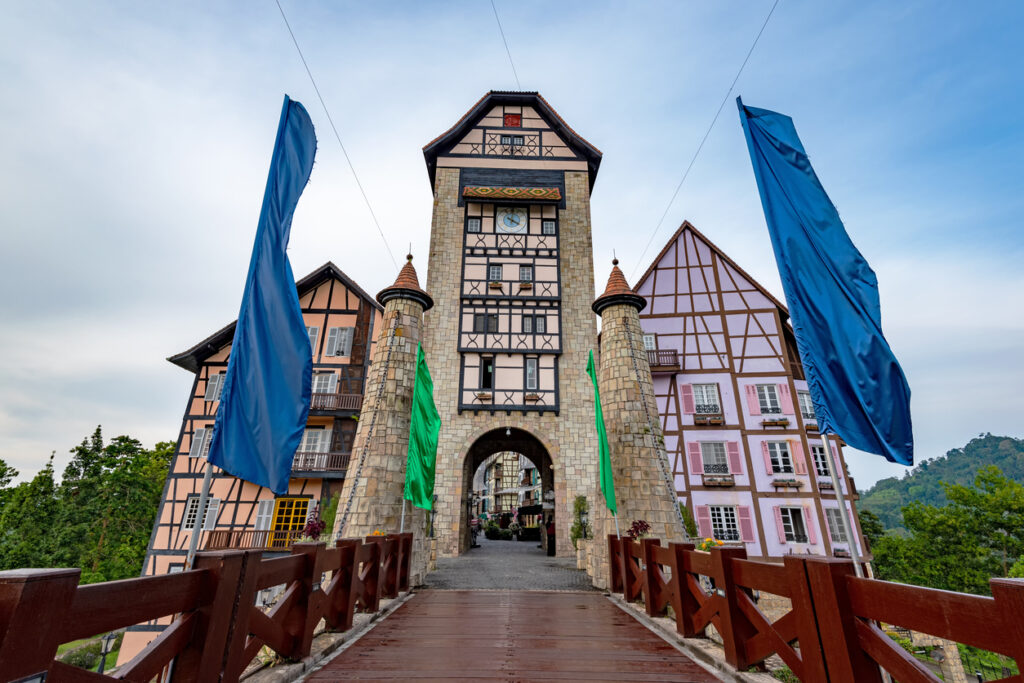
Nestled in the hills of Bukit Tinggi, Malaysia, Colmar Tropicale is a charming resort built to resemble Colmar in the Alsace region of France. With colorful timber-framed buildings, cobblestone streets, and quaint cafes, it feels like a storybook village set in a tropical climate. Designed primarily for tourists and honeymooners, it’s not a living town but a beautifully staged retreat where visitors can soak up French atmosphere, enjoy photo ops, and savor leisurely meals. The romantic setting and whimsical design make it a favorite for couples seeking a European escape without leaving Southeast Asia.
11. La Petite France, South Korea – Korean Drama Meets Alsace
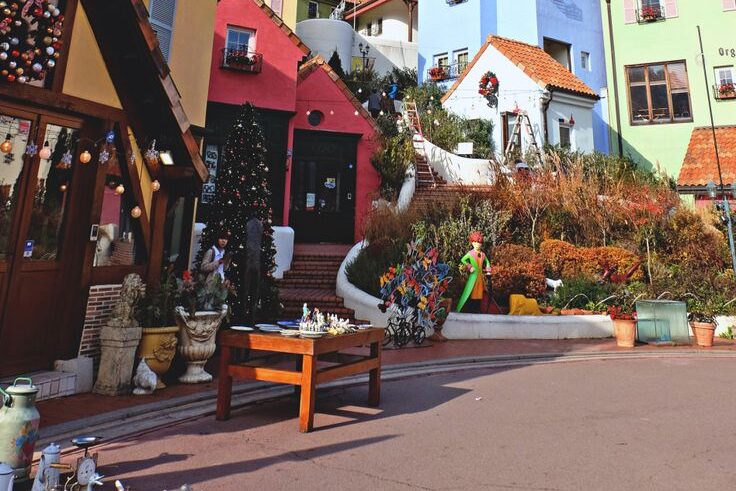
Located near Seoul, La Petite France is a picturesque French-style village built as a cultural and tourist attraction. Known for its colorful architecture and European charm, it doubles as a popular filming location for Korean dramas, bringing a slice of Alsace to South Korean audiences. Though clearly a set piece rather than a functioning community, La Petite France’s appeal lies in its photogenic streets, quaint shops, and festive events that invite visitors to immerse themselves in a European fantasy. Its success lies in blending tourism with pop culture enchantment.
12. EPCOT World Showcase, USA – A Kid-Friendly Global Sampler
EPCOT’s World Showcase at Walt Disney World in Florida brings together staged pavilions representing 11 countries, from Canada to Japan to Morocco. It’s not about perfect replication but about creating joyful, accessible slices of culture and cuisine for families. Each pavilion features themed architecture, restaurants, shops, and performances inspired by its country, designed to spark curiosity and delight in visitors of all ages. While the scale is miniature and often stylized, the experience is immersive and educational, offering a playful “world tour” without the jet lag. EPCOT’s blend of fun, fantasy, and learning makes it a unique kind of city copy that generates genuine love without needing to be real.
13. Thames Town, China – A British Ghost Town Turned Wedding Fame
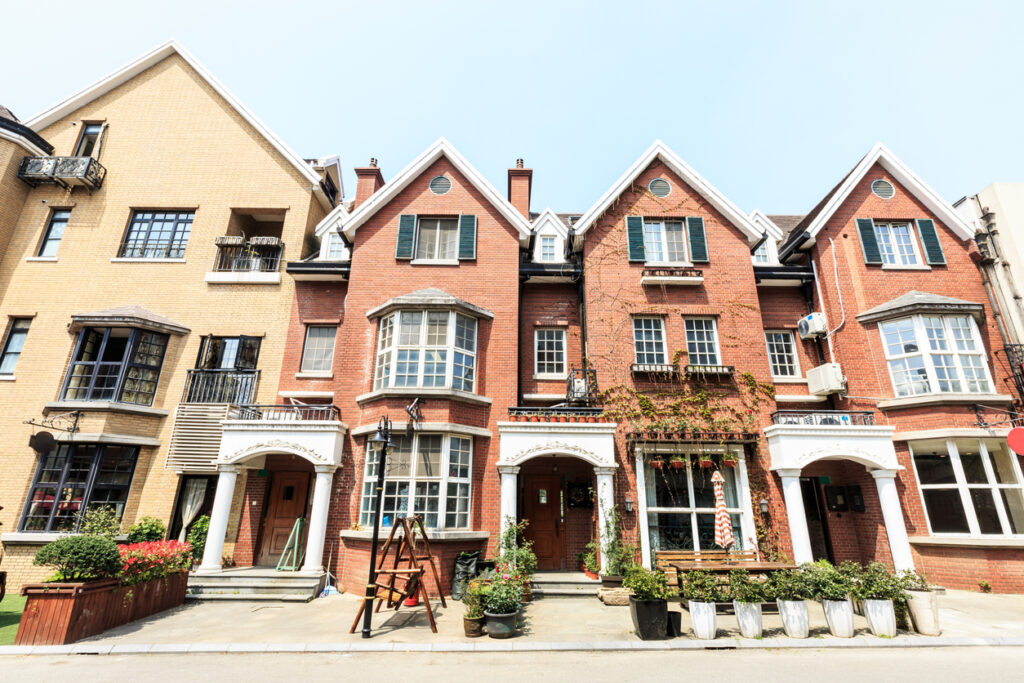
Thames Town in Shanghai was designed as a British-style new town with cobblestone streets, Victorian-style houses, red phone booths, and even a clock tower modeled on London’s Big Ben. Despite its charm, it struggled to attract permanent residents and became known as a ghost town. However, it found a surprising second life as a hugely popular backdrop for wedding photos, capturing an idealized British atmosphere for couples seeking romantic, photogenic settings. Its fame lies less in functional city replication and more in serving a whimsical role as a picturesque stage for love stories, showing how city copies can succeed in unexpected ways.
Part 3: The Copies That Tried, and Flopped
These projects aimed to be livable, believable replicas of world cities. But poor planning, funding, or plain weirdness left them empty or abandoned.
14. Tianducheng, China – Ghostly Paris Without the People
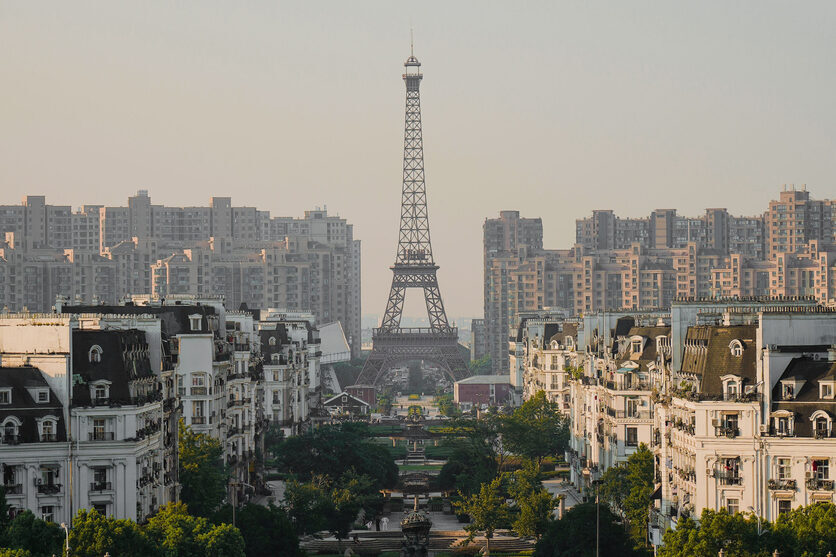
Tianducheng, built starting in 2007 near Hangzhou, was envisioned as a high-end residential replica of Paris, complete with a 354-foot Eiffel Tower, cobblestone streets, and classical fountains stretching over 31 square kilometers. Originally planned for 10,000 residents, it opened amid much fanfare but quickly became famous as a “ghost city” due to low occupancy and empty streets. The main issues were its isolated location in the rural countryside, far from urban centers and public transport, deterring residents and businesses. Though the population grew to about 30,000 by 2017, much of Tianducheng remains quiet and underused, with closed shops and dry fountains. It now draws interest mainly from curious tourists and couples seeking scenic wedding photos rather than bustling daily life.
15. Pujiang New Town – China Italy Without Italians
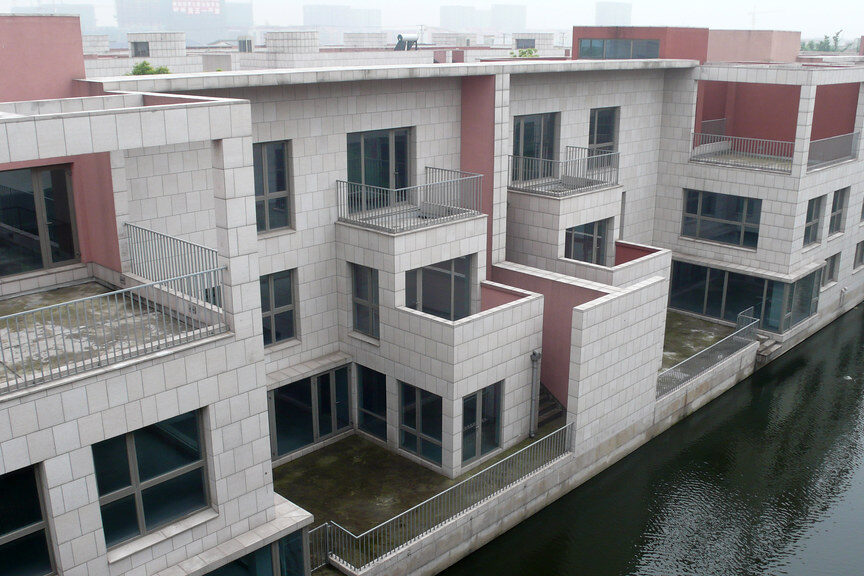
Pujiang New Town in China attempts to recreate the essence of an Italian town with grand plazas, statues, fountains, and architecture inspired by Italy’s charm. However, despite the authentic styling, it struggles with population growth and vibrancy. The town feels more like an open-air museum or a stage set, beautiful but lacking the human warmth that activates a community. Without locals embedding daily life into the surroundings, its cobblestone streets and piazzas come across as empty, underscoring the challenge of transplanting culture without the people whose customs animate it.
16. Dubai’s Europe Island – A Manmade Continent Left to Decay
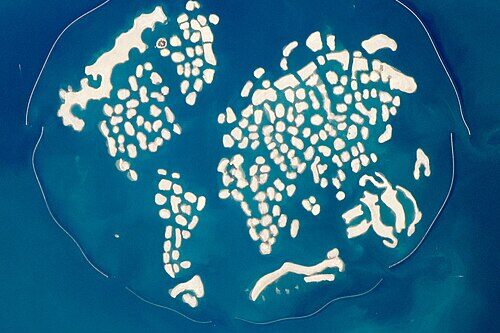
Part of Dubai’s ambitious “World Islands” project, Europe Island was intended to mimic the continent’s architectural diversity on an artificial archipelago. Despite heavy investment and promotion, the island remains largely unfinished with sandbanks and derelict structures instead of glamorous resorts and residences. The grand vision gave way to issues like funding challenges and shifting market demands, leaving Europe Island a symbol of unfulfilled potential and decay rather than the luxurious European escape promised.
17. Beverly Hills, Egypt – A Sterile Copy Without Soul
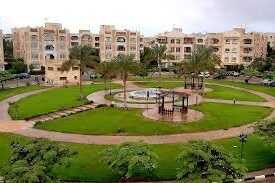
Modeled after the luxury and glamour of Los Angeles’s Beverly Hills, the Cairo suburb named Beverly Hills sought to capture that upscale vibe through planned development and branding. Unfortunately, the project fell short, resulting in a sterile environment lacking the dynamic lifestyle and cultural richness that characterize its namesake. The sprawling housing units offered comfort but not community, leading to criticisms of it being a soulless imitation without the authentic buzz or social fabric that make Beverly Hills spe
18. New South China Mall – The World’s Largest Empty Shopping Fantasy
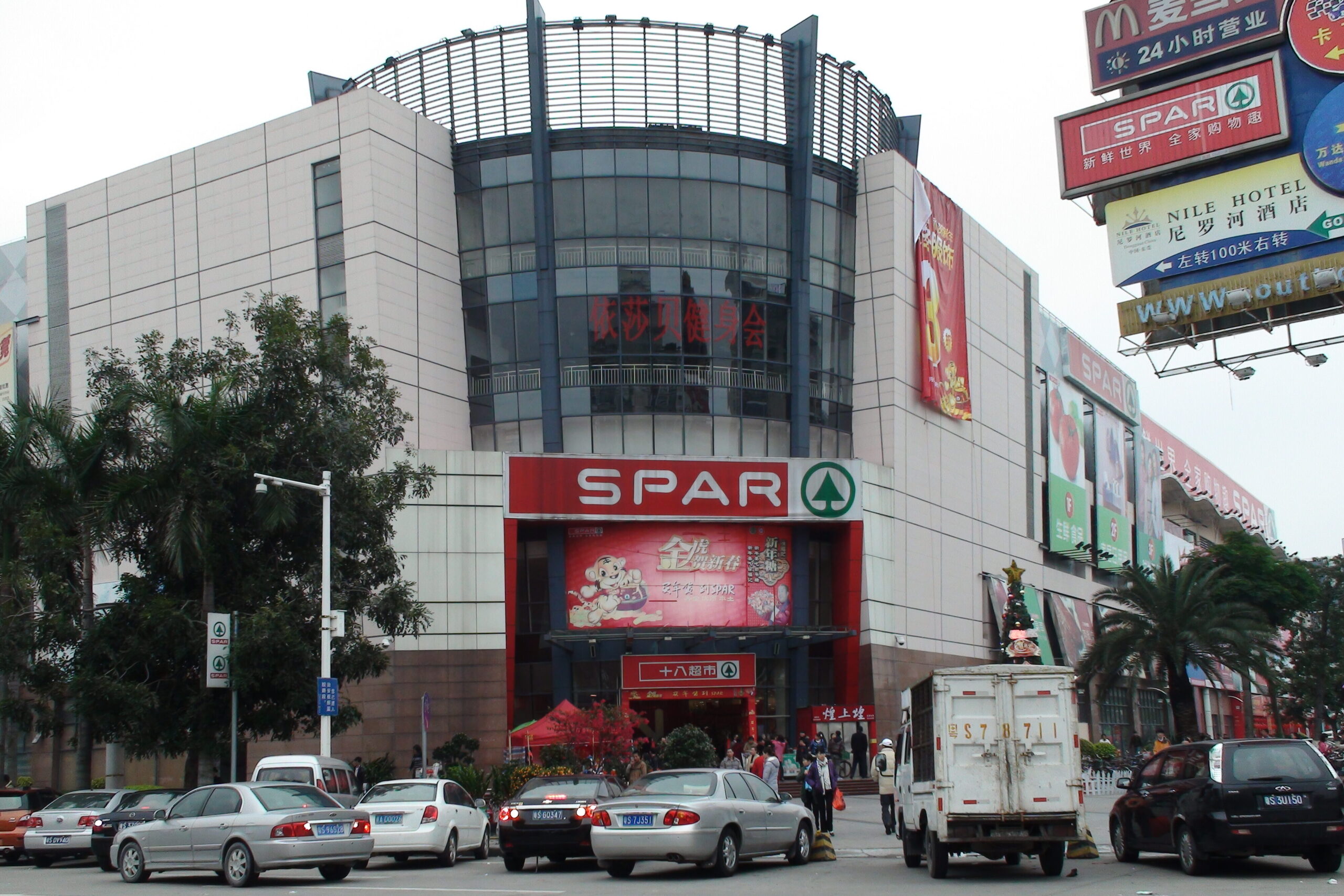
Once the world’s largest shopping mall, New South China Mall in Dongguan featured replicas of the Arc de Triomphe, Egyptian sphinxes, and more, designed to be a global shopping paradise. However, it failed spectacularly as retailers and customers never fully materialized. The vast empty corridors and shuttered stores earned it the nickname “ghost mall.” It highlights how replicating landmarks and scale without addressing market realities and consumer demand can lead to megaprojects becoming lavish but lifeless architectural toys.
19. Kiryat Yam, Israel – A Failed Manhattan Dream
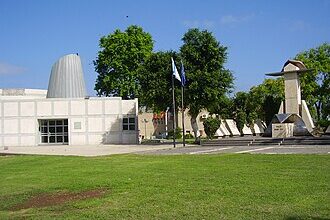
In the coastal city of Kiryat Yam near Haifa, developers once envisioned a Mediterranean Manhattan complete with bustling streets and urban sophistication. Instead, the reality fell short of these high hopes. Rather than the dynamic skyline and lively atmosphere of New York City, Kiryat Yam became marked by uninspired housing blocks and a lack of city buzz. The disconnect between the glamorous branding and the actual development’s appearance and vitality led many to view it as a disappointing imitation, highlighting how simply borrowing a name or a style doesn’t replicate the energy and diversity that define famous cities.
20. Holland Village, Japan – A Quiet Dutch Theme Park

Holland Village in Japan was planned as a charming Dutch-style theme park, featuring canals, windmills, and quaint architecture meant to evoke the Netherlands. However, the park struggled with maintaining visitor interest and financial viability, eventually facing bankruptcy and fading into quiet obscurity. Though attempts to revive the area have been made, the village now serves more as a curiosity than a thriving tourist or residential spot. Its story underscores how charm alone can’t sustain a replica without ongoing engagement and clear purpose.
21. Ba Na Hills, Vietnam – French Fantasy Without a Heart
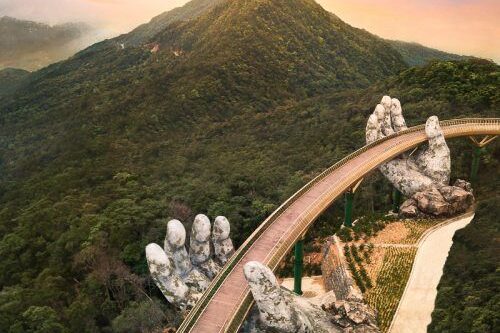
Perched high in the mountains near Da Nang, Ba Na Hills is a tourist resort with fanciful French castles, cobblestone courtyards, and surreal architectural touches like giant stone hands holding up sky bridges. Despite its visual appeal and Instagram fame, the resort lacks the deep cultural authenticity or vibrant community that real French towns embody. Visitors often remark on its artificiality beneath the beauty, an enchanting but ultimately hollow experience that feels more like a theme park fantasy than a living city.
22. Kowloon Walled City Arcade, Japan – A Slum Replica for Entertainment
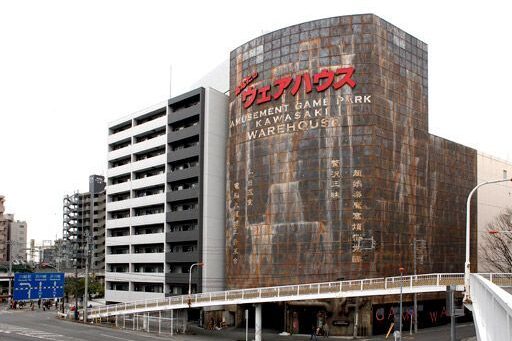
Japan’s Kowloon Walled City Arcade, inspired by the notorious Hong Kong enclave famous for its crowded, chaotic slum conditions, recreated that dense, grim environment as a themed entertainment space. While it captures the dense urban textures and maze-like feel, it presents a sanitized, stylized version of a place born from complex social and political struggles. The arcade became popular for its immersive atmosphere but also sparked debate about glorifying poverty and hardship for entertainment, showing how some replications raise questions beyond aesthetics.
This stiory Cities in Disguise: 22 Attempts to Replicate Famous Places was first published on Daily FETCH


