
1. Nose First Curiosity
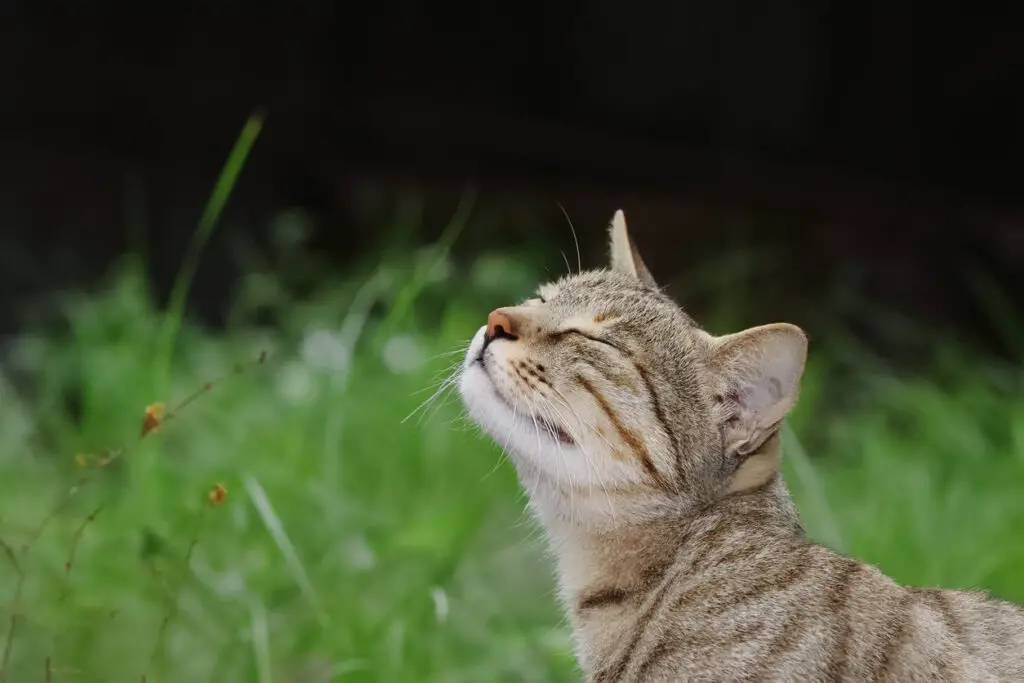
Sometimes it starts quietly when you notice your dog or cat pause to smell the air and everything about them suddenly feels older and wiser. This whole list really begins there because these tiny instincts shape every part of their day without them even knowing. Their nose leads the way, helping them recognize comfort, understand change, and stay aware of everything around them. It feels small, but it connects them to their past. Each gentle sniff shows how instinct still guides them, keeping them grounded, curious, and beautifully in tune with the world they live in beside us.
2. The Chase That Never Quite Left

When dogs dash after toys and cats launch themselves across the room, it looks playful, but instinct is quietly doing the work. Their bodies remember movement, timing, and focus, and chasing keeps those skills alive. Even when the target is just a rolling object, the excitement feels real and meaningful. It helps them burn energy, stay confident, and feel capable. Watching them gives us a glimpse of a life they might have lived long ago, softened by love, routine, and safety but still powered by that small natural urge that refuses to disappear completely.
3. Following You Like Family
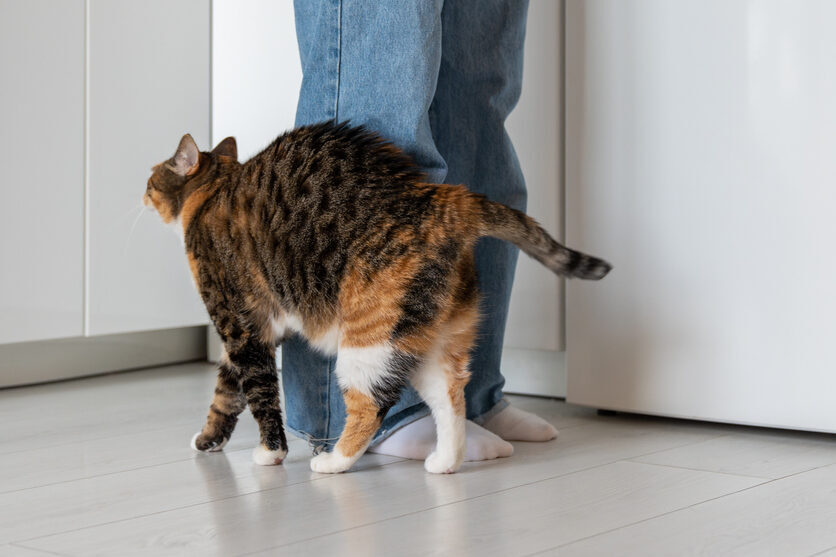
There is something comforting about turning around and seeing your pet right behind you, almost as if they are quietly checking in. Dogs especially feel safer when they stay close, and even independent cats appear when they want reassurance. This habit grows from instinct, connection, and trust. They are not trying to control your space. They simply feel steadier when they know what you are doing. That gentle presence reminds us they see us as part of their world, and those simple footsteps become a quiet way of saying they belong, and they want to stay near.
4. Independent Moments with a Soft Touch
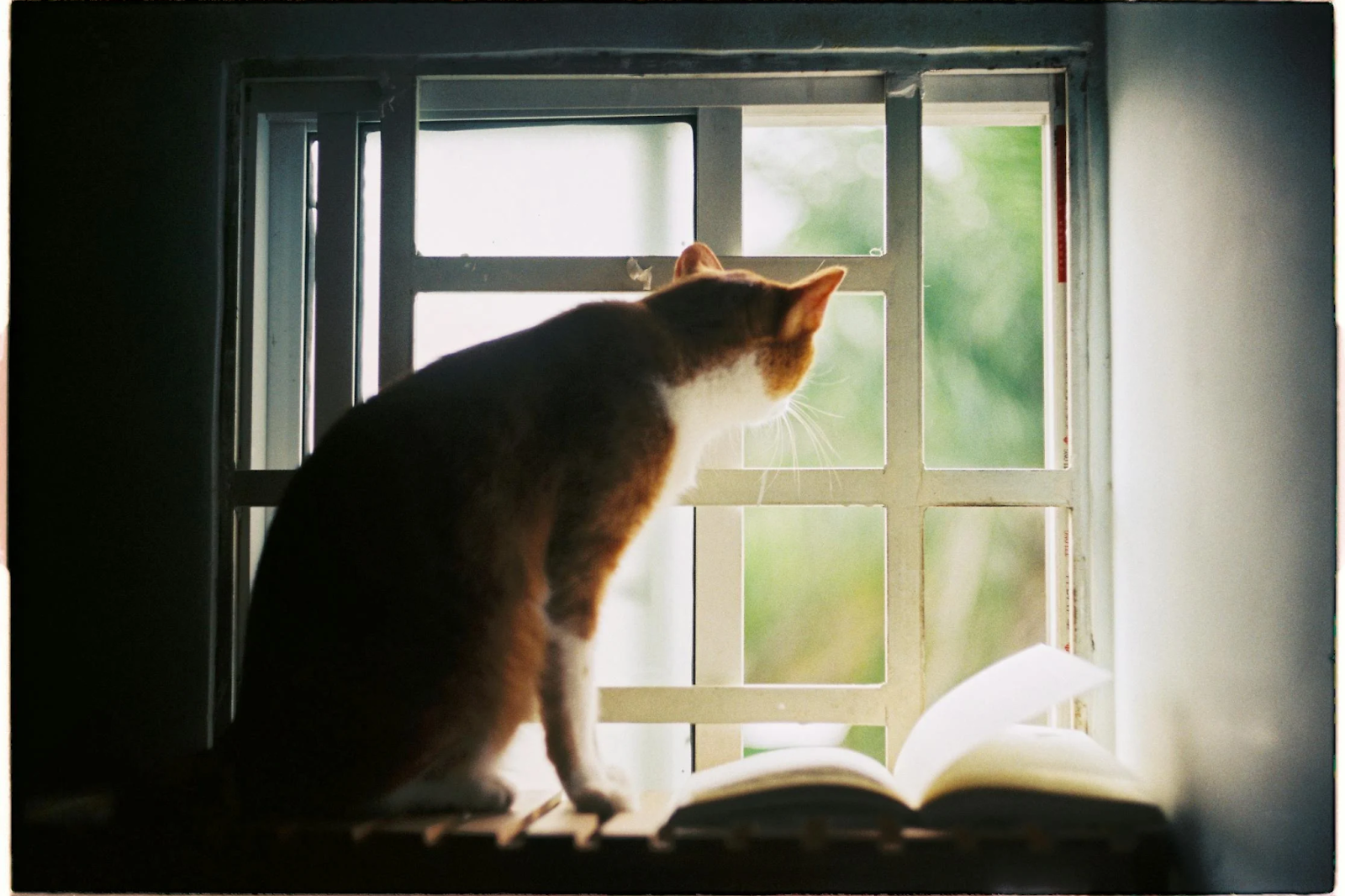
Cats often move through life like they already know what works best for them. They rest when they need to, explore when curiosity calls, and choose when to come close. Their instinct leans toward quiet confidence, and dogs sometimes share this calm rhythm too. Independence does not mean distance. It simply means they trust their surroundings enough to manage their space. Then, when they brush against your leg or settle near you, it feels intentional. Those soft choices show how instinct and affection blend gently together in everyday moments, making companionship feel natural instead of forced.
5. Climbing To Feel Safe and See More
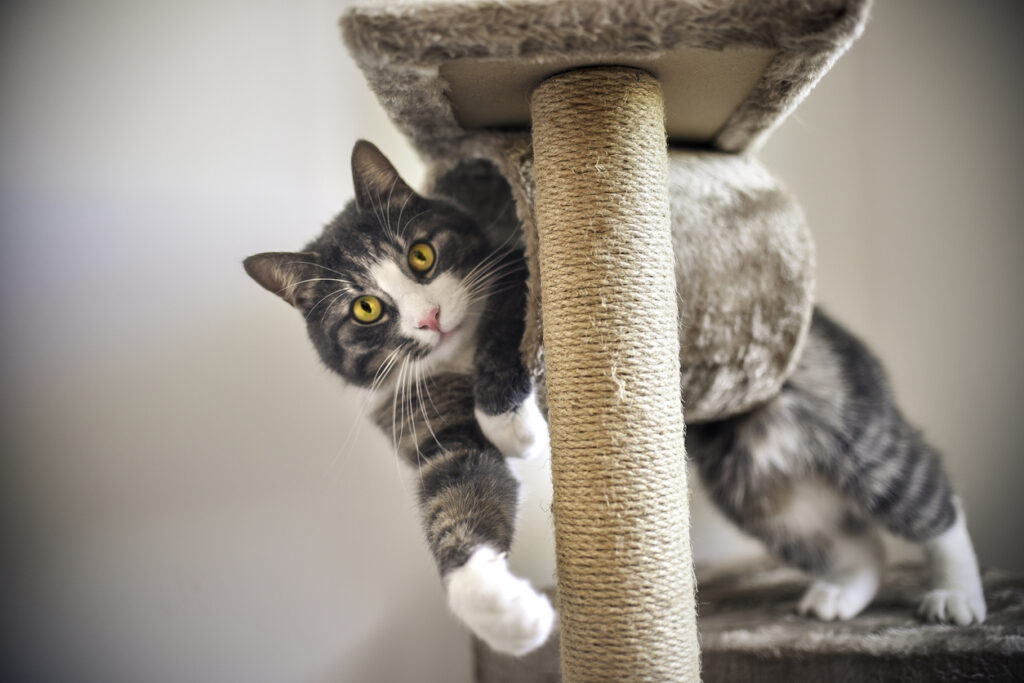
Cats love high places because height makes the world easier to understand. From a shelf, chair back, or window edge, they can quietly watch everything. Dogs do something similar when they choose spots where they can observe the room. Instinct tells them that being able to see brings comfort. It lets them relax without worrying about what might be behind them. These choices seem small, but they create peace and confidence. Climbing or positioning themselves just right becomes part of their daily routine, giving them security while still allowing curiosity to stay alive and active.
6. Scratching Because Their Body Remembers
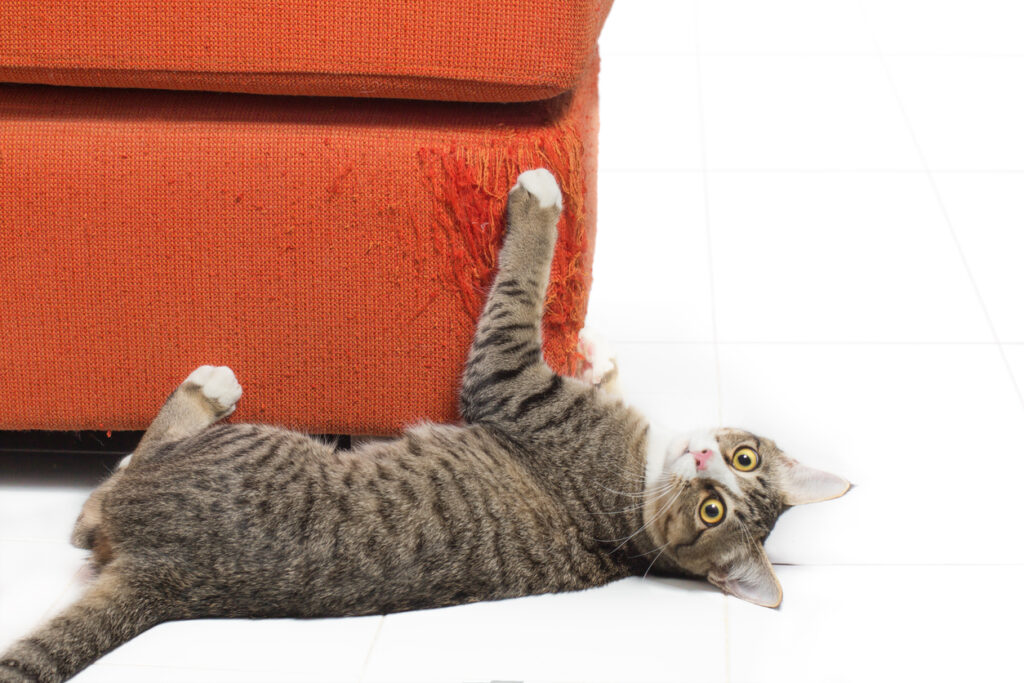
When a cat scratches something, it feels personal to us, but to them it is simply instinct guiding their body. Scratching keeps their muscles loose, their claws healthy, and their world marked with familiar comfort. Dogs have similar routines when they dig or stretch with purpose. These repeated movements are not misbehavior. They are maintenance, calm rituals that help them reset throughout the day. Once we understand that instinct is involved, it becomes easier to support the behavior in better ways instead of feeling frustrated. Their bodies simply remember what once helped them stay strong and ready.
7. Quiet Watching Before the Pounce
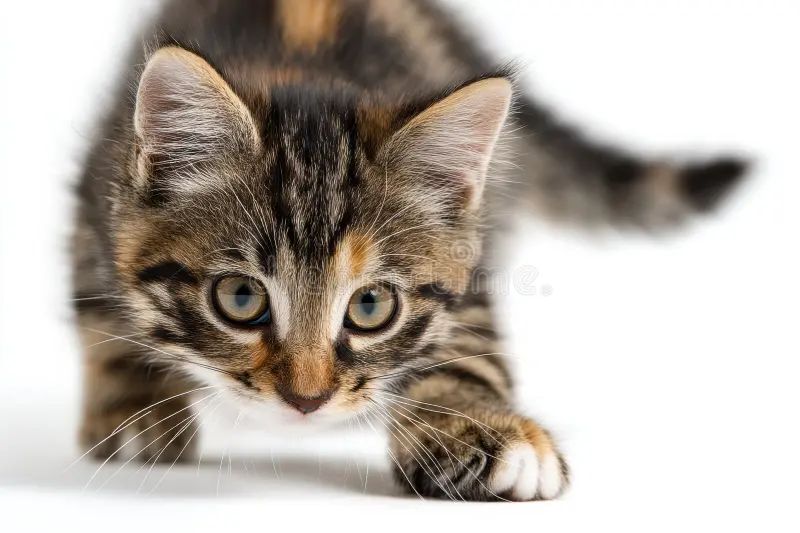
There is a stillness that happens before a cat moves, and it feels almost thoughtful. They crouch, observe, and wait until the moment feels right. Dogs sometimes mirror this pause when something captures their attention. The waiting is instinct. It teaches patience, control, and awareness. Even if the object is harmless, the rhythm remains the same. This behavior helps them stay mentally sharp without becoming rough or overwhelming. It turns everyday life into small practice moments, showing how instinct works gently in the background, shaping movement, reaction, and focus in ways that feel both natural and calm.
8. Kneading Soft Places For Comfort

When cats knead blankets, clothes, or laps, it feels tender and almost nostalgic. The steady motion relaxes them, helps them settle, and reminds their body how to unwind. Dogs have their own soothing habits, like circling before lying down. These behaviors are instinct speaking softly, guiding them toward rest and reassurance. They do not think about it. They simply follow what their body knows. Watching them knead or settle shows how safety and instinct connect. It becomes their quiet way of saying they feel secure enough to soften, breathe, and fully relax where they choose to rest.
9. Choosing Familiar Paths Around Home

Pets rarely wander randomly. They follow favorite routes, sleep in repeated spots, and return to areas that feel comfortable. Instinct tells them familiar places are safe. Dogs circle before lying down because it helps them feel prepared. Cats tap their paws before settling as if checking everything gently. These habits create routine. Routine becomes calm, and calm turns into confidence. Over time, their chosen paths become part of the home itself. Each repeated step shows instinct at work, helping them move through daily life with steadiness instead of worry, guided by comfort they have built themselves.
10. Rolling And Stretching Just Because It Feels Right
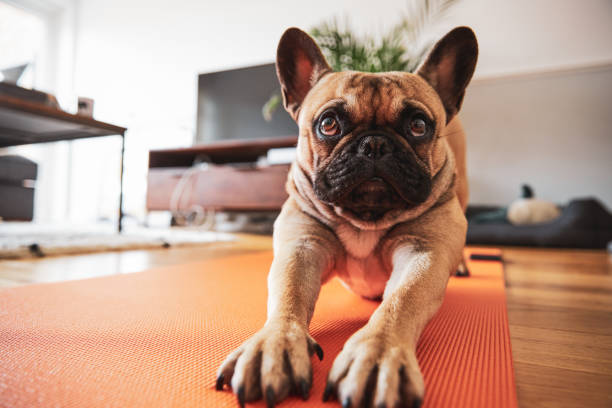
When pets roll, stretch, and twist happily across the floor, it looks playful, but it is also instinct caring for their body. Stretching eases tension, keeps muscles flexible, and helps them reset after resting or playing. It signals trust because they only relax like that when they feel safe. These small movements are like little celebrations of comfort, turning ordinary spaces into places where they can completely unwind. Watching them reminds us that instinct is not always dramatic. Sometimes it is simply the natural urge to loosen up, breathe deeply, and enjoy feeling at peace where they are.
11. Trusting Their Righting Reflex
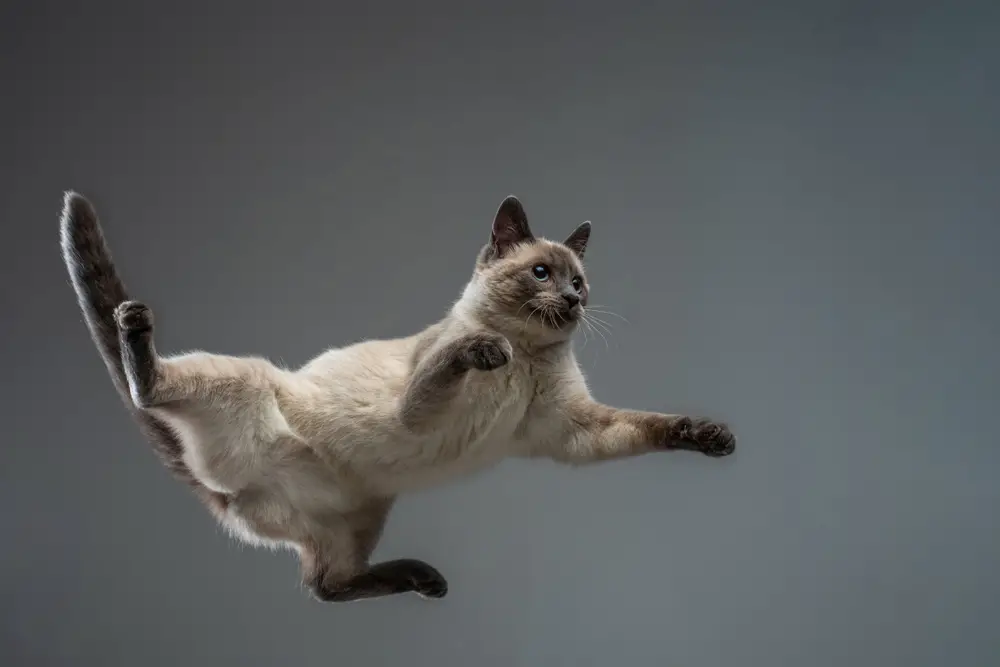
Cats have a way of twisting in midair that feels almost magical, but it is simply instinct doing what it has always done to protect them when life surprises them. The moment their body shifts, they adjust, steady themselves, and prepare to land safely. You see it when they jump, when they slip, or when curiosity takes them higher than planned. This reflex stays with them every single day, helping them move with confidence and trust. It is quiet, natural, and always ready, reminding us that instinct can work gently without asking for attention in the background of daily life.
12. Sniffing To Understand The World
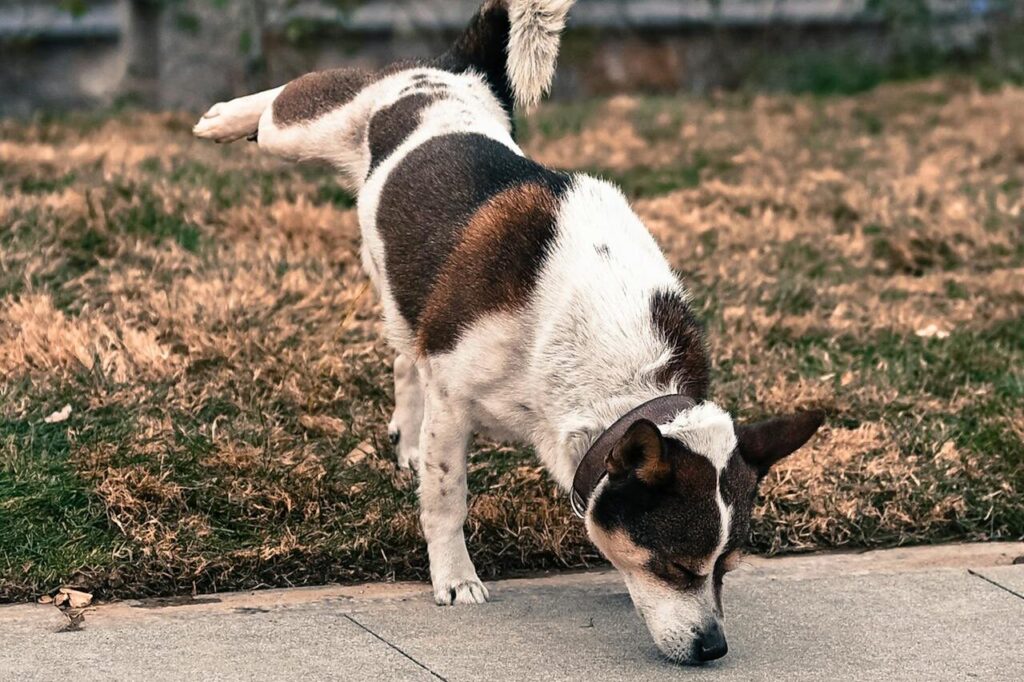
Dogs spend time with their noses close to floors, corners, shoes, and open windows because scent is the language instinct taught them first. A simple walk becomes layered with stories we cannot see, and every pause means something to them. Cats do this too, slowly investigating before they commit to anything new. Smelling helps them recognize safety, remember people, and notice even the smallest change. It keeps them curious without fear, steady without effort, and connected to their surroundings. What looks ordinary to us is actually instinct guiding them gently through each moment with awareness and quiet confidence.
13. Purring As A Calm Little Habit
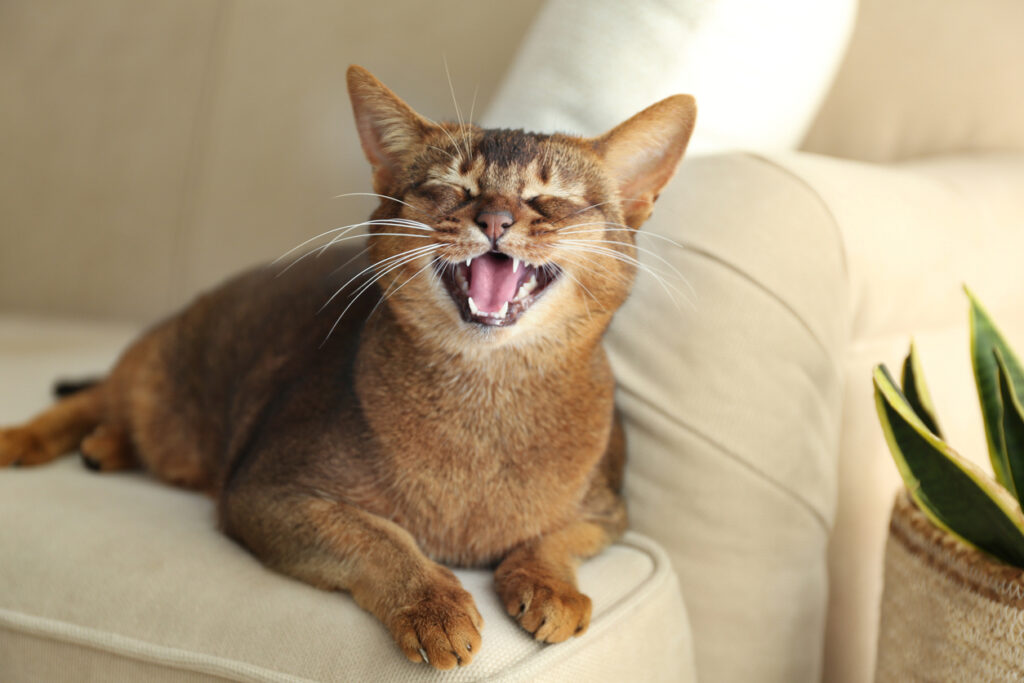
When a cat settles somewhere comfortable and begins to purr, the sound feels soft and peaceful, almost like a gentle rhythm meant to soothe both of you. Instinct encourages that calm when they feel safe, relaxed, or in need of reassurance. Sometimes it helps them rest, sometimes it simply eases their mood. Dogs have their own softer versions through sighs and slow breathing. These quiet habits are reminders that instinct also protects emotional comfort. They turn ordinary resting time into something deeper, making stillness feel safe, familiar, and full of quiet trust between pet and home.
14. Barking To Share What They Notice
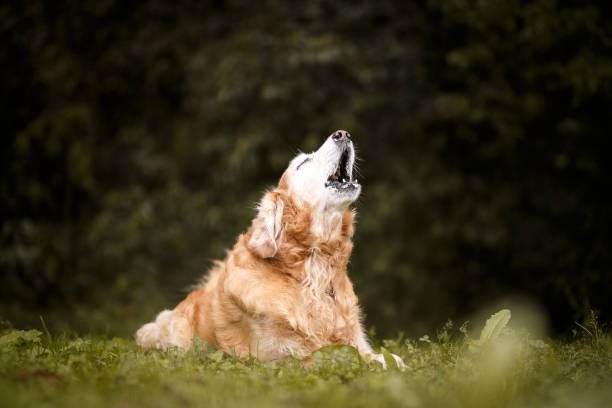
Dogs do not bark without reason, even if those reasons sometimes feel mysterious to us. Instinct tells them to alert, communicate, question, or express excitement when something feels important. A sound outside, movement near the door, or unexpected activity can trigger that response. It is their way of saying they noticed something before we did. Over time, they learn what matters and what does not, but the instinct remains. Instead of seeing barking only as noise, it helps to remember it comes from awareness, protection, and a sincere desire to be part of whatever is happening.
15. Rolling In Grass Just For Joy
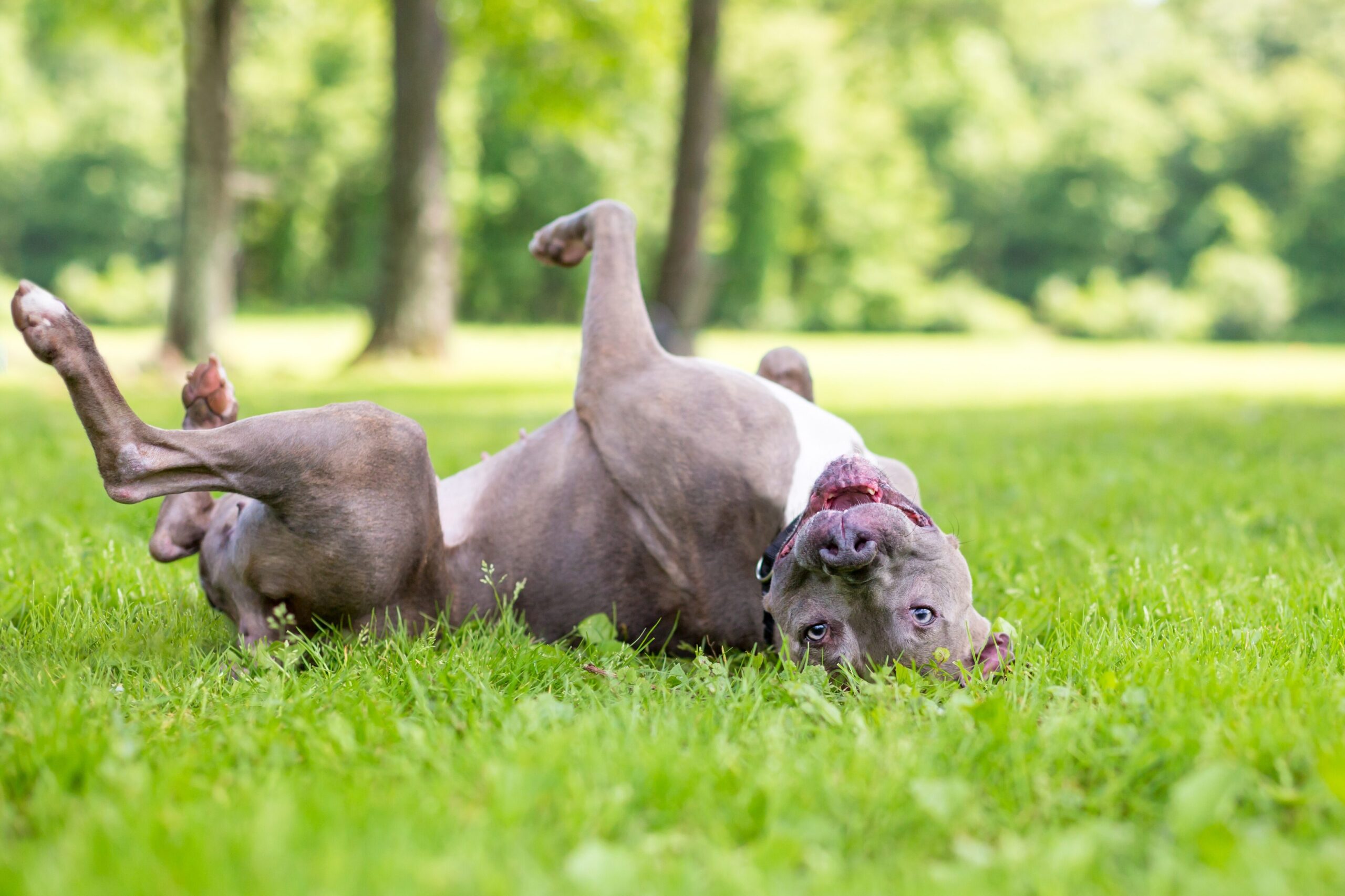
There is something wonderfully simple about a dog suddenly dropping into the grass, wiggling happily, and covering their back with scents from the outdoors. Instinct tells them that new smells, textures, and natural surroundings can feel grounding and refreshing. Sometimes they do it to cool off, sometimes to scratch an itch, and sometimes simply because it feels good. Cats have their own rolling moments inside sunny spots on the floor. These carefree movements show that instinct is not always serious. Sometimes it invites play, comfort, and pure enjoyment, reminding them that their world is safe enough to relax completely.
16. Stalking Toys Like Real Hunters
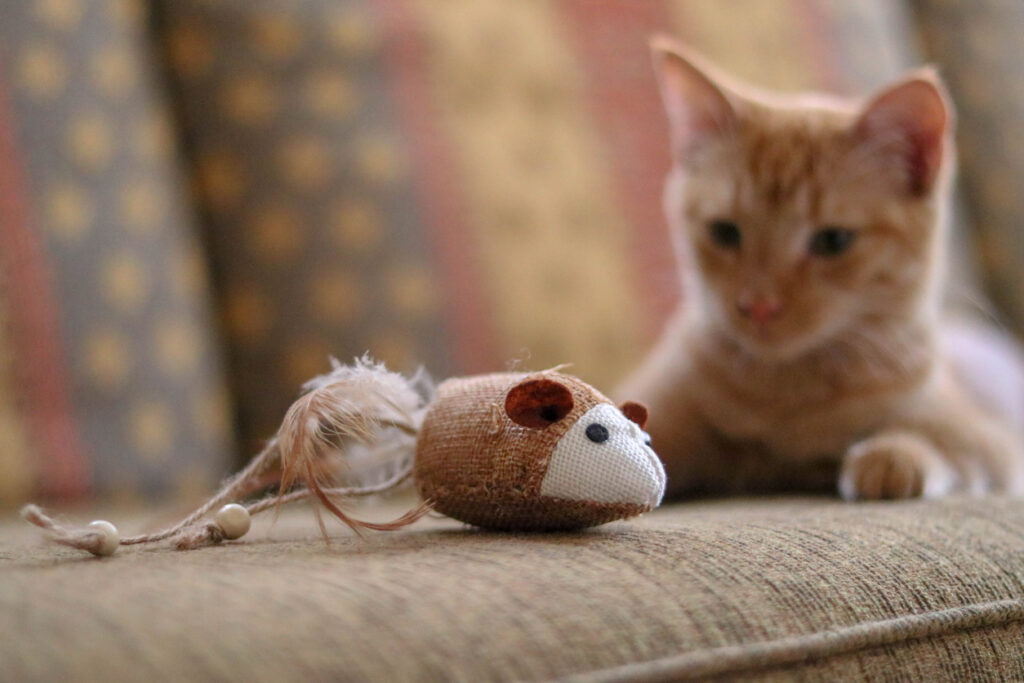
When a cat lowers their body, focuses their eyes, and moves forward one careful step at a time, you can almost see instinct unfolding. Even if the target is only a toy or drifting thread, the pattern feels real to them. They plan, wait, and pounce with surprising precision. Dogs sometimes practice similar playful hunting games in their own way. These little moments are not aggressive. They are practice, confidence building, and mental exercise wrapped together. Instinct simply gives their day structure, turning playtime into something meaningful, natural, and deeply connected to skills they have always carried.
17. Chewing Because It Feels Necessary

Dogs seem to always find something to chew, from toys to sticks to special treats designed for strong jaws. Instinct pushes them to explore the world with their mouth, strengthen muscles, and soothe themselves when boredom creeps in. Cats also nibble or gently chew during play for similar reasons. Chewing is not just habit. It satisfies a need that their body remembers clearly. When guided with safe choices, it becomes healthy, calming, and productive. Instead of frustration, it helps to see chewing as instinct trying to keep their body busy, their mind focused, and their emotions steady.
18. Seeking Sunlight for Warmth and Peace

Pets are drawn to patches of sunlight the way we are drawn to comfortable chairs. Instinct tells them warmth helps their body relax, supports rest, and creates a safe place to pause. Cats stretch into windowsills and rugs, while dogs lie quietly near bright spots on the floor. These sunlit moments feel gentle and quiet, almost like nature’s own blanket. They have no rush, no worry, just warmth and stillness. Instinct reminds them that light means comfort and calm, turning ordinary rooms into soft resting spaces where they can recharge without effort or hesitation.
19. Marking Territory with Familiar Scents
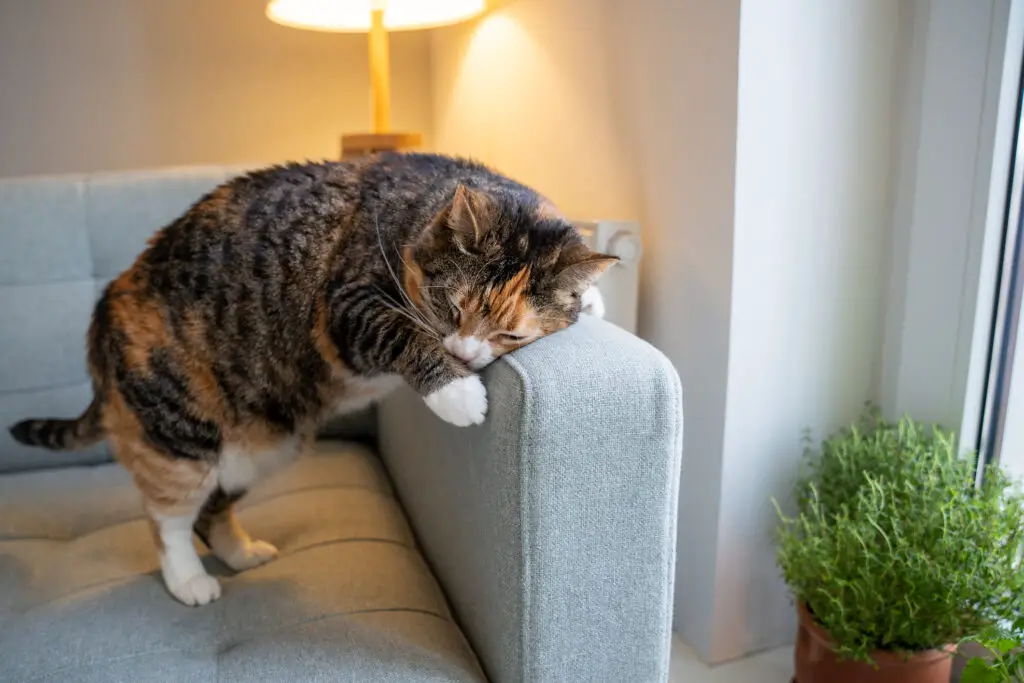
When pets rub their faces along furniture, scratch certain areas, or revisit chosen spots, they are not simply being picky. Instinct encourages them to build a map of comforting scents. Their world feels safer when it smells like them. Dogs may gently mark outdoors, while cats prefer rubbing or scratching inside. These habits create boundaries, structure, and reassurance without anyone noticing much. Territory is not about control. It is about security. Every small mark says this place belongs to me and I am safe here, helping them move through their environment with ease instead of uncertainty.
20. Hiding Away When They Need Quiet
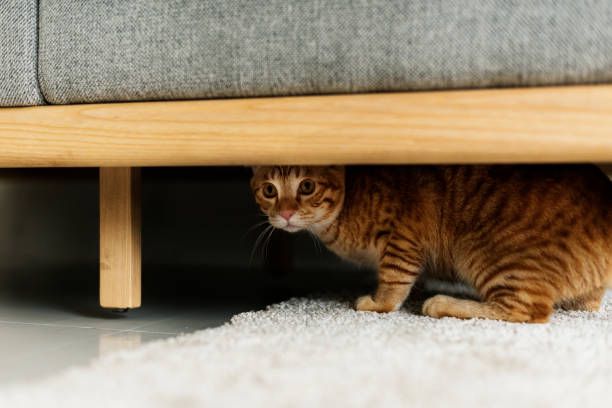
Sometimes pets slip under tables, into boxes, behind curtains, or into cozy corners without warning. Instinct guides them there when they feel the need to rest, recover, or simply enjoy privacy. These tucked away spaces help them feel unseen, protected, and peaceful. Dogs may choose crates or beds, while cats choose tighter nooks. It is not rejection. It is reassurance. Giving them access to quiet places honors that instinct, allowing them to reset before returning to daily life. Those hidden pauses remind us that even loving, social animals sometimes need calm silence to feel whole again.
21. Greeting You Like You Matter Most
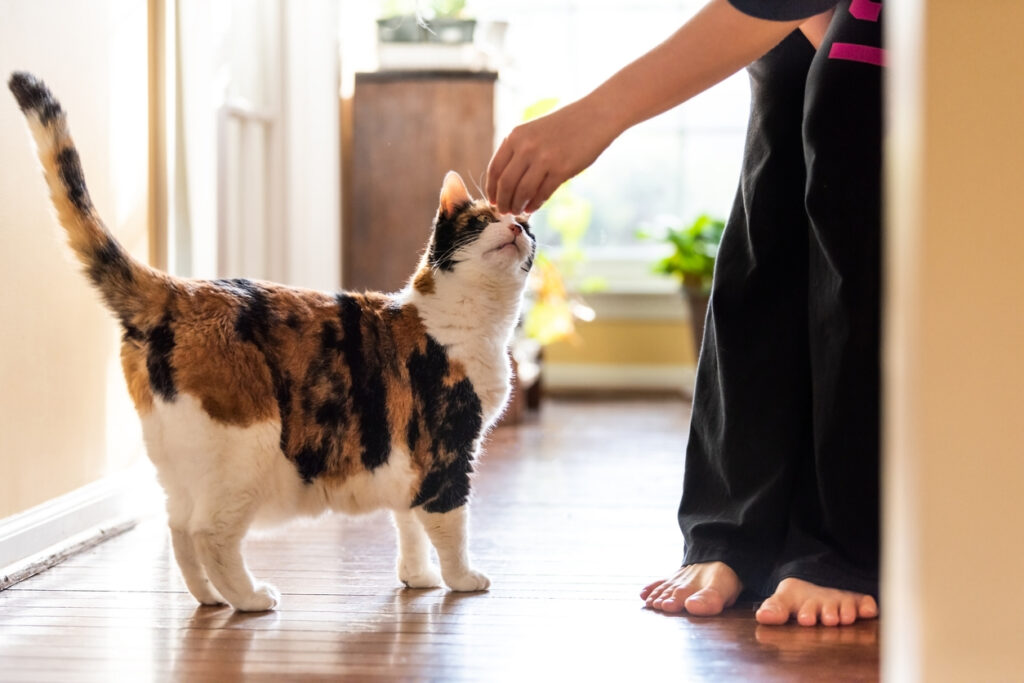
When you walk through the door and your pet meets you with excitement, quiet affection, or gentle curiosity, instinct is at work again. They recognize your presence as safety, routine, and connection. Dogs may wag, wiggle, or spin. Cats may brush against your legs or sit nearby as if checking in. These greetings are everyday rituals that grow from instinctive bonding. They say you belong here, and they belong with you. In that simple exchange, instinct, comfort, and love blend together naturally, reminding us that home feels complete because of the small living hearts sharing it.


