
1. All In The Family
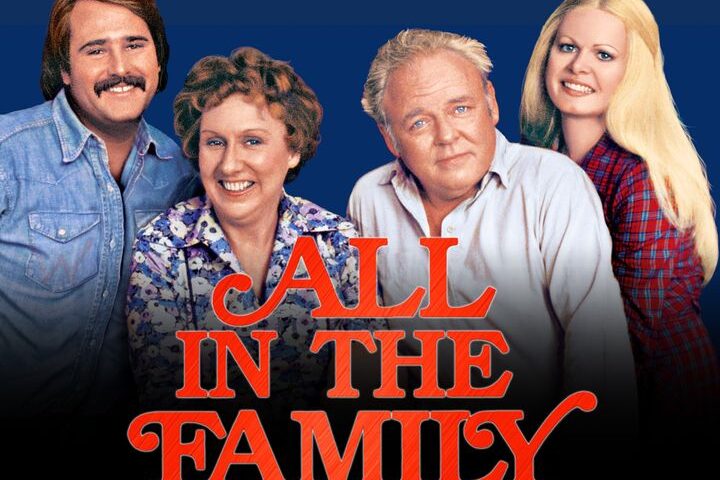
If you ask longtime viewers when television first began sounding like real family life, many still point to All in the Family. Early seventies evenings often meant everyone gathered after dinner, and this show slid naturally into that routine. Archie Bunker did not feel like a polished sitcom character. He sounded like someone’s stubborn relative speaking too loudly from a familiar chair. The scripts allowed uncomfortable opinions, but humor softened the tension enough that audiences stayed engaged. Instead of pretending families always agreed, the series showed arguments, misunderstandings, and awkward silences that felt uncomfortably recognizable inside many living rooms across the country.
What kept the show important was how nothing wrapped up too neatly. Conversations cooled, restarted, and drifted just like real discussions do. Creator Norman Lear believed comedy could open space for honest talk, and viewers clearly sensed that intention. Many later sitcoms borrowed this mix of laughter and social friction, but this one introduced it first. Watching it today still feels like overhearing a heated family debate through the kitchen doorway, where nobody wins completely yet everyone eventually returns to the table and continues living together.
2. Mash
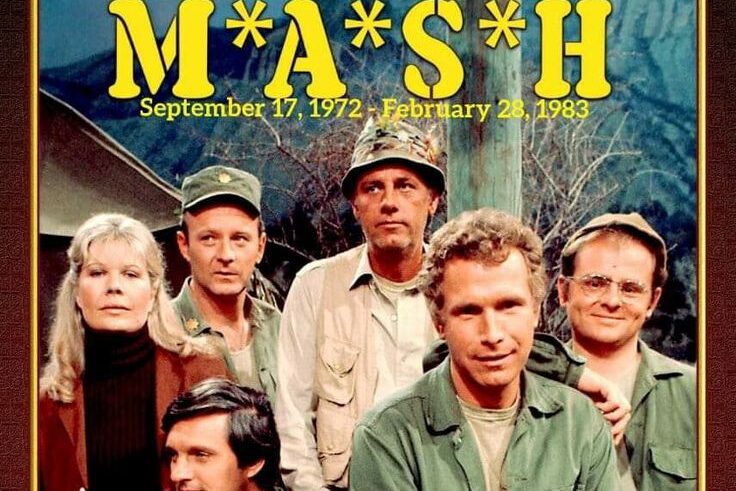
Mash never behaved like the typical military program audiences expected at first glance. Instead of focusing only on battlefield heroics, the series followed exhausted doctors working endless shifts inside a cramped surgical camp, trying to hold onto humor while surrounded by constant pressure. The tents felt cluttered, noisy, and strangely warm despite the setting. Viewers quickly realized the jokes were not there to ignore tragedy but to help characters survive emotionally. That small truth made the show feel intimate rather than historical, allowing families at home to connect with the personalities before thinking about the larger war surrounding them.
The friendships slowly became the real story. Hawkeye’s sarcasm, Radar’s nervous loyalty, and the shared fatigue in the operating room created genuine emotional weight. Alan Alda often emphasized showing the human cost through daily moments, and that focus carried through every season. Even now the episodes balance silliness and sadness in a way that feels natural. Watching it plays less like a war drama and more like remembering coworkers who helped you survive a demanding job during one exhausting chapter of life.
3. The Mary Tyler Moore Show
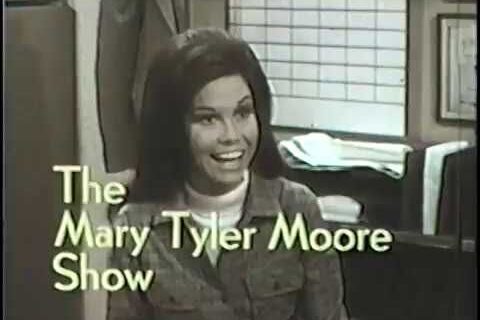
The Mary Tyler Moore Show began with something quietly powerful for its time, a woman moving to a new city, starting a newsroom job, and building her life step by step without marriage driving the storyline. Mary Richards felt hopeful but unsure, which made her instantly relatable. She worried about deadlines, bosses, rent, and awkward social situations, just like many young professionals trying to find their footing. Instead of presenting independence as dramatic rebellion, the show treated it as ordinary daily living. That gentle tone helped viewers accept the shift naturally while still enjoying the humor and character-driven storytelling each week.
The newsroom slowly became her extended family. Lou’s gruff encouragement, Rhoda’s honest friendship, and office chaos created a comforting rhythm audiences recognized from their own workplaces. Critics later praised how naturally the series portrayed career ambition and emotional growth. Watching it today still feels warm because progress arrives through small conversations, shared lunches, and steady persistence. It reminds you that most personal breakthroughs never happen loudly. They arrive quietly, after another normal workday where you simply kept showing up.
4. Sanford And Son
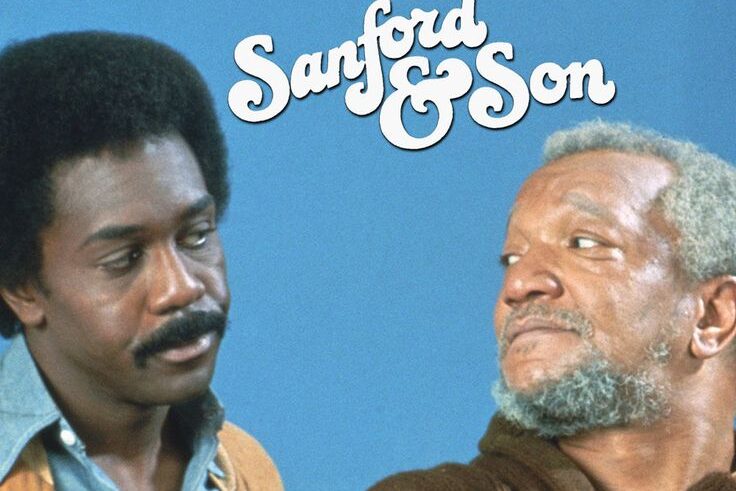
Sanford and Son dropped viewers straight into Fred Sanford’s cluttered junkyard world, where every conversation seemed ready to explode into either an argument or a joke. Fred’s dramatic complaints, exaggerated illnesses, and relentless teasing of Lamont created a fast comic rhythm that audiences immediately recognized. Yet beneath the loud humor sat a deeply familiar father and son relationship built on stubborn affection. Their fights felt messy but genuine, the kind many families understood well. That emotional realism helped the show resonate beyond the punchlines and made the characters feel like people viewers might actually know.
The series also portrayed working class Black entrepreneurship as everyday reality rather than a special topic needing explanation. Bills, customers, neighbors, and family obligations all felt grounded in daily survival. Producers stressed the characters should feel authentic first and funny second, and that balance held. Watching it now still works because the humor never hides the loyalty underneath. Fred and Lamont argue endlessly, embarrass each other constantly, yet remain completely inseparable at the end of every exhausting day.
5. Happy Days

Happy Days arrived offering viewers something softer than much of the decade’s heavy news and cultural tension. The show recreated an easygoing teenage world filled with diners, school dances, neighborhood friendships, and parents who always kept the porch light on. Richie’s nervous sincerity, the Cunningham family’s steady warmth, and Fonzie’s effortless confidence built a setting where problems rarely stayed serious long. Families could sit together without worrying about uncomfortable surprises, which helped the series quickly become part of weekly household routines across the country during those uncertain economic and political years.
Its emotional simplicity became the real strength. Conflicts appeared, lessons settled gently, and warmth returned before closing credits. Television historians later noted the series helped ignite a wider nostalgia wave, but viewers mainly appreciated the comfort. Watching it today still feels like visiting a familiar neighborhood where everyone eventually forgives each other and heads home safely. Sometimes the shows that define a decade are not the loudest ones, but the ones that quietly give audiences a place to breathe.
6. The Jeffersons
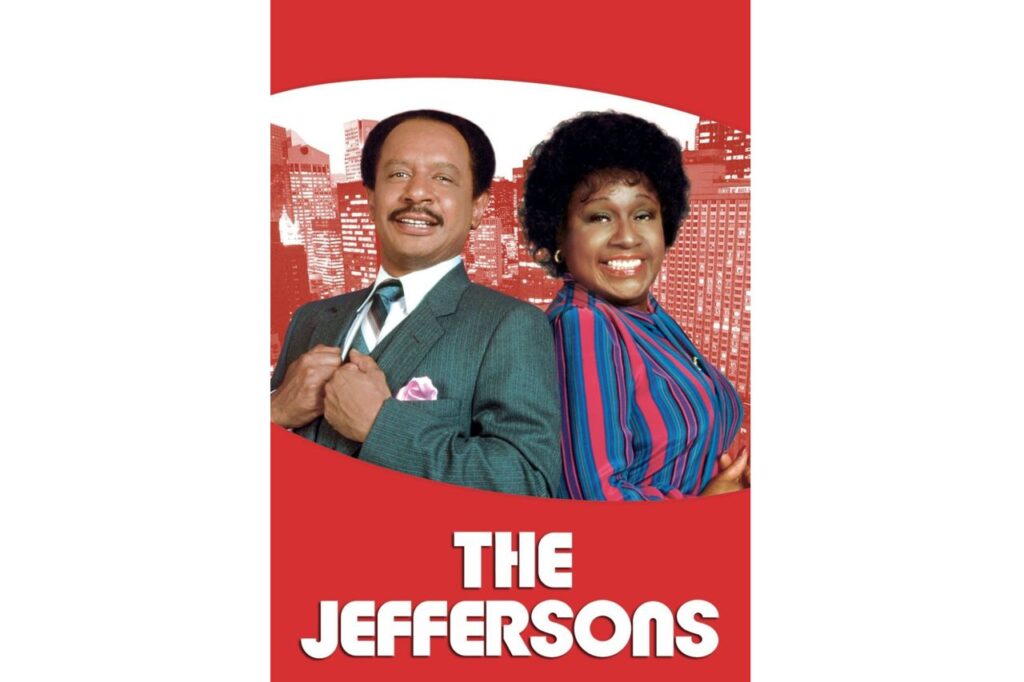
The Jeffersons explored a situation television rarely focused on then, what happens after a family successfully climbs the economic ladder. George and Louise moving into their upscale apartment created new story possibilities around business ownership, class expectations, and social adjustment. George remained loud and hilariously stubborn, while Louise balanced him with calm intelligence and emotional clarity. Their marriage felt believable because financial success solved certain problems but left personalities untouched. Audiences enjoyed watching prosperity arrive without magically turning life into perfection, which kept the humor grounded and relatable throughout the series run.
Neighbors, business pressures, and visiting relatives constantly introduced fresh tension, preventing the show from feeling static. Norman Lear framed it as the American dream still unfolding rather than completed, and viewers connected with that idea. Watching it now still feels lively because success never erases human quirks. It simply gives people a larger space in which to argue, laugh, and navigate life together while learning that growth continues long after the move upstairs.
7. Little House On The Prairie

Little House on the Prairie moved with a calm storytelling rhythm that immediately distinguished it from louder television programs of the decade. Episodes about school lessons, harvest struggles, illness, and small community disagreements unfolded slowly enough for viewers to feel emotionally present in the Ingalls family world. Michael Landon focused on everyday courage instead of spectacle, and that sincerity shaped nearly every storyline. Parents trusted the gentle tone, children followed the adventures, and the show quietly became a dependable weekly gathering point for households wanting something emotionally sincere and safe.
Community responsibility stayed central throughout the series. Neighbors helped rebuild barns, teachers defended students, and families shared scarce resources during difficult seasons. Problems were real yet compassion usually answered them. Watching it today still feels like opening an old family album filled with patience, hardship, and shared effort. In a fast media world, that slower emotional pacing feels refreshing. It reminds viewers that resilience often grows strongest in small communities where cooperation matters more than individual success.
8. Starsky And Hutch
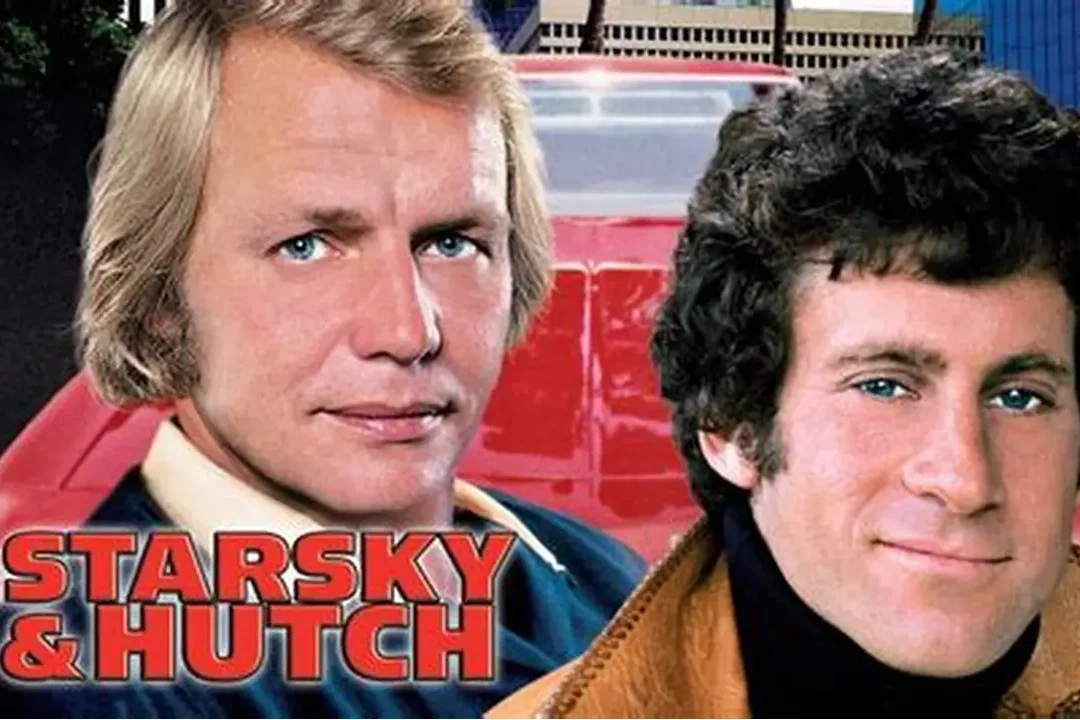
Starsky and Hutch delivered the expected crime action, fast driving, and undercover investigations, yet what truly held audiences each week was the natural friendship between the two detectives. Their conversations sounded lived in, like partners who had spent years sharing long shifts and bad coffee. That relaxed chemistry grounded even the wildest cases. Viewers believed these two trusted each other completely, and that emotional certainty gave the series lasting appeal beyond its flashy car and energetic soundtrack.
Television executives often summarized the appeal as detectives with heart, and the description stayed accurate. Later buddy cop films and police dramas borrowed this same emotional formula of opposites balancing each other. Watching it now still feels energetic but also reassuring. Beneath the sirens and investigations sits a simple, dependable story about loyalty between coworkers who gradually become chosen family. That human connection remains one of the most reliable storytelling foundations television continues to return to decades later.
9. The Six Million Dollar Man

The Six Million Dollar Man tapped into the seventies fascination with science, space programs, and medical innovation that seemed to promise a bold technological future. Steve Austin’s reconstruction after a devastating crash created a hero shaped by loss yet determined to remain human beneath the machinery. Children loved the slow motion action sequences, while adults connected with the quieter story about recovery and purpose. Episodes often focused on responsibility, adjustment, and rebuilding identity, which kept the science fiction grounded in emotional reality rather than distant fantasy adventure.
Writers consistently emphasized that the technology mattered less than the man learning to live with it. That human focus helped the series age well. Watching it today feels almost hopeful compared to darker modern tech stories. Instead of fearing innovation, the show treated it as a possible path toward healing. At its core, the series still works as a story about resilience, second chances, and discovering who you are after life unexpectedly forces everything familiar to change.
10. Charlie’s Angels

Charlie’s Angels arrived with bright California settings, undercover disguises, and three women solving investigations at the center of every episode. While the fashion and glamorous locations drew early attention, viewers quickly stayed for the teamwork and problem solving dynamic between the detectives. Each mission required cooperation, quick thinking, and confidence, which kept the pacing lively without making the tone heavy. The unseen voice of Charlie created an instantly recognizable structure that helped audiences settle comfortably into the weekly adventure format.
Producer Aaron Spelling framed the concept around capable women leading action stories, and that visibility quietly shifted expectations. The series helped normalize female driven investigative drama long before it became common. Watching it now still feels like witnessing the moment television expanded who audiences expected to see solving the case. Its success showed viewers were ready to follow women directly into the center of the narrative, proving strong characters and engaging teamwork matter far more than traditional casting assumptions.
11. The Waltons
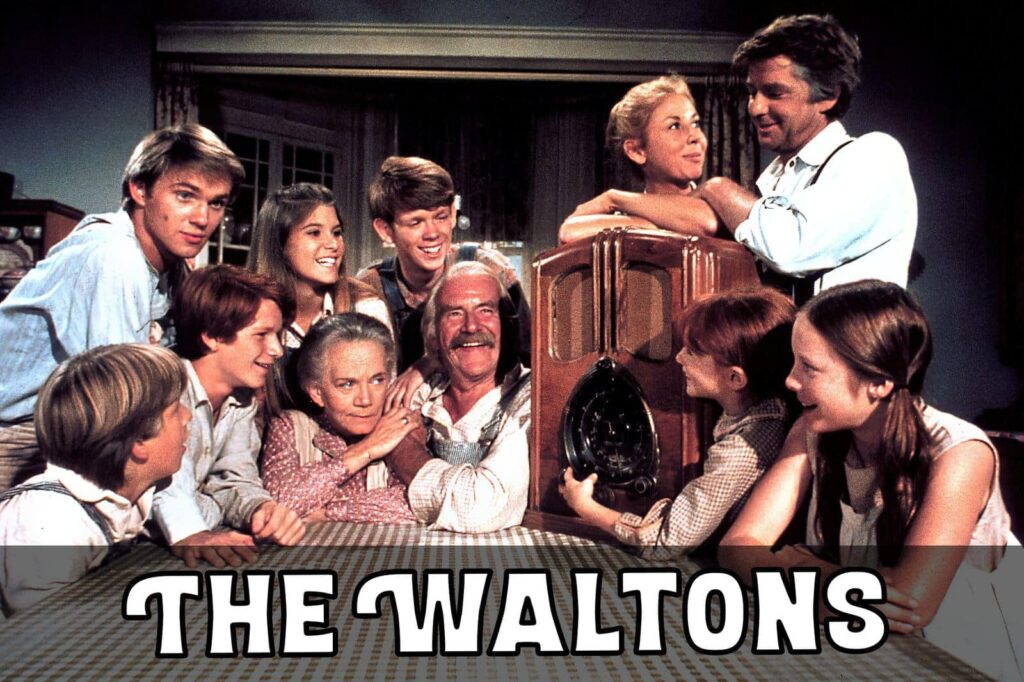
The Waltons welcomed viewers into a mountain home where daily life felt humble, crowded, and emotionally sincere. Set during the Depression era, the stories focused on school worries, limited money, growing children, and the steady effort needed to keep a household functioning. Nothing depended on spectacle or exaggerated twists. Instead, warmth came from watching the family solve problems together, often around the dinner table or beside the evening fire. Many seventies viewers carried memories of hardship themselves, so the quiet determination inside the Walton home felt familiar rather than distant historical storytelling unfolding gently on television.
The nightly goodnight exchange became a comforting ritual because it reinforced the belonging the show built each week. Creator Earl Hamner Jr centered the series on the idea that strength lives inside ordinary homes, and that message stayed consistent. Watching it today still feels grounding because it reminds us stability rarely comes from wealth or perfection. It grows slowly through patience, shared responsibility, and the small daily habit of showing up for the people who depend on you.
12. Kojak

Kojak stood apart from many crime dramas because its lead detective felt unmistakably human instead of theatrically heroic. He looked tired, spoke calmly, and relied on patient questioning and careful listening rather than explosive action. Telly Savalas gave the character a grounded authority that fit naturally into the tense New York streets surrounding the investigations. The city felt crowded, imperfect, and sometimes uneasy, which made the storytelling believable. Viewers trusted Kojak because he understood people first, evidence second, and that emotional intelligence shaped every case he handled across the unfolding episodes.
Small details strengthened the realism. His steady voice, thoughtful pauses, and familiar lollipop added personality without turning him into a comic caricature. Critics often noted the show captured urban pressure while still allowing compassion inside the investigations. Watching Kojak today still feels effective because justice arrives through persistence and understanding instead of spectacle. That slower approach keeps the stories believable and reminds viewers that solving real problems often requires patience, empathy, and the willingness to listen longer than everyone else.
13. Three’s Company

Three’s Company built its charm around a simple shared apartment where misunderstandings constantly spiraled into cheerful chaos. Three young roommates managing rent, work schedules, friendships, and romantic confusion created endless situations for timing based humor and expressive reactions. John Ritter’s physical comedy carried many scenes, turning ordinary conversations into energetic disasters that always seemed one sentence away from total confusion. The living arrangement felt familiar to younger viewers beginning independent lives, which helped the comedy land naturally instead of feeling staged or distant from everyday young adult experiences.
Executives promoted it as bright escapist entertainment, and audiences embraced exactly that. After heavier news or serious dramas, viewers appreciated something playful waiting on the schedule. Watching it today still feels like visiting friends in a crowded apartment where nothing stays organized long yet laughter always returns before the night ends. Its lasting appeal comes from capturing that universal early adulthood phase when independence feels exciting, slightly messy, and constantly shaped by the unpredictable people sharing your space.
14. Columbo

Columbo quietly reshaped detective storytelling by revealing the criminal at the beginning and letting suspense grow through the investigation itself. Peter Falk played the rumpled lieutenant as polite, distracted, and endlessly curious, encouraging suspects to underestimate him immediately. That approach created tension through conversation rather than sudden action. Viewers watched closely not to learn who committed the crime, but to see how the detective would uncover the missing detail. Each episode unfolded like a patient mental puzzle where small observations slowly gathered weight until the truth became unavoidable.
The character’s ordinary appearance became his greatest strength. Wealthy suspects, powerful executives, and confident professionals repeatedly dismissed him, which made their final unraveling deeply satisfying. Watching Columbo today still feels engaging because the pacing allows every clue and conversation to breathe. The stories demonstrate that sharp observation and calm persistence often defeat arrogance more effectively than force. That thoughtful structure helped influence later procedural dramas and continues to make the series feel timeless for viewers discovering it decades later.
15. Roots

Roots arrived as a television event that felt larger than ordinary programming schedules. The sweeping story followed generations of one family from slavery through survival and rebuilding, asking viewers to experience history through personal relationships rather than distant dates. Families arranged their evenings around each broadcast because the narrative demanded attention and reflection afterward. By focusing on individual lives, the series transformed historical events into emotional experiences unfolding directly inside viewers’ living rooms, making the past feel immediate, human, and impossible to ignore.
The storytelling encouraged conversation across schools, workplaces, and communities, showing how deeply it resonated. Instead of presenting history as abstract information, the series framed it as inherited memory carried through families. Watching Roots today still feels powerful because its emotional center remains grounded in endurance, identity, and generational strength. It demonstrates how television can shape national understanding when it treats real history not as background material, but as lived experience carried forward through ordinary people trying to protect their families.
16. Saturday Night Live

Saturday Night Live introduced a kind of television energy that felt spontaneous from its very first season. Instead of polished prerecorded comedy, viewers watched sketches performed live, reacting to current politics, celebrity culture, and weekly headlines with surprising boldness. The young cast brought a loose experimental style that sometimes felt unpredictable, which made the program exciting. Musical performances, parody commercials, and character driven sketches blended into something closer to a weekly cultural gathering than a traditional scripted show following a predictable entertainment formula each Saturday night.
Creator Lorne Michaels wanted a comedy platform that could respond quickly to national conversation, and audiences sensed that immediacy. Younger viewers especially felt the humor reflected their frustrations and observations. Watching those early seasons today still feels lively because performers appear to discover the comedy in real time alongside the audience. That atmosphere launched countless careers and proved television could remain culturally relevant by staying responsive, playful, and willing to take creative risks when the moment demanded it.
17. The Rockford Files

The Rockford Files centered on a private investigator who felt refreshingly ordinary compared with many dramatic television detectives. Jim Rockford lived in a modest trailer near the beach, worried about unpaid bills, and often preferred negotiation over physical confrontation. His cases unfolded through persistence, clever conversation, and occasional improvisation rather than flashy heroics. That grounded personality made him relatable to viewers familiar with balancing financial pressure, work demands, and personal setbacks. The stories blended mystery with humor and a steady father son relationship that added emotional depth.
Promotions often highlighted his reliance on wit instead of strength, and that vulnerability helped the series stand apart. Watching Rockford today still feels satisfying because victories rarely come easily. He negotiates, stalls, and sometimes barely escapes danger. That uneven path mirrors how real life problems often unfold. The character’s quiet endurance suggests success usually belongs not to the loudest person in the room, but to the one willing to stay patient, observant, and determined long after others lose interest.
18. Fantasy Island
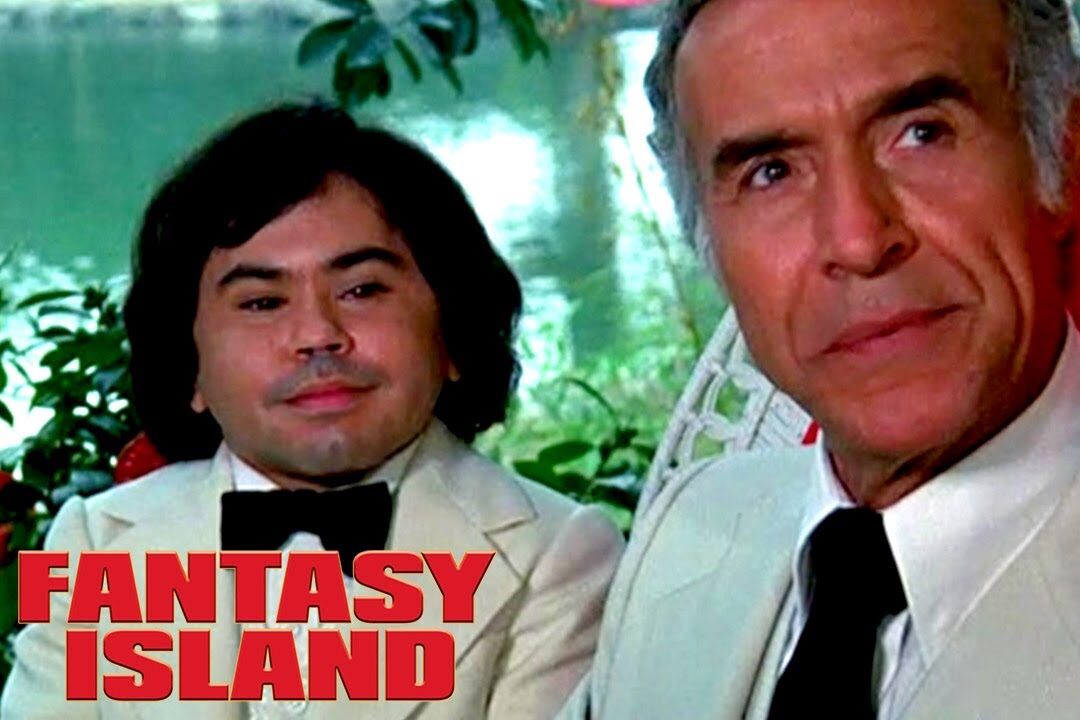
Fantasy Island invited viewers into a luxurious tropical retreat where visitors arrived hoping their greatest wish would finally unfold before them. Guided by the calm Mr Roarke and the enthusiastic Tattoo, each guest entered a carefully arranged experience designed to fulfill a personal fantasy. Yet the stories rarely delivered simple wish fulfillment. Instead, the adventure usually revealed a deeper emotional truth about forgiveness, gratitude, or self acceptance. That moral center gave the show warmth and kept it from feeling shallow despite its glamorous surroundings and imaginative weekly premises.
The lasting appeal came from watching characters discover what they truly needed rather than what they first requested. Episodes often ended with quiet realizations instead of dramatic triumphs. Watching it today still feels like opening a thoughtful short story collection where each chapter gently reminds you to appreciate your present life. The series captured the decade’s appetite for escapism while still encouraging reflection, proving audiences enjoy fantasy most when it ultimately brings them back to emotional honesty.
19. Taxi

Taxi captured the experience of working a temporary job while secretly hoping your real future was waiting just ahead. Inside a busy New York cab company garage, drivers balanced night shifts with acting lessons, music auditions, family struggles, and personal dreams that rarely advanced smoothly. The humor came from personality clashes, tired conversations, and the shared understanding that everyone there wanted something bigger. Many viewers connected immediately because they recognized that stage of adulthood where ambition and everyday survival exist side by side.
Creator James L Brooks framed the characters as paused rather than defeated, and that hopeful tone shaped the series beautifully. Watching Taxi today still feels relatable because workplaces often become accidental communities. Coworkers share frustrations, celebrate small progress, and gradually form emotional bonds that last longer than the job itself. The show reminds us that uncertain years often produce the strongest friendships, and sometimes the people beside you during the waiting period matter more than the destination you eventually reach.
20. Dallas
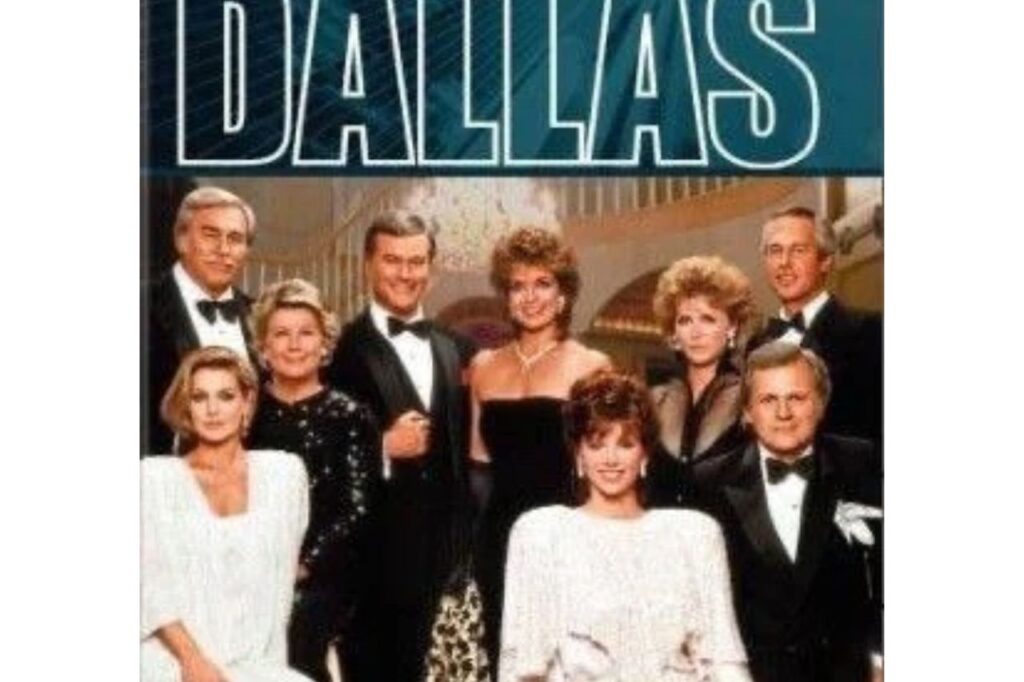
Dallas arrived near the end of the decade and quietly signaled that television storytelling was beginning to change direction. Centered on the wealthy Ewing family and their powerful oil business, the show focused on rivalries, betrayals, and alliances that stretched across many episodes instead of resetting weekly. Viewers returned not only for individual plots but to follow long running personal conflicts and evolving relationships. That continuing narrative encouraged deeper investment and stronger anticipation, making audiences feel involved in the unfolding family drama rather than watching isolated stories.
What held attention most strongly was the sense that every decision carried lasting consequences. Characters remembered betrayals, business deals shaped future tensions, and family loyalty constantly shifted. Watching it now feels like standing at the doorway between classic episodic television and the serialized drama style that later decades embraced fully. Looking back across the entire seventies lineup, Dallas feels like the closing chapter that gathers the lessons of earlier shows and quietly points television storytelling toward the future.,


