
1. Forgetting Passport Validity
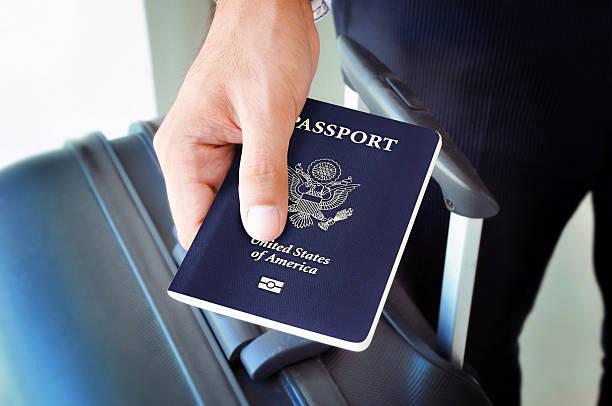
Travel has a way of teaching lessons the hard way. Many travelers only learn about passport validity rules when it is already too late. Numerous countries require passports to be valid for six months beyond the travel date, not just through the end of the trip. Airlines routinely deny boarding if this requirement is not met, even for travelers with confirmed tickets and visas. This mistake often happens because passport expiration feels distant until it suddenly is not. Airports are filled with stories of people turned away at check-in counters, forced to cancel entire itineraries, or scrambling for emergency passport services. It is a harsh lesson that stays with travelers permanently. After experiencing it once, most people check passport dates months in advance and never assume validity rules are universal again.
2. Overpacking Everything

Overpacking is one of the most common first-time travel mistakes, driven by fear of being unprepared. Travelers fill suitcases with clothing “just in case,” only to discover they carry heavy bags up stairs, through train stations, and across uneven streets. Airlines charge extra for overweight luggage, and crowded public transport makes large bags exhausting to manage. Many travelers also realize they repeatedly wear the same few outfits while unused items stay buried. The physical strain and inconvenience leave a lasting impression. After hauling an oversized suitcase across a city or paying unexpected baggage fees, most people learn to pack lighter, choose versatile clothing, and trust that laundry services or local shops exist almost everywhere.
3. Booking Tight Connections

Short layovers often look appealing on booking sites, promising quicker arrivals and cheaper fares. In reality, they leave no margin for delays, long security lines, or unfamiliar airport layouts. Travelers who experience a missed connection due to a late inbound flight often remember the stress vividly. Rushing through terminals, hearing final boarding calls, or watching a gate close can derail entire trips. Missed connections may result in long rebooking lines, overnight airport stays, or lost reservations. After facing the chaos once, many travelers adopt a new rule: longer layovers are worth the peace of mind. The memory of running through an airport usually ensures they never gamble on tight connections again.
4. Ignoring Travel Insurance
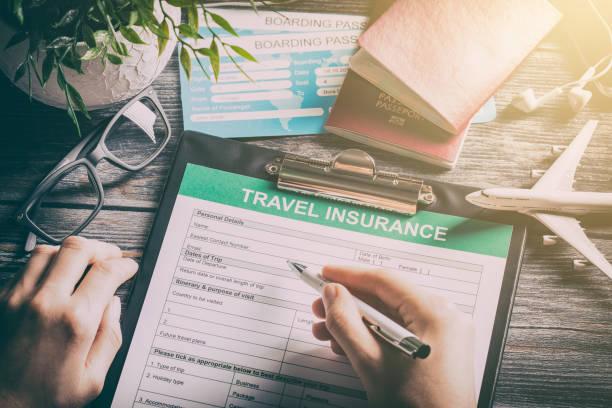
Travel insurance often feels unnecessary until something goes wrong. Many travelers skip it to save money, assuming emergencies are unlikely. That belief changes quickly after medical issues, canceled flights, lost luggage, or unexpected trip interruptions occur. Hospital visits abroad can be extremely expensive, and airlines may not fully reimburse canceled trips caused by illness or emergencies. Travelers who face large out-of-pocket costs often wish they had paid a small insurance premium upfront. The experience leaves a strong impression, especially when paperwork and stress compound the problem. Once someone learns this lesson the hard way, travel insurance becomes a standard part of their planning checklist.
5. Not Checking Visa Rules
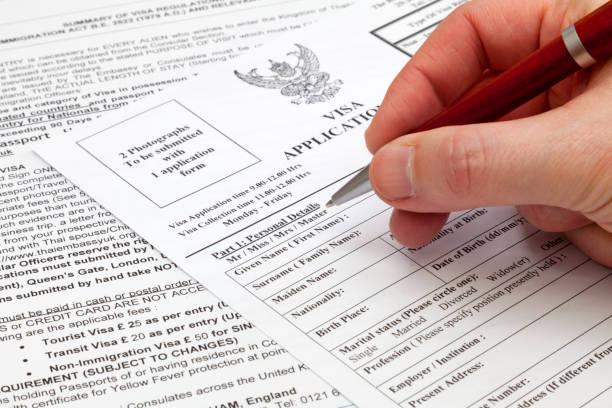
Visa requirements vary widely depending on nationality, destination, and length of stay. Some travelers assume visas are issued on arrival everywhere or believe tourist entry is automatic. That assumption has stranded many people at airports before departure. Airlines are responsible for ensuring passengers meet entry requirements, so boarding can be denied even before reaching the destination country. Travelers often discover visa rules too late, especially for less familiar destinations. Being turned away after planning an entire trip is a powerful lesson. After experiencing this once, travelers typically research entry rules carefully and double-check official government sources before booking flights.
6. Exchanging Money at Airports

Airport currency exchange counters are convenient but costly. Many first-time travelers rely on them without realizing they offer some of the worst exchange rates available. High fees and unfavorable rates can significantly reduce the value of exchanged money. Travelers often notice the difference later when comparing local ATM withdrawals or bank rates. Losing a noticeable amount of money in a single transaction leaves a lasting impression. After this experience, many travelers plan ahead by using debit cards abroad, withdrawing cash from local ATMs, or exchanging small amounts only when necessary. The lesson is rarely forgotten once the cost becomes clear.
7. Trusting Unofficial Taxis

Using unofficial taxis is a mistake many travelers remember vividly. Unmarked vehicles or drivers approaching tourists directly often charge inflated fares or take longer routes. In some cases, travelers feel unsafe or pressured during the ride. While many drivers are legitimate, the lack of regulation increases risk. Being overcharged or uncomfortable in a foreign city leaves a strong emotional impact. After one bad experience, travelers tend to use licensed taxis, rideshare apps, or hotel-arranged transport instead. The memory of that first unsettling ride often becomes a firm rule for future trips, especially in unfamiliar destinations.
8. Skipping Local Research

Arriving in a destination without basic research can lead to avoidable problems. Travelers may unknowingly visit unsafe neighborhoods, offend local customs, or miss important public holidays that shut down services. Simple details like dress codes, tipping practices, or transportation systems make a big difference. Many travelers realize their mistake only after awkward interactions or logistical issues. The experience often feels embarrassing or frustrating, making it memorable. After learning this lesson once, travelers usually spend time researching cultural norms, local laws, and practical tips before arrival. Preparation becomes part of the enjoyment rather than an afterthought.
9. Carrying Valuables Openly

Displaying valuables openly makes travelers easy targets for theft, especially in crowded tourist areas. Many people learn this after losing phones, wallets, or bags to pickpockets. The shock of realizing something is gone can overshadow an entire trip. Tourist hotspots are well known to thieves who rely on distraction and visibility. Once a traveler experiences theft or a close call, habits change immediately. Bags are zipped, wallets are concealed, and awareness increases. This lesson is often remembered for life, as the emotional impact of losing important items abroad is difficult to forget.
10. Underestimating Jet Lag
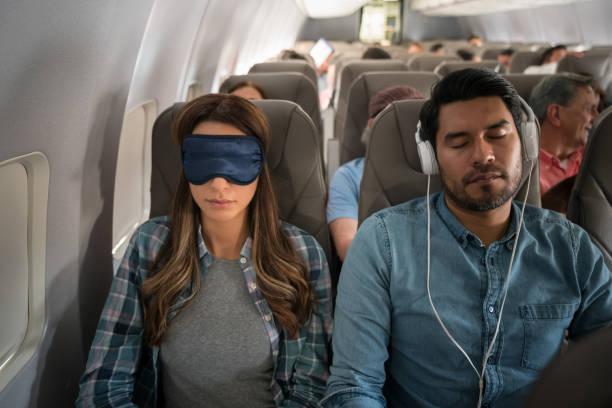
Jet lag is often dismissed until it is experienced firsthand. Crossing multiple time zones can disrupt sleep, concentration, and appetite for days. Travelers who plan full itineraries immediately after arrival often find themselves exhausted and irritable. Important activities may feel rushed or unenjoyable due to fatigue. The physical toll surprises many first-time long-haul travelers. After struggling through sleepless nights and foggy days, most people adjust future plans. They allow recovery time, manage light exposure, and schedule lighter activities at the start of trips. Once experienced, jet lag is never underestimated again.
11. Missing Last Transport

Many travelers assume there will always be another bus, train, or ferry later in the evening. In reality, public transportation in many cities stops earlier than expected, especially outside major capitals or on weekends. Travelers who miss the final connection often find themselves stranded, facing long walks, expensive taxis, or unexpected overnight stays. This mistake is especially common in rural areas or island destinations where transport schedules are limited. The stress of realizing there are no alternatives leaves a lasting impression. After experiencing it once, travelers become careful planners, checking timetables in advance and building buffer time into their schedules. The memory of being stuck late at night ensures this mistake is rarely repeated.
12. Booking Nonrefundable Lodging

Nonrefundable accommodation rates often look attractive due to lower prices. Many travelers choose them without fully considering how easily plans can change. Flight delays, illness, or itinerary adjustments can make those bookings useless overnight. Travelers who lose significant money due to an unexpected change often remember the frustration clearly. While nonrefundable rates are widely offered by hotels and booking platforms, they come with real risk. After learning this lesson once, many travelers balance savings with flexibility. They opt for refundable rates or accommodations with generous cancellation policies, understanding that peace of mind often outweighs a small upfront discount.
13. Ignoring Local Scams

Tourist scams are well documented, yet many first-time travelers believe they will easily spot them. Common scams such as fake petitions, distraction thefts, or misleading tour offers catch people off guard. Travelers often realize too late that they have been manipulated, overcharged, or misled. The embarrassment and financial loss make the experience memorable. Cities around the world warn visitors about recurring scams, but firsthand experience leaves the strongest impression. After falling for one once, travelers become more cautious. They research common scams at destinations and develop instincts that help them avoid similar situations in the future.
14. Assuming English Everywhere

English is widely spoken in many parts of the world, but not universally. Travelers who assume everyone will understand them often struggle with transportation, dining, or emergencies. Simple tasks become difficult when language barriers appear unexpectedly. Many travelers remember moments of confusion, frustration, or miscommunication vividly. This experience often motivates people to learn basic local phrases or use translation tools. Even minimal effort, such as greetings or polite expressions, can make a difference. Once travelers experience the limitations of relying solely on English, they rarely travel again without some form of language preparation.
15. Forgetting Power Adapters

Different countries use different electrical outlets and voltage standards. Many travelers forget this detail until their devices cannot be charged. Realizing phones, cameras, or laptops are unusable can disrupt navigation, communication, and plans. Borrowing adapters or searching local shops wastes time and adds stress. This mistake is especially memorable when devices die at critical moments. After experiencing it once, travelers almost always add universal adapters to their packing lists. The inconvenience of being disconnected abroad leaves a lasting lesson that is rarely overlooked again.
16. Not Backing Up Documents

Losing important documents such as passports, visas, or tickets can turn a trip into a logistical nightmare. Travelers who do not keep digital or physical copies often struggle to replace lost items. Embassies, airlines, and hotels frequently request documentation that is difficult to provide without backups. Those who experience this situation remember the stress clearly. After learning the hard way, many travelers store copies in cloud storage, email accounts, or separate bags. The lesson becomes permanent, as the consequences of losing documents without backups are severe and unforgettable.
17. Arriving During Peak Crowds
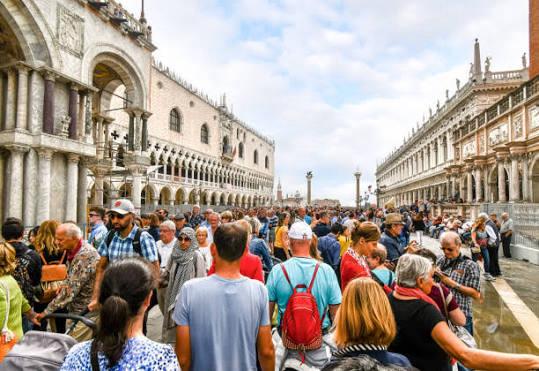
Visiting popular destinations during peak tourist seasons can overwhelm even seasoned travelers. Crowded attractions, long queues, inflated prices, and limited availability reduce enjoyment. Many travelers only realize this after experiencing packed streets or hours-long waits. The contrast between expectations and reality leaves a strong impression. Once travelers experience peak-season congestion, they often change habits. They plan visits during shoulder seasons or early hours to avoid crowds. The memory of navigating dense tourist traffic ensures better timing choices in future trips.
18. Not Checking Weather Patterns
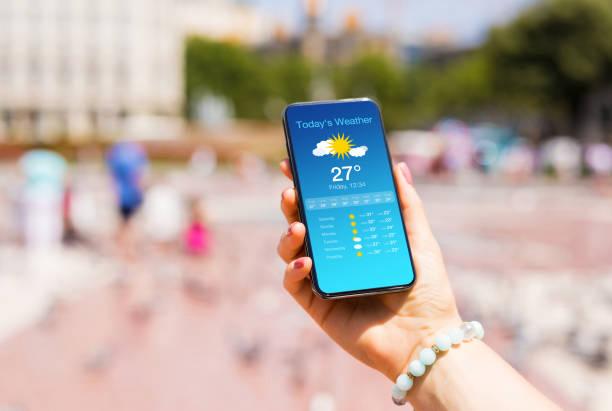
Weather can dramatically affect travel experiences. Travelers who fail to research seasonal conditions may arrive during monsoon rains, extreme heat, or cold spells. Activities may be canceled, transportation disrupted, or sightseeing limited. Many travelers remember trips defined by weather surprises rather than attractions. Learning that certain destinations have predictable weather patterns is a lasting lesson. After experiencing it once, travelers check climate data, not just temperatures. Understanding rainfall, humidity, and seasonal risks becomes part of planning, ensuring weather enhances rather than hinders future trips.
19. Relying on Hotel WiFi

Hotel WiFi is often slower or less reliable than expected, especially in budget accommodations or remote areas. Travelers who depend on it for navigation, bookings, or work may find themselves disconnected. Missed reservations, delayed communication, or navigation problems can follow. The frustration is memorable, particularly when alternatives are limited. After this experience, many travelers arrange mobile data plans, local SIM cards, or offline maps. The lesson is simple but lasting: reliable connectivity cannot always be assumed, and backup options are essential.
20. Overplanning Every Day
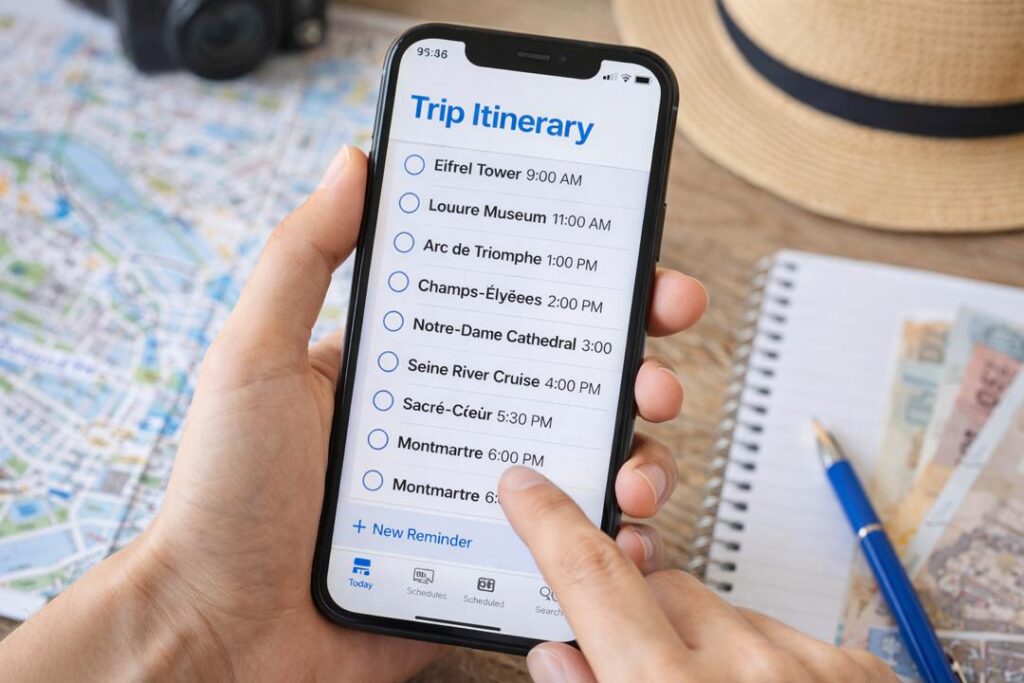
Creating a packed itinerary seems efficient, but it often leads to exhaustion and missed moments. Travelers who schedule every hour may feel rushed and stressed rather than relaxed. Unexpected delays or discoveries can disrupt tightly planned days. Many travelers realize they remember the stress more than the sights. After experiencing burnout once, they adjust future trips. They leave room for rest, spontaneity, and exploration. The lesson that travel is not a checklist becomes clear, and most people never plan overly rigid itineraries again.
Travel mistakes may be frustrating at the moment, but they often become the lessons that shape smarter, more enjoyable journeys. Each misstep adds experience, turning travelers into better planners and more adaptable explorers.
Like this story? Add your thoughts in the comments, thank you.


