
1. Fatty Arbuckle’s Trial That Hollywood Tried to Survive
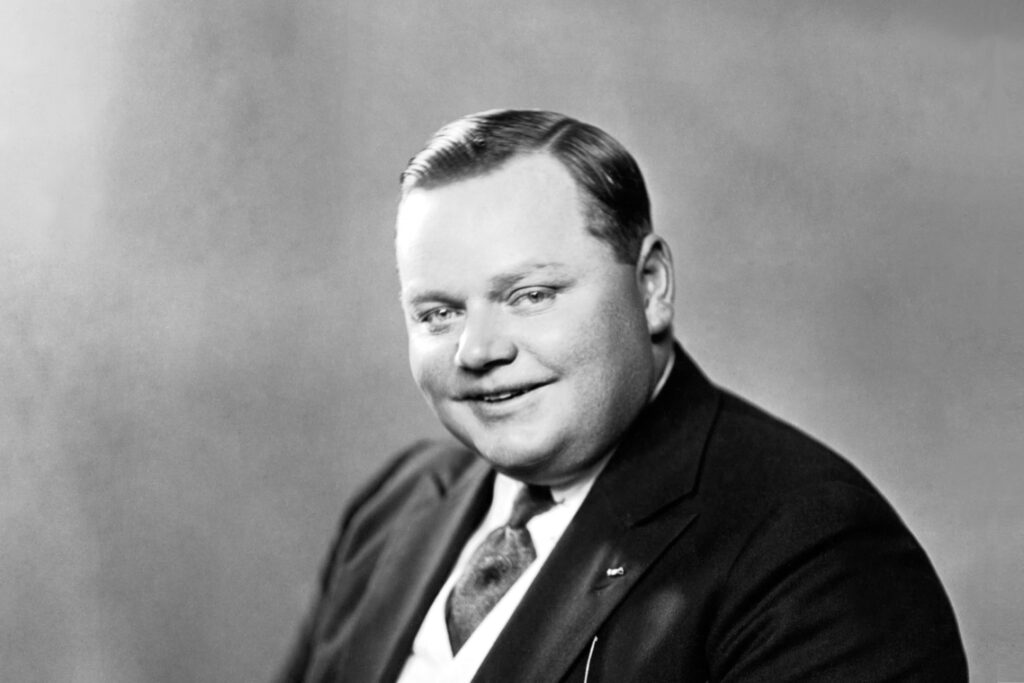
Roscoe “Fatty” Arbuckle was one of silent film’s biggest comic draws when he was charged in 1921 over the death of actress Virginia Rappe after a party. Newspapers turned the case into a national spectacle, and studios immediately feared audiences would abandon theaters. Arbuckle faced three trials, each followed closely by a nervous industry watching ticket sales and public reaction.
He was finally acquitted, with jurors issuing a statement saying he had suffered “a great injustice,” yet distributors still quietly refused to screen his films. Studios avoided publicly defending him and instead distanced their productions. Even cleared in court, his acting career collapsed, showing early Hollywood’s instinct was not always to fight scandals openly, but to let silence slowly erase the problem from marquees.
2. Errol Flynn and the Courtroom That Threatened His Image
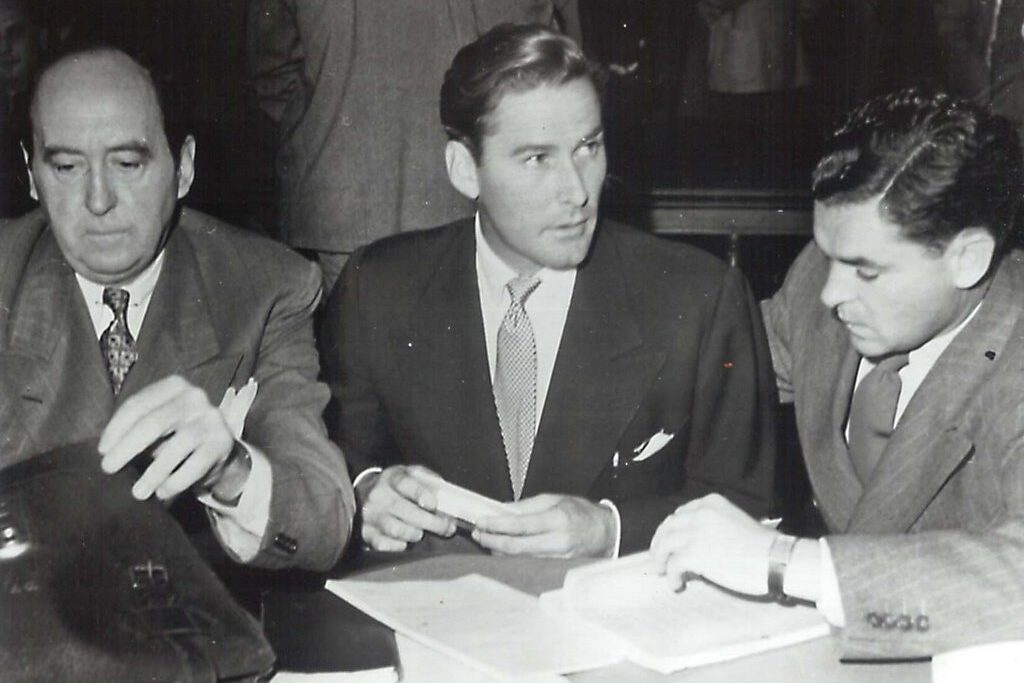
By the early 1940s, Errol Flynn symbolized heroic adventure on screen, so Warner Bros. panicked when he faced statutory assault charges involving two teenage girls in 1942. The studio funded a major legal defense while publicity departments kept magazines focused on his war-themed roles and public appearances supporting troops and national morale.
Flynn was acquitted, and headlines repeated the courtroom result “not guilty on all counts,” which became the centerpiece of his repaired reputation. Behind the scenes, publicity teams steered journalists toward stories about his charm and overseas service rather than the accusations. His films resumed quickly, demonstrating how studios often believed the best recovery plan was speed, distraction, and relentless promotion until audiences remembered the hero more than the courtroom.
3. Charlie Chaplin’s Federal Case and Industry Anxiety
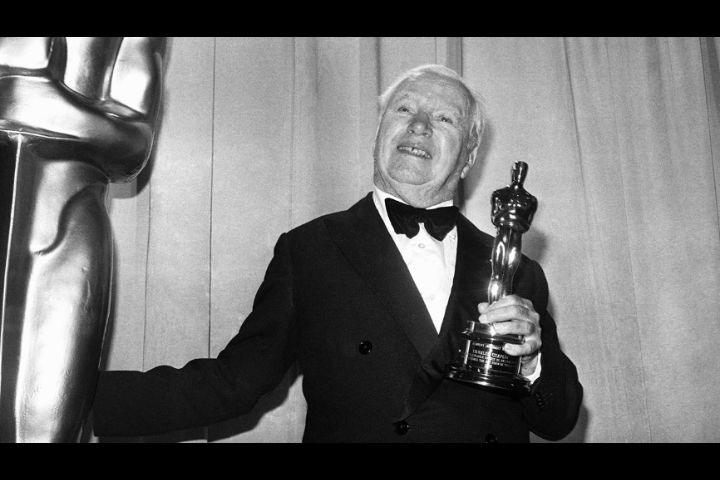
Charlie Chaplin’s global fame meant any legal trouble carried massive financial risk for distributors. In 1944 he was charged under the Mann Act involving actress Joan Barry and alleged interstate travel for immoral purposes. Prosecutors insisted the relationship justified federal charges, while Chaplin’s lawyers argued it was purely personal and consensual.
He was acquitted, yet the scandal fed political hostility already growing around him. Trade observers later noted distributors quietly prioritized foreign screenings and minimized domestic publicity pauses to protect revenue streams. Though legally cleared, the controversy damaged his American standing and contributed to his eventual relocation abroad. The episode showed that even when studios could not bury the news itself, they often worked strategically to shield the commercial life of films already depending on the star.
4. Ingrid Bergman’s Personal Life Turned National Outrage

In 1950, Ingrid Bergman’s relationship with Italian director Roberto Rossellini while still married triggered an American moral backlash so intense it reached Congress. One senator publicly condemned her as “a powerful influence for evil,” and the quote spread across newspapers, instantly transforming a private relationship into a nationwide reputation crisis.
Studios reacted cautiously rather than defensively, shelving projects and letting her presence fade from domestic promotion. Fan magazines abruptly reduced coverage, and releases slowed until public anger softened years later. Although no criminal charge existed, historians often group the episode among buried scandals because the industry effectively erased her temporarily. Her later Oscar-winning comeback quietly proved something executives often underestimated: audiences eventually judge performances again once headlines cool.
5. Lana Turner and the Killing Ruled Self-Defense

In 1958, Lana Turner’s boyfriend Johnny Stompanato died after her teenage daughter Cheryl Crane stabbed him during a violent domestic confrontation. Police investigated immediately, and the coroner’s inquest ruled the killing a “justifiable homicide,” legally closing the case but leaving enormous public curiosity about what had happened inside the home.
MGM moved swiftly, coordinating statements and limiting interviews while emphasizing the official ruling. Reporters repeatedly quoted the legal finding that Crane acted defending her mother. Turner returned to filming sooner than many expected, and her career continued with limited long-term damage. The handling of the case became a textbook example of the studio publicity system working at full strength, ensuring shocking personal tragedy did not permanently derail a profitable star.
6. Robert Mitchum’s Jail Sentence Reframed as Rebel Charm
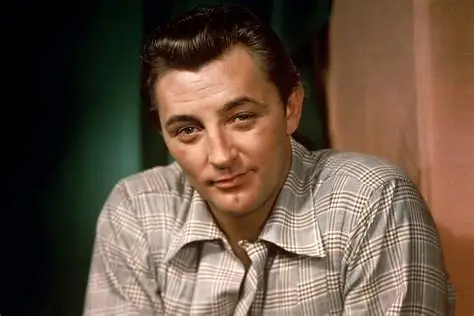
Robert Mitchum shocked Hollywood in 1948 when police arrested him in a marijuana possession raid. Drug convictions carried heavy stigma at the time, and RKO feared censorship boards and theater owners might refuse his films. Mitchum served roughly two months in jail, making the scandal impossible to ignore.
Instead of hiding him completely, the studio gradually reshaped the narrative. Press pieces began portraying him as relaxed, rugged, and rebellious rather than criminal. One columnist reassured readers he remained “the same easygoing fellow audiences love.” Within a year he was starring again in major productions. His recovery showed studios sometimes chose not to bury scandals outright, but to reinterpret them into personality traits that audiences might actually find appealing.
7. Judy Garland and the Pills No One Wanted Discussed
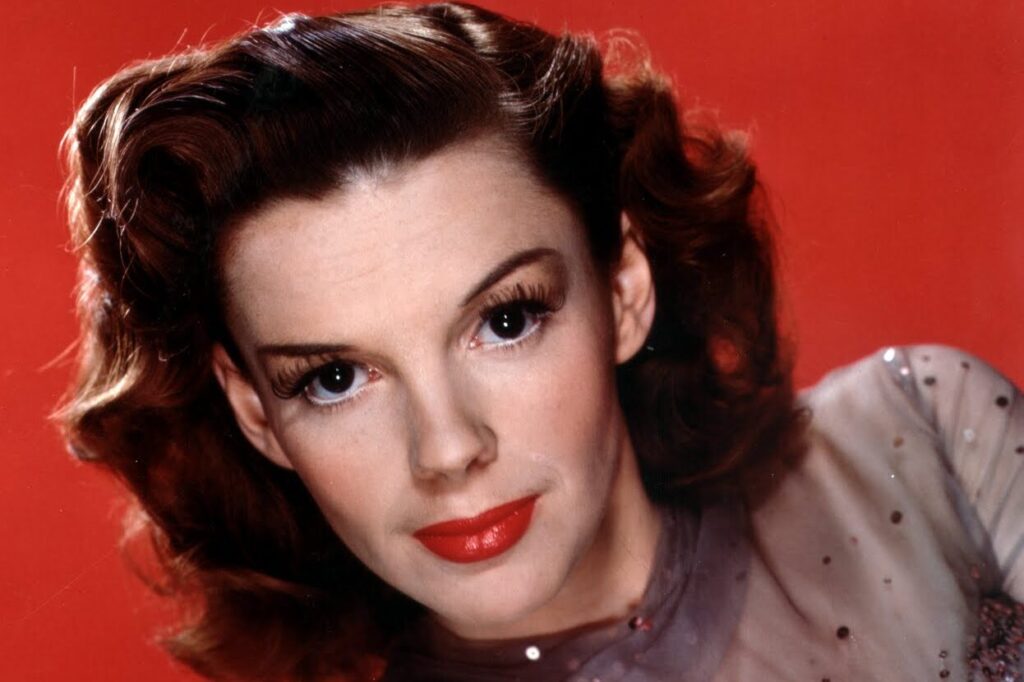
Under MGM’s demanding contract system, Judy Garland was reportedly given stimulants to maintain energy and barbiturates to sleep between exhausting shoots. Years later she recalled publicly, “They gave us pills to wake up and pills to sleep,” highlighting a studio-controlled medical culture that would alarm regulators today.
At the time, publicity offices framed her production absences as simple exhaustion while carefully avoiding any discussion of dependency. Schedules shifted quietly, and official releases remained cheerful and vague. The issue rarely surfaced in mainstream reporting until long after her contract years ended. Her experience reveals how the studio system could sometimes conceal not just personal trouble, but institutional practices that might have triggered legal or medical scrutiny if openly examined.
8. Edward G. Robinson and the Political Suspicion Years
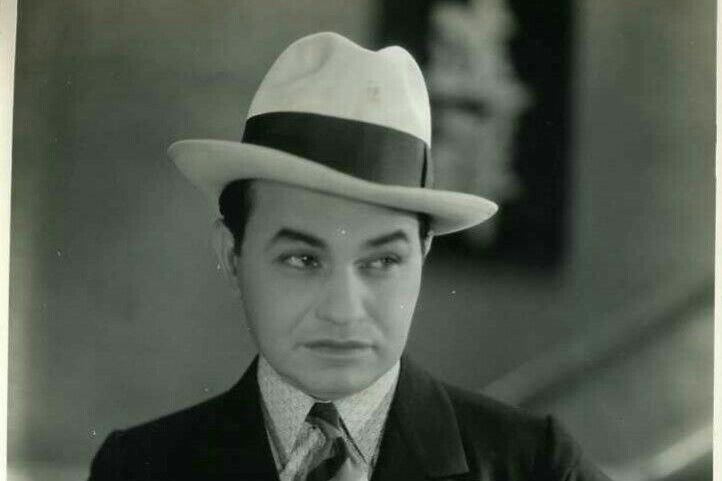
During the late 1940s Red Scare, Edward G. Robinson was questioned by the House Un-American Activities Committee over alleged Communist associations. Though never charged with a crime, the investigation alone threatened his employment prospects as studios feared boycotts or government backlash tied to political controversy.
Robinson testified he had been “duped” into supporting certain organizations and cooperated fully. Producers quietly reduced his casting opportunities while waiting for public tension to ease. Trade coverage softened once his testimony circulated. Eventually he resumed steady film work, but the temporary disappearance illustrated how studios often handled politically sensitive accusations by lowering a star’s visibility rather than openly confronting the issue in headlines.
9. Spencer Tracy’s Quietly Settled Altercation Reports
Spencer Tracy built a reputation as a disciplined dramatic actor, yet occasional reports surfaced in the 1930s and 1940s involving drunken altercations and police complaints. None developed into major prosecutions, but the possibility of repeated headlines worried MGM executives responsible for protecting their dependable award-winning performer.
Studio publicity staff reportedly arranged private settlements and urged reporters to focus on Tracy’s professionalism instead. Later biographies referenced internal instructions to keep such stories “out of national columns.” His steady stream of acclaimed performances soon dominated coverage again. The situation demonstrated a classic studio tactic: treat smaller legal incidents as local disturbances, resolve them quietly, and overwhelm them with prestige releases before public curiosity spreads.
10. Jean Harlow and the Death That Sparked Rumors
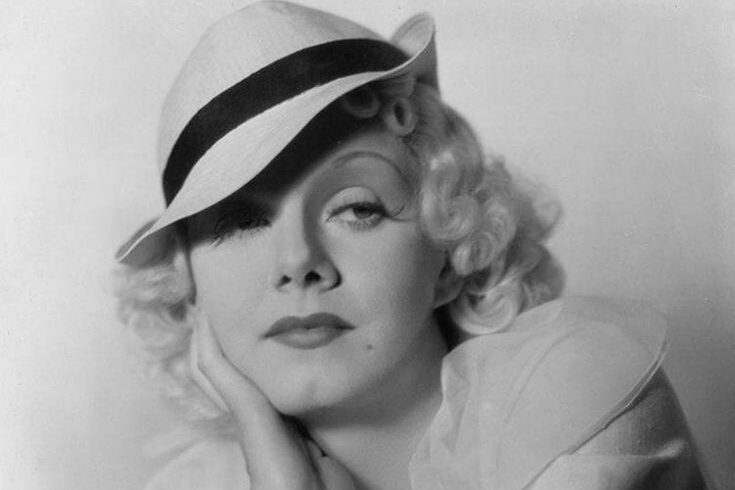
When Jean Harlow’s husband Paul Bern died in 1932 from a gunshot wound officially ruled suicide, speculation spread instantly suggesting hidden circumstances. Police completed an investigation quickly, but gossip persisted, partly because Bern had been an MGM executive closely tied to the industry itself.
The studio responded forcefully, issuing statements backing authorities and restricting press access to Harlow. Newspapers quoted officials describing the wound as “self-inflicted,” yet MGM hurried her return to filming within weeks to stabilize public perception. Continuous screen appearances gradually shifted attention back to her performances. The episode showed how studios sometimes used productivity itself as crisis management, believing audiences would focus on new releases rather than unanswered personal mysteries.
11. Clark Gable’s Early Accident Removed from the Story
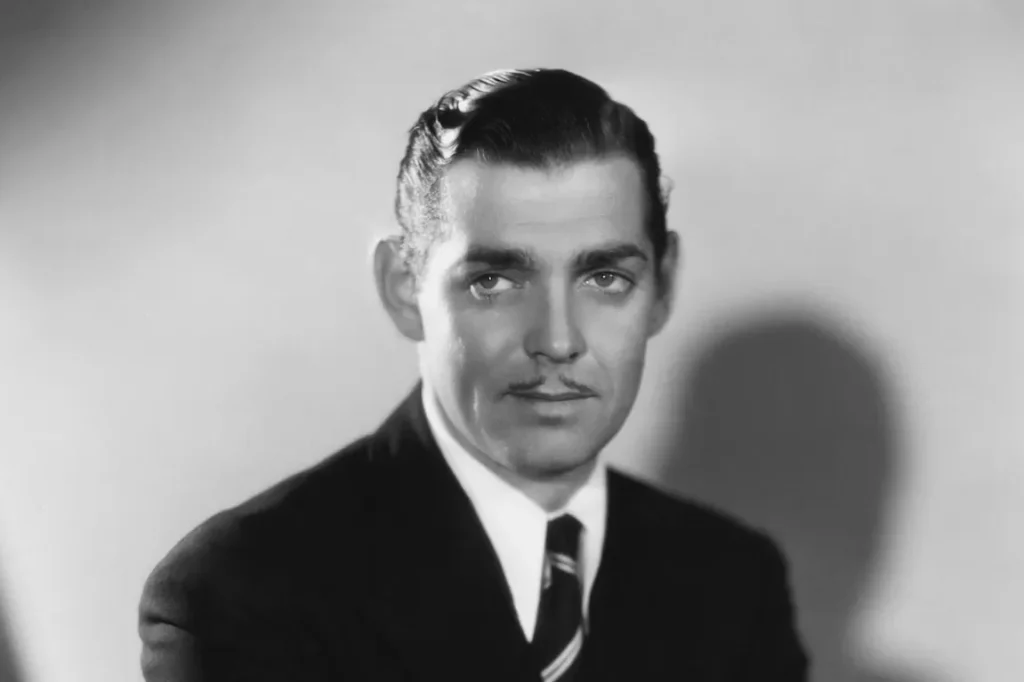
Before Clark Gable became MGM’s defining leading man, reports suggest he was involved in a serious driving accident during his early career that led to legal complications and financial settlements. By the time the studio launched his national publicity campaign, the incident had quietly vanished from official biographies.
Press kits instead emphasized hardworking theater experience and romantic leading-man potential. Later historians noted how thoroughly early personal troubles were excluded from promotional narratives. The strategy worked, and audiences met Gable as a polished star with no controversial past. His case illustrates how studios often buried potential legal shadows not through press battles, but simply by rewriting history before nationwide fame truly began.
12. Frances Farmer’s Arrests and Institutional Commitment
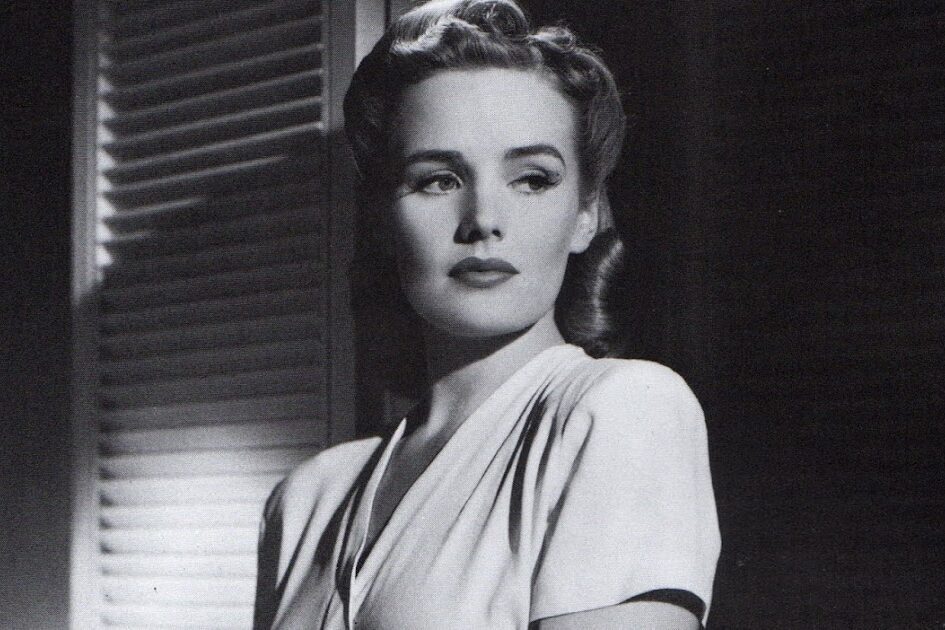
Frances Farmer faced multiple arrests for public disturbances in the late 1930s and early 1940s, culminating in court-ordered psychiatric institutionalization. Contemporary reports quoted judges calling her behavior “dangerously unstable,” while later researchers questioned whether the treatment reflected punishment more than medical necessity.
Paramount gradually distanced itself, allowing her contracts to lapse while minimizing public discussion of the legal proceedings. For years her story faded almost completely from mainstream Hollywood memory. Only decades later did biographies and films revive public interest in her ordeal. The silence surrounding her case shows how sometimes the industry did not rehabilitate troubled stars at all, but simply allowed them to disappear until the narrative felt historically distant.
13. Bing Crosby’s Quiet Financial Scrutiny
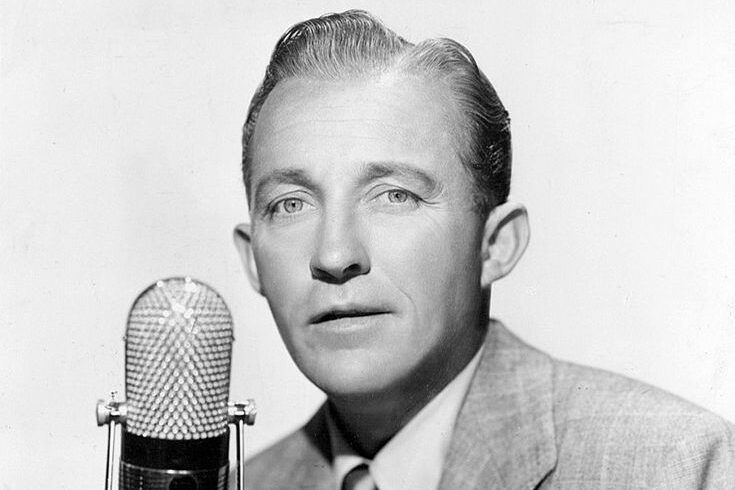
At the height of his radio and film dominance in the 1940s, Bing Crosby reportedly underwent federal financial scrutiny tied to complex entertainment earnings and reporting structures. No public prosecution followed, but industry insiders later referenced negotiations and audits happening largely outside public courtroom drama.
Studio partners ensured production schedules stayed intact and publicity emphasized his broadcasting success. A trade columnist reassured readers he remained “in excellent professional standing,” helping stabilize public confidence. The issue soon vanished from mainstream coverage. His situation demonstrated how financial investigations involving extremely valuable entertainers were often handled through private legal channels while the public saw only uninterrupted professional success.
14. Gary Cooper’s Overseas Earnings Legal Questions
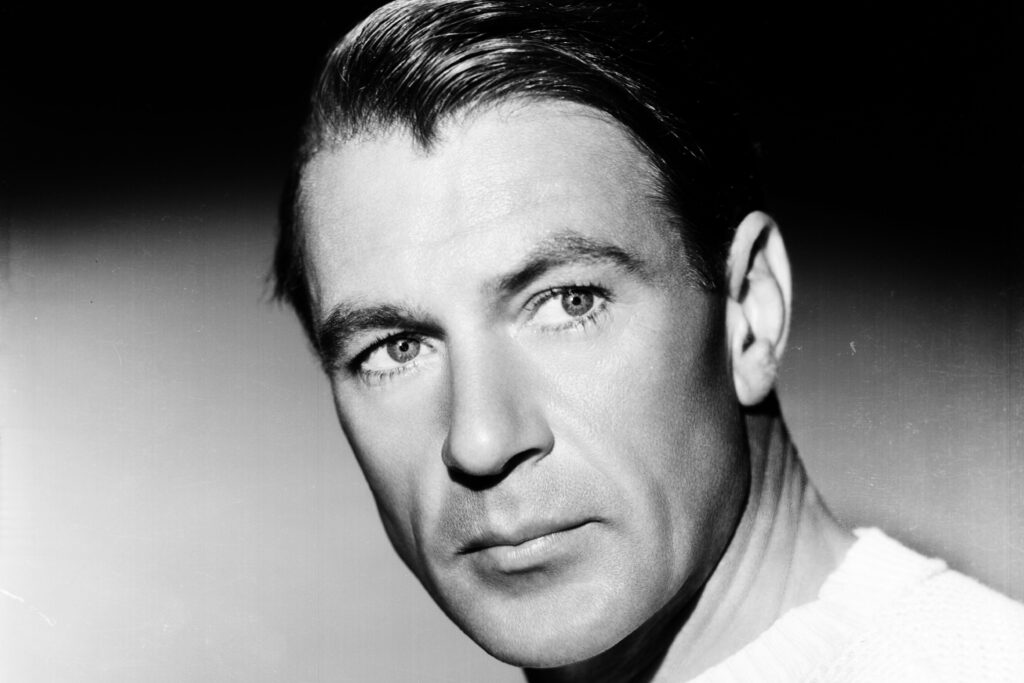
During World War II, Gary Cooper faced potential legal complications tied to overseas earnings, contracts, and tax classification questions while working internationally. Though the matter remained largely administrative, the possibility of government enforcement created concern for Paramount and its carefully cultivated image of Cooper as America’s dependable screen hero.
Publicity departments framed the dispute simply as scheduling adjustments rather than compliance tension. Newspapers mostly reported on his patriotic film roles and military-support appearances instead. The issue resolved quietly, and his reputation remained largely untouched. The episode highlights how studios frequently treated emerging legal conflicts as internal business matters best settled privately before they could evolve into public scandals.
15. Rita Hayworth’s International Custody Dispute
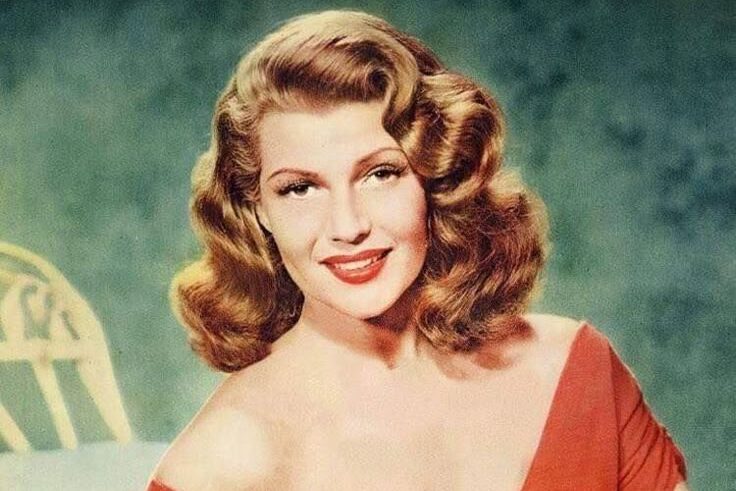
Rita Hayworth’s divorce and custody conflict with Prince Aly Khan briefly raised legal questions involving international travel permissions and parental authority over their daughter. Court filings mentioned financial disagreements and jurisdiction concerns that could have complicated international law enforcement if unresolved.
Columbia Pictures avoided direct public commentary and redirected media attention toward her upcoming films. Coverage frequently repeated Hayworth’s own courtroom statement that she wanted “a normal life for my daughter,” helping humanize the situation. The dispute eventually settled, and her screen image remained largely romantic rather than litigious. The handling reflected how studios often relied on emotional public framing rather than legal detail to prevent complicated cases from dominating entertainment headlines.
16. Tyrone Power’s Gambling Circle Rumors
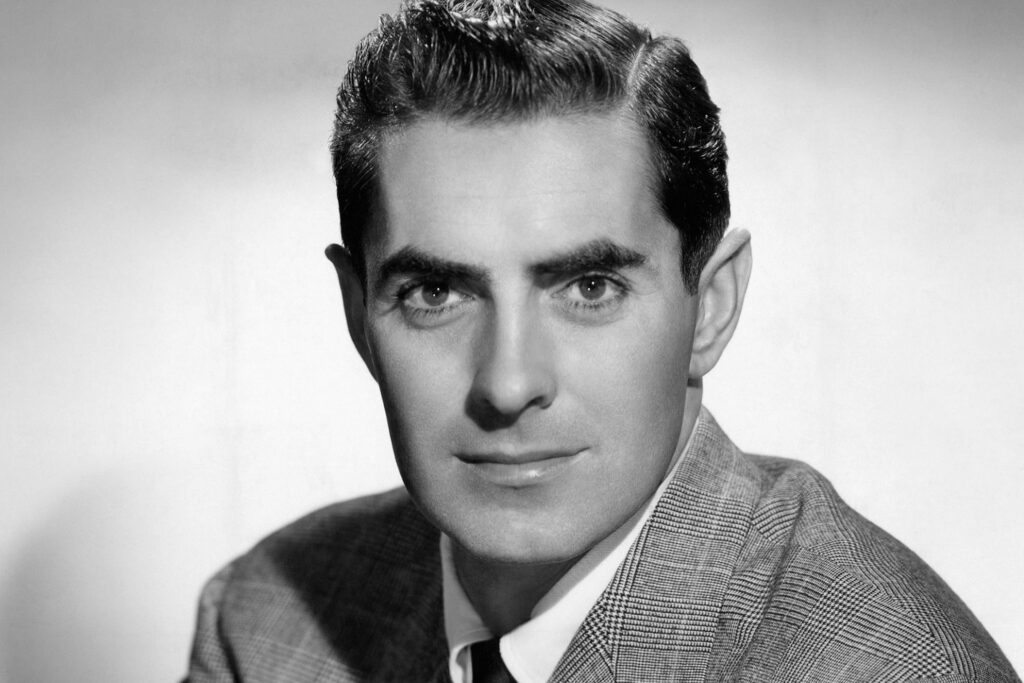
In the 1940s, Tyrone Power’s name occasionally surfaced in reports linking wealthy Hollywood figures to illegal high-stakes gambling circles. No major prosecution emerged, but the mere association concerned studio executives responsible for protecting one of their most valuable leading men.
Fox quietly advised Power to reduce nightlife visibility while gossip columnists softened references into harmless “private card parties.” Within months, film promotion headlines replaced the speculation entirely. The incident shows how studios sometimes solved potential legal exposure not through courtroom victories, but by quietly modifying a star’s public behavior until the risk of investigation faded on its own.
17. Marilyn Monroe’s Nude Photos Become a Legal Headache
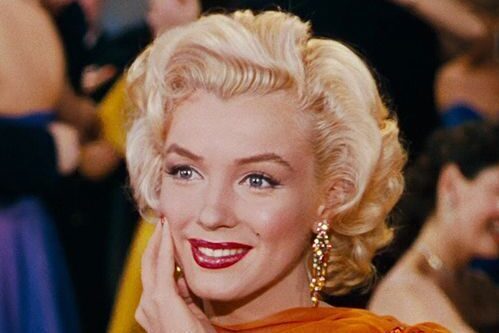
Before achieving superstardom, Marilyn Monroe posed for nude photographs that resurfaced once she became a major Fox contract player. Distribution rights, morality concerns, and obscenity debates briefly created legal anxiety about whether publication or resale could trigger regulatory problems for studios tied to her new image.
Monroe addressed the situation openly, telling reporters, “I needed the money,” which unexpectedly softened public reaction. Fox pivoted quickly, highlighting her honesty and determination rather than the photos themselves. The scandal faded into a sympathetic origin story instead of a legal nightmare. The episode showed that occasionally the most effective studio strategy was controlled transparency followed by an avalanche of fresh publicity.
18. Elvis Presley’s Stage Complaints and Legal Threats
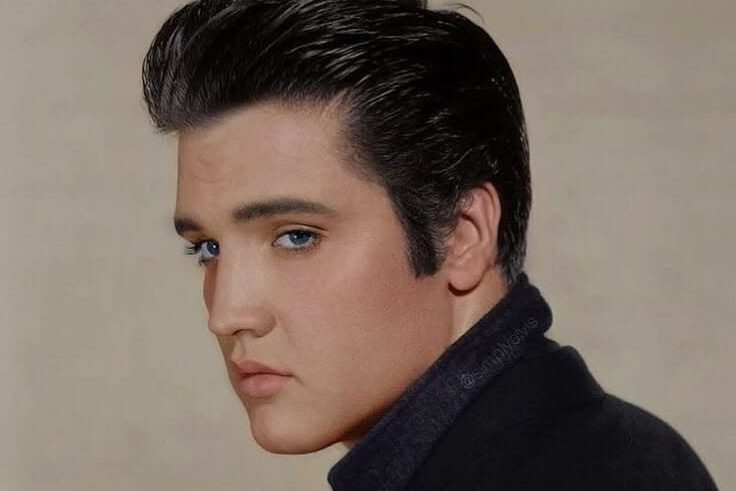
As Elvis Presley’s fame surged, several local authorities and morality boards threatened legal action over performances they claimed were indecent. One complaint described his movements as “suggestive to youth,” creating fears that concert bans or censorship rulings might spread nationally.
Studios producing his films coordinated reassurance campaigns promising toned-down performances. Television appearances even adjusted camera framing to avoid emphasizing his dance movements. No criminal case ultimately materialized, and audiences remained enthusiastic. The episode demonstrated how seriously the entertainment industry treated even hypothetical legal risk, often modifying performances proactively rather than waiting for courts to intervene.
19. Winona Ryder’s Arrest in the Modern Media Era

Winona Ryder’s 2001 shoplifting arrest unfolded in a far more aggressive media landscape than the classic studio era. Court testimony quoted store security alleging unpaid luxury merchandise, while her legal team cited medical stress and personal struggles influencing her behavior at the time.
Studios paused casting decisions temporarily, yet industry supporters quietly maintained professional relationships. Over the following years, her gradual return to film and television rebuilt audience trust. Her case showed that although modern scandals cannot be buried the way they once were, careful patience and selective roles can still guide a public comeback once headlines finally lose their urgency.
20. Robert Downey Jr.’s Legal Collapse Before Redemption

Robert Downey Jr.’s late-1990s arrests for drug possession and probation violations led one judge to remark he had received “numerous chances to rehabilitate.” Studios initially deemed him uninsurable, removing him from projects and effectively freezing his Hollywood standing during the height of the legal spiral.
Yet some producers quietly kept communication open, and years later structured productions cautiously welcomed him back. His eventual rise into one of the industry’s biggest box-office stars suggests something has changed in Hollywood. Where studios once tried to hide scandals completely, modern audiences sometimes accept the full story and embrace recovery anyway, perhaps proving that honesty, time, and persistence can reshape a legacy more powerfully than silence ever did.


