
1. Granola Is Not Always A Win
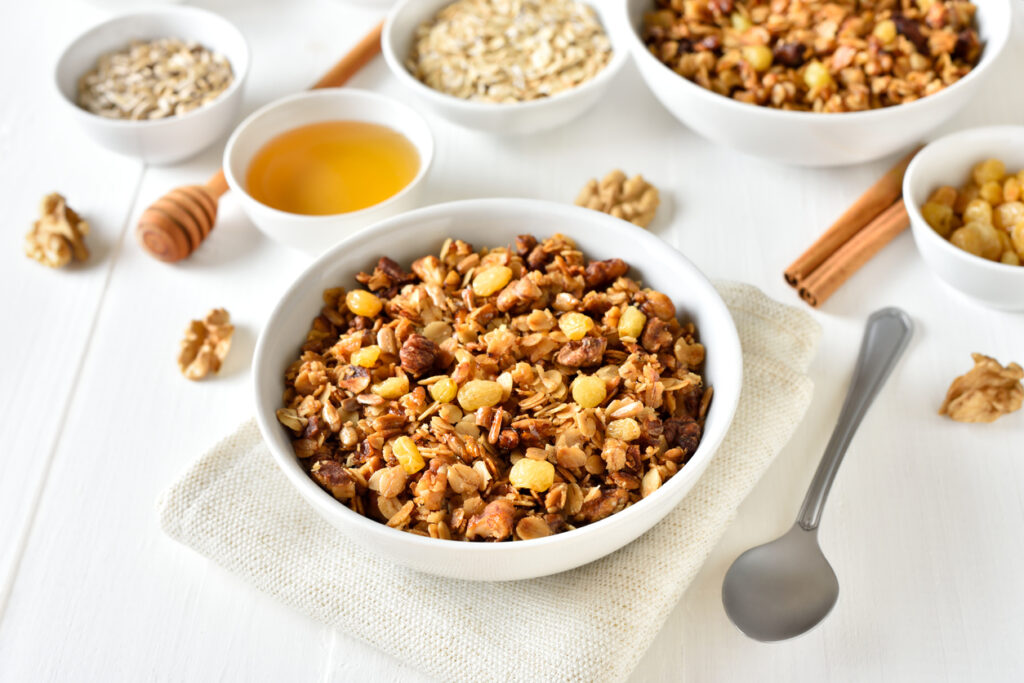
Sometimes healthy eating feels confusing, so this list is here to slow things down while we think about what we choose. Granola often looks like the safest breakfast, and many of us grab it with good intentions. Still, lots of versions are packed with sugar, oils, and flavorings that add up fast. A small bowl can quietly become more than we planned. When we read labels, pick simpler blends, and watch portions, it becomes honest, filling, and easier to enjoy. That gentle awareness sets the tone and helps the rest of our food choices feel calmer and more balanced.
2. Fruit Juice Is Not The Same As Fruit

Fruit juice looks refreshing and feels like a kind choice, but it usually misses the fiber that slows things down in the body. Without fiber, the sweetness rushes in and rarely satisfies hunger. Many bottles also hold more than one serving, so sugar adds up quickly. Whole fruit brings chewing, fullness, and steadier energy. Even choosing water first and juice second can change the rhythm of the day. When we notice this difference, we start appreciating how nature already packaged fruit just right, and we lean toward options that help us feel steady instead of constantly chasing energy.
3. Low Fat Is Not Always Better
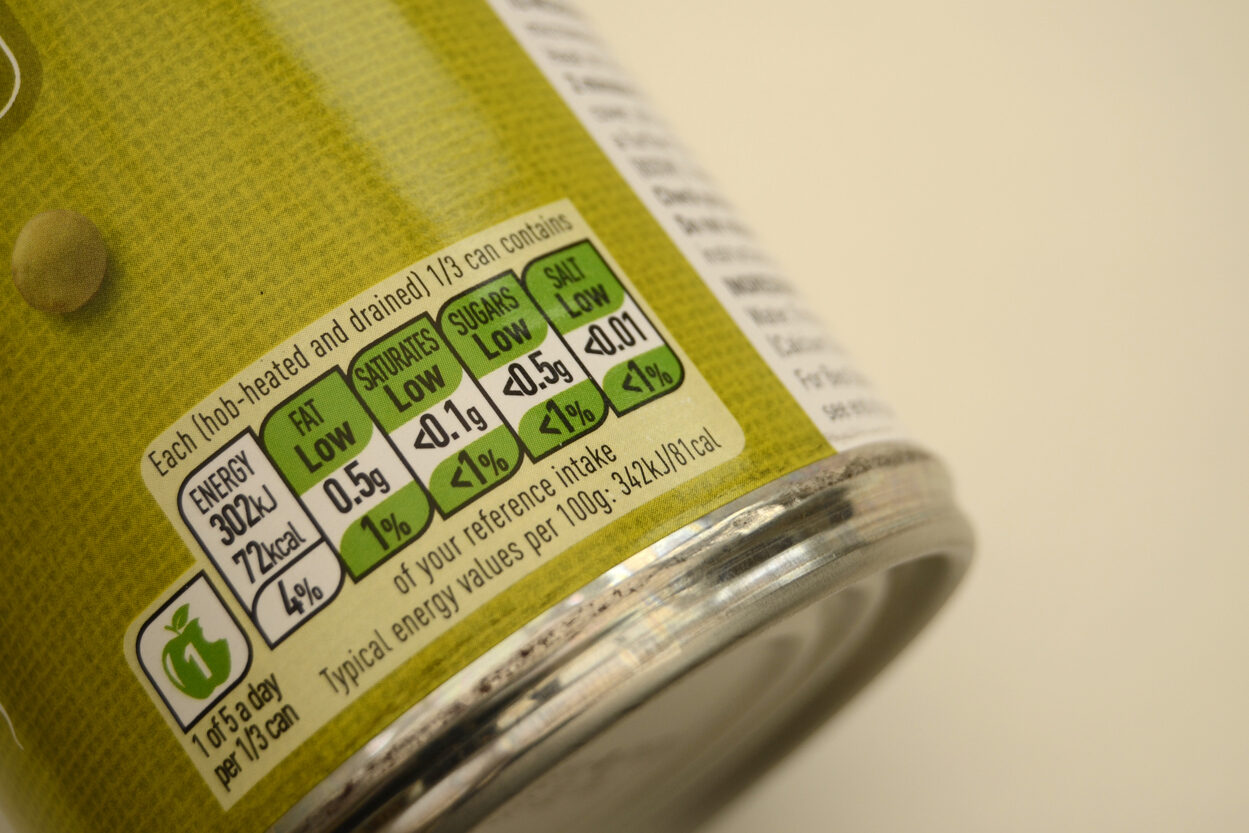
Low fat can sound safe, especially if we grew up believing fat was the main problem. When companies remove fat, they often add sugar and thickeners so food will still taste appealing. That can leave us less satisfied and more likely to snack later. Healthy fats from nuts, seeds, avocado, and olive oil can actually support the body when used thoughtfully. Watching ingredients matters more than chasing low numbers. Once we focus on quality and balance, meals feel calmer, cravings ease a little, and eating becomes less like a stressful rule and more like a steady everyday habit.
4. Gluten Free Does Not Mean Healthier
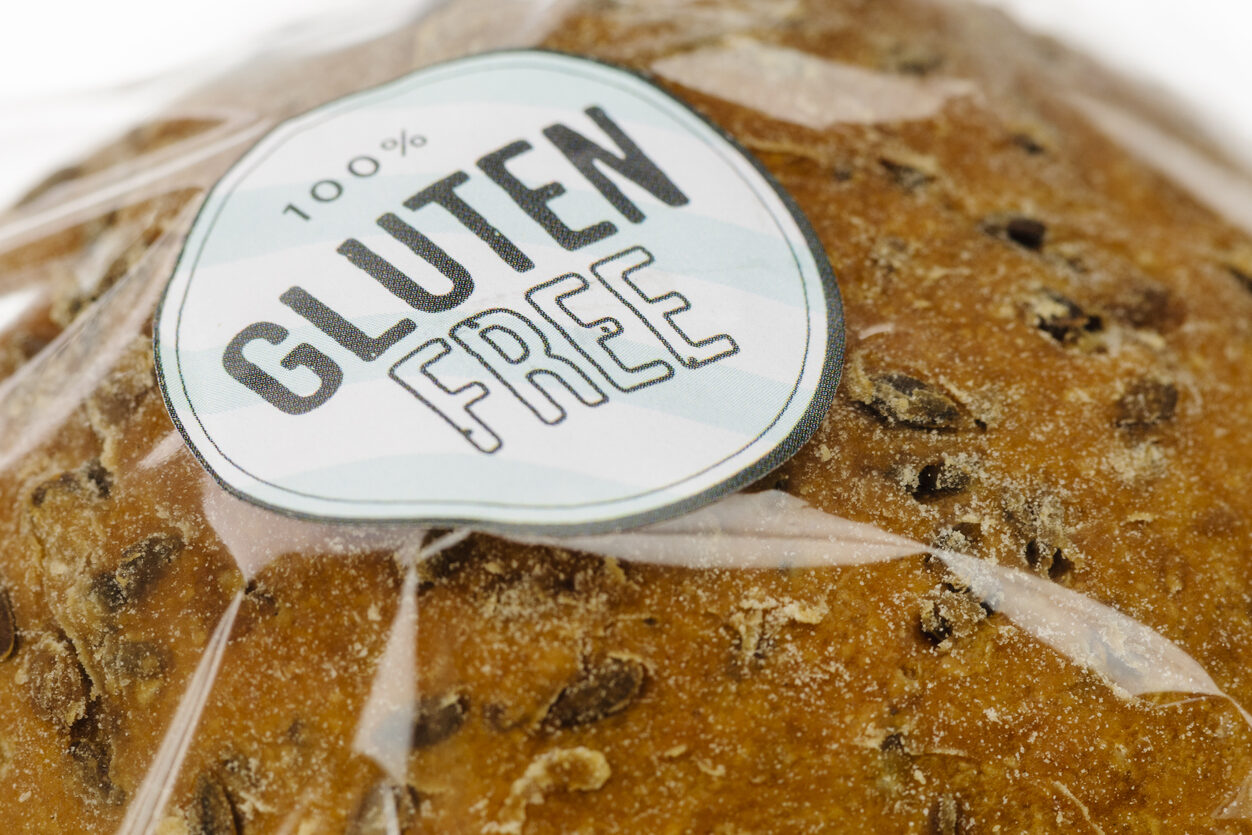
Gluten free feels like a cleaner upgrade, so it is easy to assume it is always better. Unless someone has celiac disease or sensitivity, gluten itself may not be the real issue. Many gluten free snacks replace texture with starches, sugar, and additives that do not nourish well. Whole grains like oats, brown rice, and whole wheat often offer fiber, flavor, and satisfaction. When we look beyond labels and choose foods for how real they are, everything becomes simpler. We start noticing that habits, variety, and moderation usually matter more than removing one ingredient that sounds suspicious.
5. Smoothies Are Not Always Healthy
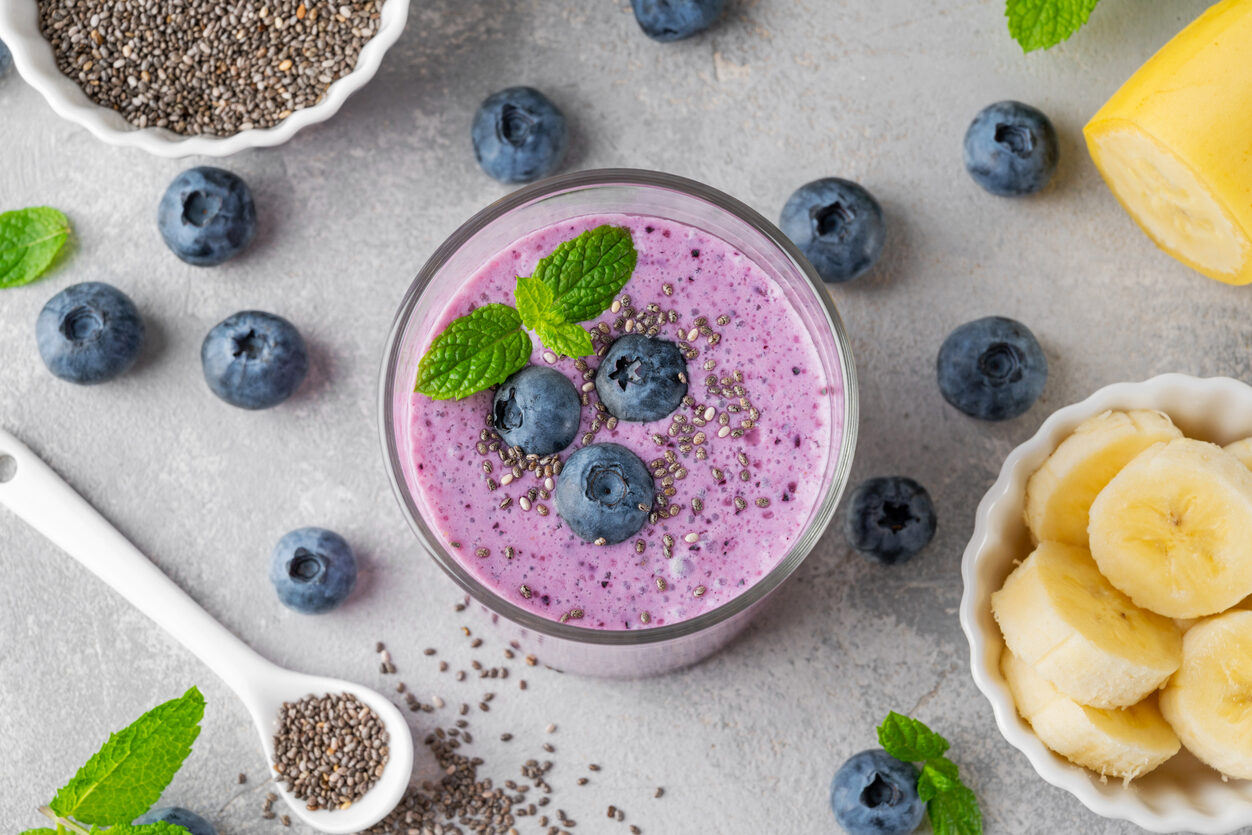
Smoothies look like pure wellness in a cup, especially when they are bright and fruity. But they can quietly shift into heavy sugar territory when juice, sweetened yogurt, flavored syrups, or extra sweeteners pile in. Without enough fiber or protein, they often leave us hungry soon after. Adding vegetables, nuts, seeds, and unsweetened milk makes them steadier and more satisfying. Blending with intention turns a treat into a balanced meal instead of an accidental dessert. It reminds us that names can be misleading, and the small choices inside the glass make the real difference for everyday energy.
6. Salads Are Not Automatically Perfect

Salads look innocent at first glance and can make us feel healthy before we even take a bite. The real story hides in the toppings. Heavy dressings, fried add ins, bacon, cheese piles, and sugary croutons can stack calories faster than we realize. A mix of colorful vegetables, beans, seeds, lean proteins, and a light dressing changes everything. Flavor stays, satisfaction stays, and our bodies feel respected. Building salads thoughtfully turns them into everyday meals we enjoy instead of something secretly heavier than planned. It teaches us that the word salad is not the guarantee we assume it is.
7. Energy Bars Are Not Always Smart

Energy bars feel like hero snacks for busy days, easy to toss into a bag and forget. But many are closer to candy because of added sugars, syrups, and highly processed ingredients. The athletic label can hide what is really inside. Choosing bars made with simple foods like nuts, seeds, and grains can help when we truly need something quick. Other times, fruit with a handful of nuts does the same job and feels more natural. When we look past marketing and read ingredients, energy becomes steadier and snacks start feeling supportive instead of sneaky or disappointing afterward.
8. Yogurt Is Not Always Light

Yogurt has carried a healthy reputation for years, which makes it easy to trust without thinking. Flavored cups can hide surprising amounts of sugar, turning what seems like breakfast into something closer to dessert. Plain yogurt tells a different story, especially when we add fruit, cinnamon, or a small drizzle of honey. Protein helps us feel satisfied, and the taste becomes both simple and real. Reading labels matters here more than the picture on the front. Little changes like this quietly shift habits and make yogurt feel honest again, especially on busy mornings when we want something quick.
9. Vegan Does Not Automatically Mean Healthy
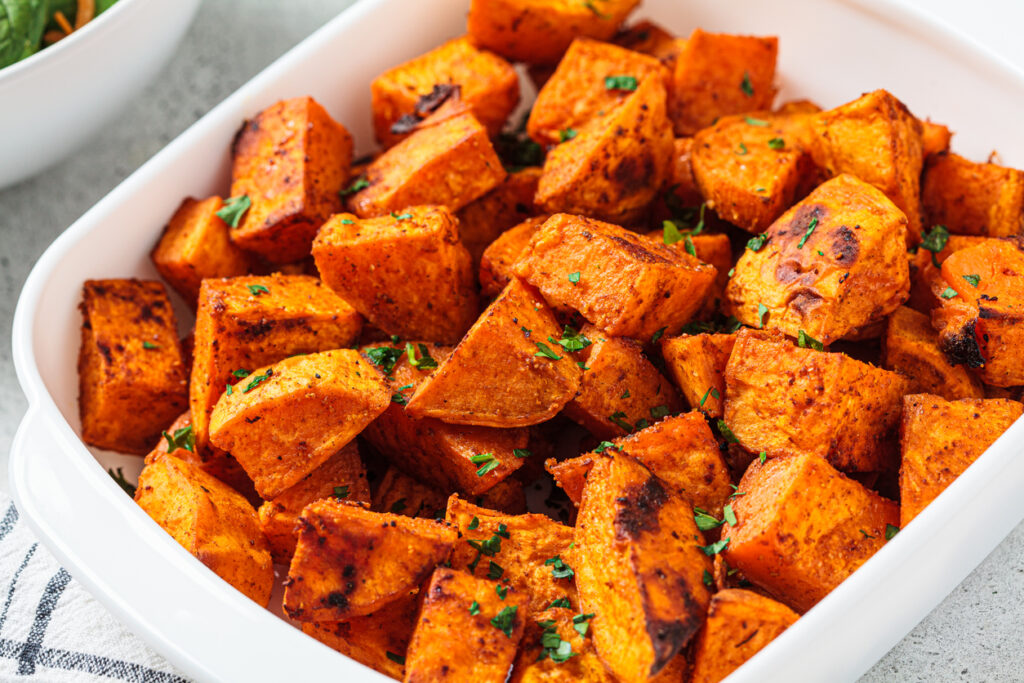
Vegan foods often sound clean and responsible, so they can feel like the safest pick on the shelf. But vegan cookies, chips, and processed meat substitutes can still be high in salt, sugar, oils, and additives. They may be plant based, yet not truly nourishing. Whole plant foods like vegetables, beans, fruits, nuts, and grains usually do the real work. When we look beyond the vegan label and pay attention to ingredients, meals feel more satisfying and natural. It becomes easier to see that healthy eating is less about the label and more about what shows up consistently.
10. Coconut Sugar Is Still Sugar
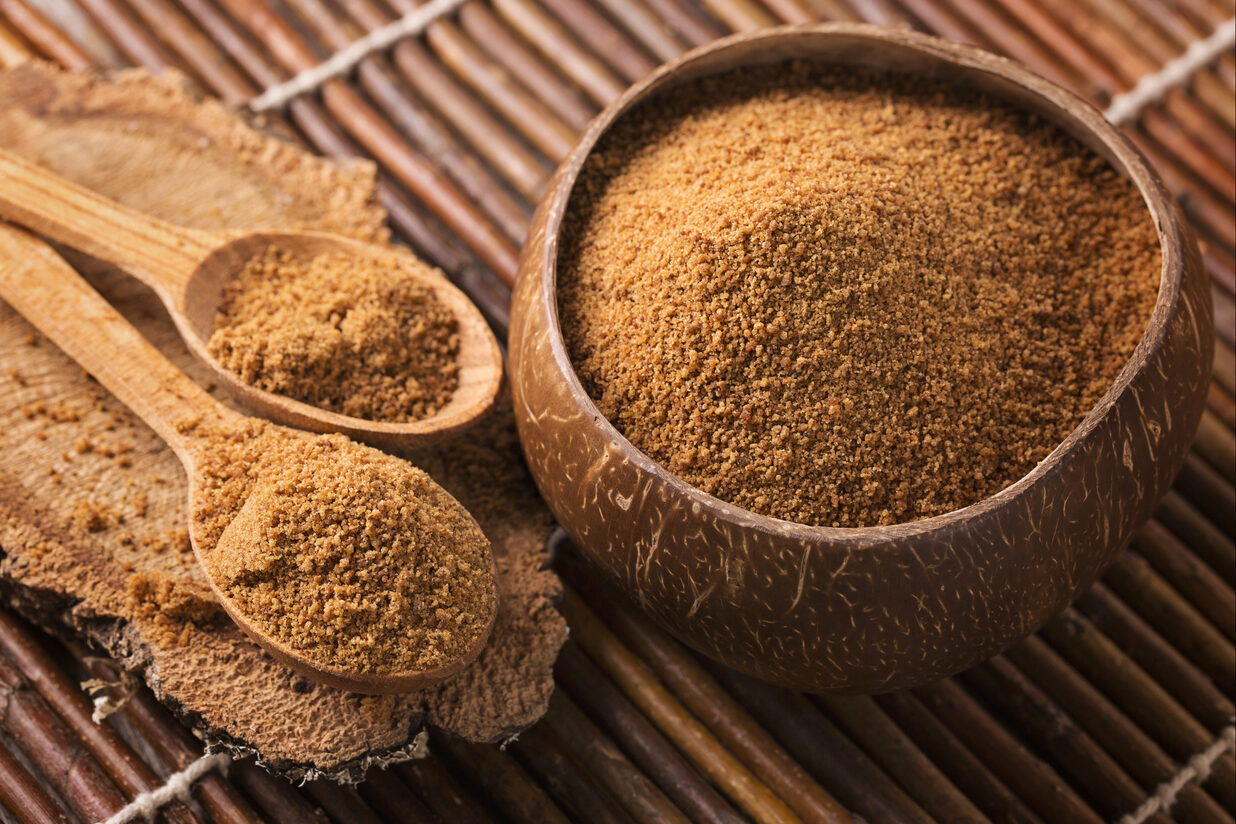
Coconut sugar often seems special, natural, and somehow friendlier than regular sugar. It can taste rich and comforting, but the body still treats it as sugar. Using large amounts can lead to the same issues any sweetener brings, especially when it becomes a daily habit. Keeping portions small and saving sweets for moments that truly matter makes more sense over time. Slowly, our taste buds adjust, and everyday foods begin to feel sweet enough again. It is not about swapping one sugar for another. It is about gently learning to want less and enjoying it more when we do.
11. Multigrain Is Not Always Whole Grain
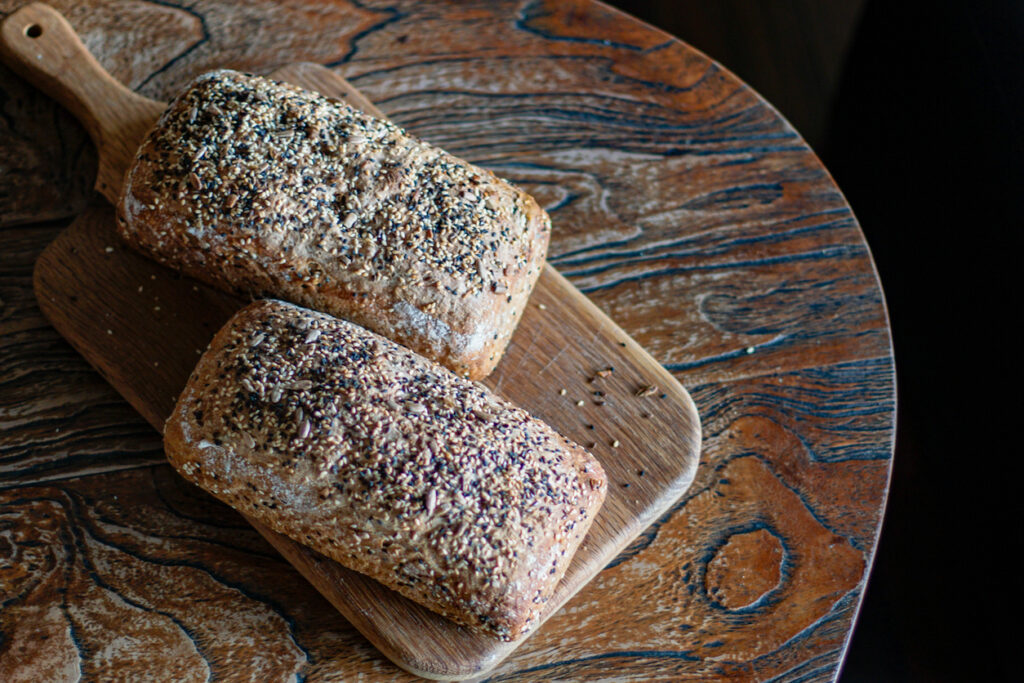
Multigrain sounds strong and wholesome, which makes it easy to trust. But it simply means there are several grains included, not necessarily whole ones. Many products still rely on refined flour that does not keep us full very long. Looking for whole grain as the first ingredient changes the experience completely. The taste becomes deeper, and the fiber helps with steady energy. Once we learn to read labels this way, the grocery store starts feeling less like a guessing game and more like a place where we choose with confidence instead of being guided only by clever wording.
12. Frozen Food Is Not Automatically Bad

Frozen food is often seen as a shortcut that cannot be healthy, but that is not always true. Frozen fruits and vegetables are usually picked at their best and kept fresh through freezing. The trouble comes from frozen meals loaded with sauces, sodium, and extras we do not really need. When we separate the two ideas, frozen becomes a helpful tool. It can save time, reduce waste, and still support balanced meals. Choosing simple frozen ingredients lets us cook easily at home without feeling like we failed because dinner did not come straight from the produce section.
13. Protein Does Not Mean Perfect
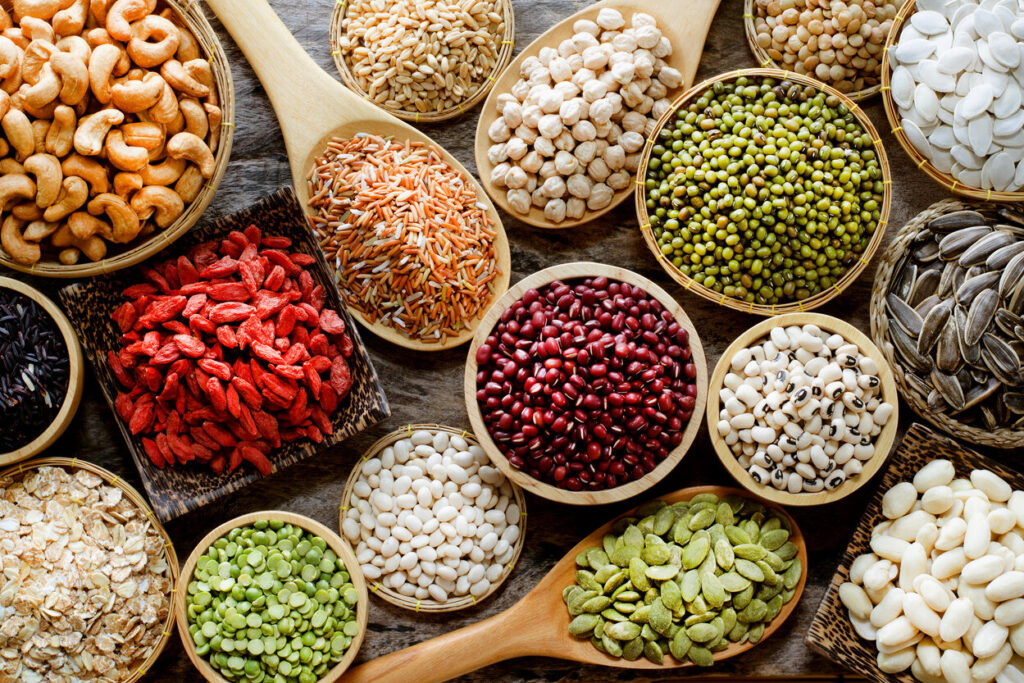
Protein is important, and many people try to get more of it every day. Still, some high protein snacks and powders are filled with sweeteners, fillers, and additives that do not truly support health. Protein alone cannot make an unhealthy food healthy. Balance still matters, and so do fiber, fruits, vegetables, and whole grains. When we get protein from beans, eggs, fish, nuts, tofu, and lean meats, it fits into regular meals naturally. It reminds us that chasing one nutrient without looking at the big picture can lead us right back into the same confusion we were avoiding.
14. Calories Are Not the Only Story
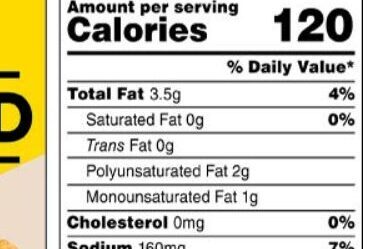
Counting calories can feel organized and safe, like we finally have control. But the body notices more than numbers. Two foods can have the same calories while acting completely differently once we eat them. Whole foods usually fill us longer and support better energy. Ultra processed foods often leave us wanting more. When we think about nourishment, variety, and quality instead of only counting, eating becomes calmer and less stressful. It feels more like taking care of ourselves and less like punishment, which usually leads to steadier habits that actually last through normal busy weeks and seasons.
15. Diet Soda Is Not A Free Pass
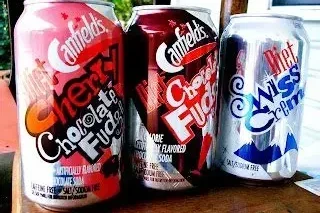
Diet soda looks like a neat solution because it removes sugar and keeps calories low. Still, it can become an everyday habit that slowly replaces water and more nourishing drinks. Some people notice stronger cravings for sweets when they rely on it often. Others simply realize they drink more than they intended. Choosing water, sparkling water, or unsweetened tea more often can gently shift things. It does not have to be all or nothing. Small changes help us pay attention to how we feel instead of assuming anything labeled diet automatically supports long term health or balance.
16. Olive Oil Still Needs Moderation
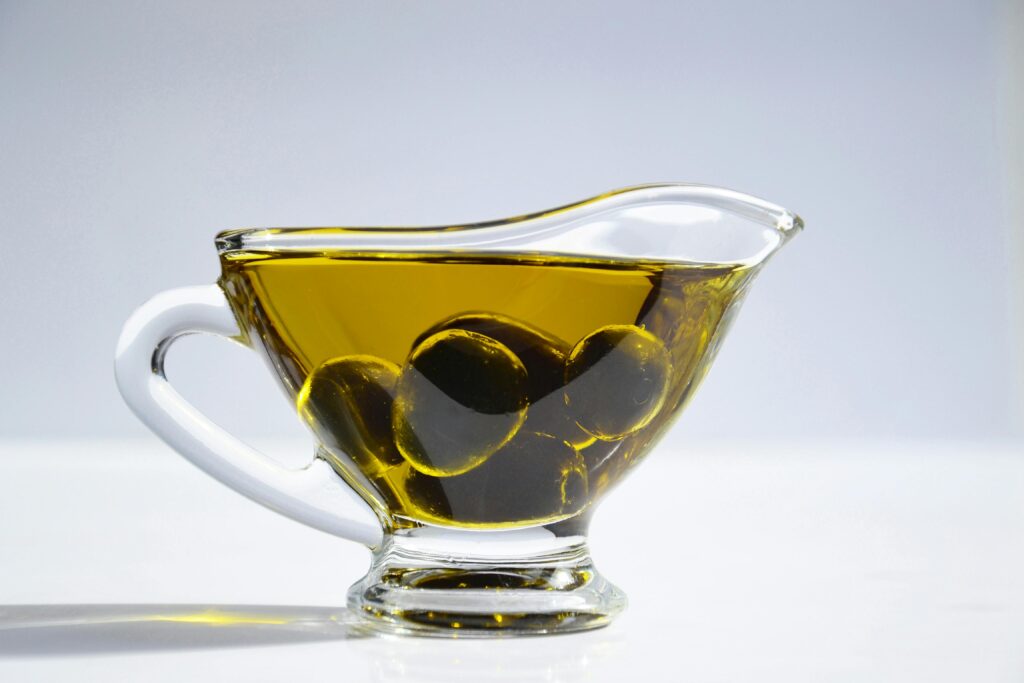
Olive oil is celebrated for heart benefits and beautiful flavor, and it truly can be helpful. But it is still concentrated and easy to overuse when pouring freely. A light drizzle can enhance food without turning it heavy. Using it thoughtfully with vegetables, beans, fish, and grains keeps meals satisfying without going overboard. Instead of fearing it, we simply respect it. That balance makes cooking feel calm. It reminds us that even healthy ingredients can become too much when we forget that portion size still plays a role in how our bodies respond across the day.
17. Organic Does Not Always Mean Better
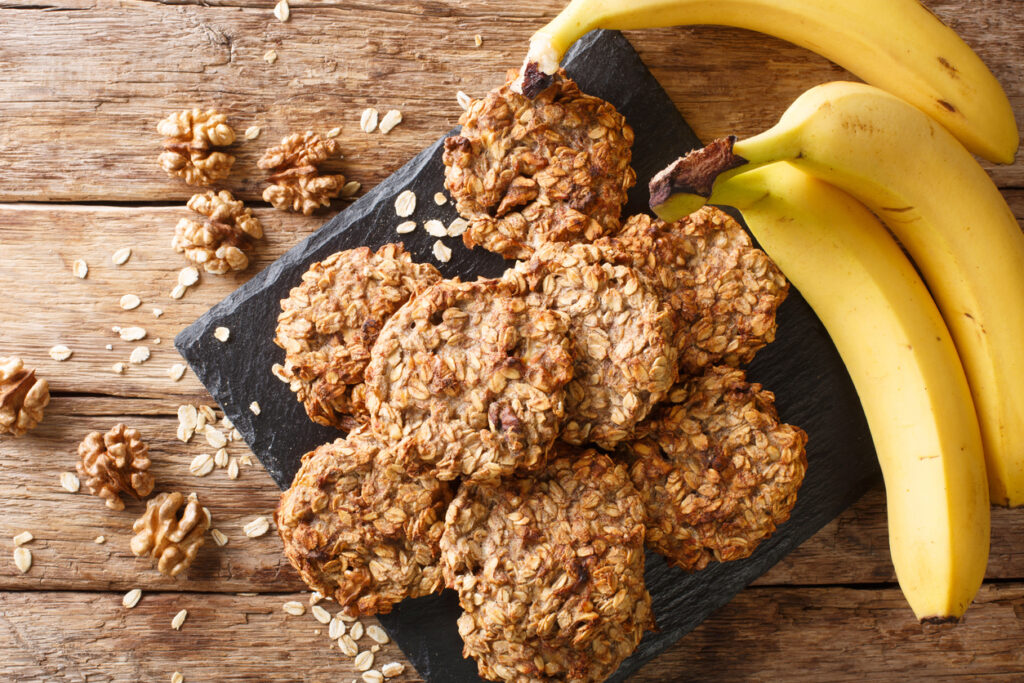
Organic labels feel comforting, and many people like the idea of fewer pesticides. Still, organic cookies, chips, and sweets are not everyday foods just because the label sounds nicer. Organic sugar is still sugar, and organic junk food is still junk food. Fresh produce, whole grains, beans, nuts, and simple meals matter most. Choosing organic when it makes sense can be part of the picture, but it is not the entire answer. When we think less about labels and more about overall patterns, eating becomes clearer and less stressful, which usually leads to healthier choices without forcing anything.
18. Detox Drinks Are Not Magic

Detox drinks sound tempting when we feel bloated, tired, or guilty about what we ate. They promise quick resets and dramatic changes. But the body already has organs designed to handle waste and balance, especially the liver and kidneys. Most detox products only make the bathroom busier or the stomach uncomfortable. Real cleanup looks simple. Water, sleep, fiber, gentle movement, and time do more than expensive bottles. Trusting the process teaches patience. We begin to see that lasting health does not come from quick fixes, but from ordinary daily habits that quietly build strength without pressure.
19. Superfoods Do Not Solve Everything
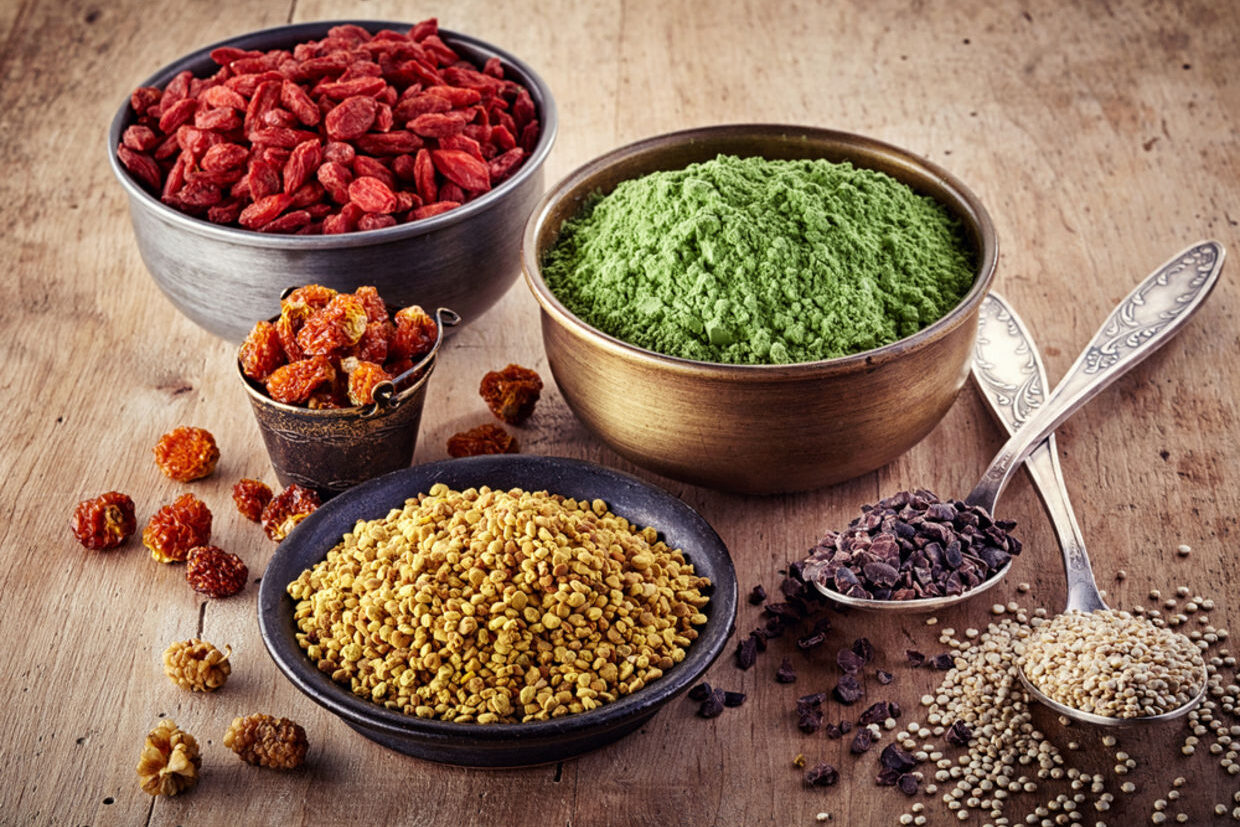
Superfoods get a lot of attention and sometimes feel like magical solutions. Berries, seeds, powders, and exotic ingredients can be fun and supportive, but they cannot fix an overall unbalanced diet on their own. No single food carries the whole answer. Regular meals made of vegetables, beans, grains, fruits, and proteins do most of the work. When superfoods show up, they should join the team instead of pretending to replace everything. This way, food feels less like a trend and more like steady care, which matters more for the long run than any headline or hype ever could.
20. Healthy Labels Do Not Guarantee Health
After exploring these common myths, it becomes clear that healthy sounding labels do not do the work for us. Real health grows from simple food, honest portions, steady routines, and listening to the body over time. Packages can promise a lot, but ingredients, habits, and balance tell the truth. When we slow down and choose with care, eating feels calmer and easier to trust. That quiet shift adds up gently, one meal at a time. If this helped, share it, stay curious, and keep building small choices that last. They slowly shape healthier days for you and those around you.


