
1. Luka Magnotta Identified
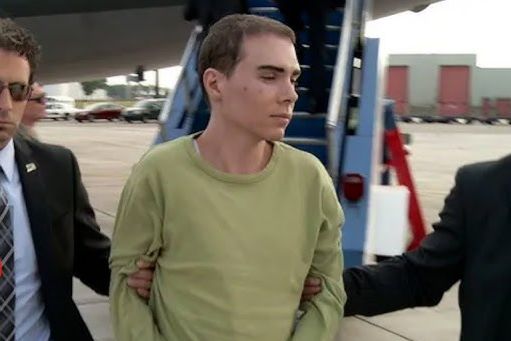
Across true crime forums, social media threads, and dedicated fan groups, crowdsourced curiosity has uncovered clues long before authorities caught up. In 2012, graphic videos posted online led to a global hunt for Luka Magnotta. While Canadian authorities were still assessing the situation, online communities on Facebook and forums began tracking details from the videos, including apartment layouts, vacuum cleaner models, and timestamps. Users linked Magnotta to earlier animal abuse videos and connected his aliases across social platforms. Several of these findings were sent to police before Magnotta fled the country. Although law enforcement ultimately captured him in Berlin, many early leads, later proven accurate, came from civilians who recognized patterns and documented his online trail. The case highlighted how publicly available digital clues can be pieced together quickly by large groups paying close attention.
2. Elisa Lam Elevator Mystery
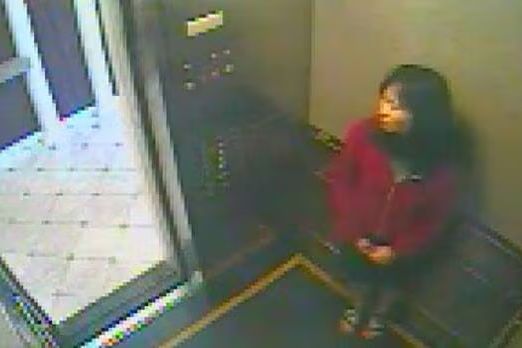
When surveillance footage of Elisa Lam behaving strangely in a hotel elevator was released in 2013, viewers worldwide began analyzing it frame by frame. Online users noticed her hand movements, pauses, and the elevator’s failure to close properly. At the same time, hotel guests reported issues with water pressure and taste. Internet discussions quickly focused on the hotel’s rooftop water tanks as a possible explanation. Days later, Lam’s body was found in one of those tanks. While authorities confirmed the findings, online communities had already narrowed the likely location by connecting public complaints with building layouts and maintenance access.
3. Boston Marathon Suspects
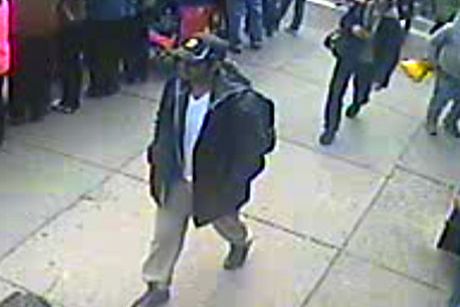
After the 2013 Boston Marathon bombing, online communities rapidly examined thousands of publicly shared images. Reddit users and amateur analysts compared backpacks, clothing, and movement patterns in crowd photos. While the crowdsourced effort did surface details that aligned with later official findings, it also led to wrongful accusations that harmed innocent people. Authorities eventually identified the Tsarnaev brothers using surveillance footage and forensic evidence. The incident became a cautionary example of both the speed and danger of public investigations, showing that while fans can analyze data quickly, accuracy and restraint are essential.
4. Sherri Papini Hoax
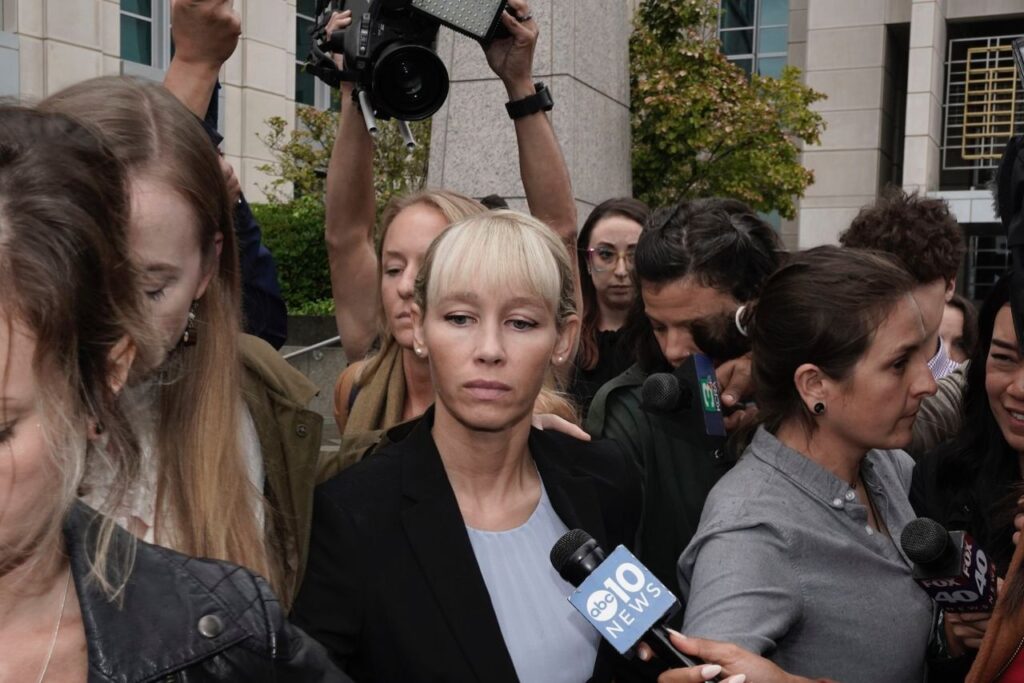
When Sherri Papini claimed she had been abducted in 2016, online observers quickly noticed inconsistencies. Internet forums questioned the lack of witnesses, the vague descriptions of captors, and unusual details about her reappearance. Amateur sleuths also flagged past blog posts and relationship connections that did not align with her account. For years, these doubts circulated online while the case remained unresolved. In 2022, Papini admitted she had staged the kidnapping. The resolution confirmed many long-held public suspicions and demonstrated how collective memory can preserve unanswered questions until official evidence finally catches up.
5. Flight MH370 Clues

After Malaysia Airlines Flight MH370 disappeared in 2014, aviation enthusiasts and engineers began studying satellite data released by Inmarsat. Independent analysts explained how signal “handshakes” could estimate the aircraft’s path long before governments publicly agreed on search zones. Online forums shared fuel calculations, speed estimates, and drift models that later matched official conclusions pointing toward the southern Indian Ocean. Although the plane has never been found, civilian analysis helped shape public understanding of the tragedy and influenced how authorities communicated technical findings to the world.
6. The Golden State Killer
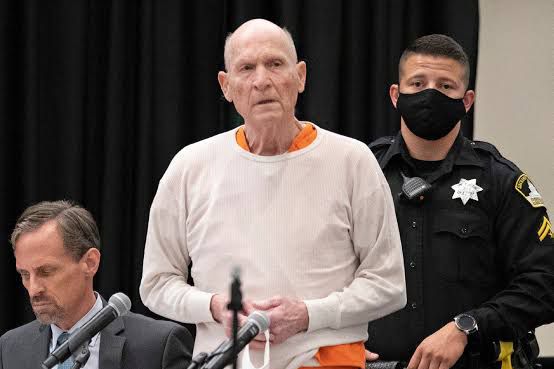
For years, true-crime fans documented similarities between a string of California assaults and murders previously treated as separate cases. Online forums preserved police reports, compared timelines, and mapped locations, reinforcing the idea that a single offender was responsible. This civilian consensus predated law enforcement’s official unification of the crimes under the Golden State Killer name. When Joseph James DeAngelo was arrested in 2018 using genetic genealogy, it confirmed what many amateurs had long suspected. Their persistence helped keep the case visible and encouraged renewed investigative focus decades after the crimes began.
7. Cicada 3301 Tracked

Beginning in 2012, cryptic messages signed “Cicada 3301” appeared online, claiming to recruit intelligent individuals. Fans of cryptography and puzzle-solving quickly formed global collaborations. They decoded hidden messages, tracked physical posters placed in public spaces, and uncovered layers involving classical texts and encryption techniques. Each stage was solved by volunteers sharing discoveries online, often within hours. Although Cicada 3301’s creators were never officially identified, the speed and depth of fan-led analysis turned the mystery into a landmark example of large-scale collaborative problem-solving.
8. The Toynbee Tiles
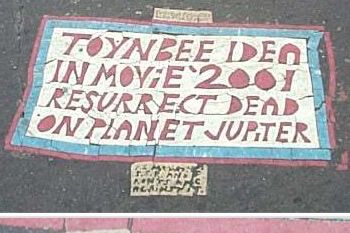
Strange asphalt messages known as Toynbee Tiles appeared in cities across North America for decades. Fans and urban explorers documented their locations, photographed designs, and researched the repeated phrases referencing resurrection and space travel. Long before major media coverage, online investigators traced the tiles to a reclusive Philadelphia man by linking tile content to old radio broadcasts and addresses. While the mystery was never formally closed by authorities, fan research provided a widely accepted explanation rooted in evidence rather than speculation.
9. Geocachers Find Evidence
In several documented cases, geocachers, people using GPS to find hidden containers, have stumbled upon human remains or crime-related evidence while searching remote locations. Online geocaching communities often emphasize safety and immediate reporting, but their discoveries have helped authorities locate missing persons and reopen investigations. These finds were not the result of deliberate investigation, but of hobbyists covering ground that police searches sometimes missed. The cases highlight how everyday activities, when combined with responsible action, can unexpectedly contribute to solving real mysteries.
10. Lost Doctor Who Episode

Fans of Doctor Who played a crucial role in locating missing episodes from the show’s early years. Long before the BBC confirmed recoveries, collectors and historians tracked film canisters across private collections, foreign broadcasters, and forgotten archives. Online forums shared rumors, catalog numbers, and shipping records that hinted at where lost material might be hiding. Several episodes were eventually returned after fans made contact with individuals who didn’t realize what they possessed. The recoveries proved how deep fan knowledge and dedication can help preserve cultural history that institutions themselves once lost track of.
11. Boy in the Box
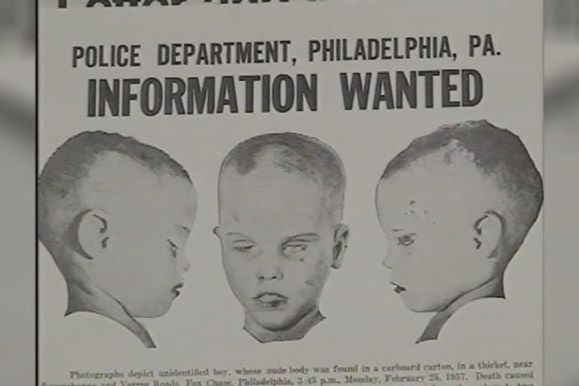
For decades, the “Boy in the Box” was one of America’s most haunting unidentified child cases. In 1957, a young boy was found deceased in a cardboard box in Philadelphia, and despite massive public attention, police could not identify him. Over the years, amateur researchers, journalists, and genealogists kept the case alive, compiling records and pushing for modern testing. In 2022, advances in genetic genealogy, championed by civilian experts working alongside authorities, finally revealed his identity as Joseph Augustus Zarelli. While law enforcement made the formal announcement, it was the sustained interest and groundwork laid by non-official researchers that ensured the case was never forgotten and eventually solved.
12. Tent Girl Identified
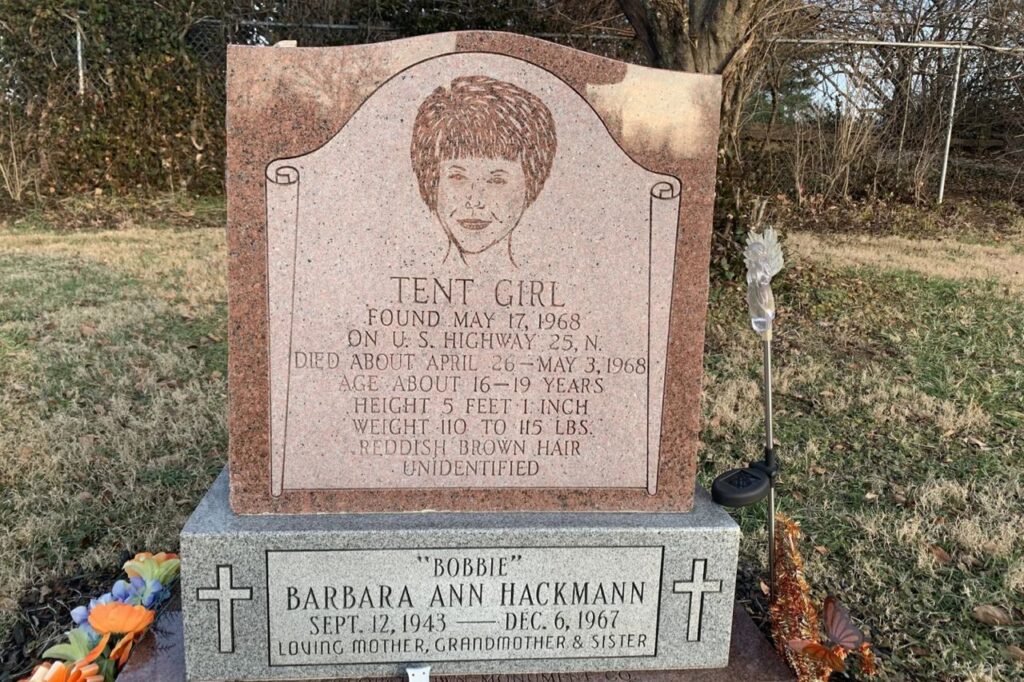
In 1968, the body of a young woman was discovered near a Kentucky highway, wrapped in a canvas tent. She was buried as “Tent Girl,” unidentified for three decades. In the late 1990s, an amateur investigator named Todd Matthews became determined to identify her. Using early online databases, missing-person reports, and direct outreach to families, he made a connection that authorities had missed. In 1998, police confirmed the woman was Barbara Ann Hackmann Taylor, a mother whose family had long wondered what happened to her. The case became a landmark example of how civilian persistence and emerging online tools could succeed where traditional methods had stalled.
13. Strongsville Jane Doe as Linda Pagano

Strongsville Jane Doe was found in Ohio in 1975, but the case quietly faded from public view. Years later, a college student researching historical cases noticed inconsistencies in archived records and alerted volunteer networks. Amateur sleuths helped re-enter the case into national databases, pushing for DNA analysis. In 2018, authorities confirmed the remains belonged to Linda Pagano, a missing woman whose case had slipped through bureaucratic cracks. While law enforcement completed the forensic work, it was outside attention, sparked by a civilian researcher, that revived the case and led to its resolution decades later.
14. Grateful Doe Named

In 1995, a man died after a car crash in Virginia with no identification, only Grateful Dead concert tickets in his pocket. Fans dubbed him the “Grateful Doe.” Over the years, online communities tracked missing persons, shared reconstructions, and cross-referenced concert dates. Their efforts kept the case active long enough for DNA testing to be pursued. In 2015, he was identified as Jason Callahan. His family had been searching for him for nearly twenty years. The case showed how fan communities, especially music subcultures, can preserve attention and help guide cold cases toward modern solutions.
15. “Celebrity Number Six” Fabric Solved

A mysterious face printed on decorative fabric puzzled the internet for years under the nickname “Celebrity Number Six.” Online fans analyzed the image’s era, hairstyle, lighting, and fashion clues, ruling out famous actors one by one. Eventually, users traced the fabric to a European retailer catalog and matched the image to a fashion model whose photograph had been used without public credit. The model later confirmed her identity, ending years of speculation. The mystery wasn’t criminal, but it demonstrated how collective attention and archival digging can solve even the most obscure cultural puzzles.
16. Abraham Shakespeare’s Disappearance
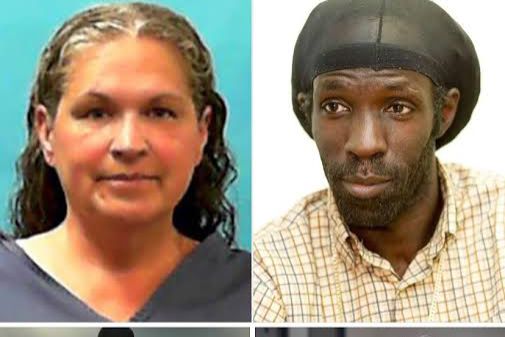
When lottery winner Abraham Shakespeare vanished in Florida in 2009, online communities quickly noticed troubling inconsistencies in the explanations offered by those close to him. Amateur sleuths examined public records, property transfers, and media interviews, questioning why a wealthy man had seemingly disappeared without a trace. Their sustained attention helped keep the case visible as law enforcement continued investigating. In 2012, Dorice “Dee Dee” Moore was convicted of Shakespeare’s murder. While police built the case, public scrutiny ensured it never quietly faded, showing how community attention can reinforce accountability in high-profile disappearances.
17. Somerton Man Identified
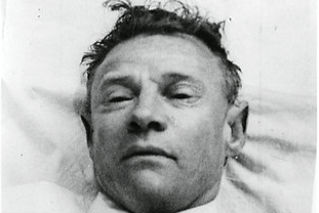
The Somerton Man was found dead on an Australian beach in 1948 with no identification and a cryptic note reading “Tamám Shud.” For decades, fans, historians, and amateur researchers studied the case, exchanging theories and preserving records. In 2022, a university researcher working with a forensic genealogist used DNA and public family trees to identify him as Carl “Charles” Webb. While authorities cautiously reviewed the findings, the breakthrough came from academic and civilian research rather than police investigation alone. The case stands as a rare example of science and citizen curiosity solving a 70-year mystery.
18. DNA Doe Project Successes
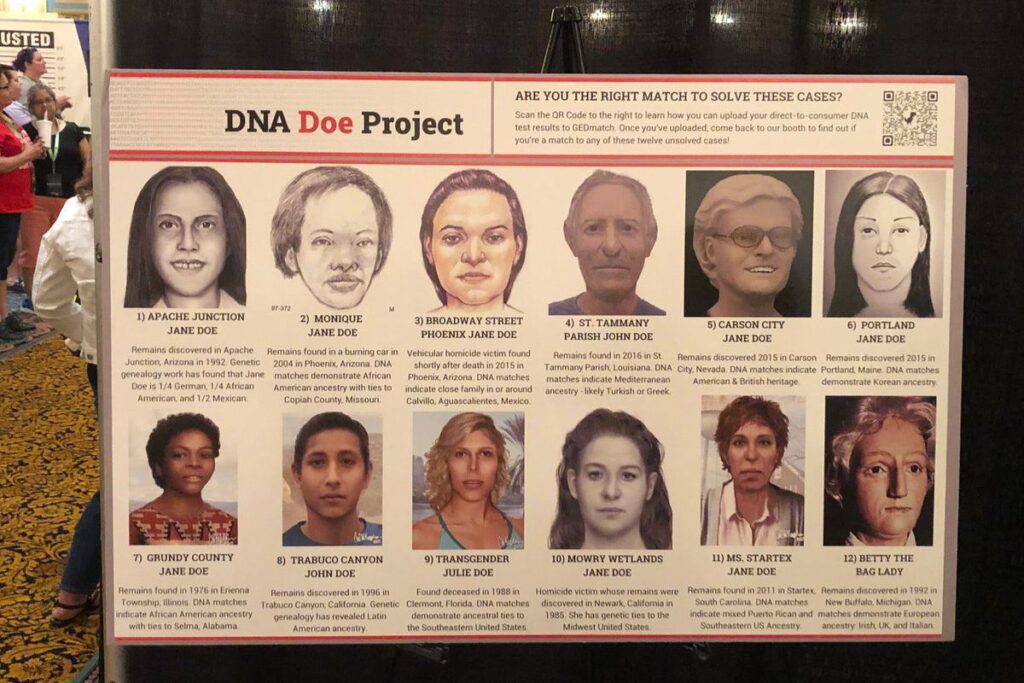
The DNA Doe Project is a volunteer-driven initiative that has helped identify dozens of previously unnamed victims across the United States. Using investigative genetic genealogy, civilian experts build family trees from distant DNA matches and work alongside law enforcement to confirm identities. Many of these cases had been cold for decades. Families finally received answers because non-government volunteers donated time, expertise, and emotional labor. While police make official confirmations, the groundwork is often done by ordinary people with specialized skills and a commitment to restoring names to the forgotten.
19. Podcast Listeners Crack Cold Cases
True-crime podcasts have transformed passive listening into active participation. In multiple cases, listeners have uncovered overlooked details, submitted tips, or encouraged DNA uploads that later proved critical. Shows such as The Murder Squad have directly credited listeners with helping reopen cases and identify suspects. While hosts coordinate responsibly with law enforcement, it is often ordinary listeners, teachers, nurses, students, who notice something small but important. These moments show how organized audiences, when guided ethically, can help move real investigations forward.
20. Gabby Petito Timeline

When Gabby Petito disappeared in 2021, internet users quickly began reconstructing her final movements using social media posts, YouTube videos, and public sightings. Viewers noticed inconsistencies in Instagram captions and pinpointed locations from background details. One couple reviewing their own road-trip footage realized they had unknowingly filmed Petito’s van parked near where her body was later found in Wyoming. That tip was reported to authorities and helped narrow the search area. While law enforcement conducted the official investigation, public attention and digital sleuthing significantly accelerated the timeline and demonstrated how shared media can become crucial evidence in modern missing-person cases.
21. Night Stalker Pattern Spotted

Before police publicly connected a wave of violent crimes across California in the mid-1980s, residents and amateur crime watchers noticed similarities in attack methods, locations, and timing. Neighborhood groups and newspaper readers began warning one another that the crimes appeared linked. These public observations mirrored later law enforcement conclusions that a single offender, Richard Ramirez was responsible. Community awareness led to heightened vigilance, and in 1985, civilians famously helped capture Ramirez after recognizing him from widely circulated images. The case showed how pattern recognition by ordinary people can play a role in identifying serial offenders.
22. Zodiac Cipher Solved
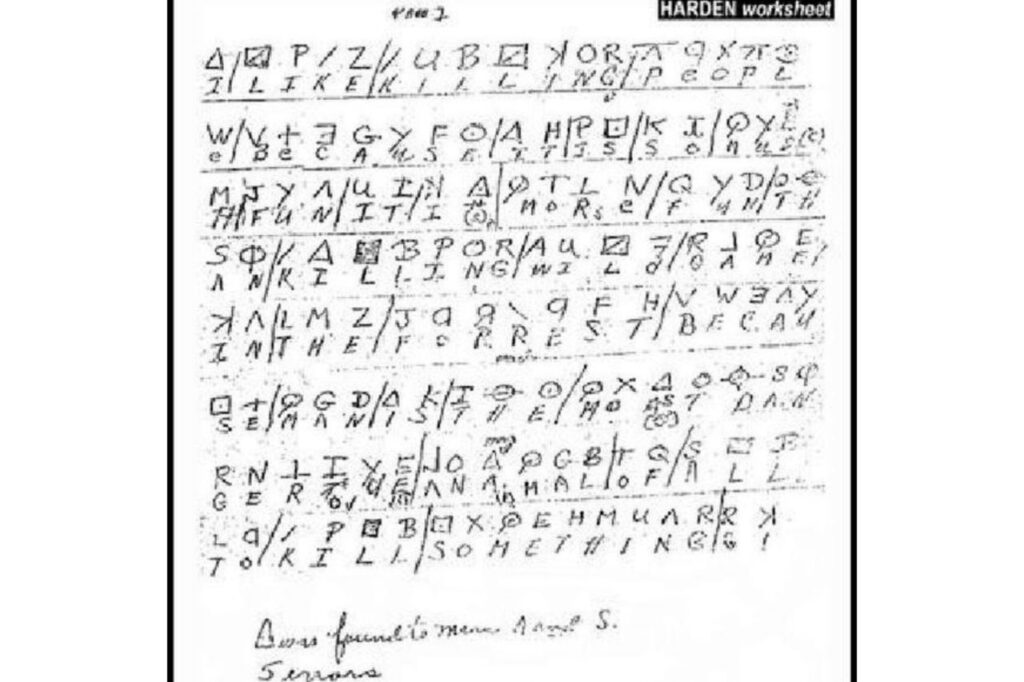
For more than 50 years, one of the Zodiac Killer’s encrypted messages remained unsolved. In 2020, a team of civilian codebreakers from different countries cracked the “340 Cipher” using software, logic, and collaborative problem-solving. Their solution was later verified by the FBI. Although it did not reveal the killer’s identity, it confirmed that modern fans and hobbyists could solve puzzles that had challenged authorities for decades. The breakthrough underscored how open collaboration and fresh perspectives can advance stalled investigations without replacing official work.
23. Yacht Murder Tracked Online

When a man returned alone from a fishing trip claiming his yacht sank and his mother was lost at sea, online observers immediately raised questions. Internet users analyzed inconsistencies in his statements, mechanical details about the boat, and his past family disputes. Years before prosecutors formally charged Nathan Carman, forums had already identified many of the same red flags later cited by investigators. Although legal proceedings took time, public analysis helped keep scrutiny on a case that might otherwise have faded from attention.
24. Brian Shaffer Vanishing
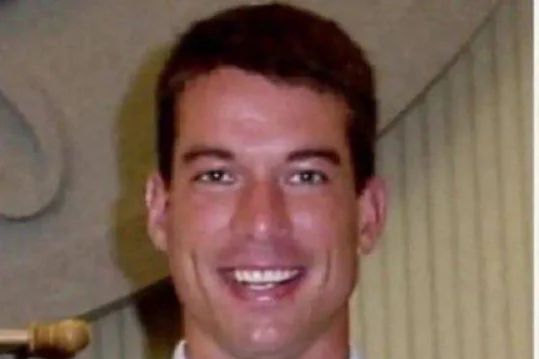
Brian Shaffer disappeared after a night out in 2006, and surveillance footage appeared to show him entering a bar but never leaving. Fans and amateur investigators poured over the video, building floor maps and analyzing exits. Online discussions highlighted blind spots and alternate routes that police later acknowledged as possible explanations. While the case remains unsolved, public analysis corrected early assumptions and clarified what the footage did—and did not—prove. The case remains one of the most discussed disappearances online due to continued civilian interest.
25. Reddit Tracks Serial Arsonist
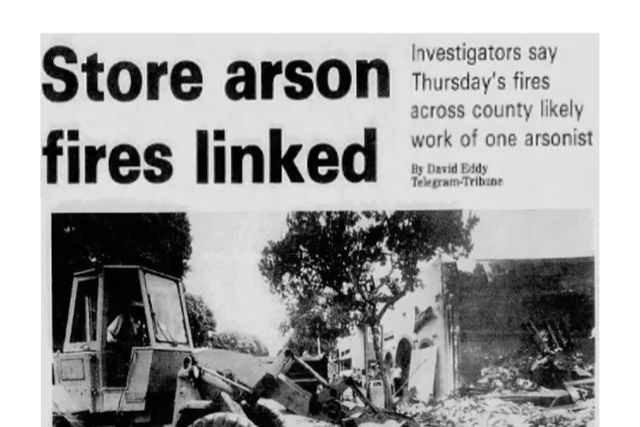
In several U.S. cities, residents used Reddit and neighborhood forums to document repeated suspicious fires. By sharing times, locations, and patterns, users identified likely hotspots and behaviors consistent with serial arson. In at least one well-documented case, the shared information aligned with police findings and helped narrow suspect searches. While authorities handled arrests, the crowdsourced mapping gave investigators clearer insight into escalation patterns. These cases showed how local online communities can responsibly supplement public safety awareness.
26. Missing Flight Crew Identified

Long before modern expeditions, aviation fans and historians proposed that Amelia Earhart and her navigator may have landed on Nikumaroro Island after vanishing in 1937. Civilian researchers compiled radio logs, survivor accounts, and artifact discoveries that challenged earlier crash-at-sea theories. While the mystery remains officially unresolved, many ideas now explored by research groups originated from non-government investigators. The case illustrates how fan-led scholarship can reshape long-standing historical assumptions.
27. Craigslist Killer Exposed

When a string of crimes involving Craigslist ads occurred in 2009, online users quickly noticed similarities in contact methods and victim profiles. Amateur sleuths connected the incidents publicly before authorities confirmed they were linked. Shortly after, Philip Markoff was arrested. While police work led to the capture, early public pattern recognition helped frame the crimes as connected rather than isolated events. The case emphasized how shared digital platforms can leave behavioral trails that ordinary users can spot quickly.
28. College Student Identified

For decades, Walker County Jane Doe remained unidentified despite forensic sketches. Online forums revisited the case, comparing reconstructions to missing-person photos and advocating for DNA testing. When genetic genealogy was finally used, it confirmed the victim’s identity and validated years of civilian speculation. The identification brought long-awaited closure to surviving relatives and highlighted how public pressure and volunteer advocacy can help move stalled cases toward resolution.
29. Plane Crash Found by Locals
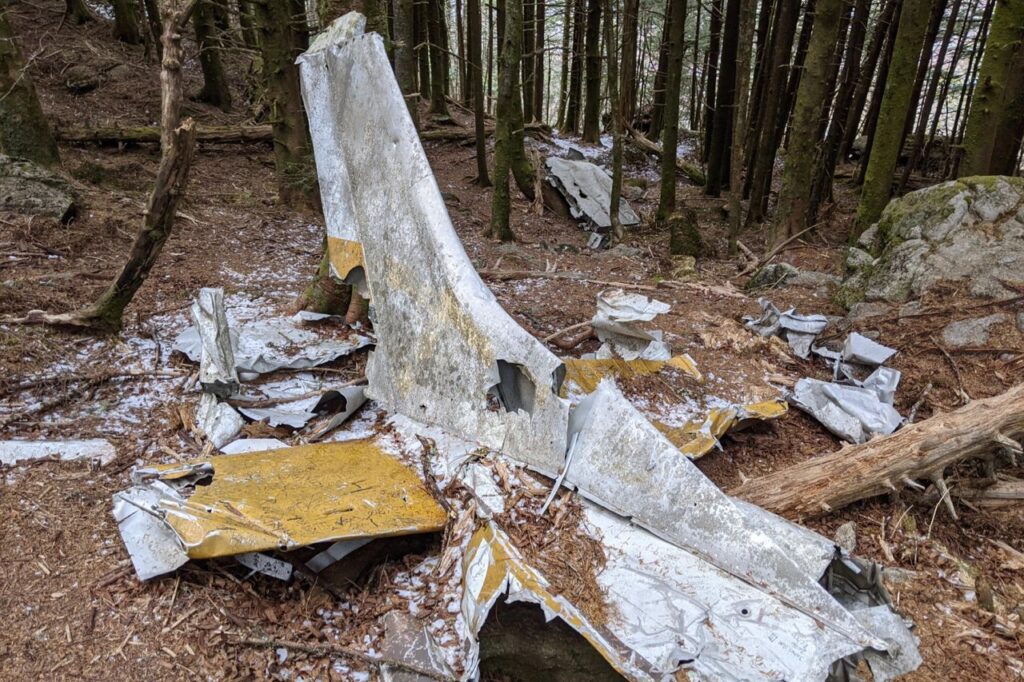
In several aviation incidents, local residents and outdoor enthusiasts have located missing aircraft before official search teams. Familiarity with terrain, weather patterns, and flight paths allowed civilians to spot wreckage in remote regions. In Alaska and mountainous areas, these discoveries have repeatedly shortened search times and brought answers to families sooner. While authorities conduct formal recoveries, local knowledge has often been the decisive factor in locating missing planes.
30. Kristin Smart Case Reopened

Kristin Smart disappeared in 1996 after attending a college party in California, and for decades the case went unresolved despite a clear primary suspect. Years later, a civilian-created true-crime podcast, Your Own Backyard, carefully reexamined the evidence using interviews, court records, and public documents. The host avoided speculation and presented inconsistencies that longtime listeners began discussing widely online. The renewed public attention led to new witnesses coming forward and encouraged authorities to re-evaluate physical evidence. In 2021, Paul Flores was arrested, and in 2022 he was convicted of Smart’s murder. While law enforcement made the arrest, the breakthrough momentum came after years of sustained civilian research and public pressure that kept the case from being forgotten.
31. Parkland Shooter Clues
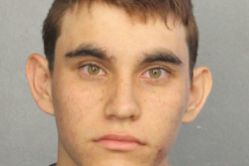
Before the 2018 Parkland school shooting, online users had repeatedly flagged disturbing social media posts made by Nikolas Cruz. YouTube commenters, classmates, and concerned civilians reported violent threats and alarming behavior to platforms and authorities. These warnings, later confirmed by investigators, showed that the danger signals were visible to the public long before the attack occurred. While the tragedy was not prevented, the case highlighted how online communities often identify serious risks early—sometimes faster than institutions can act.
32. Reddit Finds Hit-and-Run
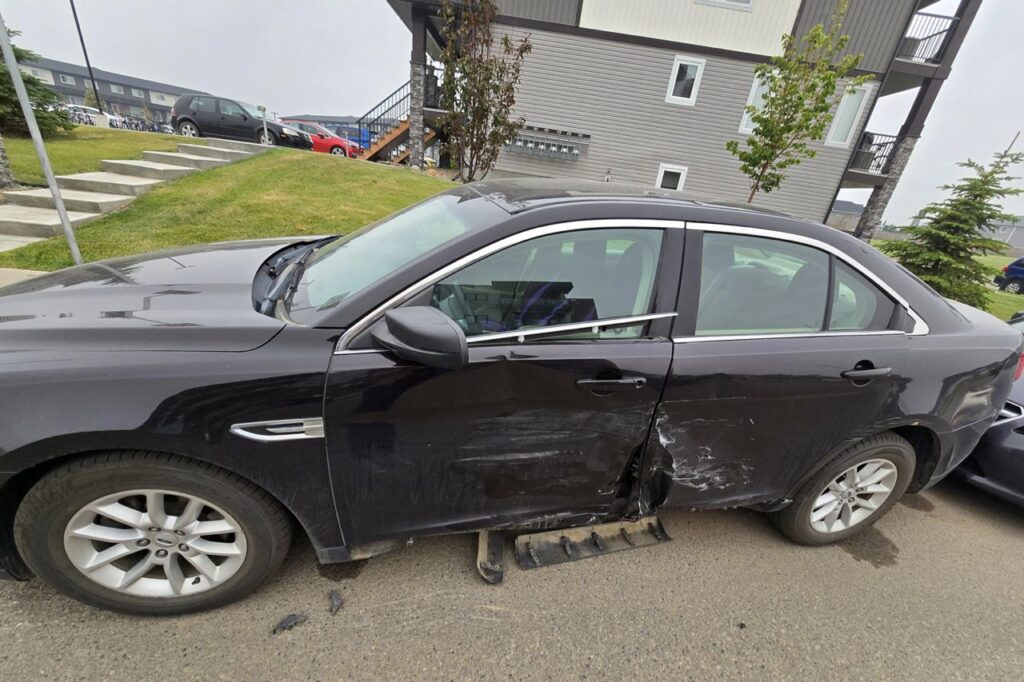
In multiple hit-and-run cases, Reddit users have helped identify suspect vehicles by analyzing debris left at crash scenes. In one widely reported incident, users examined photos of a broken side mirror and vehicle fragments, narrowing the make and model within hours. Their findings matched police conclusions and helped investigators locate the car involved. These efforts relied on crowdsourced automotive knowledge rather than speculation, showing how technical expertise within online communities can assist real investigations when evidence is shared responsibly.
33. Cold Case Weapon Linked

Firearms enthusiasts on online forums have, in several cases, identified rare or distinctive weapons used in unsolved crimes after police released photos or descriptions. By recognizing unique markings or manufacturing details, hobbyists helped narrow down possible weapon types years before official confirmation. In at least one cold case, this civilian insight prompted renewed testing and ultimately aligned with law enforcement findings. The cases demonstrated how specialized hobby knowledge can provide valuable context when investigators seek public assistance.
34. Missing Hiker Spotted
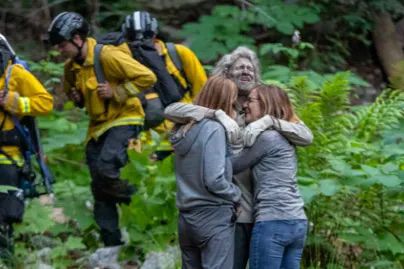
In several missing hiker cases, online users reviewing shared vacation photos noticed individuals in the background who matched descriptions of missing persons. These discoveries were reported to park authorities and search teams, helping refine timelines and last-known locations. In at least one instance, the sighting was identified days before officials reached the same conclusion through other means. The cases showed how shared digital images can contain overlooked details that become crucial when examined collectively.
35. Social Media Alibi Debunked

In modern investigations, online users have exposed false alibis by analyzing timestamps, metadata, and deleted posts. In multiple criminal cases, fans noticed that social media uploads contradicted suspects’ claims about their whereabouts. These inconsistencies were later confirmed by authorities using forensic tools. While police conduct formal verification, public scrutiny has repeatedly identified problems in alibis early, reinforcing how digital footprints can quietly undermine false narratives.
36. Unidentified Victim Named
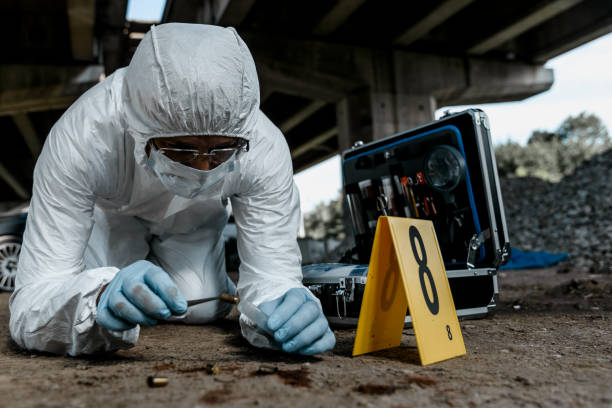
Online comparisons between forensic reconstructions and missing-person photos have led to successful identifications long before official announcements. In several cases, volunteers noticed striking similarities and alerted investigators, prompting DNA testing that confirmed identities. Families who had searched for answers for decades finally received confirmation. These outcomes underline how careful, respectful observation by civilians can help restore names and histories to unidentified victims.
37. Historic Photo Decoded
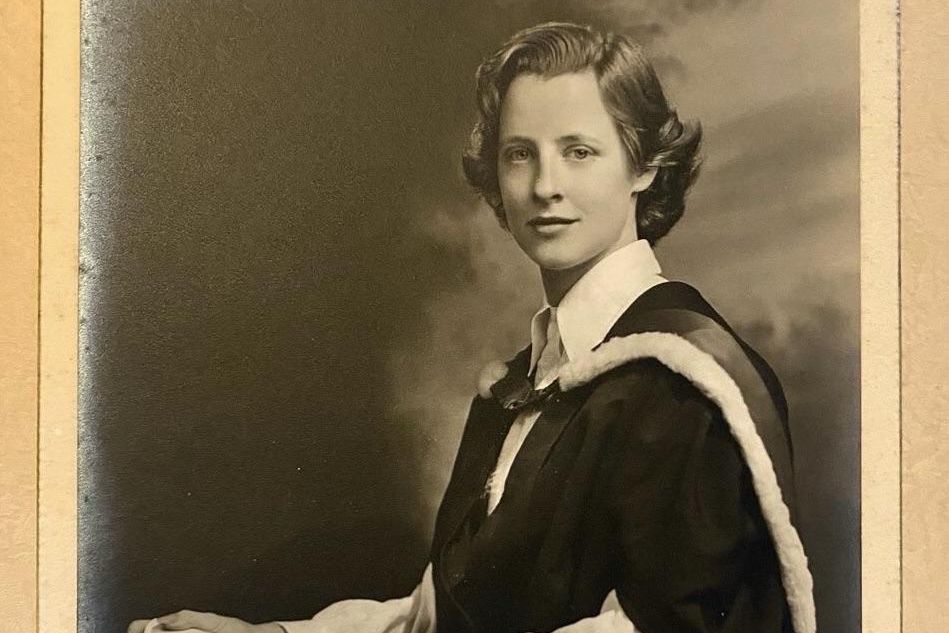
History enthusiasts have solved mysteries involving unidentified photographs by analyzing architecture, clothing styles, signage, and geography. In one widely shared case, online users identified the exact location and date of a long-misunderstood image within hours of it being posted. Their conclusions were later verified by historians. While not criminal cases, these moments show how collective research can uncover truths faster than formal archival work alone.


