
How People Found Their Way Without A Screen Telling Them What To Do
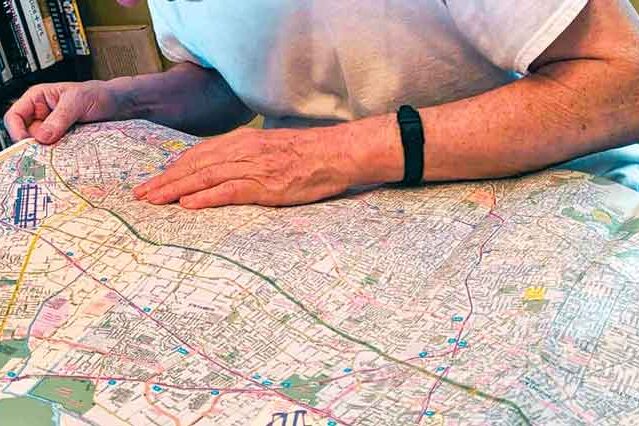
There was a time when getting somewhere meant paying attention instead of tapping a screen. No calm voice counting down the meters, no blinking blue dot, just a road ahead and a bit of guesswork mixed with confidence. People studied maps at the kitchen table, asked strangers for help without hesitation, and learned to notice small details like the bend after the bridge or the shop with the red roof. Travel felt slower, sometimes messier, but also more memorable because you were part of the journey, not just following instructions. Long before navigation apps quietly took control, everyday travelers relied on simple tools, local knowledge, and their own sense of direction. Here are the real, practical ways people actually found their way before a screen started telling them what to do.
1. The Glove Compartment Road Map
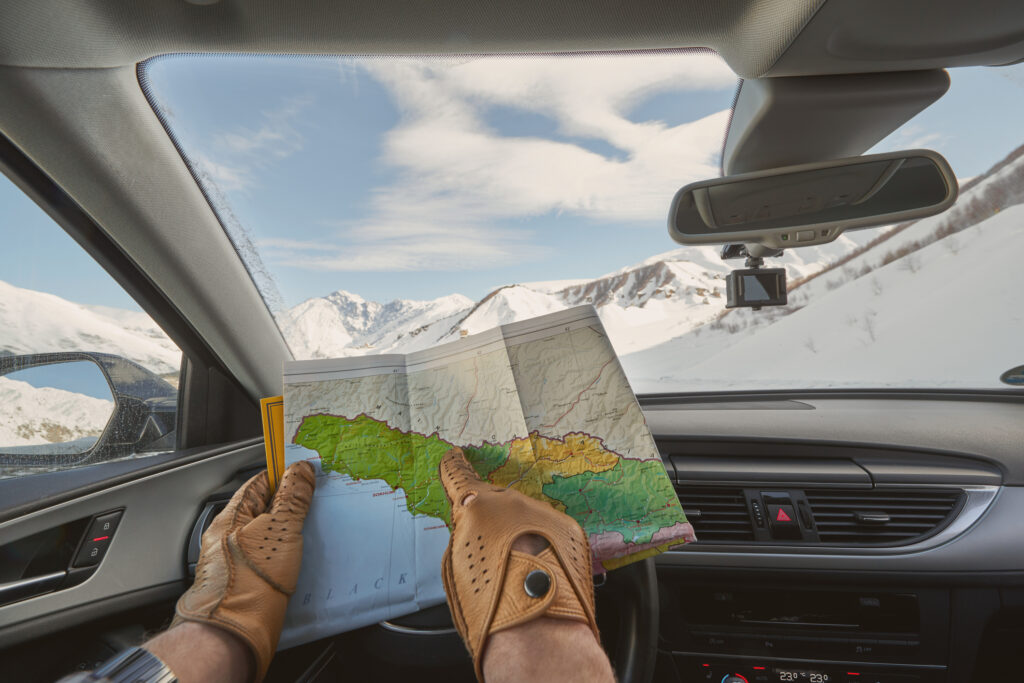
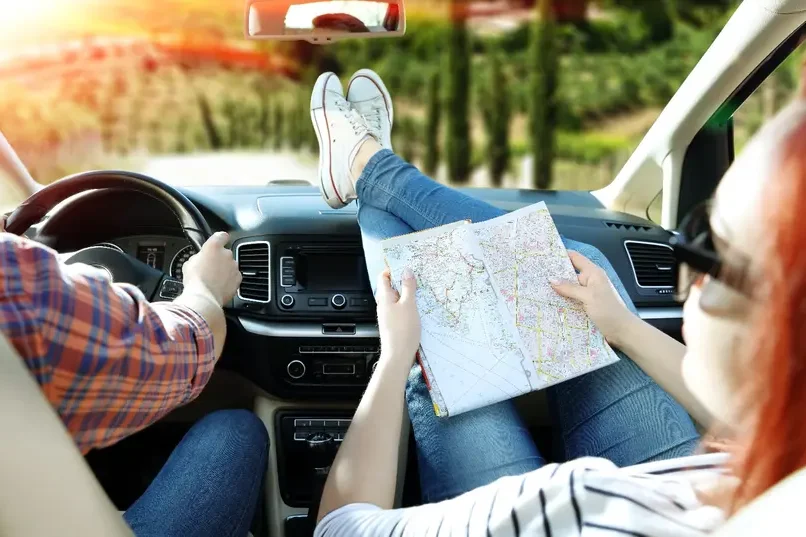
Before phones quietly took over navigation, almost every car had a folded road map tucked into the glove compartment, already worn soft from past trips and never folded back quite right. Long journeys often began with someone spreading the map wide across their lap while the driver asked if the highway ahead matched the printed line. Town names, river curves, and junction numbers became the clues that helped travelers feel steady. Planning the route together created a small shared moment before the engine even warmed up, and once the road outside finally matched the map on paper, everyone relaxed a little. That slow matching process made travel feel thoughtful rather than rushed and somehow more dependable.
During the drive, the map stayed half open between seats, ready for quick checks whenever a sign looked unfamiliar or a road forked unexpectedly. Pulling over to confirm the path was normal and never embarrassing because everyone did it. The map did not talk back or recalculate, so understanding it meant trusting your own eyes and judgment. Many people still remember that quiet pride when the printed route carried them safely all the way to the destination without confusion, and the folded map slipped back into the glove box like a job well done.
2. Pulling Over To Ask Someone Nearby
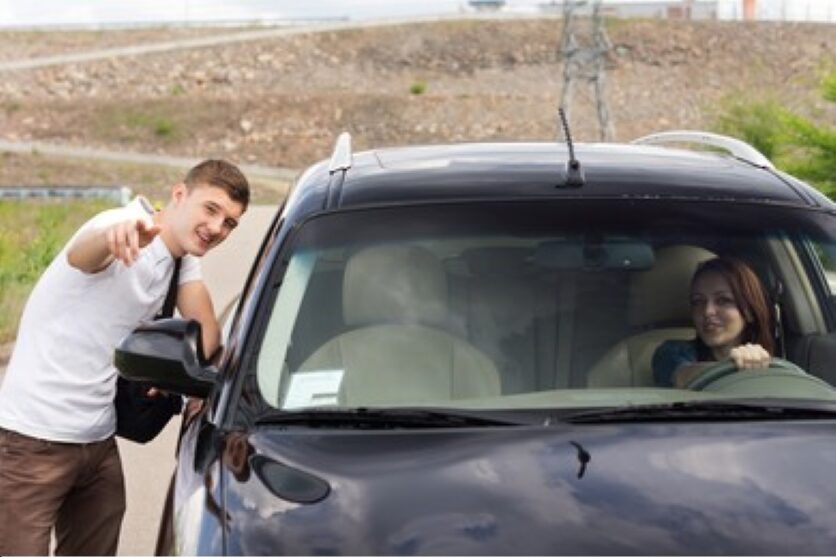
Stopping to ask for directions used to feel like a normal part of travel rather than a last resort. Drivers pulled into fuel stations, small shops, or roadside stalls and simply asked whoever seemed friendly enough. The answers rarely sounded neat or perfectly ordered. Instead, they came as lived descriptions filled with everyday markers like the noisy workshop, the mango tree, or the church with the bright roof. You listened carefully, nodded politely, and repeated the steps in your head while walking back to the car, hoping the important parts stayed clear once you started moving again.
Once inside the vehicle, someone usually repeated the instructions aloud while the driver rolled forward slowly, trying to match each spoken detail with the real road ahead. Sometimes the directions worked perfectly and sometimes they required another stop a few minutes later. Still, those brief human exchanges made the journey warmer and less lonely. Travel felt shared, as if the whole town quietly helped guide you forward, and that small kindness often stayed in memory long after the trip itself ended.
3. Handwritten Directions From A Friend
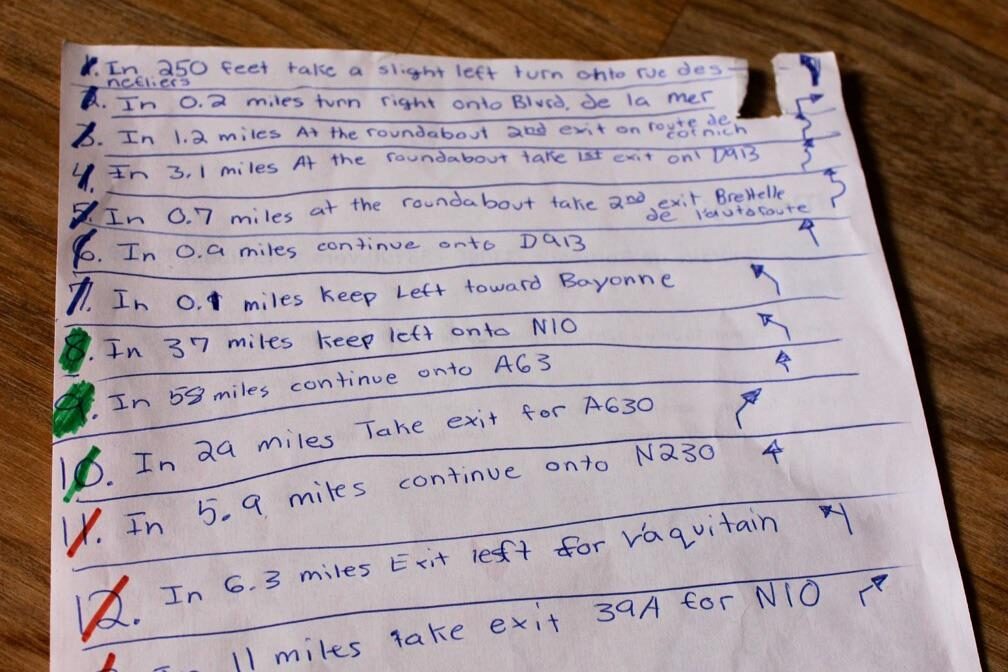
Visiting someone’s home often meant sitting with a pen while they dictated directions slowly, making sure every turn sounded clear enough to follow later. The final paper usually looked crowded with arrows, circles, and small warnings like slow after the market or do not take the narrow bridge. That handwritten list became your temporary navigation system, folded carefully and kept close throughout the drive. Passengers often held it like an instruction script, reading each line aloud while watching the roadside closely for the next sign that matched the note.
Missing one instruction could create instant doubt, so people treated those notes with surprising seriousness. If confusion started, the car slowed, the paper reopened, and everyone retraced the last confirmed step together. Even though the system felt simple, it carried something modern navigation rarely has. Knowing a real person had written the route gave reassurance that someone familiar with the journey was quietly guiding you, and reaching the destination often felt like completing a small shared promise.
4. Watching Road Signs Like Your Life Depended On It
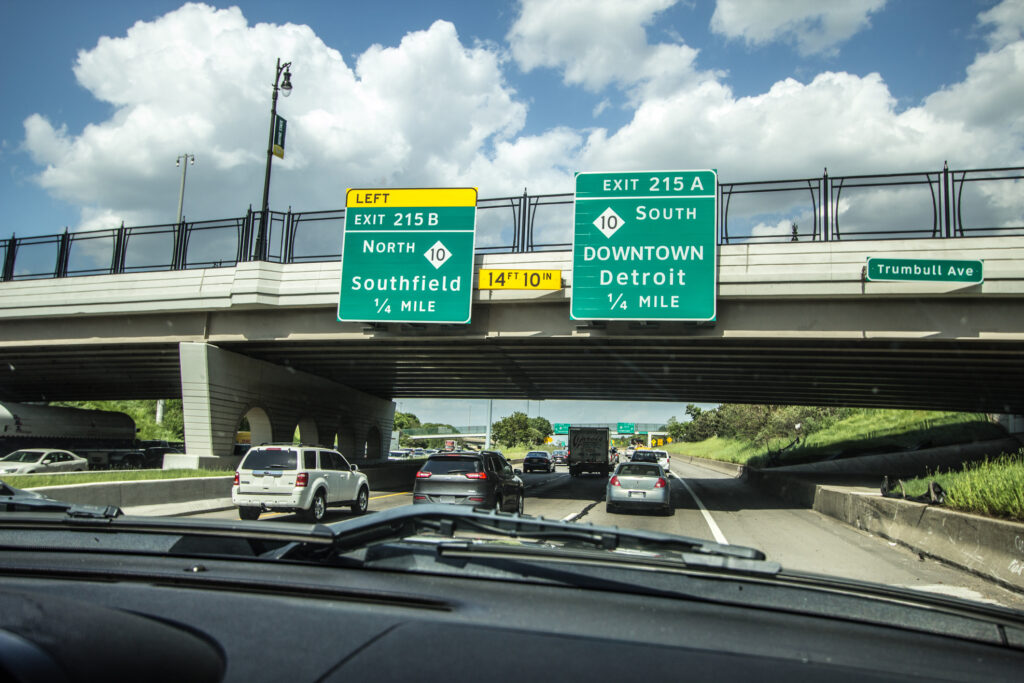
Before digital navigation screens, road signs were the main voice guiding drivers forward, so people learned to watch them with real concentration. Green highway boards, painted arrows, and distance markers became the silent language of the journey. Drivers checked every approaching sign carefully, confirming town names and route numbers before relaxing their grip on the steering wheel. Missing one important sign could mean driving far past the intended turn before finding a safe place to correct the mistake, which made attention feel almost like a survival skill on long unfamiliar roads.
Over time, experienced travelers developed a steady rhythm of scanning ahead, reading quickly, and comparing each sign to the plan already memorized earlier. Long distance trips often included mental notes about which major cities should appear before the correct exit, helping reduce panic along the way. This constant awareness built a deep connection to the road itself, and many older drivers still instinctively trust physical signboards first, even today, because that habit once carried them safely through countless journeys.
5. Using The Sun Without Even Thinking About It
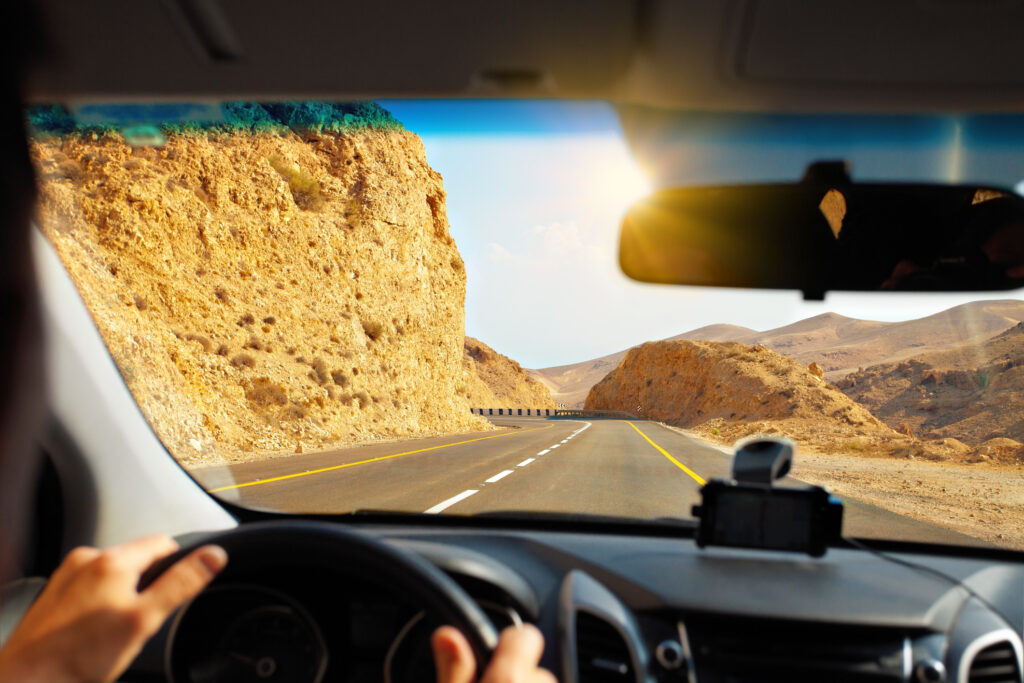
Many travelers quietly used the sun as a natural orientation check, often without formally calling it navigation. Morning brightness through one side of the windshield suggested east, while the warm evening glow hinted at west. If doubt crept in about whether the road was leading the wrong way, a quick glance upward could calm the nerves enough to keep moving. This simple awareness did not give exact street guidance, but it helped confirm the general direction, which was often enough to prevent unnecessary worry during long unfamiliar drives.
On countryside roads especially, noticing how shadows stretched across fields or which side of the car stayed bright for hours became a quiet reassurance that the journey still made sense. People combined this small natural signal with maps, road signs, and memory, building confidence step by step. It was a gentle reminder that the world itself offered clues if you paid attention, and sometimes that calm observation kept travelers steady when nothing else felt certain.
6. Keeping A Small Compass Just In Case
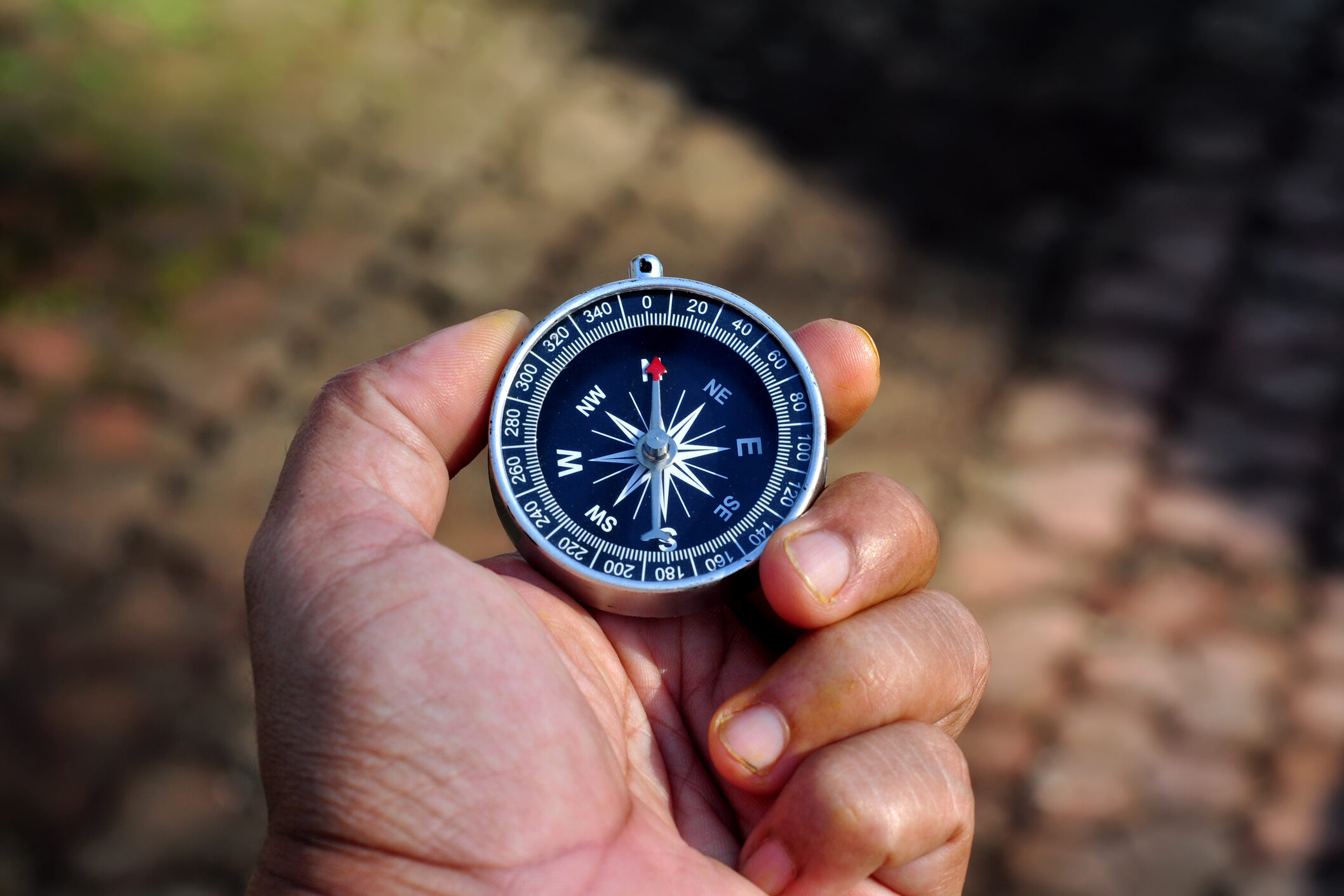
Some drivers and many outdoor travelers liked carrying a small compass tucked into a bag or dashboard compartment, not because they expected disaster but because it felt sensible to have a backup. The compass offered one simple truth at any moment, where north stood. When roads twisted through forests, hills, or unfamiliar rural areas, confirming direction alone could restore confidence surprisingly fast. You aligned the needle, checked your intended heading, and at least knew whether the journey still pointed roughly the right way.
Using it required patience rather than speed, and people often paused briefly to read it properly before continuing. Yet that small pause often prevented bigger mistakes later. Unlike modern tools, the compass never depended on signal, battery, or network coverage, which made it quietly dependable wherever the road wandered. Even travelers who rarely needed theirs admitted that simply knowing it sat nearby created a steady sense of control over the unknown miles ahead.
7. Remembering Big Landmarks Everyone Knows
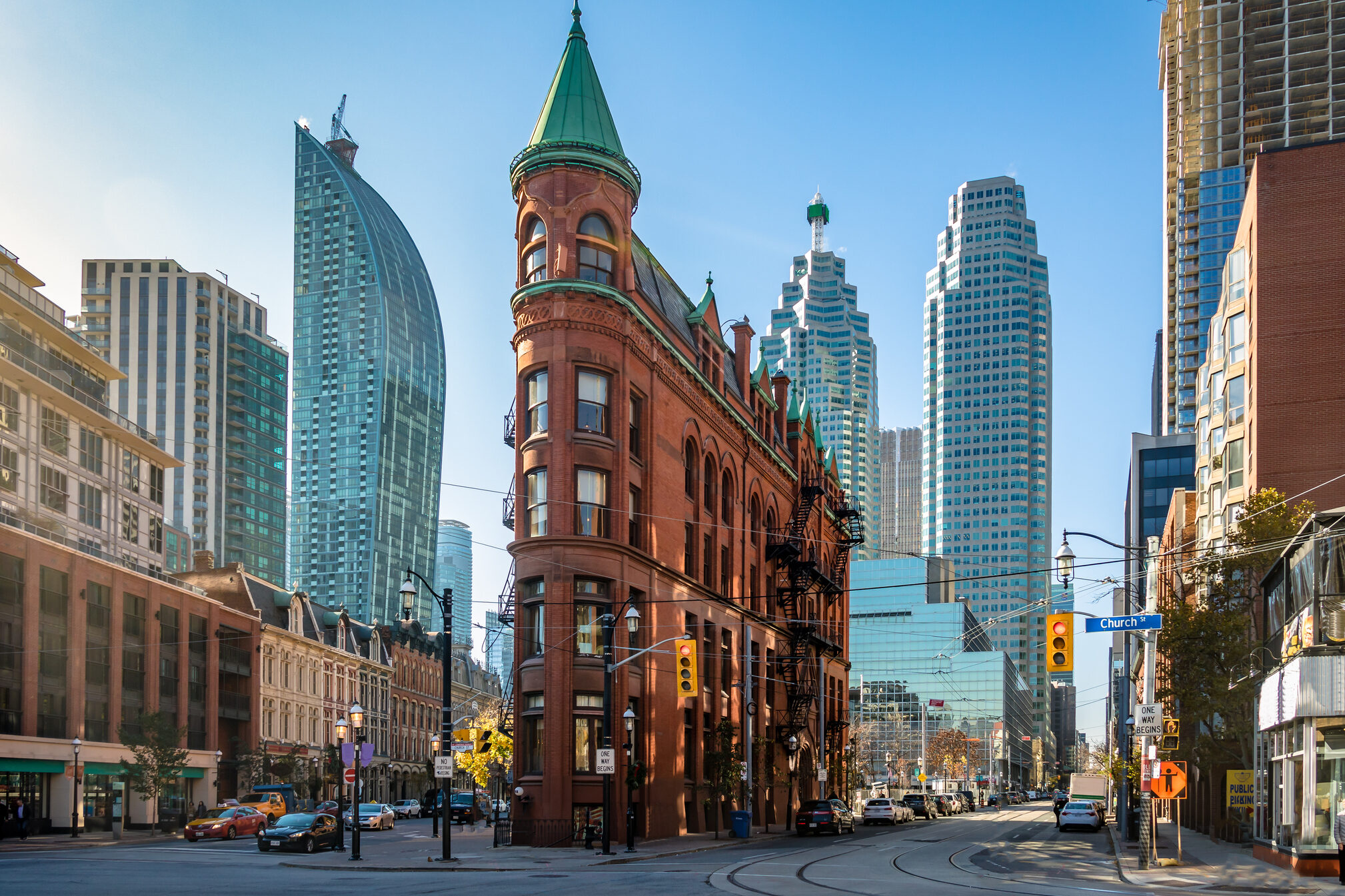
For many everyday journeys, directions relied less on street names and more on obvious landmarks that everyone recognized. Instructions sounded like turn after the stadium, pass the tall hotel, or stop once you see the river bridge. These visible anchors stayed easier in memory because they connected navigation to real physical places instead of abstract labels. Travelers often relaxed the moment a familiar building appeared exactly where expected, confirming the route without needing to check anything else.
Cities slowly became collections of remembered checkpoints rather than complicated grids of roads. Missing one landmark immediately signaled something was wrong, prompting a careful slowdown until the mistake made sense. This approach made navigation feel personal and grounded in lived experience. Even today, when someone gives directions face to face, they usually mention the big supermarket, the old cinema, or the busy junction first, proving how naturally this human method of remembering places still survives.
8. Trusting Taxi Drivers And Bus Drivers
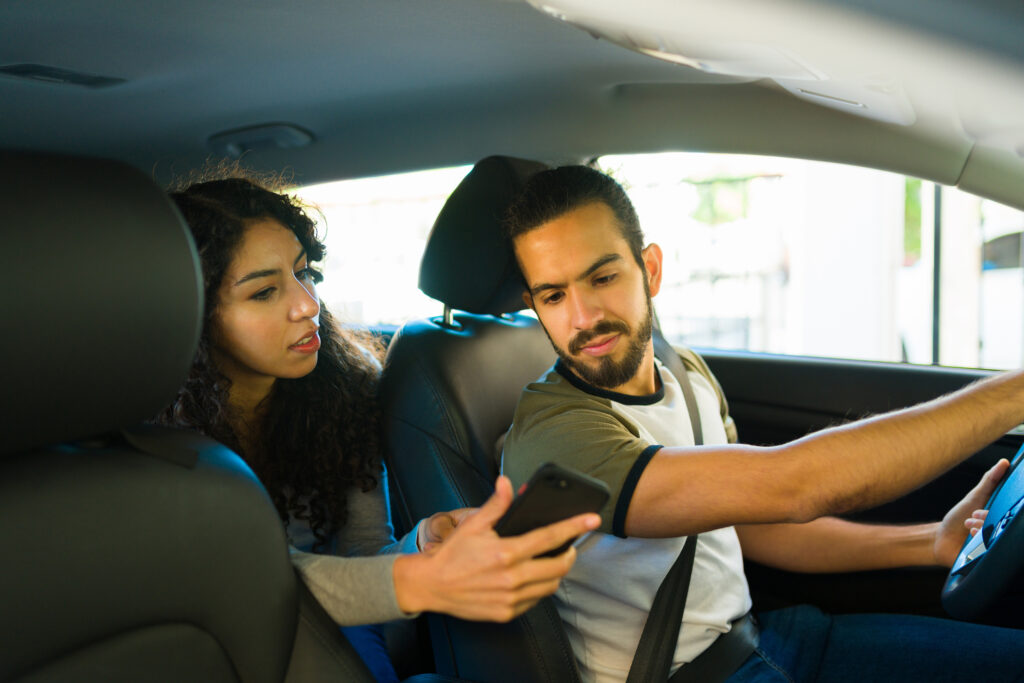
Arriving in a new city often meant relying on the quiet expertise of taxi drivers or bus drivers who knew the streets through daily repetition. Asking them how neighborhoods connected or which road led fastest to the market usually produced clear, practical answers shaped by real experience rather than guesswork. Their explanations often included useful warnings about traffic patterns, confusing intersections, or shortcuts that looked faster on paper but rarely moved smoothly during busy hours.
Sometimes the driver even grabbed a scrap of paper and sketched a quick layout, marking key roads and safe turns in a few confident strokes. That short conversation saved time and reduced the uneasy feeling of being completely new to the place. More importantly, it made the city feel understandable. Instead of guessing blindly, you carried a piece of local knowledge forward, almost like borrowing the driver’s daily familiarity to guide the rest of your journey.
9. Carrying A Proper Travel Guidebook

A printed travel guidebook once felt almost as necessary as luggage itself, especially for international trips or big unfamiliar cities. Travelers read them carefully before leaving home, folding page corners and circling important maps so they could move confidently once they arrived. Inside those pages sat transit tips, neighborhood layouts, and walking routes explained in calm practical language. Studying it beforehand helped travelers build a mental picture of the destination instead of reacting blindly once they stepped outside.
While exploring, the book often stayed tucked under an arm or pulled from a bag at major junctions for reassurance. Unlike a phone, it encouraged slow understanding of the wider area, which made each movement feel intentional rather than rushed. Many people kept those books long after the trip ended, filled with notes, tickets, and small reminders of the places they successfully found on their own.
10. The Little Map From The Hotel Reception

Checking into a hotel often came with a small but very helpful ritual. After handing over the room key, the receptionist would slide a printed city map across the desk and immediately circle the hotel with a pen. Then came the extra kindness. They marked the nearest bus stop, the safe walking route to popular spots, and sometimes even highlighted a good place to eat nearby. That simple paper quickly became your daily guide once you stepped outside into unfamiliar streets.
Guests usually folded the map carefully and checked it often while walking, pausing at corners to match the drawn circle with real buildings around them. Because the directions were marked by a real person who knew the area, the routes felt simple and trustworthy rather than overwhelming. Many travelers kept those hotel maps tucked inside their bags for the entire trip, growing more creased each day. By the time the visit ended, that small sheet often felt less like hotel stationery and more like a quiet companion that helped the whole journey run smoothly.
11. Relying On Memory From Previous Trips
For people who traveled the same route often, navigation slowly became something stored entirely in their head. After enough drives, the road stopped feeling like instructions and started feeling like muscle memory. You knew the petrol station that appears before the sharp bend, the school fence near the junction, and the stretch of empty road that always meant home was close. The journey stopped needing active thought because each visual cue quietly confirmed the next step.
Even when distractions filled the car, experienced drivers could still move confidently because the route lived in their memory through repetition. Of course, unexpected road construction or a blocked street could briefly shake that confidence, but usually the mind adjusted quickly. This kind of navigation built a strong personal sense of direction, one based not on tools but on experience. Many commuters today still notice they can drive familiar routes almost automatically, guided less by maps and more by years of repeated movement.
12. Listening To Traffic Updates On The Radio
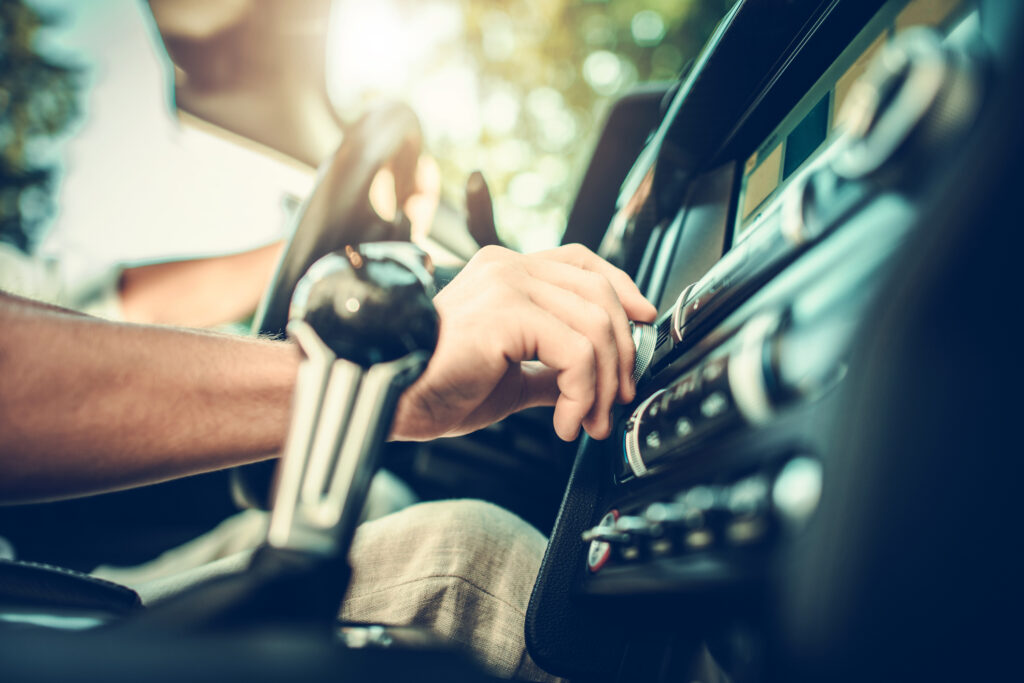
Morning radio once played a much bigger role in navigation than many people remember today. Drivers switched it on not only for music or news but also for the traffic report that came at regular intervals. Announcers listed accidents, stalled vehicles, flooded roads, and heavy congestion, often naming exact junctions and alternative streets to consider. Hearing those updates live helped drivers adjust their plans before reaching the trouble spot.
Inside the car, people listened closely, sometimes lowering conversations just to catch the road names clearly. A single update could change the entire route for the day, sending commuters onto quieter side streets they already knew. Unlike modern navigation that speaks privately to each driver, these radio reports created a shared experience where thousands heard the same advice at once. That sense of moving together through the city’s daily rhythm made the commute feel oddly communal, as if everyone tuned in was solving the road puzzle side by side.
13. Flipping Through A Thick Street Directory Book
Delivery drivers, sales representatives, and taxi operators often depended on a large printed street directory that stayed permanently on the passenger seat. These books listed every street alphabetically and matched each one to a numbered grid square on detailed city maps. Finding a single address meant checking the index, turning to the correct page, and carefully studying the surrounding streets before moving again. It required patience, but it rarely failed.
Over time, constant use made those directories soft at the corners and filled with bookmarks or handwritten notes. Professionals learned shortcuts simply by seeing the same map pages again and again, slowly memorizing entire districts without realizing it. Though the process felt slower than typing into a modern device, it trained users to understand the broader layout of the city rather than just one route. That deeper awareness often made experienced drivers surprisingly hard to confuse, even when new roads appeared.
14. Staying On The Biggest Highway Until It Made Sense
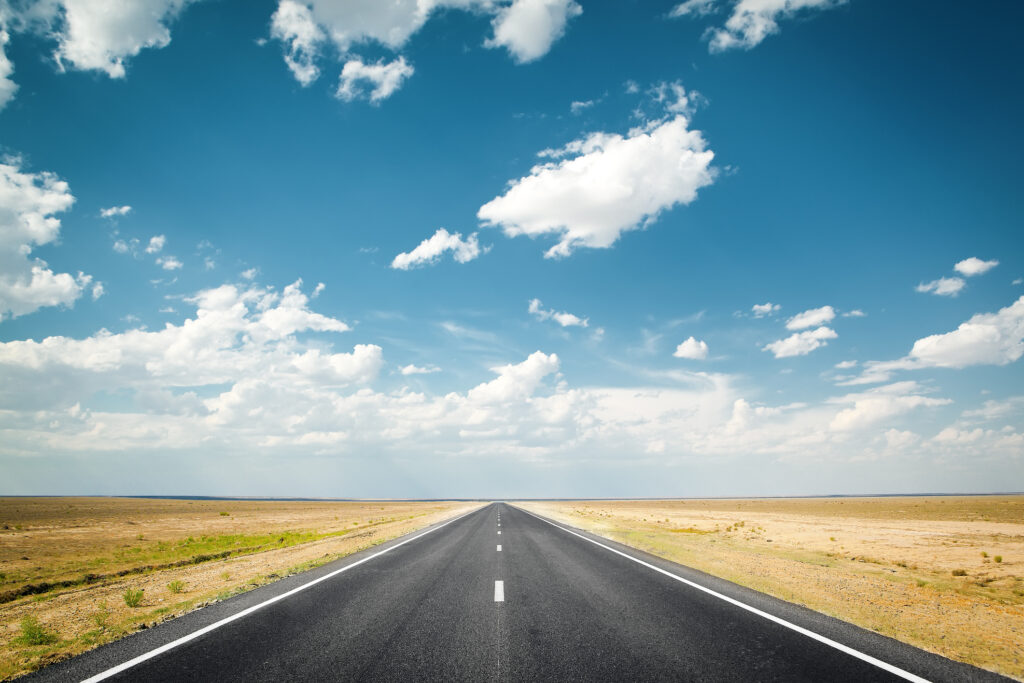
When uncertainty crept in during a long drive, many travelers followed one simple rule that rarely failed. Stay on the main highway until something familiar appears. Major roads usually connected important towns, which meant they offered the safest path when detailed directions felt unclear. Instead of turning randomly onto small rural roads, drivers stayed steady on the larger route until a clear sign pointed toward their destination region.
This method reduced panic because the highway itself acted like a guiding spine through the landscape. Eventually a known city name, service area, or recognizable junction would appear, giving the traveler a fresh chance to stop, ask, or recheck the plan calmly. It was not always the fastest solution, but it was often the least stressful. Sometimes navigation worked best not through perfect knowledge, but through choosing the path that kept options open until clarity returned naturally.
15. Checking The Stars On Very Dark Nights
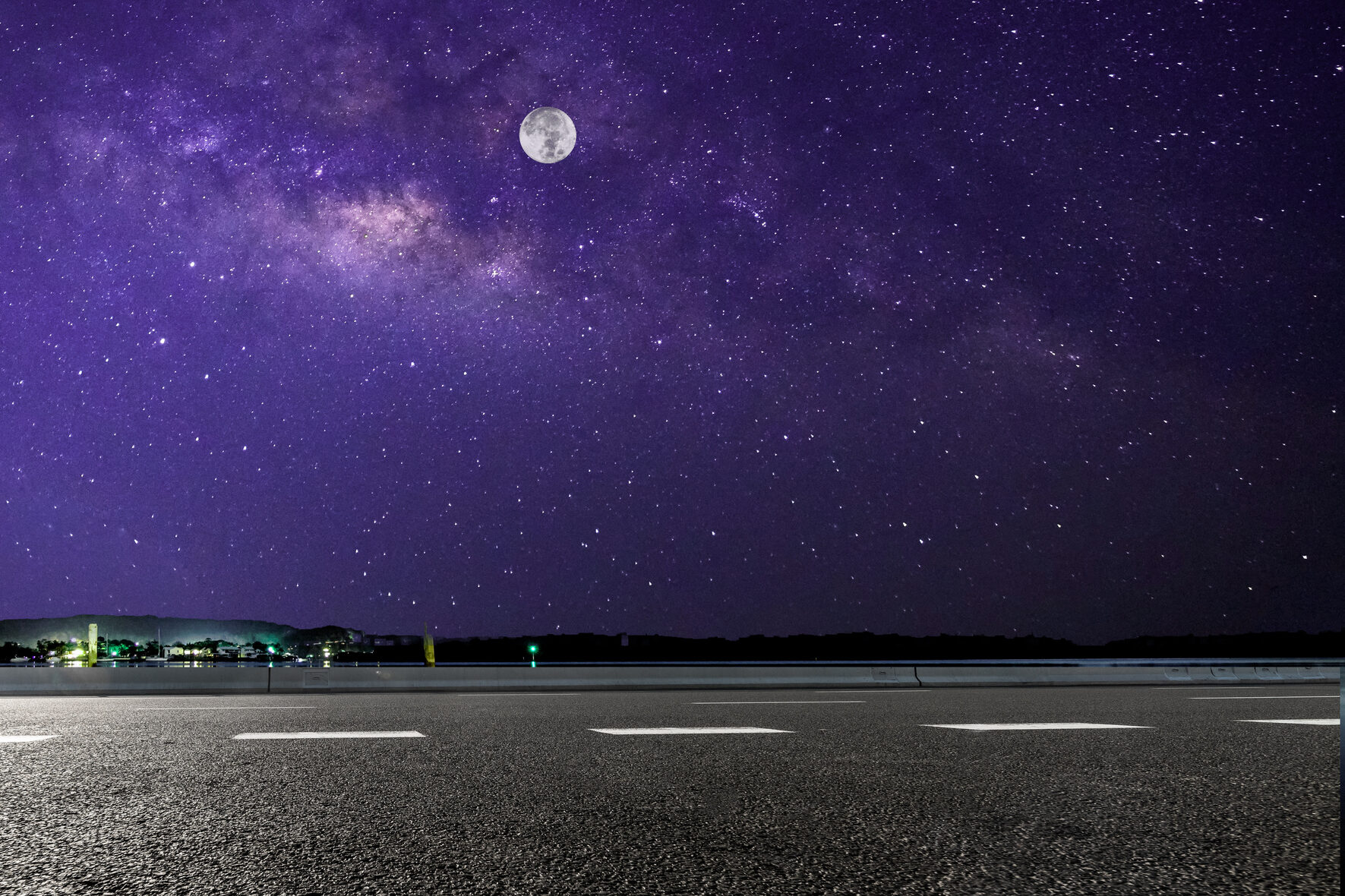
In remote areas or during long countryside trips, some travelers occasionally used the night sky itself as a quiet directional check. The North Star in particular helped confirm where north lay, giving a stable reference when road signs were rare or confusing. Even drivers who were not expert at astronomy sometimes learned this simple trick from camping trips or outdoor guides. Looking upward for a moment could restore a sense of orientation when the darkness made every road feel the same.
This method was never about precise turns or exact routes. Instead, it provided reassurance that the general heading still made sense. That brief connection to the sky often brought a strange calm, reminding travelers that people had navigated this same world for centuries using nothing more than observation and patience. Even today, anyone who has stood under a clear rural sky at night understands how steadying it feels to confirm direction using something far older than any digital screen.
16. Following A Rough Sketch Map Someone Drew
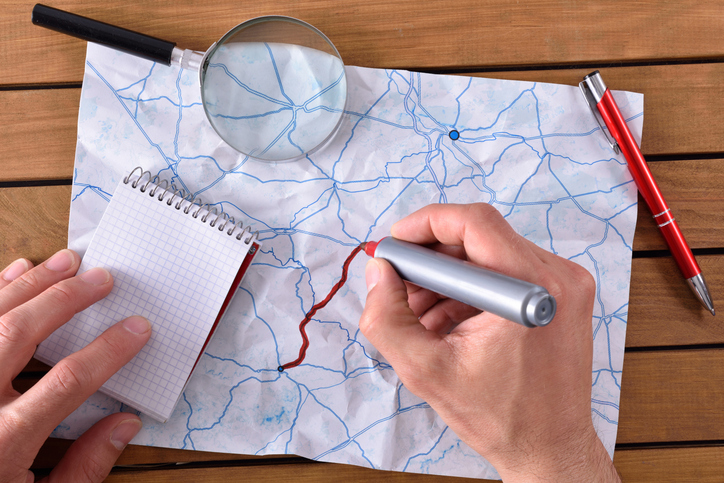
When visiting a friend or relative, the directions often came as a quick hand drawn sketch rather than a formal map. These drawings rarely looked neat or perfectly scaled, but they showed the sequence of places that mattered. A market, a school, a bridge, then the final turn near a tall tree. Because the person drawing it knew the area personally, the map focused on real lived landmarks rather than technical street layouts.
Travelers followed these sketches almost like reading a simple picture story, checking off each familiar point as it appeared along the road. Surprisingly, these rough drawings often worked better than printed maps for small neighborhoods, because they captured how locals actually experienced the space. Many visitors even kept the paper afterward, partly for memory and partly because it felt like a small welcoming gesture. That imperfect sketch often carried more warmth and clarity than any polished official guide.
17. Asking A Police Officer When Truly Lost
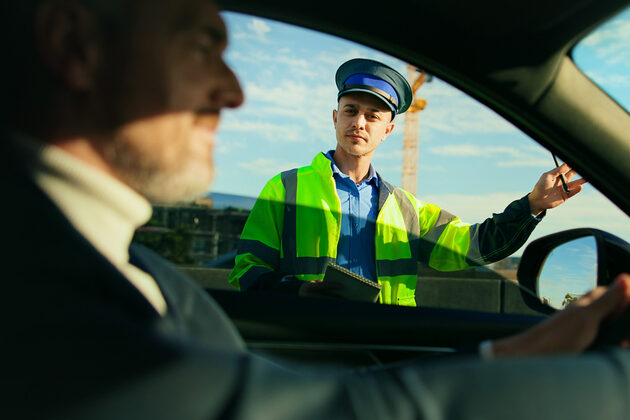
If confusion reached the point where guessing no longer felt wise, many drivers looked for a police officer or traffic marshal to ask directly. Spotting a uniform usually brought immediate relief because it meant speaking to someone trained to understand the road system clearly. The directions given were often short, calm, and practical, focused on the simplest legal path forward rather than complicated shortcuts. That clarity alone helped settle nerves quickly.
This option felt especially reassuring at night or in unfamiliar districts where stopping randomly might feel unsafe. Knowing that official help existed made travel feel more secure overall, even if the driver never needed to use it often. Sometimes the greatest value was simply hearing a confident human voice confirm the next move. Even today, when technology fails or signals drop, asking a nearby officer remains one of the most dependable ways to regain direction and continue the journey calmly.
18. Accepting You Might Get Lost
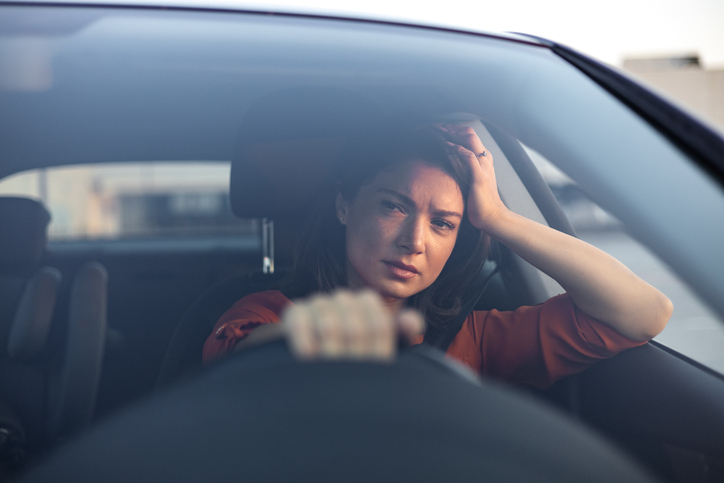
Perhaps the most honest navigation method people relied on was simply accepting that getting a little lost sometimes happens. Instead of panic, experienced travelers treated wrong turns as temporary detours that could be corrected with patience. They slowed down, watched surroundings carefully, retraced the last clear point, and gradually rebuilt the route step by step. That calm adjustment often prevented bigger mistakes than rushing ever could.
Strangely, those small wrong turns sometimes led to unexpected discoveries like a quiet café, a scenic shortcut, or a useful fuel stop remembered for future trips. Travel felt less like following strict instructions and more like learning the shape of a place through movement and observation. In a quiet way, this mindset may have been the strongest tool of all. Even now, with perfect digital guidance available, the ability to stay calm, observe, and adjust still remains the skill that truly keeps any journey moving forward.


