
1. Night Shift (1982)
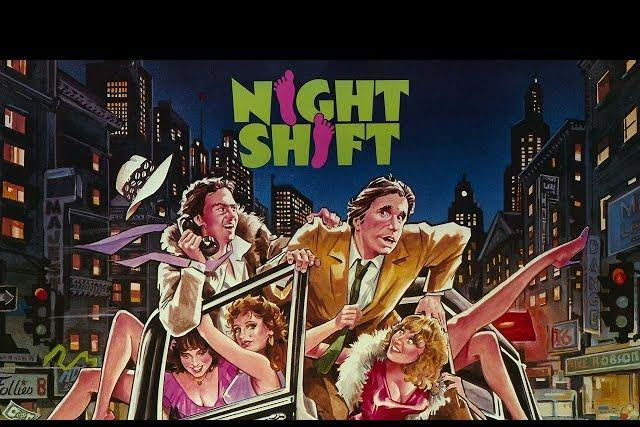
Night Shift is one of those early 80s comedies that feels a little scrappy in the best way. Directed by Ron Howard before he became known for sweeping dramas, the film centers on a mild-mannered morgue attendant whose quiet routine is upended by a fast-talking new coworker. That coworker is played by a young Michael Keaton, and honestly, he’s the engine that keeps the whole thing humming. Critics at the time noticed it too. Roger Ebert wrote that Keaton “has a kind of lunatic charm,” and that description still fits. There is a restless energy in his performance that feels loose and unpredictable, almost like he’s inventing half of it on the spot.
At its core, the movie is about unlikely partnership and accidental reinvention. What starts as a strange business idea quickly turns into a story about friendship, confidence, and stepping outside your comfort zone. Henry Winkler plays the straight man with a gentle awkwardness that balances Keaton’s chaos. Watching it now, you can feel that early 80s New York grit in the background, mixed with a sweetness that keeps it from turning cynical. It is not polished or flashy, but that is part of the charm.
2. The Last Starfighter (1984)
If you ever stood at an arcade cabinet with quarters lined up along the edge, this one probably meant more than you realized. The Last Starfighter begins in a dusty trailer park and somehow ends in outer space and back then that leap felt completely believable. It is the kind of movie that feels like it was built from pure day dreams. The premise is simple and irresistible. It had that 80s optimism that said maybe someone out there is paying attention. It sounds wild and it is. The film believes that ordinary people can rise to extraordinary moments. It carries the hopeful tone that defines most of the 80s movies
Directed by Nick Castle, the early computer effects now look charming instead of cutting-edge. But the heart still works. A teenager recruited because of a high video game score feels almost innocent compared to today’s digital world. Watching it again feels like sitting cross-legged too close to the television, letting your imagination stretch further than your living room walls. It reminds you how simple hope used to feel. If you ever stood in front of an arcade cabinet imagining something bigger, this one still knows exactly how that felt.
3. My Bodyguard (1980)
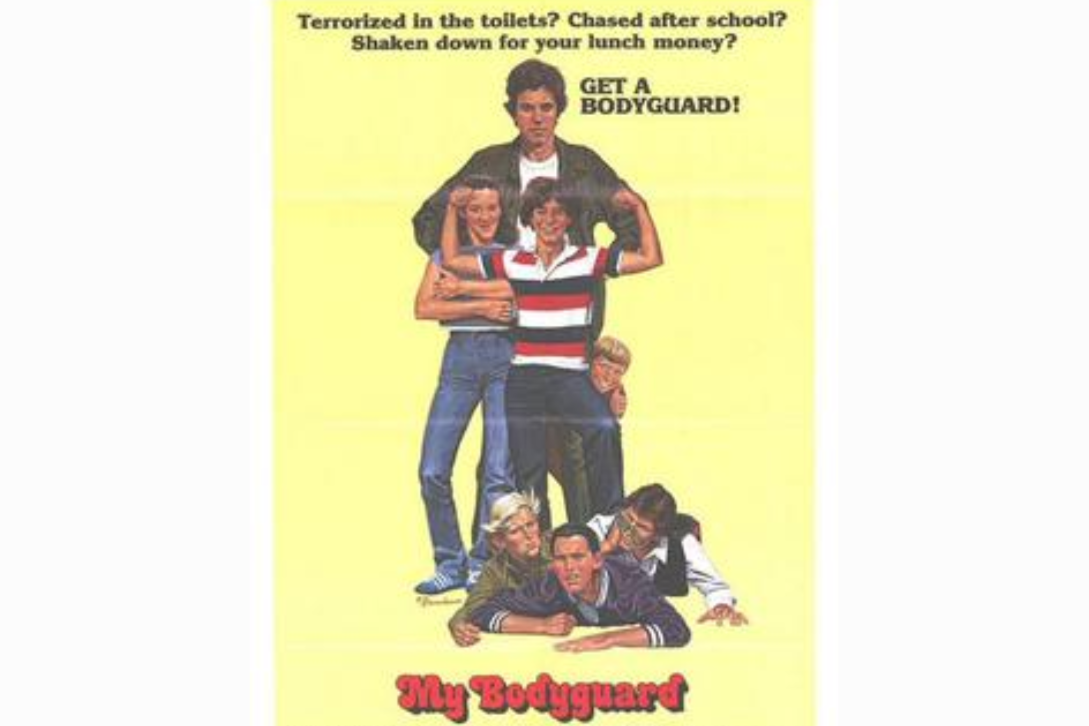
My bodyguard is one of those quite coming of age stories that never tries too hard, and that is exactly why it works. Set in a Chicago high school, it follows Clifford Peache, a shy new student who finds himself targeted by a local bully. Instead of fighting back, he hires a large, mysterious classmate named Ricky Linderman to protect him. What unfolds is not just a story about intimidation, but about friendship forming in unexpected places. Critics noticed its grounded tone at the time. The Washington Post praised its “convincing high school atmosphere,” and that authenticity still stands out today. It feels less like a movie set and more like a real hallway filled with real teenagers figuring things out.
Directed by Tony Bill and featuring Chris Makepeace alongside Adam Baldwin, the film lingers in cafeterias and quiet hallways. You can almost hear lockers slamming shut. It doesn’t glamorize bullying or dramatize friendship beyond recognition. It simply lets two lonely kids find common ground. Watching it now feels like remembering how heavy teenage years could feel, and how much a single ally could change that. The film does not glamorize violence or revenge. Instead, it leans into trust, empathy, and the courage it takes to stand up for yourself. It may not be the loudest 80s title, but it remains surprisingly heartfelt and relatable.
4. Somewhere in Time (1980)
Somewhere in Time is one of those films that feels like it exists slightly outside of time itself. Starring Christopher Reeve and Jane Seymour, it tells the story of a playwright who becomes obsessed with the portrait of a woman from decades earlier and believes he can will himself back into her era. Directed by Jeannot Szwarc, the film was not a major box office success at first, but it slowly gathered a devoted following. Roger Ebert once noted that it was “a romance so unabashedly sincere” that it almost felt out of place in its time. That sincerity is exactly what gives it staying power.
Watching it now feels like stepping into a dream. The Grand Hotel setting, the soft piano theme composed by John Barry, and the restrained performances all create a gentle, almost hushed atmosphere. It does not rush to explain its time travel logic. Instead, it leans fully into longing and devotion. The romance unfolds slowly, built on glances and quiet conversations rather than spectacle. It asks you to believe not in science, but in love strong enough to cross decades. For viewers, that emotional gamble is what makes it unforgettable. This is one worth revisiting.
5. Real Genius (1985)

College comedies often lean into chaos, but Real Genius carries a softer rhythm. It follows gifted students working on a government project; they slowly begin to question. The setup hints at satire, yet the movie feels more curious than cynical. It’s one of those comedies that sneaks up on you. On the surface, it looks like a classic 80s campus romp about brilliant students working on a high-level physics project. But spend a little time with it, and you realize it is less about equations and more about pressure, friendship, and figuring out who you want to be.
Directed by Martha Coolidge and led by Val Kilmer in a relaxed, almost effortless performance, the film drifts between humor and reflection. You can picture dorm rooms cluttered with half-finished ideas and pizza boxes. Watching it now feels like remembering the pressure of potential, how exciting and frightening it could be to realize you were good at something. It’s playful, but there’s a thoughtful undercurrent that still lands. Beneath the jokes and laser experiments, there is a warm message about staying human in competitive spaces. It is light, clever, and still surprisingly resonant decades later.
6. The Sure Thing (1985)

The sure thing feels like a story about timing, chance, the awkward messiness of young love. It seems like a simple road trip comedy: two college students, one carefree and reckless, the other cautious and principled, end up traveling cross country together. But as the miles pass, the story softens into something warmer and thoughtful. Director Rob Reiner lets the relationship unfold naturally, giving the characters space to grow without forcing the romance. Critics at the time, like The Washington Post, noted its “sharp wit and sincere charm,” and that combination is exactly what keeps it enjoyable decades later.
Presently, the humor still lands, but the moments that linger are the quiet ones: the tentative conversations, the glances that reveal more than words, the small missteps that feel completely authentic. It captures that stage of life when boundaries, feelings, and expectations are all in flux, and it does so with a gentle honesty. The scenery, the road trip energy, and the chemistry between John Cusack and Daphne Zuniga all combine to make it feel surprisingly human and resonant. Re-watching is like going back to moments when friendship blooms into something more, the ride feels just as important as the destination.
7. The Journey of Natty Gann (1985)
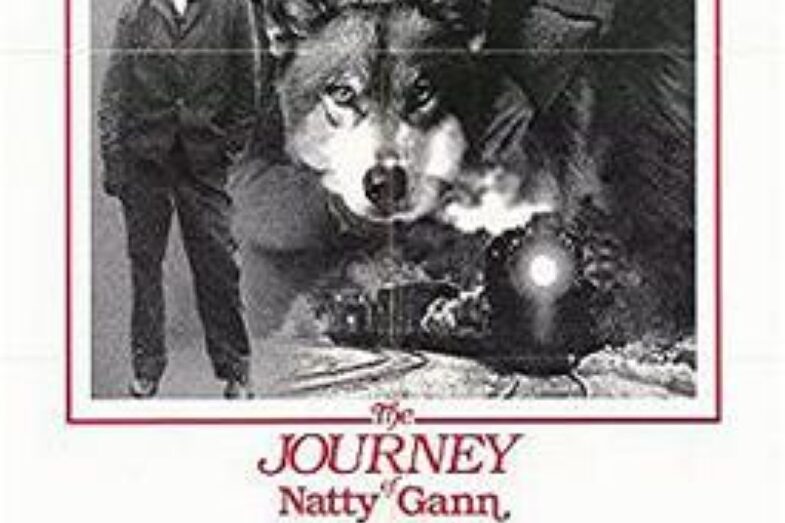
The Journey of Natty Gann is one of those quiet 80s films that feels almost like it was passed down rather than promoted. It’s the story of a teenage girl traveling across the country during the Great Depression to find her father, and even saying that out loud makes it sound bigger than it feels. The movie just follows her step by step, train yard by train yard, letting the dust and distance settle in. Critics at the time, including The New York Times, noted its “sturdy sincerity,” and that word sincere really does fit.
What stays with you isn’t just the journey, but the feeling of it. The long stretches of road, the quiet companionship of the wolf she befriends, the guarded kindness of strangers who don’t have much but still offer something. Meredith Salenger plays Natty with a steadiness that feels real, not polished, and John Cusack’s small but meaningful role adds warmth without pulling focus. Watching it now, you’ll almost feel the wind against her face and the ache of missing someone. It’s a film about endurance, loyalty, and growing up faster than you meant to, and somehow it still feels gentle while carrying all that weight.
8. Starman (1984)
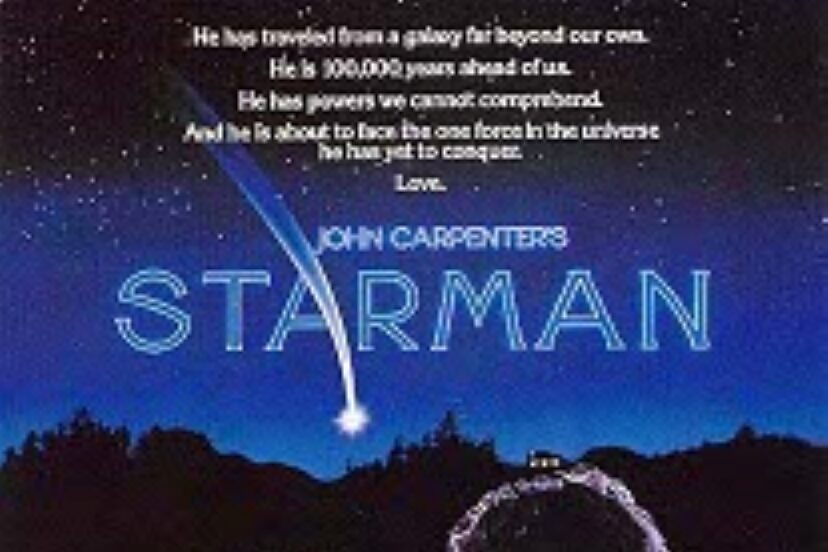
Starman is one of those movies that quietly sneaks under your skin and stays with you long after the credits roll. It tells the story of an alien who comes to Earth and takes the form of a widowed man’s deceased husband, and while that might sound strange on paper, the heart of the film is surprisingly tender. Jeff Bridges plays the alien with a curious, gentle innocence, and Karen Allen brings warmth and realism to the woman he befriends. Critics at the time, including Roger Ebert, called it “a romance more than a science fiction film,” and that description still feels spot on today.
Watching it now, what lingers are the quiet moments: conversations that stretch into comfortable silences, long stretches of open highway, and the way two very different beings slowly learn to understand one another. It’s less about special effects or spectacle and more about connection, loss, and discovery. The film carries a sense of wonder without feeling forced, a kind of calm patience that feels rare in modern movies. Rewatching this film feels like rediscovering a small, overlooked treasure It is a story about empathy, trust, and the unlikely friendships that can change your life completely.
9. Cloak & Dagger (1984)

Cloak and dagger is one of those movies that blends childhood imagination with real stakes in a way that sticks with you. At first glance, it feels like a playful spy adventure: a young boy, obsessed with secret agent games, suddenly finds himself caught up in a real-life espionage plot. But beneath the gadgets and suspense, there’s a lot of heart. Critics at the time, like The Los Angeles Times, praised it as “a thriller seen through a child’s eyes,” and that perspective is what gives it a gentle, reflective charm after many decades later.
Watching it now, what makes it memorable isn’t the chase scenes or the spy cliches—it’s the vulnerability at the center. The boy’s excitement and fear feel real, and the adults around him are believable, sometimes funny, sometimes serious. You can almost remember that same mix of curiosity and anxiety from your own childhood, the way imagination could make ordinary streets feel full of possibility. The film balances tension and tenderness without overdoing either, creating something that feels grounded and personal. Revisiting Cloak & Dagger now is like stepping back into a moment when the world felt bigger, more mysterious, and endlessly full of adventure.
10. Lucas (1986)

Lucas is one of those quietly tender films about the awkward, sometimes painful side of growing up. At first glance, it looks like a typical 80s teen story, involving a shy, intelligent boy navigating high school crushes and social hierarchies, but what makes it linger is how fully it captures vulnerability. Corey Haim gives Lucas a gentle sincerity that makes you root for him without ever feeling like the movie is trying too hard. Critics, including The Chicago Tribune, called it “unexpectedly sweet,” and that sweetness still resonates many decades later.
Seeing this movie again, the small, everyday moments stand out: glances across the classroom, nervous attempts to speak to someone you like, and the quiet disappointments that feels way bigger than they should. The film doesn’t need over-the-top drama or slapstick to be engaging; it trusts the emotions of its characters to carry the story. That makes it feel personal, almost like a memory you’ve tucked away and rediscovered. Revisiting Lucas today reminds you of how awkward, hopeful, and tender adolescence can be, and it’s the kind of movie that quietly stays with you long after the final scene fades.
11. The Manhattan Project (1986)

The Manhattan project is one of those 80s thrillers that mixes a tense plot with surprisingly human moments. At first, it might seem like a straight-up teen espionage story: a high school student, brilliant but underestimated, discovers that a government project isn’t what it seems and decides to take matters into his own hands. Yet beneath the suspense and high-stakes action, there’s a genuine curiosity and cleverness that makes the main character feel real. Critics at the time, like The New York Times, highlighted its “smart, suspenseful storytelling,” and the smartness is less about gadgets and more about human ingenuity.
What lingers are the relationships, friendship, trust between characters, the tension of doing something risky, and the way a young mind tries to wrestle with consequences that feel enormous. It balances excitement with heart, showing how courage can exist even in someone ordinary, facing challenges far beyond their years. There’s an energy in the 80s setting, the clothes, the tech, the school life, that feels nostalgic without being forced. Revisiting The movie is like remembering a time when curiosity could push you into adventure, and intelligence could become your greatest weapon, all wrapped in that slightly chaotic, hopeful 80s vibe.
12. Ladyhawke (1985)

Ladyhawke is an 80s fantasies that sticks with you not for its magic or sword fights alone, but for its quietly emotional core. It tells the story of Navarre and Isabeau, lovers cursed to be forever apart, he as a wolf by night, she as a hawk by day. Watching it, you feel the longing and frustration that comes from love interrupted. Critics at the time, like Roger Ebert, praised its “blend of adventure and romance,” and it is that delicate balance that makes the movie endure.
The beauty of Ladyhawke is in the little moments. When Navarre and Isabeau are close but cannot touch, the camera lingers just long enough for you to feel the ache. The chemistry between Matthew Broderick, Rutger Hauer, and Michelle Pfeiffer brings warmth and humor to a story that could have felt heavy. Watching it today, the costumes, the medieval towns, and the sweeping score all add to the sense of timelessness. At its core, it’s about patience, hope, and the way love can persist even in impossible circumstances. Revisiting Ladyhawke feels like stepping into a world where magic exists, but emotion is always what drives the story forward.
13. The Boy Who Could Fly (1986)
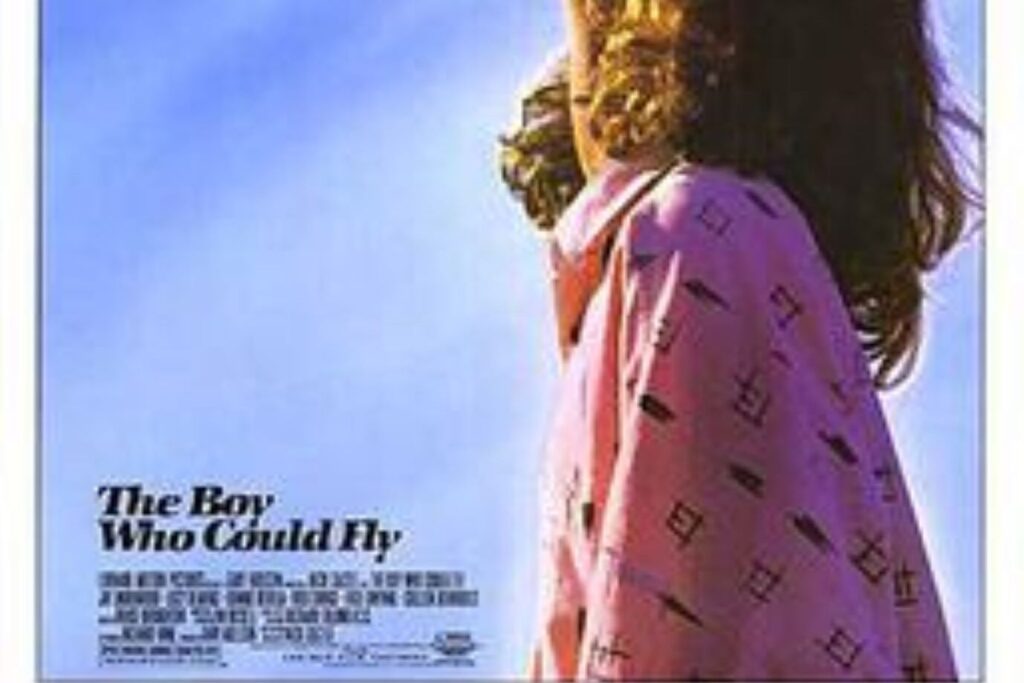
The Boy who could fly is one of those 80s films that stays in the imagination long after the credits roll. On the surface, it tells the story of a boy with autism who believes he can fly, and the girl who moves in next door and slowly becomes part of his world. What makes it memorable isn’t the fantasy element, but the way it captures innocence, hope, and the tentative way people learn to trust one another. Critics at the time, like The Los Angeles Times, highlighted its “gentle touch and emotional resonance,” and that gentle touch is exactly what gives it staying power today.
Watching it now, the small, human moments are what resonate the most: the awkward silences, the shy smiles, the quiet gestures that slowly build a connection. The flight scenes, while magical, are never flashy—they feel like an extension of the boy’s inner world rather than an attempt to dazzle. It’s a story about courage, kindness, and the way we lift one another up, literally and figuratively. Re-watching the movie now is like opening a window to that fragile space between fear and possibility, where hope can feel like it might actually take off.
14. Running on Empty (1988)
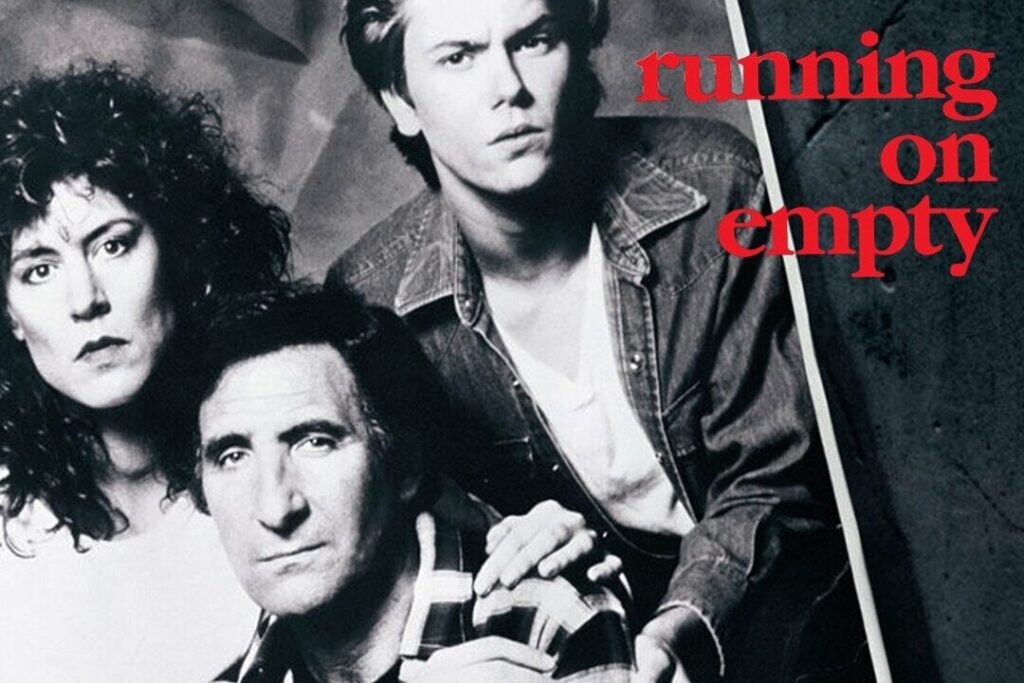
Running on empty quietly pulls at your heart without ever feeling like it’s trying too hard. It follows the story of a family constantly on the move after being involved in anti-war activism, and particularly focuses on the teenage son, Danny, as he navigates school, love, and his own sense of identity. What makes the film linger is how it balances tension with intimacy. Critics, including The New York Times, described it as “moving and authentic,” and that authenticity is what keeps it resonant decades later.
Trying to watch this movie now, the small, human details stand out: the way parents try to protect their children while quietly carrying their own regrets, the fleeting moments of freedom Danny steals for himself, the quiet longing for a stable life. The road, the hotel rooms, the stolen glimpses of ordinary teenage experiences all feel tangible. The performances, particularly by River Phoenix and Christine Lahti, are full of nuance, giving life to characters whose choices are complicated but deeply human. Coming back to Running on Empty now reminds you how love, responsibility, and desire for independence can collide, and how sometimes the quietest stories leave the strongest impressions.
15. The Peanut Butter Solution (1985)
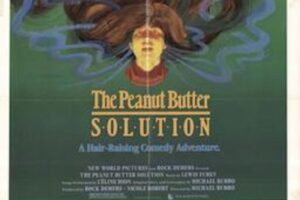
The Peanut Butter Solution feels both strange and strangely comforting at the same time., it’s a children’s fantasy about a boy who loses his hair from fright and then uses a mysterious peanut butter concoction to grow it back overnight and wildly out of control. But what really sticks is how the story handles fear, creativity, and resilience in a way that feels very human. Critics at the time often noted its “quirky charm,” and watching it today, that quirkiness still has a playful yet tender energy.
The magic and silliness of the hair-growing scenes are fun, yes, but the moments that linger are quieter: the boy’s anxiety, his determination to fix what’s gone wrong, and the way his friends and family respond. There’s an innocence to it that feels genuine, a sense of childhood where imagination runs wild and even impossible problems seem solvable if you try hard enough. The film balances its fantastical premise with a surprisingly heartfelt sense of struggle and perseverance. Watching The Peanut Butter Solution now is like stepping back into that feeling of being small in a big world, where fear mixes with hope, and even the oddest solutions carry a kind of magic.
16. Turk 182 (1985)
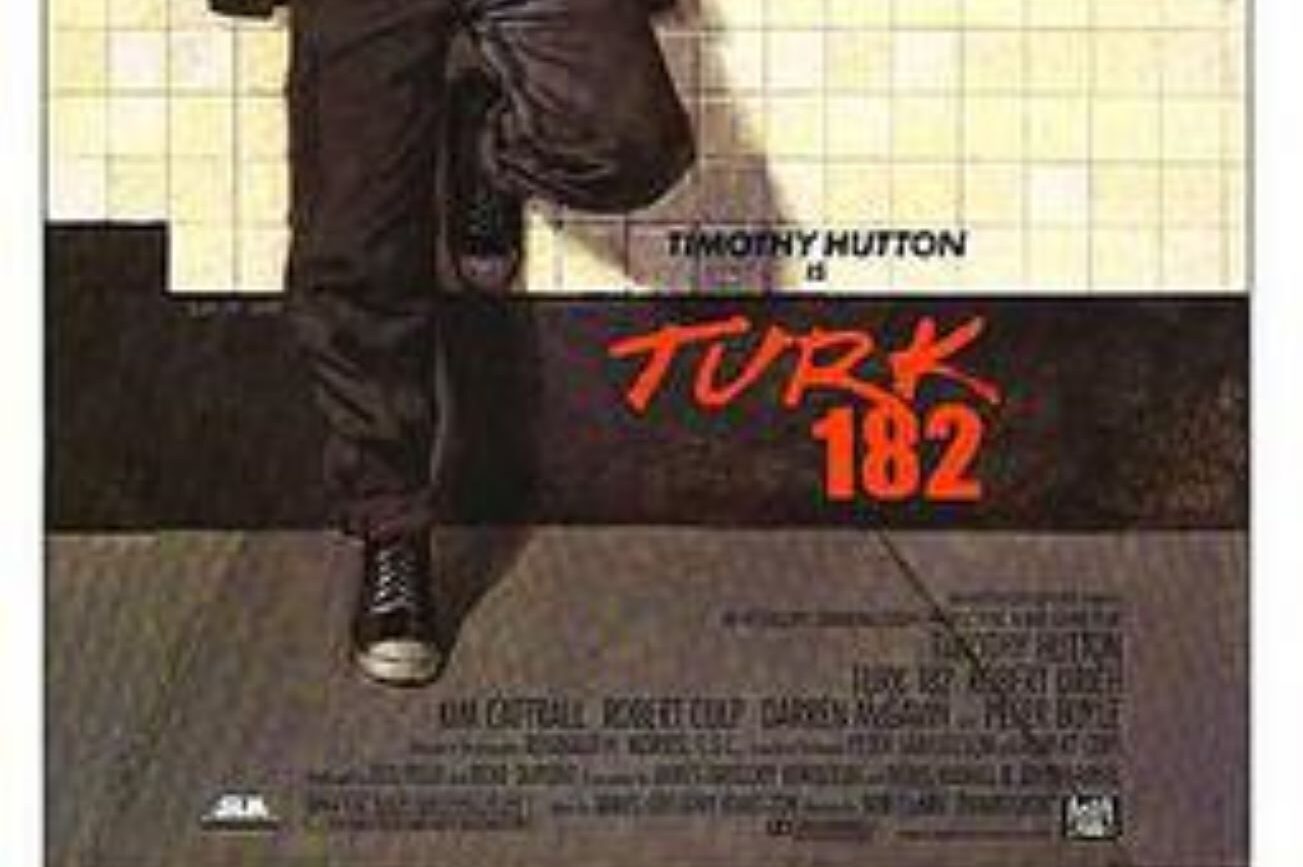
Turk 182 feels like a small-town story with a big heart. Jimmy “Turk” Troy, an ordinary guy who becomes an unlikely hero when he decides to take on the system after his brother, a firefighter is unfairly denied a pension. On the surface, it’s a story about graffiti and pranks, but underneath, it’s about loyalty, frustration, and standing up for the people you love. Critics at the time were mixed, yet many, like The Los Angeles Times, praised the “warmth and everyman appeal” of the lead character, and that warmth still resonates today.
The small human moments are what linger: the love between brothers, the subtle humor in Jimmy’s schemes, and the way the city itself feels alive, like a character in the story. Timothy Hutton brings a grounded, heartfelt energy to his role, while Robert Urich and Tyne Daly add depth and heart to the community around him. It’s messy, funny, and sometimes clumsy, but it feels real. Rewatching Turk 182 is like remembering a time when a little rebellion could feel meaningful, when small acts of courage could ripple through the people you care about, and when doing the right thing didn’t need to be loud to matter.
17. Explorers (1985)
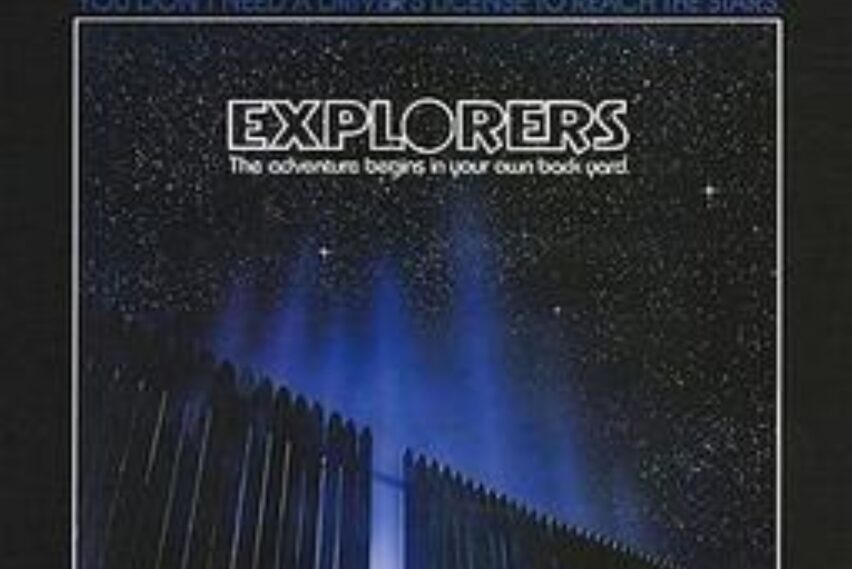
Explorers feels like the pure essence of childhood curiosity and wonder. It tells the story of a group of young boys who build a homemade spacecraft after dreaming about it one night, and their journey is full of the messy, awkward, and exciting energy of being young and full of ideas. Critics at the time, like The New York Times, described it as “a spirited, imaginative adventure,” but what really sticks is the way it captures the feeling of discovery and the thrill of stepping into the unknown.
The human moments are what make it memorable: the friendship that carries them through their doubts, the laughter and arguments that feel unpolished and real, the awe in their eyes when they finally get to see the world beyond their neighborhood. The film balances whimsy and warmth, never losing sight of the characters’ humanity even amid rockets and alien encounters. Ethan Hawke, River Phoenix, and Jason Presson bring a natural, unforced energy that feels like watching kids you might have known growing up. Revisiting Explorers is like remembering that mix of fear and excitement you felt as a child when the world seemed limitless and anything felt possible with a little imagination.
18. Midnight Run (1988)

Midnight Run feels like a ride you never want to end. On paper, it’s a crime-comedy about a bounty hunter, Jack Walsh, tasked with bringing in an accountant on the run, but the real story lies in the way two very different people slowly get to know each other. Robert De Niro brings a gruff, weary charm, while Charles Grodin plays the nervous, fast-talking accountant with perfect comic timing. Critics at the time praised it for its “sharp humor and surprisingly tender moments,” and watching it today, those moments still hit.
What lingers most is the humanity beneath the chaos. It’s the long drives through small towns, the awkward silences broken by honest conversations, and the way a gruff man slowly softens while carrying someone else’s trust. The film balances action and comedy without ever losing sight of character, letting you feel the frustration, friendship, and occasional fear in a way that’s relatable beyond the laughs. Revisiting Midnight Run now feels like sitting in a car with old friends, arguing, laughing, and gradually understanding each other more deeply. It’s messy, funny, and unexpectedly heartwarming, the kind of movie that sticks because it feels lived in, not just scripted.


