
1. Coyotes In Suburban Streets
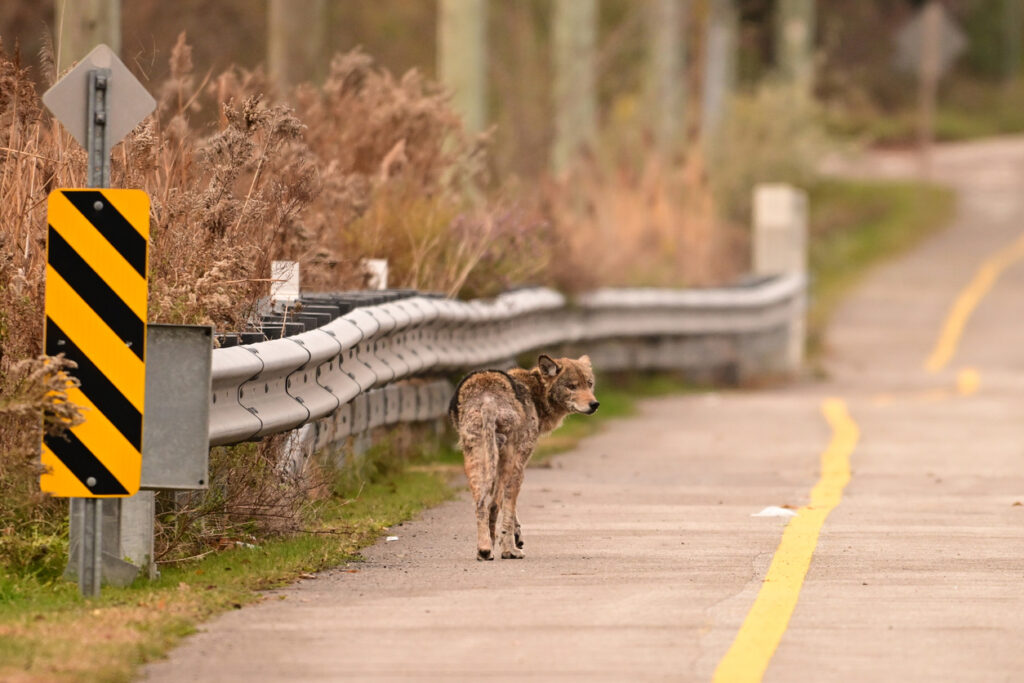
It usually starts as something you are not even sure you saw at first glance. Maybe a shape crossing the road too quickly, or movement in the corner of your eye during an early morning drive. Then it happens again, and someone else mentions it, and it slowly becomes clear that it is not just a one time thing. Coyotes have settled into suburban streets in cities like Los Angeles and Chicago, moving through neighborhoods with quiet confidence. They are not loud or aggressive, just present, passing through spaces as if they have learned the rhythm of everyday life.
They keep their distance, feeding on small animals, scraps, and whatever is available without drawing attention. It is not about taking over but adjusting, finding a way to exist alongside people without conflict. You might never see one up close, but knowing they are nearby changes your awareness. It reminds you that even in places that feel fully built and controlled, something wild still exists, moving quietly in the background without asking to be noticed or understood by anyone at all.
2. Monkeys In Busy Markets
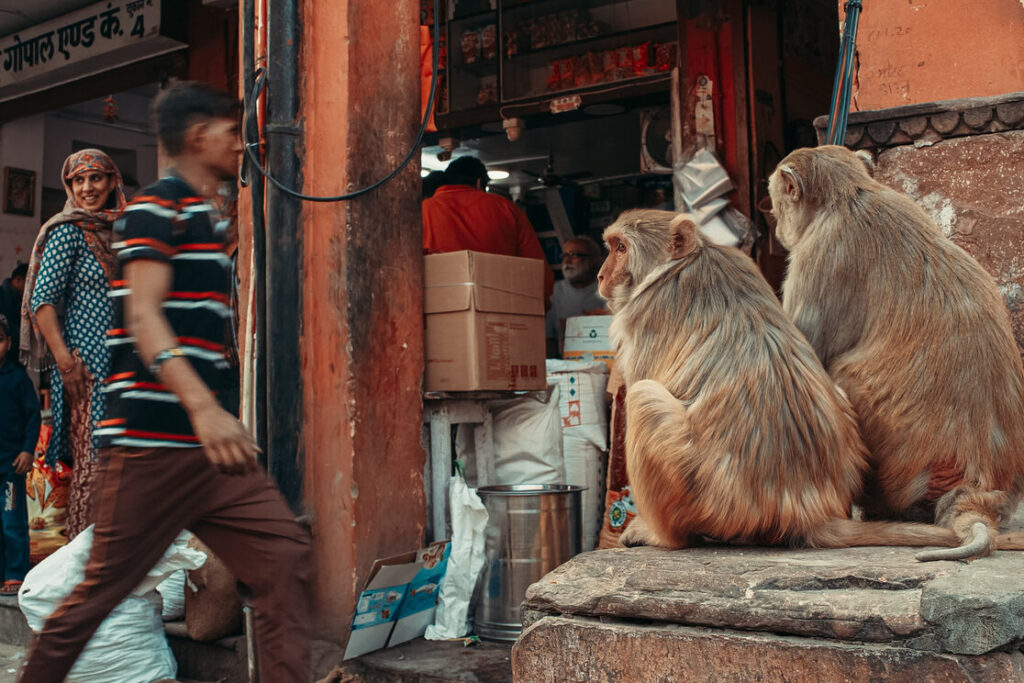
The first time it happens, it can catch you completely off guard in the moment. You are walking through a crowded market, focused on your own business, and suddenly something moves quickly beside you or above your head. In many parts of India and Southeast Asia, monkeys have become part of daily life in busy markets. They sit on rooftops, watch people closely, and move with surprising speed when food is involved. It can feel chaotic at first, especially when they grab something and disappear before you even react to what just happened.
People learn to stay alert without letting it ruin their experience or slow them down too much. The monkeys seem to understand the flow of movement, knowing exactly when to act and when to stay back quietly. It creates a shared space that is not always comfortable but somehow works in its own way. Over time, it stops feeling strange and becomes something expected, even if it still surprises you occasionally when it happens again right in front of you.
3. Foxes In Quiet Neighborhoods
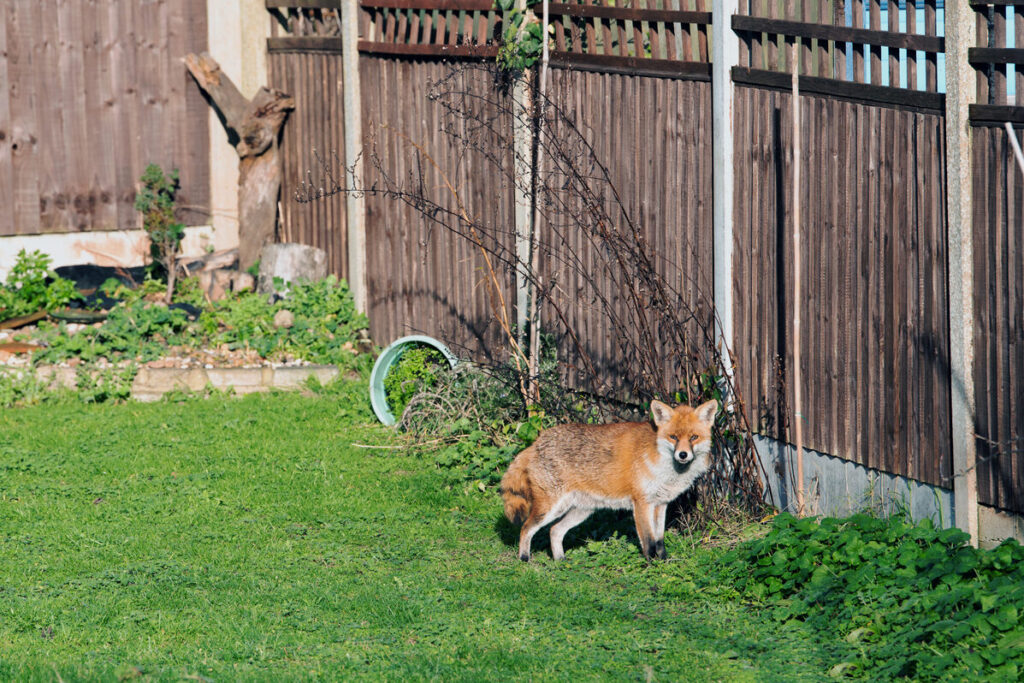
There is a certain stillness that comes with late nights, when everything feels slower and quieter than usual around you. That is often when foxes begin to appear in cities like London, moving through neighborhoods without drawing much attention from anyone nearby. You might catch one walking along a fence or crossing a quiet street, pausing for just a moment before continuing on its way. They do not make noise or cause much disturbance, which is probably why many people do not notice them at all when they pass by.
They survive on leftovers, small animals, and whatever they can find, adapting easily to what the city provides for them. Most people never interact with them directly, but over time, their presence becomes something quietly accepted by those who notice. It does not feel threatening, just unfamiliar at first. Then slowly, it becomes part of the background, like something that has always been there without needing attention or concern from anyone living nearby at all.
4. Deer Crossing City Roads
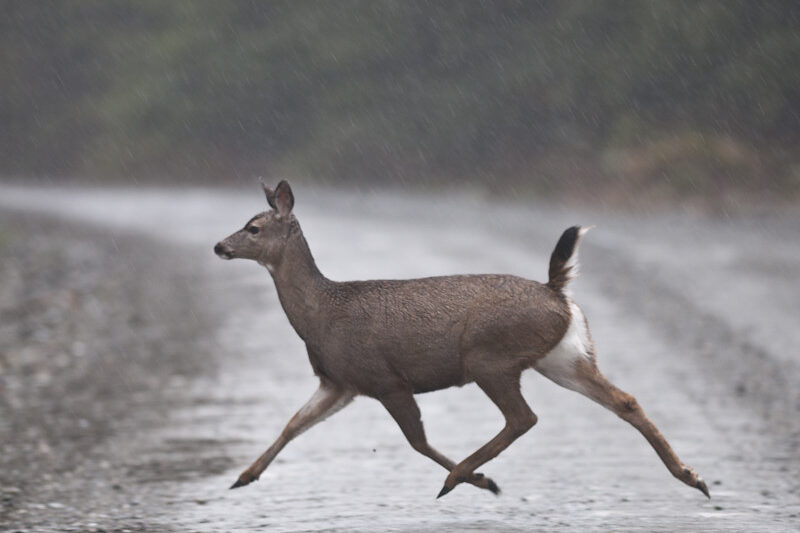
It usually happens in the middle of something ordinary, like a routine drive or a quiet evening commute home. Traffic slows down unexpectedly, and people begin to notice what is ahead on the road. A deer stands in the middle of the road, calm but unsure, as if it wandered into a place it does not fully understand at all. In many cities, this has become more common as natural spaces shift and overlap with residential areas where people now live and move around daily.
People often pause, unsure whether to move or wait, creating a moment that feels both quiet and slightly unreal. Eventually, the deer continues on, and everything returns to normal once again for everyone involved. But something about that moment lingers longer than expected in your mind. It changes how you see the space around you, making it feel less separate from nature than you once believed before that moment happened right in front of you unexpectedly during your normal routine.
5. Raccoons In Trash Bins
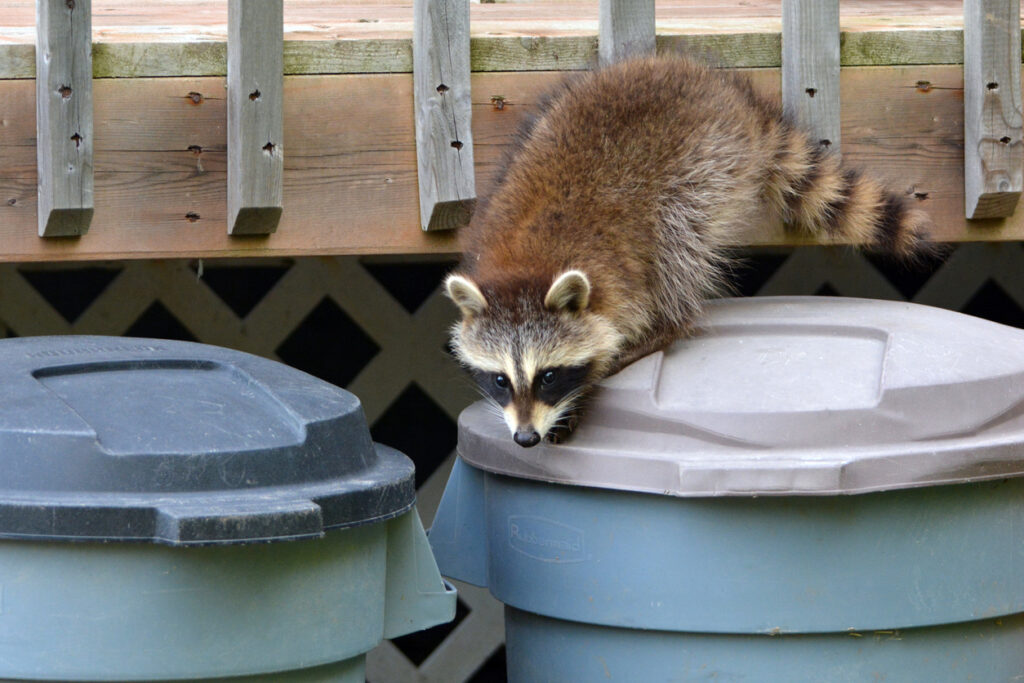
If you have ever heard noise outside late at night and wondered what it could be at that hour, there is a good chance it was a raccoon nearby. In cities like Toronto and New York, they have become known for their ability to find food in the most unexpected ways possible. They open trash bins, climb into tight spaces, and move with a level of persistence that is hard to ignore when you see the results. At first, it can feel frustrating, especially when you wake up to a mess that was not there before.
Still, there is something about their behavior that earns a bit of respect from those who notice them closely. They have figured out how to survive using what is available, turning everyday waste into a steady source of food without much effort. Over time, people begin to expect their presence, even if they do not always appreciate it. It becomes part of the routine, something that happens often enough to feel familiar and predictable in its own strange and slightly annoying way.
6. Wild Boars In European Cities
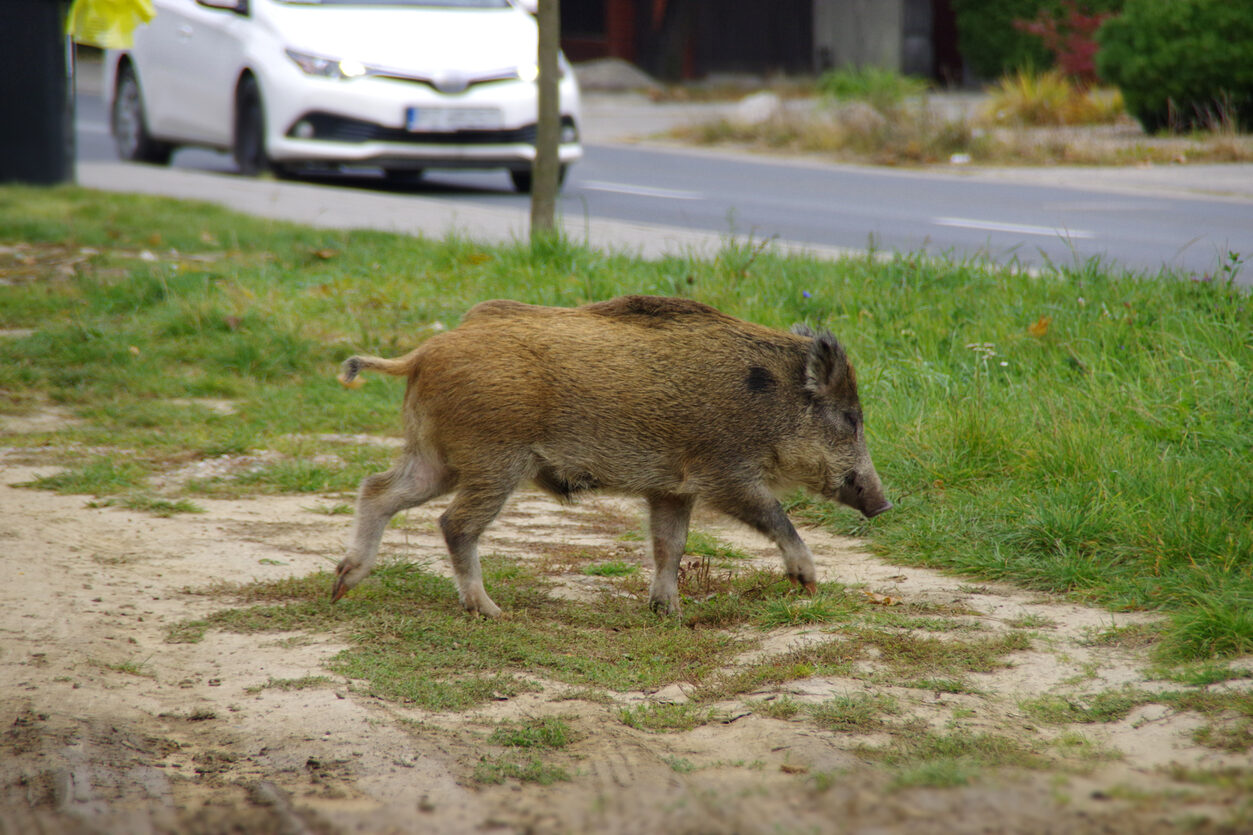
Seeing a wild boar in a city setting can feel unexpected, especially because of their size and strong presence when they appear. In places like Berlin and Rome, they have been spotted moving through parks and residential areas, usually during quieter hours of the day or night. They come out mostly at night, searching for food and avoiding large crowds of people as much as possible. Even so, their presence changes how people move through those spaces, creating a sense of awareness that was not there before.
It is not about panic, but about being more careful and attentive, especially in areas where sightings are more likely to happen. Residents learn to adjust, keeping their distance and staying alert when necessary during their daily routines. Over time, it becomes something people talk about casually, even though it still feels unusual when it happens. It reflects how environments change gradually, bringing different elements into spaces where they were not expected before by anyone living there.
7. Leopards On City Edges
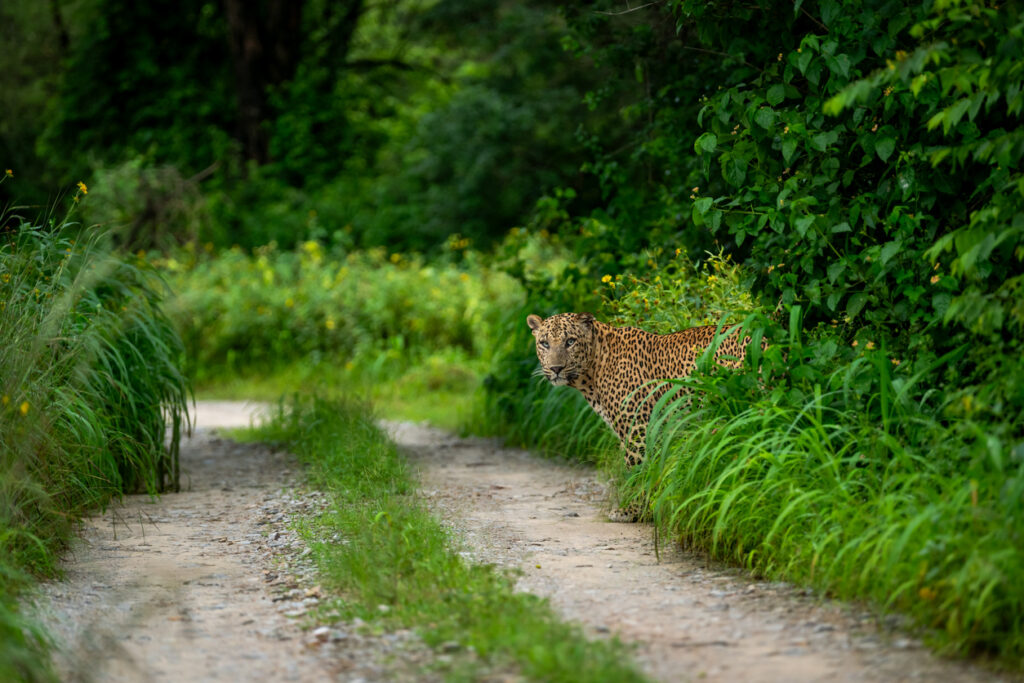
In cities like Mumbai, the idea of leopards living nearby might seem surprising at first to someone unfamiliar with the situation. For many residents, it is part of everyday awareness that shapes how they move around. These animals stay mostly on the edges of urban areas, close to forests and parks where they can find food and shelter easily. They move quietly, usually at night, avoiding human interaction as much as possible whenever they are nearby and active.
That knowledge shapes behavior in subtle ways, especially after dark when visibility is lower and movement feels different. People become more cautious, more aware of their surroundings, without living in constant fear of what might happen. It creates a balance that depends on distance and understanding between both sides involved. Over time, this shared space becomes something that feels manageable, even if it is not entirely comfortable for everyone who lives there and moves around those areas regularly.
8. Kangaroos Near City Limits

In parts of Australia, kangaroos are no longer limited to remote areas far away from where people live and work daily. They often appear near suburban edges, especially during early mornings or late evenings when things are quieter around them. You might see one standing still in an open field or moving across a road without urgency or fear. It can feel surprising at first, but for many people, it has become something they are used to seeing over time. Drivers stay alert in areas where kangaroos are common.
Their presence does not feel intrusive, just unexpected in certain moments during the day or night. They keep their distance, moving through spaces that sit between urban and natural environments without drawing attention. Over time, people adapt to this overlap, becoming more aware without making it a major concern in their lives. It becomes part of daily life in a quiet way, showing how boundaries between spaces are not always clear or fixed as people once believed before noticing these changes.
9. Alligators In Urban Waterways
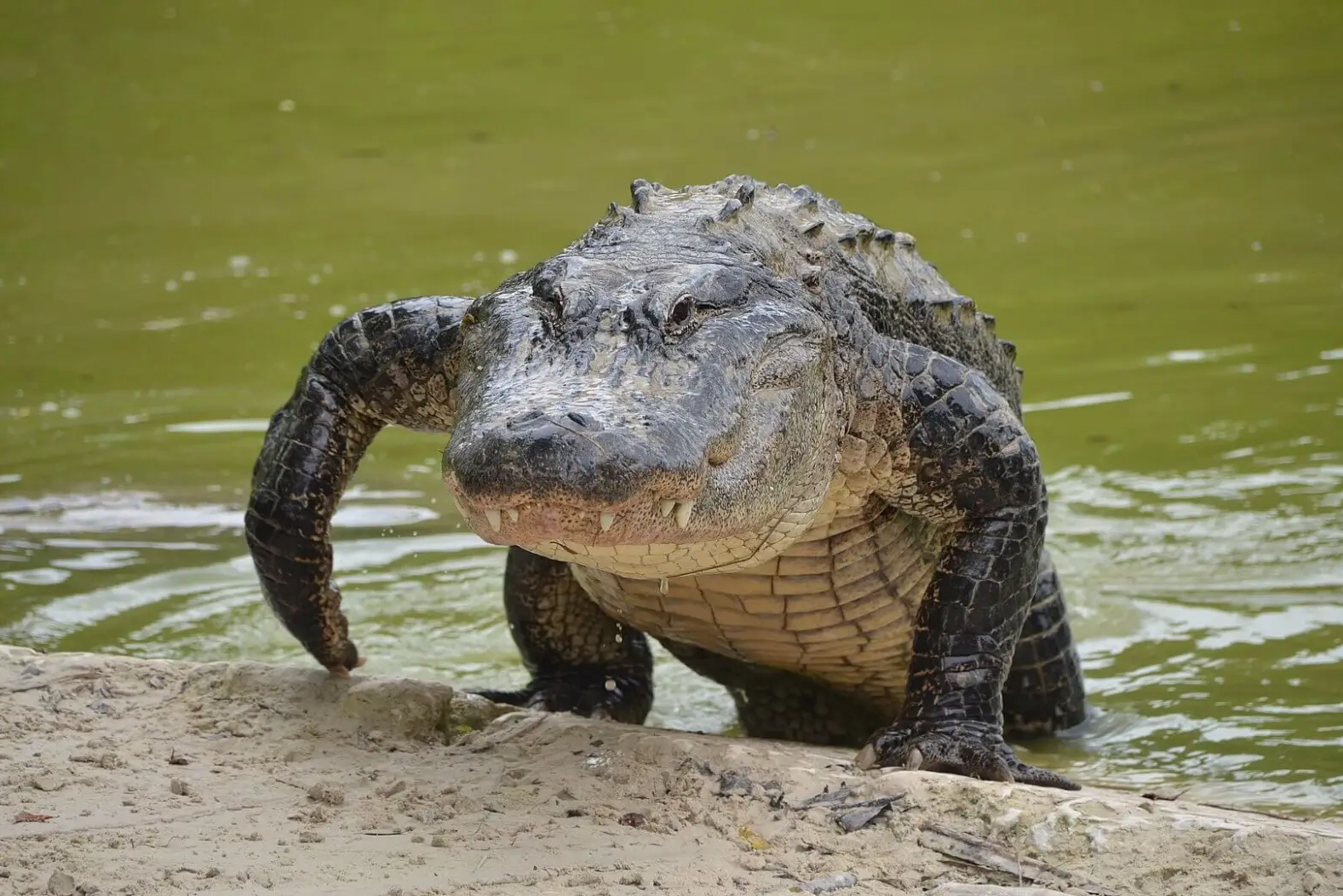
In places like Florida, this is something people grow up hearing about before they even see it for themselves. If there is water nearby, there is always a chance something else is living in it too. Alligators have found their way into canals, ponds, and drainage systems that run through residential areas. At first, it sounds unsettling, especially for someone new to it, but for many locals, it becomes part of everyday awareness. You learn where not to step, where not to linger, and how to stay alert without constantly worrying.
They are not moving into the city to cause problems, they are simply following the water systems that still feel familiar to them. People adjust their routines in small ways, keeping distance and respecting boundaries that are not always visible. Over time, it becomes something understood rather than feared. You stay cautious, but you also accept that the space is shared in ways that are not always obvious at first glance when you arrive.
10. Bats In City Buildings
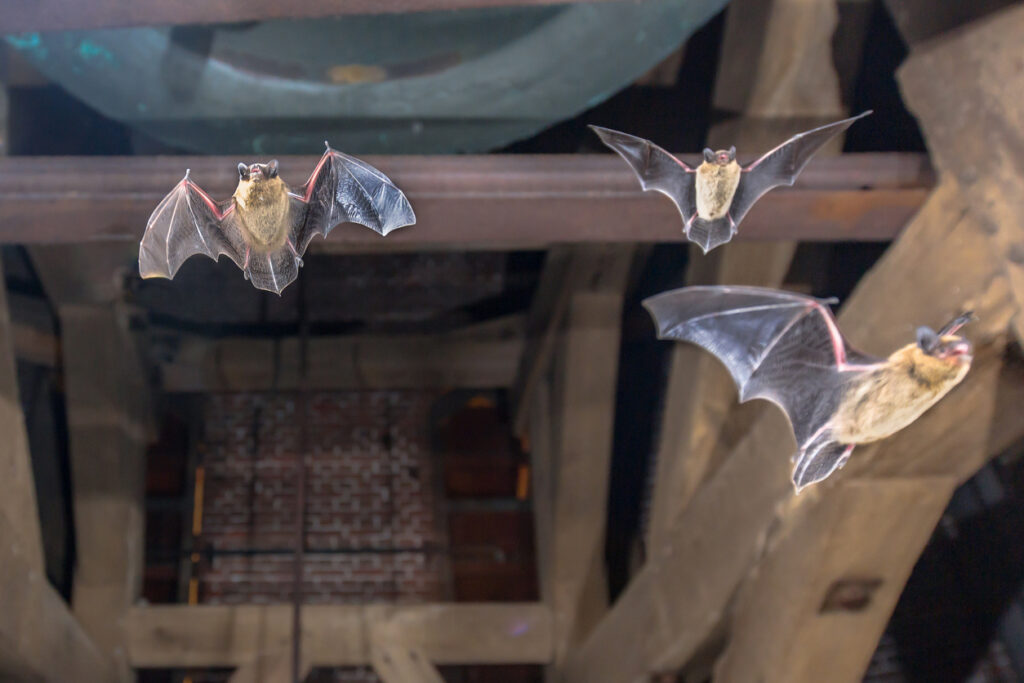
Most people do not notice bats until someone points them out during the early evening hours. They come out quietly, flying quickly across the sky, often from rooftops or small openings in buildings and bridges. In many cities, they have found shelter in structures that offer just enough space and protection. Their presence is not loud or disruptive, which is why they often go unnoticed by those moving through their daily routines. It feels like something happening just above your awareness.
They feed on insects, helping control populations without anyone needing to think about it too much. Once you realize they are there, it changes how you see the evening sky for a moment. You start to notice their movement, their patterns, and how consistent they are. It becomes something familiar, even if you never interact with them directly. They exist quietly alongside everything else, doing their part without needing attention or recognition from anyone nearby.
11. Parrots In Urban Skies
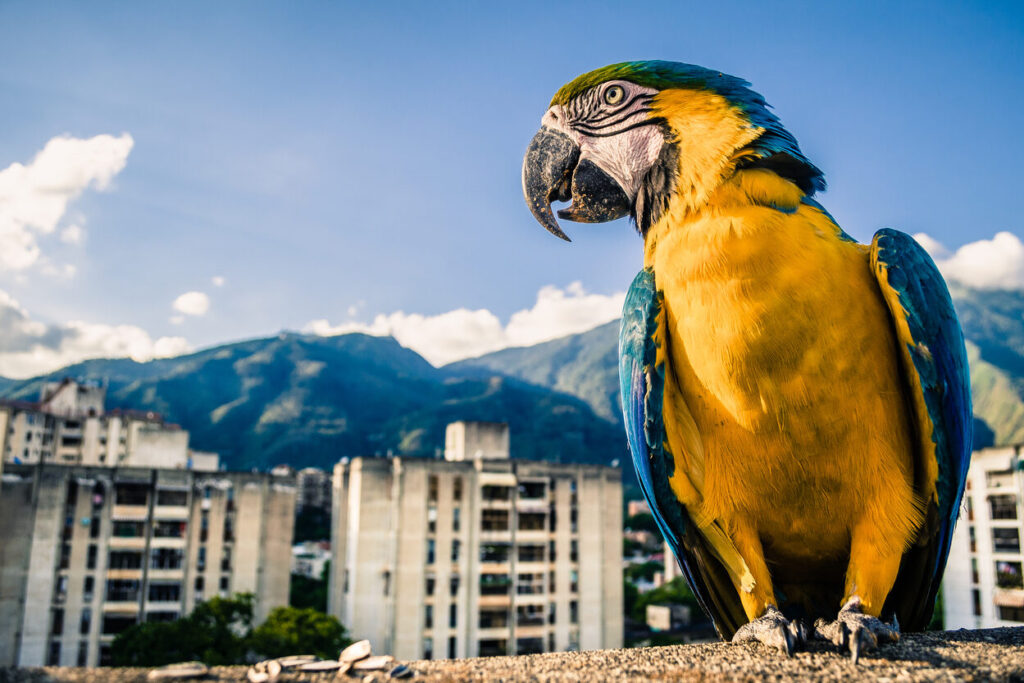
It usually starts with a sound that does not quite match the environment around you. A sharp call, louder than expected, that makes you look up without thinking twice. Then you see them, bright green parrots flying across the sky in cities like London and Los Angeles. At first, it feels out of place, almost like something that should not be there. But over time, their presence becomes something people recognize and even look forward to noticing.
They were not always part of the environment, but they have adapted and settled in, building populations that continue to grow. People pause to watch them, sometimes pointing them out to others nearby. It adds something different to the space, something unexpected but not unwelcome. Their presence reminds you that cities are not as fixed as they seem, and sometimes, something new finds a way to belong without needing permission.
12. Bears Wandering Into Towns
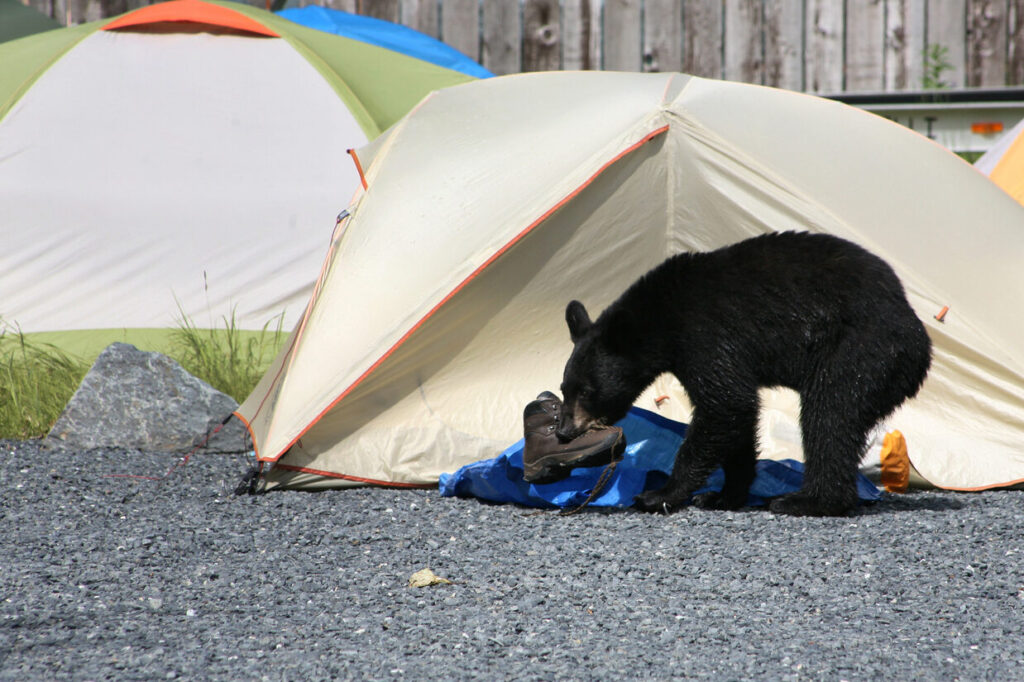
When a bear is spotted in a town, the news spreads quickly among residents and neighbors. It becomes something people talk about, sharing sightings and staying more alert than usual for a while. In areas close to forests, this has become more common over time. Bears follow food sources, and sometimes that leads them closer to human spaces than expected. It is not something people take lightly, but it is no longer completely surprising either.
Communities respond by making small changes, securing trash, staying indoors at certain times, and watching their surroundings more carefully. The presence of a bear changes how people move through their environment, even if only for a short period. It leaves an impression that does not fade quickly. You begin to see the area differently, understanding that the space is not just yours alone, even if it feels that way most of the time.
13. Snakes In Urban Gardens
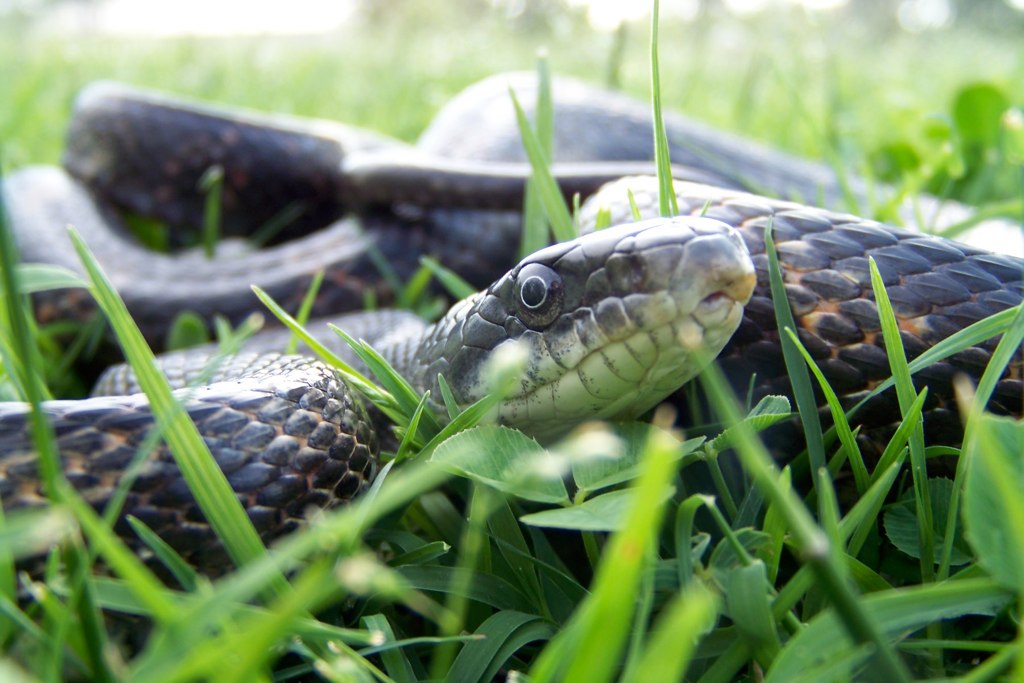
It often happens quietly, without any warning or attention drawn to it at all. You are walking through a garden or a park, and something moves slightly in the grass nearby. Snakes have found ways to live in green spaces within cities, especially where there is enough cover and food. Most of them avoid people completely, staying hidden and moving only when necessary. It is not something you notice every day, but knowing they are there changes how you move.
People become more careful, watching where they step and paying attention to their surroundings in a different way. Over time, it becomes less about fear and more about awareness. They are not trying to take over the space, just using it to survive quietly. It shows how even small patches of nature can support life in ways we do not always see. The city may feel controlled, but it is never completely separate from what exists beyond it.
14. Seagulls Taking Over Streets
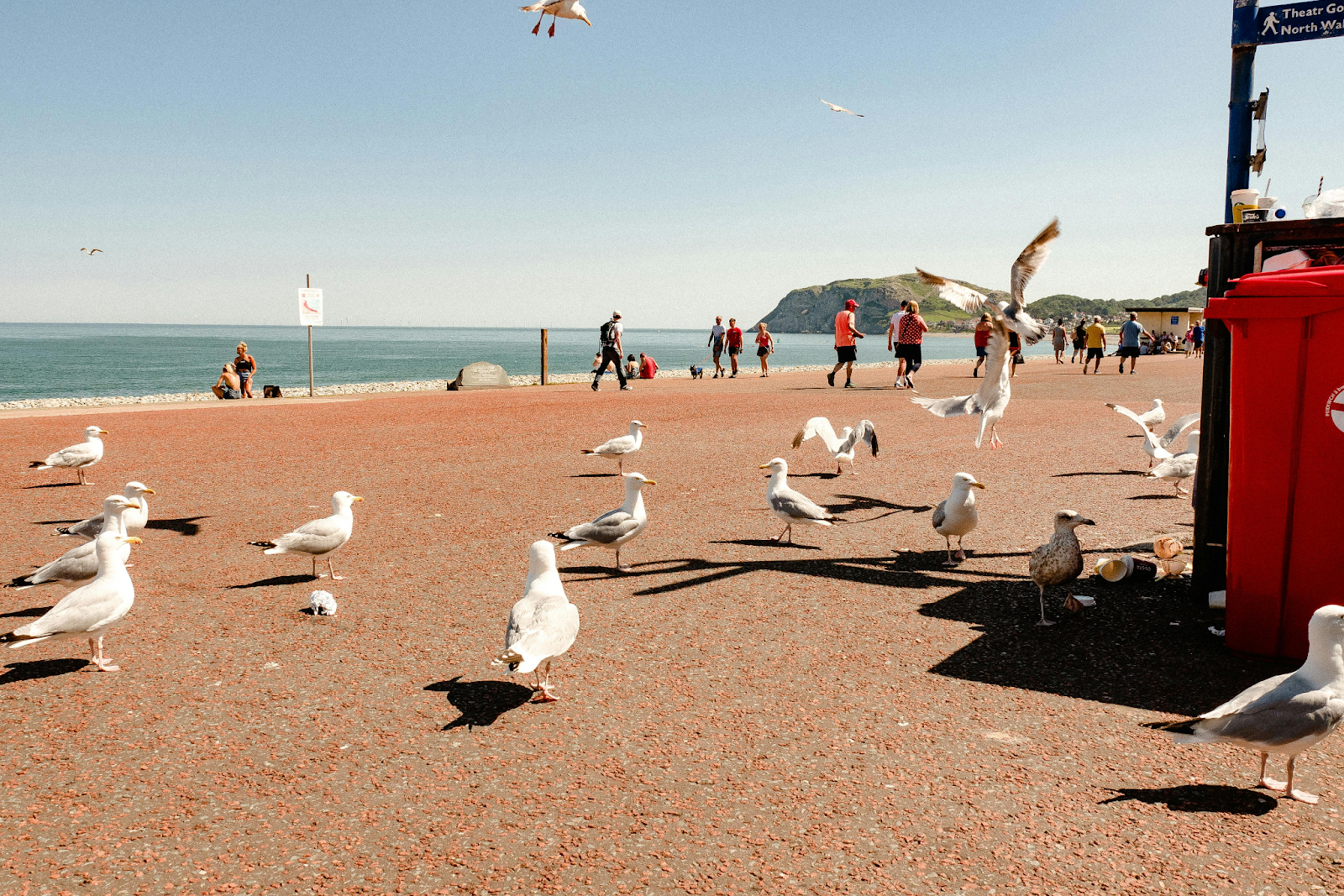
In coastal cities, seagulls have become more than just birds you see near the water. They have moved into streets, rooftops, and public spaces where people gather and eat. It is not unusual to see them walking confidently through busy areas or watching closely from above. Their behavior can feel bold, especially when they swoop down to grab food without hesitation. At first, it catches people off guard, but over time, it becomes something expected.
They have learned to take advantage of what the city offers, finding food easily and adapting quickly to human habits. People respond by being more cautious, holding onto their food and paying attention to what is happening around them. It is not always convenient, but it works in its own way. Their presence shows how quickly animals can adjust when conditions change, turning unfamiliar behavior into something that feels almost normal with time.
15. Elephants On City Outskirts
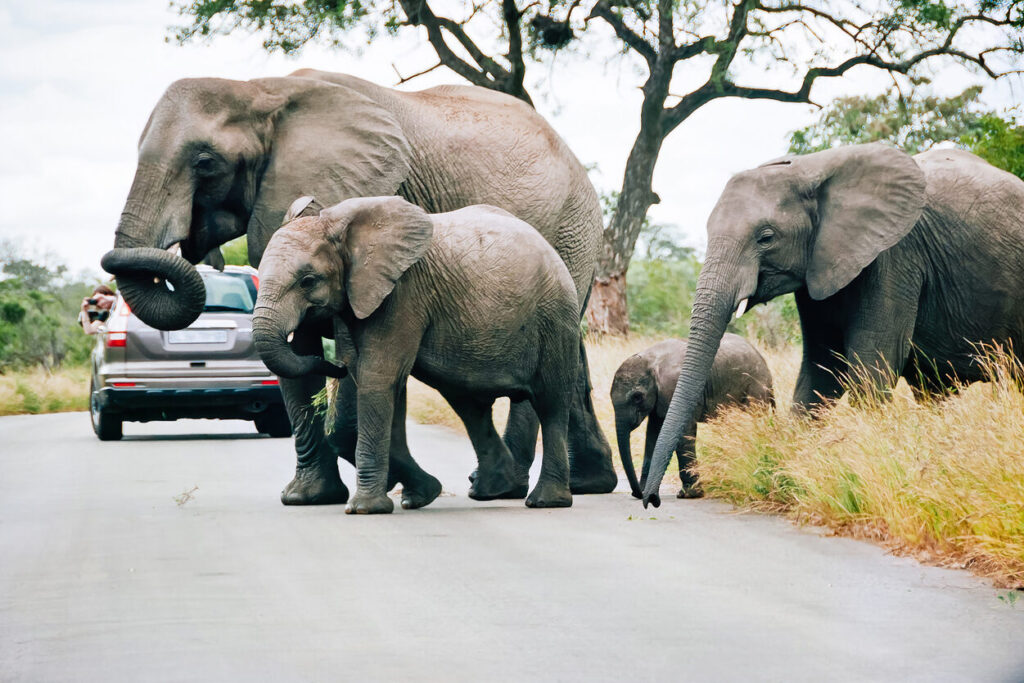
In some regions, elephants move close enough to towns that people cannot ignore their presence anymore. These are not brief sightings but real encounters that require attention and caution. It often happens because their natural routes have changed, bringing them closer to human settlements than before. For those living nearby, it becomes something that shapes daily awareness and movement in ways that are hard to ignore or forget.
Communities learn to respond carefully, finding ways to stay safe while respecting the animals and their space. It is not always an easy balance, and it does not feel comfortable all the time. Still, people adapt because they have to, adjusting routines and staying alert when needed. It becomes part of life in those areas, a reminder that changes in the environment affect everyone involved, even in ways that are not always expected or fully understood.
16. Penguins In Urban Coastal Areas
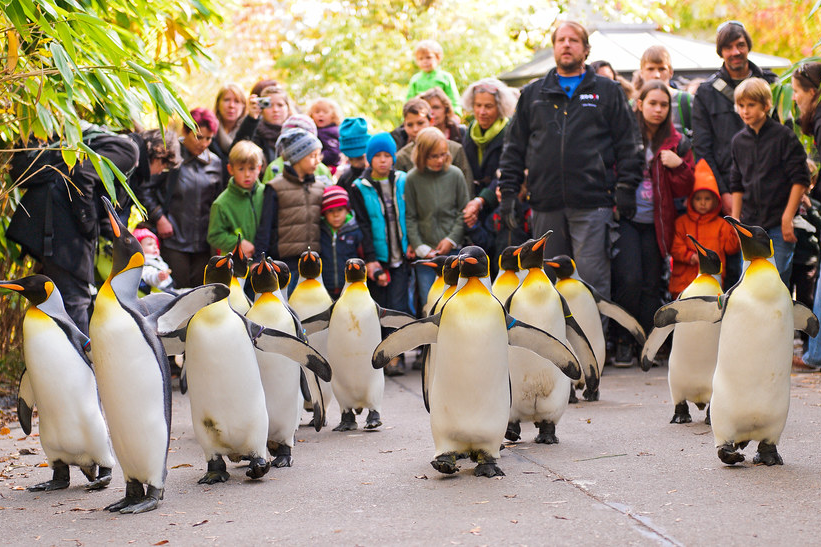
In places like Cape Town, penguins have become part of everyday life in a way that feels calm and almost gentle. You might see them near beaches, walking slowly along paths or resting in areas close to people. They do not seem rushed or disturbed, just moving through the space as if it belongs to them too. At first, it feels unusual, but over time, it becomes something people grow used to seeing.
People learn to give them space, watching without interfering and adjusting their behavior in small ways. It creates a shared environment that feels balanced, even if it was not always planned that way. Their presence brings everything together in a quiet way, showing how life continues to adjust and settle. And in that shared space, you begin to see the city differently, not just as something built for people, but as something that continues to evolve for everything living within it.


