
1. California

California was the first state to pass a law banning the retail sale of dogs, cats, and rabbits, changing how many people thought about bringing pets home. Instead of walking into a store to buy a puppy, residents were encouraged to adopt from shelters or connect directly with responsible breeders. The law, introduced in 2017, was meant to break the cycle of commercial puppy mills and protect families from poor breeding practices. California’s move created a model that many other states have since followed, setting the tone for what humane pet ownership should look like.
2. Maryland

Maryland became the second state to adopt a retail ban on puppy and kitten sales, putting its law into effect in 2020. Families could no longer find puppies in storefront windows but instead were directed toward rescues and adoption events. This move reduced the influence of commercial breeding facilities and gave animals in shelters a stronger chance to find permanent homes. Maryland’s action showed that California’s pioneering step could be replicated successfully. It shifted the culture of pet ownership in the state, encouraging residents to choose adoption first and making humane treatment of animals a shared responsibility.
3. Illinois

Illinois joined the growing list of states with bans by passing its law in 2021. Pet stores could no longer sell puppies and kittens from commercial breeders and instead had to work with shelters and rescues. The law aimed to cut off one of the biggest supply chains that kept puppy mills in business. For families, this meant their local stores started focusing on adoption partnerships instead of sales. Illinois showed how quickly the movement was spreading and how states could put pressure on the pet industry by choosing adoption-focused policies that gave animals a better chance.
4. New York State

New York passed its law in 2022, and it will officially go into effect in December 2024. The ban covers the sale of dogs, cats, and rabbits in pet stores across the state. Families who once relied on storefronts will now be encouraged to adopt or turn to responsible breeders directly. The law was passed with the goal of shutting down the pipeline from puppy mills into New York stores. By creating stronger adoption pathways, New York added momentum to a movement that continues to grow, showing other states what large-scale action can look like.
5. Maine

Maine decided to create rules that allowed retail stores to only work with shelters and rescue partners. This meant that commercial breeders were cut out entirely from storefront sales. The change helped make adoption more visible to the public, placing rescue pets where buyers once saw puppies for sale. Families became more familiar with adoption as the first choice rather than a backup option. Maine’s approach reshaped how people connected with animals and encouraged a deeper sense of responsibility. By choosing this path, the state built a stronger culture of humane practices and fair treatment.
6. Washington

Washington became another state to prohibit retail sales of puppies, closing off a pipeline that often led back to commercial breeders. Instead, stores were encouraged to partner with rescue groups and adoption programs. The decision reflected a growing realization that protecting families also meant protecting pets. Washington’s rules ensured that fewer buyers would unknowingly support puppy mills while offering more opportunities to adopt. The change was welcomed as a win for communities and shelters alike. It highlighted how states could act decisively to protect both pets and families while aligning with humane values in the process.
7. Albuquerque
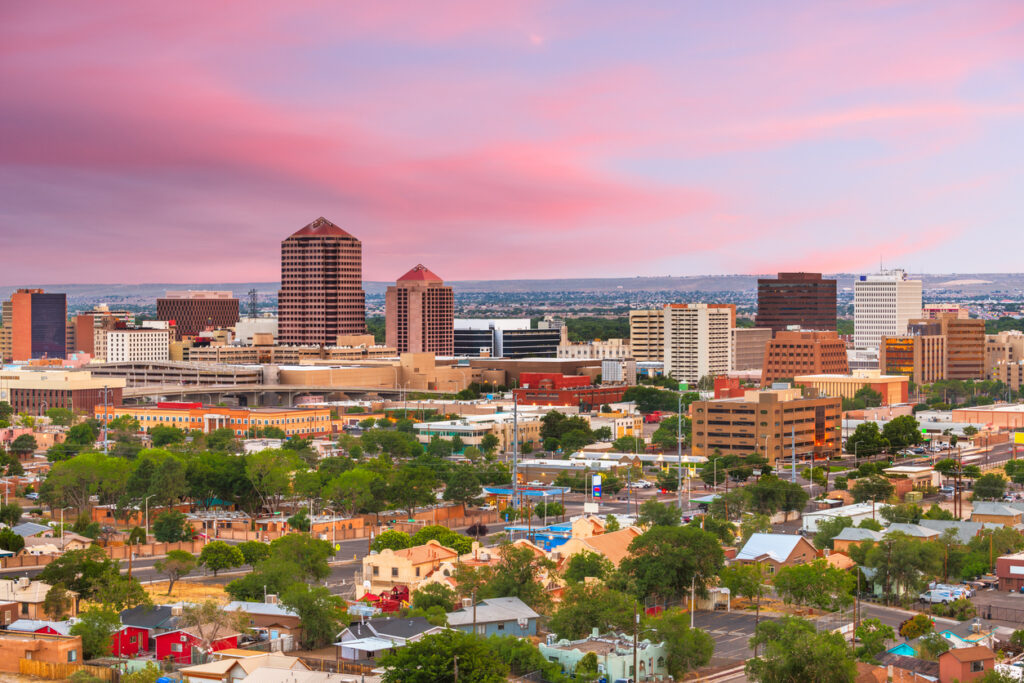
Albuquerque was ahead of its time, introducing a local ban as early as 2006. At the time, few cities had considered such action, but Albuquerque officials saw the issues tied to pet store sales and commercial breeders. Their law prohibited retail stores from selling dogs and cats sourced from mass breeders, making adoption the more visible path for families. The decision gave shelters greater visibility and set an example long before other cities joined in. Albuquerque’s leadership showed that early changes can create a long-lasting impact and influence future movements across different regions nationwide.
8. Boston

Boston took its own step by banning the sale of puppies in pet stores, but it also went further by expanding protections to rabbits. Rabbits had often been overlooked, but the city recognized that they too faced challenges in store sales. By including them in the ban, Boston set itself apart as a city considering a broader scope of welfare. Families looking for pets were guided toward shelters instead, helping more animals find homes. This approach showed that local governments could adjust laws thoughtfully to cover other species and adapt as new issues became clear.
9. Philadelphia

Philadelphia chose to implement humane sourcing requirements that acted as a ban in practice. Stores were required to provide proof that their animals came from rescues or ethical breeders. These standards were so strict that commercial puppy sales could not continue. Families looking to bring home a pet were then naturally directed toward adoption. The city’s clever approach reduced loopholes while reinforcing humane policies. For shelters, this meant more opportunities to place animals into homes. Philadelphia’s action showed that even without the word “ban,” cities could reach the same results and protect animals successfully.
10. Stamford

Stamford passed a strong ordinance banning the sale of dogs, cats, and rabbits in retail stores. This local action inspired nearby towns to consider their own laws and sparked larger conversations about statewide bans in Connecticut. Residents began seeing more adoption events and fewer store sales, creating a shift in the culture of how families found pets. Stamford’s action reminded people that local laws can build momentum and encourage broader changes. The city stood out as an example of leadership that reached beyond its borders and fueled new discussions about humane policies across the state.
11. Cambridge

Cambridge became known for one of the most wide-reaching bans in the country. Instead of limiting rules to dogs and cats, the city included mammals, birds, reptiles, and arachnids in its ordinance. The decision made Cambridge stand out as a community fully committed to animal welfare. Families could no longer buy a wide range of animals in stores but instead were encouraged to adopt or find responsible breeders directly. The approach broadened the conversation about pet sales, showing that humane protections should not stop at familiar pets but cover all creatures sold in stores.
12. Ferndale

Ferndale, Michigan expanded its local ban to include small mammals, birds, frogs, and more. Officials believed that all animals deserved the same level of care and protection, not just dogs and cats. This law reflected a wider view of animal welfare and gave rescue groups more opportunities to connect families with animals in need. Ferndale’s approach made adoption the natural choice across many species, not just traditional pets. The city’s decision stood out as proof that smaller communities could be creative leaders in humane policies, setting a strong example for others considering broader bans.
13. New York City

New York City is looking into expanding on the statewide law by considering a ban on bird sales in pet stores. Advocates believe that birds face many of the same welfare issues as puppies and deserve equal protection. If passed, this would add another layer to New York’s leadership in animal welfare. Families would then be encouraged to seek out adoption or responsible sources instead of retail stores. The proposal has sparked meaningful discussion and shows that even after large state action, individual cities can continue to push further for more comprehensive protections.
14. Connecticut

Connecticut lawmakers have introduced a proposal, House Bill 5112, that would ban retail sales of dogs, cats, and rabbits statewide. This proposal builds on local actions already taken by towns like Stamford. If passed, the bill would expand the adoption culture across the state and further reduce reliance on commercial breeders. Residents would find it easier to connect with rescues and shelters instead of pet stores. The bill reflects how grassroots changes can eventually inspire larger shifts. Connecticut’s progress shows that the national movement is gaining ground and moving steadily toward adoption-first policies.
15. Delaware

Delaware is currently considering House Bill 131, a measure that would add new restrictions on live animal sales with a focus on commercial breeders. The bill would help modernize how families in the state find pets, encouraging more adoption and adding oversight for breeding operations. Advocates believe this step is a natural continuation of the broader trend already sweeping across the country. If passed, Delaware would show that even smaller states can take meaningful action. The effort highlights how the movement to rethink pet sales continues to grow, pointing toward a future shaped by adoption.
This story was first published on Daily FETCH August 16th.


