
Dracula Accent Trouble
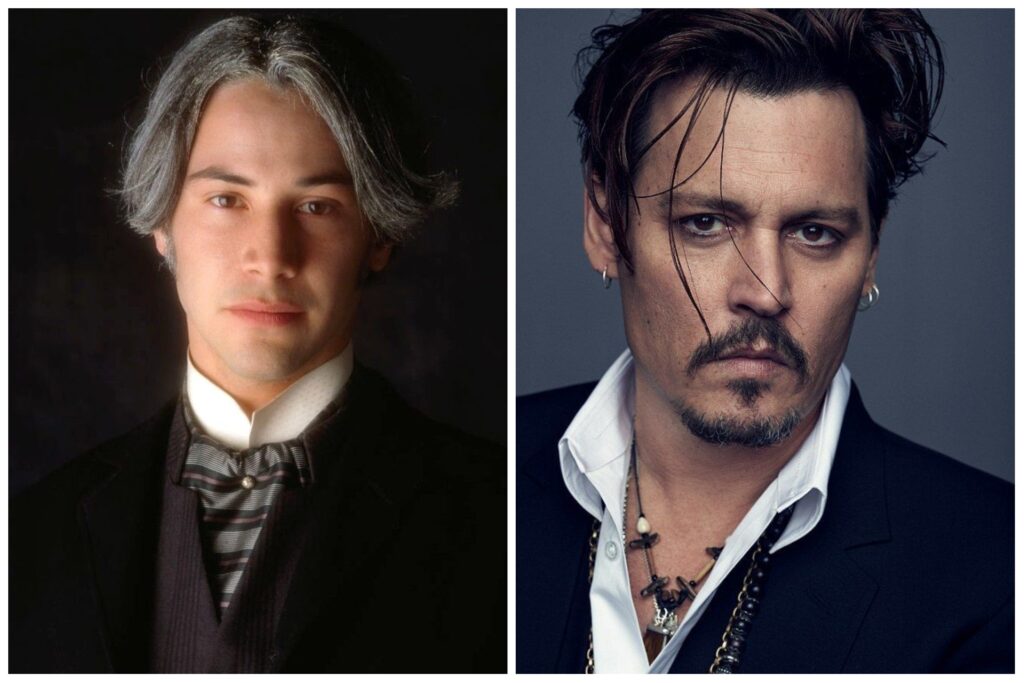
The 1992 film Bram Stoker’s Dracula, directed by Francis Ford Coppola, is a visual masterpiece, but Keanu Reeves’ performance as Jonathan Harker is frequently cited as its weakest link. Reeves struggled significantly with his English accent, leading to several lines of dialogue that felt stiff and unintentional. In a film filled with high-energy performances from Gary Oldman and Anthony Hopkins, Reeves’ wooden delivery and lack of period-appropriate affectation made him stand out for all the wrong reasons, breaking the gothic spell the movie tried to cast.
A much better choice for the role of the young solicitor would have been a British actor like Hugh Grant or even a more versatile American like Johnny Depp. At that time, Grant was the master of playing the “stuttering English gentleman,” which would have fit the character of Jonathan Harker perfectly. Depp, who worked with Coppola’s contemporary Tim Burton, had a knack for the “strange and gothic” that would have allowed him to blend into the film’s surreal environment much better. It’s a classic case of an actor being right for the box office, but wrong for the dialect.
The Conqueror Casting
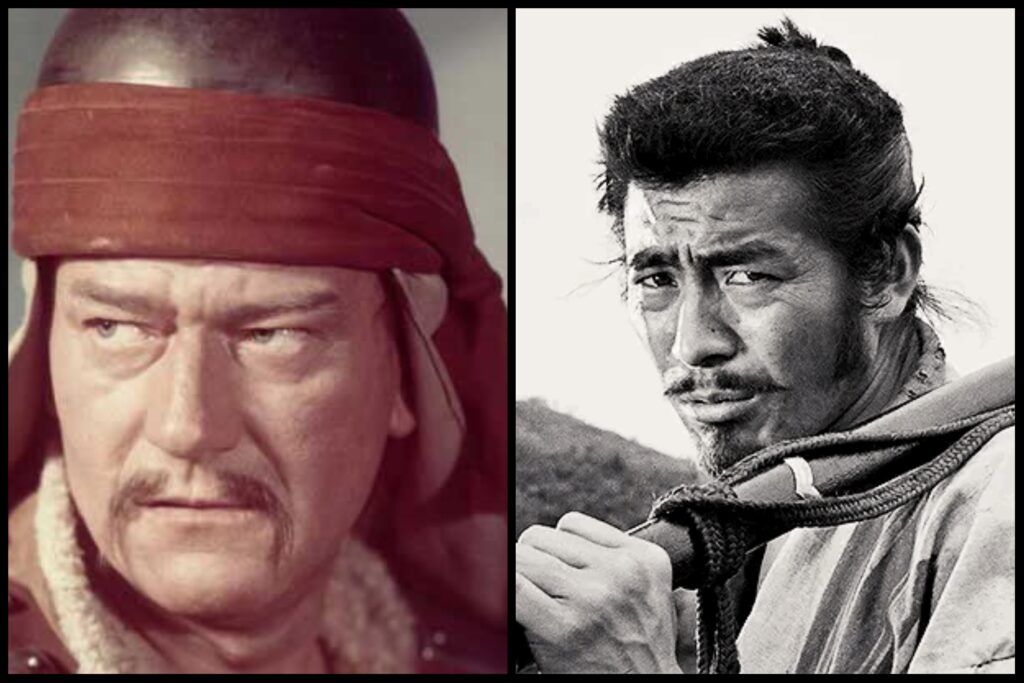
In 1956, the epic film The Conqueror made one of the most baffling decisions in Hollywood history by casting John Wayne as the Mongol conqueror Genghis Khan. Wayne was the ultimate symbol of the American West, known for his drawl and cowboy swagger. Seeing him in traditional Asian attire and heavy makeup was jarring even for 1950s audiences. The film was a critical disaster, and Wayne’s performance is often cited as the pinnacle of “Golden Age” miscasting. This is also because his persona was simply too tied to the rugged American frontier to be believable as an Eastern emperor.
A far more compelling choice would have been Toshiro Mifune, the legendary Japanese actor who rose to international fame in 1954’s Seven Samurai. Mifune possessed a ferocity and a commanding physical presence that could have grounded the role in a sense of genuine authority. While he was Japanese rather than Mongolian, his experience in historical epics and his ability to portray complex, high-stakes warriors would have offered a level of gravitas that Wayne simply couldn’t reach. This remains a stark reminder of how prioritizing a “big name” can undermine the historical weight of a story.
Elvis Manager Portrayal
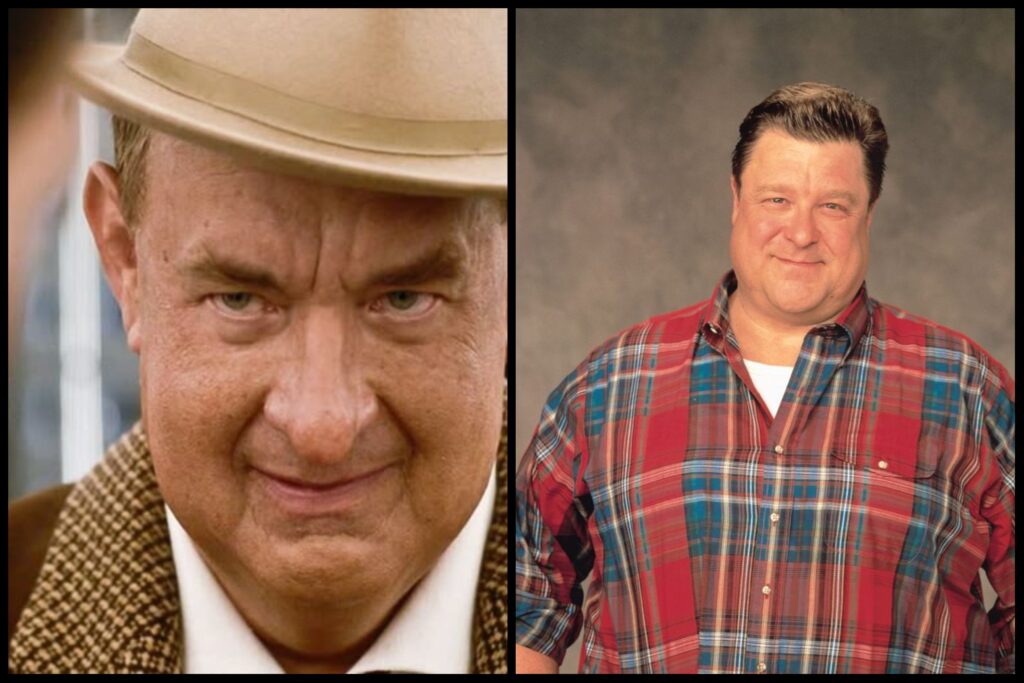
In the 2022 biopic Elvis, directed by Baz Luhrmann, Tom Hanks took a rare villainous turn as Colonel Tom Parker. While Hanks is arguably the most beloved actor of his generation, his portrayal was met with confusion. Between the heavy prosthetic facial features and a thick, hard-to-place accent, many viewers felt they were watching a caricature rather than a real person. Instead of feeling the sinister manipulation Parker exerted over Elvis, the audience was often distracted by the theatricality of the performance, which felt disconnected from the more grounded energy of Austin Butler’s Elvis.
Many fans pointed toward John Goodman as the ideal alternative for this specific role. Goodman has a natural, imposing physical stature and a unique ability to switch from jolly to menacing in a heartbeat, which perfectly mirrors the real-life Colonel’s personality. Also, since Parker was a former carnival barker with a mysterious past, Goodman’s experience playing “larger-than-life” yet gritty characters would have felt more authentic. Choosing an actor who didn’t require such distracting makeup might have allowed the predatory nature of the manager-artist relationship to take center stage.
Too Old For School

When the film version of Dear Evan Hansen arrived in 2021, it faced immediate backlash regarding the casting of Ben Platt. Having originated the role on Broadway in 2016 and winning a Tony Award for it, Platt’s vocal performance was undeniably brilliant. However, at age 27, the transition to the high-definition big screen was difficult. The camera is far less forgiving than a theater stage, and the attempts to make him look like a 17-year-old student, using makeup and specific hairstyles, only served to highlight the age gap, making the character’s high school struggles feel awkward rather than moving.
A much better fit for the cinematic medium would have been Andrew Barth Feldman. Feldman took over the role on Broadway in 2019 when he was actually a teenager, bringing a raw, youthful vulnerability that the film desperately needed. In a movie where the plot hinges on the innocence and mistakes of a lonely kid, having a lead who looks the part is essential for the audience’s empathy. While Platt’s talent is immense, this instance proved that some performances are better left to the magic of the stage where distance allows for more imagination.
Reacher Didn’t Match
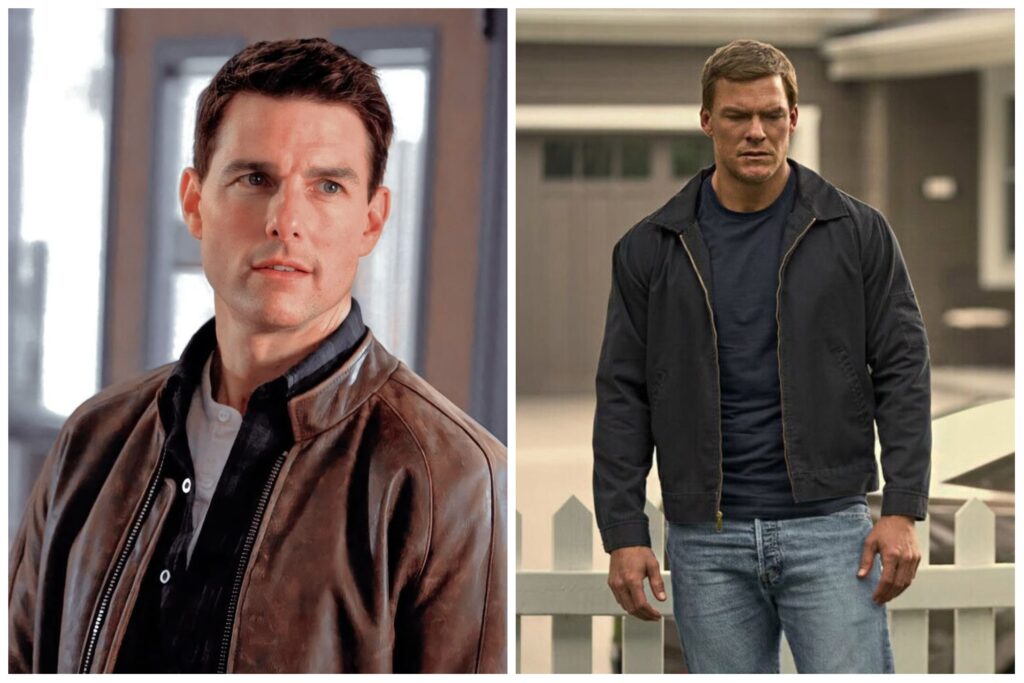
When Jack Reacher hit theaters in 2012, fans of Lee Child’s bestselling novels were immediately skeptical of Tom Cruise in the lead role. In the books, Reacher is described as a massive, 6-foot-5-inch powerhouse weighing 250 pounds, a man whose physical size is his primary weapon. Cruise, while a dedicated and highly capable action star, stands around 5-foot-7-inch. Even though Cruise delivered a focused and intense performance, the “silent giant” aspect of the character was completely lost, changing the fundamental dynamic of how Reacher interacts with his environment and his enemies.
The eventual casting of Alan Ritchson in the 2022 television series proved exactly what fans had been missing. Ritchson’s incredible physique and towering height brought the literary version of the character to life in a way that felt much more accurate to the source material. While Cruise is a legendary box-office draw, this case highlights that some characters are defined by their physical presence. When a role is built around being an immovable object, the actor’s height and build are just as important as their ability to deliver lines or perform stunts.
Robin Hood Accent
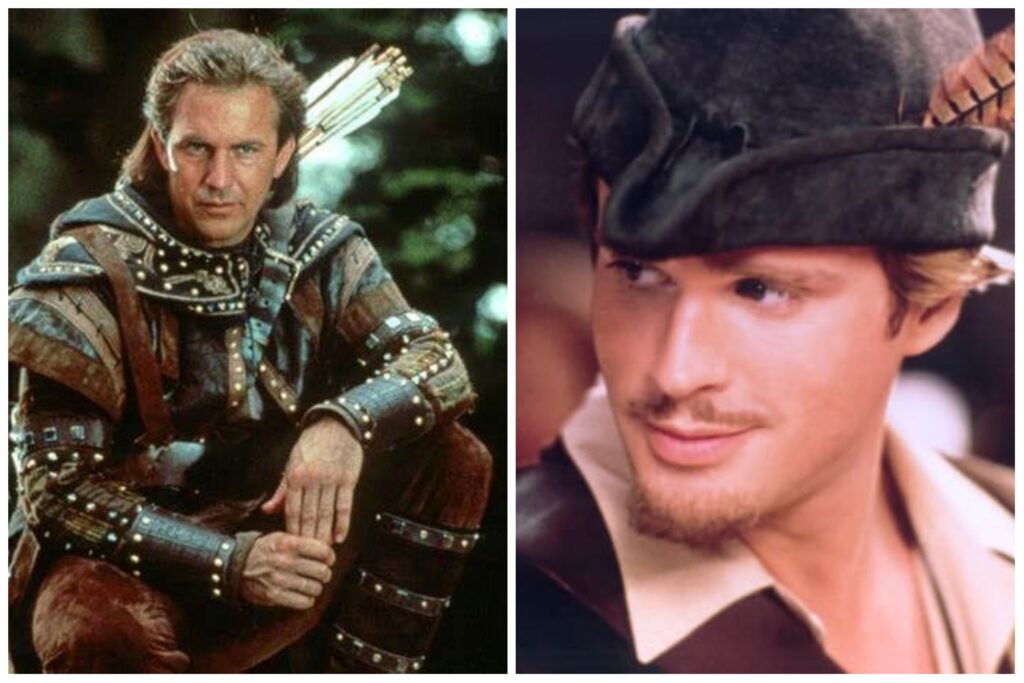
The 1991 blockbuster Robin Hood: Prince of Thieves was a massive financial success, but Kevin Costner’s performance remains a point of ridicule decades later. The primary issue was Costner’s fluctuating accent; he essentially played the legendary British outlaw with a flat American tone. In a story so deeply rooted in English history and folklore, having a lead who sounded like he just stepped off a California beach created a massive tonal rift. It made the world of Sherwood Forest feel like a Hollywood set rather than a transportive journey into the medieval past.
At the time, Cary Elwes would have been a fantastic choice for a more traditional take, or perhaps a rising British star like Kenneth Branagh, who was gaining fame in the early 90s for his Shakespearean work. Elwes eventually proved he had the charm and the “look” for the role in the 1993 parody Robin Hood: Men in Tights, where he famously joked about being a Robin Hood who could actually speak with an English accent. While Costner brought star power, the lack of vocal commitment remains one of the most famous examples of a “fish out of water” performance.
Amsterdam Lacked Grit
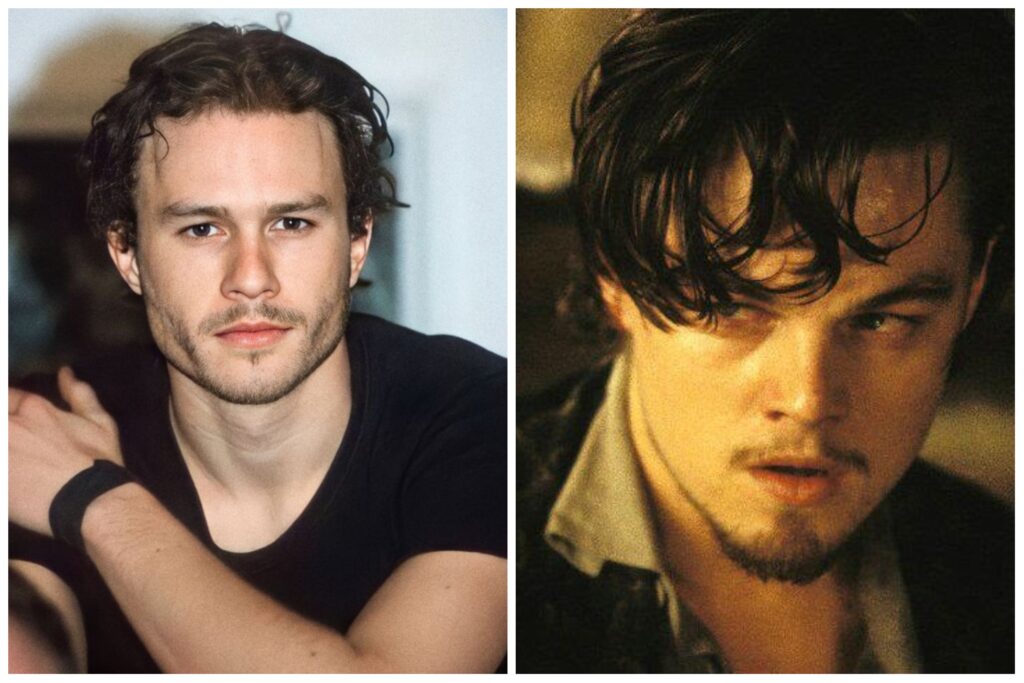
In Martin Scorsese’s 2002 epic Gangs of New York, Leonardo DiCaprio played Amsterdam Vallon, a young man seeking revenge in the mid-19th century. While DiCaprio is a phenomenal actor, he was still carrying his “boyish” post-Titanic image at the time. When placed directly opposite Daniel Day-Lewis, who gave a terrifyingly visceral performance as Bill the Butcher, DiCaprio often seemed overshadowed. The role called for a gritty, hardened street fighter who had survived years in a brutal orphanage, but DiCaprio’s performance felt a bit too polished for the filth and violence of the Five Points.
If the film had been cast with someone like Heath Ledger or Colin Farrell, the dynamic might have felt more balanced. Both actors possessed a certain “rough around the edges” energy in the early 2000s that would have matched the movie’s dark, muddy aesthetic. Ledger, in particular, had a physical intensity that could have made the rivalry between Amsterdam and Bill feel like a clash of two titans. While DiCaprio eventually grew into much grittier roles later in his career, he felt just a few years too young and “clean” for this specific historical bloodbath.
Period Drama Misfit
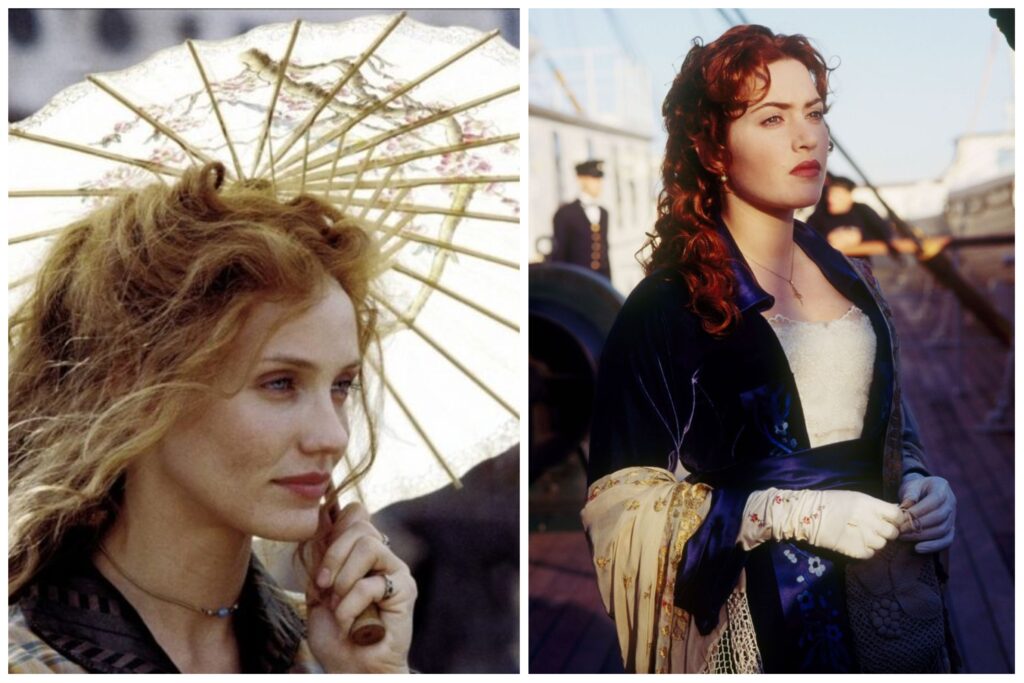
Another casting choice in Gangs of New York that raised eyebrows was Cameron Diaz as the pickpocket Jenny Everdeane. Diaz was the “it girl” of modern romantic comedies in 2002, and her presence in a 19th-century period piece felt strangely modern. Despite the period costumes and red hair, her delivery and mannerisms felt like they belonged in a contemporary setting. This made it difficult for the audience to fully immerse themselves in the historical atmosphere that Scorsese worked so hard to build with his massive, detailed sets at Cinecittà Studios.
Kate Winslet, who was already a veteran of period dramas by 2002, would have been a much more natural fit for the role of Jenny. Winslet has a unique ability to disappear into different eras, as seen in her work in Titanic (1997) and Sense and Sensibility (1995). She could have brought a layer of soulful weariness to the character that would have made her life as a street-smart survivor more believable. Casting a contemporary rom-com star in such a gritty role is a classic example of a studio trying to maximize commercial appeal at the expense of the film’s atmosphere.
Unusual Lex Luthor
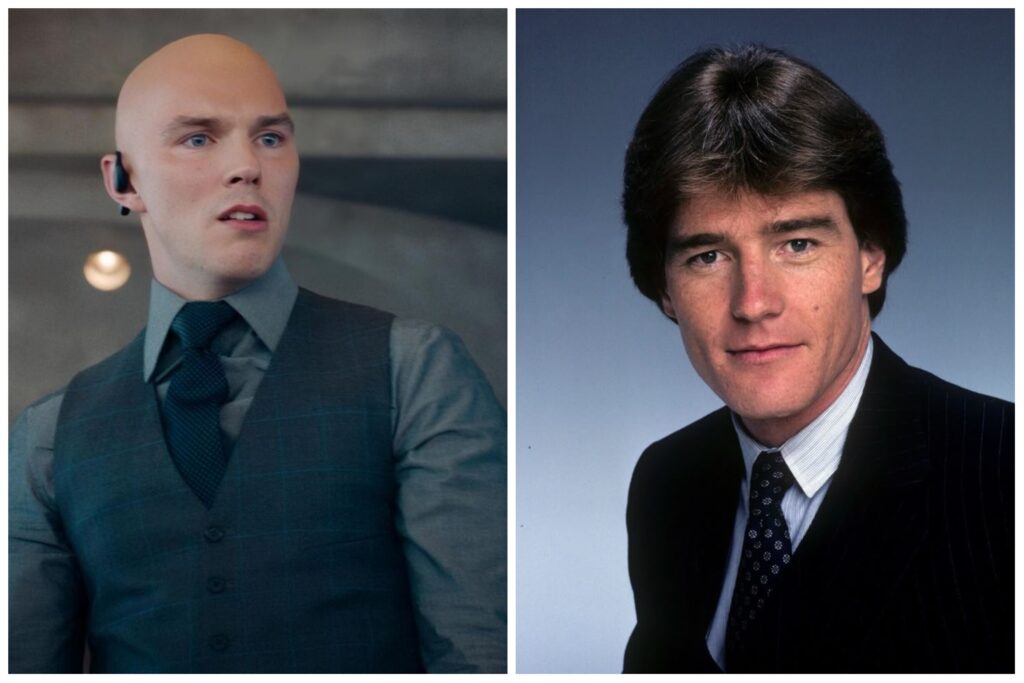
In 2016’s Batman v Superman: Dawn of Justice, Jesse Eisenberg was cast as the iconic villain Lex Luthor. Instead of the polished, intimidating, and cold billionaire from the comic books, Eisenberg played the character as a twitchy, eccentric, and high-pitched tech genius. While the filmmakers were clearly trying to modernize the character for the “Silicon Valley” era, the result was a villain that many fans found more annoying than threatening. The intellectual chess match between Luthor and Superman lost its gravity because the performance felt too scattered and frantic.
A more traditional and effective choice would have been Bryan Cranston or Jon Hamm. Cranston, coming off his legendary run in Breaking Bad, had already proven he could play a calculating, cold-blooded mastermind with a terrifying presence. Hamm, with his classic leading-man looks and ability to project corporate authority, could have portrayed Luthor as a more formidable and “grown-up” antagonist. Sometimes a classic character doesn’t need a radical reinvention; it just needs an actor who can embody the power and ego that made the character famous in the first place.
Academic Adventurer Debate
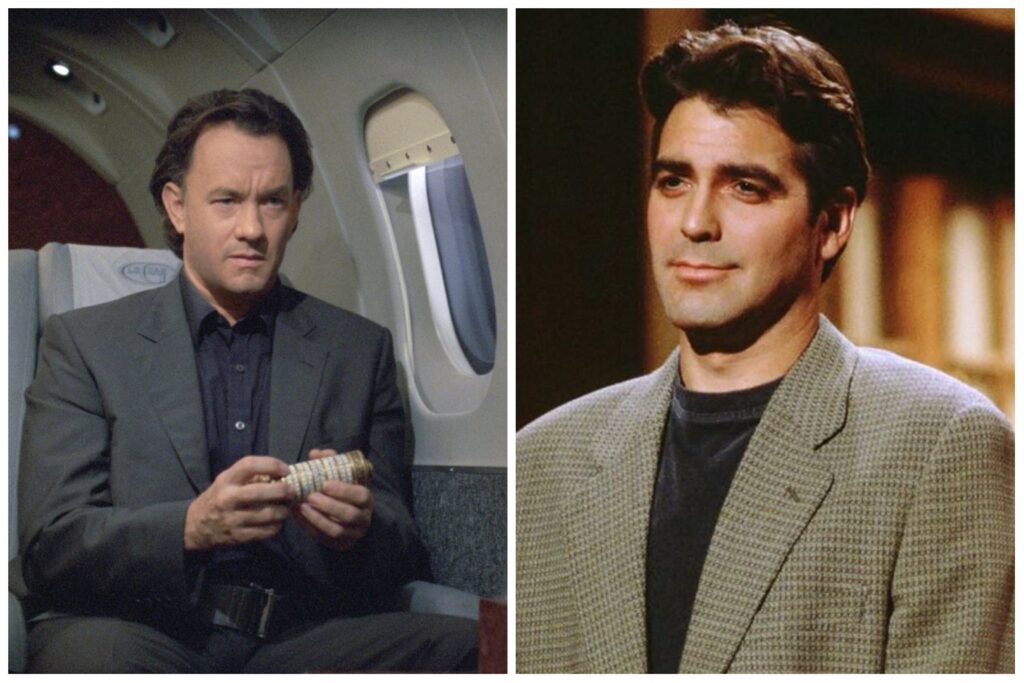
When The Da Vinci Code was adapted for the screen in 2006, Tom Hanks was cast as the protagonist, Robert Langdon. While Hanks is a master of playing the “everyman,” fans of Dan Brown’s novels had a very different image of the character. In the books, Langdon is described as a “Harrison Ford in Harris Tweed”, a man with a certain rugged, academic charm and a commanding physical presence. Hanks played the role with a very low-key, almost somber energy that some felt lacked the adventurous spark needed for a high-stakes conspiracy thriller.
George Clooney would have been a fantastic alternative for Robert Langdon. Clooney naturally exudes that blend of intelligence, wit, and classic leading-man charisma that the book version of the character possessed. He also would have fit the “academic adventurer” archetype more closely, making the chase through Paris and London feel a bit more dynamic. While the movie was a massive hit, the discussion around Langdon’s casting serves as a reminder that when a book is a global phenomenon, readers have very specific expectations for how their hero should look and act.
Boston Accent Struggles
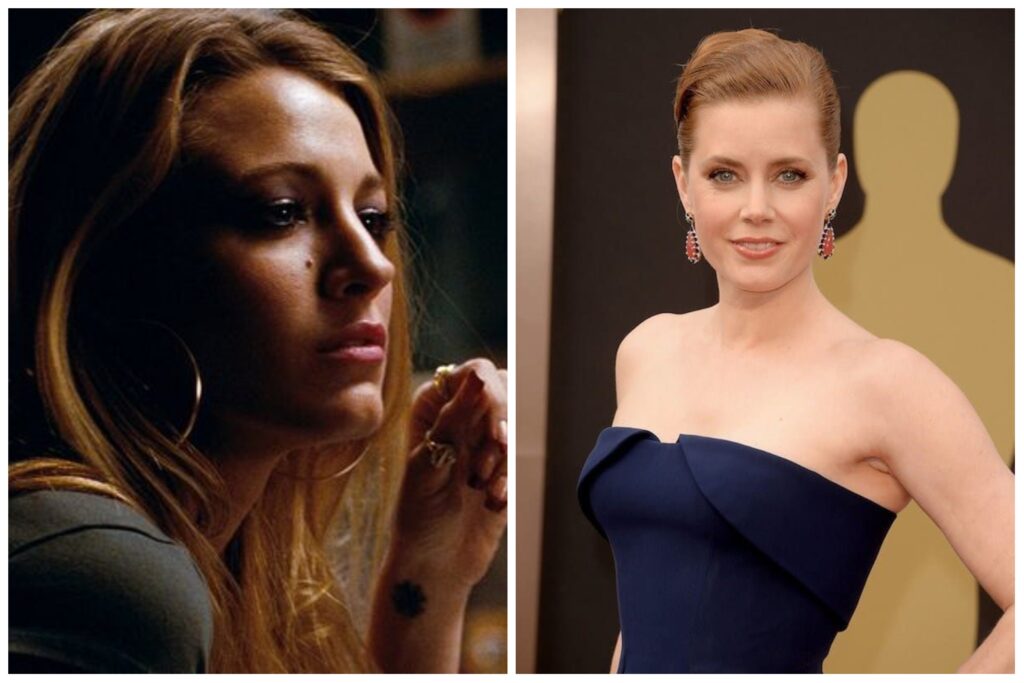
In the 2010 crime drama The Town, directed by Ben Affleck, Blake Lively took on the role of Krista Coughlin, a troubled woman from the rough streets of Charlestown. While Lively is a talented actress who has since proven her range, her performance in this specific film was met with mixed reviews due to her struggle with the notoriously difficult Boston accent. In a movie that prided itself on hyper-realism and local authenticity, her vocal slips occasionally pulled the audience out of the gritty atmosphere that Affleck worked so hard to establish.
A more seamless fit for the role of Krista might have been Amy Adams, who had already demonstrated her incredible ability to disappear into regional characters, notably in 2010’s The Fighter. Adams possesses a raw, transformative quality that would have allowed her to embody the desperation of the character without the distraction of an inconsistent dialect. While Lively certainly gave the role her all, this instance serves as a reminder that in character-driven dramas set in specific locales, the ability to master a local tongue is just as vital as the emotional performance itself.
Ghost In The Shell Misfit
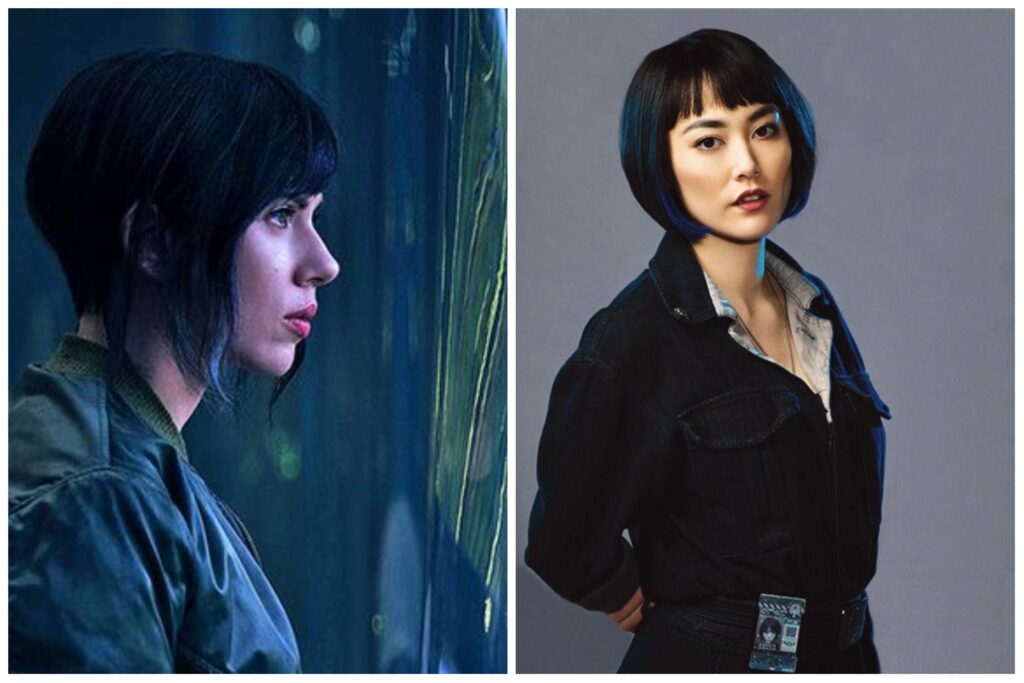
The 2017 live-action adaptation of Ghost in the Shell sparked a massive international conversation when Scarlett Johansson was cast as Major Motoko Kusanagi. While Johansson is a seasoned action star with incredible box-office pull, fans of the original 1989 manga and 1995 anime felt that the role should have gone to an actress of Japanese descent. The decision to cast a Western lead in a story deeply rooted in Japanese philosophy and aesthetics was seen by many as a missed opportunity to honor the character’s cultural origins and provide much-needed representation.
Rinko Kikuchi, who earned an Oscar nomination for her stunning work in 2006’s Babel and starred in 2013’s Pacific Rim, was the top choice for many fans and critics alike. Kikuchi has the perfect blend of stoic intensity and physical grace required to play a cyborg commander, and her casting would have grounded the film in the authenticity it lacked. The backlash surrounding this film in the late 2010s eventually became a turning point in Hollywood, pushing studios to be more mindful of cultural context and casting choices in the years leading up to 2026.
Musical Misalignment
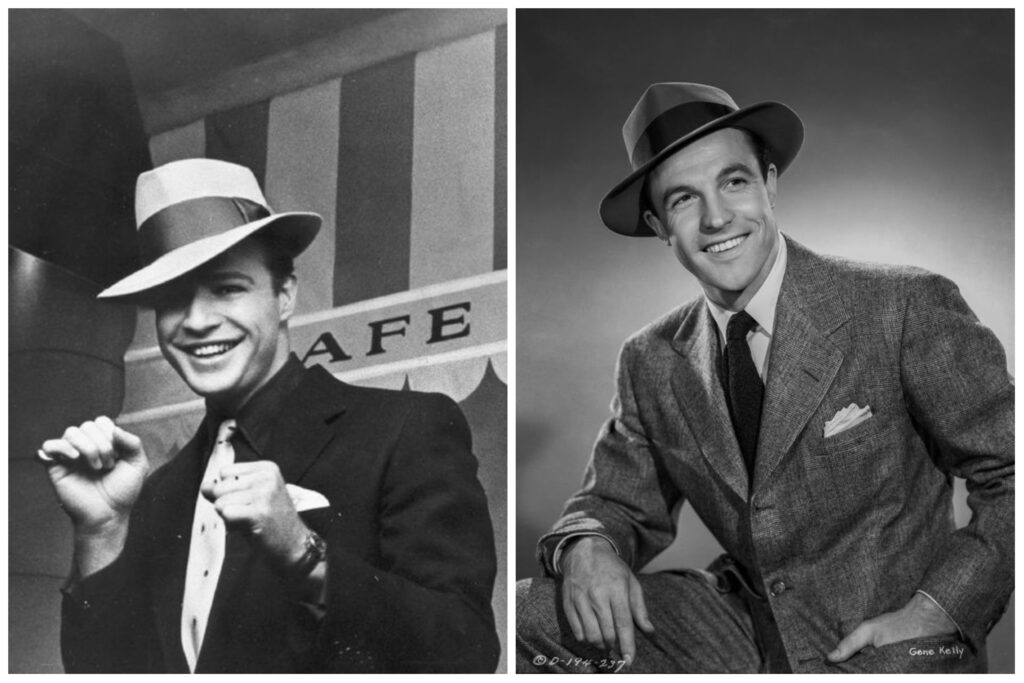
The 1955 film version of Guys and Dolls is a fascinating piece of cinema history, primarily because it cast Marlon Brando as the charismatic gambler Sky Masterson. At the time, Brando was the most respected “Method” actor in the world, known for his brooding intensity in films like A Streetcar Named Desire. However, musical theater requires a very specific set of vocal skills that Brando simply did not possess. While he tried his best with the songs, his performance felt somewhat stiff and uncomfortable compared to the seasoned musical veterans surrounding him on the vibrant set.
The role was practically tailor-made for Gene Kelly, who was at the height of his powers in the mid-1950s following the success of 1952’s Singin’ in the Rain. Kelly had the natural athletic grace, the smooth singing voice, and the effortless “tough-guy charm” that Sky Masterson requires. Interestingly, Frank Sinatra was also in the film but was cast as Nathan Detroit, a role he famously disliked because he felt he should have been playing Sky. This remains a classic example of a studio prioritizing the biggest name in dramatic acting over the specialized talent required for the musical genre.
Uncharted Youthful Take
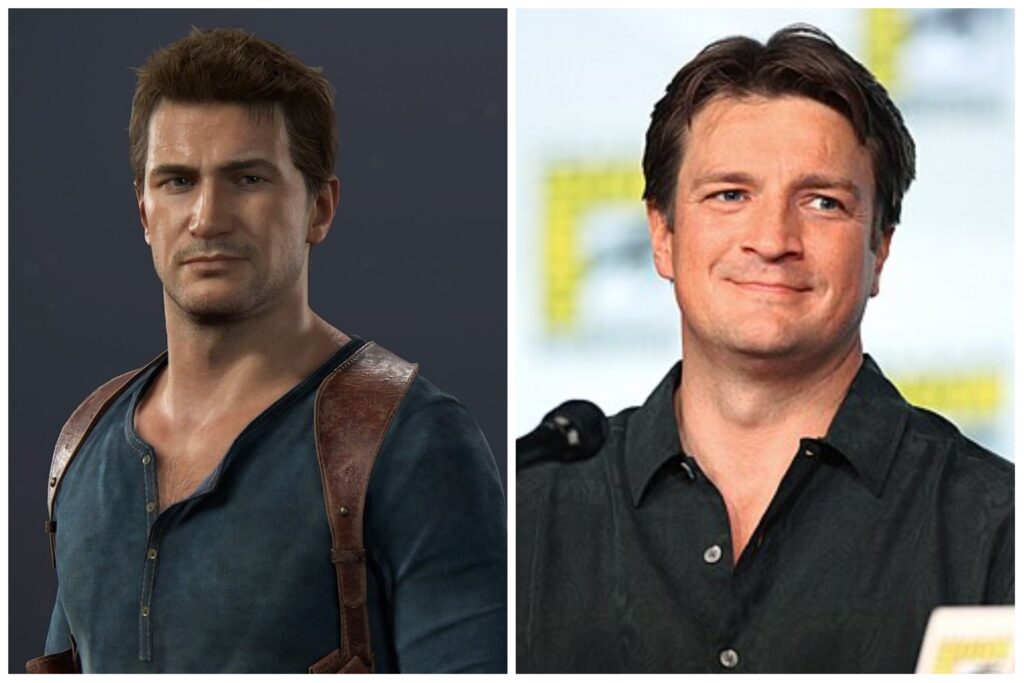
When the Uncharted film finally reached theaters in 2022, Tom Holland was cast as the legendary treasure hunter Nathan Drake. Holland is undeniably charming and brought a great deal of physical energy to the stunts, but for fans of the video game series which debuted in 2007, he felt far too young for the part. Nathan Drake is traditionally depicted as a rugged, world-weary adventurer in his 30s with a dry sense of humor and a bit of “scruff.” Seeing a teenage-looking Drake changed the entire mentor-student dynamic of the story and made the high-stakes action feel more like a “coming-of-age” tale.
For years, the internet campaigned for Nathan Fillion to take the role, especially after he starred in a viral 2018 fan film that captured the character’s essence perfectly. Fillion possesses the exact look, age, and “roguish” wit that made the games so popular among millions of players worldwide. While the filmmakers were clearly looking to build a long-term franchise with a younger lead, the choice alienated a large portion of the existing fanbase. It’s a clear case where the “vibe” of a character is just as important as the actor’s ability to perform the choreography.
Holly Golightly Debate
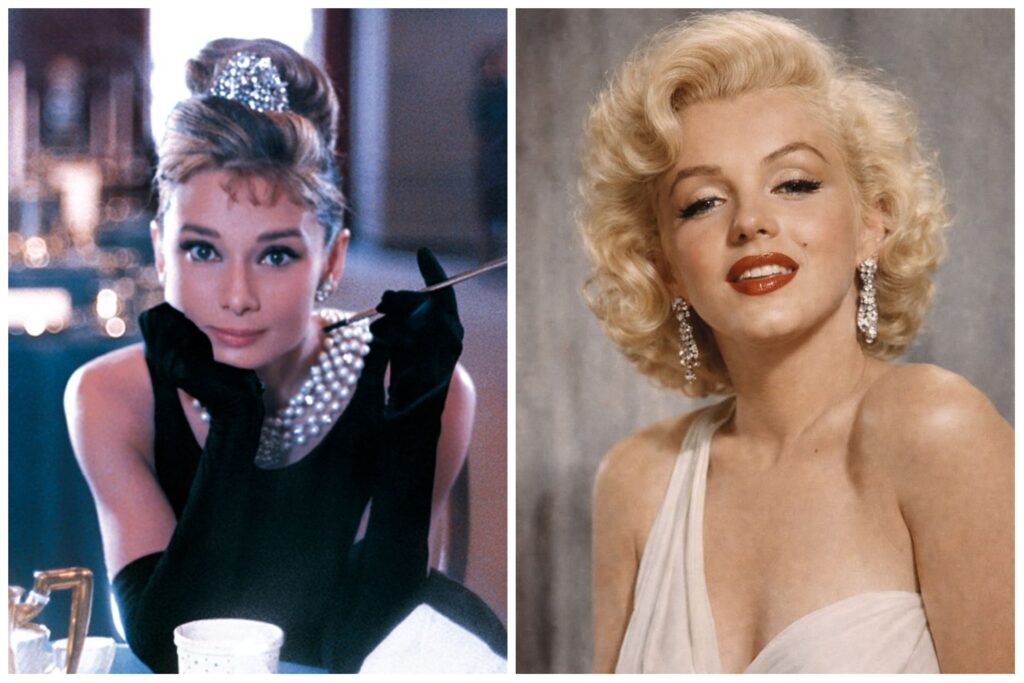
Audrey Hepburn’s portrayal of Holly Golightly in the 1961 classic Breakfast at Tiffany’s is one of the most iconic images in film history, yet it remains a subject of debate among literary purists. Truman Capote, the author of the original 1958 novella, was famously unhappy with the casting. In his book, Holly was a much more complicated, rough-edged, and “raw” character, a girl from a poor background trying to make it in the big city. Hepburn brought an innate elegance and high-fashion grace to the role, which effectively sanitized the character and turned a gritty story into a glamorous romantic comedy.
Capote’s first choice for the role was Marilyn Monroe, as he believed she could better capture the vulnerability, the “lost girl” energy, and the underlying sadness of the character. Monroe had a natural “breathless” quality and a screen presence that felt more aligned with the character’s struggle for survival and identity. While Hepburn’s performance is legendary and helped define 1960s style, the film would have been a much darker and more accurate reflection of the source material had Monroe stepped into those oversized sunglasses instead.


