
1. Burger Chef
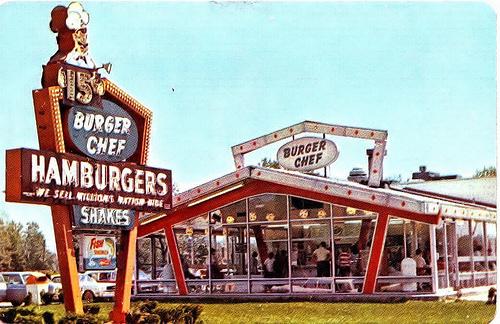
In the 1960s and 1970s, Burger Chef was one of America’s top fast-food names, giving McDonald’s serious competition. Known for its flame-broiled burgers and pioneering the “Funmeal” for kids (a concept that predated the Happy Meal), the chain grew to over 1,000 locations nationwide. Burger Chef was also famous for its innovation, offering build-your-own-burger bars and affordable combo meals. But in 1981, Hardee’s bought the chain and gradually rebranded or closed its restaurants. By the mid-1980s, the Burger Chef name had completely disappeared, leaving only fond memories for those who once grabbed dinner under its orange-and-blue sign.
2. Howard Johnson’s
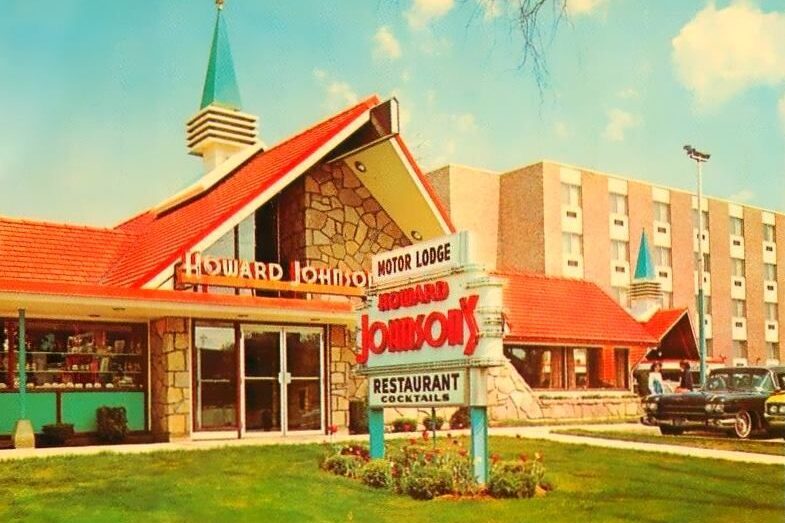
For decades, Howard Johnson’s Restaurants were a roadside staple for travelers, instantly recognizable by their bright orange roofs. Once the largest restaurant chain in America, they served everything from fried clams to signature 28-flavor ice cream menus. In the mid-20th century, it was the go-to stop for families driving cross-country. But competition from fast-food chains and changing dining habits chipped away at its dominance. By the early 2000s, only a handful remained, and in 2022, the last location in Lake George, New York, closed its doors, ending nearly a century of HoJo dining history.
3. Beefsteak Charlie’s
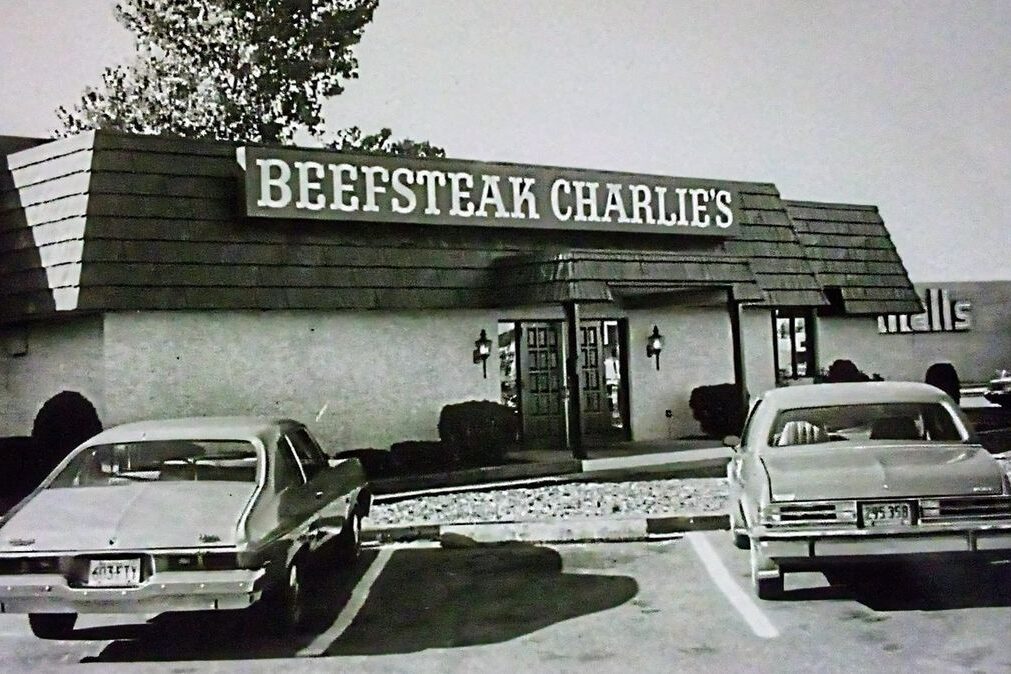
Beefsteak Charlie’s made its mark in the late 1970s and early 1980s with an irresistible promise: “You’re gonna get spoiled.” That meant unlimited salad bars, shrimp cocktails, and bottomless sangria or beer for a flat price. Families and large groups flocked to enjoy the all-you-can-eat experience. However, rising costs and changing dining trends made the model unsustainable. By the early 1990s, the chain had closed most of its locations, leaving behind fond memories for those who enjoyed its over-the-top hospitality.
4. Steak and Ale
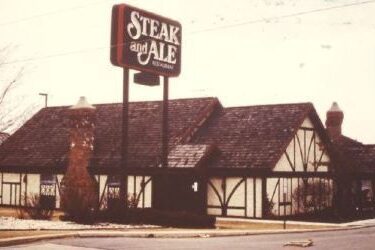
With dim lighting, dark wood décor, and a signature salad bar, Steak and Ale offered an upscale feel at casual dining prices. Founded in 1966, it was among the first to popularize affordable steak dinners in a setting that felt more like a private club than a chain restaurant. It became a go-to for birthdays, anniversaries, and Friday night dinners out. But as new competitors emerged and the casual dining market shifted, the chain struggled to keep up. By the late 2000s, Steak and Ale had vanished entirely from the U.S., leaving fans nostalgic for its prime rib and warm bread loaves.
5. Sambo’s

Sambo’s was a popular pancake and breakfast chain in the 1970s, at one point boasting over 1,100 locations across the country. Known for its budget-friendly menu and hearty portions, it was especially loved for pancakes served morning, noon, and night. However, the name, based on a children’s story, grew increasingly controversial, sparking public backlash. Several rebranding efforts were attempted in the 1980s, but they weren’t enough to turn the tide. Most locations closed or were sold off, and the original in Santa Barbara, California, eventually changed its name, bringing an end to the Sambo’s era.
6. Bennigan’s
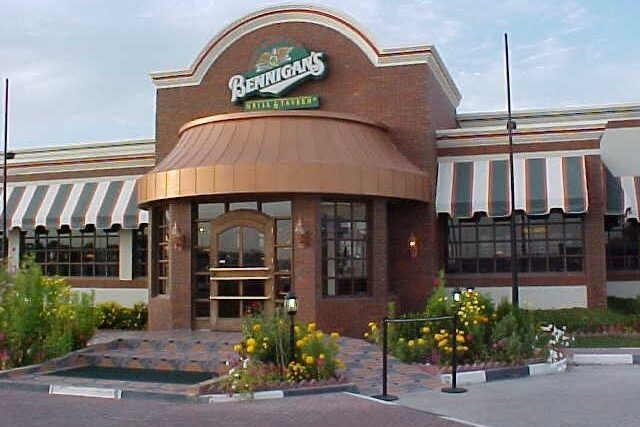
Bennigan’s was a cheerful Irish-pub-themed favorite, known for hearty entrees and its iconic Monte Cristo sandwich. After filing for Chapter 7 bankruptcy in July 2008, all 150 corporate-owned locations abruptly closed. Franchised spots lingered for a while but steadily declined. By the early 2020s, only around 10 U.S. locations remained, with a few international outposts keeping the brand alive. Despite its struggles, efforts to revive the chain, through smaller “On The Fly” concepts and new franchising strategies, have seen limited resurgence, bringing nostalgic fans back to the table.
7. Red Barn
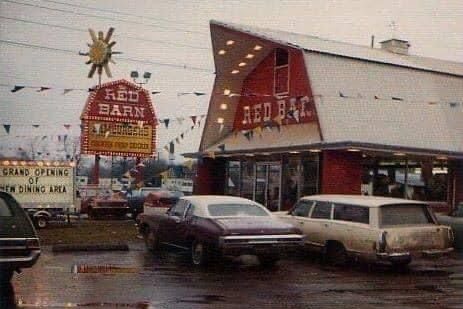
Founded in 1961, Red Barn stood out at its peak with 300–400 barn-shaped restaurants featuring a glass front and a self-serve salad bar. Its “Big Barney” and “Barnbuster” burgers were ahead of their time, predating McDonald’s similar offerings. Yet in 1978, after corporate mergers shifted priorities, the company let franchise leases lapse. By 1988, the last Red Barn restaurants had closed; some quietly reopened as “The Farm,” but that era too has passed.
8. Kenny Rogers Roasters
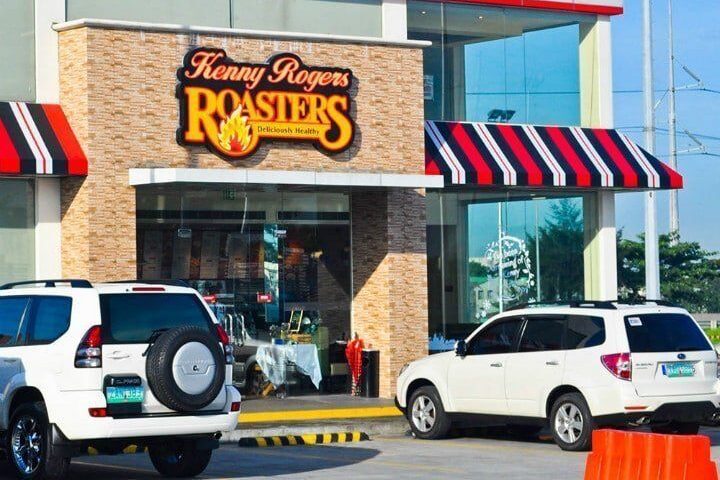
Co-founded by the legendary singer, this rotisserie-chicken chain offered moist chicken, creamy mac and cheese, and cornbread that patrons still reminisce about today. Once spreading across the U.S., it dwindled over the years and the final North American location closed on December 31, 2011. The brand, however, endures overseas, especially in Asia, where it continues to thrive under new ownership.
9. Gino’s Hamburgers
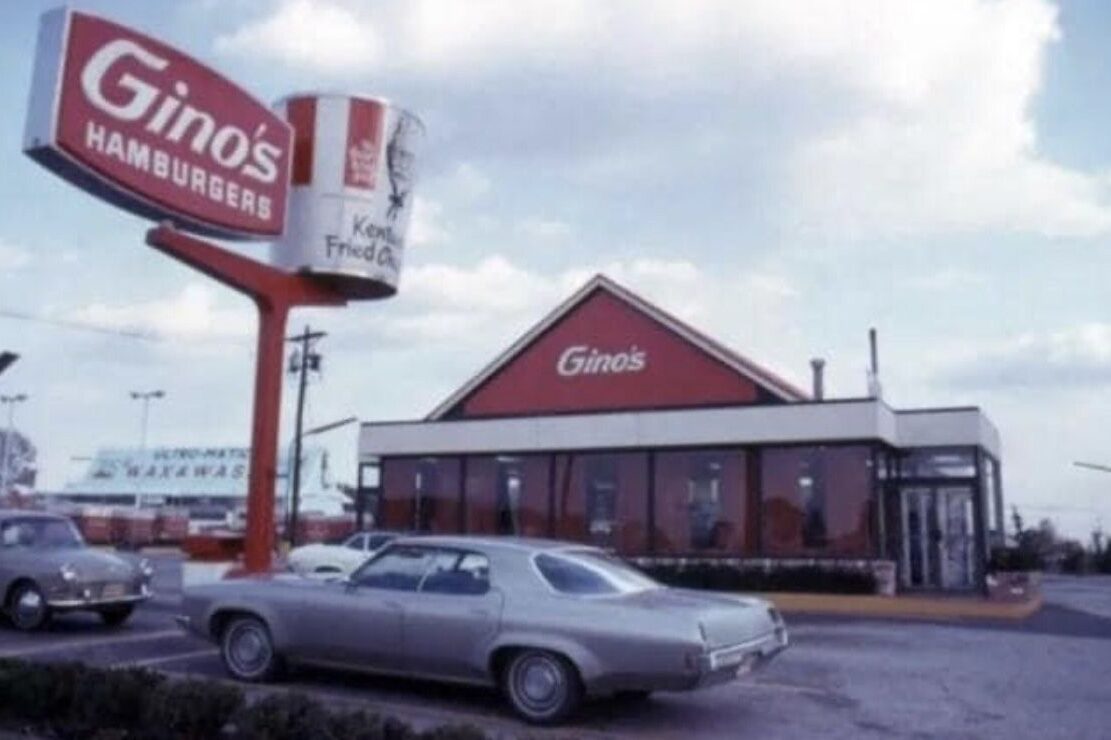
Founded by NFL star Gino Marchetti, Gino’s Hamburgers combined sporty vibes with classic burger fare. The chain enjoyed popularity across mid-century America until the brand merged with Roy Rogers restaurants, ultimately becoming absorbed and disappearing under that banner. Today, memories of its stadium-like atmosphere, and the thrill of dining where athletes once pitched in, live on among nostalgic diners.
10. Lum’s
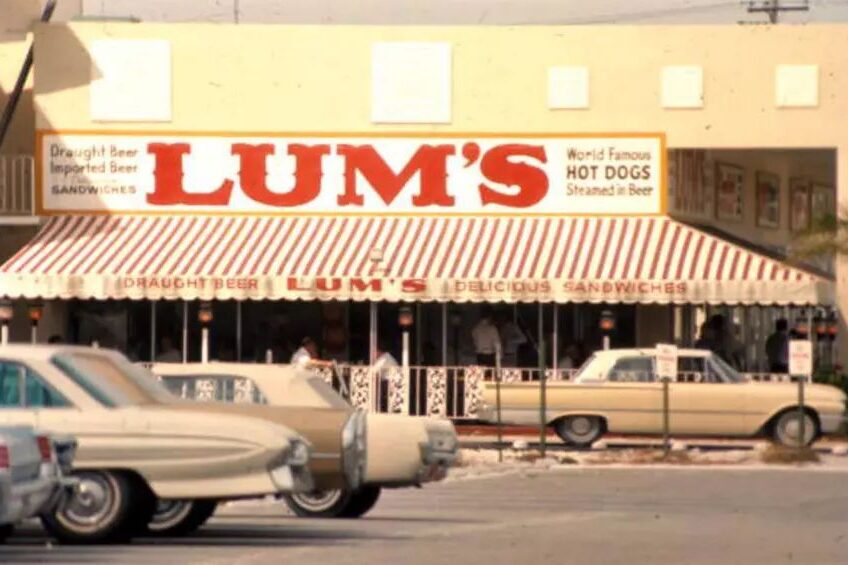
Lum’s carved out a niche in the 1960s with its steaming-in-beer hot dogs and tiki-inspired décor. It became a fun, casual destination for food and atmosphere. Eventually, the chain was acquired by the owners of Ollie’s Trolley, and over time, the Lum’s name quietly faded until it vanished altogether. Its legacy, however, is preserved in the kitschy charm that diners still remember fondly.
11. Carrols

In the 1960s and 1970s, Carrols was a thriving burger chain in the Northeast, known for its bright, playful branding and budget-friendly menu. It became a local favorite in towns from upstate New York to Pennsylvania, with signature items like the Club Burger and Whopper-style sandwiches. Eventually, the company struck a deal with Burger King and converted most locations, phasing out the Carrols name. Today, Carrols still exists, but only as one of the largest Burger King franchise operators in the country, no longer serving food under its original brand.
12. Naugles
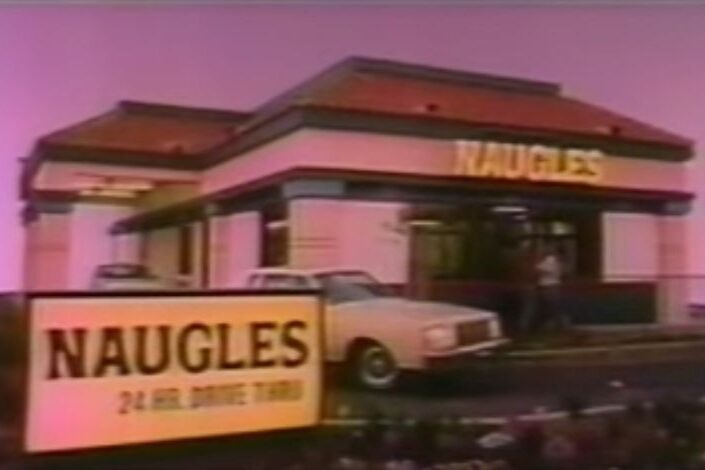
Naugles began as a drive-thru Mexican restaurant in 1970, founded by former Del Taco partner Dick Naugle. Known for its speedy service, late-night hours, and generously stuffed tacos and burritos, it earned a devoted following. The chain expanded rapidly but merged with Del Taco in the late 1980s, leading to the retirement of the Naugles name. In recent years, passionate fans have revived the brand on a small scale in Southern California, but its original wide-reaching presence is gone.
13. Chi-Chi’s
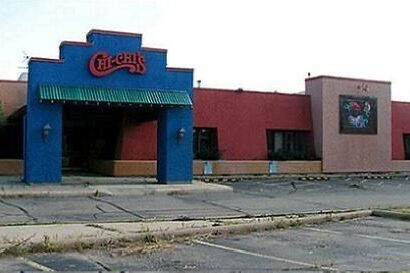
Chi-Chi’s was the place many Americans went for a lively “Mexican fiesta” night out, complete with chimichangas, fried ice cream, and oversized margaritas. Founded in 1975, it became a weekend favorite for families and date nights, blending festive décor with Americanized Mexican dishes. But the brand’s fate changed in 2003 after a Hepatitis A outbreak at one location, which, coupled with financial troubles, tarnished its image. By 2004, all U.S. locations had shut down, though a few international outposts and branded products lived on. For many, the chain’s closing marked the end of an era for sit-down Tex-Mex dining.
14. VIP’s
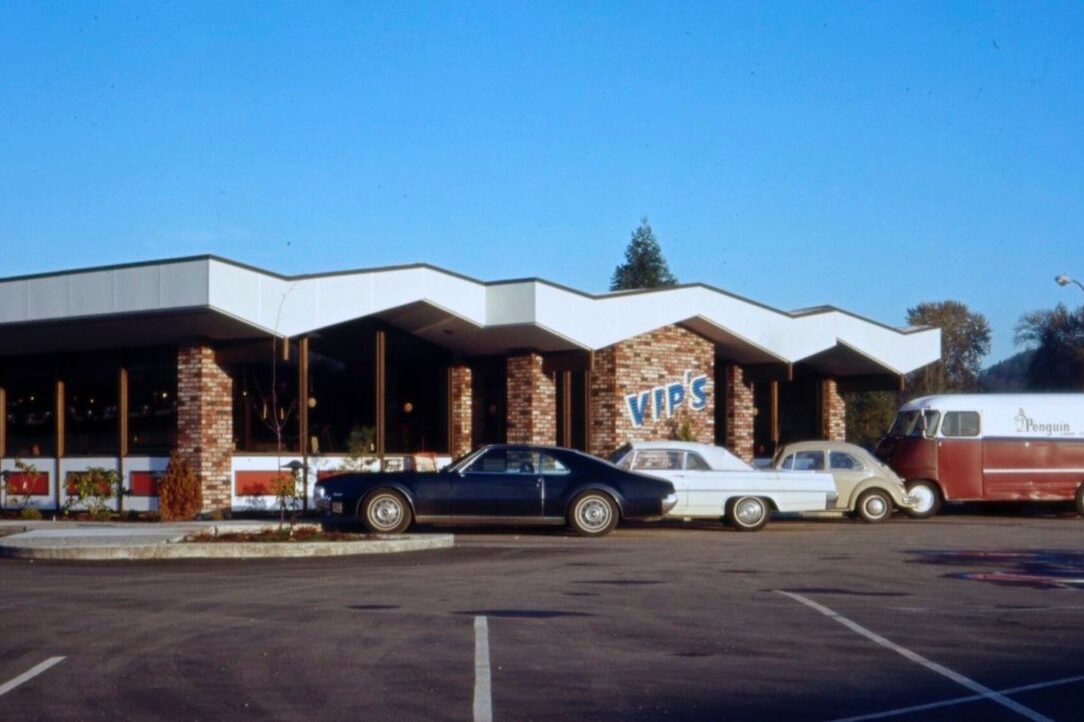
VIP’s was a popular family diner chain in the Pacific Northwest during the 1960s and 1970s, offering hearty breakfasts, burgers, and pies in a comfortable setting. It was the go-to stop for road-trippers and locals alike, especially in Oregon and Washington. At its peak, VIP’s operated over 50 locations. In the early 1980s, most of the restaurants were sold to Denny’s, effectively ending the chain’s run. While its name may be forgotten by many, former customers still remember the friendly service and satisfying meals.
15. Pup ‘N’ Taco
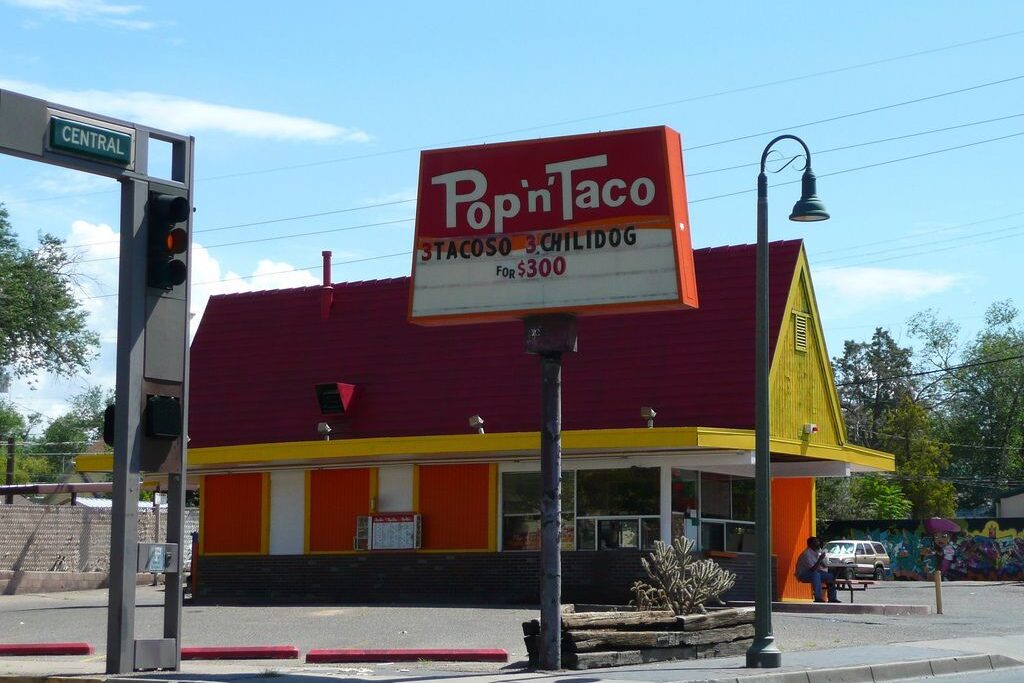
Pup ‘N’ Taco was a Southern California institution from the 1960s through the early 1980s, famous for its quirky mix of chili dogs, tacos, and colorful slushes. It became a teen hangout spot thanks to its affordable prices and laid-back vibe. In 1984, Taco Bell purchased most of the chain’s locations, converting them into their own restaurants. A few Pup ‘N’ Tacos lingered independently for a while, but eventually, the brand disappeared entirely, living on mostly in the nostalgia of Angelenos who remember grabbing a quick bite there after school.
This story 15 Chain Restaurants From Your Childhood That Totally Vanished was first published on Daily FETCH


