
1. New York City – Fighting the Rising Tide
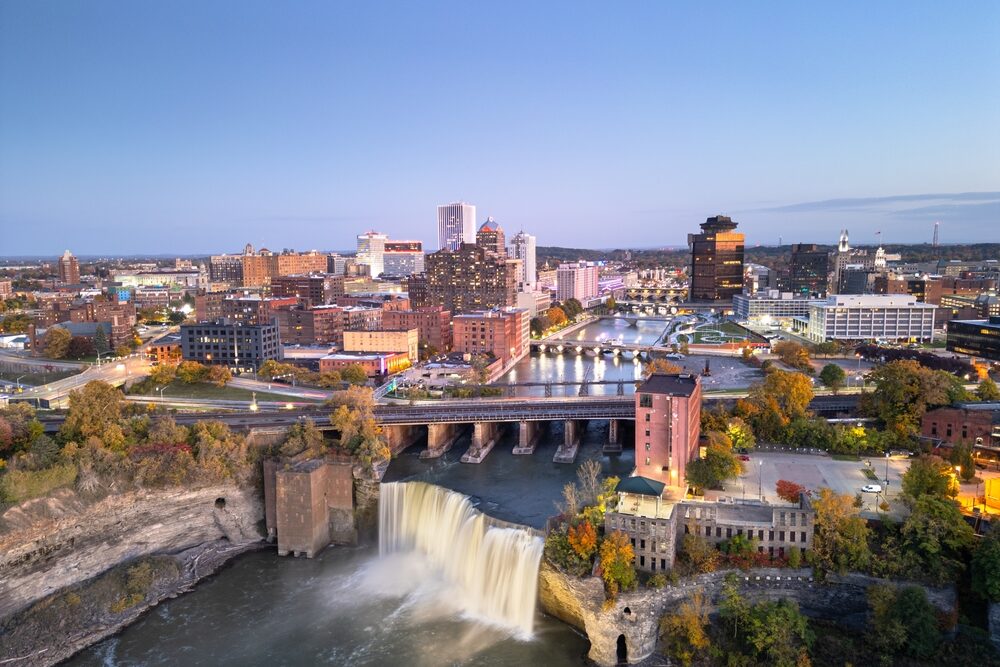
New York City is building back stronger after Hurricane Sandy.
Massive investments like the East Side Coastal Resiliency plan are adding floodwalls, raised parks, and stormwater systems to protect against rising seas and powerful storms.
The city is also restoring wetlands, greening urban spaces, and flood-proofing buildings and subways. These efforts mark a major shift toward resilience, but balancing growth with protection remains a challenge. Source: c40.org
2. Miami – A City Built on Water Learning to Adapt
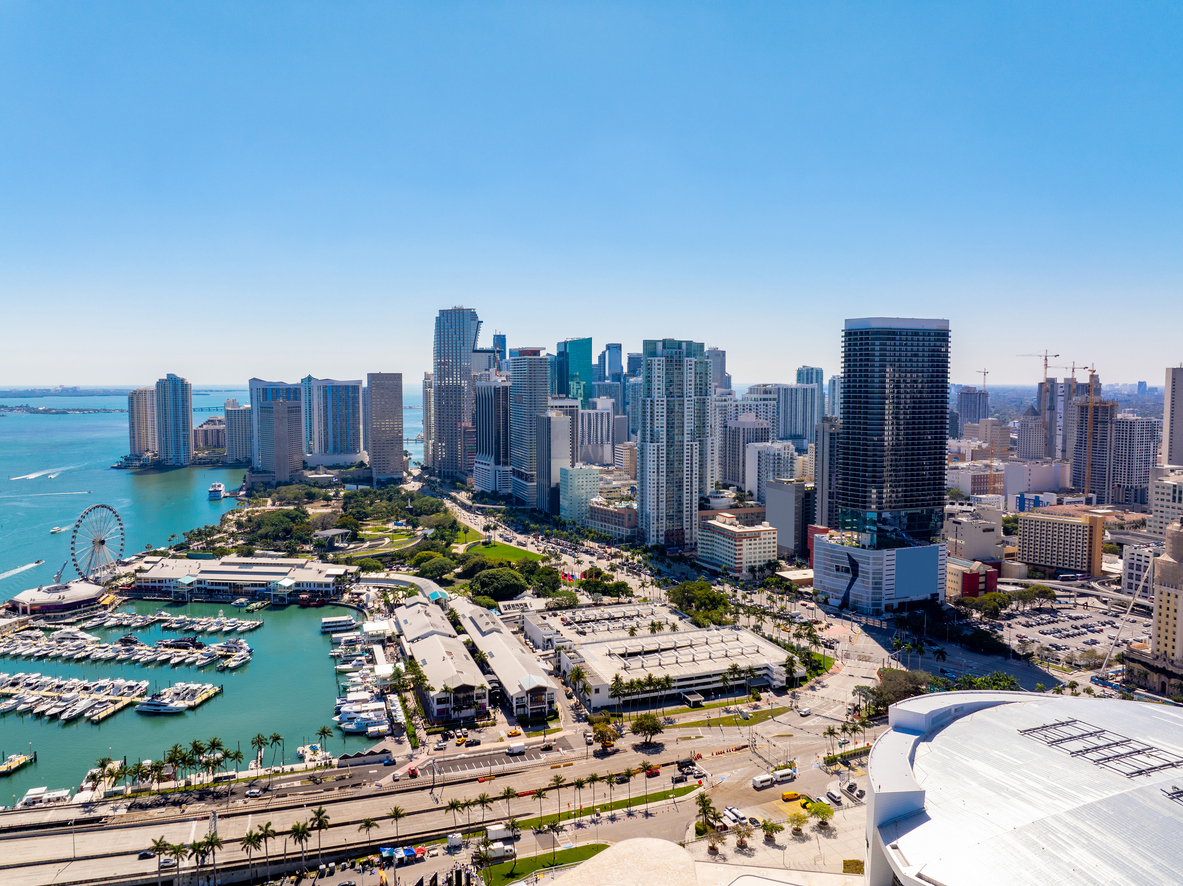
Miami is on the frontlines of sea level rise.
Sunny-day flooding is now common, pushing the city to raise roads, install pumps, and revamp drainage systems. Miami Beach has already invested hundreds of millions, but the work is far from over.
Zoning changes now promote elevated buildings, and developers are using stilts and porous pavement to stay ahead of the water. But as seas keep rising, Miami faces tough questions about its future and whether some residents may eventually be forced to move. Source: CNBC.
3. New Orleans – Learning from Katrina’s Devastation

New Orleans is rebuilding stronger after Katrina—but the fight isn’t over.
Billions have gone into levees, floodgates, and surge barriers built to withstand Category 5 hurricanes. Green infrastructure like rain gardens and permeable pavement helps manage runoff.
But sinking land and rising seas keep the city at risk. Restoring wetlands is key to long-term protection—and innovation remains essential to outpace the next big storm. Source: Britannica
4. Phoenix – Preparing for a Scorching Future
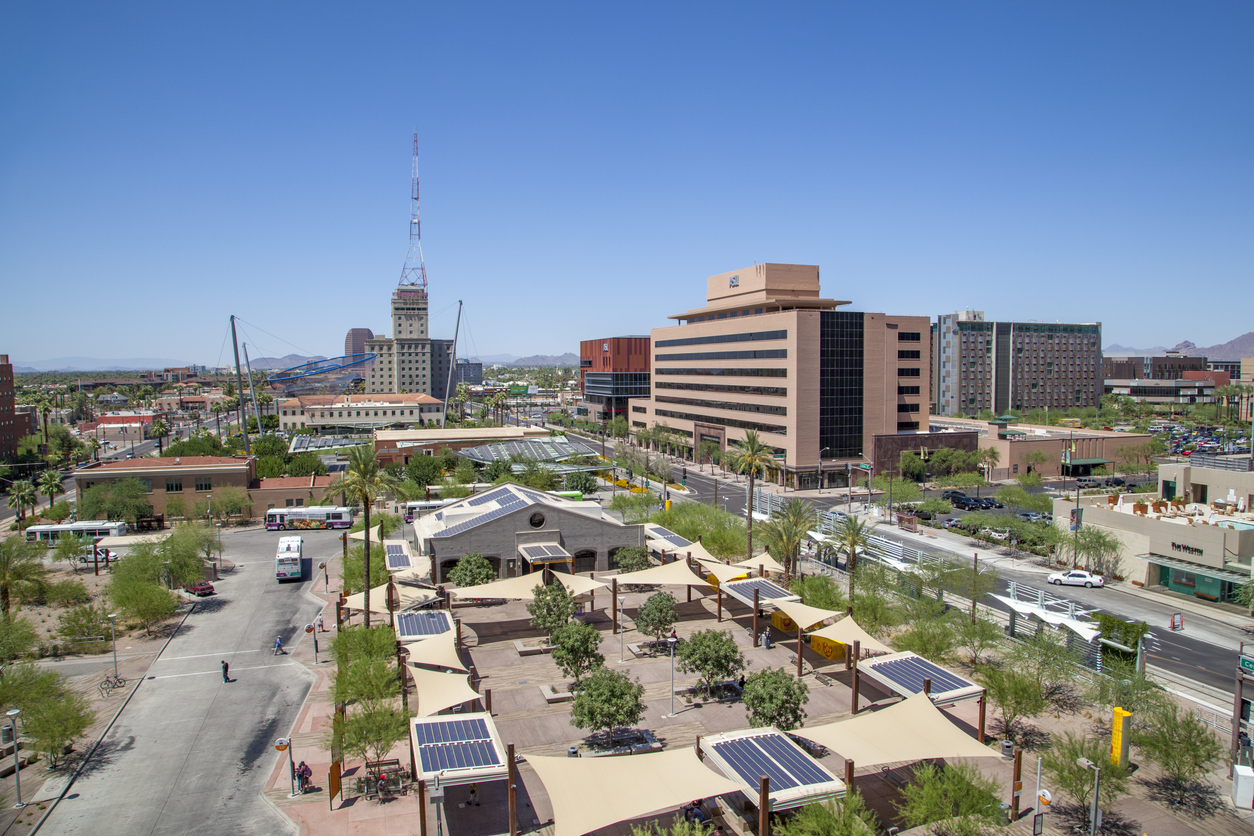
Phoenix is heating up—and fighting to stay livable.
With soaring summer temps, the city is planting trees, expanding green spaces, and using reflective pavement to cool streets. Shaded walkways and cooling centers offer relief during extreme heat.
As the Colorado River shrinks, Phoenix is also pushing water recycling, desalination, and drought-resistant landscaping. Its future depends on how well it can adapt to a hotter, drier world. Source: Climateanalytics.org
5. Houston – A Flood-Prone City Reinventing Itself
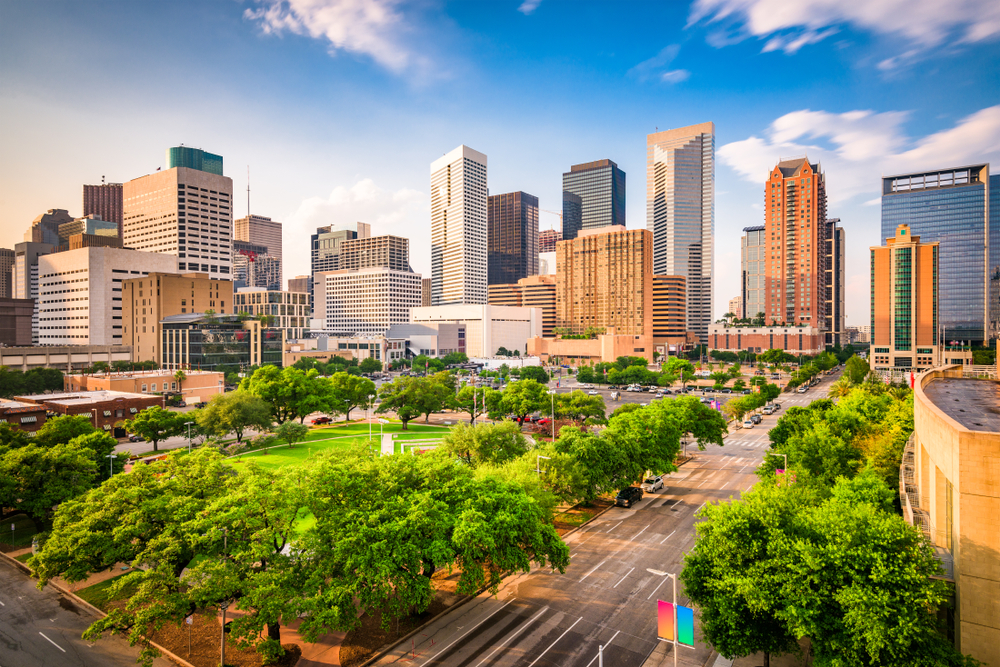
Houston is rebuilding smarter after years of devastating floods.
The city is widening bayous, adding underground reservoirs, and expanding green spaces to absorb stormwater. Stronger building codes and strategic buyouts in flood zones are also part of the plan.
But with rapid urban growth, experts say Houston must keep investing—or risk even greater damage from future storms. Source: noaa.gov
6. San Francisco – Battling Rising Waters and Earthquakes
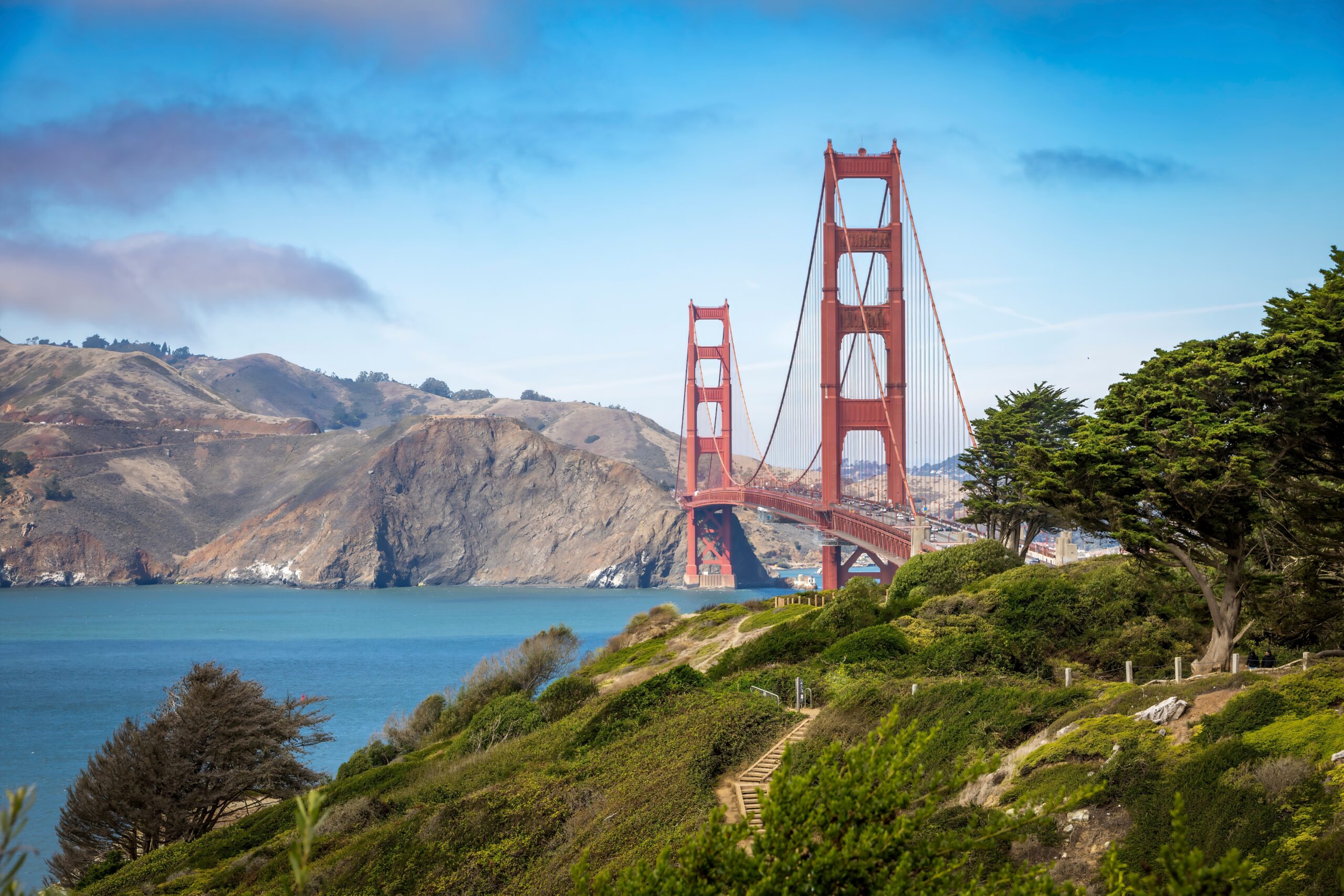
San Francisco is racing against rising seas and earthquakes.
The city’s adaptation plan includes seawall upgrades, elevated waterfronts, and improved drainage—anchored by the multi-billion-dollar Embarcadero Seawall project.
It’s also restoring wetlands and adding green roofs and permeable streets to fight flooding naturally. But with a dense population and steep costs, turning plans into action won’t be easy.
7. Tokyo – A Mega-City With an Underground Flood Fortress
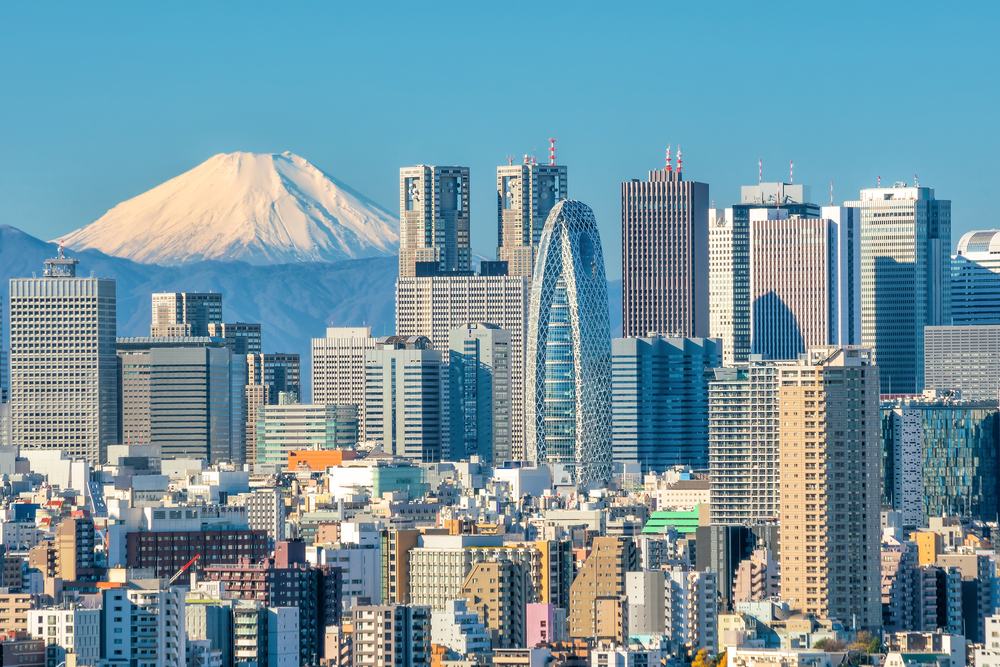
Tokyo is fighting floods from below—and above.
Its massive G-Cans Project channels stormwater through giant underground tunnels, protecting the city from typhoons and heavy rains.
Above ground, Tokyo is building climate-ready skyscrapers, expanding green spaces, and using heat-reflective materials to stay cool. Despite these efforts, rising seas and stronger storms keep testing even this ultra-prepared city.
8. Rotterdam – A City That Embraced the Water
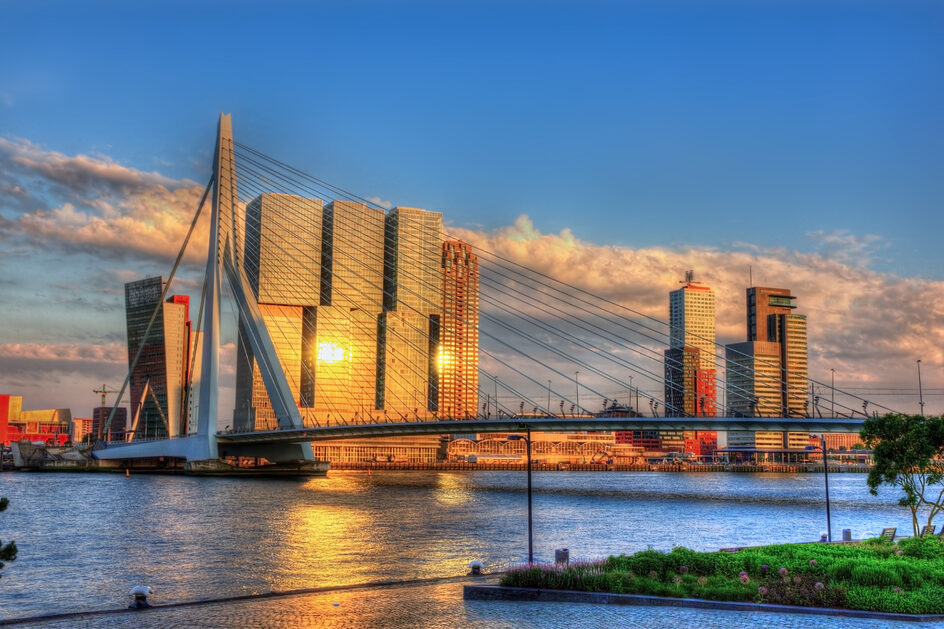
Rotterdam is redefining life below sea level.
With 90% of the city beneath sea level, it’s built to embrace water—not fight it. Floating homes, water plazas, and storm barriers make it one of the world’s most flood-resilient cities.
Public “water squares” double as parks and flood basins, turning rain into a resource. As sea levels rise, Rotterdam’s bold approach offers a blueprint for coastal cities everywhere.
9. Sydney – Tackling Heat and Rising Waters
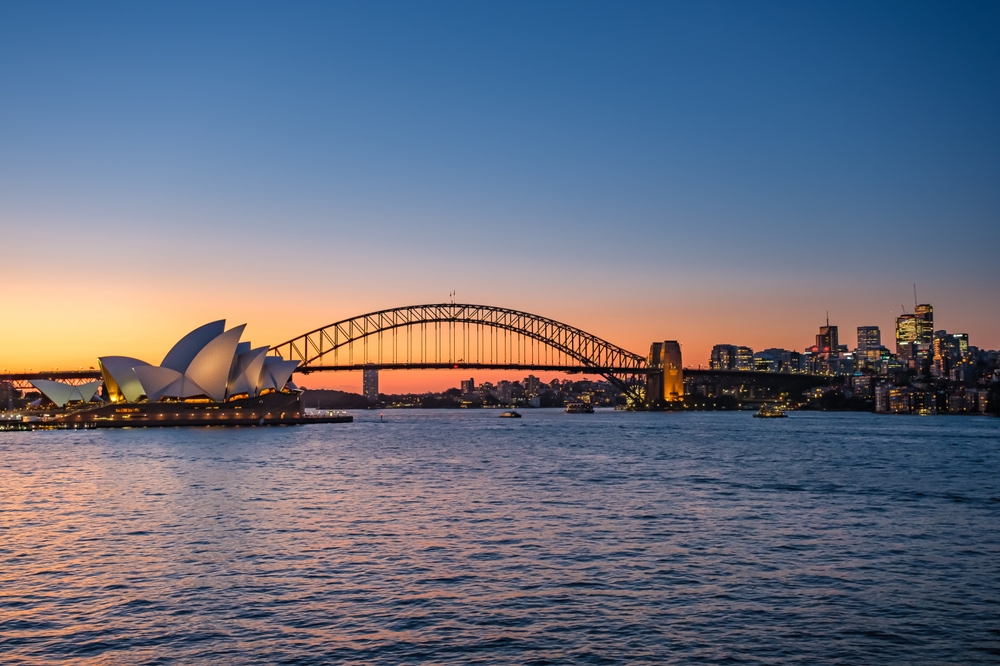
Sydney is feeling the heat—literally.
Record-breaking heatwaves and coastal erosion are pushing the city to act. Urban planners are planting trees, reinforcing seawalls, and promoting heat-resistant building materials to fight rising temperatures and flooding.
With strong solar adoption and stricter zoning laws, Sydney is leading in climate response—but as extreme weather intensifies, expanding public transit and cutting emissions remain top priorities.
10. Mexico City – A City Running Out of Water
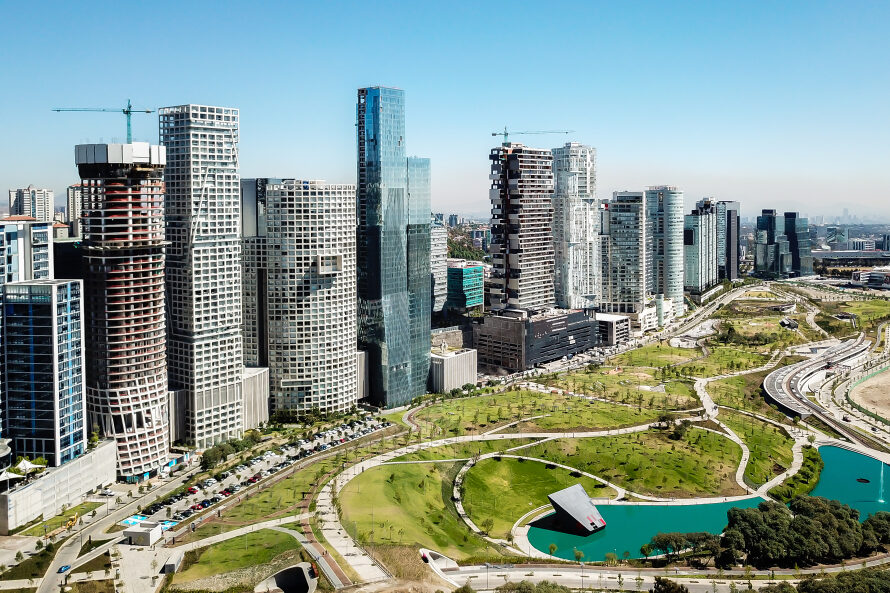
Mexico City is running dry—and sinking fast.
Severe drought and groundwater overuse are causing land to sink and water supplies to dwindle. The city is turning to rainwater harvesting, recycling, and wetland restoration to fight back.
To combat heat and pollution, it’s also expanding green spaces and testing permeable pavement for better drainage. But with a booming population and aging infrastructure, bold action is needed—or Mexico City could be one of the first major cities to run out of drinkable water.
11. Copenhagen – A Leader in Climate Resilience
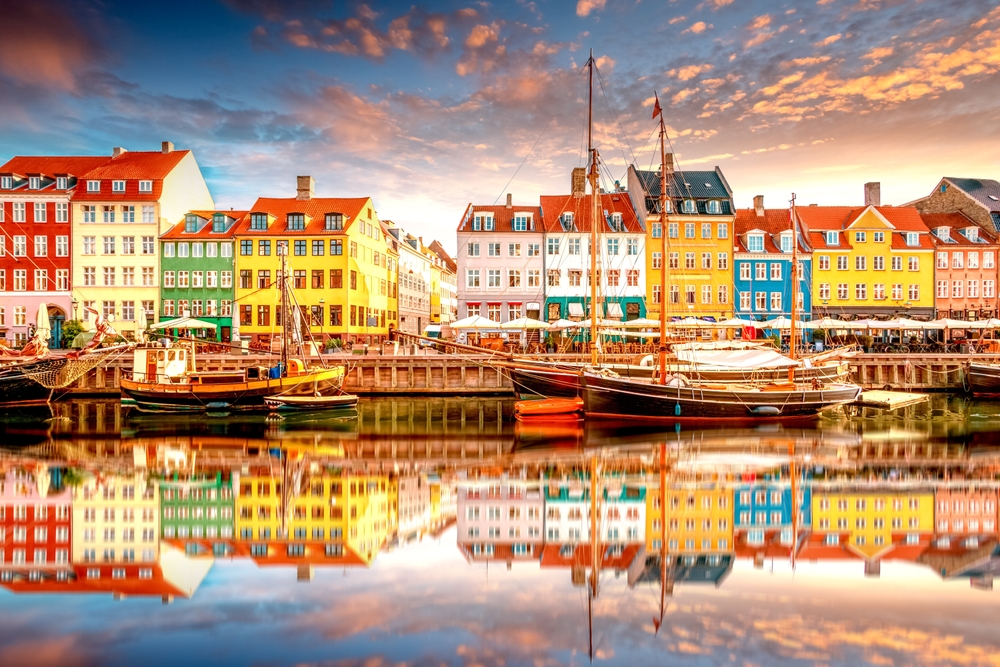
Copenhagen is leading the charge on climate adaptation.
By 2050, the city aims to be carbon-neutral and flood-resilient. Its “cloudburst boulevards” double as roads and stormwater channels, protecting buildings during heavy rains.
Nearly half of all roads are bike lanes, cutting emissions and boosting livability. With offshore wind powering much of the city, Copenhagen is setting a global example in sustainable urban planning.


