
1. Face Licks
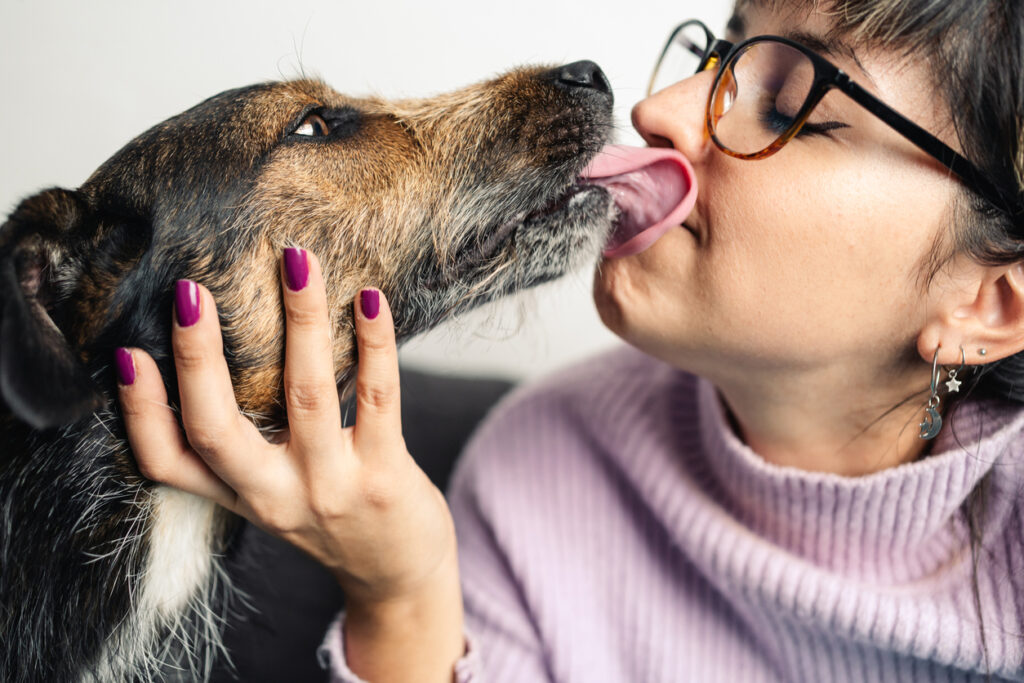
Your pets’ mouths can harbor harmful bacteria like E. coli and salmonella, plus parasites such as Campylobacter or Toxocara. When they lick your face or mouth, these germs can enter your body directly through mucous membranes, potentially causing gastrointestinal upset or more serious infections. Instead of allowing full-frontal kisses, show affection with gentle ear scratches, calm belly rubs, or a brushing session. We don’t suggest loving them less, just less closely. If your pet insists on smooching, redirect them with a favorite toy or treat held at arm’s length. It won’t hurt their feelings and it could keep you both safer and healthier.
2. Bed Sharing
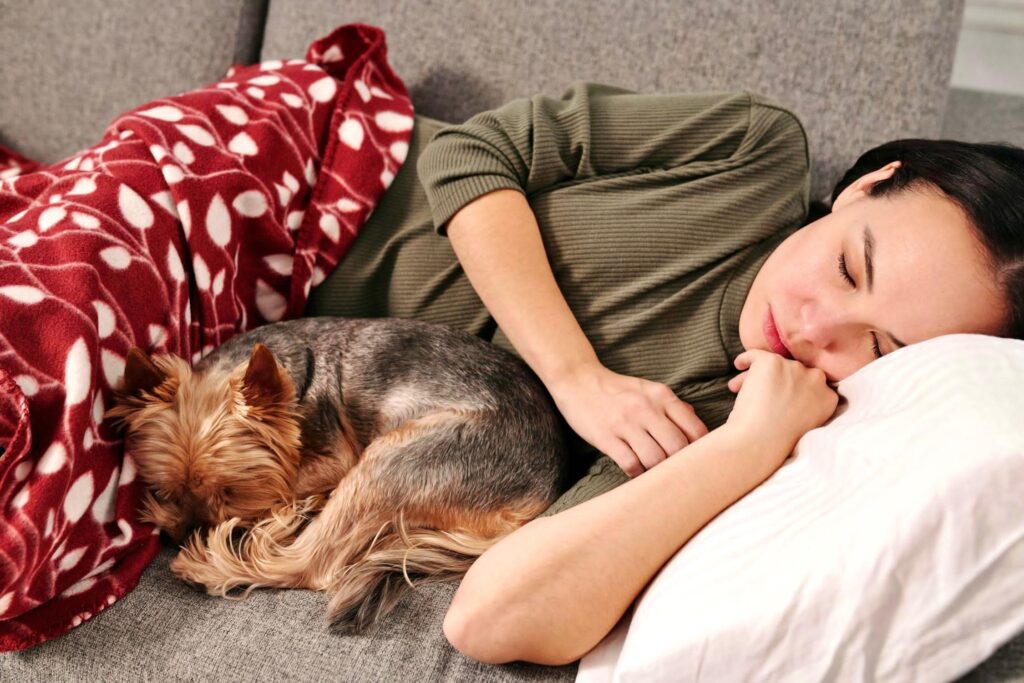
Sleeping with your pet might feel cozy, but it increases exposure to fleas, ticks, dust mites, and dander that can trigger allergies or asthma. Outdoor excursions mean your dog or cat can pick up parasites, pollen, or even toxic plants that hitch a ride into your bedding. Shared sleep surfaces also create prime breeding grounds for bacteria and fungi. If you crave nighttime cuddles, designate a pet bed at the foot of yours or set up a snuggle spot nearby, this keeps your mattress cleaner and your lungs happier.
3. Feeding Them Raw Meat

Offering raw meat diets to pets exposes both animals and people to dangerous bacteria like Salmonella, Listeria, and E. coli. Even if your pet tolerates raw food, handling it can contaminate countertops, utensils, and your hands. Infected pets may shed pathogens intermittently, risking illness in susceptible family members. If you prefer homemade meals, consult a veterinary nutritionist for safe-cooking protocols or choose commercial diets that undergo rigorous pathogen testing. Cooking meat to the proper temperature always minimizes bacterial hazards.
9. Stop Thinking Bowls, Brushes, Leashes & Toys Are Safe
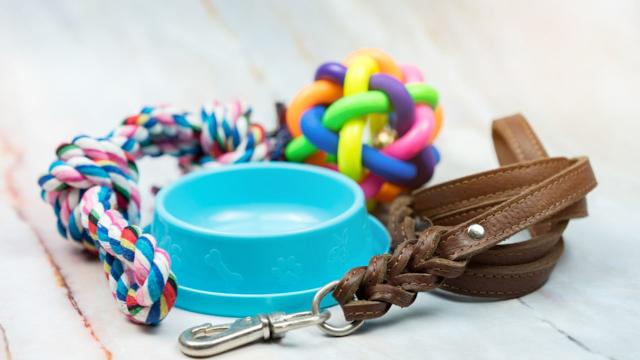
I used to assume the everyday tools of pet care were clean because they were in regular use. But anything your pet’s mouth, paws, or feathers touch can collect a layer of germs you don’t see. Brushes hold hair and skin flakes deep in the bristles. Leashes get dragged on sidewalks. Bowls grow biofilm between washes. And toys pick up bacteria from floors, furniture, and the yard. I now treat all of these as high-contact surfaces — cleaning or replacing them regularly before they become a problem.
4. Ignoring A Closer Look for Fleas and Ticks
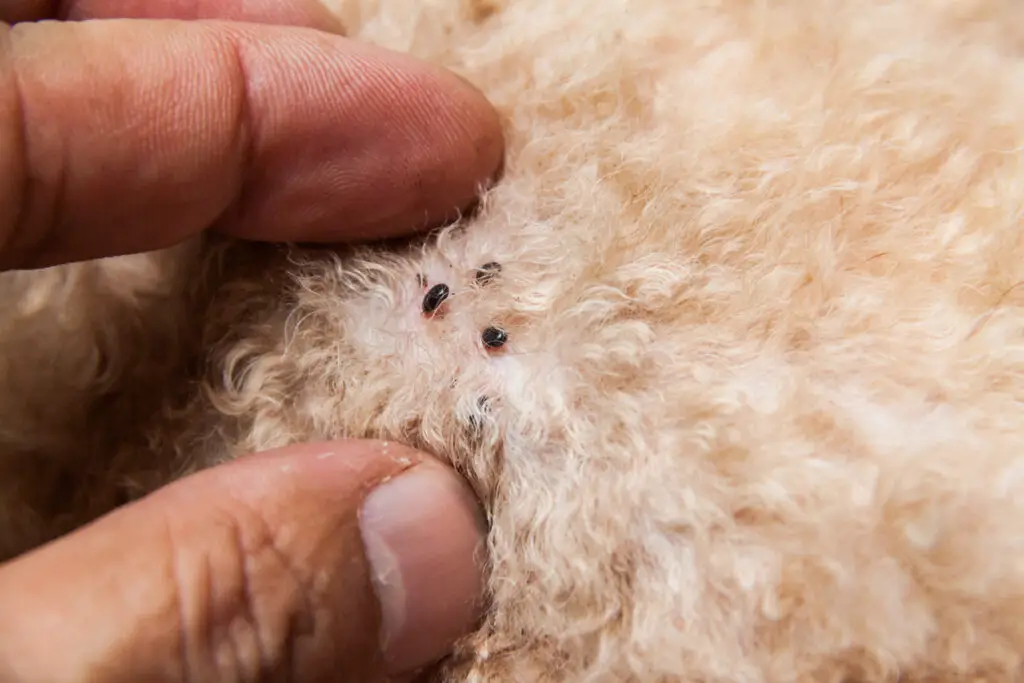
Skipping routine flea and tick prevention leaves you and your pet vulnerable to bites that can transmit Lyme disease, Rocky Mountain spotted fever, tapeworms, and more. These parasites thrive in grass, leaf litter, and your pet’s fur, then jump to humans or animals. Use veterinarian-recommended monthly treatments, collars, or spot-on applications, and perform regular fur checks after outdoor adventures. Early detection and consistent prevention keep your home free of itchy intruders and guard against serious zoonotic illnesses.
5. Using Protection Only on Walks, Not for All Pet Waste
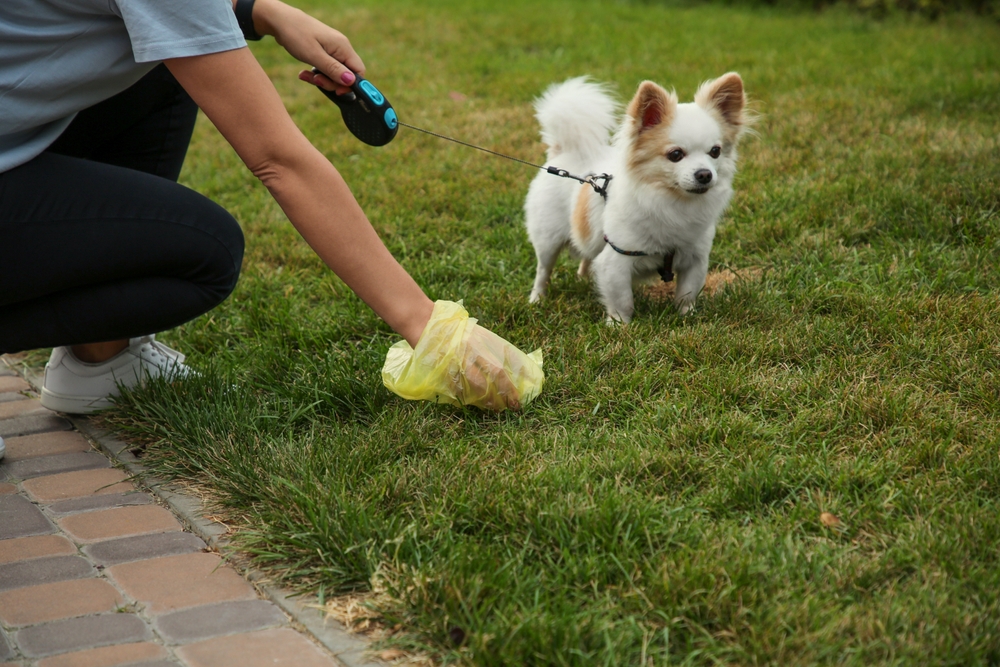
We all use bags when picking up poop, but anything even somewhat related to handling bodily waste should also be handled with care. Cleaning litter boxes, cages, or hamster bedding without protective gloves exposes you to toxins and parasites such as Toxoplasma gondii, Giardia, and salmonella. Even a quick scoop can transfer invisible germs to your hands and under your nails, turning everyday cleaning into a health hazard. Slip on disposable or reusable gloves before tackling any pet waste, and discard or sanitize them afterward. Finish by washing hands with soap and warm water for at least 20 seconds to ensure you’ve removed every last germ.
6. Sharing Tableware
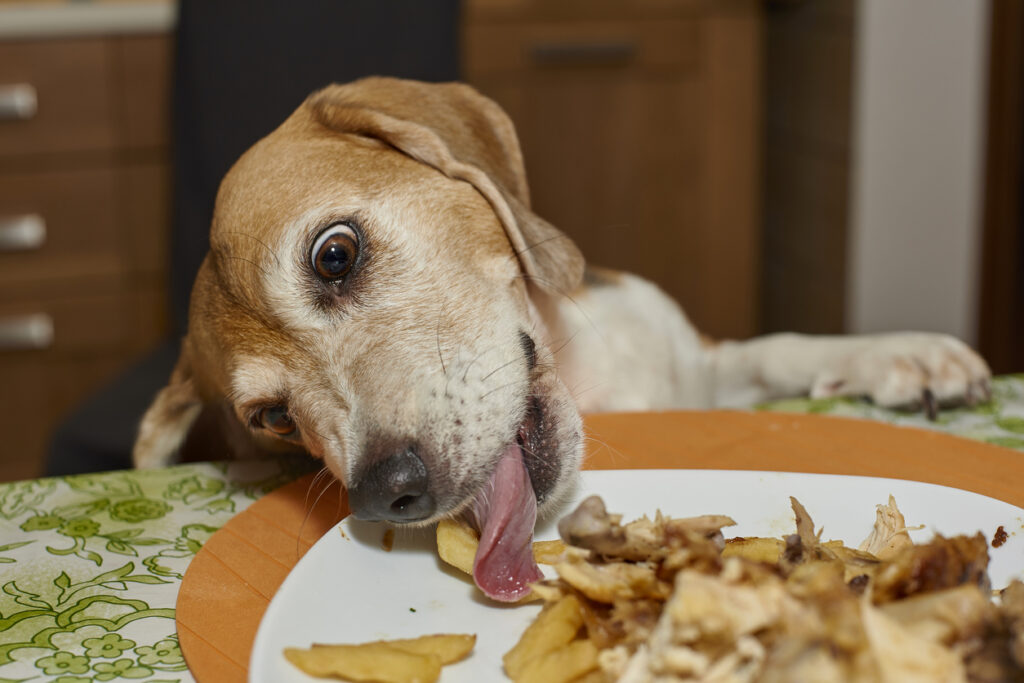
Letting your pet drink from or eat off your dishes might seem cute, but it invites bacteria such as Salmonella or Campylobacter from their mouths onto your cups, plates, and utensils. Even a quick lap of your coffee mug can leave behind microscopic germs that lead to stomach upset or worse. Keep separate bowls and never swap food or drinks. If your furry friend manages to sneak a sip, wash your dinnerware in hot, soapy water before you use it again to ensure your meals stay germ-free.
7. Allowing Them to Wander Free

Allowing your pet to wander freely outside may seem idyllic, but it invites encounters with parasites, poisonous plants, and infectious wildlife. Stray animals and rodents can pass on fleas, ticks, or viral illnesses, while your pet might nibble on toxic berries or encounter spilled chemicals. Instead, supervise outdoor time on a leash or within a secure, fenced area. After playtime, inspect paws and fur for hitchhikers and give them a quick rinse if needed, this helps prevent unwanted guests from hitching a ride into your home.
8. Allowing Kids To Hang with Pets Unsupervised

Children’s natural curiosity can lead to rough handling, face touching, or forgotten handwashing when they’re around animals. Small pets like hamsters or reptiles may bite if startled, and kids might not recognize warning signs. Always oversee interactions, teaching gentle handling and the importance of washing hands afterward. Setting clear rules, no feeding by hand, no kissing, and washing up before snacks, keeps both kids and pets safe. This guidance not only prevents scratches or zoonotic infections but also fosters respect and confidence in young animal lovers.
9. Skipping Sanitizing

Handling pet waste, cleaning cages, or scooping litter without washing your hands or using sanitizer invites pathogens such as Toxoplasma gondii, Giardia, and Salmonella into your system. Reptiles, rodents, and cats are common carriers of these parasites. A quick rinse isn’t enough, scrub with soap and warm water for at least 20 seconds, especially before eating or touching your face. Keep hand sanitizer by your pet’s area as a backup, but remember that only proper handwashing reliably removes these hidden germs.
We love our pets, and for most healthy people, the risk of serious illness from everyday contact is low. The goal isn’t to create distance — it’s to be aware of where germs hide and take a few simple precautions. The CDC recommends washing your hands after handling pets, their food, or anything they touch, and keeping their living areas clean. Veterinarians agree: regular grooming, clean bowls and bedding, and up-to-date parasite prevention go a long way. With a little caution, you can keep all the affection and connection, without the hidden hazards.
This story was first published on Daily FETCH


