
A Quick Hello Before We Begin
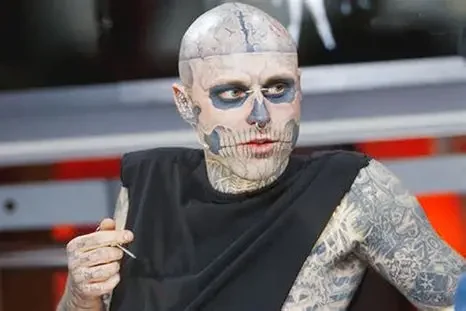
If you ever watched Lady Gaga’s Born This Way video and thought, “Who is that guy?” you’re not alone. Rick Genest, known to the world as Zombie Boy, had a look that stopped people in their tracks, but his life was always bigger than the tattoos. He wasn’t just a face in pop culture history. He was a real person with dreams, struggles, friendships, and a strange kind of bravery that made people feel seen. This story isn’t here to exaggerate or force drama. It’s here to remember him plainly, like you’d tell a friend about someone unforgettable. Rick’s journey moved from Quebec to global fashion and music fame, and along the way, he challenged how the world defines beauty and individuality.
Rick didn’t become known by blending in. He became known by showing up exactly as himself, even when that came with judgment. His tattoos turned him into a walking canvas, but it was his calm confidence that made people stay interested. Some stared because they couldn’t look away, but many stayed because they sensed there was something honest underneath the art. And as we go through his story, one thing becomes clear: behind the Zombie Boy nickname was a human life, complicated, creative, and worth remembering.
The Montreal Roots That Shaped Him
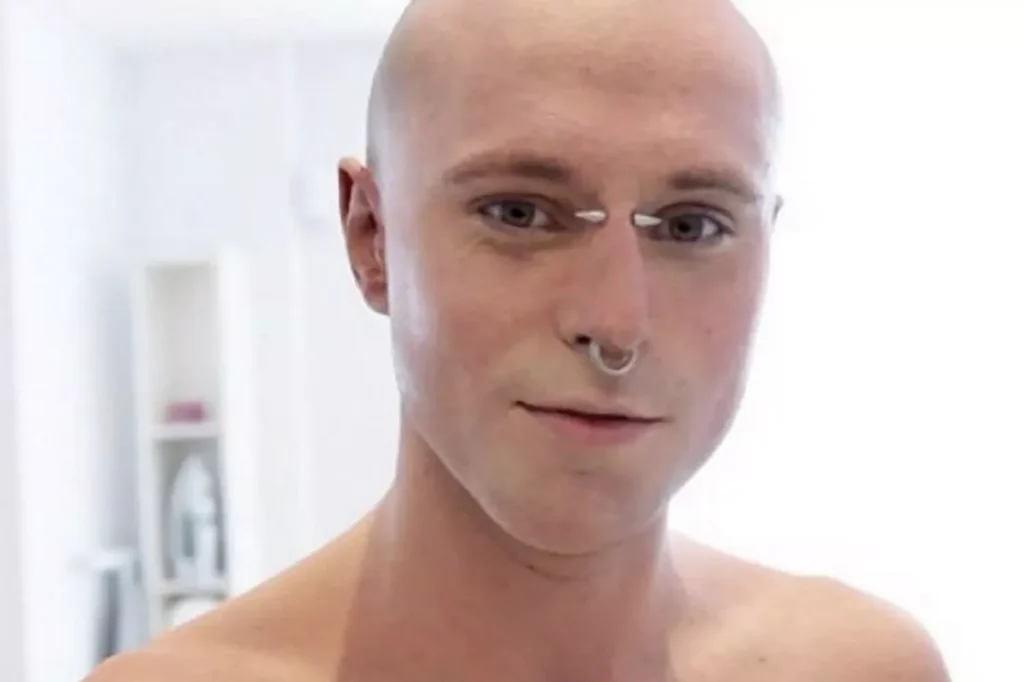
Rick Genest grew up in Quebec, and his story started far from the shiny fashion world people later linked him to. Before the cameras and runway lights, he was just a young guy trying to figure out where he fit. People often focus on the final image, the tattoos, the fame, the moments that went viral. But real life comes first. There were years where he was building himself quietly, learning what it meant to be different in a world that prefers familiar faces. Even then, it was clear he wasn’t going to live softly.
There’s something about people with tough beginnings. They either shrink, or they grow into something bold. Rick grew into something bold. He carried himself like someone who had seen enough to stop begging for approval. That confidence wasn’t loud or fake. It felt like he had already accepted the parts of himself others might reject. And when someone reaches that point, they don’t just exist. They leave a mark. Rick’s roots didn’t limit him. They gave him the grit that later made his rise feel real.
A Body That Became His Art
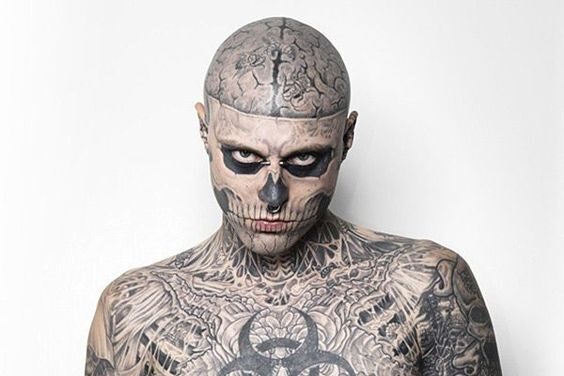
Rick’s tattoos weren’t a phase and they weren’t random. They were deliberate, detailed, and almost impossible to ignore. The skeletal design across his body became his signature, but it also became his statement, like he was saying, “I’ll decide what I look like.” People called him Zombie Boy because his ink made him resemble a walking skeleton, but the deeper truth is that his body art felt personal. It wasn’t only for shock. It was identity. It was self-expression. It was storytelling without words.
And once he committed to that look, there was no forgetting him. Some people spend their whole lives trying to be memorable. Rick became unforgettable simply by being fully himself. His tattoos introduced him before he even spoke, but the longer people watched him, the more they realized he wasn’t a costume. He was a human being using art to live loudly. His presence made people question what beauty could look like. He didn’t ask to be understood first. He simply existed, and that kind of bold honesty has a way of pulling people in.
Owning the Name Zombie Boy
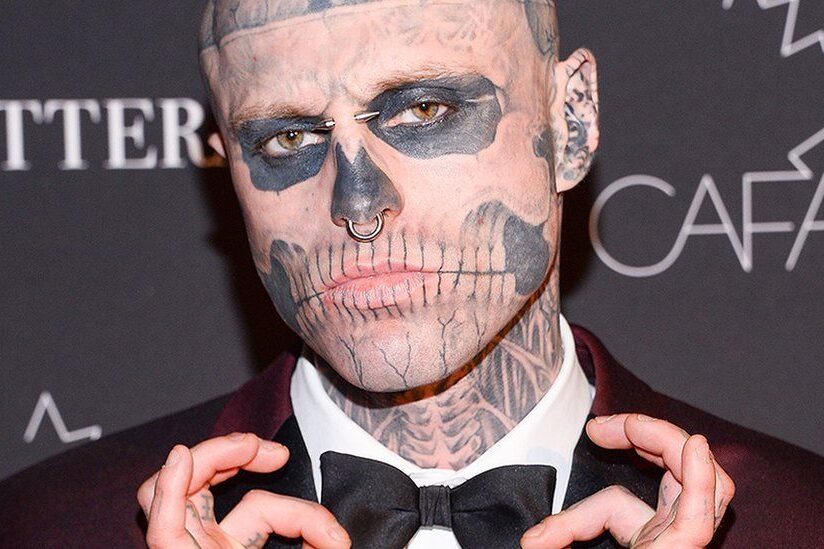
Most people would hear a nickname like Zombie Boy and feel trapped by it. Rick seemed to do the opposite. He carried it like it belonged to him, like it was a title he had already accepted and turned into power. It could have been used to mock him, but he made it iconic. He didn’t soften himself for comfort, and he didn’t over explain when people stared. He showed up with calm energy, as if to say, “This is me, and I’m not negotiating it.”
That’s what made him different from people who go viral for a look and disappear. Rick’s identity felt intentional, not accidental. Zombie Boy wasn’t just a name for clicks. It became part of a bigger message about being seen as you are. In a world where people are constantly told to tone it down, his refusal to shrink was almost refreshing. He reminded people that being different isn’t a weakness. Sometimes it is the whole point. You don’t have to fit the mold to be respected. You just have to stay true to who you are and keep showing up.
The Mugler Breakthrough Moment
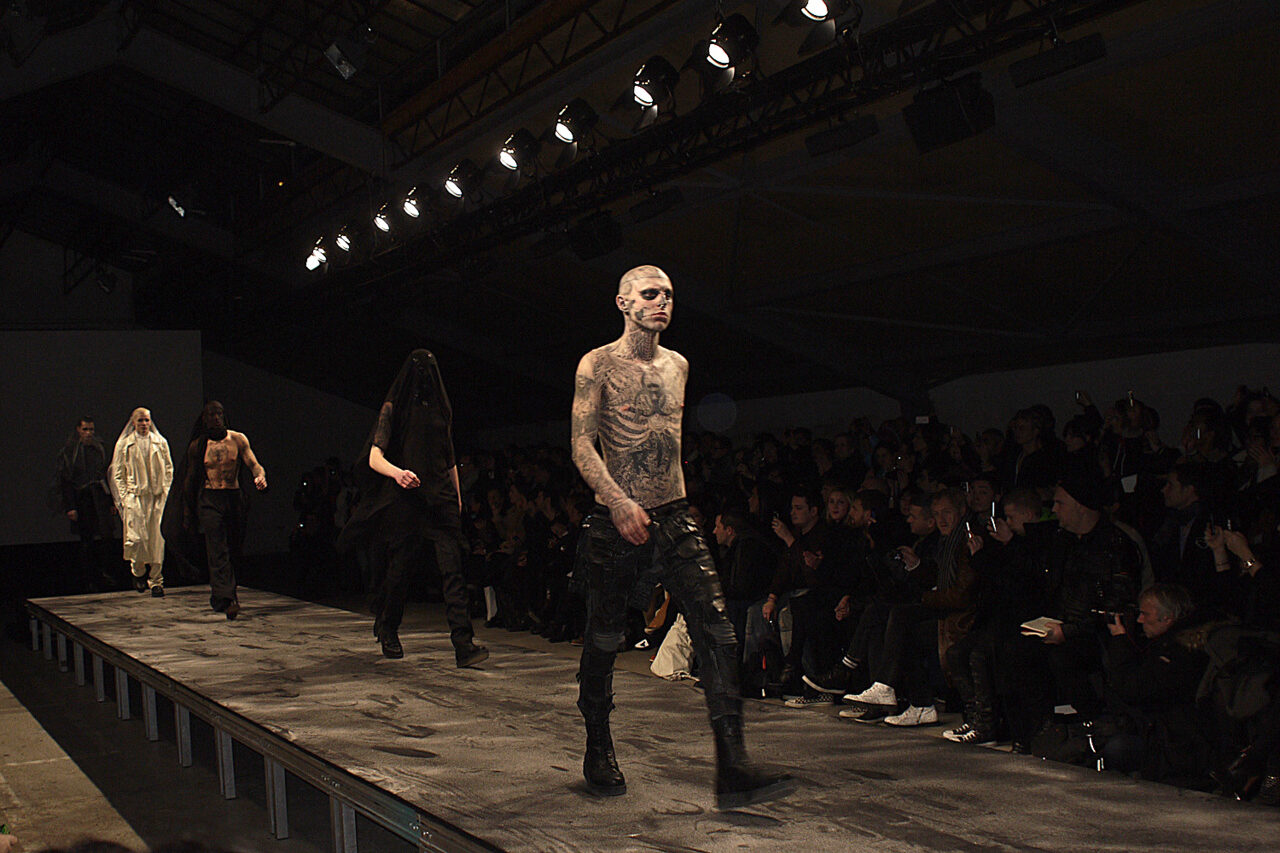
Rick’s entry into high fashion came when he became part of Thierry Mugler’s world. That was a serious shift, because Mugler is known for bold visuals and dramatic storytelling. Rick didn’t just fit that aesthetic, he strengthened it. His body art looked like something you would see in a futuristic fashion film, so it made sense that the industry noticed him. The casting sent a signal that he wasn’t just internet famous. He was fashion credible, and people in the space were willing to take him seriously.
Once that door opened, it changed his path. Fashion works like that. One creative director takes a chance on you, and suddenly your face becomes part of a larger cultural conversation. Rick’s presence proved there could be room for models who didn’t match the usual polished standard. He wasn’t clean cut, and that was the point. His difference became the feature, not a flaw. Watching his rise felt like watching the rules shift slightly, quietly, but for real. It showed that beauty could be bigger, freer, and more daring than the old gatekeepers wanted to admit.
The Born This Way Spotlight
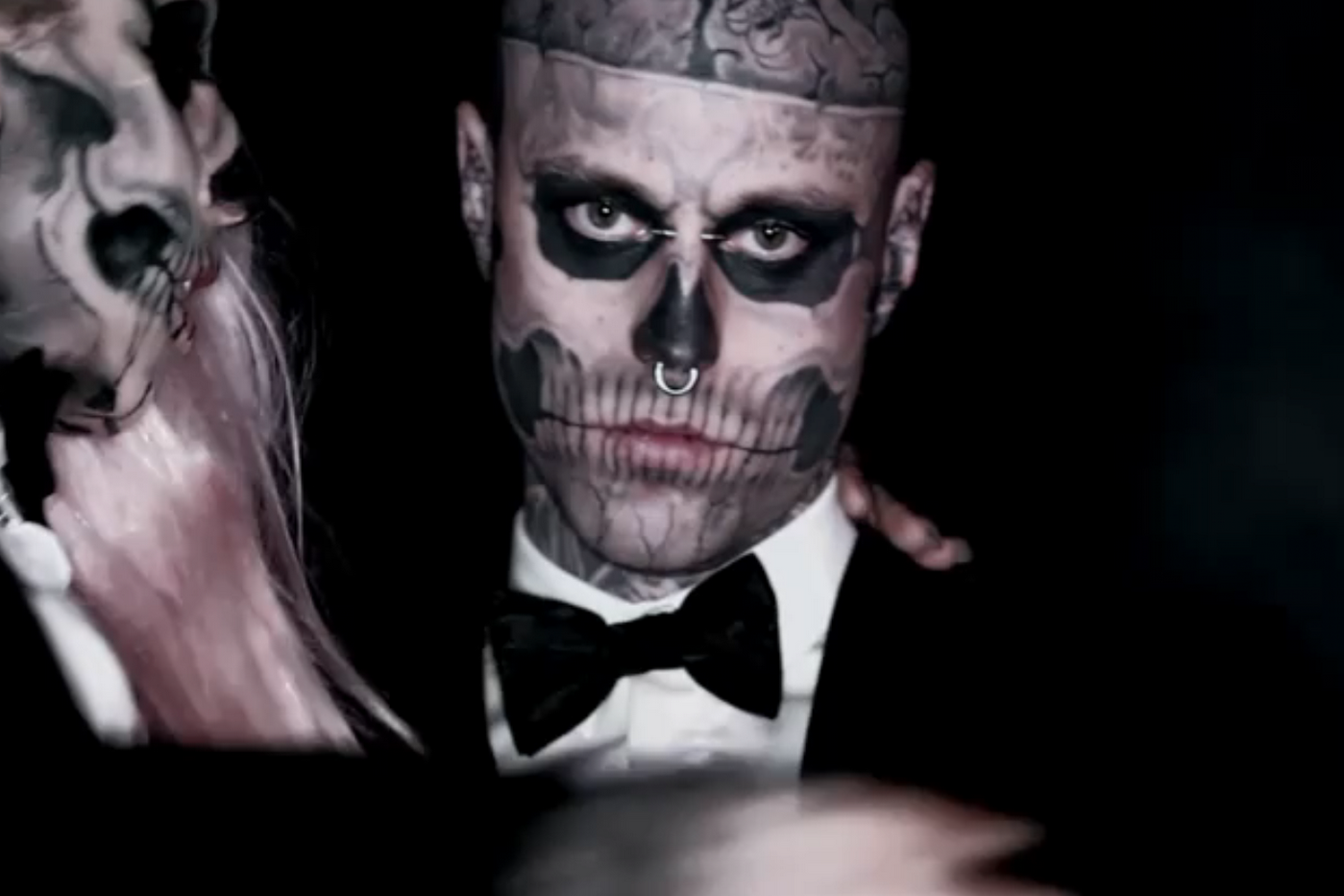
For many people, the first time they saw Rick Genest was through Lady Gaga’s Born This Way era. That moment introduced him to millions who had never heard the name Zombie Boy before. In the music video, he stood out instantly, not because he was trying to steal attention, but because his look was already unforgettable. The Born This Way era was about embracing identity, celebrating what makes you different, and refusing to apologize for existing. Rick didn’t need to act that message. He already lived it.
That’s why his appearance felt natural. It wasn’t random casting. It was a perfect fit. Fans didn’t only remember him as “the tattoo guy.” They remembered him as a symbol of bold self-expression. Seeing him made many people rethink what beauty could look like. It wasn’t neat, it wasn’t traditional, but it was powerful. That pop culture moment gave him lasting recognition, the kind that sticks even when trends move on. Years later, when people replay that era in their minds, his face still shows up like a vivid memory that refuses to fade.
Fame That Moved Fast
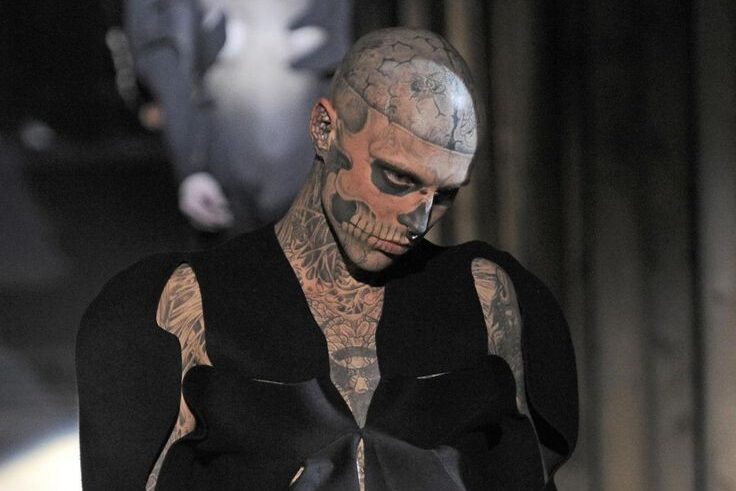
Rick’s rise didn’t happen slowly. It felt like one day he was known in alternative circles, and the next day he was everywhere. That kind of fame can be exciting, but it can also feel heavy. Suddenly, people want your image, your time, and your personality, and they expect you to be that same character every day. When your look becomes your brand, the world starts treating you like a product instead of a person. With Rick, the attention followed him fast because his appearance was so striking.
Still, he handled it with calmness that made him even more interesting. He didn’t come off as desperate. He came off as grounded, like he knew who he was even when the world was loud around him. Fame doesn’t automatically make life easier. Sometimes it adds pressure people don’t see. Rick became iconic quickly, but he still had to live inside a human body with human feelings. That contrast is part of why his story lingers. He looked fearless, but nobody is made of stone. Even the boldest people can carry weight quietly.
More Than a Look
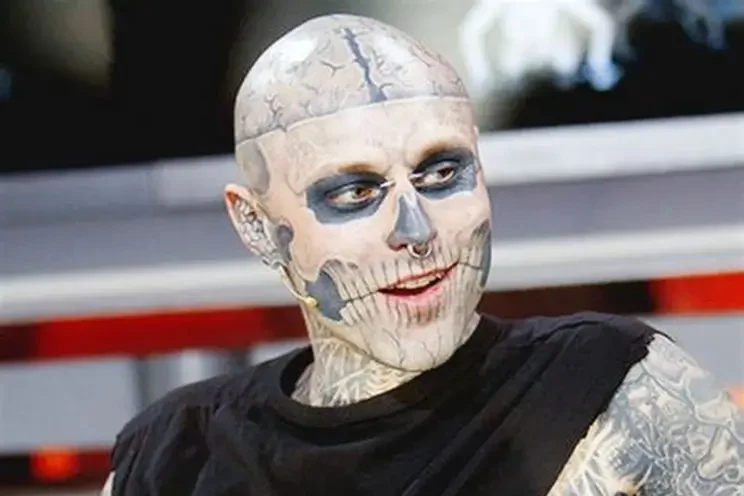
People loved talking about Rick’s look, but he was more than the tattoos. He was a working creative who showed up in fashion and entertainment spaces that required real effort. He wasn’t just standing still for photos. He was collaborating, performing, and building a career from an identity most people would be scared to live in publicly. That takes more than confidence. It takes resilience and consistency. Rick didn’t just appear once and vanish. He maintained a presence, and that’s one reason people still respect him.
The deeper you look, the more you realize his impact wasn’t only about being extreme. It was about being authentic. He didn’t have to change himself to be accepted. He walked into spaces exactly as he was and made them adjust to him. In a world full of curated perfection, Rick felt like someone you could believe. Even people who didn’t share his style could relate to the need to be seen as you are, not as the world expects you to be. He made individuality feel like strength, and that message still holds up today.
A Life That Wasn’t Always Easy

Rick’s story includes parts that don’t fit neatly into glamorous highlights. Before the fame, there were tough seasons that shaped him deeply. Those kinds of experiences can change how you move through life. They can make you tougher, but also more sensitive. You learn to survive, you learn to read people quickly, and you learn not to expect life to be gentle. That background matters because it helps you understand why Rick’s confidence felt real. It didn’t feel like a performance. It felt earned.
When people become bold, it usually has a reason behind it. Sometimes it comes from joy. Sometimes it comes from survival. Sometimes it’s both. Rick’s tattoos made him famous, but they may have also served as armor, a way of taking control of how the world saw him. It’s one thing to be different quietly. It’s another thing to be different loudly and still stand tall. Rick seemed to do that naturally. His life reminds you that people are often more complex than their appearance. Behind the striking look was a human being navigating real experiences.
The Day Everything Stopped
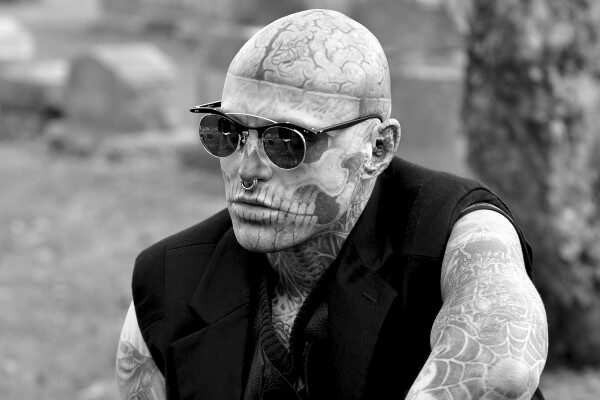
When Rick died, it hit people hard because it felt sudden and unreal. He was still young, still active in pop culture memory, and still linked to one of the biggest music eras of modern time. For fans, it felt like losing a symbol of freedom and self-expression. For the people who knew him, it was much deeper. It was the loss of a friend and a real person who existed outside of the spotlight. Public grief can look loud online, but personal grief is always heavier.
Telling this part of the story requires care. The internet often rushes to conclusions, but the truth deserves to be said plainly. Rick’s death was ruled an accident, caused by a fall that resulted in fatal head trauma. That is the simplest way to state it without turning it into a spectacle. The world likes drama, but real tragedy doesn’t always come with neat explanations. Sometimes it just hurts, and that is all. Rick’s life was bold and visually loud, but his ending should be handled softly, with respect, and with honesty.
How People Reacted Online
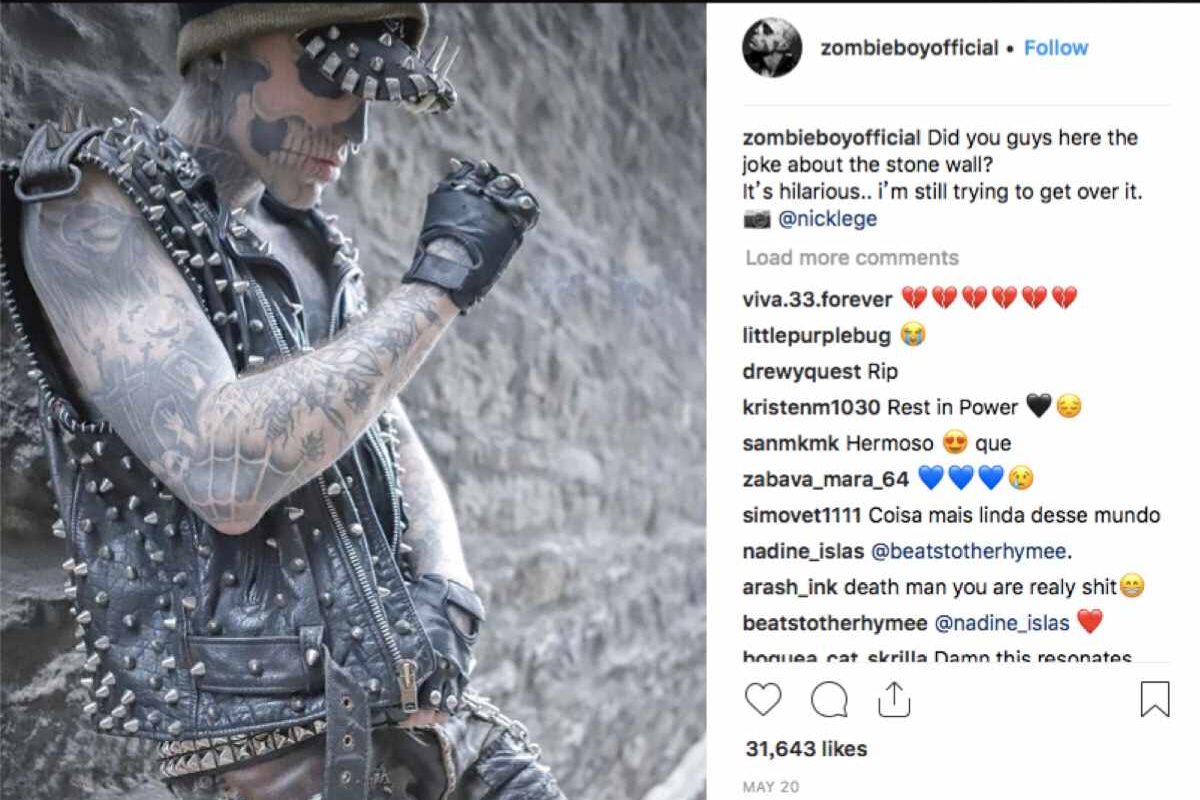
When a well-known figure dies, the internet reacts instantly. People post photos, share memories, and say things they wish they had said earlier. With Rick, the reaction was intense because he had become such a recognizable symbol. But online emotion can be complicated. Not every comment is thoughtful. Some people treat the moment like a trend instead of a real loss. That’s one downside of modern fame. Your life becomes public, and your death becomes public too, whether your loved ones are ready or not.
Still, there was real grief mixed into the noise. Many people mourned him because he made them feel less alone in being different. Others mourned him because they respected his creativity and his refusal to shrink. That’s the kind of impact that lasts. Rick didn’t have to live a perfect life to matter. He mattered because he was honest in his expression. He represented freedom to many people who grew up being told to hide what made them stand out. Even now, when people mention him, it’s often with a quiet respect. He wasn’t only memorable. He was meaningful.
The Gaga Connection People Felt Deeply
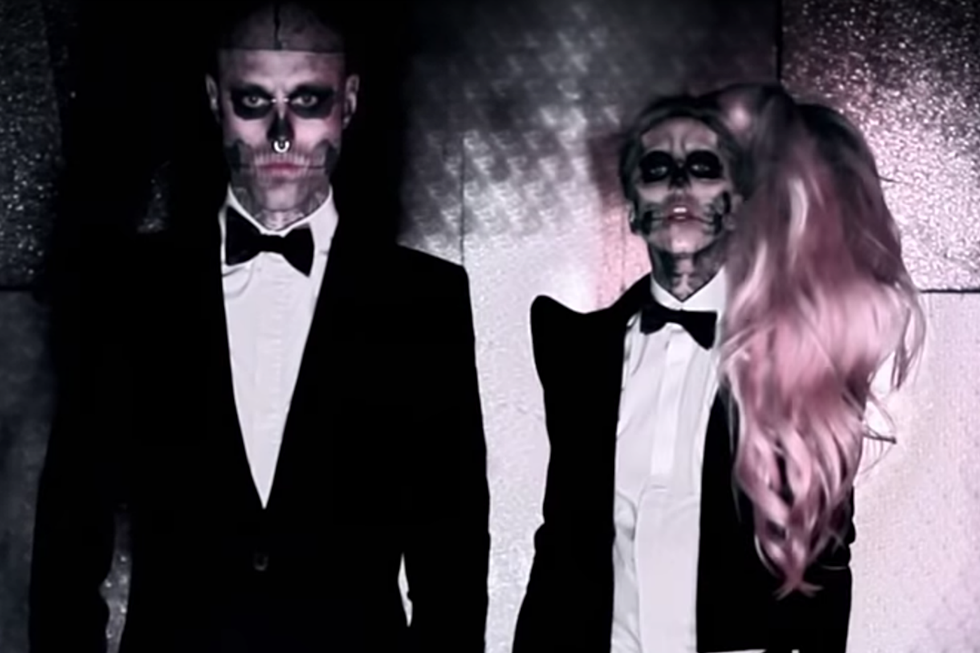
Seeing Rick connected to Lady Gaga made people feel like he belonged to a larger cultural movement. Gaga has always been known for celebrating outsiders and people who refuse easy labels. Rick fit naturally into that world, not as a decoration, but as someone who carried the message of self-acceptance in his everyday life. His presence beside her felt like a reminder that pop culture can sometimes make room for the unusual and treat it like art. That’s why fans held onto him.
That connection also gave him emotional visibility. People didn’t just see him as a model. They saw him as part of an era that helped many people feel less judged. Some fans remember that period as the first time they felt encouraged to be themselves, and Rick’s image sits inside that memory. Music videos come and go, but some visuals stick because they carry meaning. Rick’s look wasn’t just striking. It was symbolic. It reminded people that difference doesn’t have to mean rejection. Sometimes difference becomes the very reason people are drawn to you. That’s why he stayed unforgettable.
Changing Beauty Without Preaching
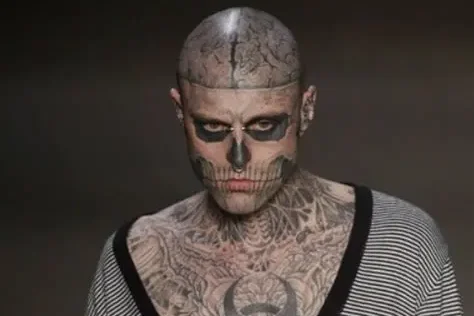
Rick shifted beauty standards without making it a big speech. He didn’t lecture the world about acceptance. He simply existed confidently, visibly, and without apology. That alone is powerful. Fashion has often rewarded one type of look, but Rick walked into that space looking completely different and still gained respect. That kind of change feels real because it happens through action, not slogans. He didn’t ask to be normalized. He asked to be seen, exactly as he was.
His career quietly told people there is more than one way to be beautiful. It opened a door for alternative beauty, body art, and identities that don’t fit the clean, polished standard. Even if the industry still has flaws, his visibility was a win for people who felt too strange, too loud, or too noticeable. For readers who grew up being told to tone down their personality, his story can feel oddly comforting. Not because everything was perfect, but because it was honest. He lived as himself fully. That’s rare, and that’s why his influence still shows up in modern culture, quietly but clearly.
Why His Legacy Still Feels Close
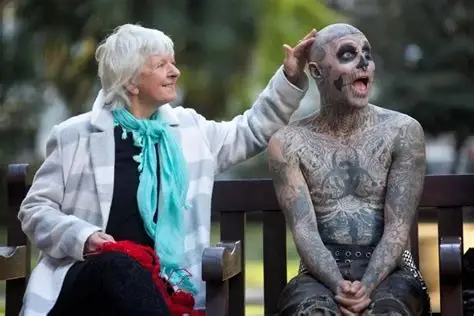
Some famous people feel far away, but Rick didn’t. Even with global recognition, he still felt like someone you could imagine meeting in real life. He didn’t carry the usual celebrity shine. He carried a calm, human energy. That’s why people still talk about him like he was a real person, not just an internet image. His legacy lives in fashion history, in pop culture memory, and in the personal confidence he sparked in people who felt different. That is a strong kind of legacy.
He also left behind an unforgettable visual stamp. One glance at his photos and you remember him. That kind of impact is rare. And as time passes, his story feels even more meaningful because it reminds people of how quickly life can change. He was bold and fearless in appearance, but his life still had the same fragility every human life carries. That contrast is part of what stays with people. He didn’t just walk through culture. He left a signature behind, and that signature was self-expression without compromise. Even now, remembering him feels like a quiet pause.
Remembering Rick Like a Human Being
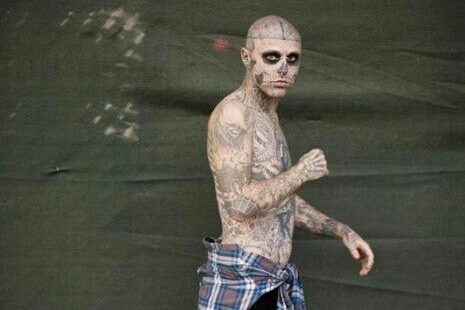
It’s easy to turn Rick Genest into a legend and stop there, but he was a person first. A creative, a friend, a man who built an identity so strong the world couldn’t ignore it. He was iconic, yes, but he was also ordinary in the ways all humans are. He had a past. He had routines. He had people who loved him. And that’s the part worth holding onto. Not only the tattoos and the fame, but the human being underneath the image. Because the image was powerful, but the life underneath is what makes it matter.
And maybe that’s the quiet takeaway in the end. You can’t always tell what someone is carrying just because they look fearless. Some people look like art, but they still feel everything. Rick’s story reminds us to be gentler with our assumptions and more curious about the person beneath the surface. He showed that individuality can be beautiful and that difference can be magnetic.


