
1. Espresso Not Expresso
You know how some words quietly slip into your vocabulary and stay there for years without question. This is one of those words. Many of us first learned it at a café, maybe reading a menu quickly, then confidently asking for an expresso without a second thought. No one corrects you, your friends say it too, and before long it becomes the only version you know. That is how pronunciation habits form, gently and naturally, without any moment that feels obvious. It is something most people can relate to because language often grows from what we hear around us in everyday life.
The correct pronunciation, however, is espresso, with no extra X sound. The word comes from Italian espresso, meaning pressed out, referring to the brewing method. English speakers often add the X sound because it feels easier to say in conversation. Once you notice it, you begin hearing expresso everywhere, from casual conversations to television shows and even from people who order coffee every day. It becomes one of those small discoveries that quietly changes how you listen to everyday speech and how language habits form naturally over time.
2. Mischievous Has Only Three Syllables
This is one of those words that sounds right no matter how you say it, which is why so many people never realize there is a difference. Many of us grew up saying mis chee vee us, stretching it into four syllables because it simply feels more comfortable that way. You may even remember hearing teachers, friends, or family members say it that way, which made it feel completely natural. Over time, the longer version becomes part of your everyday speech without any reason to question it.
The correct pronunciation, however, is mis chuh vuhs, with only three syllables. The extra sound often appears because the word resembles others like previous or continuous, and our minds naturally adjust unfamiliar patterns to match familiar ones. It is one of those gentle corrections that does not feel embarrassing, just interesting. Once you hear the shorter version, you start noticing how often the longer one appears in conversation. It quietly reminds you how easily language habits form, especially when we learn words by listening rather than reading carefully.
3. Quinoa Is Keen Wah
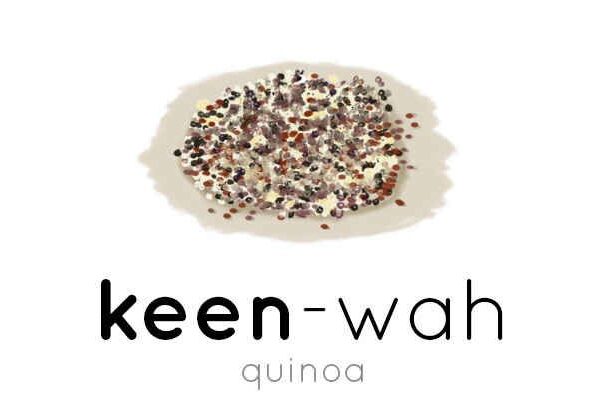
This word usually enters your life through a menu or grocery store shelf, and most people guess the pronunciation the first time they see it. It looks like kwin oh ah, and that guess feels logical, especially if you have never heard it spoken aloud. Many people remember hesitating before saying it, hoping they got it right while ordering food or discussing a recipe. That small uncertainty is something many of us share when encountering unfamiliar foods from different cultures.
The correct pronunciation is keen wah, which often surprises people because it is much simpler than it appears. The word comes from Spanish, which borrowed it from the Quechua language spoken in the Andes. As quinoa became more popular in healthy cooking and everyday meals, more people encountered it in writing first, which often leads to mispronunciation. Once you hear it spoken correctly, it suddenly feels easier and more natural. It becomes another reminder that language often looks more complicated on paper than it sounds in conversation.
4. Asterisk Not Asteriks

Some words just feel awkward to say, and this is one of them. You might notice it when reading instructions aloud or pointing out a small symbol in text. Many people say asteriks, switching the final sounds without even realizing it. It often happens when speaking quickly, especially in casual conversation where clarity takes a back seat to comfort. These small adjustments are common, and they usually go unnoticed for years.
The correct pronunciation is asterisk, ending with a clear risk sound. The word itself comes from Greek, meaning little star, which connects to the symbol we see in writing. When you slow down and say each part carefully, the correct version feels more natural. Once you notice the difference, you begin to hear asteriks in everyday speech, from meetings to casual conversations. It becomes one of those small language moments that quietly sticks with you and changes how you pronounce the word.
5. Library Has Three Syllables
This is one of those words that changes when we speak casually. Many people say lie berry instead of library, especially when talking quickly. You might hear it when giving directions or mentioning a place you visit often. Because the word is used so frequently, the middle sound quietly disappears in everyday conversation. It is not something most people notice unless someone points it out.
The correct pronunciation includes all three syllables, li brer ee. Linguists explain that this happens because our mouths naturally simplify words with several consonants close together. Over time, the shortened version becomes part of relaxed speech. Once you notice it, you begin hearing the difference more clearly in everyday conversations. It is not a dramatic correction, just a gentle adjustment that slowly becomes part of how you speak.
6. Pronunciation Not Pronounciation
This one feels a little ironic because the word pronunciation itself is often mispronounced. Many people say pronounciation, adding an extra sound that seems logical because of the word pronounce. You may have heard it in classrooms, meetings, or casual conversations about language. Because it sounds familiar, the extra syllable often goes unnoticed. Over time, it becomes part of everyday speech without any reason to question it.
The correct version is pronunciation, without the added sound. The spelling reflects this shift, even though the connection to pronounce makes the mistake understandable. Once you notice the difference, it becomes easier to hear both versions in conversation. It is one of those small discoveries that quietly sticks with you and slowly becomes part of how you speak more carefully.
7. Etcetera Not Excetera
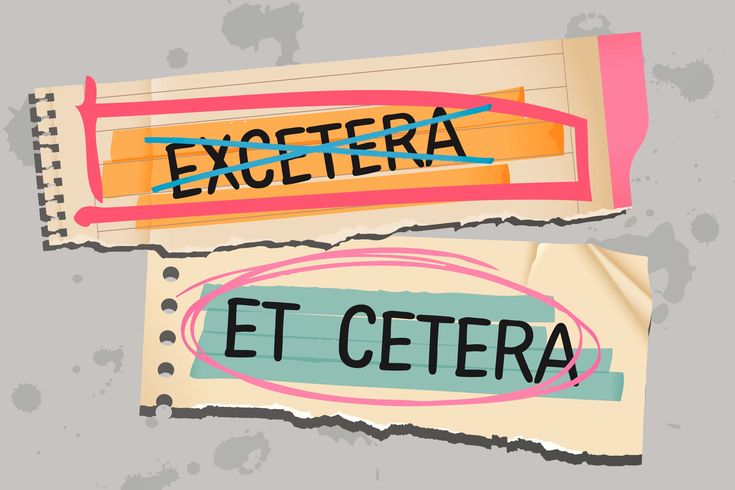
This is one of those words that quietly slips into conversation without much thought. You might hear it when someone is listing a few things and then trails off, saying excetera almost automatically. Many people grow up hearing it that way, so it feels completely natural and familiar. Because it is often used casually and quickly, the pronunciation rarely gets questioned. Over time, the version with the extra sound becomes part of everyday speech, especially in relaxed conversations where people are not focused on pronunciation.
The correct pronunciation is et set uh ruh, without the X sound at the beginning. The word comes from Latin, meaning and the rest, which explains why it appears so often in everyday speech. The confusion happens because English speakers naturally associate the beginning with words like except or excellent. Once you hear the difference, it becomes easier to notice how often excetera appears in conversation. It is one of those small language moments that feels relatable, especially because it happens so naturally and quietly in everyday conversations with people around you.
8. Height Ends With A T
This is a word many people rarely think about until they hear someone say it differently. Some people say heighth, adding a TH sound at the end because it feels similar to words like length and width. You might hear it in casual conversation, in classrooms, or even during presentations. Because the difference is subtle, it often goes unnoticed. Over time, both versions sound familiar, and people continue using whichever one they learned first without giving it much thought.
The correct pronunciation is height, ending with a clear T sound. The confusion likely comes from similar sounding words that follow a different pattern. When spoken slowly, the correct version sounds shorter and smoother. Once you notice it, you may begin hearing the added TH sound more often in everyday speech. It is another example of how language habits form naturally over time. And like many pronunciation quirks, it becomes something you quietly adjust once you become aware of the difference.
9. Often Without The T

This word has sparked friendly conversations for years because people hear it said both ways. Some people pronounce the T and say off ten, while others say off en and leave the T silent. Many of us learned one version early and stuck with it without realizing there was another accepted way. You might notice the difference when listening to podcasts, watching interviews, or simply chatting with friends. Because both versions are widely heard, the conversation around it continues quietly.
Traditionally, often was pronounced without the T, and many speakers still prefer that version. Over time, pronouncing the T became more common as people began reading words exactly as they appear. Today, both pronunciations are widely accepted in everyday speech. That makes this word especially interesting because it shows how language evolves naturally. You may hear both versions in the same conversation, and neither sounds unusual anymore. It is a gentle reminder that language changes slowly, shaped by how people speak every day.
10. Salmon Has A Silent L
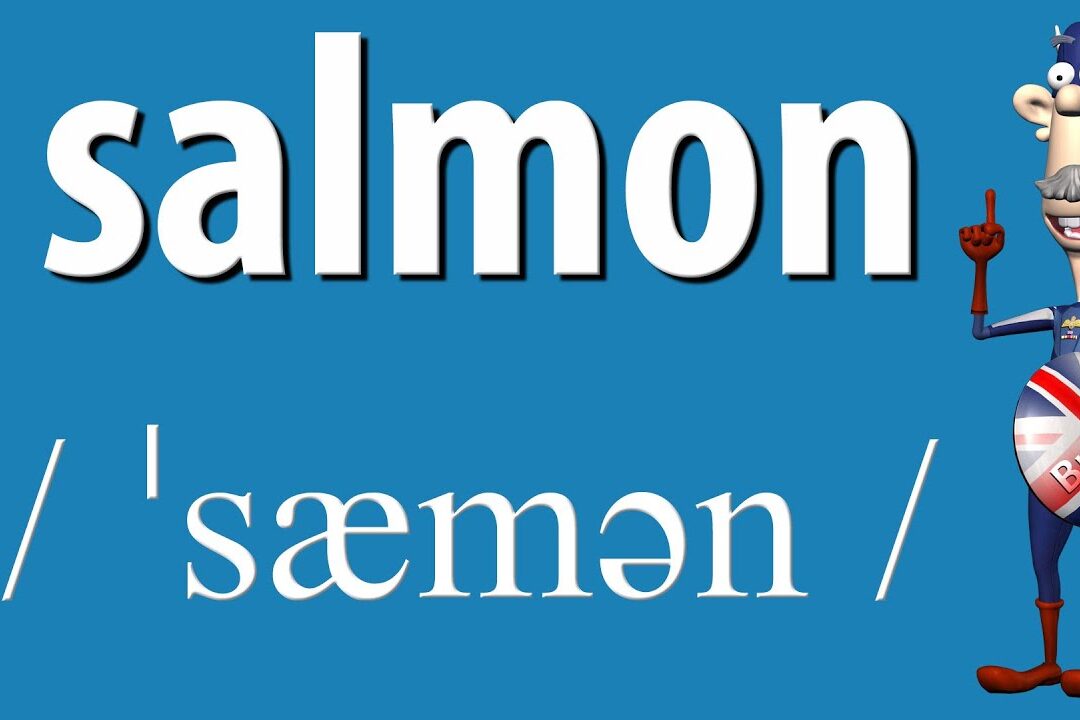
This is one of those words that looks straightforward until you hear it spoken aloud. Many people naturally pronounce the L in salmon because it appears clearly in the spelling. You might remember the first time you said it that way while talking about food or reading a menu. Because English often follows spelling patterns, pronouncing the L feels logical at first. Over time, that version becomes part of everyday speech, especially if no one points out the difference.
The correct pronunciation is sam un, with the L remaining silent. The silent letter comes from the word’s history, where pronunciation shifted but spelling stayed the same. English has many words like this, which is why they can feel confusing at first. Once you hear the silent L, the word sounds smoother and more natural. It becomes one of those small adjustments that quietly changes how you speak. And after noticing it, you may begin hearing both versions in everyday conversations.
11. Worcestershire Is Simpler Than It Looks

This word often causes a small pause when people see it written for the first time. The spelling looks long and complicated, and many people try to pronounce every letter carefully. You might remember hesitating while reading a recipe or ordering food, hoping you said it correctly. Because it appears unfamiliar, people often guess their way through it. That moment of uncertainty is something many people share, especially with words borrowed from place names.
The accepted pronunciation is closer to woos ter sheer, which feels much shorter than the spelling suggests. The name comes from Worcestershire in England, where local pronunciation naturally shortened the word over time. Many place names follow this pattern, becoming easier to say through frequent use. Once you hear the correct pronunciation, it suddenly feels more approachable. It becomes another reminder that English often looks more complicated than it actually sounds when spoken naturally in conversation.


