
Why Celebrity Wellness Advice Can Be Dangerous

The modern obsession with wellness has transformed Hollywood into a primary source of medical guidance, yet this shift poses significant risks to public health. While we often admire stars for their talent and physical appearance, their personal anecdotes and expensive lifestyles do not equate to clinical expertise or scientific rigor. We tend to forget that behind every glowing complexion is a team of professionals, while the advice they broadcast to millions often lacks the nuance required for individual health needs. When a famous face endorses a restrictive diet or an unverified supplement, it carries a weight that can inadvertently encourage fans to bypass professional medical consultations in favour of a polished Instagram post.
This matters because the influence of celebrity culture is pervasive, often blurring the lines between aspirational living and genuine medical necessity. Relying on someone’s fame as a proxy for their knowledge can lead to the adoption of practices that are at best ineffective and at worst physically harmful. In an era where misinformation spreads with remarkable speed, it is vital to approach celebrity-endorsed health trends with a healthy dose of scepticism and a commitment to evidence-based science. Understanding the motivations behind these wellness empires helps us to protect ourselves from the potential pitfalls of following advice that was never designed with our specific biological requirements in mind.
Gwyneth Paltrow And Goop

Gwyneth Paltrow transitioned from an Oscar-winning actress to a wellness mogul with the launch of Goop in 2008, yet her brand has faced relentless scrutiny for promoting pseudoscience. One of her most controversial suggestions involved the use of jade and rose quartz eggs, which were marketed as tools to balance hormones and improve bladder control when inserted internally. Despite being sold for significant sums, medical professionals warned that porous stones could harbour harmful bacteria and lead to serious infections like toxic shock syndrome. This eventually led to a 2018 settlement where her company paid $145,000 in civil penalties for making unsubstantiated claims about the benefits of these vaginal eggs and other herbal remedies.
The brand also faced backlash for advocating “bee sting therapy” and a practice known as “vaginal steaming,” which Paltrow claimed could cleanse the uterus and provide an energetic release. Gynaecologists were quick to point out that the vagina is a self-cleaning organ and that introducing high-heat steam could cause severe burns or disrupt the delicate natural microbiome. Furthermore, the promotion of “Body Vibes” stickers, which were allegedly made from NASA spacesuit material to rebalance frequency in the body, was debunked by NASA itself as a complete fabrication. While the aesthetic of Goop is undeniably beautiful, the constant push of expensive and unverified treatments suggests that being a fan of the lifestyle does not mean you should trust the medical advice.
Kourtney Kardashian Lemme Vitamins
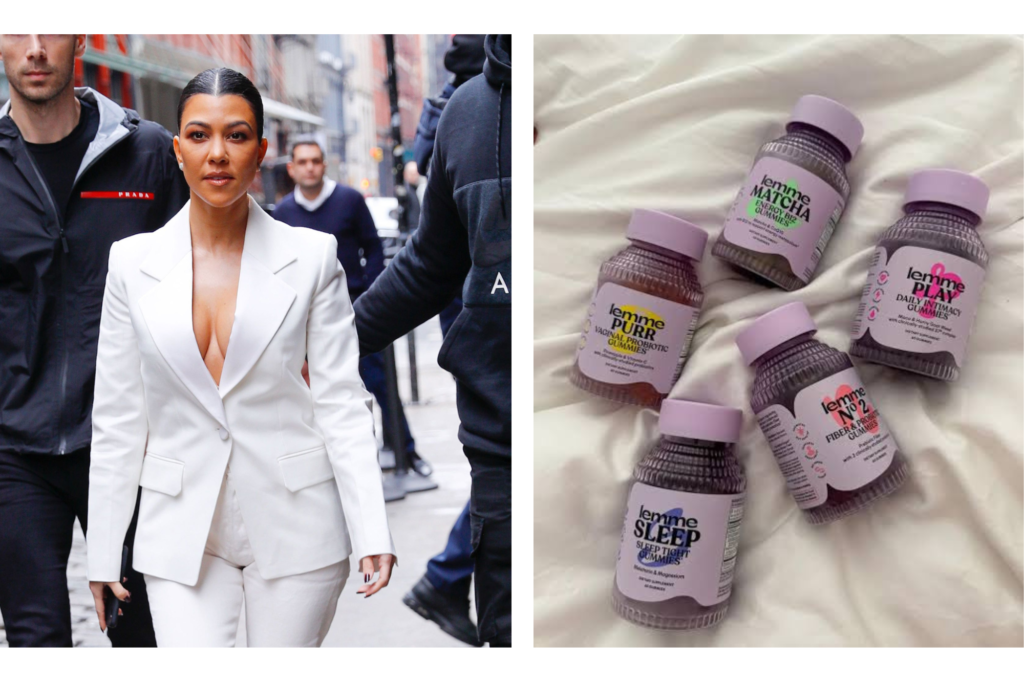
Kourtney Kardashian Barker expanded her reality television empire into the supplement world with the launch of Lemme in September 2022, but the brand quickly drew criticism from the medical community. One particular product, Lemme Purr, was marketed as a gummy that could support vaginal health and even alter the scent and taste of the body. Health experts were immediate in their condemnation, stating that the vagina does not need to be “sweetened” and that such marketing preys on the insecurities of women regarding their natural biology. These gummies often contain pineapple extract and vitamin C, but there is no clinical evidence to suggest that consuming these ingredients in a gummy form will have any measurable impact on vaginal pH levels.
The concern remains that these products are marketed as essential wellness tools despite lacking the rigorous testing required for pharmaceutical interventions. Doctors argue that if an individual is experiencing a change in odour or discomfort, they should seek a medical diagnosis for potential infections rather than reaching for a celebrity-branded supplement. By framing these products as “self-care,” the brand risks distracting consumers from actual health issues that require professional attention and treatment. While the packaging is designed to look chic on a bedside table, the science behind the claims remains remarkably thin, serving as a reminder that a famous name is not a substitute for a medical degree or a laboratory-tested health solution.
Katy Perry Apple Cider Vinegar
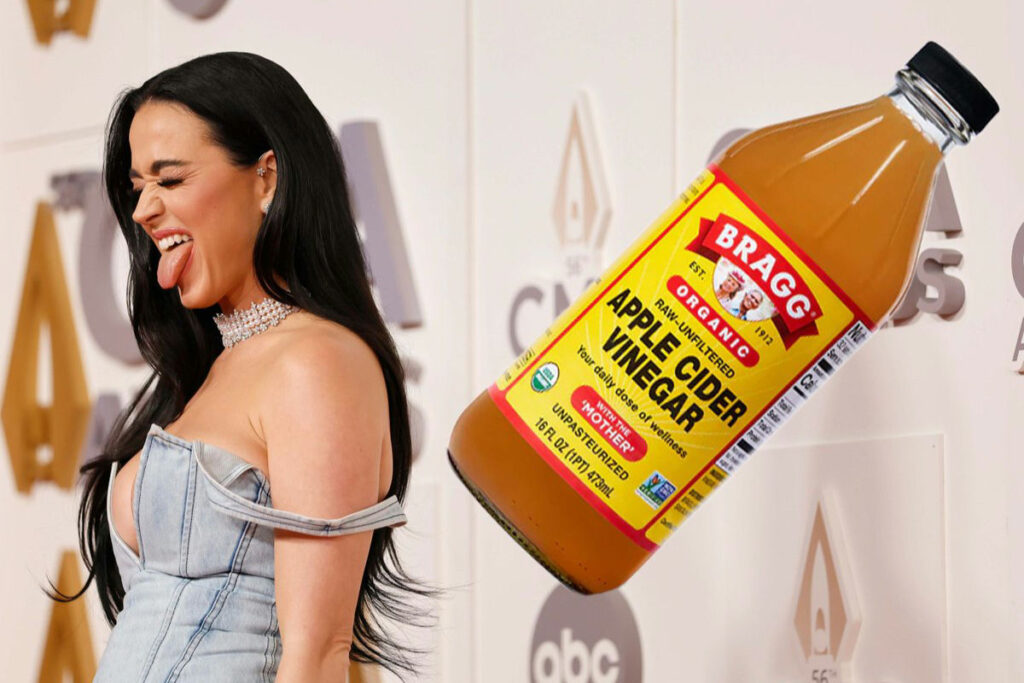
Katy Perry has long been a vocal advocate for the benefits of apple cider vinegar, even becoming an investor in the popular brand Bragg in 2019 alongside her husband Orlando Bloom. She frequently credits her health and stamina to drinking the acidic liquid daily, often claiming it helps with everything from digestion to boosting the immune system. While there is some very limited evidence that vinegar might help slightly with blood sugar spikes after a meal, the way it is promoted by celebrities often suggests it is a miracle cure-all for weight loss and detoxification. This creates a misleading narrative where people believe they can bypass traditional healthy habits simply by taking a daily shot of pungent vinegar.
The primary danger in following this advice without caution lies in the highly acidic nature of the liquid, which can cause significant damage to the human body if not handled correctly. Dentists have frequently warned that consuming undiluted apple cider vinegar can rapidly erode tooth enamel, leading to permanent sensitivity and decay over time. Additionally, drinking it on an empty stomach can cause irritation to the lining of the oesophagus and stomach, potentially exacerbating issues like acid reflux or gastritis. When a global pop star promotes a specific product as a foundational part of her beauty regime, many fans follow suit without considering the potential for long-term physical damage to their digestive systems and dental health.
Kim Kardashian Appetite Suppressants

Kim Kardashian sparked an international debate in 2018 when she promoted an appetite-suppressant lollipop on her social media channels, drawing the ire of health activists and eating disorder charities. The post featured her posing with the sweet treat and suggesting it was a helpful tool for those looking to curb their hunger and manage their weight. Critics were quick to point out that marketing lollipops as a way to suppress the natural urge to eat is incredibly damaging, particularly to a young and impressionable audience. Promoting the idea that hunger is something to be “suppressed” rather than addressed with nutrition can encourage disordered eating patterns and a toxic relationship with food.
Beyond the psychological implications, the active ingredients in many of these “diet” products are often under-researched or potentially harmful when consumed in large quantities. This specific incident highlighted the ethical responsibility that comes with having hundreds of millions of followers who look to celebrities for lifestyle inspiration. While Kim eventually removed the post following the backlash, the event served as a stark reminder of how celebrity endorsements can normalise dangerous weight-loss methods. Relying on a lollipop to replace a meal or dull the senses is a far cry from sustainable health, and it underscores the need for consumers to distinguish between a paid advertisement and sound nutritional advice provided by registered dieticians.
Tom Brady Diet Extremes

Tom Brady is celebrated as one of the greatest athletes of all time, but his “TB12 Method” has been described by many nutritional scientists as overly restrictive and scientifically questionable. His diet famously excludes “inflammatory” foods such as nightshades, which include tomatoes, peppers, and aubergines, based on the theory that they cause joint pain. However, there is no broad scientific consensus to support the idea that these vegetables are harmful to the general population; in fact, they are packed with essential nutrients and antioxidants. By telling his followers that these common foods are toxic, he creates unnecessary fear around ingredients that are actually part of a balanced and healthy Mediterranean-style diet.
The NFL legend also promotes the idea of “alkalising” the body through specific food choices and drinking vast quantities of water to prevent sunburn, a claim that has no basis in human biology. The body maintains a very tight pH balance regardless of what we eat, and the suggestion that hydration can replace SPF protection is a dangerous piece of misinformation. While his personal success is undeniable, his strict adherence to these pseudoscientific principles can lead fans to adopt unnecessarily rigid eating habits that are difficult to maintain and lacking in variety. Health is rarely about the absolute elimination of whole food groups, and what works for a professional athlete with a personal chef may not be suitable or safe for the average person.
Jessica Alba Honest Company

Jessica Alba founded The Honest Company with the noble goal of providing safer, non-toxic products for families, but the brand has struggled with consistency and factual accuracy in its marketing. In 2015, the company faced a significant backlash and a lawsuit when its mineral-based sunscreen was found to be ineffective, leading to numerous reports of customers suffering from severe sunburns. While the company marketed the product as a natural alternative to chemical filters, the formula change evidently compromised its ability to protect the skin from UV radiation. This incident proved that “natural” does not always mean “effective,” and in the case of sun protection, failure can lead to long-term skin damage and increased cancer risks.
The company has also been criticised for its use of “fear-marketing,” where it implies that conventional products are laden with “toxic” chemicals without providing context or scientific evidence. For example, they previously claimed their laundry detergent was free of sodium lauryl sulfate, only for independent tests to find the ingredient present in their formula. This type of branding creates an environment where consumers are taught to fear science-backed ingredients in favour of vaguely defined “clean” alternatives. It is important to remember that everything is made of chemicals, and being a celebrity mother does not provide the expertise needed to formulate complex chemical products. Consumers should always rely on independent safety ratings and dermatological testing rather than a brand’s emotional appeal and celebrity-driven marketing campaigns.
Shailene Woodley Eating Clay

Shailene Woodley, known for her roles in Divergent and Big Little Lies, once made headlines for recommending that people eat bentonite clay as a way to “detox” the body. She claimed that she learned about the practice from a taxi driver and that it helps the body to bind to heavy metals and excrete them effectively. However, toxicologists have warned that the human body is not designed to digest clay, and doing so can actually be quite dangerous. Rather than removing toxins, clay can bind to essential nutrients like iron and calcium, preventing them from being absorbed and potentially leading to significant nutritional deficiencies or bowel obstructions over time.
Furthermore, there is a risk that the clay itself could be contaminated with the very heavy metals the consumer is trying to avoid, such as lead or arsenic, depending on where it was sourced. The idea that we need to “detox” our bodies with external substances is a common wellness myth, as the liver and kidneys are already highly efficient at filtering out waste products. Woodley’s promotion of this practice is a classic example of how “natural” or “ancestral” habits are not always safe in a modern context. Taking health advice from a celebrity who heard it from a stranger in a car is a risky strategy, and it highlights why it is crucial to consult with a medical professional before introducing non-food substances into your daily diet.
Miranda Kerr Noni Juice

Supermodel Miranda Kerr has long attributed her flawless complexion and high energy levels to noni juice, a fruit extract from Southeast Asia that she has consumed since childhood. She eventually built a skincare and wellness brand, Kora Organics, around this ingredient, claiming it has incredible healing properties and can boost the immune system. While noni fruit does contain antioxidants, many of the more extravagant health claims associated with it are not supported by high-quality clinical trials in humans. In some cases, the concentration of certain minerals in these juices can be problematic for individuals with specific health conditions, such as kidney disease, due to the high potassium content.
The issue with these types of endorsements is the “halo effect,” where the consumer believes that drinking the juice will result in them looking like a world-class model. This often leads people to spend large sums of money on exotic extracts while neglecting the basic, evidence-based pillars of health like a varied diet and regular exercise. Additionally, there have been rare reports of liver toxicity associated with the consumption of certain noni products, which suggests that even fruit extracts can have adverse effects when taken in concentrated forms. It is always better to view these products as expensive supplements rather than essential medicines, and one should never assume that a model’s beauty is solely the result of a single “superfood” she happens to be selling.
Suzanne Somers Bioidentical Hormones

The late Suzanne Somers was a major proponent of “bioidentical” hormone replacement therapy, often claiming it was a fountain of youth that could reverse the signs of ageing. She wrote several books on the topic, suggesting that these hormones were safer and more natural than traditional HRT prescribed by doctors. However, many medical organisations, including the North American Menopause Society, have expressed concern that these compounded hormones are not subject to the same rigorous FDA testing as standard treatments. This lack of regulation means that the potency and purity of the hormones can vary wildly, potentially putting women at risk for serious complications such as blood clots or hormone-sensitive cancers.
Somers often pushed the idea that women could remain perpetually young if they just balanced their hormones using her specific methods, which many doctors viewed as an oversimplification of complex biological processes. By bypassing traditional medical oversight, patients might miss out on the safest and most effective dosages tailored to their specific needs. Her vocal opposition to conventional cancer treatments in favour of alternative therapies also drew heavy criticism from the oncology community, as it encouraged patients to abandon life-saving medicine for unproven methods. While her enthusiasm for health was evident, her reliance on anecdotal evidence over clinical data serves as a cautionary tale about the dangers of following celebrity health gurus who challenge established medical science without sufficient evidence.
Alicia Silverstone Vegan Extremism

Alicia Silverstone, famous for her role in Clueless, has become a prominent voice in the vegan community, often linking a plant-based diet to the cure for almost any ailment. In her book, The Kind Diet, she suggested that eliminating meat and dairy could help with everything from acne to more serious chronic conditions. While a well-planned vegan diet is undoubtedly healthy for many people, Silverstone’s approach has been criticised for being overly prescriptive and scientifically shaky. She once suggested that a plant-based diet could prevent children from getting sick or even alter the nature of their behaviour, which places an unfair and unrealistic burden on parents who may not have the resources to follow her strict guidelines.
The danger in this type of celebrity advocacy is the promotion of “orthorexia,” an unhealthy obsession with eating only foods deemed “pure” or “correct.” When a celebrity implies that any deviation from a specific diet is a personal failure or a threat to health, it can lead to anxiety and social isolation for their followers. Furthermore, she has faced criticism for her views on vaccinations, which many in the medical field found to be irresponsible and potentially damaging to public health efforts. While her passion for animal rights is commendable, her tendency to conflate dietary choices with medical miracles can mislead people into believing that food alone can replace modern medicine. True health requires a balanced perspective that incorporates both good nutrition and the benefits of scientific advancement.
Ultimately, the most effective way to manage your well-being is to rely on qualified medical professionals rather than the filtered lifestyles of the rich and famous.
Like this story? Add your thoughts in the comments, thank you.


