
How centuries of patient farming quietly redesigned the foods we now call “natural”
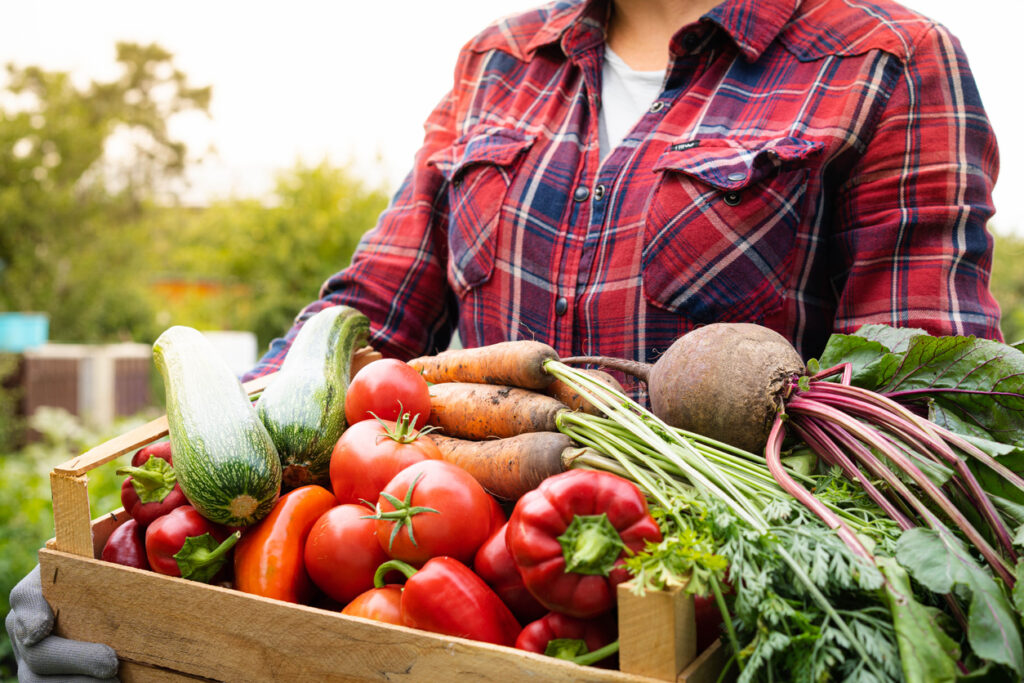
When we stroll through a market or fill our kitchen fruit bowl, it is easy to imagine that apples, bananas, strawberries and other colourful produce have always existed exactly as we know them. In truth, the story is far more fascinating. Many of the fruits and vegetables we eat today are the result of thousands of years of human curiosity, experimentation and patient farming. Early growers noticed unusual plants that tasted sweeter or grew larger, and they carefully replanted those varieties. Over generations, these small choices slowly transformed wild plants into the familiar produce we enjoy today.
This process is known as domestication or selective breeding. Rather than inventing plants in a laboratory, farmers guided nature by repeatedly choosing the best crops to cultivate. Wild ancestors were often bitter, full of seeds or very small, yet humans gradually reshaped them into sweeter, softer and more productive foods. The modern produce aisle is therefore a living museum of agricultural innovation that stretches back thousands of years.
Modern Bananas
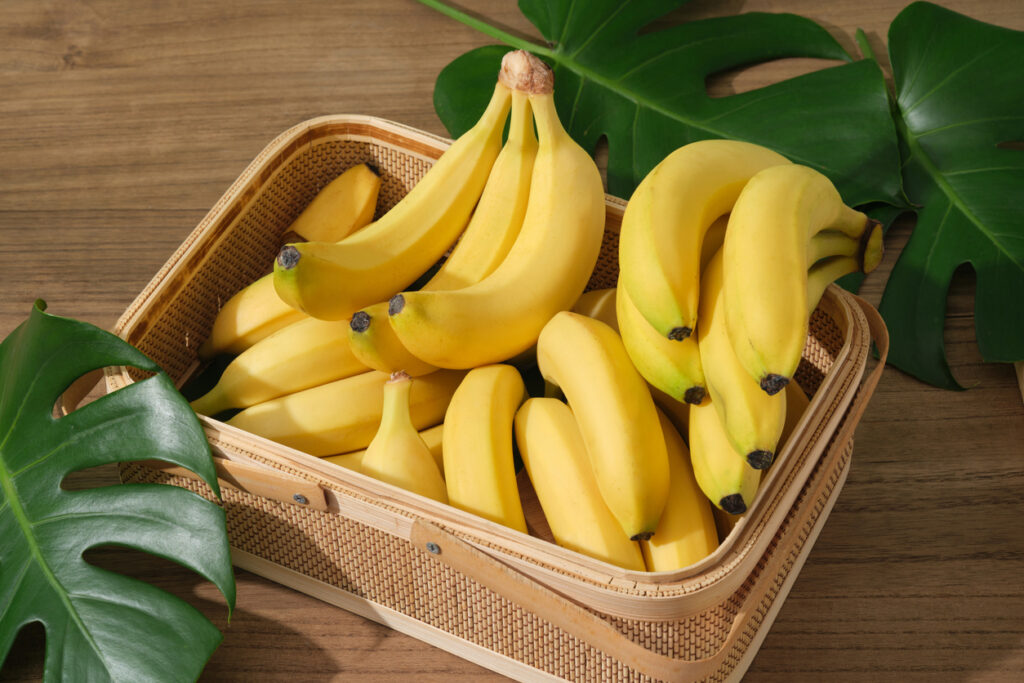
If you had peeled a wild banana several thousand years ago, you would have been shocked by what was inside. Unlike the creamy, seedless fruit we enjoy today, ancient bananas were small, tough, and filled with large, hard seeds that made them nearly impossible to eat. These wild ancestors belonged to two specific species, Musa acuminata and Musa balbisiana, which grew naturally across the tropical landscapes of Southeast Asia. Early foragers and farmers began to notice rare, naturally occurring mutants that had softer flesh and smaller seeds, leading them to prioritize these specific plants for cultivation.
Archaeological records indicate that humans first began domesticating bananas at least 7,000 years ago, with significant evidence found in the Kuk Swamp region of Papua New Guinea. Because the best-tasting versions were sterile and could not grow from seeds, ancient farmers learned to “clone” the plants by removing and replanting the side shoots, or suckers. This clever agricultural hack allowed the seedless variety to spread through Tahiti and eventually across the globe. Today, the Cavendish variety dominates the export market, standing as a living testament to thousands of years of human selection that turned a seedy weed into a global dietary staple.
Sweet Oranges
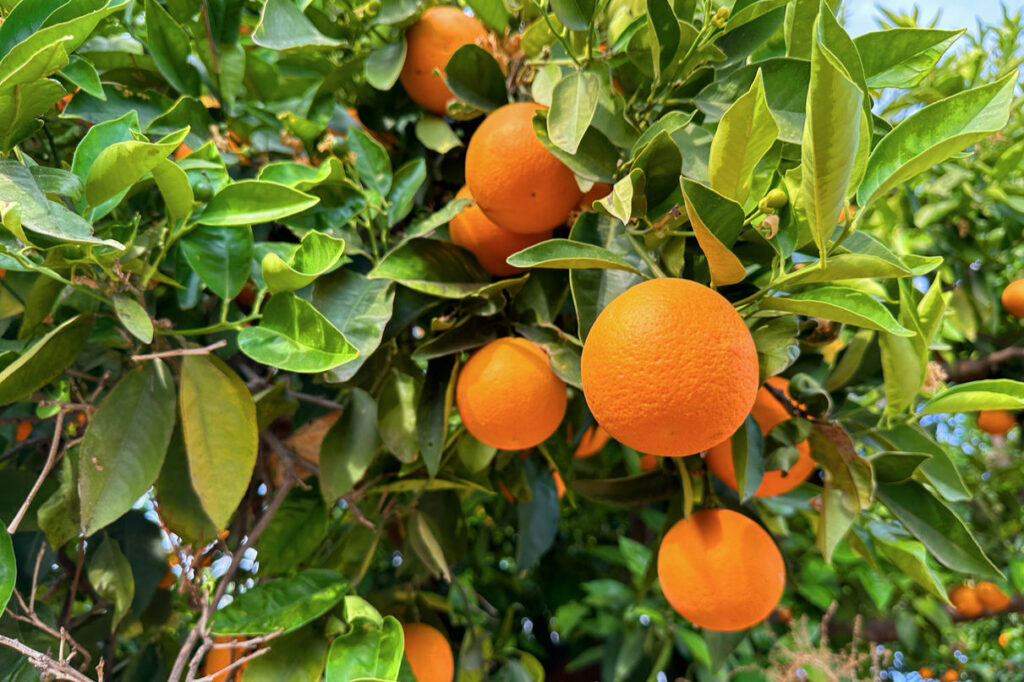
The sweet orange is so common today that many people assume it is a “primary” fruit found in the wild. In reality, the orange is a complex hybrid created by ancient Chinese farmers who cross-pollinated two distinct citrus species: the large, thick-skinned pomelo and the small, sweet mandarin. Historical Chinese literature suggests that this hybrid was well-established by 314 BC. By blending these two plants, early horticulturalists created a fruit that captured the mandarin’s sugary juice and the pomelo’s sturdy size, resulting in a durable product perfect for trade.
As these hybrid trees were cloned and traded, they traveled along the Silk Road, reaching the Mediterranean and eventually the Americas by the late 15th century. Because orange trees grown from seeds often revert to wilder, sourer traits, farmers relied on grafting, joining a sweet orange branch onto a hardy rootstock, to ensure the fruit stayed consistent. This means every Navel orange you eat today is a genetic twin of a tree discovered centuries ago. The modern orange isn’t just a gift from nature; it is a meticulously maintained piece of human technology that has been refined for over two millennia.
Strawberries Reimagined
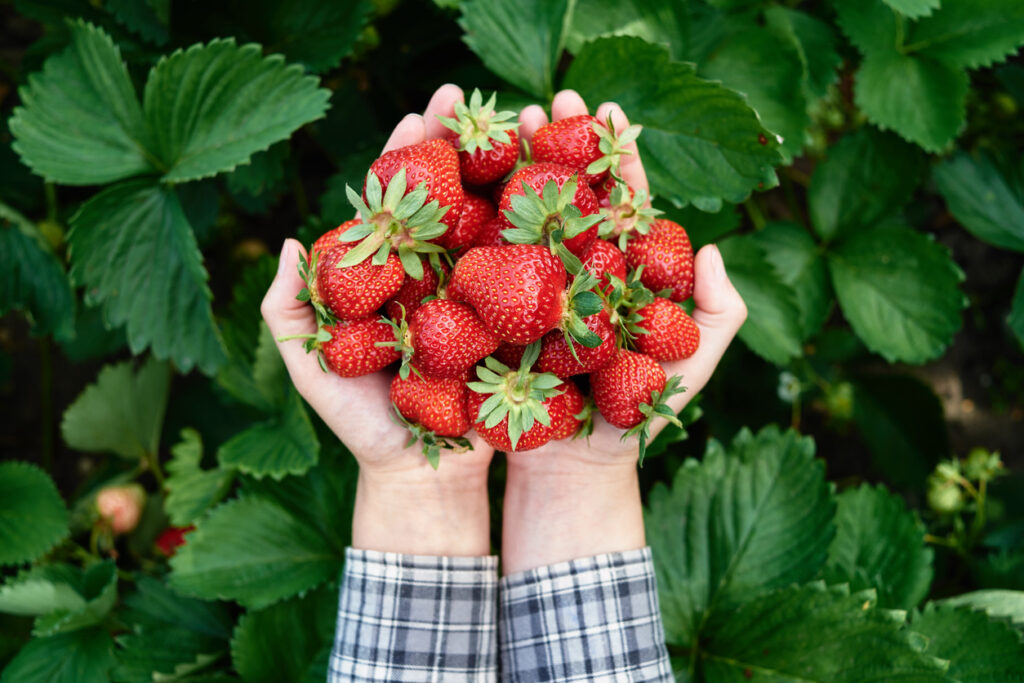
The plump, ruby-red strawberries we see in supermarkets are a relatively modern invention, dating back only about 250 years. Before the 1700s, people mostly ate “woodland” strawberries, which were tiny, fragile, and lacked a strong shelf life. The transformation began in the 1760s when a French botanist named Antoine Nicolas Duchesne realized that a chance encounter between two imported species could create something spectacular. He crossed a flavorful but small species from North America with a giant, pale variety brought over from Chile by a French spy.
This cross-breeding experiment resulted in the Fragaria × ananassa, the ancestor of almost all modern garden strawberries. This new hybrid offered the perfect combination of the North American berry’s intense aroma and the South American berry’s impressive size. Following this breakthrough in 1766, farmers across Europe and later the United States spent the 19th century refining these plants to be firmer and redder. Today’s strawberry is a masterpiece of 18th-century botanical engineering, designed specifically to satisfy the human craving for a large, juicy, and aesthetically pleasing summer treat.
Grapefruit Surprise
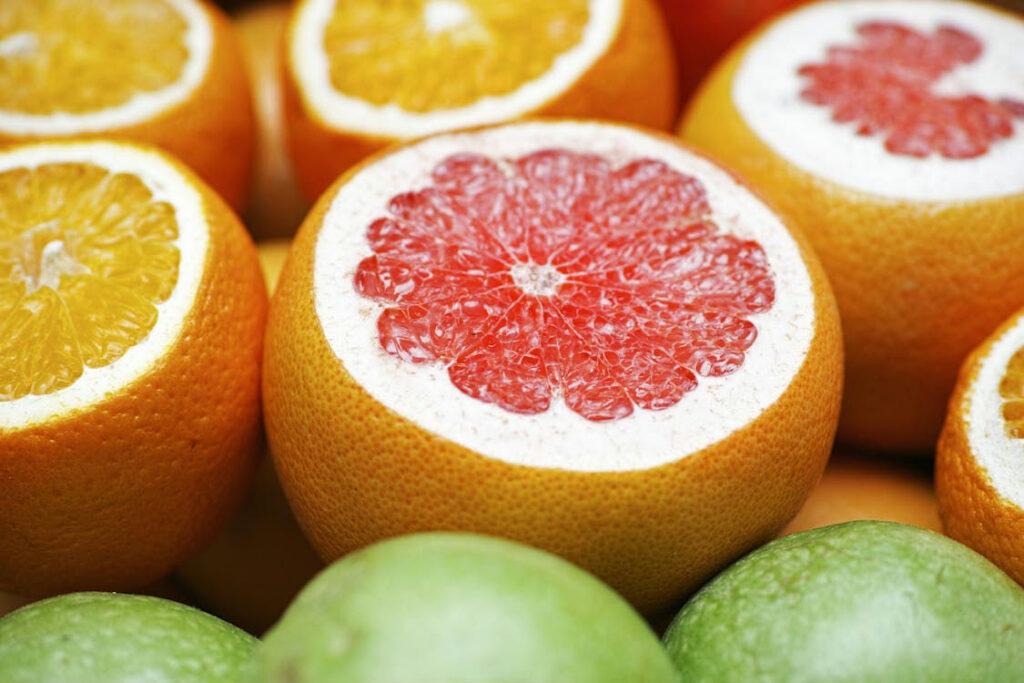
Unlike many other fruits that were created through intentional breeding over thousands of years, the grapefruit was a “happy accident” that occurred in the Caribbean. In the 1700s, on the island of Barbados, European settlers planted sweet orange trees and pomelo trees in close proximity. Nature took over, and the two species naturally cross-pollinated to create a spontaneous hybrid. Local residents originally dubbed it the “forbidden fruit” because they weren’t quite sure what to make of its unique, tangy flavor profile that differed so much from its parents.
The fruit didn’t receive its modern name until the early 1800s, inspired by the way it grows in clusters resembling bunches of grapes. It was introduced to Florida in 1823 by Count Odette Philippe, though it didn’t become a commercial hit until much later in the century when the “Pink” and “Ruby Red” mutations were discovered and stabilized. This accidental hybrid has since become a cornerstone of the citrus industry. It serves as a fascinating example of how human migration, moving plants across oceans, can lead to the birth of entirely new food species that never would have existed otherwise.
Lemons Through Hybridisation
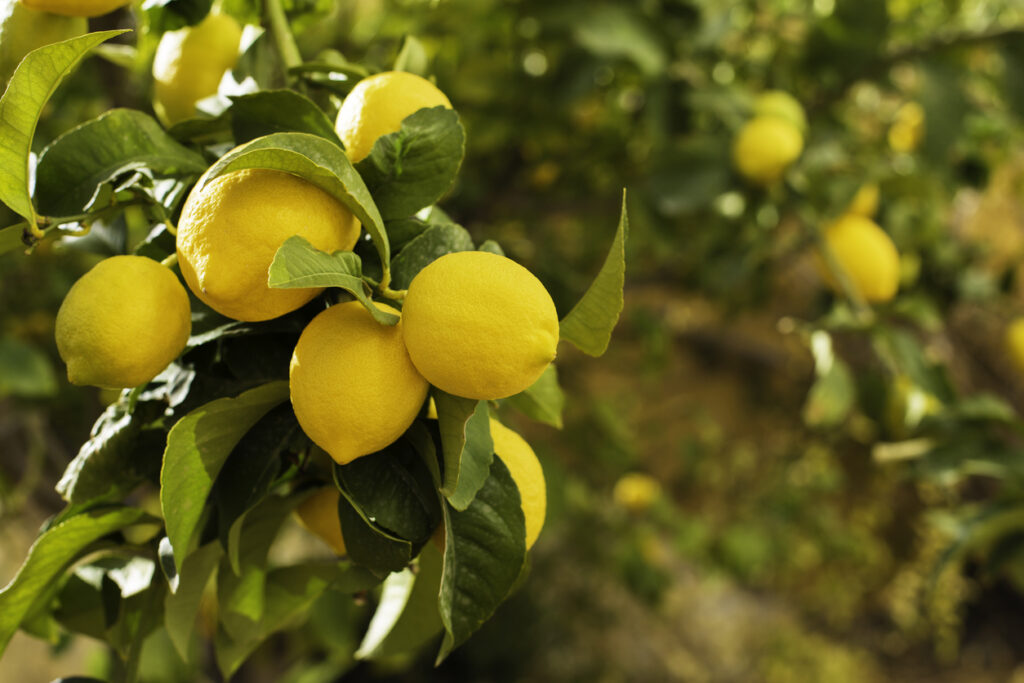
The origins of the lemon are shrouded in mystery, but genetic mapping suggests they are not a naturally occurring wild species. Instead, lemons are an ancient hybrid of the citron (a thick-skinned, non-juicy fruit) and the bitter orange. This botanical “marriage” likely took place in Northwest India or Burma several thousand years ago. While the citron provided the lemon’s distinct shape and zest, the bitter orange contributed the acidity and juice that make lemons so indispensable in modern kitchens and laboratories alike.
By the year 700 AD, lemons had spread through the Middle East and into the Mediterranean region, largely thanks to Arab traders who recognized their medicinal and culinary value. During the Crusades in the 11th century, Europeans were introduced to the fruit, and by the 1400s, they were being cultivated on a large scale in places like Genoa and the Azores. Christopher Columbus even carried lemon seeds to the New World in 1493, helping the fruit colonize the Americas. From a chance hybrid in South Asia to a global kitchen essential, the lemon’s journey highlights the lasting impact of early agricultural movements.
Watermelons Transformed
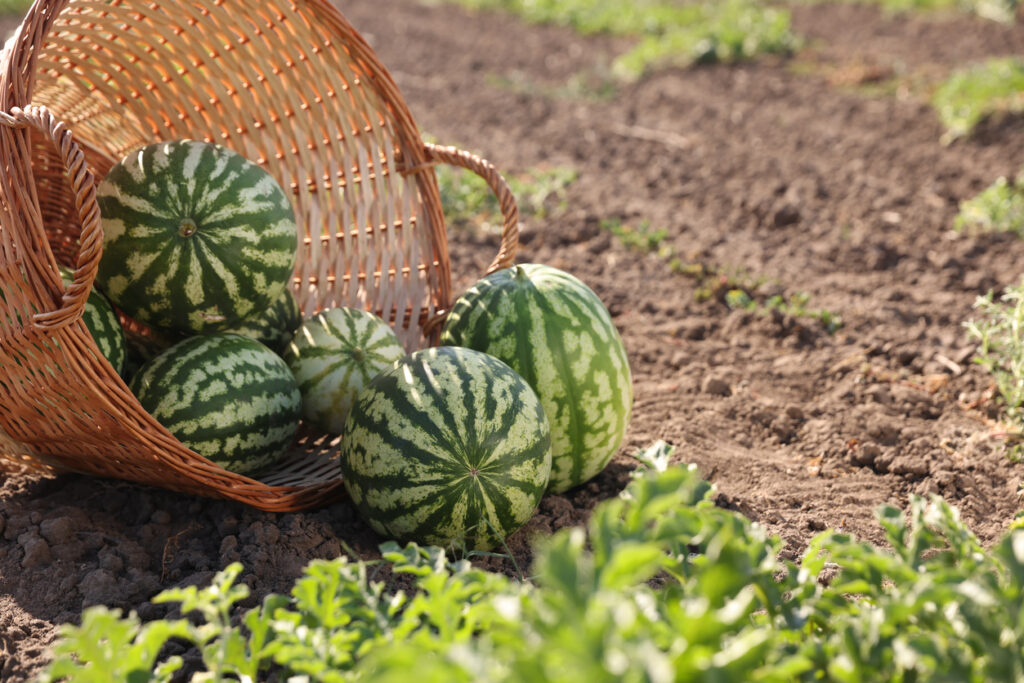
Modern watermelons are a far cry from the wild versions that once grew in the deserts of Africa. Ancient watermelons were small, hard, and incredibly bitter, often used more for their high water content than for their flavor. In dry regions, they served as a vital “canteen” for travelers. Archaeological findings, including seeds found in 5,000-year-old settlements in Libya, show that humans were interacting with these plants very early on. However, it was the ancient Egyptians who really began the process of turning them into the sweet treats we know today.
Paintings in Egyptian tombs from 2000 BC show oblong watermelons being served on platters, suggesting that by that time, farmers had already succeeded in breeding out the bitterness and increasing the fruit’s size. Over the following centuries, selective breeding focused on increasing the sugar content and the vibrant red color of the lycopene-rich flesh. By the 17th century, European paintings still showed watermelons with swirly, white interiors, indicating that the solid red center we expect today is a relatively recent perfection. It took nearly four millennia of patient farming to turn a bitter desert gourd into the sugary summer icon it is now.
Apples Refined
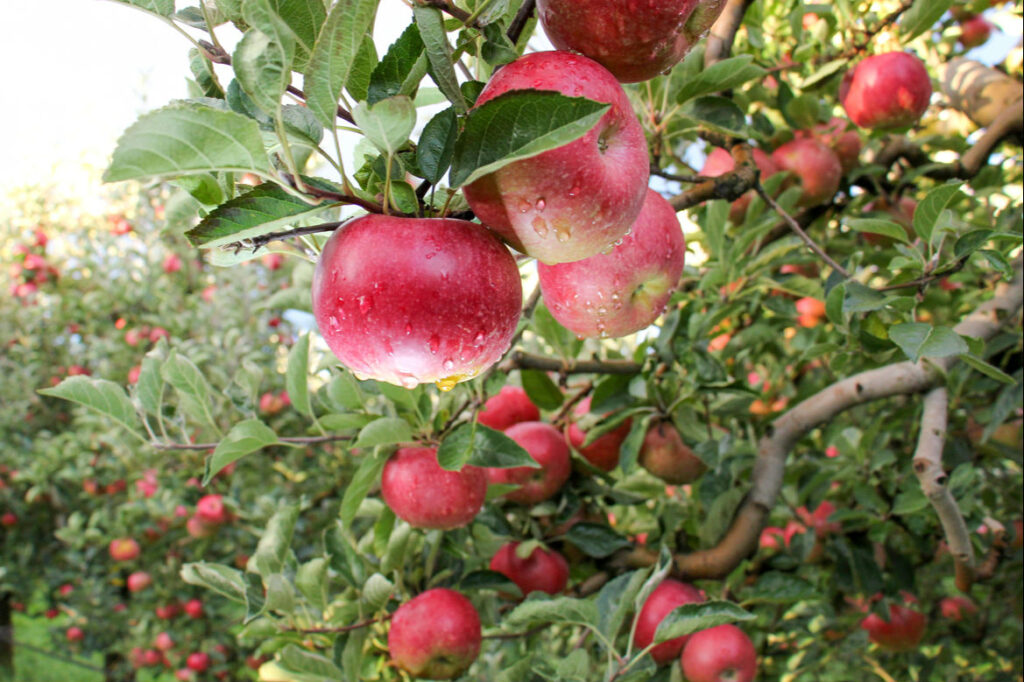
Every apple you have ever eaten is the result of a sophisticated cloning process known as grafting. While the wild ancestor of the apple, Malus sieversii, still grows in the mountains of Kazakhstan, those wild fruits are wildly unpredictable; seeds from a single tree can produce offspring that are sour, bitter, or tiny. Thousands of years ago, travelers on the Silk Road discovered that some of these wild trees produced exceptionally delicious fruit. To keep those specific flavors alive, they realized they couldn’t just plant the seeds, they had to physically attach branches from the “good” tree onto other trunks.
This practice of grafting dates back more than 2,000 years to ancient Greece and Rome, allowing farmers to preserve specific varieties like the ancestors of our modern favorites. By the 1600s and 1700s, European settlers brought these grafted varieties to North America. Famous types like the Granny Smith, discovered in Australia in 1868, or the Red Delicious, found in Iowa in the 1870s, only exist because humans intervened to stop the natural genetic “lottery” of seeds. The consistency of the modern apple is a triumph of human horticultural skill, ensuring that a variety discovered centuries ago tastes exactly the same today.
Boysenberry Creation
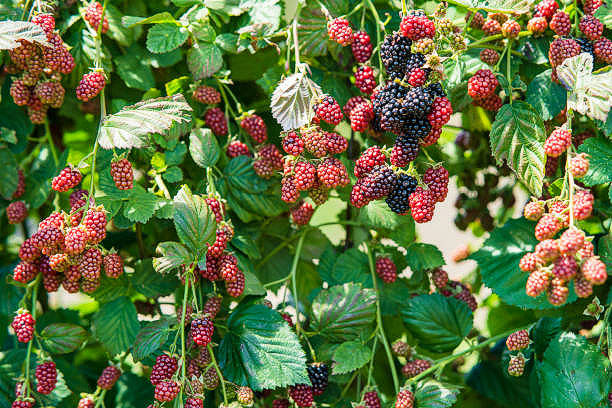
The boysenberry is a true “designer” fruit, created in the early 20th century by an American horticulturist named Rudolph Boysen. On his farm in Napa, California, Boysen spent years experimenting with complex crosses between blackberries, raspberries, and loganberries. He succeeded in creating a massive, deep purple berry with a unique tart-sweet flavor, but he eventually gave up on his agricultural dreams and sold his farm. The hybrid plants were nearly lost to history until a man named Walter Knott took an interest in the abandoned vines in the early 1930s.
Knott rescued the struggling plants, nurtured them back to health, and began selling the berries at his roadside stand in Buena Park, California. The fruit was an instant sensation, leading to the creation of the famous “Knott’s Berry Farm” theme park and food brand. Unlike ancient fruits that evolved over millennia, the boysenberry is a specific product of 1920s American ingenuity and 1930s marketing. It proves that humans are still capable of inventing entirely new flavors by carefully mixing the genetic blueprints of existing plants to create something better than what nature provided on its own.
Pluots By Design
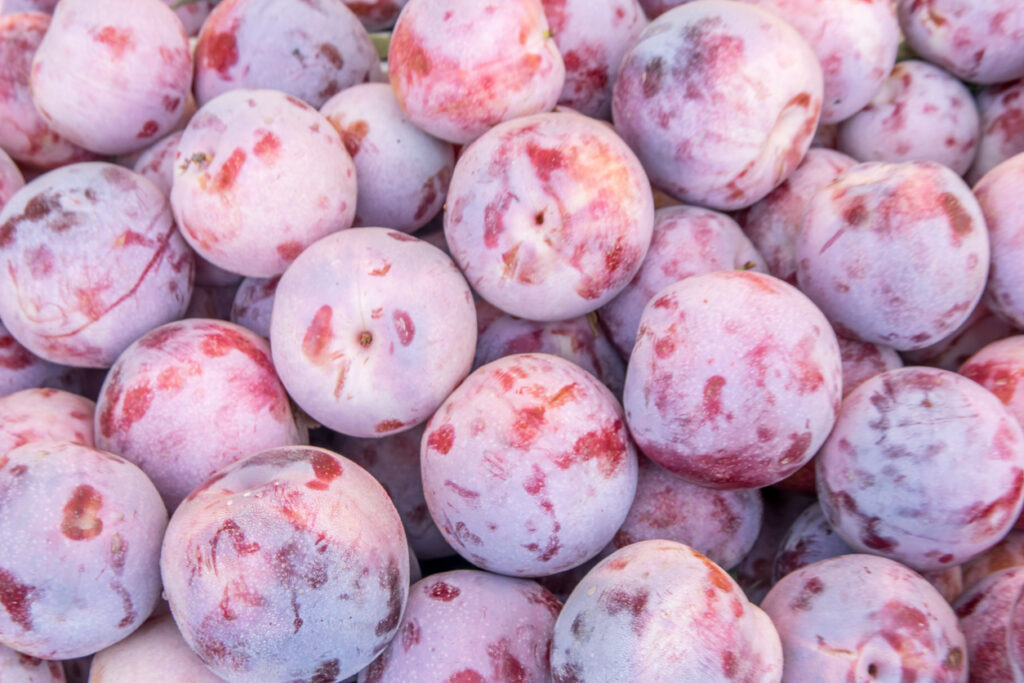
While most “human-made” fruits were developed through trial and error over centuries, the pluot is a product of modern botanical precision. Developed in the late 20th century by Floyd Zaiger, a world-renowned plant breeder from California, the pluot is a complex hybrid that is roughly 75% plum and 25% apricot. Zaiger didn’t use high-tech genetic modification; instead, he used a very refined version of traditional hand-pollination, moving pollen from one flower to another with a tiny brush to create the perfect cross.
The first pluots were trademarked and introduced to the public in 1989. They were designed to solve the common problems of their parent fruits, taking the intense sweetness and smooth skin of the plum and mixing it with the sturdy texture and aromatic qualities of the apricot. Because they have such high sugar levels, they became an immediate hit in high-end grocery stores. The pluot represents the cutting edge of modern fruit design, showing that even today, passionate horticulturalists are working to “upgrade” the natural world to better suit the human palate and modern shipping requirements.
Peaches Enlarged
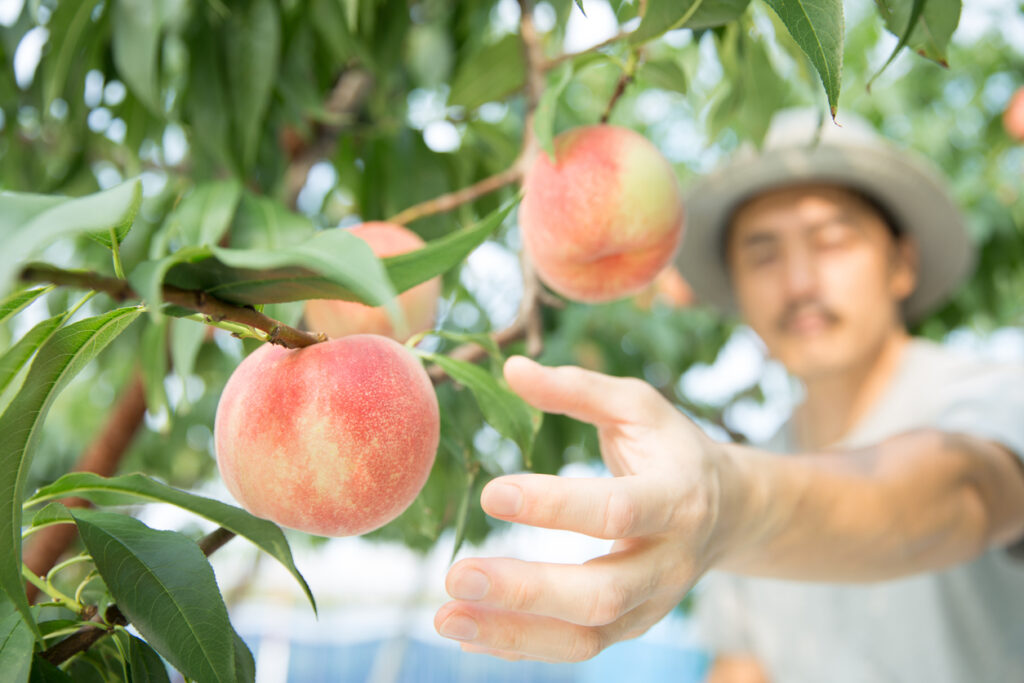
If you could travel back 4,000 years to the Zhejiang province in China, you might not even recognize the local peaches. The wild ancestors of the modern peach were tiny, resembling small cherries or marbles. They had very little flesh, large pits, and a taste that was described as earthy or even slightly salty. Chinese farmers began the long process of domestication around 6000 BC, meticulously selecting seeds from the largest and sweetest individual fruits to plant for the next generation.
By the time the peach reached Persia and later Europe via the Silk Road, centuries of human intervention had already doubled its size and transformed its flavor profile. During the Victorian era in the 1800s, breeders in the United States and Europe pushed the fruit even further, selecting for the fuzzy skin and “melting” flesh that characterizes the modern peach. Today’s peaches are estimated to be 64 times larger and significantly juicier than their prehistoric versions. This dramatic change is one of the most visible examples of how thousands of years of human preference can completely overhaul the biology of a plant.
The Incredible Corn
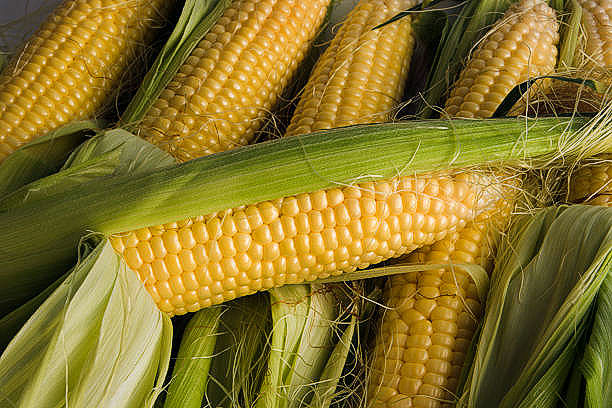
Corn is perhaps the ultimate example of a “human-made” food, as it does not exist anywhere in the wild and cannot survive without human care. Its ancestor is a wild Mexican grass called teosinte, which looks almost nothing like the yellow cobs we recognize. Teosinte has tiny, one-inch “ears” with only about five to twelve hard kernels that are tough enough to break a tooth. Around 9,000 years ago, indigenous people in central Mexico’s Balsas River Valley began selectively breeding the plants that had slightly larger or softer kernels, starting a genetic revolution.
By roughly 4,000 BC, this selective process had noticeably increased the size of the cobs, and by 1,500 BC, corn had become a dietary staple for civilizations like the Olmec and Maya. Because the modern corn husk is so tight, the plant can no longer drop its seeds to reproduce on its own; it requires a person to shuck the cob and plant the kernels. What started as a scrubby mountain grass was transformed into a nutritional powerhouse that eventually spread across the globe following the arrival of Europeans in the late 1400s. Today, corn is one of the most productive crops on Earth, supporting billions of people and animals.
The Purple Carrot
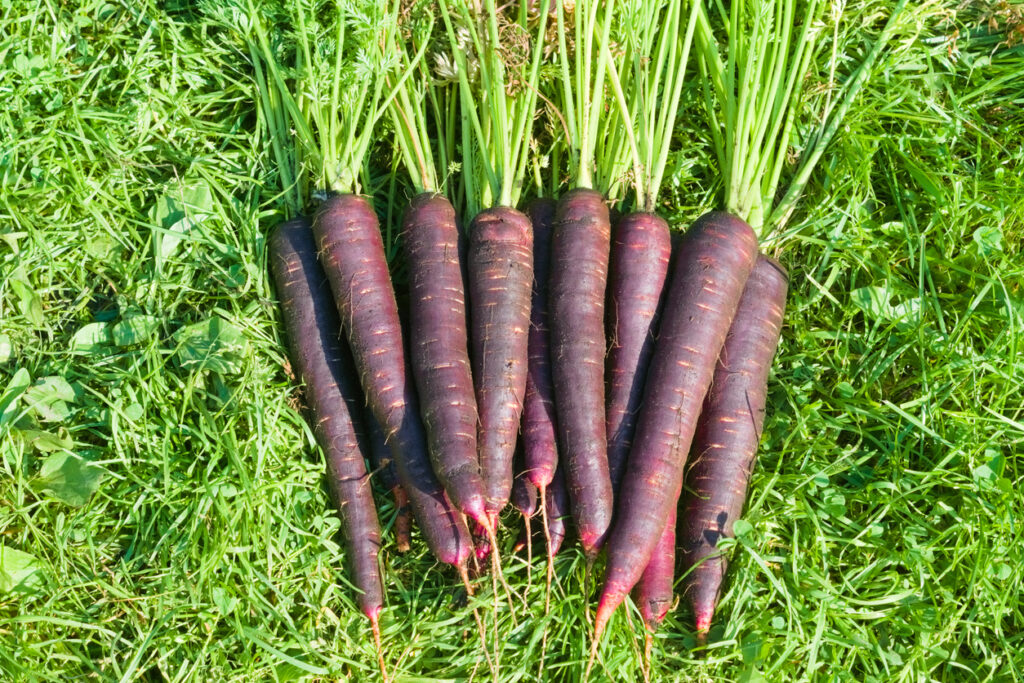
If you had walked into a market in 10th-century Afghanistan, every carrot you saw would have been deep purple or vibrant yellow. The original wild carrot was a thin, woody, and bitter white root that grew in the Himalayan foothills. Around 900 AD, farmers in the Middle East began domesticating these roots, favoring the purple varieties rich in anthocyanins. These early carrots were often used more for their aromatic seeds and leaves than for the tough, stringy roots themselves. It took hundreds of years of careful replanting to produce a root that was thick, juicy, and sweet enough to be a primary food source.
The iconic orange carrot didn’t become the standard until the 16th and 17th centuries, largely thanks to Dutch growers. Legend often suggests they bred the orange variety to honor the Dutch Royal House of Orange-Nassau during their fight for independence, though it’s more likely they simply preferred the taste and the high beta-carotene content of the orange mutants they found. By the late 1700s, these orange cultivars had largely replaced the purple and yellow versions in the Western world. Today, the carrot is a global favorite, though heirloom purple varieties are making a trendy comeback in modern health food stores.
Broccoli’s Roman Roots
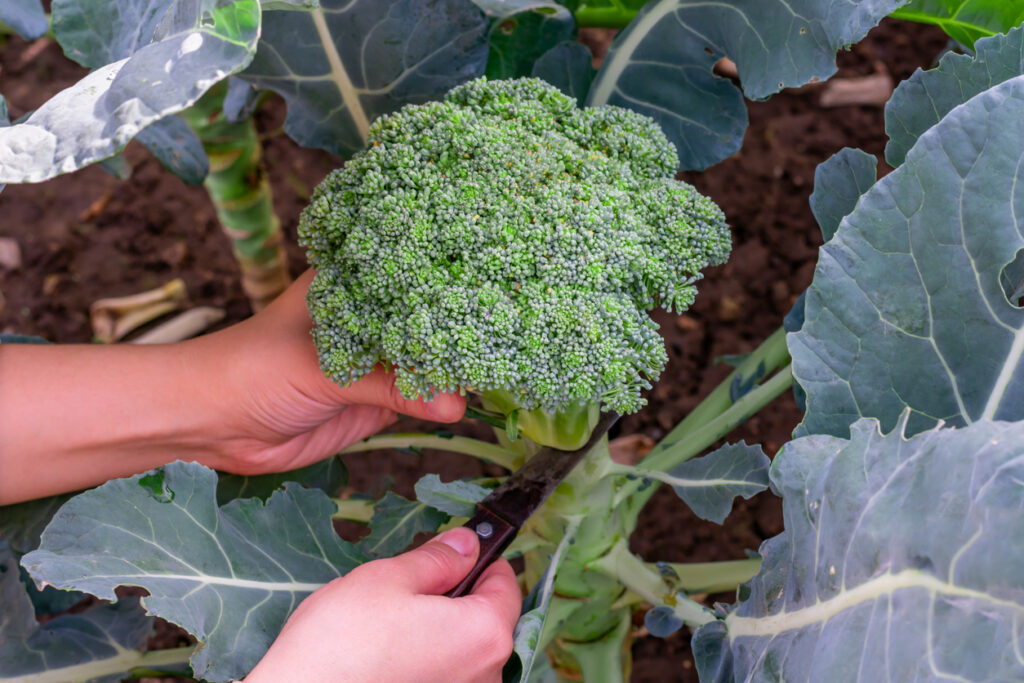
Broccoli is not a natural wild plant, but rather a carefully designed version of wild cabbage, Brassica oleracea. It was developed by the ancient Etruscans in what is now Italy, likely as early as the 6th century BC. These early farmers noticed that certain wild cabbage plants had delicious, edible flower buds. By repeatedly choosing plants with larger, tastier clusters of these buds, they eventually created the thick-stalked green vegetable we eat today. The name itself comes from the Italian word “brocco,” which means a sprout or a small branch.
For centuries, broccoli remained a Mediterranean specialty, and it was a favorite of the Roman Emperor Tiberius’s son, Drusus, who reportedly loved it so much he ate it for a month straight. It didn’t gain widespread popularity in France until the mid-1500s when Catherine de’ Medici introduced it to the royal court. Surprisingly, it remained an “exotic” vegetable in the United States until the 1920s, when Italian immigrants Stephano and Andrea D’Arrigo started the first major commercial broccoli fields in California. This journey from a wild weed to a “superfood” is a perfect example of how human preference can guide plant evolution over thousands of years.
Cauliflower’s Middle Eastern Journey
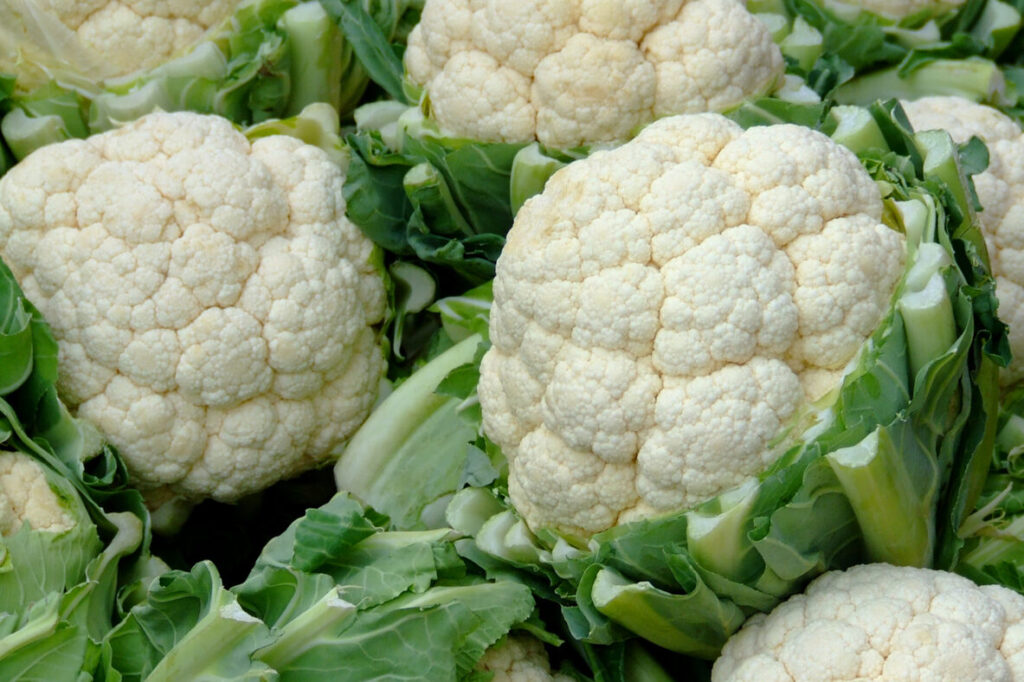
Cauliflower is essentially a sibling to broccoli, both having been bred from the same wild cabbage ancestor. However, while broccoli was developed for its green sprouts, cauliflower was bred for its dense, white “curd,” which is actually a cluster of underdeveloped flower buds. Most historians believe that cauliflower as we know it today was refined in the Middle East, particularly in the Mediterranean islands like Cyprus. The earliest written descriptions of the vegetable appear in the writings of Arab botanists in the 12th century, where it was called “quarnabit.”
By the 16th century, cauliflower had traveled into Italy and then to France, where it became a high-society luxury. In the 1600s, Louis XIV of France was famously obsessed with cauliflower, often having it served with rich butter sauces at the Palace of Versailles. Because the plant is quite sensitive to cold and requires specific soil conditions, it took longer to spread across Europe than its hardier relative, the cabbage. Modern farmers have since used selective breeding to create even more colorful versions, including purple and orange cauliflowers, continuing the long tradition of redesigning this versatile vegetable to please both our eyes and our palates.
The Rise of Brussels Sprouts
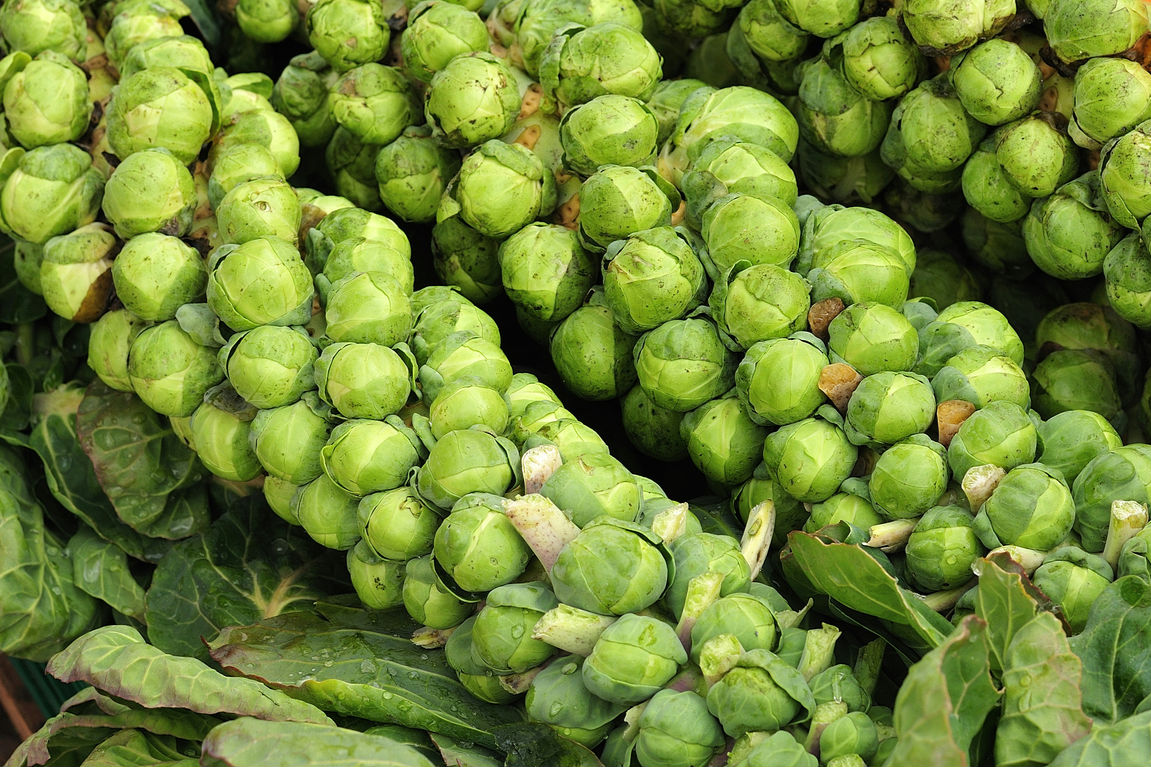
Brussels sprouts are essentially tiny cabbages that grow along a tall, thick stalk, but they are a relatively recent addition to the human dinner table. While their ancestors were likely known to the ancient Romans, the sprouts we recognize today were specifically bred in the 13th century in the region that is now Belgium. They are named after the capital city, Brussels, because they became a vital and popular food crop for the local population by the 1500s. Their ability to grow in cold, damp climates made them an essential winter vegetable for Northern Europeans.
By the late 18th century, French settlers brought the seeds to Louisiana in North America, but commercial production didn’t really take off until the early 1900s. For a long time, Brussels sprouts had a reputation for being bitter, but in the 1990s, Dutch scientists used cross-breeding to identify and remove the specific chemicals responsible for that bitterness. This recent “flavor update” has led to a massive surge in their popularity in modern restaurants. From a 13th-century Belgian farm to a trendy side dish today, Brussels sprouts show that our food is constantly being “re-engineered” for better taste and nutrition.
Kale: The Original Superfood
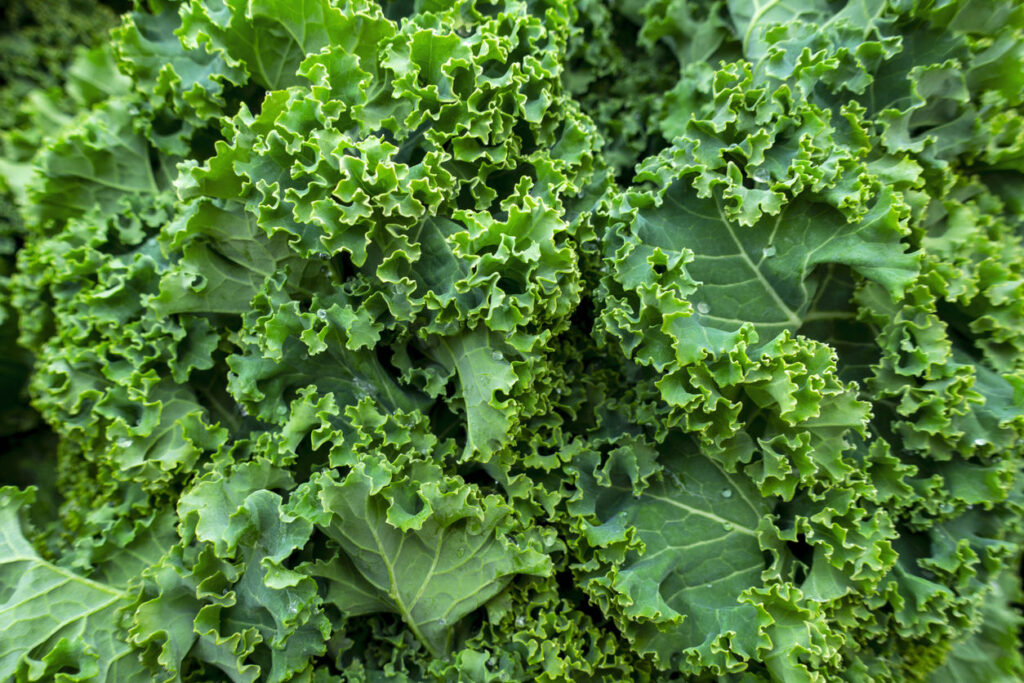
Kale is one of the oldest forms of domesticated wild cabbage, and unlike its relatives like broccoli or cauliflower, it looks very much like its ancient ancestor. It was widely grown across the Mediterranean and Asia Minor as early as 2,000 BC. The ancient Greeks and Romans cultivated several varieties of kale, valuing it for its ability to survive harsh frosts and poor soil. In fact, until the end of the Middle Ages, kale was the most common green vegetable in all of Europe because it was so reliable and easy to grow.
During the “Victory Garden” movement of World War II, kale became a staple in the United Kingdom because it provided essential vitamins during food rationing. For centuries, it was mostly seen as a humble “peasant food” used in hearty soups and stews. However, in the early 21st century, kale underwent a massive cultural rebrand, transitioning from a simple garnish on salad bars to a global health icon. This leafy green has survived for over four millennia because humans realized very early on that its tough, nutrient-dense leaves were the perfect defense against winter hunger.
The Evolution of Cabbage
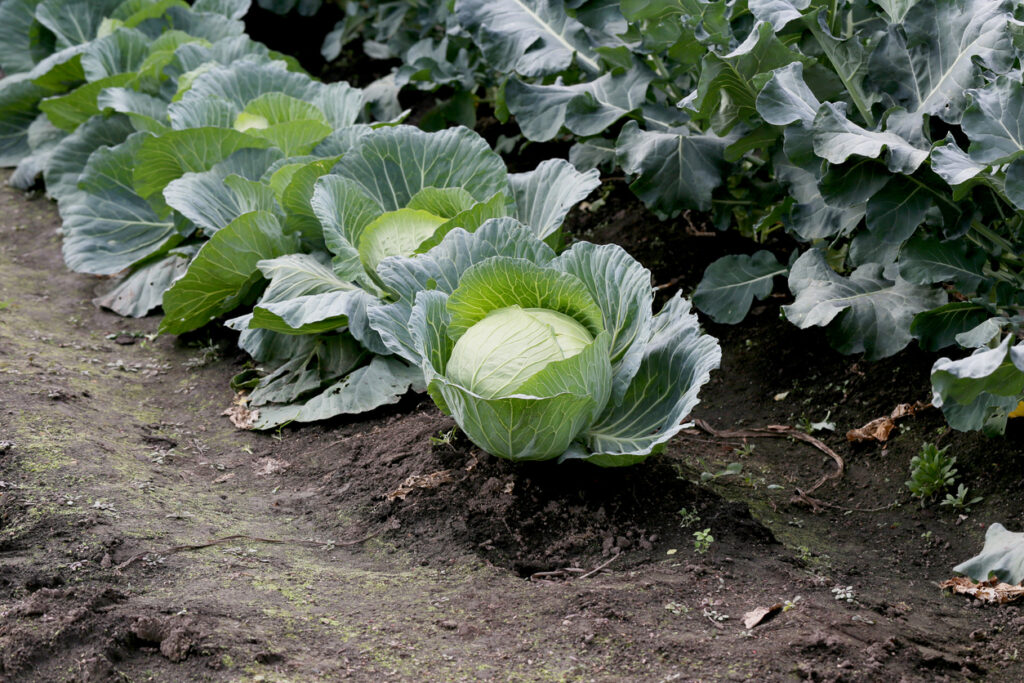
Modern “heading” cabbage, with its tightly packed leaves, is the result of medieval European farmers selecting for a single, massive terminal bud. While leafy greens like kale were common in ancient times, the round, hard heads of cabbage we use for coleslaw and sauerkraut didn’t fully appear until around the 11th or 12th century. Farmers in Northern Europe wanted a vegetable that could be stored for months in root cellars to provide food during the long, snowy winters. By choosing the plants with the densest, most protected centers, they created a natural storage container.
By the 1500s, cabbage had become so central to the European diet that it was one of the first vegetables brought to North America by early explorers like Jacques Cartier in 1541. It played a crucial role in maritime history as well; because it is high in Vitamin C, fermented cabbage (sauerkraut) was carried on long sea voyages to prevent sailors from getting scurvy. Today, there are hundreds of varieties, from the smooth-leafed green cabbage to the crinkly Savoy and the vibrant red varieties. This humble vegetable’s history is a story of human survival and the clever use of selective breeding to create a food that stays fresh for months.
The Invented Kohlrabi
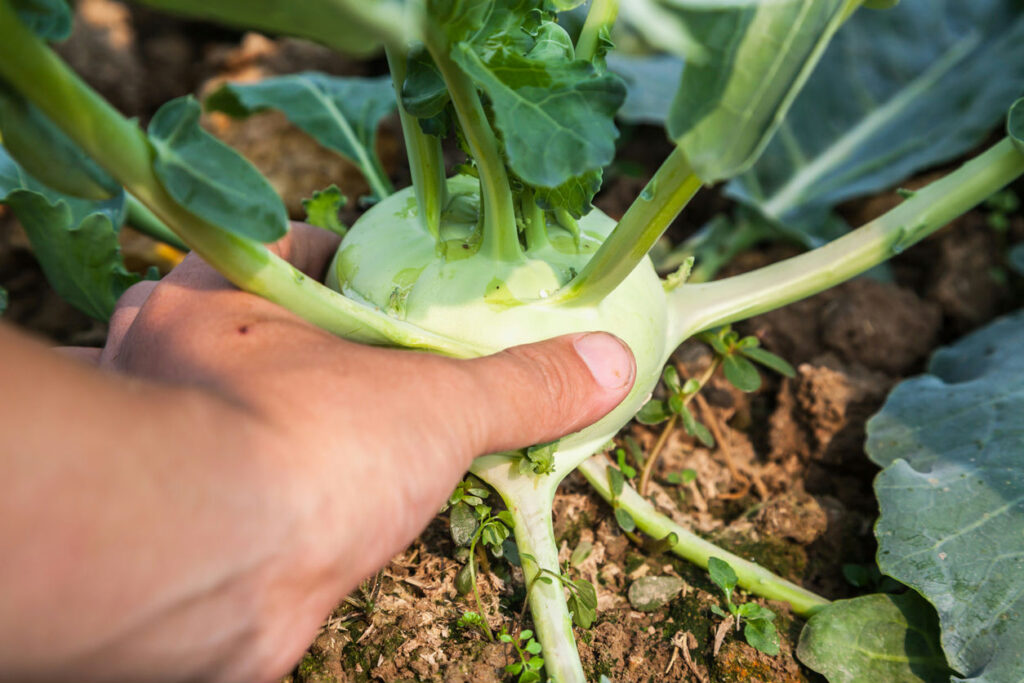
Kohlrabi is often mistaken for a root vegetable like a turnip, but it is actually a “human-invented” stem. It was created by selecting wild cabbage plants that had unusually thick, bulb-like stems just above the ground. The name itself reflects its hybrid nature, coming from the German words “kohl” (cabbage) and “rabi” (turnip). While its exact origins are a bit mysterious, the first written record of kohlrabi comes from a botanist in Italy in 1554. By the end of the 16th century, it had spread to Germany, Austria, and eventually as far as India.
The beauty of kohlrabi is that it grows very quickly and can be harvested in as little as 45 days, making it a favorite for gardeners in varying climates. It was bred to be a “dual-purpose” plant; the bulbous stem can be eaten raw or cooked like a potato, while the leaves can be used like kale. In Northern India, it has been a staple of Kashmiri cuisine for centuries, showing how quickly these human-made hybrids can travel and become culturally significant. Kohlrabi remains a testament to the creativity of Renaissance-era farmers who wanted to maximize every part of a plant’s anatomy.
Radicchio’s Color Secret
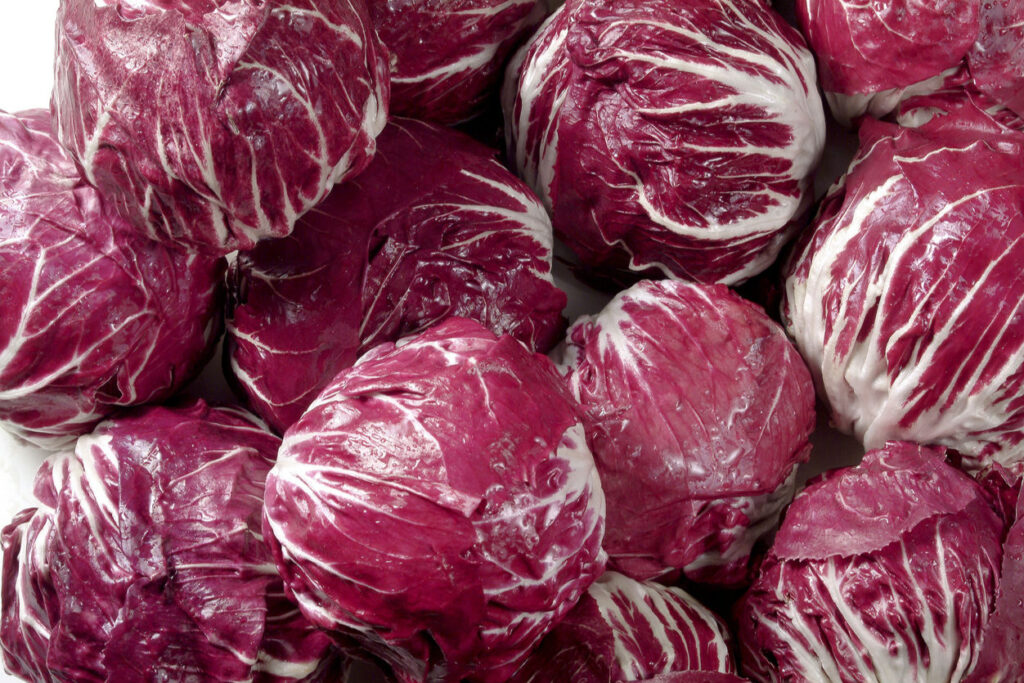
Radicchio is the beautiful, purple-and-white leafy vegetable often found in gourmet salads, but its striking appearance is a result of a very specific human technique developed in the 19th century. While its ancestors are wild chicory plants that have been eaten since ancient Egyptian times, the modern “Rosso di Treviso” variety was perfected in Italy in the 1860s. A Belgian agronomist named Francesco Van den Borre applied a technique called “bleaching” or “forcing” to the plants, which involves keeping them in the dark to stop chlorophyll production.
By depriving the plants of light and placing them in basins of spring water, Italian farmers discovered they could turn the bitter green leaves into a vibrant, deep red with a much milder, sweeter flavor. This labor-intensive process was refined over generations in the Veneto region of Italy, where it is still celebrated with festivals today. Radicchio is a unique entry in the world of human-made produce because its “invention” relies just as much on a clever growing process as it does on genetic selection. It is a true example of agricultural artistry that turns a common weed into a culinary gem.
The Domesticated Artichoke
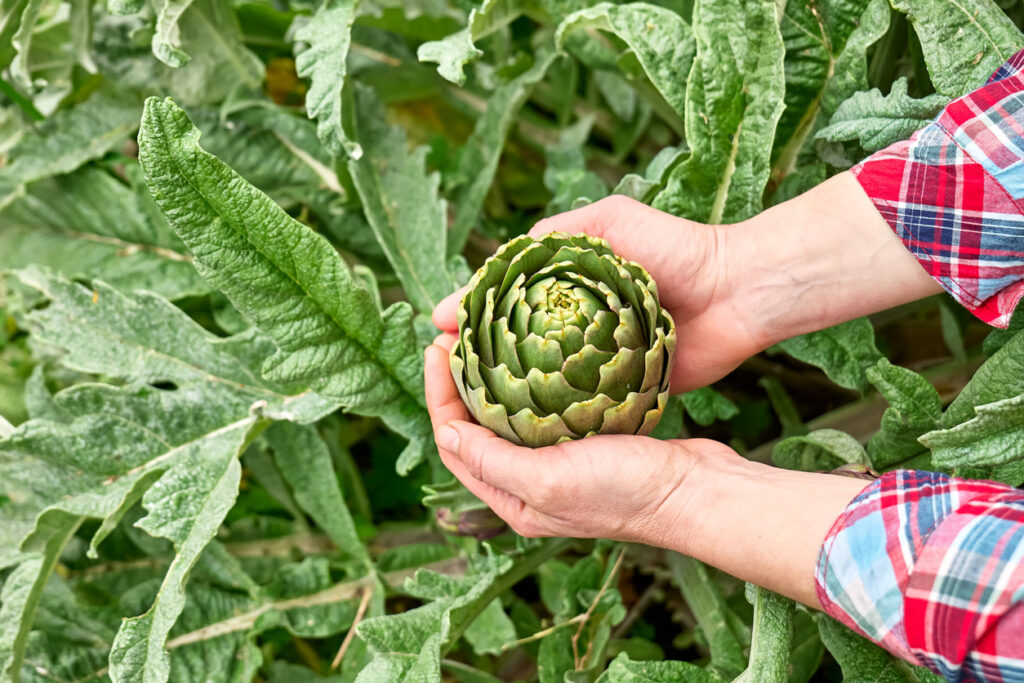
The artichoke is one of the most physically complex vegetables we eat, and that is because it is essentially a giant, edible thistle. Its wild ancestor is the cardoon, a prickly Mediterranean plant with a small, bitter heart. Ancient Greeks and Romans ate wild cardoons, but the modern, large-headed globe artichoke didn’t appear until the 15th century. It was likely developed in North Africa or Sicily, where farmers selectively bred the plants to have much larger flower buds and fewer defensive spines, making them easier and more rewarding to eat.
By the mid-1400s, artichokes had become a sensation in Florence, famously promoted by the powerful Medici family. From Italy, they were introduced to France by Catherine de’ Medici, who allegedly caused a scandal by eating them in public, as they were considered an aphrodisiac at the time. They finally reached the United States in the 1800s, brought by French and Spanish settlers. Today, nearly all American artichokes are grown in California, continuing a legacy of cultivation that transformed a thorny, wild weed into one of the most sophisticated and beloved vegetables in the world.


