
1. When Smell Becomes Memory

Sometimes a smell drifts in and it pulls you backward gently, and that simple moment explains everything about why scents stay longer than names. Smell travels directly into memory and emotion, so it feels lived instead of learned. Names behave like labels and disappear when life gets busy, but a scent arrives with feelings, faces, seasons, rooms, and stories. It tucks itself away and waits quietly until the same smell returns. Then the memory opens again, warm and familiar, reminding you that some parts of your life never really leave. They linger softly inside you, patient honest gentle and unforgettable.
2. Childhood Memories Hide Inside Scents

Think about childhood and how certain smells still live inside those early days. The scent of crayons, soap, or morning meals can reopen memories that words alone cannot reach. Childhood is where many smell memories form, and the brain protects them carefully. Names change, teachers change, neighbors move, but the scent attached to a moment remains steady. When it returns, it gently lifts a picture from the past like a page in an old book. That soft return explains why scents seem older, deeper, and more personal than most names ever feel.
3. When Smell Travels Faster Than Words
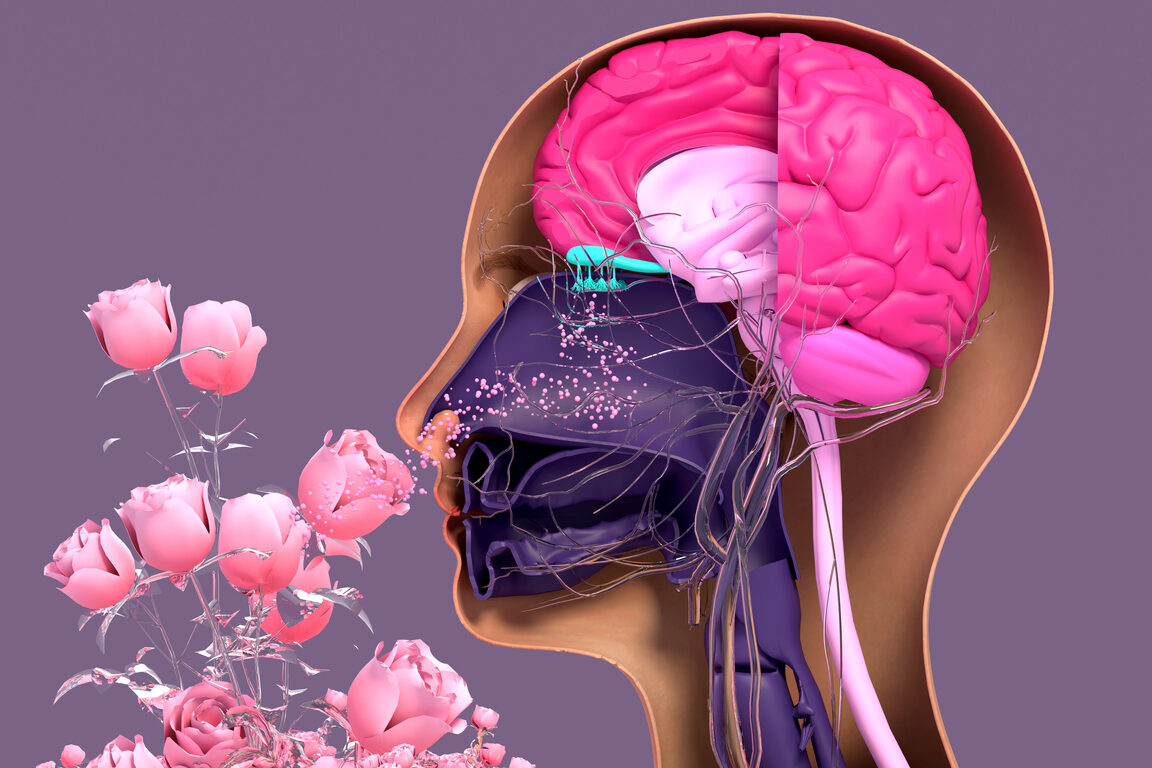
There is something special about how smell travels through the brain. It reaches memory and emotion before it ever meets logic or language, which means it arrives first in the place where personal stories live. Names must pass through thinking and attention, and sometimes they slip away before they settle. Smell is different. It arrives, it settles, and it leaves traces without effort. When it returns, the moment comes back almost whole. The room, the weather, the feelings, they all gather quietly around that single familiar scent.
4. Why Names Feel Harder to Hold

We often blame ourselves for forgetting names, but names are simply harder to keep. They have no texture, no color, no feeling attached unless time adds meaning to them. Smell, on the other hand, is already layered. It comes with memory, sensation, and mood. Your brain treats names like labels, but it treats scents like experiences. Experiences have more places to live inside memory, so they are easier to recall. That is why you may remember the way a bakery smelled before you remember the person who walked in beside you.
5. Smells Whisper Instead of Shouting

Names often require attention. You repeat them, you try to lock them in, you practice silently. Smells do not ask for any work at all. They pass through softly and leave something behind that waits patiently. When the right scent returns, the brain does not search. It simply opens. That quiet process makes smell memories feel natural and honest, like they revealed themselves instead of being forced. The memory arrives gently, carrying feelings and scenes that do not need explanation, and suddenly the past feels present again for just a moment.
6. Scents Carry Places with Them

A smell often carries a location wrapped inside it. The ocean, the market, a hospital corridor, or a family kitchen all have scents that define them. Names do not anchor spaces quite the same way. When you smell something familiar, your mind rebuilds the surrounding world. You might see the walls, hear the sounds, or remember the light in the room. It feels like traveling without moving. That deep connection between place and scent helps explain why smell stays so connected to memory while names float away.
7. The Quiet Surprise of Smell

Smell often surprises us, and surprise strengthens memory. You may be walking, thinking about something small, and then a familiar scent arrives. Without warning, your mind fills with scenes and feelings you did not plan to revisit. Because it comes unexpectedly, the experience becomes brighter. Names rarely appear like that. They require searching, and searching feels like work. Smell simply appears, bringing the past along quietly and reminding you that certain parts of your life still live somewhere within you. It does not insist or force itself. It just stays present and lets the memory unfold slowly for you again.
8. When Smell Feels Like Time Travel

Sometimes a smell feels like stepping back into another season entirely. It does more than remind you. It places you inside the scene again. You may remember the clothes, the laughter, the room, and the weather all at once. Names cannot move you like that. They identify someone, but they do not carry the world around them. Scent carries the world, and when it returns, time seems softer, almost bendable, as if the past can sit beside the present for a moment. It is gentle, inviting, emotional, and deeply human, showing how memory listens when scent calls to you quietly.
9. When Scents Outlive Names

Smells often stay longer because the brain connects them with moments that mattered deeply. Over time names are replaced by new names, but scents stay attached to experiences that shaped you. When a familiar aroma returns, it opens a drawer in memory that feels untouched by years. The feeling is warm, steady, and reassuring. It reminds you that not everything fades as quickly as conversation. Some things remain because they lived with you, and scent refuses to disappear easily when it has already woven itself gently into the story you continue to carry through each season of remembering quietly again.
10. How Smell Supports Memory

Some people notice that smells seem to shape learning without effort. A scent in a room can attach itself to whatever you experienced there, and later it helps bring the memory back. Names rarely receive that kind of support, so they float away when distraction arrives. Smell works like a gentle companion, staying beside the lesson quietly. When the fragrance returns, understanding returns with it. The process feels natural, not forced, and it shows how memory trusts scent. It becomes another doorway your mind can walk through whenever life allows the past to meet the present once more for you.
11. Why Smell Feels Personal

Smells often feel personal because each nose carries a lifetime of private moments. A scent that comforts you may unsettle someone else, and that difference strengthens memory. Names are shared labels that belong to many people, but scents belong to your history. They are shaped by the homes you lived in and the people you loved. When a familiar aroma appears, it feels like something speaking only to you. That intimate connection helps the memory stay close, as if it still matters right now and does not plan to fade anytime soon because scent protects what the heart remembers most.


