
1. Blurred Edges of Childhood

Sometimes memories catch us off guard and we pause to wonder if they ever truly happened or if time softened them into something gentle. Childhood moments often feel this way because our young minds held on to feelings more than facts. We remember colors, voices and moods, yet the actual details hide behind a soft haze. As the years pass, the mind quietly reshapes pieces of those early moments until they feel dreamlike. That is why some childhood experiences feel partly imagined even though they once meant so much and still linger quietly in the corners of our hearts.
2. Stories Retold Too Often

There are memories that feel borrowed simply because the story has been retold more times than the moment was lived. Families and friends repeat certain events until the mind begins to accept the shared version instead of the original one. Over time the details blend with imagination and we can no longer say with certainty whether we witnessed the moment or only learned it from others. It becomes a gentle mixture of truth and storytelling. Still, these retold memories create a sense of belonging and connection which is why they stay with us even when they no longer feel completely real.
3. Photos That Replace Reality

Sometimes a memory loses its natural texture because a photograph has taken its place. We look at the picture so often that the image becomes stronger than the lived moment. Instead of recalling what we felt or what happened just before the camera clicked we remember the frozen frame. The smile becomes the story even if the emotions behind it were different. This makes the experience feel almost distant like we borrowed it from the photograph instead of our own mind. Yet photos remind us of times we might otherwise forget which is why they still hold quiet meaning.
4. Dreams Blending Into Life

There are dreams so vivid that they settle into the mind like real events and later we question whether they truly happened. When emotions run high the dream feels familiar and the lines between sleep and memory blur. We might recall a conversation a place or even an expression and wonder why it feels so real. These dreamlike memories linger because the mind stores strong feelings in similar ways whether they came from waking life or imagination. Although confusing this blending shows how deeply our thoughts try to process moments even the ones that happened only within sleep.
5. The Power of Suggestion

Sometimes a memory feels unreal because it began with someone else suggesting it before we ever pictured it ourselves. When people around us recall moments with confidence our minds naturally try to match their certainty. We start to visualize the details they describe and slowly the imagined picture settles into a place that feels familiar. Before long we carry the memory as if we experienced it firsthand. It is not carelessness but the mind trying to stay connected through shared understanding. That subtle shaping makes some moments feel like gentle illusions that still hold emotional truth.
6. When Time Softens Details

With enough time even the clearest memories begin to lose their sharp edges and settle into softer versions of themselves. We may remember the mood of a moment but not the sequence or the specifics. The mind keeps what mattered emotionally and lets the rest drift away. When we revisit these moments they feel lighter almost like scenes from a story we once heard rather than something we lived. This gentle fading can make memories feel unreal yet it also shows how life naturally moves forward carrying only what our hearts found meaningful.
7. Moments We Barely Noticed
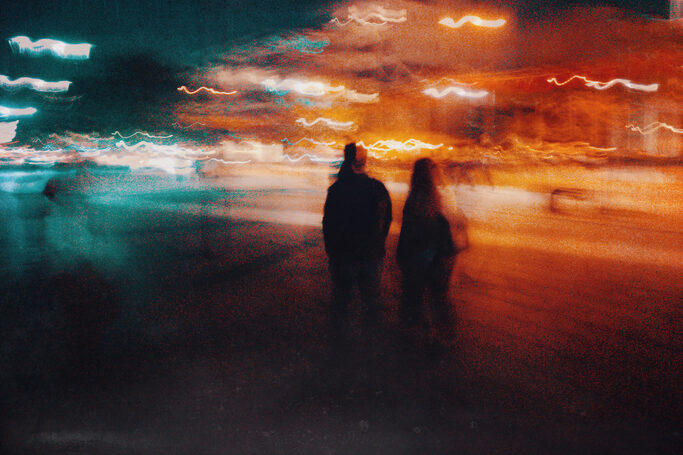
Some memories feel uncertain because we were never fully present when they happened. Maybe we were distracted worried or simply moving too quickly to absorb the moment. When attention is divided the mind stores only fragments leaving behind pieces instead of the full picture. Later when we try to recall the experience it feels thin and unfinished as though it might not have happened at all. Still these faint memories reflect the seasons of life that felt busy or overwhelming reminding us to slow down so future moments can settle more deeply and clearly.
8. Overlapping Seasons

During repetitive periods of life many days feel similar and memories begin to overlap until individual moments blend together. When routines stay the same the mind has fewer markers to separate one experience from another. We might recall the general feeling of that season but not the specific events which leads to a quiet uncertainty about what truly happened. These blended memories are not mistakes but reflections of chapters where life moved evenly without dramatic shifts. They show how ordinary days sometimes melt into one soft collection that shapes us more gently than we realize.
9. Emotions Coloring the Memory

Some memories feel unreal because strong emotions changed the way they were stored. When feelings were intense the mind kept the emotion itself more vividly than the actual events. We might remember how afraid excited or hopeful we felt but forget the details surrounding those emotions. Over time the memory becomes shaped by feeling rather than fact which creates a sense of distance. This emotional coloring does not make the memory false. Instead it shows that the heart often decides which parts were worth holding onto even if the story becomes a little harder to trace.
10. The Mind Filling Gaps

Human memory is not a perfect recording so the mind sometimes fills in missing pieces to create a complete picture. When details fade or were never fully captured the brain quietly adds what seems most likely. This reconstruction can make the memory feel unfamiliar later as though it was partly imagined. It is not a flaw but a natural part of how the mind preserves meaning even when precision fades. These blended memories may feel unreal yet they still reveal how our minds protect experiences that mattered even if the details no longer stand firmly.
11. What We Wished Happened

There are memories that feel uncertain because they were shaped by what we hoped for rather than what actually happened. When we long for a moment to go a certain way, our minds sometimes adjust the details to soften a disappointment or brighten a simple experience. Over time the imagined version becomes more familiar than the real one leaving us unsure which parts were lived, and which were wished for. These memories feel gentle and dreamy because they carry both truth and longing reminding us how deeply we desire comfort understanding and connection.
12. Experiences We Outgrew

Some memories feel unreal simply because we have grown far beyond the version of ourselves who lived them. When we change our past experiences can feel distant almost like stories from someone else’s life. We recognize the place and the people yet feel disconnected from the person we once were. This subtle unfamiliarity makes those moments feel imagined even when they were real. Still these memories quietly show how far we have come and how much we have learned which becomes its own soft conclusion that growth often shifts how we see the past.


