
1. Why Global Giants Lean on One Source
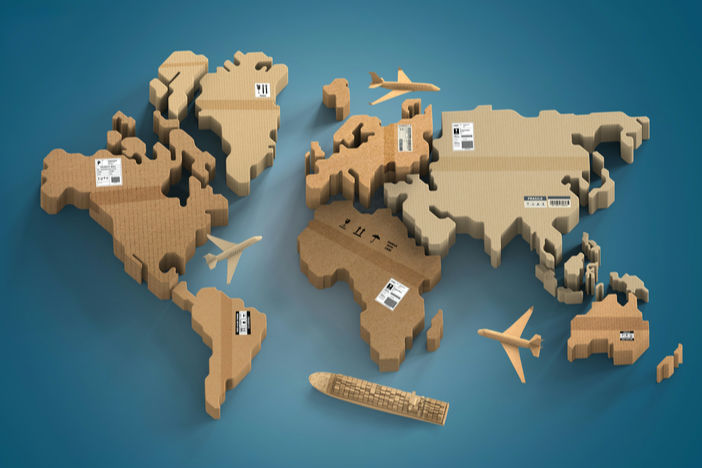
The modern business world hides a strange secret. While brands like Apple or Nike seem like independent powerhouses, their entire success often depends on a single factory located thousands of miles away. This trend really took off in the early 2000s when global trade opened up, leading companies to put all their eggs in one basket to save money. This was not a random accident but a deliberate strategy by corporate leaders to prioritize low costs over safety nets. For decades, industrial planning focused on narrowing options to make things simpler, but this created a massive bottleneck in the global economy.
By the time the 2020 global pandemic hit, many firms realized just how stuck they were. Moving away from these single-source hubs has proven to be much harder than anyone expected because the infrastructure is so deeply rooted. Decades of economic policy have made these specific locations the heart of the world’s supply chain. Today, many major firms are still struggling to balance their need for efficiency with the reality that being too dependent on one place is a massive risk. It is a complex puzzle where stepping away could mean losing the competitive edge that made these companies famous in the first place.
2. The Power of Massive Scale
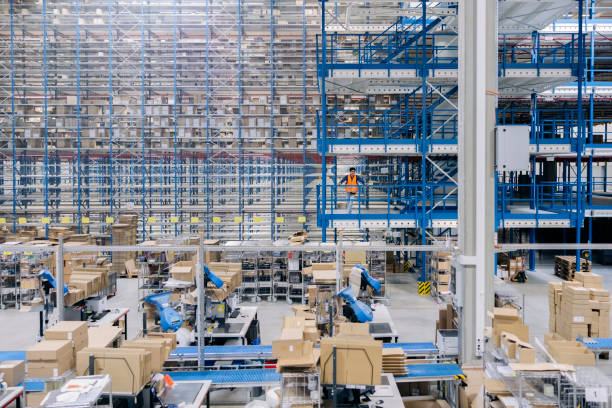
One of the biggest reasons companies stick with a single factory is the sheer size of the operation. In places like Shenzhen, China, factories are not just simple buildings with a few machines. They are massive industrial cities that can produce millions of identical gadgets at a speed that seems impossible elsewhere. This incredible scale allows a brand to meet global demand without having to manage dozens of smaller sites. By concentrating everything in one spot, companies avoid the headache and high costs of splitting their production across different countries or regions.
Since the manufacturing boom of the 1990s, corporations have learned that putting all their output in one giant facility reduces a lot of guesswork. They can change an order or update a design overnight without having to negotiate new contracts in different time zones. When being fast is the most important thing, having parts scattered everywhere becomes a problem. A single, colossal factory provides a sense of reliability and volume that is very attractive to multi-billion-dollar firms. However, this convenience comes with a hidden catch. Once a supply chain is built around one factory’s huge capacity, finding a backup that can match that output is nearly impossible.
3. Skills Perfected Over Decades
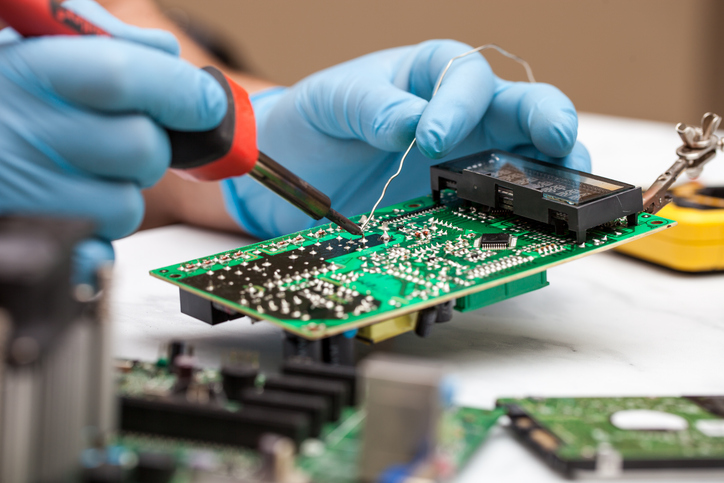
We often think of manufacturing as something done entirely by robots, but human skill is still the most important part of the process. Many factories in Asia employ workers who have spent more than thirty years refining very specific and difficult techniques. Whether it is precision soldering for a high-end smartphone or assembling complex medical tools, these human skills cannot be taught to a new workforce in just a few weeks. This accumulated expertise ensures that mistakes are rare and the quality of the products remains high every single day.
Companies benefit immensely from this deep well of knowledge, which has been building since the industrial shifts of the 1980s. When a big deadline approaches, these experienced workers can solve problems much faster than any automated system. Because this human talent is tied to specific cities, it is not something a company can just pick up and move to another country. Training a brand-new team from scratch takes years and costs a fortune, which is a risk most shareholders are not willing to take. Even if wages go up, the reliability of a seasoned staff often outweighs any potential savings from moving to a cheaper location.
4. Why Supply Chains Cluster Together
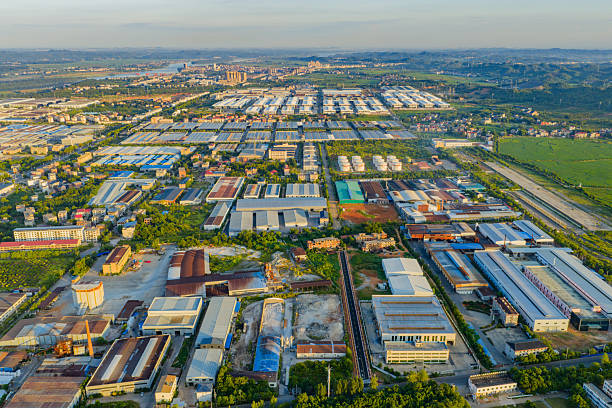
Factories do not just exist on their own; they are part of a huge neighborhood of partners. Around the world’s biggest production centers, entire networks of suppliers have popped up over the last forty years. This means that the people who make the screws, the boxes, and the tools are often located just a few minutes away. This “clustering” makes production much faster because parts do not have to be shipped across oceans. If a factory runs out of a specific part, they can get a replacement from down the street in an hour.
For a major company, being part of this local network is a total game-changer. It allows them to change a product design or fix a mistake without waiting for international shipments. Everything they need is right there in the same industrial district. Once a firm gets used to this level of speed, leaving becomes a nightmare. To move to a new country, they would have to convince hundreds of their suppliers to move with them, which rarely happens. The main factory becomes an anchor that locks the company in place, making it very difficult to build a backup system elsewhere.
5. The Role of Government Support
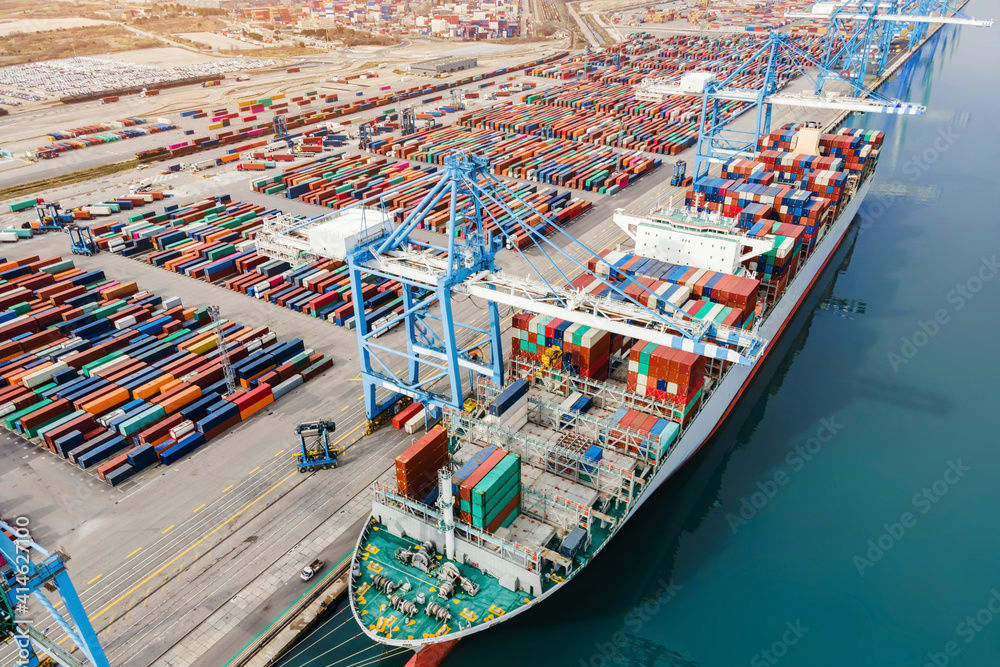
A huge reason why companies become dependent on certain factories is the support they get from local governments. Since the early 2000s, countries like China have invested trillions of dollars into roads, ports, and power grids specifically designed for manufacturing. They offer tax breaks and export-friendly rules that make it very easy for a foreign company to set up shop and stay there. For a multinational corporation, this kind of stability is like gold. They want to know that the lights will stay on and the ships will leave the port on time.
When a government makes things run smoothly, companies are much more likely to commit their money for the long term. Other regions might offer big promises to lure companies away, but they often fail to keep up the same level of investment over time. Once a business has spent millions of dollars building a relationship in one place, they prefer an environment that has no surprises. Over the years, these firms grow to rely on these perfect conditions. When leaders in other countries try to bring manufacturing back home, they often forget that it is about more than just wages; it is about the total support system.
6. Why Speed Trumps Everything Else
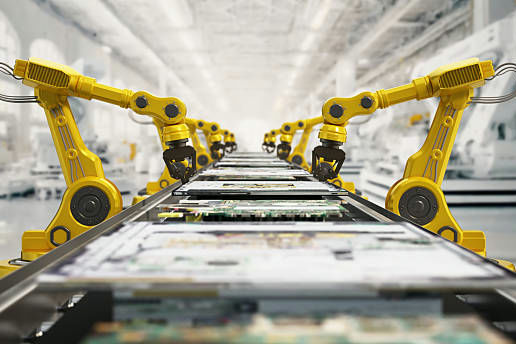
In a perfect world, every company would have factories in five different countries to be safe. However, in the real world of business, speed is usually the winner. Having one centralized factory allows a company to go from a simple idea to a finished product in a remarkably short amount of time. This agility is vital for tech companies and fashion brands that need to launch new products every few months to stay relevant. If production were split up across the globe, the process would slow down, allowing competitors to get ahead.
When a design flaw is found or a new trend starts, a single factory can make changes almost instantly. Engineers and assembly teams can talk face-to-face and fix issues in real time. If a company tried to do this across three different countries, it would lead to long delays and communication errors. As the pace of the global market has accelerated since the mid-2010s, firms have prioritized being fast over being resilient. The irony is that this speed feels like a superpower during good times, but it becomes a major weakness when something like a trade war or a natural disaster happens.
7. It Is Not Just About Cheap Labor

People often assume that companies stay in one place just because the workers are paid less, but that is only a small part of the story. Massive factories benefit from “economies of scale,” which means the more you make, the cheaper each individual item becomes. This applies to everything from the raw materials they buy to the electricity they use. These savings add up over decades, making any other location look incredibly expensive by comparison. For a company trying to keep its stock price high, moving away from these savings is a tough sell.
Once these low costs are baked into the price of a product, moving production can actually threaten the company’s survival. Even a small increase in the cost of making a phone or a pair of shoes can ruin profit margins and upset investors. Because of this, company boards are very cautious about making big changes. They usually prefer the stability of a single, efficient factory over the experiment of moving elsewhere. Over time, these cost structures become permanent, creating a financial dependency that is very hard to break without causing a lot of economic pain for the brand.
8. The Value of Long-Term Trust

In the world of high-stakes business, relationships are everything. Over many years of working together, a company and a factory develop a deep level of trust that cannot be bought. They learn how to talk to each other, they understand each other’s quality standards, and they know what to expect. This long-term bond, often built over twenty or thirty years, reduces the friction and mistakes that usually happen in manufacturing. It is a partnership where both sides know exactly how to get the job done without needing a 500-page manual.
Starting over with a new factory in a different country means resetting that relationship to zero. Even if the new contract looks good on paper, the trust is not there yet. Misunderstandings happen more often, the quality of the goods might go up and down, and managers have to spend all their time checking for errors instead of thinking of new ideas. Faced with these big unknowns, most firms choose to stay where they are comfortable. This dependency does not come from being forced; it comes from the peace of mind that comes with a predictable and reliable partner.
9. Infrastructure That Locks You In
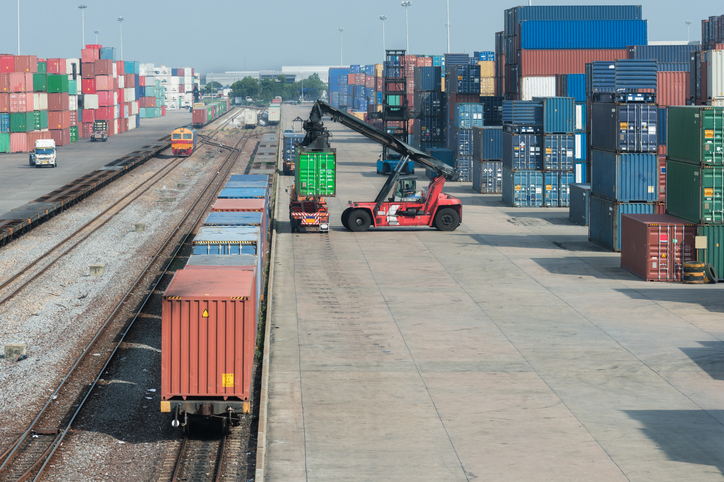
The physical world plays a huge role in keeping companies tied to a single factory. Many of the most successful production sites are located right next to world-class ports, high-speed rail lines, and modern highways. These were often built with government help in the 1990s and 2000s specifically to move goods out of the country as fast as possible. When a factory can move a product from the assembly line onto a massive cargo ship in just a few hours, it creates an efficiency that is hard to beat.
Rebuilding this kind of setup somewhere else would require billions of dollars in investment and decades of construction. Even if a government promises to build new roads and ports, those projects often take much longer than expected and cost way more than planned. As these infrastructure advantages grow, companies find themselves anchored to the spot. The factory is no longer just a place where things are made; it is the most important link in a massive shipping and logistics chain. For many global brands, the physical reality of the world makes leaving almost impossible.
10. Ignoring Risk Until It Strikes
For a long time, depending on one factory feels like a smart move because big problems are rare. Risks usually stay as boring notes in a corporate report rather than real-life disasters. As long as the products keep arriving on time and the profits keep growing, it is very easy for executives to ignore the warning signs. From roughly 2005 to 2019, the global supply chain worked so well that many people forgot how fragile it actually was. They chose to focus on the daily rewards of efficiency rather than preparing for a rainy day.
When a real disruption finally happens, the damage is fast and painful. We saw this during the 2011 tsunami in Japan and the recent global health crisis. Delays start piling up, store shelves become empty, and the company’s reputation takes a hit. However, even when these disasters occur, building a new factory in a different country still takes years. This creates a frustrating cycle where companies realize they are in danger but are too deeply tied to their current location to move quickly. This gap between seeing the risk and being able to fix it is why the dependency lasts so long.
11. Breaking Away Is a Massive Challenge
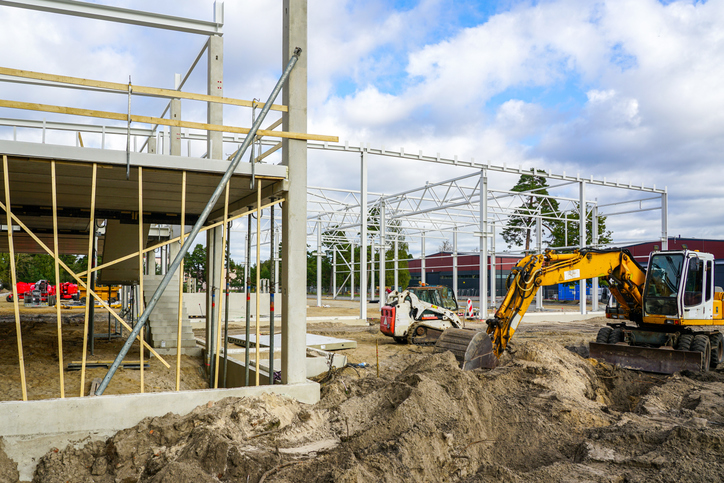
The truth is that moving production is one of the most expensive and difficult tasks a business can face. For a company to successfully diversify, it needs a huge amount of extra cash, years of patience, and the ability to survive major delays. Most corporations today are focused on short-term profits for their investors, meaning they rarely have the stomach for a multi-year project that might fail. Since the supply chain crisis of 2021, many brands have talked about “de-risking,” but very few have actually closed their original factories because the costs are simply too high to justify.
Instead of leaving, many firms try to build “secondary” sites in places like Vietnam or India, but these often only handle a tiny fraction of the work. The original factory stays at the center of the operation because it is already fully paid for and works perfectly. This is not a lack of imagination from the bosses; it is a logical response to how much they have already invested over the last twenty years. Balancing the need for a backup plan with the need to stay profitable is the biggest challenge of the 2020s. Until a new location can match the price and speed of the old one, the status quo remains.
12. Why Political Stability is Key

Global companies often care more about predictability than they do about politics. For a major firm to plan its budget five or ten years into the future, it needs to know that the rules of the game will not change overnight. In the major manufacturing hubs that rose to power in the 1990s, the local governments have been incredibly consistent with their support for exports. This stability allows CEOs to sleep soundly, knowing that a sudden new tax or a labor strike is unlikely to shut down their production lines without warning.
In contrast, many “cheaper” alternative countries often suffer from sudden political shifts or changing regulations that can ruin a business plan in weeks. For a manager who is answerable to a board of directors, a “boring” and predictable environment is worth more than a slight discount on labor. This reliance has only deepened since the trade tensions of 2018, as companies realized that having a stable partner is the only way to navigate a chaotic world. They would rather stick with a factory they know well than gamble on a new location where the political winds might shift at any moment, leaving their goods stuck at the border.
13. The Hidden Power of Momentum

Sometimes the biggest reason a company stays with one factory is simply that it is a habit. Once a system has been running smoothly for a decade, it builds up a massive amount of “inertia.” Successful factories create routines that managers and engineers get used to, and those routines eventually become the standard way of doing things. New executives who join the company often inherit these setups and focus on making them 5% better rather than trying to reinvent the entire wheel. It is much easier to keep a moving train on its tracks than to build a whole new railroad.
This momentum is subtle, but it is one of the strongest forces in global business. Supply chains become part of the background noise of a company rather than a topic for daily debate. Since the mid-2010s, many firms have operated on autopilot, assuming that the factory that worked yesterday will work forever. It usually takes a massive shock, like a global trade war or a pandemic, to force a company to actually question why they are so dependent on one place. Until that pressure becomes unbearable, most businesses will take the path of least resistance and stay exactly where they are because it feels easier than starting over.
14. Efficiency Versus Resilience
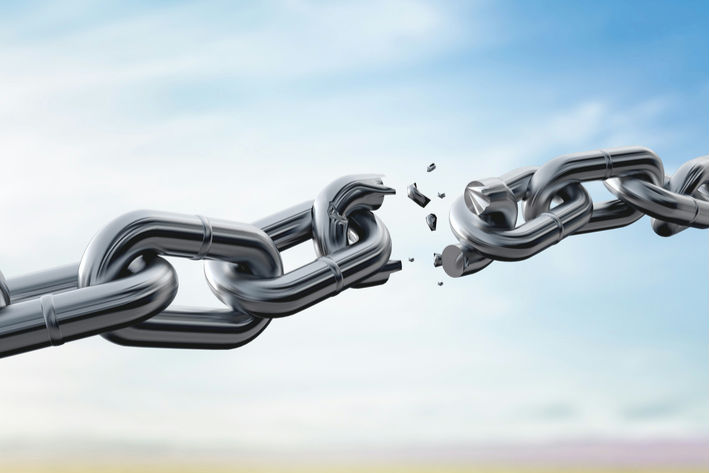
The global obsession with “just-in-time” manufacturing has led to a very fragile type of strength. For the last thirty years, the goal of every major corporation was to be as efficient as possible, which meant cutting out any extra parts or backup plans to save money. This concentration delivered incredible speed and record-breaking profits, but it also created “single points of failure.” If one specific factory in a specific city stops working, the entire world feels the impact within days. We saw this clearly in 2022 when electronic shortages caused car prices to skyrocket globally.
As we move further into the late 2020s, companies are finally learning that being “too efficient” can actually be a weakness. The challenge now is to figure out how to spread out the risk without losing the incredible speed that customers expect. It is a tough balancing act. The massive factories that power our modern world are truly amazing achievements of human engineering and organization, but they have also become a trap. True strength in the future will not come from being the biggest or the fastest, but from being the most flexible when things go wrong. Companies are now racing to build resilience before the next big disruption hits.


