
1. Moving Patterns
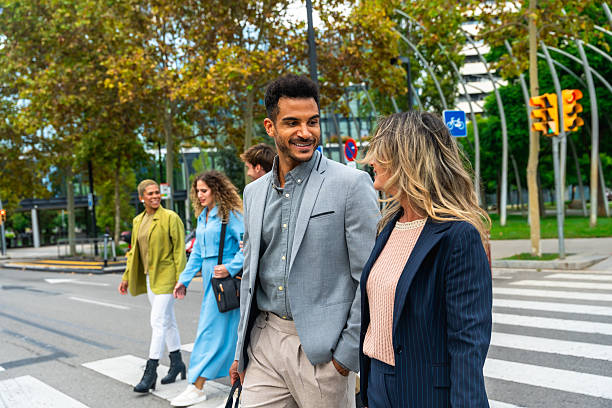
It usually doesn’t start with a big announcement. It’s quieter than that. Someone decides to leave one part of the city for another, maybe for a better job, maybe for a bit more space, or simply for a change of pace. Then someone else does the same. Over time, you begin to notice small differences. A once-familiar street feels slightly different. New faces replace old routines. Certain areas begin to feel fuller, more active, while others seem to slow down just a little. At first, it feels random, like normal city life unfolding. But when you look closely, there’s a pattern forming underneath it all. That pattern is often tied to opportunity and access.
According to United Nations insights on urbanization, “most urban growth is driven by migration and the reallocation of populations toward areas with better economic prospects.” That explains why these movements rarely happen by chance. People are responding to something, whether it’s work, infrastructure, or even quality of life. And when enough people respond in the same direction, the city begins to shift with them. New businesses open, transport routes adjust, and entire neighborhoods begin to take on a new rhythm. If you’ve ever paused and felt like your city is subtly rearranging itself, you’re probably noticing these moving patterns in real time. It’s a quiet transformation, but a powerful one.
2. Expanding Edges
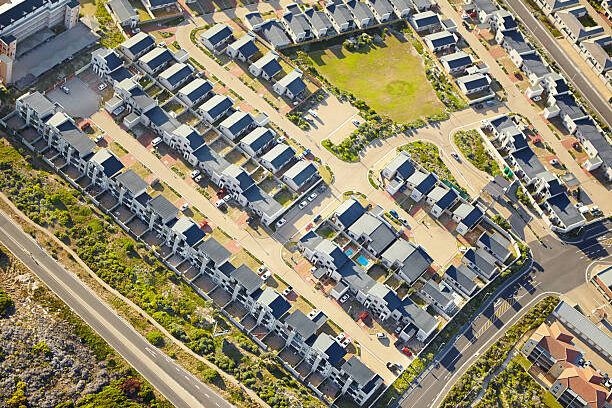
As people continue to move, space begins to tell its own story. The center of the city, once the obvious choice, starts to feel tighter, busier, and sometimes out of reach. Gradually, attention drifts outward. Areas that once felt like the “edge” begin to grow into something more defined. You start hearing about new estates, new roads, new developments. Places that used to feel far suddenly feel like the next best option. It doesn’t feel like a dramatic expansion, more like the city stretching itself slowly to make room. There’s a practical reason behind this outward growth.
When the core becomes too expensive or crowded, people naturally begin to look beyond it. And once a few people make that move, others follow. Over time, those outer areas begin to develop their own identity, with shops, schools, and transport systems catching up to the population. It becomes a cycle where growth feeds more growth. If you’ve noticed new “hotspots” emerging farther from the city center, it’s the city quietly redrawing its boundaries to accommodate the people shaping it.
3. Housing Demand
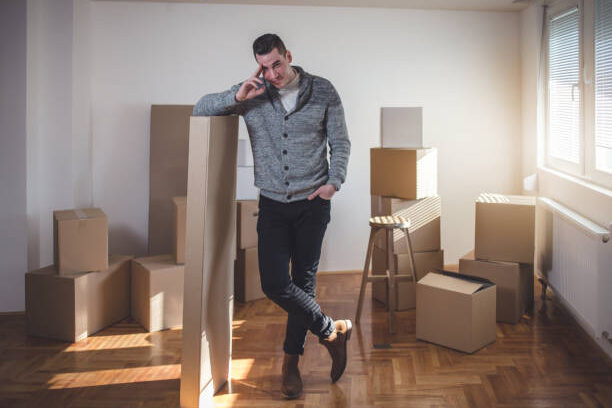
One of the first places these shifts become obvious is in housing. You don’t even need data to notice it, you hear it in conversations. Someone mentions how hard it is to find a place. Another talks about how prices have changed. Suddenly, what used to feel like a straightforward process becomes something that requires more planning, more compromise. It starts subtly, maybe with fewer available options, but over time, the pressure becomes more visible. The demand is there, and it keeps growing. This growing demand is not always matched by supply, and that’s where the real tension begins.
In simple terms, more people are looking for homes than there are homes available. And when that gap widens, it affects everything, from rent prices to how people choose where to live. Some move further out, others share spaces, and some delay decisions altogether. Over time, these individual adjustments begin to reshape the housing landscape of the city itself. If housing conversations feel more intense lately, it’s likely because population shifts are quietly placing more weight on an already stretched system.
4. Job Centers
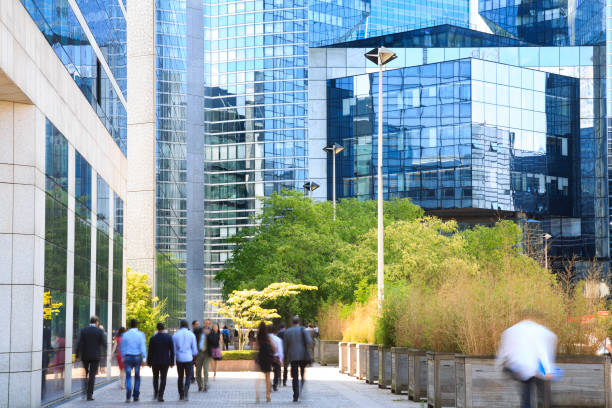
If you trace most movement within a city, it often leads back to one thing, work. Jobs have a way of pulling people in, sometimes from across neighborhoods, sometimes from entirely different regions. You begin to notice certain areas becoming busier during the day, filled with offices, co-working spaces, and new businesses. What used to be a quiet district can slowly transform into a hub of activity. It doesn’t happen instantly, but over time, the presence of opportunity reshapes the space around it. This isn’t accidental.
When jobs concentrate in a specific area, people naturally adjust their lives to stay close to that opportunity. And once people move, everything else follows, housing, transport, services, even social life. It creates a ripple effect that extends far beyond the workplace itself. If you’ve noticed certain parts of your city becoming more active or competitive, it’s often because they’ve become centers of opportunity. And in cities, where opportunity goes, people are rarely far behind.
5. Cultural Shifts

Sometimes, the change in a city is not something you measure, it’s something you feel. It shows up in the little things. A new restaurant opens with flavors you’re not used to. You hear different languages in passing conversations. The music, the fashion, even the way people interact begins to carry a slightly different tone. At first, it feels like variety, something refreshing and new. But over time, it becomes part of the city’s identity, blending into what the place represents as a whole. These shifts are closely tied to movement.
According to observations from UNESCO, “migration enriches urban spaces by introducing diverse cultural expressions and social practices.” What that really means is that people don’t just move with their belongings, they move with their way of life. And when different ways of life meet in one place, something new begins to form. It’s not always immediate or obvious, but it builds gradually, shaping communities in quiet, meaningful ways. If you’ve ever felt like your city is becoming more layered, more expressive, or even more complex, you’re likely witnessing this cultural blending unfold. It’s one of the softer effects of population shifts, but also one of the most lasting.
6. Infrastructure Strain
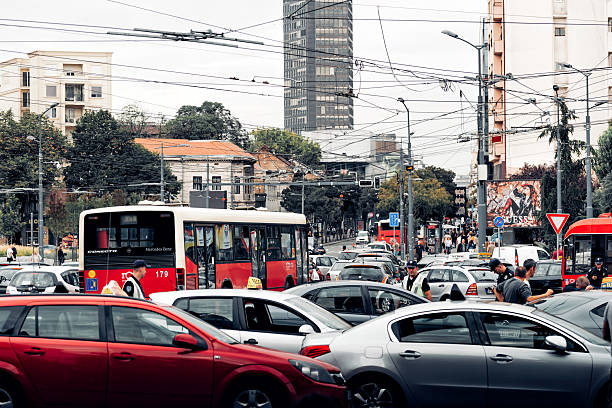
As cities grow, the systems that support daily life begin to feel the weight of that growth. It’s not always dramatic at first. Maybe traffic takes a little longer than it used to. Public transport feels slightly more crowded. Accessing certain services requires a bit more patience. Individually, these moments seem small, easy to brush off. But when they happen more frequently, they start to tell a bigger story about how the city is adjusting to a larger population. There’s a reason this happens. The number of people increases faster than the systems designed to support them.
Roads, water systems, electricity, healthcare, all of these need time and planning to expand. When growth outpaces that planning, pressure builds. Over time, cities are forced to respond, upgrading systems, redesigning spaces, and rethinking how everything connects. If you’ve started to notice small inefficiencies becoming part of your routine, it may not just be inconvenience, it may be a sign of a city in transition, adjusting to a population that’s steadily increasing.
7. Cost of Living

One of the most personal ways people experience population shifts is through their daily expenses. It doesn’t always come as a shock. Instead, it creeps in gradually. Rent increases slightly. Groceries cost a bit more. Transportation, services, even leisure activities begin to feel more expensive than they used to. At first, it’s manageable, something you adjust to without thinking too much about it. But over time, the difference becomes more noticeable, and you begin to question why things feel heavier financially. This pattern is often linked to demand.
According to economic perspectives from International Monetary Fund, “rising population density in urban areas tends to increase demand for goods and services, which can contribute to higher living costs.” When more people compete for the same resources, prices naturally respond. It’s not always immediate, but it builds steadily, shaping how people live, spend, and plan. Some adjust by moving further out, others by changing habits, but everyone feels it in some way. If your everyday spending feels different compared to a few years ago, it may not just be inflation in isolation, it could be the quiet effect of more people sharing the same urban space.
8. Remote Work

Not too long ago, where you lived was closely tied to where you worked. People chose homes based on commute times, proximity to offices, and access to business districts. But recently, that connection has started to loosen. More people now have the flexibility to work from different locations, and with that flexibility comes a shift in how they choose where to live. Suddenly, being close to the city center is no longer the only priority. This change is reshaping movement in subtle but important ways. As noted in workforce trends by World Economic Forum, “remote work is enabling a redistribution of populations away from traditional urban cores.” That means people are spreading out, exploring areas they might not have considered before.
Smaller cities, quieter neighborhoods, and even semi-urban spaces are becoming more attractive. Over time, this creates a more balanced distribution of people, rather than everything being concentrated in one place. If you’ve noticed friends, colleagues, or even entire teams relocating more freely, it’s part of this broader shift. Work is no longer anchoring people in the same way, and cities are gradually adapting to that new reality.
9. Aging Populations
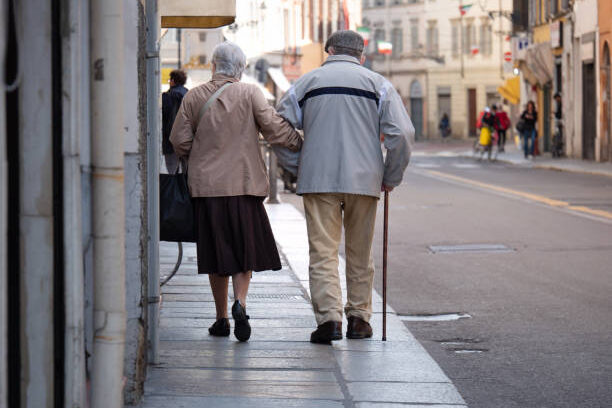
In some parts of the city, the change is not about how many people are arriving, but about who is staying. You begin to notice a quieter shift, one that shows up in the pace of life. Certain neighborhoods feel calmer, more settled. Services begin to reflect different needs, with more attention given to healthcare, accessibility, and comfort. It’s not always something people talk about openly, but it becomes visible in how spaces are used and designed over time. This shift is closely tied to demographics.
Adaptation shows up in practical ways, better walkways, accessible buildings, community support systems, and healthcare infrastructure. It changes the rhythm of a city, making it more inclusive, but also requiring thoughtful planning. If you’ve noticed more services or spaces designed for ease and accessibility, it’s likely part of this broader demographic movement. It’s a reminder that population shifts are not only about growth, but also about how cities evolve to care for the people within them at every stage of life.
10. Youth Migration
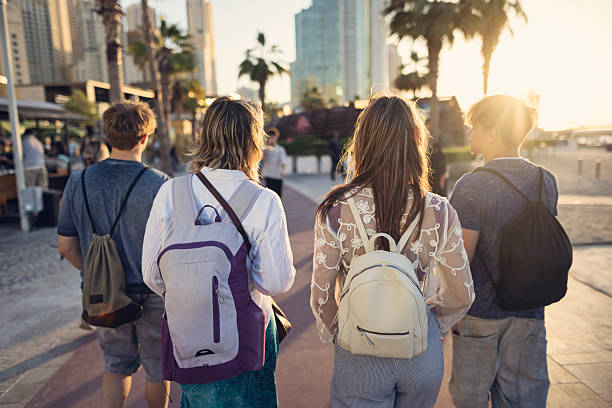
At the same time, there’s another kind of movement happening, one filled with energy and ambition. Younger people continue to move toward cities, or within them, in search of something more, education, opportunity, exposure, or simply a different experience of life. You see it in the liveliness of certain areas, the emergence of new ideas, and the constant sense that something is always beginning. It brings a kind of momentum that’s hard to ignore. This movement plays a significant role in shaping how cities feel and function.
Cafés become work hubs, communities become more connected digitally, and industries evolve to match new demands. Over time, this energy contributes to the identity of a city, making it feel dynamic and forward-moving. If your city feels like it’s constantly changing or reinventing itself, it may be because of this steady flow of young people bringing new perspectives and possibilities with them.
11. Global Influence

Cities today don’t exist in isolation the way they once did. Movement is no longer limited to within a country, it stretches across borders. People relocate from one part of the world to another, carrying with them skills, experiences, and perspectives that begin to shape the places they settle in. You notice it in business, in culture, in everyday interactions. The city starts to feel like a meeting point of different worlds. This global movement has a strong influence on how cities evolve.
According to migration insights from International Organization for Migration, “international migration significantly contributes to the economic and cultural development of urban areas.” It brings diversity, but also connection. Cities become more adaptable, more aware, and more responsive to global trends. Over time, this creates environments that feel both local and international at once. If you’ve ever felt like your city is becoming more connected to the wider world, it’s likely because it is. Population shifts are not just changing cities internally, they’re linking them to something much bigger.
12. The Bigger Picture
When you step back and take it all in, the movement, the growth, the adjustments, it begins to make sense in a different way. None of these changes are happening in isolation. They’re connected, flowing into each other, shaping cities gradually but consistently. What starts as a simple decision to move becomes part of a larger pattern. What feels like a small change in one area often reflects something much bigger happening across the entire city.
As reflected in broader urban studies by Brookings Institution, “cities are continuously reshaped by demographic, economic, and social shifts working together over time.” And that’s really what this all comes down to. Cities are not static, they respond, they stretch, they adapt. The rising costs, the changing culture, the shifting job centers, all of it is part of a story that’s still unfolding.


