
1. Veterinary Labor Shortages

Across the world, changes in medicine, regulation, labor, and technology are quietly reshaping how much it costs to care for animals. Veterinary clinics in many countries are facing persistent staff shortages, especially among veterinarians, technicians, and support staff. Industry groups have repeatedly warned that fewer graduates are entering the profession than are needed to meet rising demand. At the same time, burnout has led many experienced professionals to reduce hours or leave clinical practice altogether. To retain staff, clinics are raising wages, offering signing bonuses, and improving benefits, all of which increase operating costs. These expenses are rarely absorbed by clinics alone and are often passed on to pet owners through higher consultation fees, longer appointment wait times, and increased charges for routine services that were once relatively affordable.
2. Rising Cost of Medications

Pet medications now rely on the same global pharmaceutical supply chains used for human medicine. Inflation, manufacturing disruptions, and stricter quality controls have driven up production costs for antibiotics, pain management drugs, insulin, and chronic disease treatments. Many commonly prescribed pet medications are also becoming more specialized, tailored to specific conditions or species, which limits mass production savings. Regulatory oversight has increased as well, adding compliance expenses for manufacturers and distributors. By 2026, pet owners are expected to feel these pressures most acutely when managing long-term conditions, where monthly medication costs may rise steadily rather than appearing as a one-time expense.
3. Advanced Diagnostic Technology
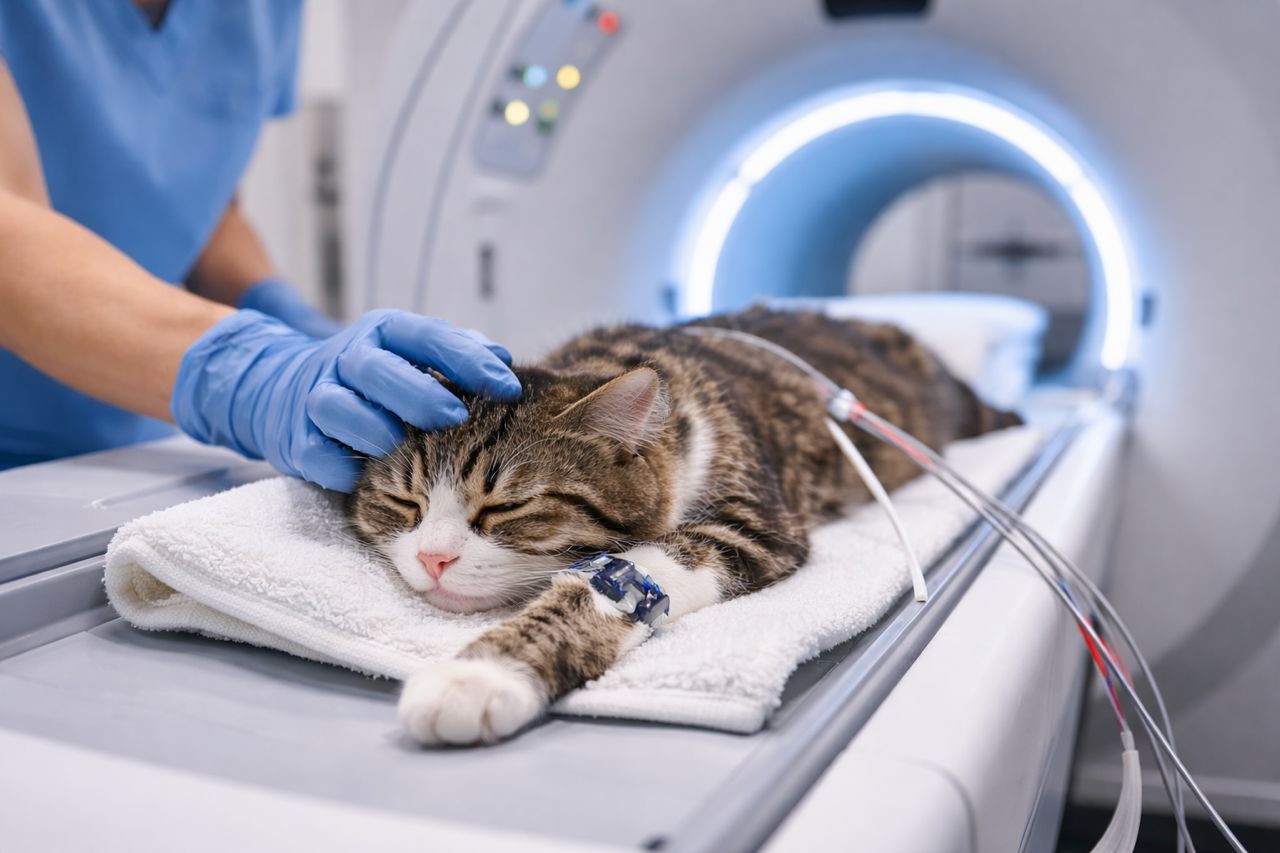
Modern veterinary care increasingly relies on advanced diagnostics such as digital imaging, ultrasound, MRI scans, and in-house laboratory testing. While these tools improve accuracy and speed, they come with high purchase, maintenance, and training costs. Clinics must invest heavily to stay competitive and meet client expectations shaped by human healthcare standards. Even smaller practices are adopting sophisticated equipment to avoid referring cases elsewhere. These investments are typically recovered through higher diagnostic fees. As technology continues to advance in 2026, pet owners may notice that even routine checkups now include optional tests that significantly increase the total bill.
4. Higher Clinic Operating Costs
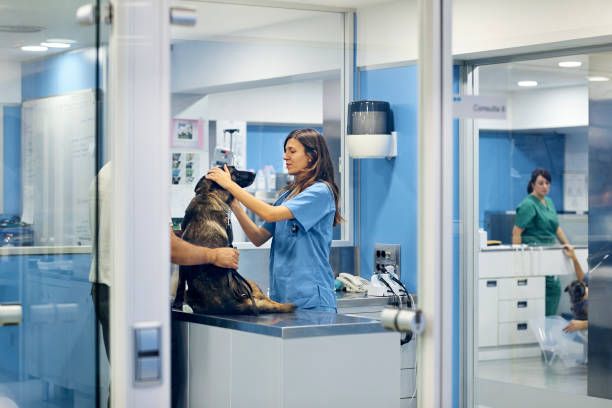
The day-to-day costs of running a veterinary clinic have risen sharply in recent years. Rent, utilities, medical supplies, waste disposal, and insurance premiums have all increased due to broader economic pressures. Clinics must also comply with stricter safety, sanitation, and data protection requirements, which can involve new equipment or administrative staff. Unlike large hospital systems, many veterinary practices operate on thin margins and cannot easily absorb these increases. As a result, service prices are adjusted upward to keep clinics financially viable, making everything from basic exams to emergency visits more expensive for pet owners.
5. Growth of Corporate Ownership

An increasing number of independent veterinary clinics are being acquired by large corporate groups. While consolidation can bring standardized care and better access to resources, it often comes with higher pricing structures. Corporate owners must satisfy investors, cover acquisition costs, and maintain consistent profit margins across locations. This can lead to more uniform but higher fees for services, diagnostics, and treatments. In some regions, pet owners have already reported noticeable price increases after clinic ownership changes. By 2026, this trend is expected to continue, especially in urban areas where consolidation is most aggressive.
6. Expanded Preventive Care
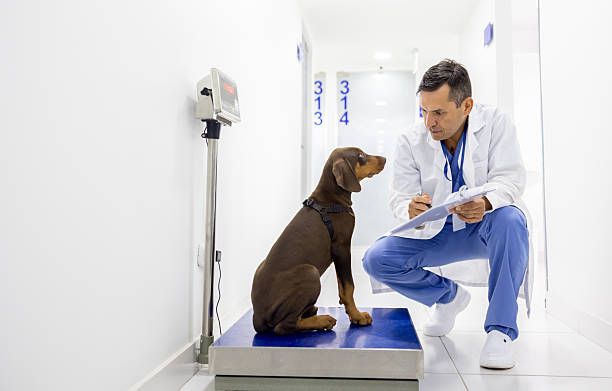
Preventive care recommendations for pets have expanded significantly, covering dental health, weight management, parasite prevention, and early disease screening. Veterinary associations now emphasize regular bloodwork, dental cleanings, and wellness plans as essential rather than optional. While these measures improve long-term health outcomes, they also increase annual care costs. Many clinics bundle preventive services into subscription-style plans, which can feel more expensive upfront even if they offer value over time. As awareness grows, more pet owners will follow these guidelines, leading to higher average spending per animal in 2026.
7. Specialized Veterinary Services
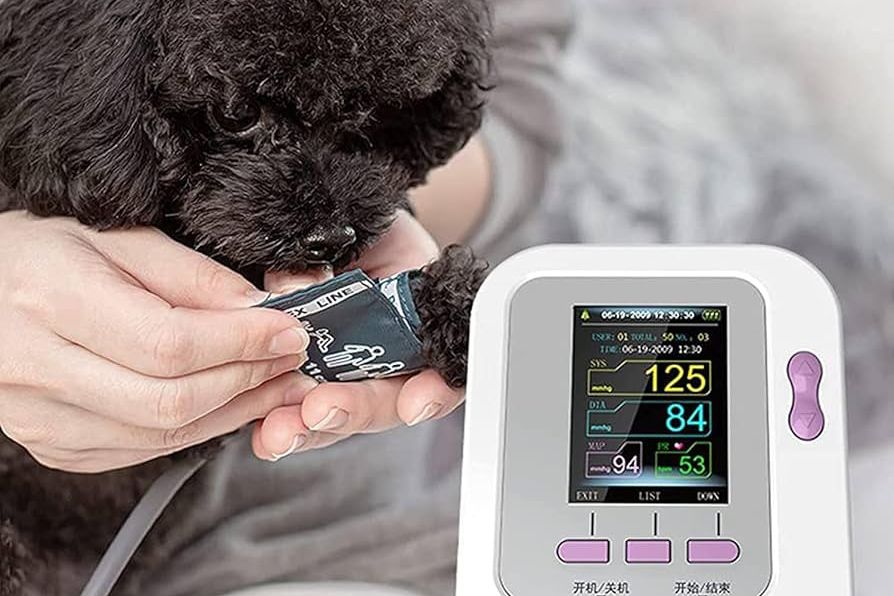
Specialist care for pets, including oncology, cardiology, dermatology, and orthopedics, is becoming more common and more accessible. However, specialists require advanced training, specialized equipment, and dedicated facilities, all of which increase treatment costs. Referral-based care often involves multiple appointments, detailed diagnostics, and long-term follow-up, compounding expenses. As pets live longer and owners seek advanced treatments once reserved for humans, demand for specialists continues to grow. This shift means that serious illnesses or injuries may now involve costs that rival those of human medical care.
8. Increased Regulatory Compliance
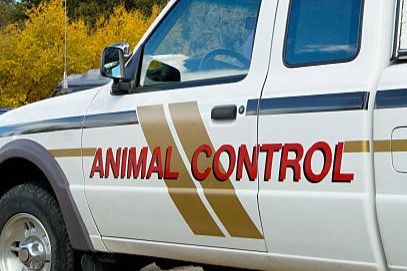
Governments and professional bodies are tightening regulations around animal welfare, medication handling, record keeping, and clinic operations. While these rules are designed to protect animals and improve care quality, compliance requires time, training, and financial investment. Clinics may need to upgrade facilities, adopt new software systems, or undergo more frequent inspections. These regulatory costs are rarely visible to clients but inevitably influence pricing. By 2026, expanded compliance requirements are expected to be a quiet but significant factor behind rising veterinary bills.
9. Pet Insurance Influence

As pet insurance becomes more common, especially in developed markets, pricing dynamics are shifting. Insured pet owners are more likely to approve diagnostics and treatments that might otherwise be declined due to cost. This increased utilization can drive overall service prices upward, similar to patterns seen in human healthcare. Clinics may also adjust fees knowing that insurance will cover part of the cost for many clients. While insurance can protect individual owners from large expenses, its broader adoption contributes to higher baseline prices across the industry.
10. Longer Pet Lifespans

Advances in nutrition, medicine, and preventive care mean pets are living longer than ever before. Longer lifespans often come with age-related conditions such as arthritis, diabetes, kidney disease, and cognitive decline. Managing these issues requires ongoing veterinary visits, medications, specialized diets, and supportive therapies. What was once a short-term expense near the end of a pet’s life has become a multi-year financial commitment. By 2026, aging pet populations will be a major driver of increased lifetime care costs for owners.
11. Premium Pet Food Inflation

Pet food prices have been climbing steadily, driven by higher costs for meat, grains, supplements, and packaging. Many brands now market premium, human-grade, or limited-ingredient diets that rely on carefully sourced proteins and additives. These ingredients are affected by global agriculture disruptions, climate-related supply issues, and rising transportation costs. Manufacturers have also invested heavily in quality testing and traceability, which adds to production expenses. Even standard formulas have seen price increases as companies adjust to higher overhead. By 2026, pet owners may find that maintaining the same diet costs significantly more than it did just a few years earlier.
12. Supply Chain Disruptions

Pet care relies on global supply chains for medical equipment, pharmaceuticals, specialty foods, and diagnostic tools. Delays in shipping, shortages of raw materials, and increased fuel costs continue to affect availability and pricing. When supplies become scarce or unpredictable, distributors often raise prices to manage risk and maintain inventory. Clinics and retailers, in turn, adjust their pricing to avoid losses. These disruptions are especially noticeable for imported medications and specialty products. As supply chains remain fragile, pet owners are likely to face higher and more variable costs for essential items in 2026.
13. Emergency Care Demand
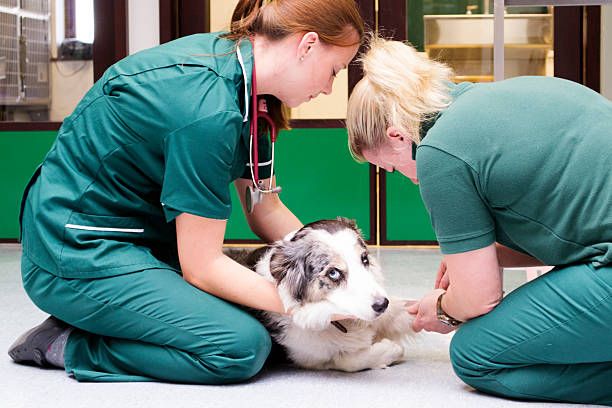
Emergency veterinary hospitals are experiencing growing demand, driven by increased pet ownership and greater awareness of urgent health issues. Operating an emergency facility requires 24-hour staffing, specialized equipment, and higher liability insurance, all of which are expensive. Many regions also have fewer emergency clinics than needed, concentrating demand and raising prices further. Emergency visits often involve immediate diagnostics and intensive care, leading to higher bills than standard appointments. As emergency services remain strained, these higher costs are expected to persist and become more common for pet owners.
14. Advanced Surgical Options
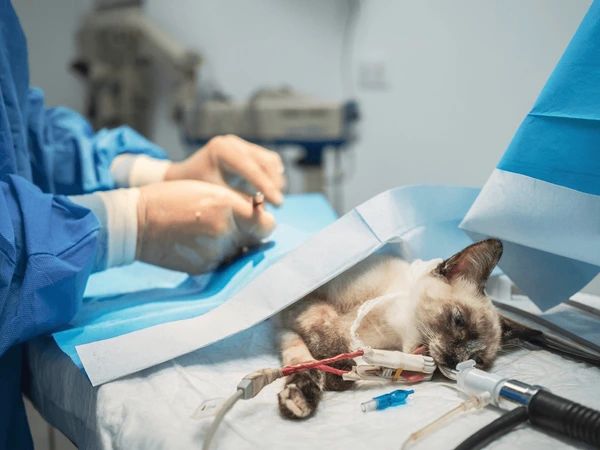
Surgical care for pets has become more sophisticated, offering procedures such as joint replacements, minimally invasive surgeries, and complex tumor removals. These advancements improve recovery times and outcomes but require specialized training, anesthesia protocols, and surgical tools. Post-operative care often includes advanced pain management and physical therapy. Each step adds to the total cost of treatment. As these options become more widely available and requested, surgical expenses are likely to rise further in 2026, especially for aging or injured pets.
15. Specialized Pet Diets

Veterinarians increasingly prescribe therapeutic diets for conditions such as kidney disease, food allergies, obesity, and digestive disorders. These diets are formulated with precise nutrient balances and undergo extensive testing. Limited competition and strict quality controls keep prices high. Many pets require these foods long-term, turning diet into a recurring medical expense rather than a routine purchase. As diagnosis of chronic conditions becomes more common, demand for specialized diets continues to grow, contributing to higher overall pet care spending.
16. Increased Use of Technology
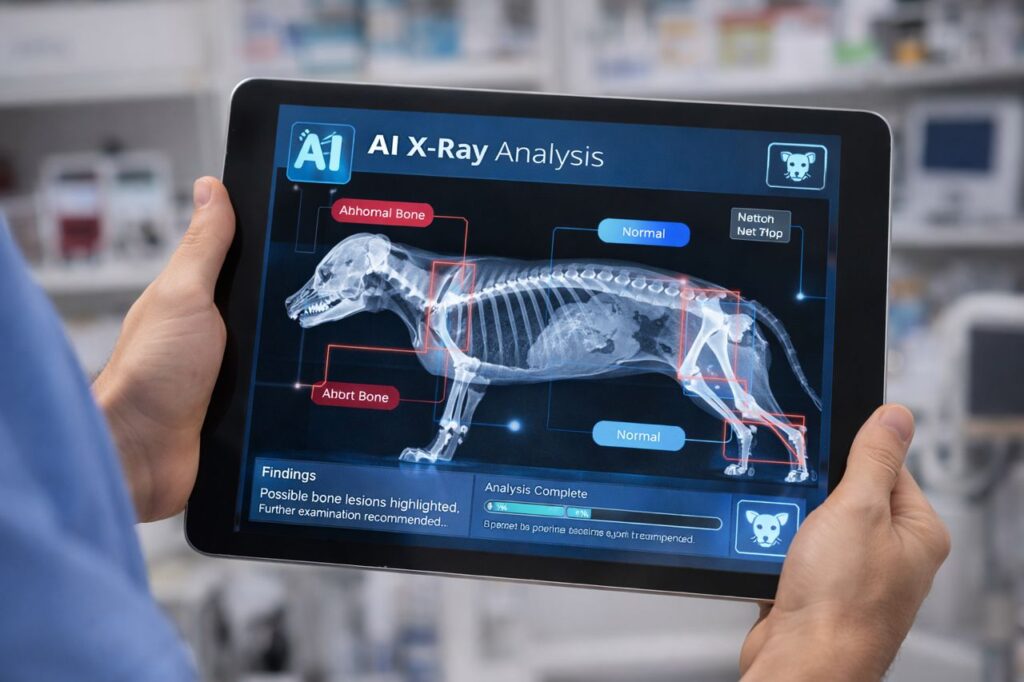
Technology now plays a central role in veterinary practices, from digital record systems to telemedicine platforms and AI-assisted diagnostics. While these tools improve efficiency and care quality, they require software subscriptions, hardware upgrades, and staff training. Cybersecurity and data storage costs also add to clinic expenses. These investments are necessary to meet modern standards and client expectations. Over time, technology-related costs are reflected in service pricing, making routine care gradually more expensive.
17. Rising Insurance Premiums

As veterinary costs increase, pet insurance providers adjust premiums to cover higher payouts. More claims, advanced treatments, and longer pet lifespans all contribute to rising insurance costs. While coverage helps manage unexpected expenses, monthly premiums and deductibles are becoming more expensive. Some owners may feel pressure to maintain insurance despite rising rates, especially for older pets. This trend adds another layer to the overall cost of responsible pet ownership heading into 2026.
18. Greater Focus on Mental Health

Animal behavior and mental health are receiving increased attention, with more owners seeking help for anxiety, aggression, and stress-related issues. Behavioral consultations, training programs, and medication-based treatments are now common recommendations. These services often involve multiple sessions and long-term management plans. While beneficial, they add new categories of expense that were once overlooked or unmanaged. As understanding of animal mental well-being grows, so does the cost associated with supporting it.
19. Climate-Related Health Issues

Climate change has direct effects on pet health, including increased heat-related illnesses, expanded parasite ranges, and longer allergy seasons. Vets are seeing more cases requiring preventive treatments, testing, and ongoing management. Flea, tick, and heartworm prevention programs may need to be used year-round in more regions. These added preventive measures increase annual care costs. As environmental conditions continue to shift, climate-related health expenses are expected to become a routine part of pet care budgets.
20. Changing Owner Expectations

Pet owners today expect a level of care similar to what they receive in human medicine. This includes detailed explanations, multiple treatment options, advanced pain management, and follow-up care. Meeting these expectations requires time, expertise, and resources from veterinary professionals. While this leads to better outcomes and stronger trust, it also raises the cost of delivering care. By 2026, higher expectations alone will play a significant role in why pet care continues to become more expensive.
As pets become more deeply integrated into family life, the systems that support their health grow more complex and costly. Understanding these changes helps owners plan ahead and make informed decisions about care in the years to come.
Like this story? Add your thoughts in the comments, thank you.


