
1. Aging Materials Create Unfamiliar Sensory Signals

Old buildings have a way of stirring something deep in us. Even without tragic stories or ghostly legends, many people report feeling uneasy in places that have simply stood for a long time. As buildings age, their materials slowly change in ways our senses pick up on. Old wood creaks as it expands and contracts with temperature shifts, producing sounds that feel unpredictable. Aging paint, plaster, and stone release subtle odors caused by mold spores, dust, or chemical breakdown, even in well-maintained spaces. These smells are unfamiliar compared to modern interiors, which our brains associate with safety and cleanliness. When multiple unfamiliar cues appear at once, the brain looks for explanations. In the absence of clear causes, it fills the gap with unease, making the space feel unsettling despite having an ordinary history.
2. Low Lighting Triggers the Brain’s Threat Response
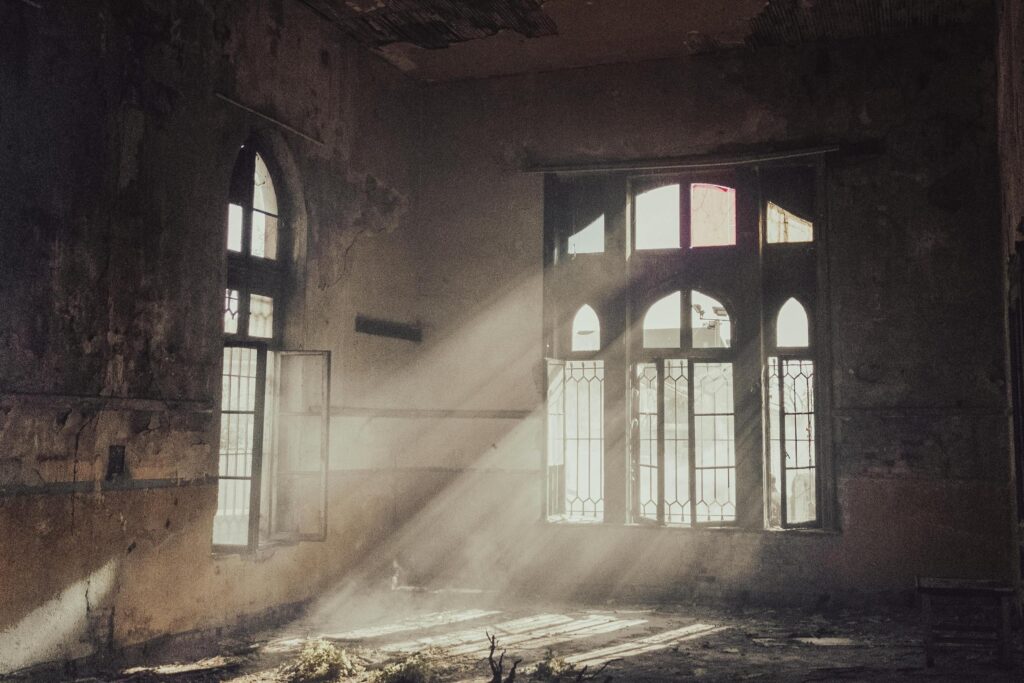
Many older buildings were designed before modern lighting standards, relying on small windows, narrow corridors, and minimal artificial light. Low-light environments reduce visual clarity, forcing the brain to work harder to identify shapes and movement. From an evolutionary perspective, poor visibility meant danger, so the brain stays alert. Shadows stretch, corners disappear, and small movements feel exaggerated. This heightened awareness can quickly turn into discomfort. Studies in environmental psychology show that dim lighting increases anxiety and the sense of being watched, even in safe locations. When people walk through darkened historic spaces, their brains respond as if they are entering uncertain territory, creating a haunted feeling without any external cause.
3. Sound Behavior Changes in Older Architecture
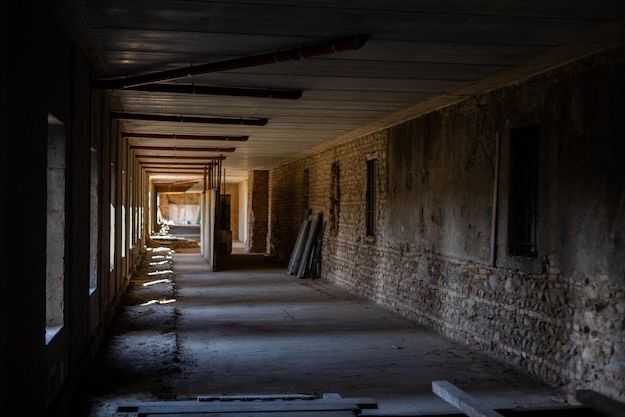
Older buildings often have thick walls, high ceilings, and long corridors that alter how sound travels. Footsteps echo longer, distant noises seem closer, and everyday sounds bounce unpredictably. Unlike modern buildings designed to absorb noise, historic structures amplify it. This can make a single creak feel like movement or a whisper. The brain relies heavily on sound to assess safety, especially when visual cues are limited. When sounds behave in unfamiliar ways, the brain struggles to locate their source. This confusion can create the impression that something unseen is present. Even when people know logically that the building is empty, their sensory experience tells a different story.
4. Old Buildings Often Hold Stale or Heavy Air

Ventilation standards were very different in the past, and many older buildings were not designed for constant airflow. As a result, air can feel heavier, cooler, or oddly still. Poor circulation allows dust, allergens, and mild mold particles to linger, which can subtly affect breathing. Research shows that low air quality can cause mild dizziness, headaches, or a sense of pressure, all of which can heighten anxiety. When the body feels slightly off, the mind searches for reasons. In unfamiliar settings, this physical discomfort can easily be interpreted as a strange or unsettling presence, even though the cause is entirely environmental.
5. Human Brains Associate Age With Uncertainty
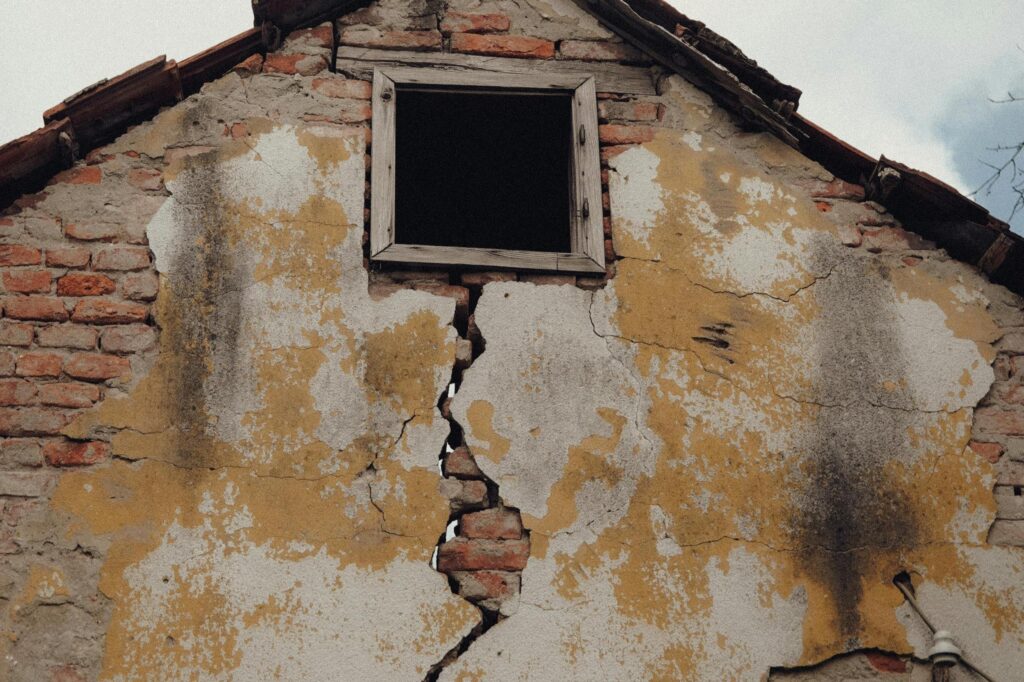
Humans are pattern-driven thinkers, and age often signals unpredictability. Old structures show visible wear, cracks, and uneven surfaces, reminding us that time has passed and things may no longer function as expected. Psychologists note that people feel more comfortable in environments that appear controlled and maintained. When a building looks aged, the brain flags it as potentially unsafe, even if it is structurally sound. This response is automatic and not tied to any actual danger. The association between age and decay quietly primes the mind for caution, which can easily turn into the feeling that something is wrong or unsettling.
6. Silence Feels Louder in Empty Historic Spaces
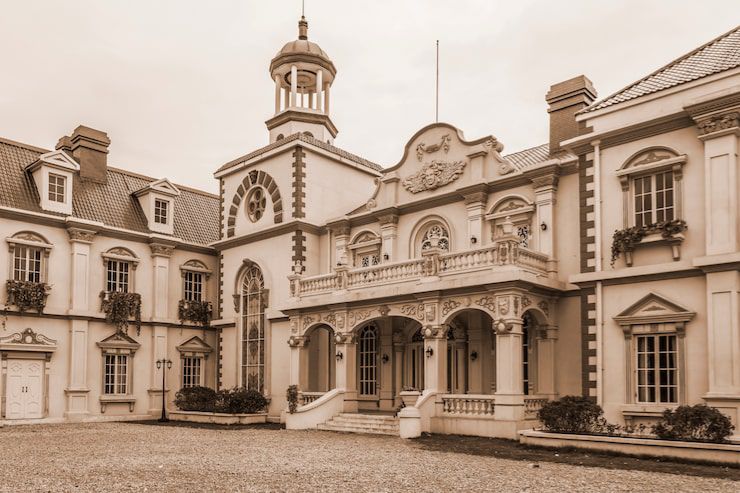
Silence in old buildings is rarely complete, but it often feels heavier than in modern spaces. Without background noise from appliances, electronics, or traffic insulation, subtle sounds become more noticeable. The hum of distant pipes, wind brushing against walls, or wood settling can stand out sharply. Studies show that prolonged silence increases self-awareness and anxiety, especially in unfamiliar places. When people are alone in quiet environments, their thoughts grow louder, and their imagination becomes more active. This internal focus can amplify small sensations, making the space feel charged or uneasy even when nothing unusual is happening.
7. Cultural Stories Shape Expectations
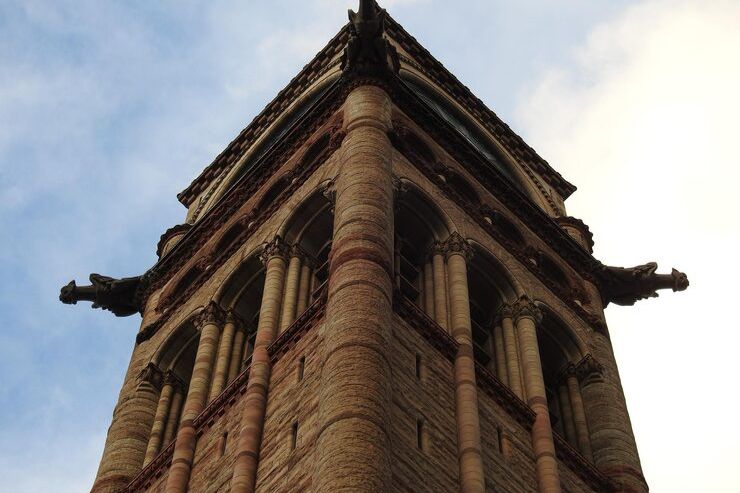
Movies, books, and folklore have long linked old buildings with mystery and danger. Even when people do not consciously think about these stories, they influence expectations. Psychologists call this priming, where prior exposure shapes how we interpret new experiences. When someone enters an old building, their brain may unconsciously recall scenes of haunted houses or abandoned places. This doesn’t create hallucinations, but it does influence emotional reactions. Neutral sensations become suspicious, and ordinary noises feel significant. The building itself hasn’t changed, but the cultural lens through which it is viewed makes it feel more unsettling than it truly is.
8. Irregular Layouts Disrupt Spatial Comfort
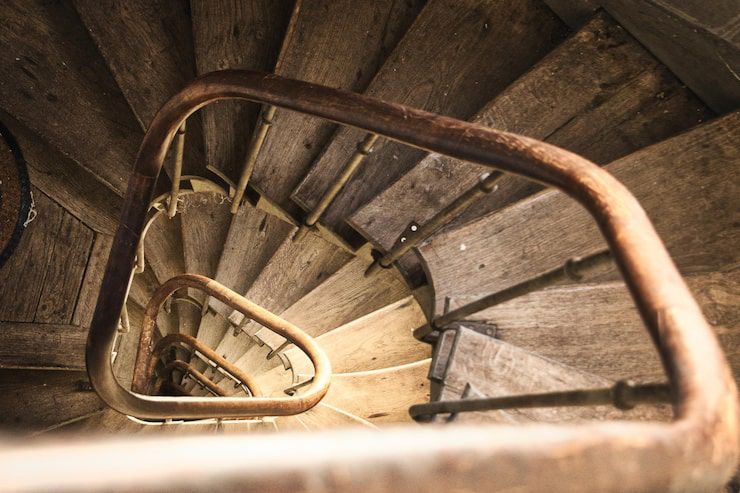
Many older buildings were constructed before modern design standards focused on efficiency and uniformity. As a result, they often feature narrow staircases, uneven floors, and winding corridors. These irregular layouts disrupt the brain’s sense of spatial predictability. Humans feel safest when they can easily understand and navigate their surroundings. When spaces feel confusing or disorienting, the brain stays alert. This heightened awareness can register as unease. Even slight disorientation increases stress levels, especially in quiet or dim settings. The unusual layout doesn’t signal danger, but it does keep the mind on edge, contributing to the haunted feeling.
9. Infrasound and low frequencies

Low-frequency sound (infrasound), vibrations below the normal hearing range, can produce physical sensations (chills, nausea, blurred vision) and heighten fear even when people can’t consciously hear anything. Old buildings with large rooms, long corridors, or HVAC and mechanical systems can amplify or trap these low frequencies so they’re felt more than heard. Laboratory and field studies have linked infrasound at particular frequencies to uneasy sensations and reports of “ghostly” presence, especially when combined with dim light and silence. That physical unease primes the mind to
10. Carbon monoxide can interpret harmless stimuli as eerie or threatening
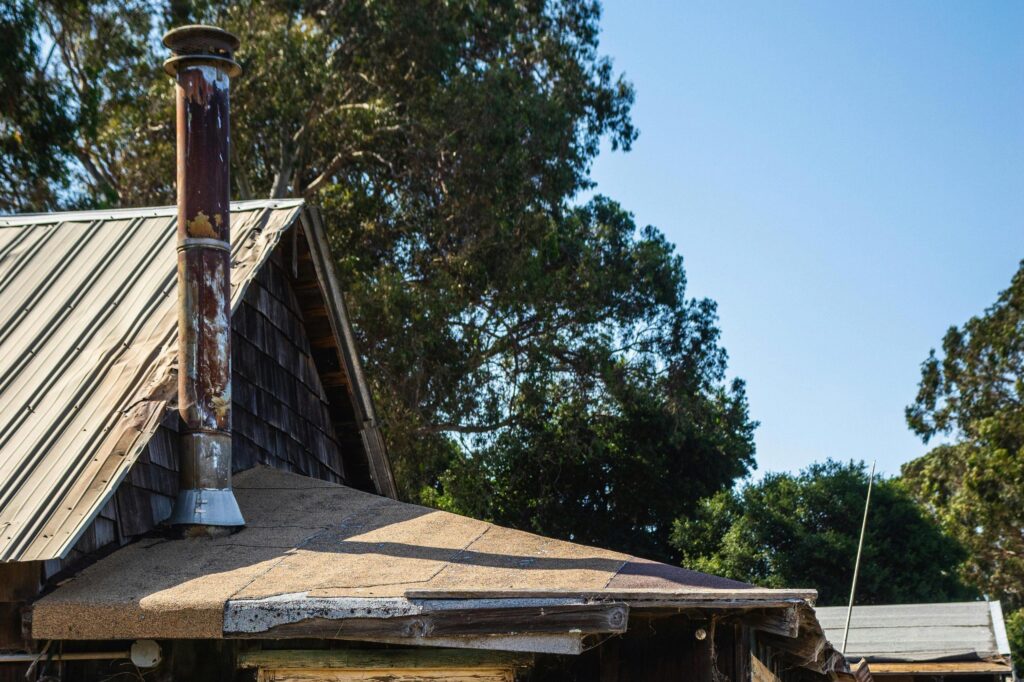
Low-level carbon monoxide (CO) exposure from old heating, cooking, or faulty chimneys can produce headaches, dizziness, confusion, and a sense of unreality, symptoms easily mistaken for anxiety or a supernatural encounter. Older buildings that haven’t had ventilation or combustion appliances checked are more likely to allow CO to build up. Because early CO symptoms are nonspecific and mild, people often attribute their discomfort to the place itself (it feels “weird” or “haunting”) rather than air quality; medical evaluations and CO detectors have resolved many such cases. If an old space causes nausea, confusion, or persistent headaches, check CO as a real, non-supernatural cause.
11. Electromagnetic fields, temporal-lobe effects, and ‘sensed presence’
Researchers have explored whether weak, localized magnetic fields or other electromagnetic effects can produce a “sensed presence” or altered perceptions by interacting with temporal-lobe processing. Controlled experiments (for example, the so-called “God helmet” work) have shown it’s possible to induce a felt presence in the lab under very specific conditions, but field evidence is mixed and controversial. In real old buildings, unusual wiring, stray currents, or nearby infrastructure can sometimes create odd effects, but most scientists conclude EMFs are not a reliable explanation for hauntings; they may contribute in rare cases but don’t universally create ghost experiences.
12. Pareidolia, expectation, and cultural priming

Humans are excellent at spotting faces and patterns, a tendency called pareidolia, and old buildings offer abundant ambiguous shapes: cracked plaster, wood grain, shadowed corners, and patterned stains. Coupled with cultural priming (movies, ghost stories, and local lore), those random patterns get interpreted as meaningful: faces, figures, or movements. Expectation shapes perception; if you enter an aged place thinking it might be haunted, ordinary cues become confirmatory evidence. This blend of pattern detection and cultural suggestion turns purely visual noise into convincing “evidence” of presence, even when nothing unusual occurred there.


