
The Quietest Place In The Solar System
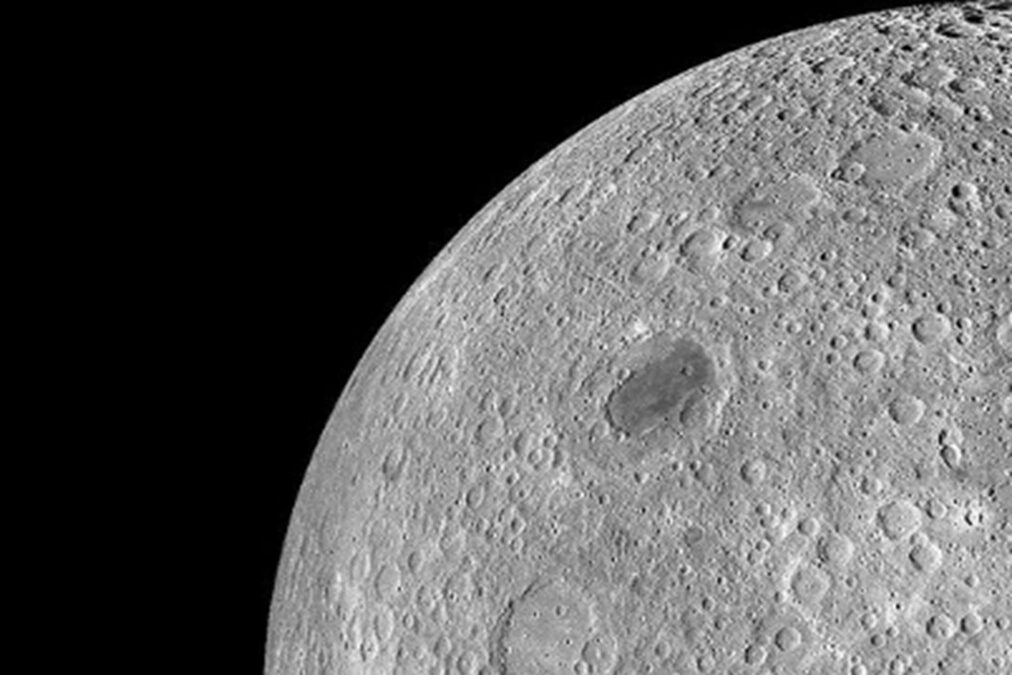
It is interesting how some places stay quiet until the right moment brings them back into focus. For years, the far side of the Moon felt distant and almost forgotten, yet NASA is now turning its attention back with renewed urgency. One reason is surprisingly simple. The far side is incredibly quiet. Unlike Earth, where radio signals from phones, satellites, and communication systems constantly fill the air, the far side of the Moon blocks those signals completely. Scientists see this as a rare opportunity to listen more carefully to the universe without interruption. That quiet alone is enough to draw serious interest again, and it is helping NASA reconsider how valuable this overlooked region might truly be.
When researchers talk about listening to space, they are often searching for faint signals from the early universe. These signals are difficult to detect from Earth because of constant interference. On the far side, those distractions disappear. It becomes easier to study distant galaxies, ancient cosmic activity, and signals that may explain how the universe formed. The more NASA studies this possibility, the more the far side begins to feel less like a mystery and more like a natural next step for deeper space discovery and long term scientific planning.
A Giant Mystery Beneath The Surface
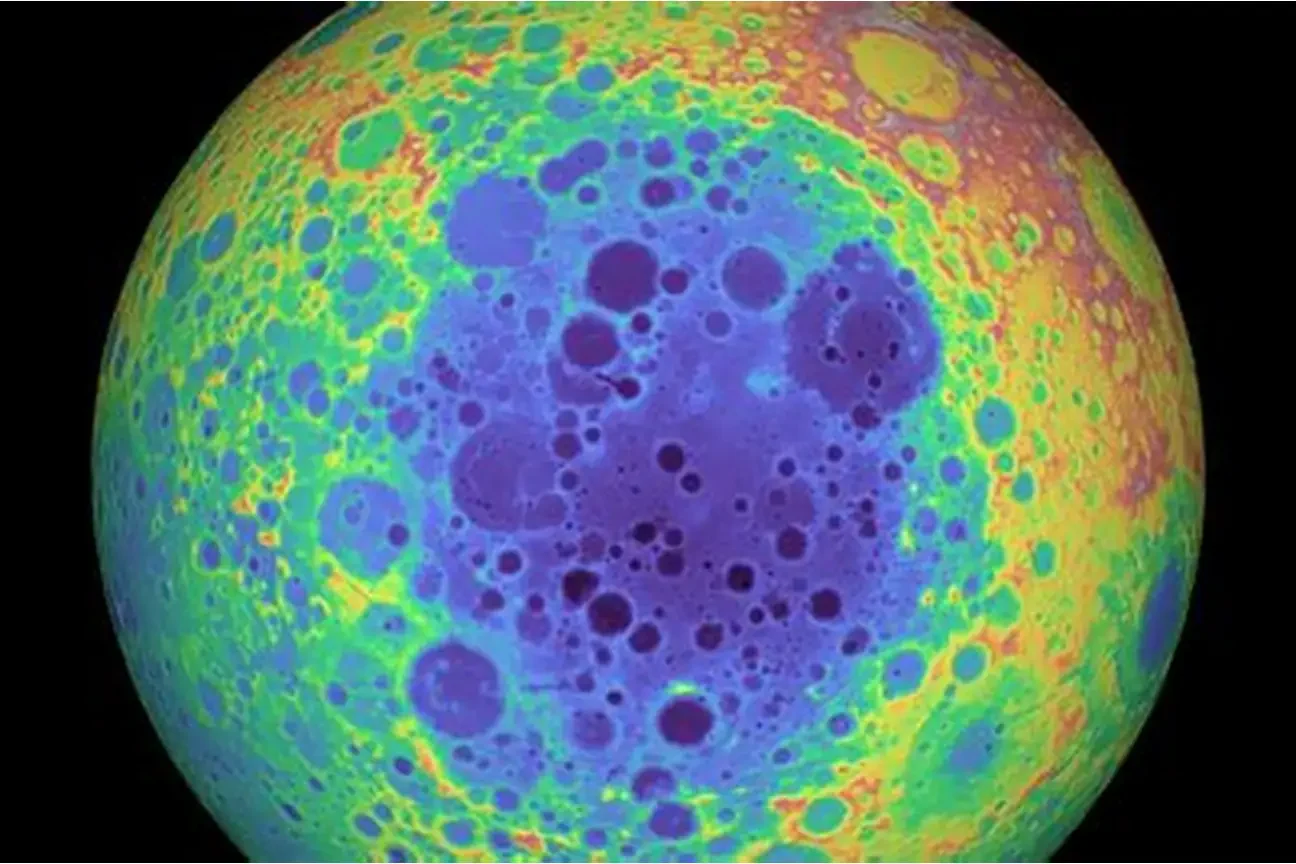
Some parts of space naturally invite curiosity, and the South Pole Aitken Basin is one of those places. It stretches across a huge portion of the Moon’s far side and is believed to be one of the largest impact craters in the solar system. Scientists think it formed billions of years ago, when large objects frequently collided with planets and moons. That violent history may have exposed materials from deep inside the Moon, giving researchers a rare chance to study layers that are normally hidden beneath the surface and difficult to reach using traditional exploration methods.
This possibility makes the far side feel like an open scientific archive waiting to be explored. Instead of drilling deep into the Moon, scientists may already have access to materials brought up by that ancient impact. There are also signs of dense material beneath the surface that researchers still do not fully understand. These unknowns are quietly encouraging NASA to return. It feels similar to rediscovering an old notebook filled with unanswered questions that still matter today and may reshape how we understand the Moon’s early history.
A Stepping Stone To Mars
The Moon is becoming more than a destination. It is slowly turning into a preparation ground for future missions beyond it. NASA has been clear that returning to the Moon is part of a larger plan to eventually send humans to Mars. The far side of the Moon offers conditions that help astronauts prepare for that journey. Communication delays, unfamiliar terrain, and long periods of isolation create an environment that mirrors what future Mars crews might experience during deep space missions far from Earth.
Testing systems in this environment helps NASA understand how astronauts adapt when they are farther from Earth. New technologies, navigation systems, and survival strategies can all be refined before committing to a longer Mars mission. This careful preparation reduces risk and builds confidence. In this way, the far side quietly becomes part of a much bigger story. It is not just about exploring the Moon again. It is about learning how humans can travel farther than ever before, one thoughtful and carefully tested step at a time.
The First Human Return In Over 50 Years
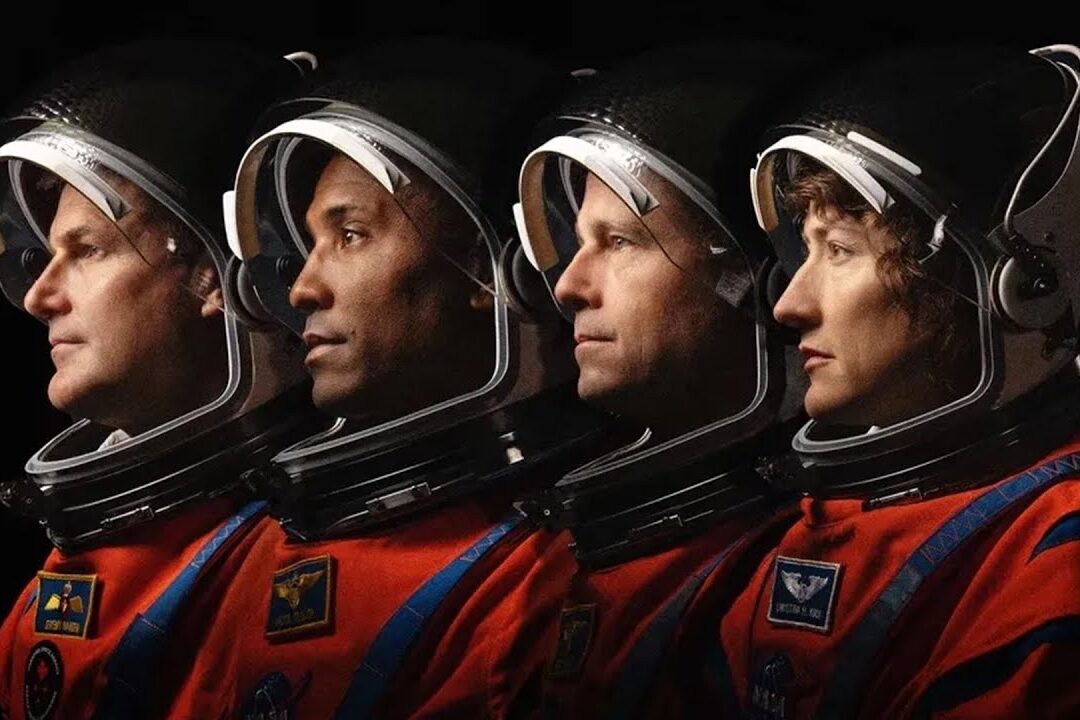
There is something meaningful about returning to a place after decades away. For more than fifty years, no human had traveled far enough to see the Moon’s far side up close. Recent missions have changed that. Astronauts are now traveling farther from Earth than any crew since the Apollo era. That alone marks an important shift in space exploration and signals that NASA is serious about going beyond past limits and continuing human exploration deeper into space once again.
Astronauts who viewed the far side described it as unfamiliar and strikingly different from the Moon we usually see. The terrain appears rougher, more cratered, and less familiar. This sense of rediscovery has renewed interest among scientists and the public alike. The Moon suddenly feels new again. Returning after so many years also allows NASA to use modern technology to explore areas that were previously out of reach. That combination of history and innovation makes this return feel less like repetition and more like the beginning of a fresh chapter.
Searching For Water Ice
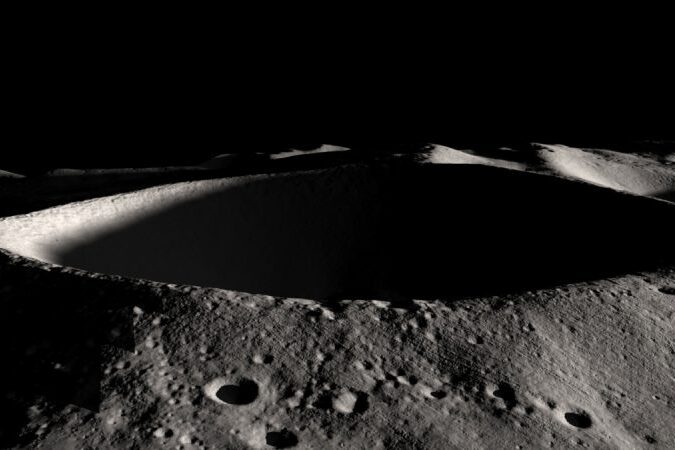
Sometimes the most exciting discoveries are also the most practical. Scientists believe that frozen water may exist in permanently shadowed craters near the Moon’s poles, including regions on the far side. These areas rarely receive sunlight, allowing ice to remain trapped for long periods. The possibility of water immediately changes how NASA approaches future missions and long term plans for human presence on the Moon and sustained exploration beyond Earth.
Water is valuable for more than drinking. It can be converted into oxygen for breathing and hydrogen for fuel. This means astronauts could eventually rely on lunar resources instead of bringing everything from Earth. That shift makes missions more sustainable and cost effective. As NASA studies these shadowed regions more closely, the far side becomes increasingly important. The presence of water could support longer missions, research stations, and future exploration deeper into space, gradually turning the Moon into a stepping stone for broader exploration.
Building Future Lunar Bases
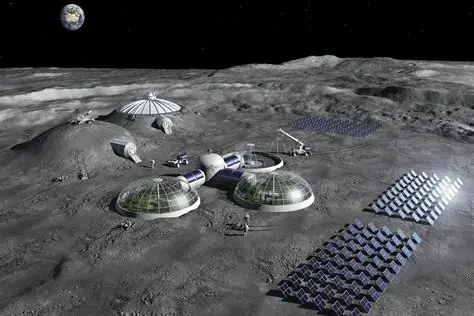
NASA’s return to the Moon is no longer focused on short visits alone. There is growing interest in building long term infrastructure that supports ongoing exploration. The far side of the Moon could eventually host scientific stations, communication systems, and research outposts. This idea reflects a gradual shift from temporary missions to a more sustained presence beyond Earth and a deeper commitment to long term exploration.
Preparations are already underway through robotic missions and data collection efforts. These steps help scientists understand the lunar environment before humans return. By studying terrain, temperature conditions, and radiation levels, NASA can design safer and more efficient missions. Over time, this steady preparation builds confidence. The far side begins to feel less distant and more like a place humans may regularly visit. While these plans may take years to develop fully, each mission quietly moves NASA closer to establishing a long term presence.
Understanding The Moon’s Different Face
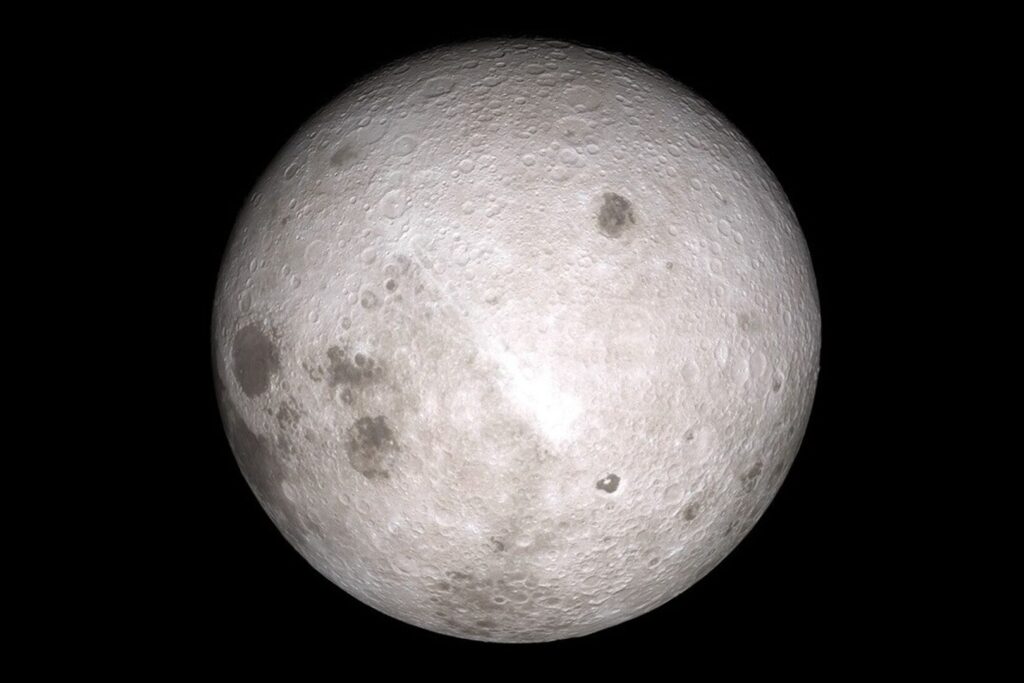
It is easy to assume the Moon looks the same all around, but the far side tells a very different story. When scientists first saw it, they noticed more craters, fewer smooth plains, and a thicker crust compared to the side we see from Earth. These differences raised new questions about how the Moon formed and why its two halves evolved differently. That curiosity has never fully faded, and now NASA is returning with better tools to finally understand what caused this uneven landscape.
Studying these differences could reveal how early impacts shaped the Moon billions of years ago. Some researchers believe volcanic activity influenced the near side more heavily, leaving the far side rougher and older. These contrasts help scientists understand not only the Moon but also how other planets and moons developed across the solar system. The more NASA looks at this unusual terrain, the more it becomes clear that the far side is not just another region. It is a missing piece of the Moon’s story that scientists are ready to read more carefully now.
A Perfect Place For Future Telescopes
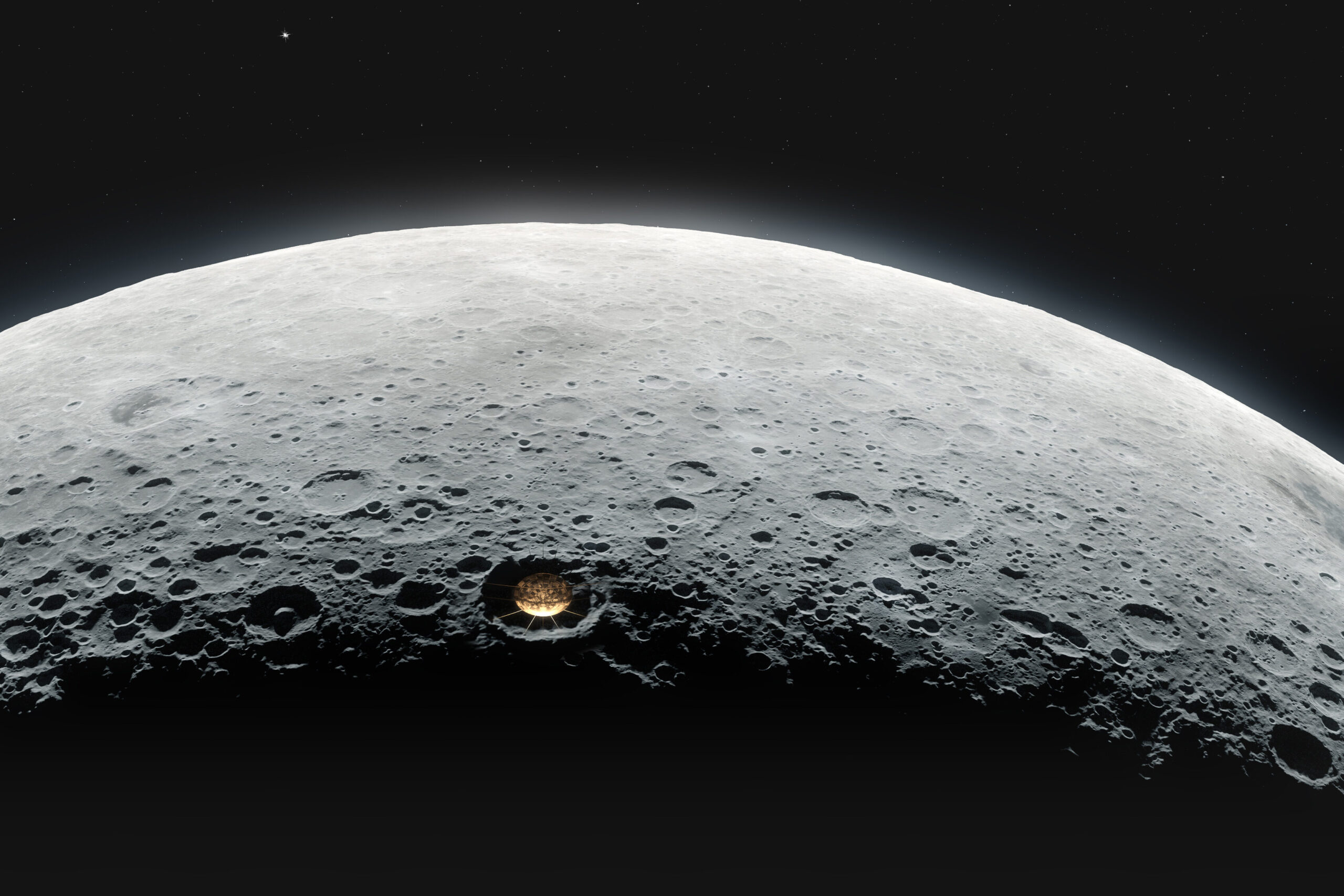
There is something appealing about placing a telescope where distractions disappear. The far side of the Moon offers exactly that. With Earth’s radio signals blocked, scientists can observe space more clearly without interference. This makes the far side one of the best possible locations for future observatories. NASA has been exploring ideas that involve building radio telescopes on the lunar surface, turning the Moon into a listening platform for the universe.
This idea feels practical and forward thinking at the same time. A stable lunar surface allows larger telescopes to be built compared to those launched into orbit. These observatories could study distant galaxies, faint cosmic signals, and planetary systems in greater detail. Over time, the far side could become a hub for astronomical research. The more this possibility develops, the more NASA sees the far side as not just a destination but a tool that helps scientists understand space more clearly.
Testing Communication And Isolation
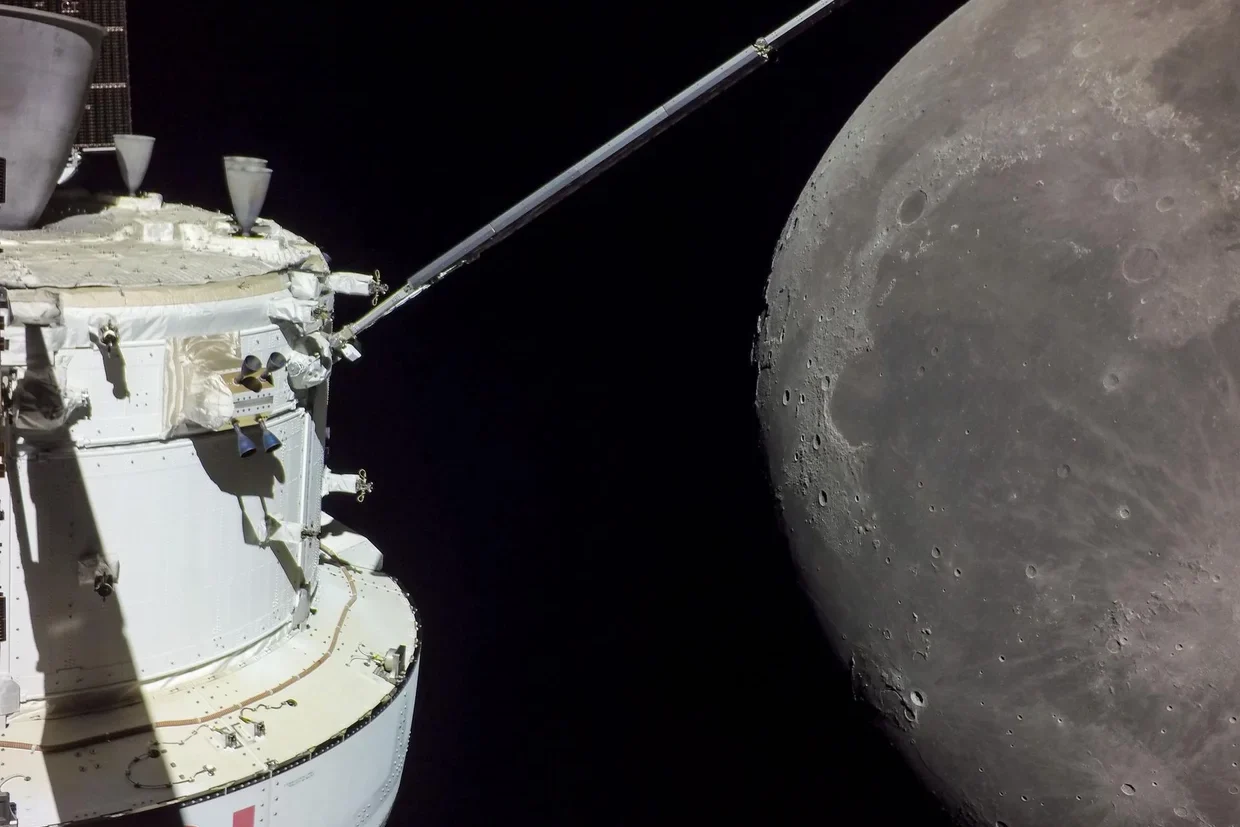
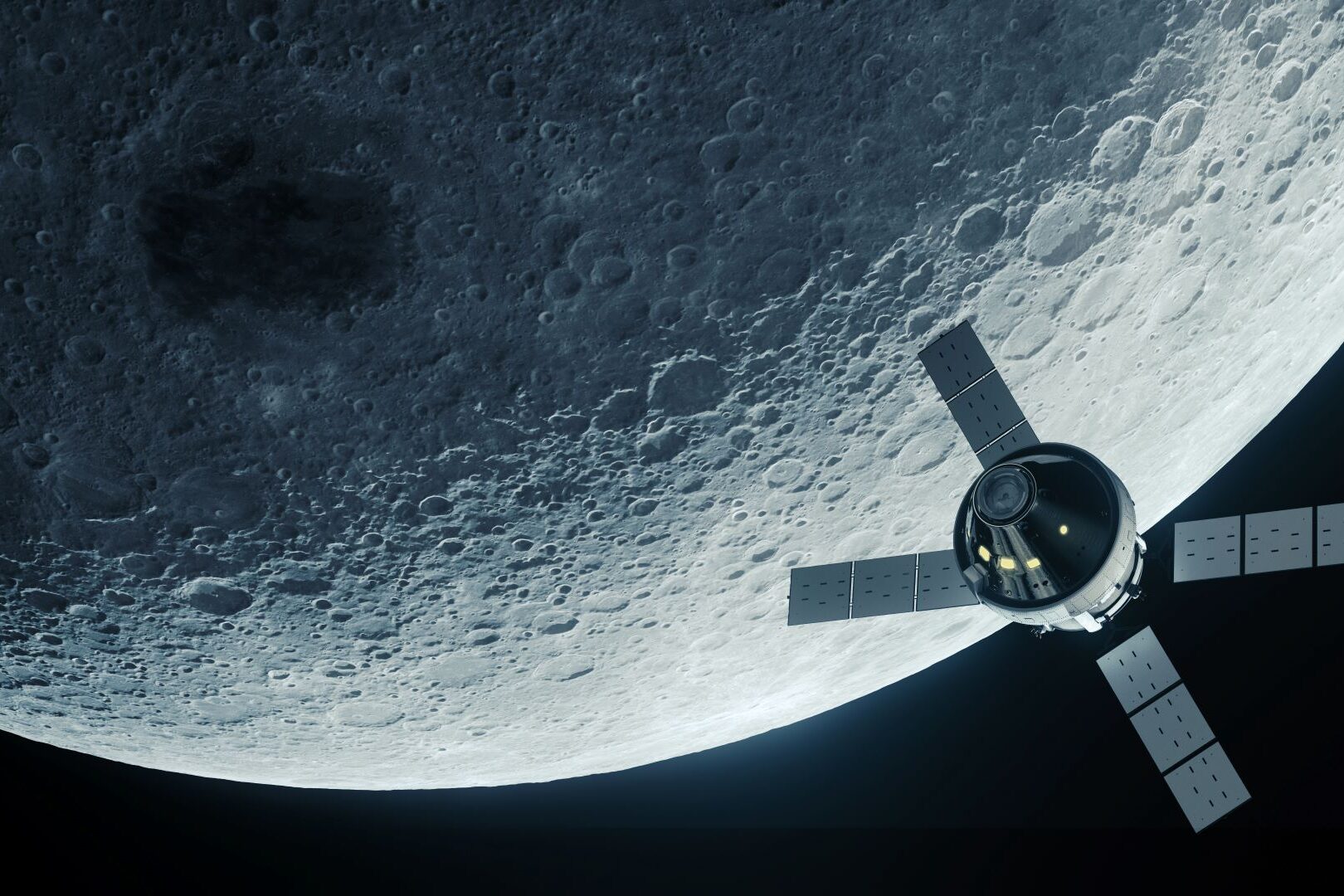
The far side of the Moon naturally creates moments of silence between spacecraft and Earth. When a spacecraft moves behind the Moon, communication temporarily stops. While this may seem like a challenge, NASA views it as a valuable testing opportunity. These communication gaps help researchers study how astronauts operate when they cannot rely on constant contact with Earth. That experience becomes important for future missions deeper into space.
Learning to function independently helps prepare astronauts for long journeys where delays are unavoidable. NASA can also test new communication technologies designed to bridge those gaps more efficiently. This process gradually improves mission safety and reliability. The far side quietly becomes a training ground for independence. It helps NASA understand how crews adapt to isolation, manage resources, and solve problems on their own. These lessons may seem small now, but they become essential as NASA prepares for missions that push far beyond the Moon.
New Technology Ready For New Exploration
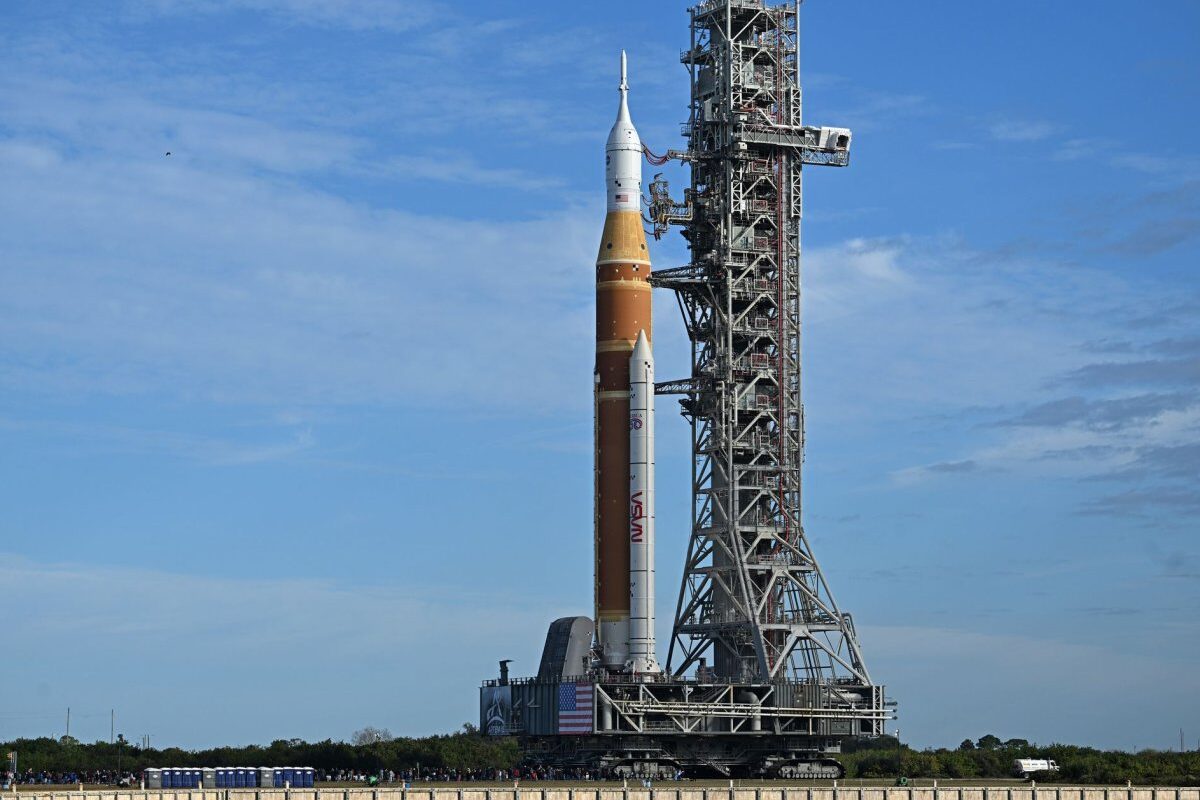
Technology has changed dramatically since the Apollo missions. Today, NASA has access to advanced navigation systems, improved spacecraft, and more precise scientific instruments. These improvements make returning to the far side more practical and productive than before. What once seemed difficult or risky now feels manageable with modern tools and updated mission planning strategies.
New landers, robotic missions, and mapping systems allow scientists to study the lunar surface with greater accuracy. These tools help identify safe landing sites, resource rich areas, and locations for future exploration. As technology improves, NASA can explore the far side more confidently and efficiently. This shift makes the return feel less like repeating history and more like continuing a journey with better preparation. The far side becomes a place where modern innovation meets long standing curiosity.


