
1. Early emotional intensity makes pet memories more vivid

Be it adult or children, losing a first pet often leaves a deep, unique mark on our memory. Some remember the soft purr or wagging tail; others more vividly recall the silence after the pet is gone. From research on earliest childhood pet memories, many people describe their first pet memories as highly emotional and sensory-rich, more so than memories of friends or toys. When that early pet experience involved love, care, play, or loss, those strong emotions encode the memory deeply. Over time, emotional memories tend to persist longer and with more detail than neutral ones, which explains why some people recall that first goodbye with uncanny clarity, even decades later.
2. Loss and grief shape the memory’s tone

For many, the first lost pet is also their first experience with death and grief. Studies show that childhood memories involving animal death, and associated mourning rituals, often carry special emotional meaning and can feel as real as human loss. This mix of innocence, grief, and confusion often imprints the memory in a way that deeply colors how it is later recalled, sometimes with pain, sometimes with a bittersweet longing for what was.
3. Whether it was “your own” pet matters
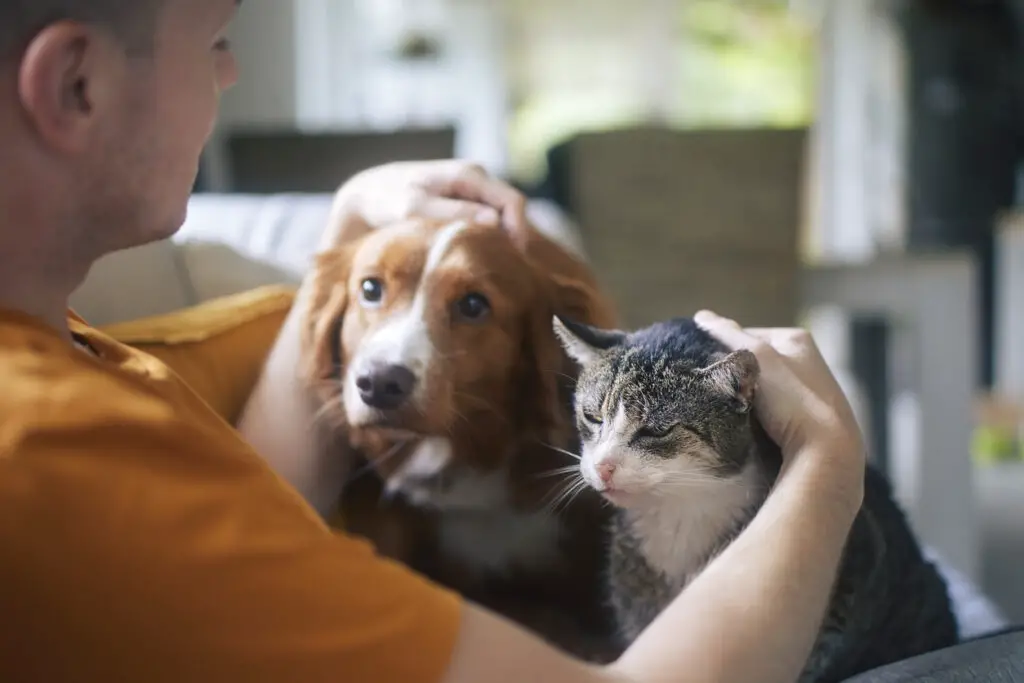
According to research, 83% of earliest childhood pet memories were of one’s own pet, as opposed to a neighbor’s or a friend’s pet. People who grew up with their own pet had stronger attachment, more frequent interaction, and more shared experiences, which naturally makes those memories more personal and easier to recall later. When the pet genuinely felt like part of the family, the memory anchors deeper and tends to stand out.
4. Interactive memories, not just passive recall, strengthen recollection
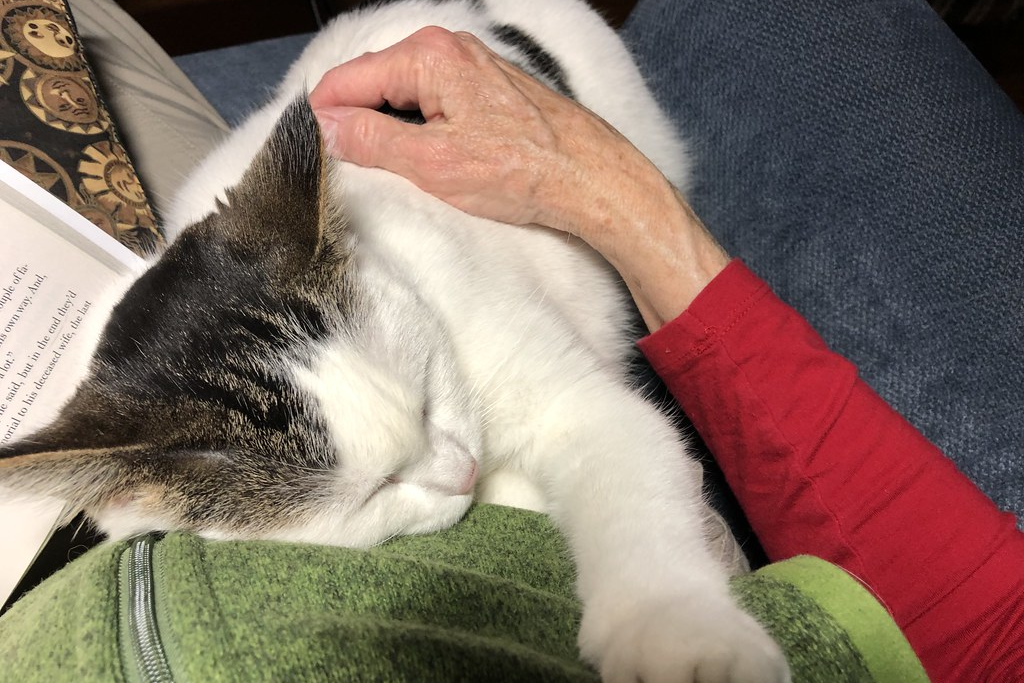
The way we remember a pet often depends on how we interacted with them. In one study, participants whose earliest pet memories involved active engagement, playing, cuddling, feeding, reported more positive memories and also showed more positive attitudes toward pets as adults. Interaction builds stronger bonds, which in turn create richer, more memorable experiences. So if you were the kid tossing a ball to your dog or brushing your cat every day, that first loss might stay more vivid than if the pet was more of a background presence.
5. Childhood attachment through pet offers emotional support and identity
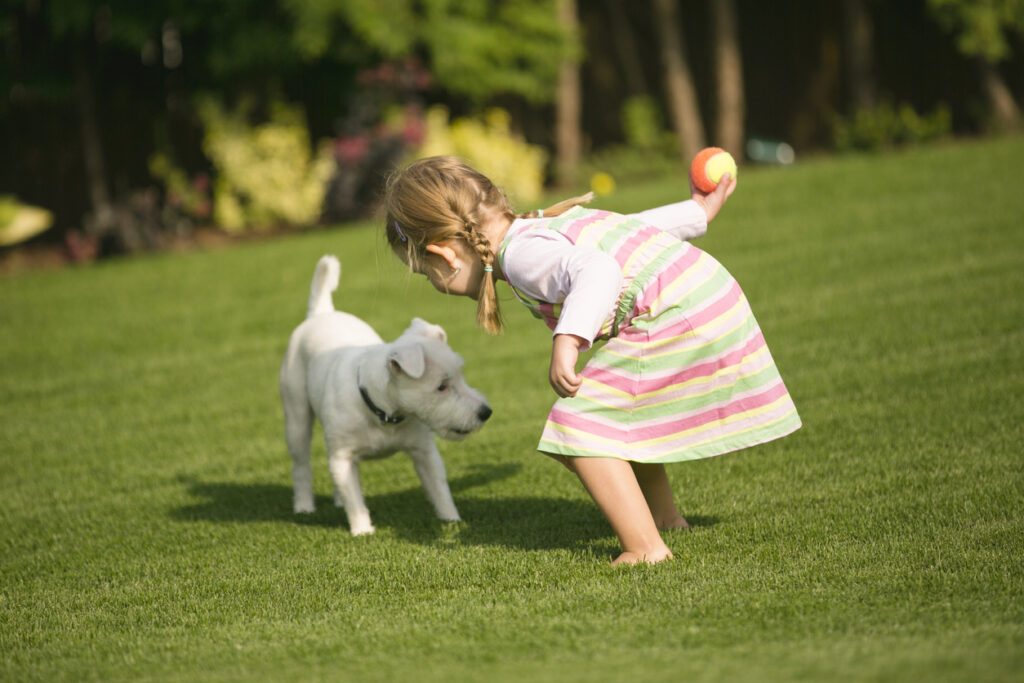
Research in human–animal interactions shows that pets can serve as important emotional supporters for children, especially those lacking stable attachments with human caretakers. In many cases, a pet becomes a confidant, playmate, or safe presence during formative years. As a result, memories of losing such a companion tend to stay alive in a powerful way, tied to both identity and early emotional development.
6. Family circumstances shape how the loss is remembered
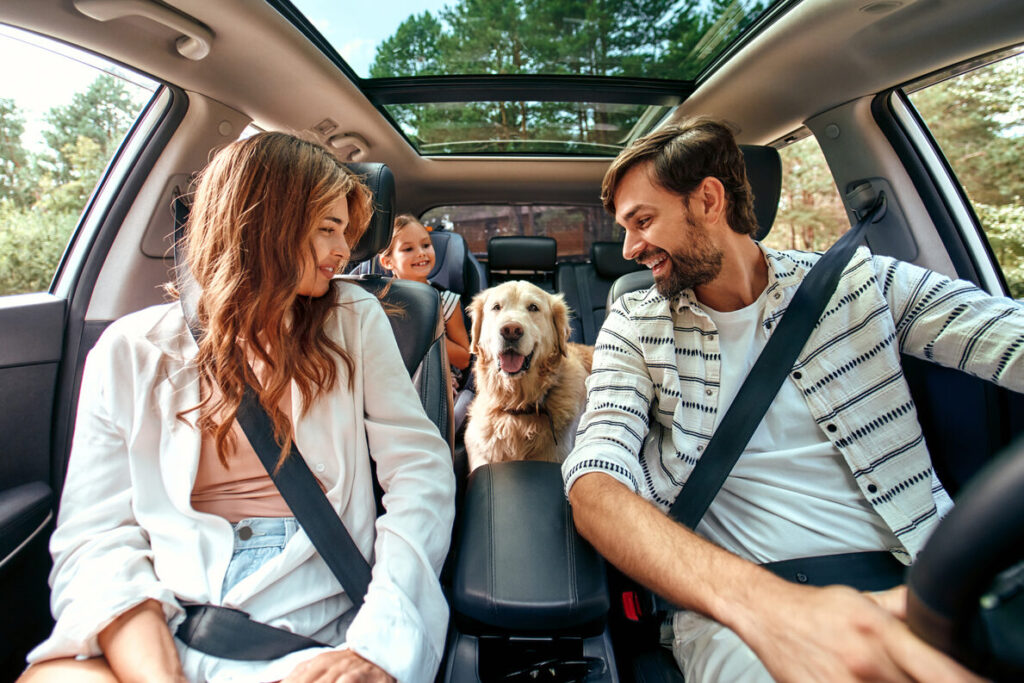
A child’s home environment plays a major role in how their first lost pet is remembered. In households where pets were deeply integrated into daily routines, children tend to recall the loss with stronger emotional detail because the pet was involved in family rituals like trips, mealtime, playtime, and bedtime. In contrast, children growing up in busier or more chaotic homes often remember the loss differently, sometimes more vaguely, sometimes more intensely, depending on whether the pet provided comfort or stability. Psychological studies on childhood bonding show that the context in which a loss occurs shapes not only the emotional weight of the memory but also how often it resurfaces years later. This explains why two people of similar ages might carry entirely different emotional impressions of losing a pet for the first time.
7. The way the pet disappeared affects memory formation

Some pets runaway, some go missing without explanation, and others pass away in the family’s care, and each scenario creates a different memory landscape. Research in memory and ambiguity shows that unresolved events tend to linger longer in the mind, which is why people whose pet simply disappeared often remember the experience with sharper, more lingering emotional edges. The uncertainty of not knowing what happened can magnify the memory over time. Meanwhile, those whose pet passed away due to old age or illness may remember the experience as sad but more complete, especially if the family had time to prepare. These differences in circumstances often explain why the story of a lost pet varies dramatically from person to person and why some memories feel unresolved decades later.
8. The child’s age when the loss happened changes everything
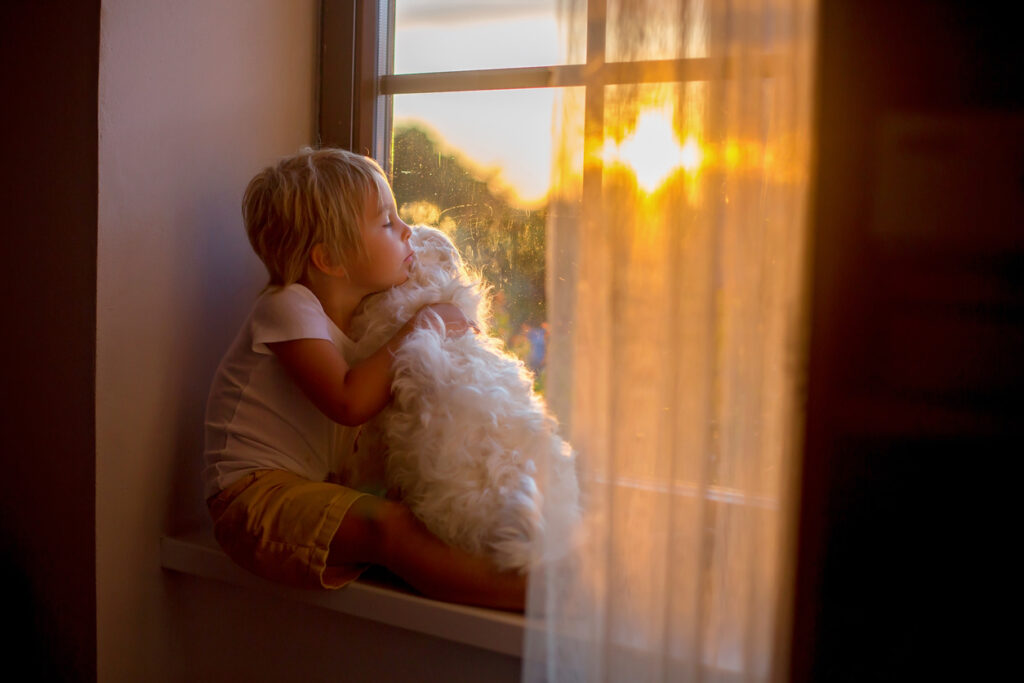
Developmental psychology shows that a child’s age at the time of losing a pet strongly shapes how the event is stored and later recalled. Younger children often do not yet understand permanence, so their memories tend to blend emotion, confusion, and imagination. Older children, capable of grasping concepts like illness or death, often form clearer and more narrative-driven memories of the experience. This difference in cognitive stage is why some adults remember their first lost pet only through fragments, a leash left on the porch, an empty cage, a quiet room, while others can recall detailed conversations and family reactions. Age determines how the mind organizes the event, affecting everything from emotional tone to memory accuracy.
9. Cultural beliefs about pets shape how the loss is processed
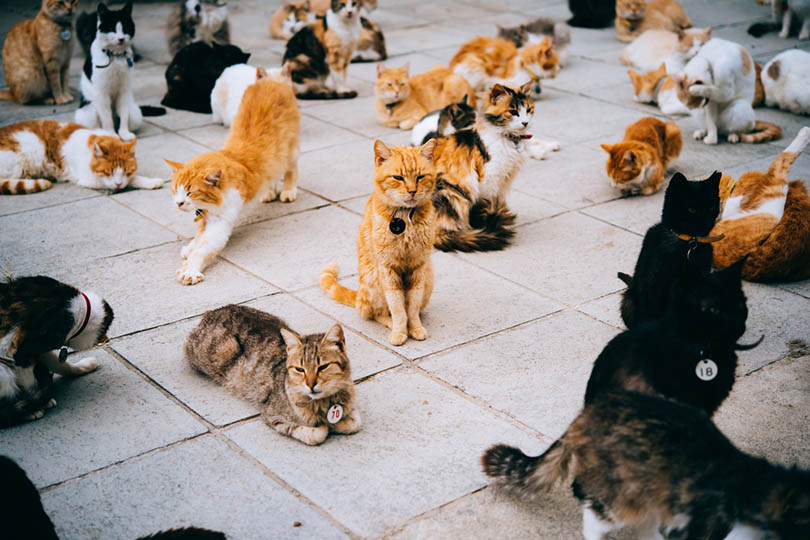
Across cultures, pets hold very different meanings, companions, guardians, workers, symbols of luck, or beloved family members. These cultural beliefs influence how children interpret their first pet’s disappearance or death. In many Western households, pets are treated almost like siblings, making their loss deeply emotional and widely discussed within the family. In other cultures where pets are viewed more practically, the memory may be less emotionally charged but still significant in a different way. Researchers studying cross-cultural pet relationships have found that children internalize their family’s beliefs about animals early, and those beliefs shape how they process loss. This leads to one of the biggest reasons lost-pet memories differ so widely: people aren’t just remembering an animal, they’re remembering what that animal meant in the environment they grew up in.
10. How adults explained the loss influences long-term memory

The words adults choose when explaining a pet’s disappearance or death strongly shape how a child remembers the moment. Psychologists note that children rely heavily on adult interpretations to understand complex events, especially loss. Some parents use gentle metaphors, “She went to sleep” or “He ran away to a new home”, which can create softer but sometimes confusing memories. Others give clear explanations that help children process grief directly. The emotional tone of that conversation often becomes fused with the memory of the pet itself. This is why many adults can recall not only the moment they learned their pet was gone but also where they were sitting, who told them, and how that person’s words made them feel. The explanation becomes part of the memory’s architecture.
11. Pets often mark adult or childhood milestones

For many people, their first pet becomes woven into important adult or childhood moments, birthdays, first days of school, lazy weekends, or those early victories and disappointments that shape growing up. Because the pet is present during these emotional milestones, the eventual loss becomes tied to an entire era of life rather than a single event. Studies in autobiographical memory show that emotionally charged periods of development create strong “anchor memories,” and the presence of a beloved pet during these times intensifies the imprint. This is why the memory of losing a childhood pet can feel like the closing of a chapter, making the details feel sharper and more personal than later losses. The memory is not just about the pet; it’s about everything that happened around them.
12. Pets often help children cope with stress

Research has shown that children turn to pets for emotional regulation during stressful moments. A pet can provide unconditional presence during arguments at home, school challenges, or times of loneliness. When a pet offers that sense of calm and stability, the bond becomes deeply rooted in a child’s coping system. Because of this, the loss of such a pet can feel especially intense and memorable, creating what psychologists call “emotionally encoded memories.” These memories are stored with more sensory detail and emotional context, which explains why many adults vividly remember the exact moment they realized their pet was gone. The role the pet played in helping them handle stress shapes the entire recollection of the loss.
13. Pets shape early ideas about responsibility
A child’s first pet is often their first real introduction to responsibility, feeding, cleaning, walking, or simply remembering to check on the animal each morning. Developmental studies show that when children take active roles in caregiving, they form stronger emotional bonds with the pet and feel more ownership over the relationship. Because of this, the memory of losing that pet tends to be wrapped in feelings of pride, guilt, or accomplishment, depending on the circumstances. Some remember trying their best; others wonder if they could have done more. These layers of responsibility shape the emotional tone of the memory, making it stand out differently from losses where the child had no caregiving role at all.
14. The pet’s personality influences how the memory is stored

No two pets behave the same way, and a pet’s personality often determines how they live in a child’s memory. A mischievous dog, a shy rabbit, a bold parrot, or a gentle cat can each leave distinct impressions that shape how the loss is recalled. Personality-driven memories tend to be rich in detail, the little quirks like a dog who always stole socks or a cat who insisted on sleeping on schoolbooks. These become “signature memories,” which research shows are stored with stronger emotional tagging. When the pet is lost, those defining traits come rushing back, often forming a vivid mental portrait that stays intact for years. This helps explain why some people remember their lost pet almost like a character in their life story.
15. The bond is influenced by how long the pet was in the family

The duration of a pet’s presence in a child’s life directly impacts how that loss is remembered. A pet who accompanied a child from toddlerhood through early adolescence becomes tied to many developmental phases, making the memory of their loss broad and emotionally layered. Conversely, a pet who was only part of the family briefly may still be remembered clearly, but the emotional context is narrower. Studies on attachment duration show that longer relationships create more interconnected memories, meaning the loss is often recalled with deeper nostalgia and richer detail. People frequently say their first long-term pet “felt like they’d always been there,” which is why the loss becomes such a defining memory.
16. Pets often represent a child’s first sense of independence

For many children, a first pet becomes their earliest experience with independence, the first time they’re trusted to perform daily tasks without supervision. Walking a dog down the street, filling a water bowl, or brushing a rabbit can feel like important milestones. Psychologists note that when responsibility and autonomy overlap, memories become more personally meaningful and are stored with greater emotional weight. As a result, when that pet is lost, the memory often carries a double impact: the grief over the animal and the sense that an early chapter of personal growth has closed. This blend of independence and attachment makes the recollection feel uniquely different from other early memories.
17. Sensory details make the memory stronger

Pet memories often linger because they are rich with sensory input, the softness of fur, the jingle of a collar, the warmth of a sleeping animal beside a child. Research on sensory memory suggests that multisensory experiences are encoded more deeply, especially when tied to emotional events. Because pets engage children through touch, sound, sight, and even smell, the memory of losing them becomes filled with vivid sensory cues that survive long after other childhood details fade. Many adults can still recall the feel of their first pet’s paws or the sound they made running through the house. These sensory fragments keep the memory personal and sharply distinct from other early experiences.
18. Pets often become a child’s first confidant

Children frequently talk to pets as if they’re trusted friends. Studies in child psychology show that kids often share secrets, frustrations, and hopes with their pets because they feel safe from judgment. When a pet serves as an emotional confidant, the bond becomes deeply intimate, even if the animal doesn’t understand the words. Losing that confidant can feel like losing the one being who listened unconditionally. As adults, people often remember the loss in terms of emotional closeness rather than the event itself, the way the pet quietly stayed near them or seemed to understand their moods. This private bond makes each person’s memory of their lost pet highly specific and deeply personal.
19. The way the family handled grief shapes the memory

When a pet dies or disappears, the family’s reaction becomes part of the child’s memory. Some families hold small ceremonies, create memorials, or openly discuss their feelings. Others move on quickly or avoid the topic to protect the child from sadness. Research shows that children rely heavily on family cues to understand how to interpret loss, and these cues imprint onto the long-term memory of the event. A family that grieved together often leaves the child with a clearer, more emotionally supported recollection. A family that stayed silent may leave the memory fragmented or more emotionally confusing. These differences help explain why people recall their first lost pet in such varied ways.
20. Pets help children form early identity, influencing how the loss is remembered

A child’s identity often takes shape around the roles they play, and having a pet can be a central part of that identity, “the kid with the cat,” “the boy who loves birds,” or “the girl who always walked her dog.” Studies show that when something becomes tied to self-concept during childhood, memories involving it gain lasting clarity and significance. So when a first pet is lost, the memory stays strong partly because it represents more than companionship; it reflects who the child believed themselves to be at that time. Losing the pet can feel like losing a piece of that early identity, which is why the memory remains emotionally charged and deeply personal.
21. Pets teach children about empathy
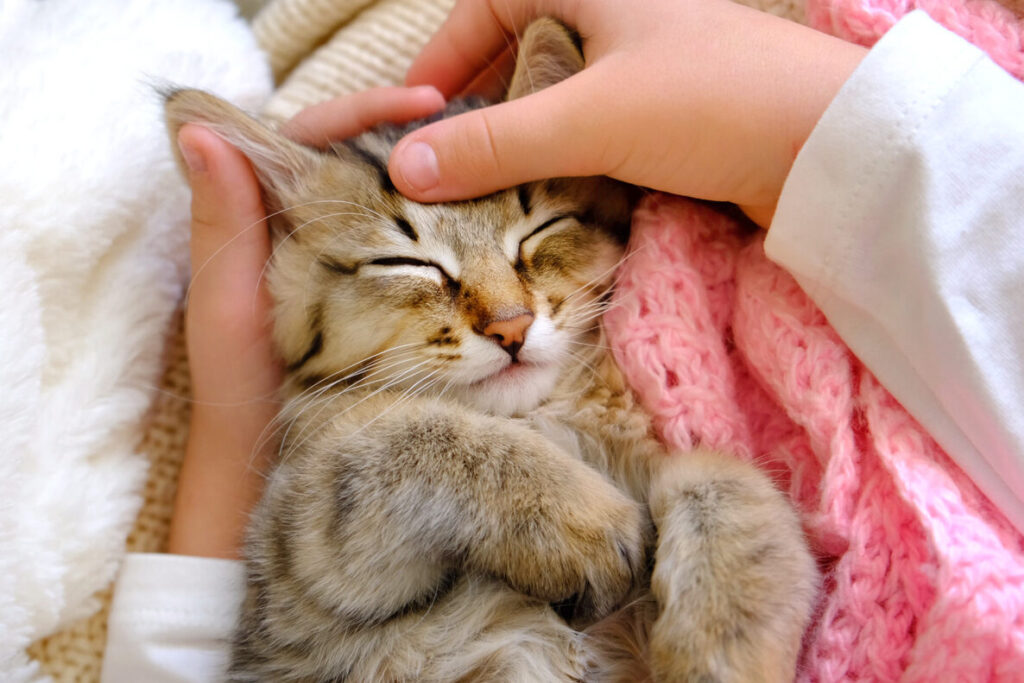
Pets often become a child’s earliest teachers of empathy, learning to recognize when an animal is hungry, scared, playful, or tired. Studies in developmental psychology have found that children who grow up around pets show higher levels of emotional understanding and compassion. Because pets respond directly to the child’s care and attention, the relationship becomes an ongoing emotional exchange. When that pet is lost, the memory is not just about the disappearance; it becomes tied to the child’s first experiences recognizing and responding to another being’s feelings. This makes the memory especially powerful, staying with people long into adulthood as one of their earliest lessons in kindness and emotional connection.
22. The community’s reaction helps frame the memory

In many neighborhoods, a lost pet becomes a community event, neighbors join searches, posters appear on poles, and local children spread the word. This collective involvement can shape how a child remembers the loss. Research on social memory shows that shared events are more easily recalled and tend to feel bigger than they actually were. When a whole community participates in the search or expresses sympathy, the memory becomes more dramatic, interconnected, and detailed. On the other hand, if the event unfolded quietly or privately, the memory may feel smaller but more personal. A child’s perception of how seriously others took the loss helps determine how important that moment feels decades later.
23. Nostalgia intensifies childhood pet memories over time
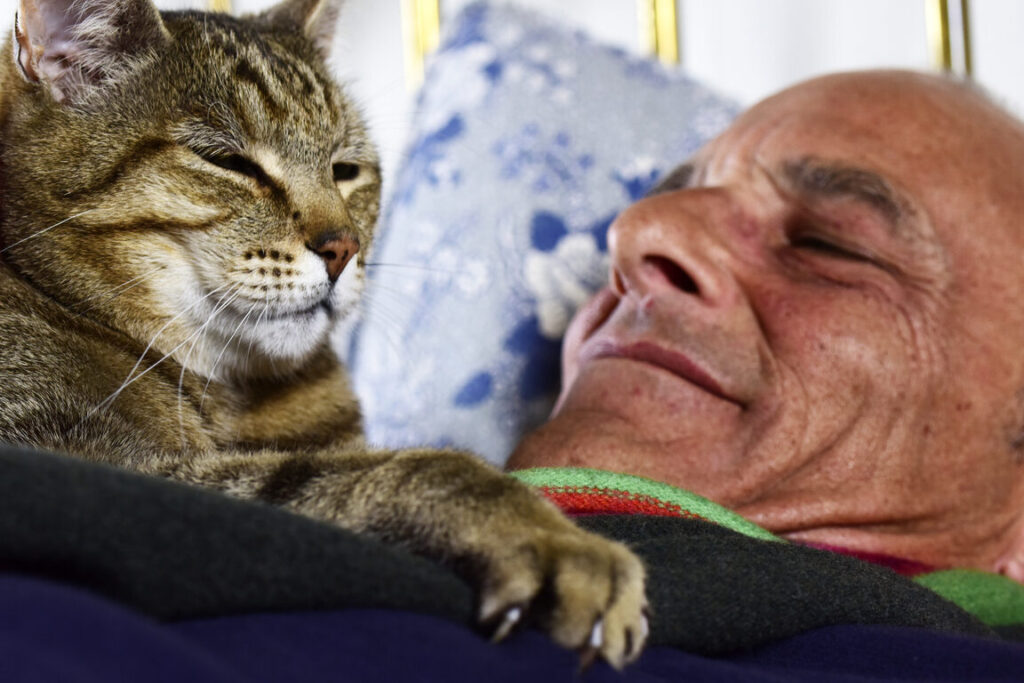
Nostalgia plays a powerful role in how people remember their first lost pet. As adults look back on simpler childhood years, pets often symbolize innocence, comfort, and unconditional affection. Psychological research shows that nostalgic memories become more emotionally amplified as time passes, especially when tied to formative experiences. This means the story of a long-lost pet may feel more emotional today than it did at the time. Memory adds warmth, vividness, and meaning, turning a simple loss into a defining moment in a person’s life narrative. This is why adults often recall their first lost pet with a mixture of sadness and fondness that grows stronger over time.
24. The pet’s role in the household affects how the loss is remembered
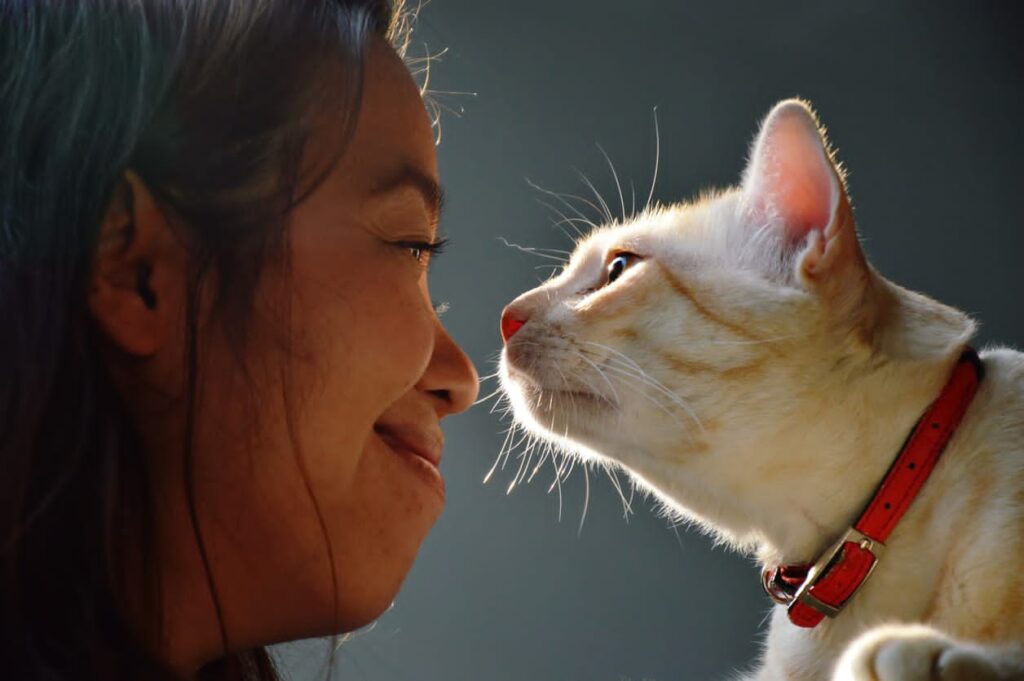
Not all pets have the same level of presence in a home. Some pets follow children from room to room, sleep on their beds, or sit under the dinner table every night. Others stay mostly in cages or outside spaces. Research in attachment theory suggests that animals with higher household involvement create stronger relational bonds. When such a pet is lost, the absence is felt in everyday routines, making the memory of that loss clearer and more emotionally loaded. Conversely, pets with a quieter household role may still be remembered fondly, but with fewer daily associations. How central the pet was to family life heavily influences the shape and intensity of the final memory.
25. Many people relive the moment through old photos or stories
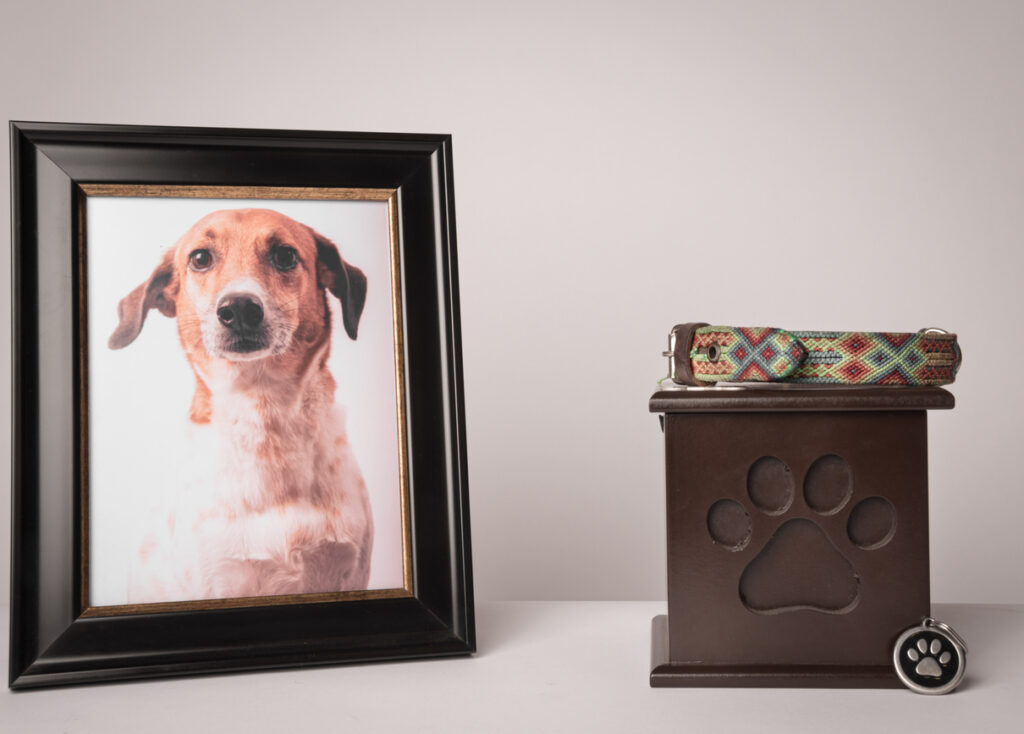
Photos, home videos, and family stories keep childhood pet memories alive long after the actual events fade. Memory research shows that visual cues strengthen recall by reactivating emotional pathways linked to the original experience. When families revisit old pictures or retell stories about a pet, the child, and later the adult, forms a more vivid and unified memory of that animal’s life and eventual loss. These retellings can even shape how the person interprets the event, highlighting certain moments while softening others. This is why the memory of a first lost pet often remains clear: families tend to preserve the happy, funny, or meaningful moments, keeping the pet present in the family’s collective story.
26. The uncertainty of what happened can make the memory stronger

When a pet disappears without explanation, the lack of closure often creates a stronger, more persistent memory. Psychological studies on ambiguous loss show that unresolved situations linger in the mind far longer than events with clear endings. Children may replay the moment of the pet’s disappearance, imagine possible outcomes, or hold onto hope long after the event. This emotional loop reinforces the memory, making it sharper and more enduring than losses where a family understood what happened. Many adults still recall searching yards, calling their pet’s name, or watching the door in case the animal returned. The unanswered questions become part of the story, giving the memory a lasting emotional charge.
27. The reaction of siblings can shape how the moment is remembered

Siblings often process the loss of a pet together, and their reactions can deeply influence how each child remembers the event. If siblings cried, searched together, or shared stories about the pet, those shared emotions form a collective memory that feels larger and more significant. Research on sibling experiences during emotional events shows that children often mirror each other’s reactions, which strengthens emotional recall. On the other hand, if one sibling handled the loss calmly while another struggled, the contrast can define how each one remembers the moment. These interpersonal dynamics color the memory, turning a private experience into a shared chapter of childhood.
28. Pets often symbolize safety and comfort
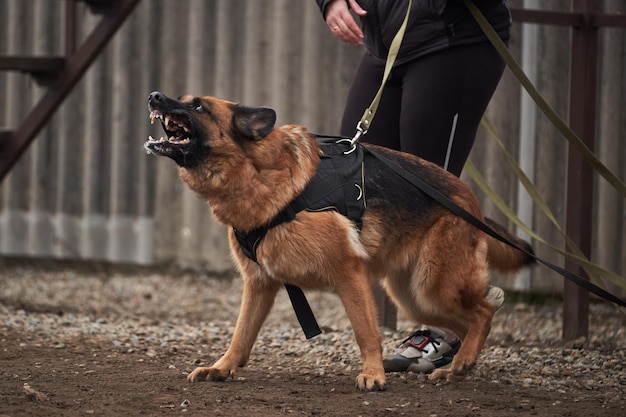
For many children, a pet represents a safe presence, someone who is always nearby, always listening, protecting, and always loving. Studies on emotional security show that animals can act as grounding figures for kids, offering calm during fear, loneliness, or change. When such a source of comfort disappears, the memory tends to be vivid because it marks a sudden shift in emotional stability. Adults often remember their lost pet not only for who the animal was, but for the sense of safety it provided during uncertain moments. This emotional anchor is why the memory stays so powerful and personal across decades.
29. Children often remember symbolic “last moments”
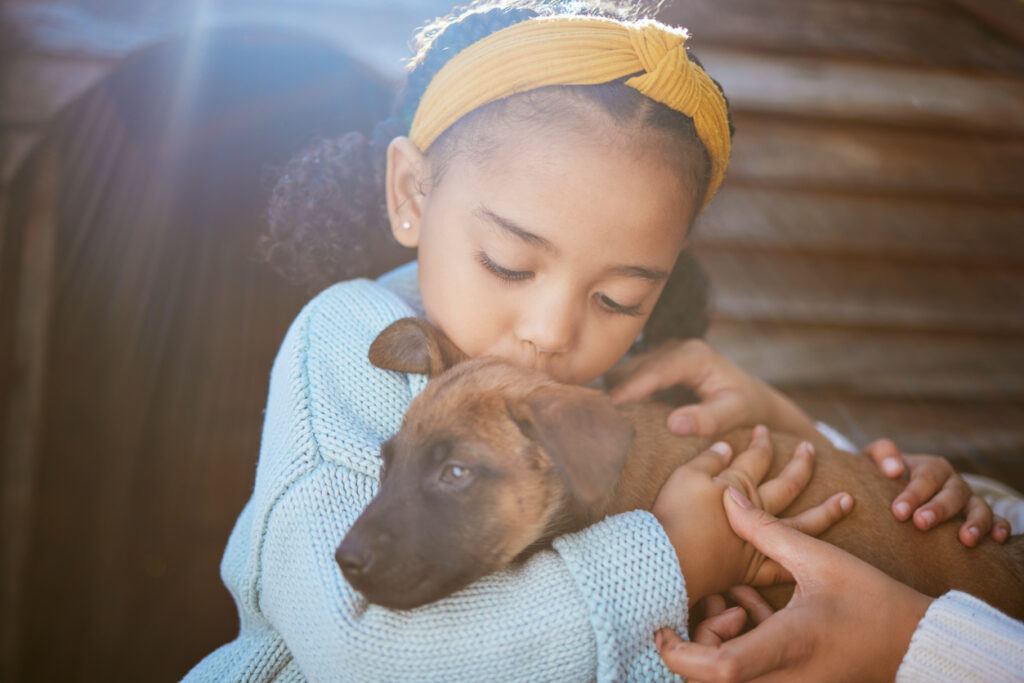
Many people recall a specific “last moment” with their childhood pet, a final hug, the last time they saw the animal waiting at the door, or a quiet moment sitting together. Even when these memories are brief, they are emotionally heightened, and research shows heightened moments are stored more vividly in long-term memory. Children often interpret these final interactions symbolically, seeing them as goodbyes even if they didn’t understand the situation at the time. As adults, these snapshots become some of the clearest images from early life: a pet resting its head, a familiar sound disappearing, or the last glimpse before everything changed.
30. The loss becomes a “first lesson” people never forget

For many people, losing a first pet becomes one of life’s earliest lessons in love, responsibility, and grief. Developmental psychologists often describe these moments as “first formative losses,” events that shape how children understand the world and how they handle future emotional challenges. Because it is a first, the lesson stands out: learning that life changes, that goodbyes happen, and that memories matter. This is why adults can recall their first lost pet with such clarity even if many years have passed. It isn’t just about the animal, it’s about the moment they realized how deeply they could care, and how deeply that caring could hurt.
Their loss stays with people not only as a moment of sadness, but as a lesson that helped shape the way they understand connection and compassion. However the memories differ, they remain powerful reminders of the bonds that shape us early in life.
This story Why Everyone Remembers Their First Lost Pet Differently was first published on Daily FETCH


