
1. Dogs Have Different Sleep Cycles Than Humans
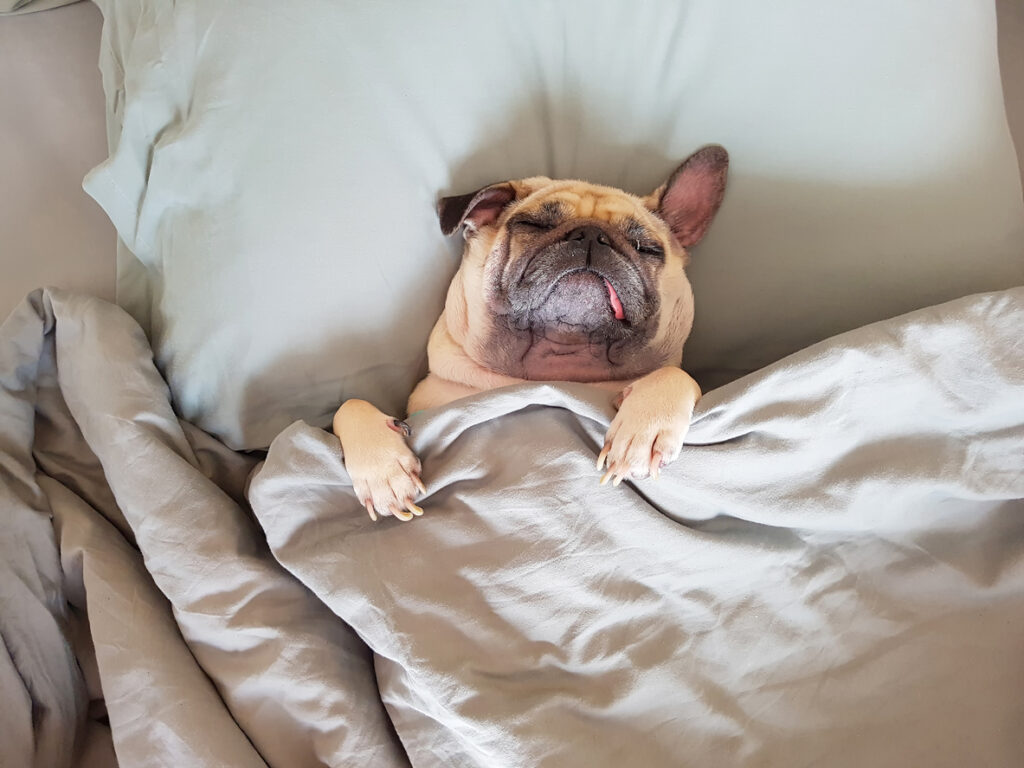
Unlike humans, dogs experience a polyphasic sleep pattern, meaning they sleep in multiple short bursts throughout the day. They cycle through light sleep and deep sleep much faster than humans.
2. Age Plays a Big Role
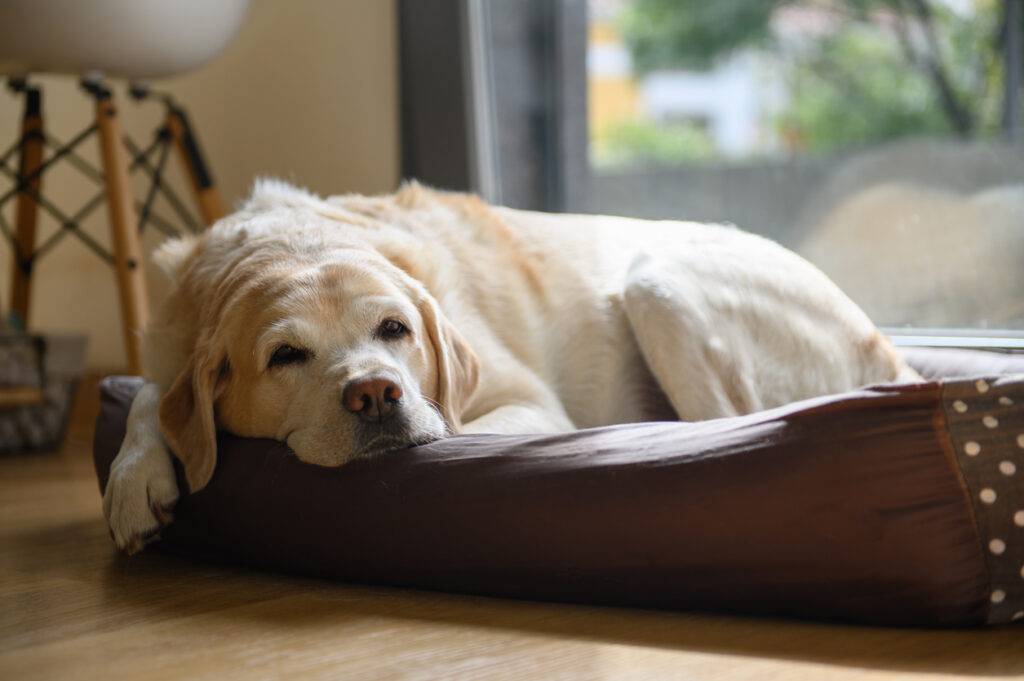
Puppies and senior dogs tend to sleep the most. Puppies need extra rest to support their rapid growth and learning, while older dogs may nap more as they slow down with age.
3. The Breed Factor
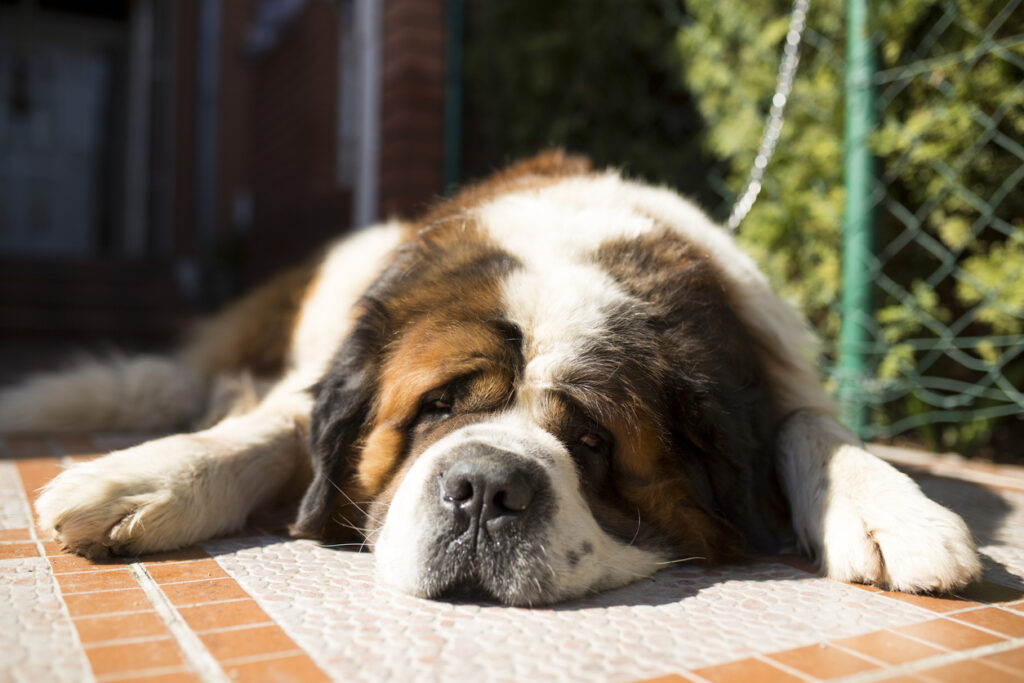
Certain dog breeds are natural nappers. Larger breeds, like Mastiffs and Saint Bernards, are known for their “gentle giant” personalities – and their impressive snooze skills.
4. Energy Expenditure During Wakefulness
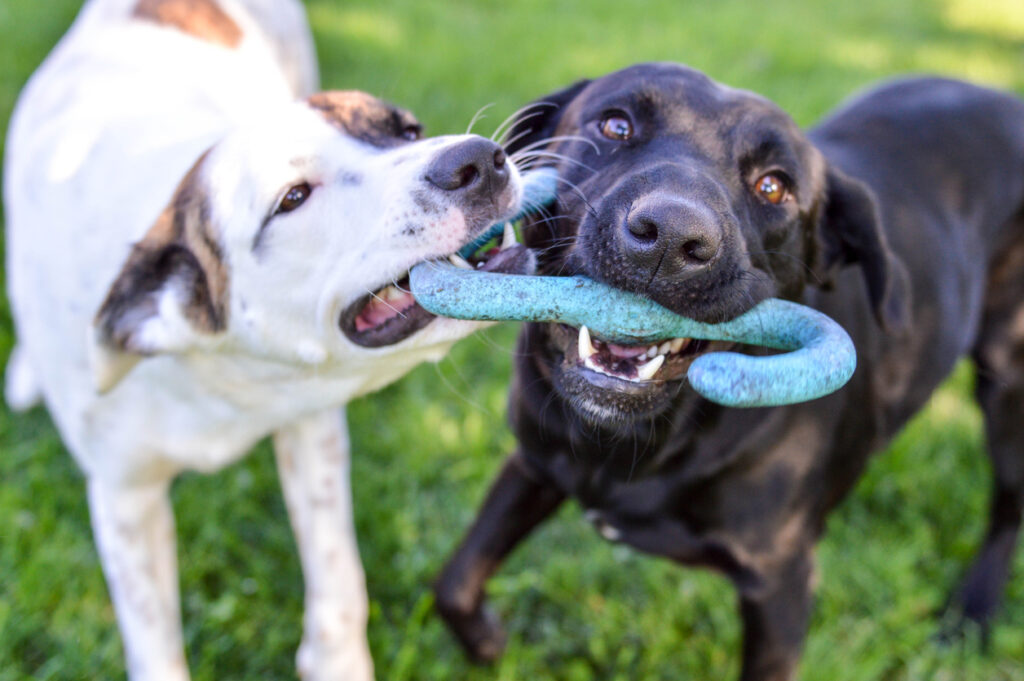
When awake, dogs often engage in bursts of activity, whether it’s playtime, walks, or sniffing around. This high energy expenditure can lead to longer recovery naps.
5. Dreaming Just Like Us
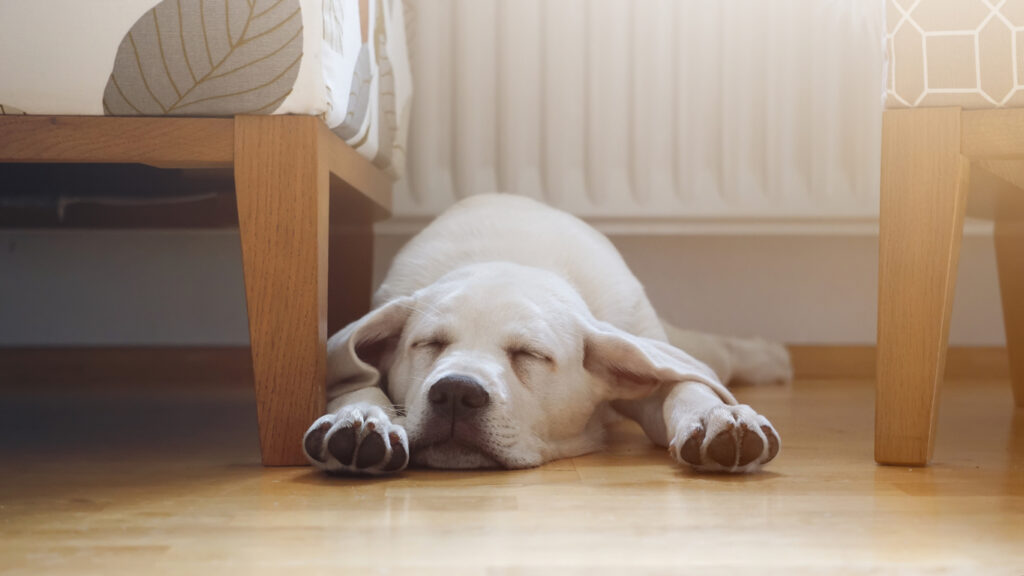
Ever notice your pup twitching, whimpering, or running in place during sleep? Dogs experience REM (Rapid Eye Movement) sleep, which is when dreaming occurs. They could be chasing squirrels in their sleep!
6. Dogs Need to Recharge for Vigilance
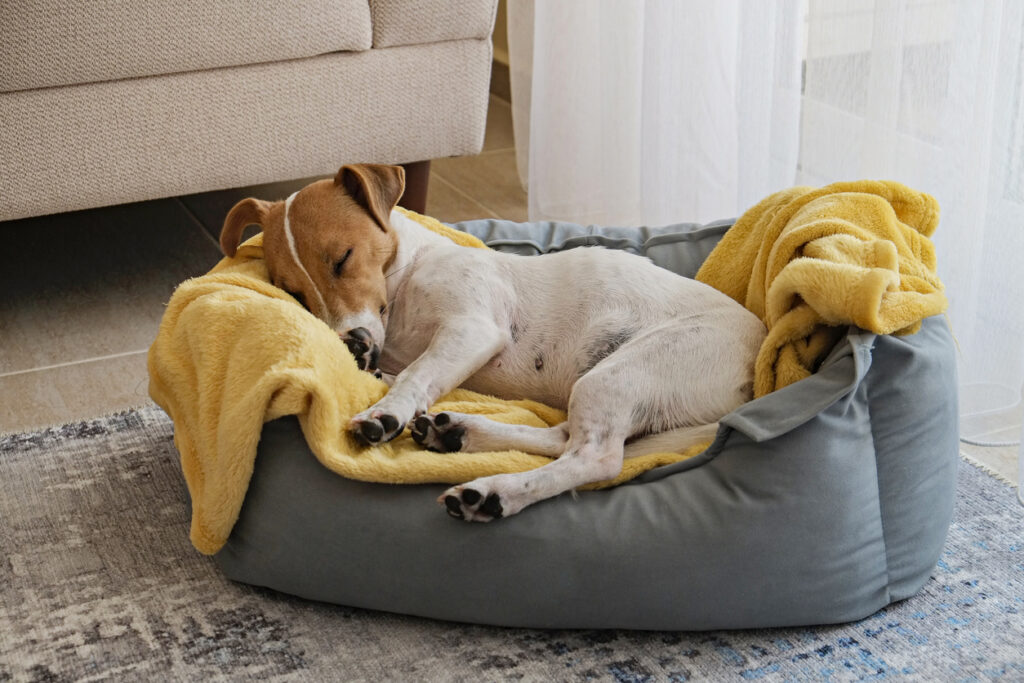
Dogs often sleep a lot to store up energy for their alert and protective duties. Even when seemingly resting, they remain tuned in to their surroundings, ready to react.
7. Emotional Well-being Impacts Sleep

Stress, anxiety, or changes in routine can affect your dog’s sleep patterns. Ensuring a predictable environment and positive interactions can lead to more restful sleep.
8. Hunting Instincts Play a Role

In the wild, dogs’ ancestors needed ample rest between hunts to conserve energy. While domesticated dogs don’t hunt for food, this evolutionary trait still influences their sleeping behavior.
9. Naps Are Essential for Learning
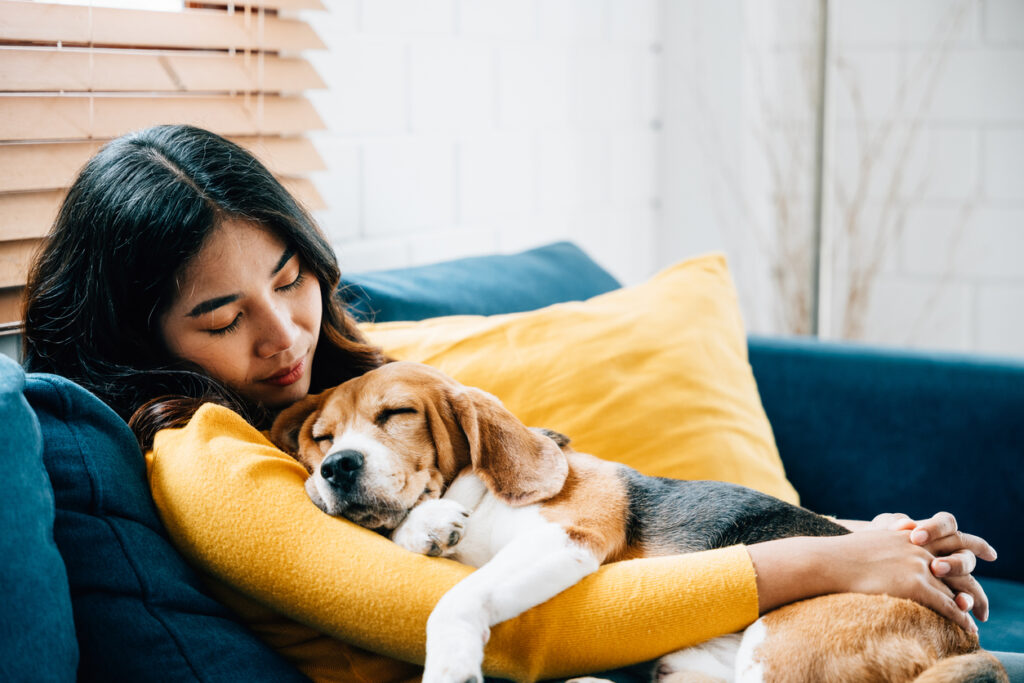
Sleep helps consolidate memory in dogs. Puppies learning commands, tricks, or social cues often sleep more as their brains process all the new information.
10. Temperature Regulation Through Sleep
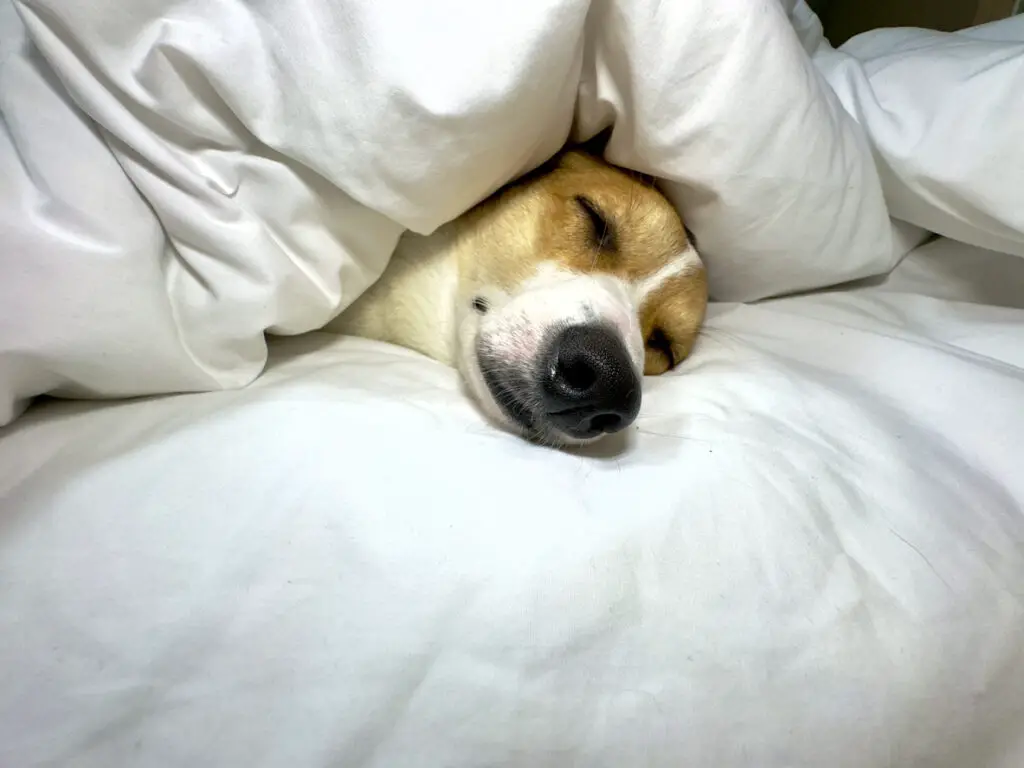
Dogs may sleep more during hot or cold weather to regulate their body temperature. Extreme temperatures can lead to decreased activity and more shut-eye.
11. Their Day-to-Day Lives Affect Sleep
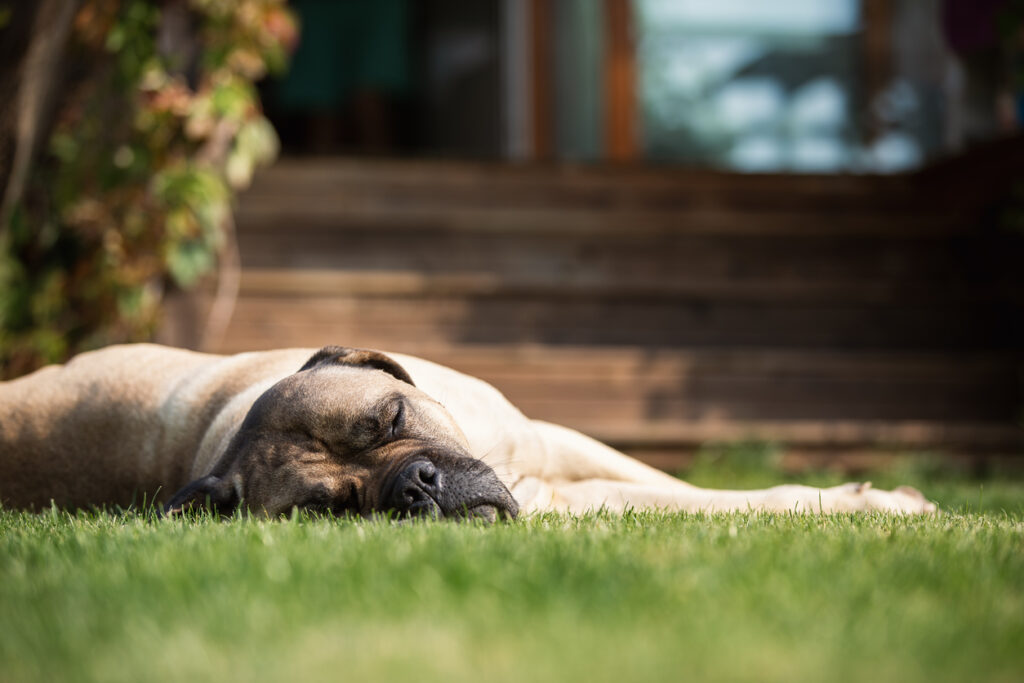
The amount of physical and mental activity a dog gets affects its sleep duration. More exercise and stimulation can lead to deeper and longer rest periods.
12. Health Conditions and Medications Can Increase Sleep
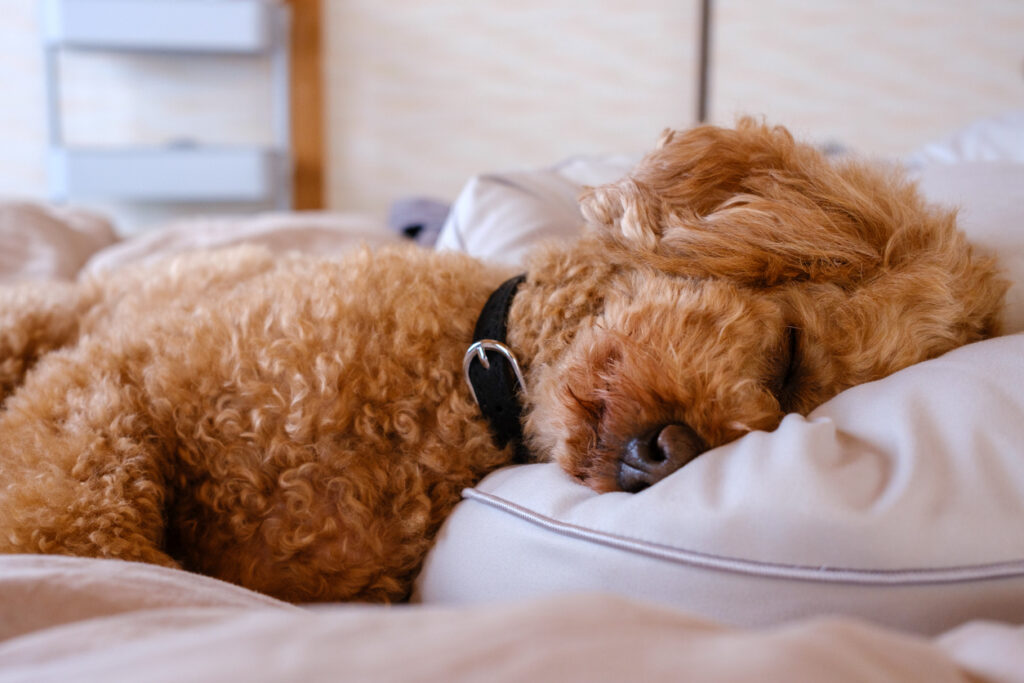
Certain medical conditions, such as hypothyroidism, can lead to excessive sleep. If your dog seems overly tired, it’s best to consult a veterinarian to rule out any issues.
13. They’re Master “Boredom Nappers”
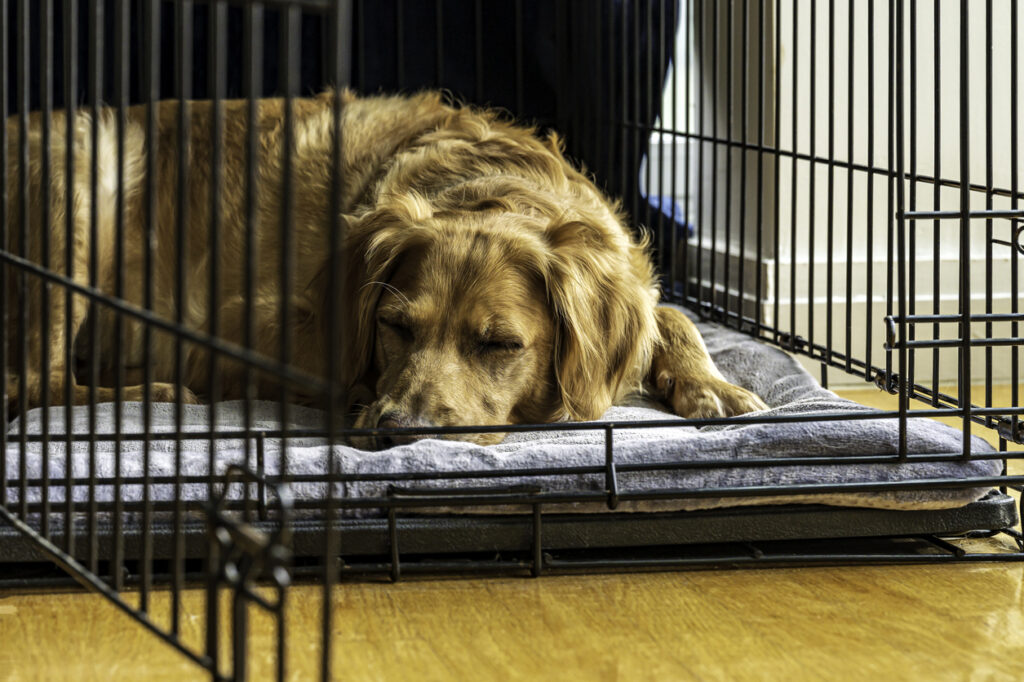
Dogs may sleep more out of boredom. Without enough mental stimulation or social interaction, they might choose to nap the day away.
14. It’s Perfectly Normal!
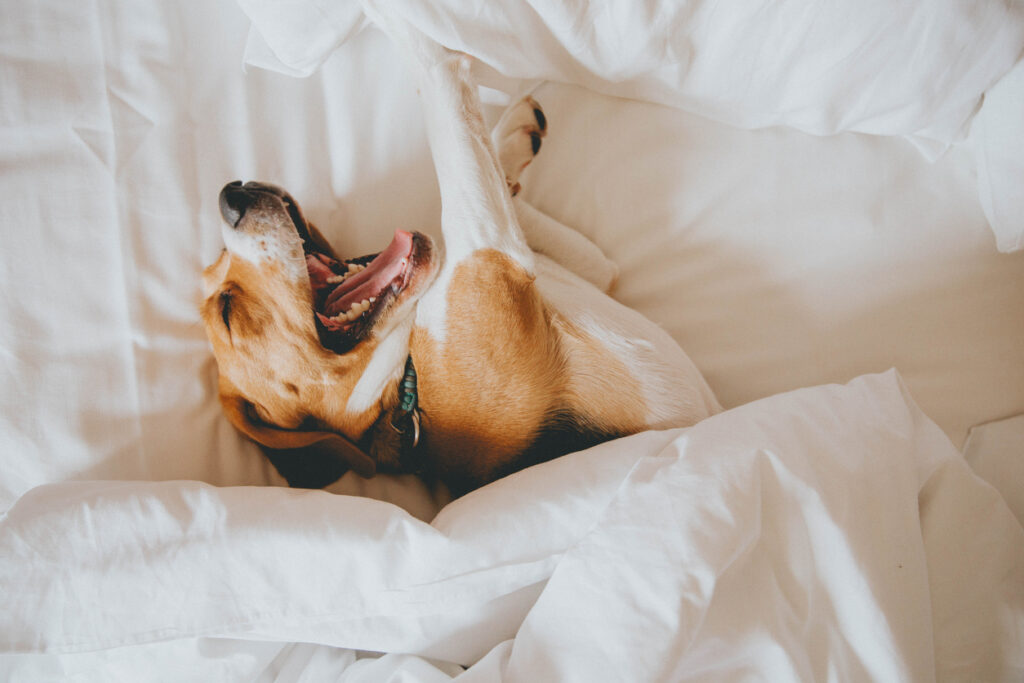
On average, adult dogs sleep between 12 to 14 hours a day. While it may seem like a lot to us, it’s simply how their bodies are wired. As long as your dog seems happy and healthy when awake, there’s likely no cause for concern.


