
1. Morning Roosters
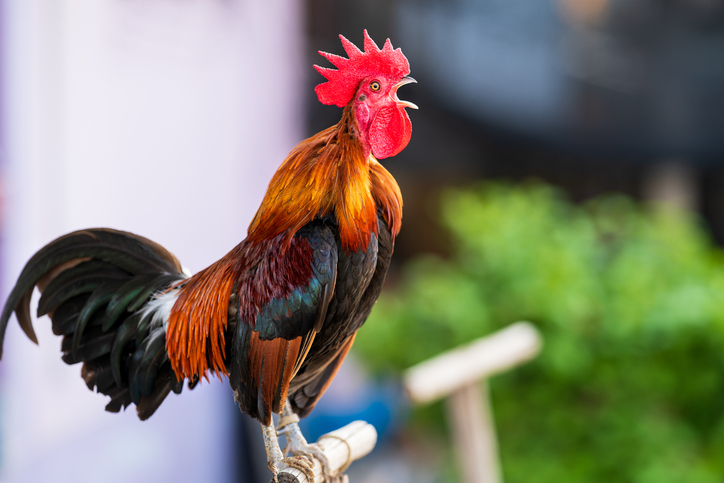
For many people, the sound of a rooster crowing at dawn instantly brings back memories of early mornings in childhood. Roosters use crowing to establish territory and communicate with other birds, but kids often remember it as the natural “alarm clock” of rural or suburban life. Hearing that sharp call today can trigger memories of getting ready for school, spending holidays in a village, or staying at a relative’s farm. The brain links predictable daily sounds with routine and comfort during childhood, so even a single crow can revive the feeling of slow, warm mornings and the simplicity of waking up without technology.
2. Crickets at Night
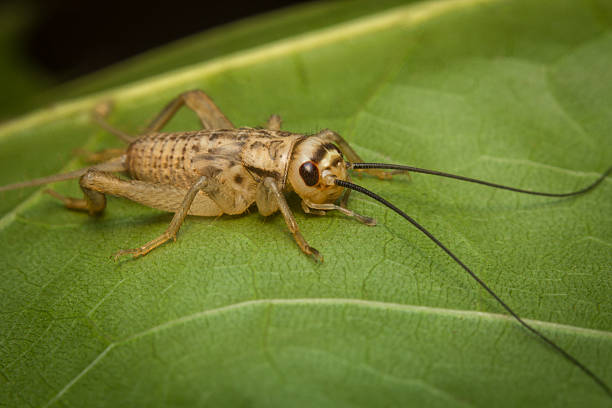
The steady chirping of crickets is strongly tied to childhood memories because these insects commonly fill the nighttime soundscape in warm regions. Male crickets chirp by rubbing their wings together to attract mates, but children often associate the rhythmic sound with family evenings on the porch, outdoor play after sunset, or camping with friends. Studies show that repetitive natural sounds help create emotional anchors, and crickets are among the most consistent nighttime noises in many parts of the world. Hearing them as adults can bring back memories of peaceful nights, cool breezes, or even the excitement of staying up late.
3. Frogs Around Water
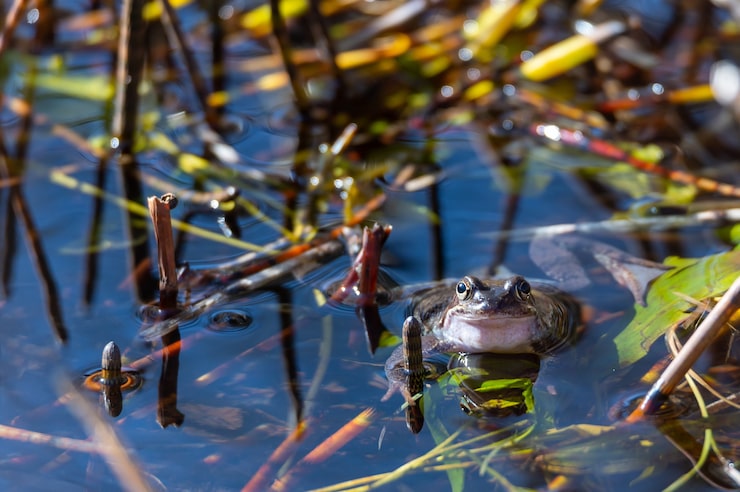
Frog croaks tend to remind people of rainy seasons, puddle-jumping as kids, or evenings spent near streams and ponds. Frogs call to find mates and mark territory, and their voices carry far through moist air. Because children often explore wet areas out of curiosity, these sounds become tied to playful outdoor memories. In tropical regions, frog choruses after rainfall are a major part of the natural atmosphere, so adults who hear similar croaks today may suddenly recall old neighborhoods, family compounds that flooded during heavy rain, or simple moments like watching water flow down the street.
4. Goats Bleating
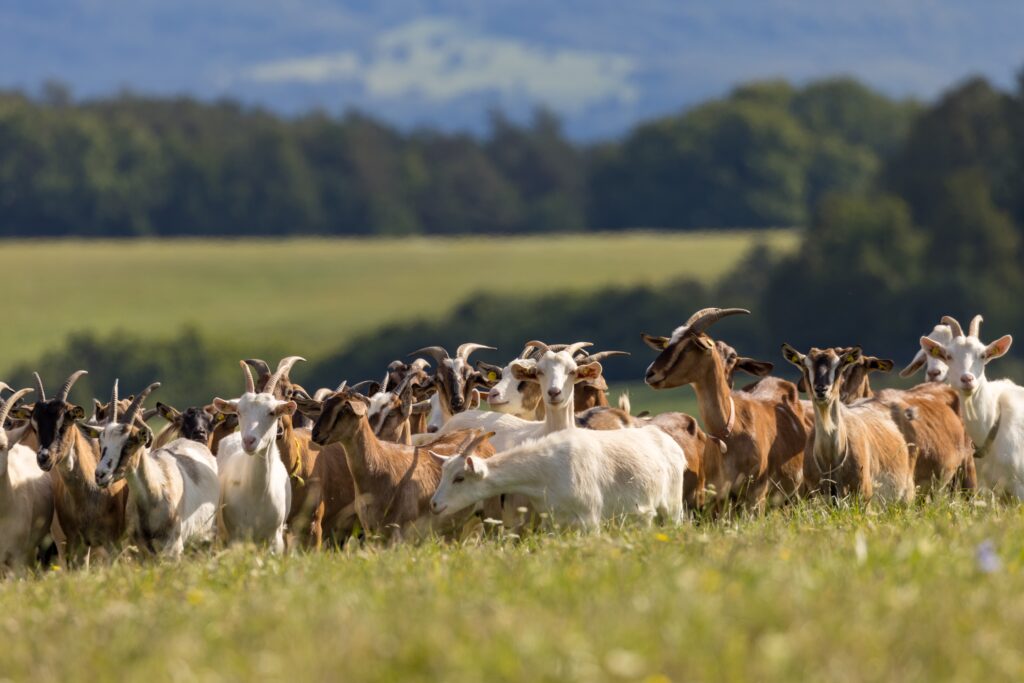
The sharp, playful bleat of goats can immediately stir memories for anyone who grew up in rural communities or areas with outdoor markets. Goats bleat to communicate hunger, stress, or excitement, and kids often interacted with them up close. The sound might recall family farms, visits to grandparents, or errands where livestock walked freely around homes. Because goat bleats are unpredictable and expressive, they tend to stick in childhood memory, especially when paired with everyday scenes like feeding animals, gathering firewood, or watching goats chase each other around open fields.
5. Doves and Pigeons
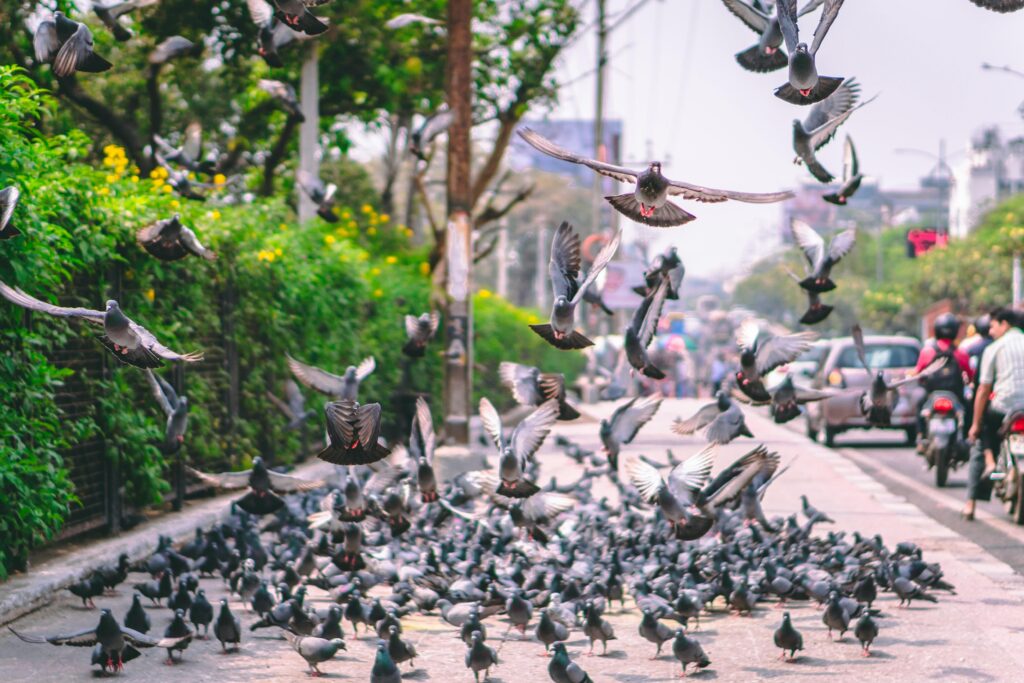
The soft cooing of doves and pigeons is a common childhood soundtrack in cities and villages alike. These birds use coos for courtship and communication, but children usually hear them as the gentle background noise of early mornings or quiet afternoons. Their sounds echo around rooftops, schoolyards, and public squares, making them part of daily life. As adults, hearing a dove’s calm, repetitive coo often triggers feelings of safety and familiarity, linked to moments like walking to school, playing outside with friends, or waking up on weekends to sunlight filtering through windows.
6. Distant Cows Mooing
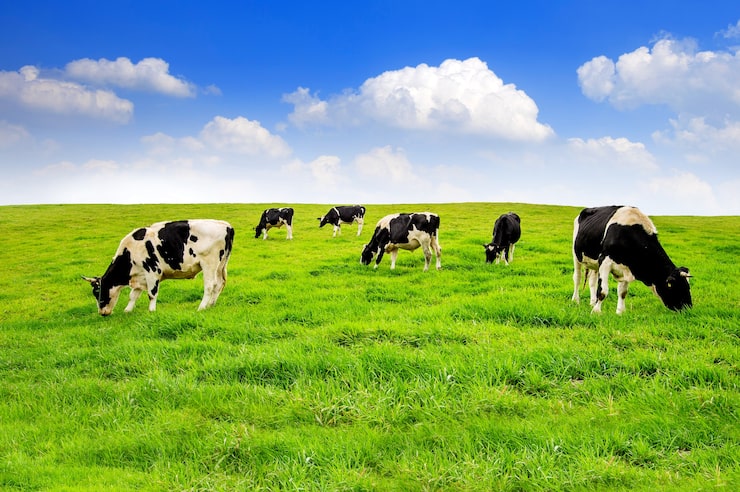
The deep, steady moo of cows often brings back memories of open spaces, family trips, or growing up near farmlands. Cows vocalize to locate one another, call their calves, or signal hunger, but for children the sound becomes part of a comforting rural backdrop. The slow echo of a cow’s call across a field can remind adults of walking home from school, visiting relatives in the countryside, or watching herds pass by on dusty roads. Because the sound travels long distances, many remember hearing it at dusk or dawn, creating a strong connection between the moo and peaceful daily routines.
7. Backyard Chickens
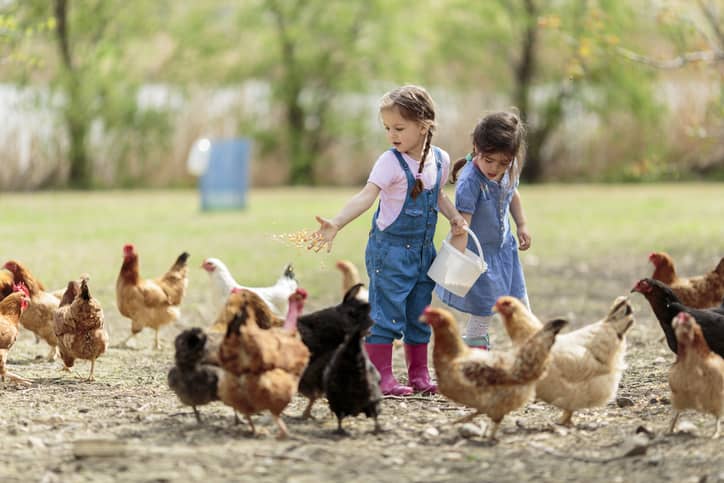
Clucking and soft squawks from chickens are some of the most recognizable household animal sounds worldwide. Hens cluck to communicate with chicks or announce freshly laid eggs, but children often associate the noise with vibrant morning activity around the home. The sound may trigger memories of feeding chickens, collecting eggs with a parent, or hearing the lively bustle of a neighborhood where birds roamed freely. These familiar noises help shape early sensory memories, especially in homes where chickens were part of daily chores or weekend routines.
8. Dogs Barking in the Distance

A dog’s bark can revive memories of neighborhood life, from playing outside with friends to hearing the same guard dog every night. Dogs bark to defend territory, respond to noise, or communicate excitement, and children quickly recognize the voices of dogs around them. Many people recall specific barks linked to events like arriving home from school or gathering with friends in the compound. Because dogs are such social animals, their sounds become woven into early experiences of community, safety, and the rhythms of everyday life.
9. Cats Meowing
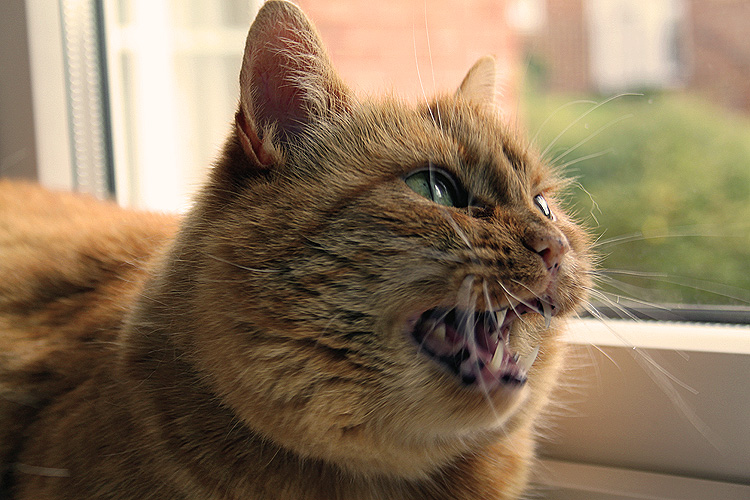
The soft, high-pitched meow of a cat often triggers childhood memories of pets, neighbors’ animals, or the sound of kittens calling for attention. Cats meow mostly to communicate with humans, rather than other cats, which is why the sound tends to feel personal. Children remember feeding them scraps, watching them nap in sunny corners, or rescuing tiny kittens. Even adults who never owned a cat often recall hearing street cats crying at night or during mating seasons. A single meow today can instantly bring back those early moments of curiosity and empathy.
10. Ducks Quacking
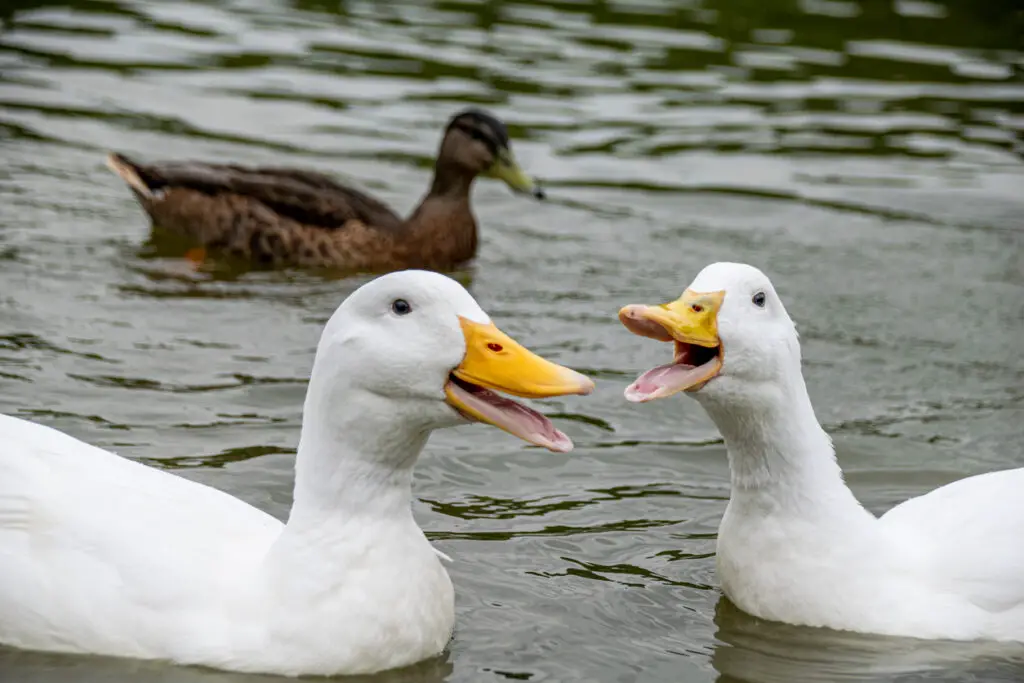
The playful quack of ducks is strongly tied to memories of ponds, rainy seasons, or visits to parks where children fed bread to water birds. Ducks quack for social communication, especially between mothers and ducklings. These sounds stand out because they’re cheerful, rhythmic, and often heard around water, places children naturally explore. Adults who grew up near streams, wetlands, or family farms may remember the mix of splashing, flapping, and quacking that defined childhood adventures. Hearing ducks today can revive images of chasing them playfully or watching them waddle along muddy paths.
11. Sheep and Lambs
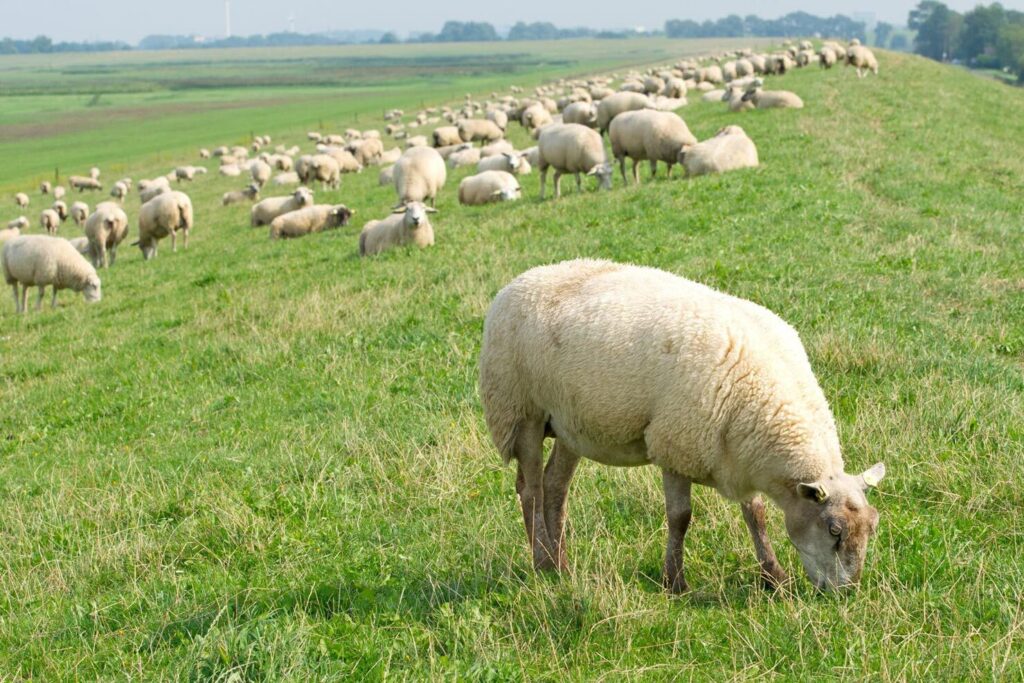
The gentle baa of sheep is often tied to childhood memories of traveling through rural areas, visiting relatives who kept livestock, or seeing flocks grazing near the roadside. Sheep bleat to communicate with their flock or call to their young, and the sound is soft enough to blend naturally into outdoor environments. Many adults remember hearing these calls during family trips, festive seasons, or market days when animals were transported in groups. Because sheep sounds are calm and repetitive, they often revive feelings of innocence, open fields, and slow-paced days spent outdoors.
12. Bees Buzzing
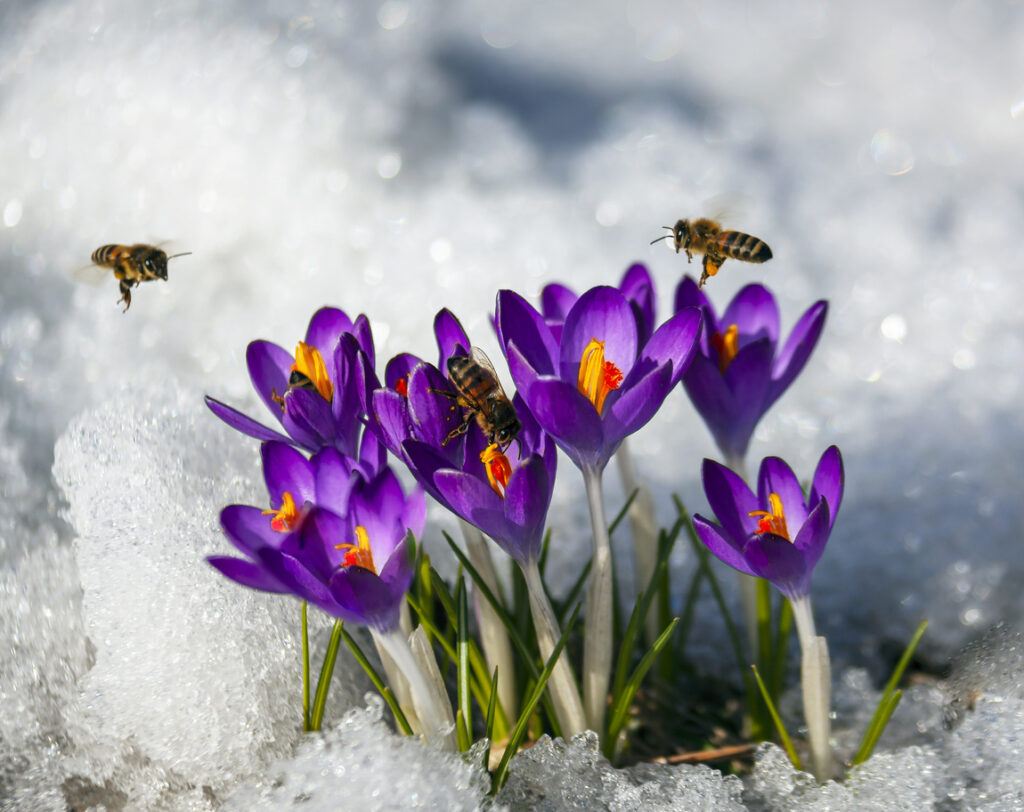
The steady hum of bees is one of those sounds that instantly places people back into warm childhood afternoons. Bees buzz as their wings beat rapidly during flight, but children usually associate the noise with gardens, fruit trees, and colorful flowers. The sound often brings back moments of running around in the sun, watching insects hover near blossoms, or being warned by adults to avoid getting too close. For many, this buzzing recalls carefree play, simple nature discoveries, and the early understanding that insects have their own world quietly working alongside ours.
13. Owls Hooting
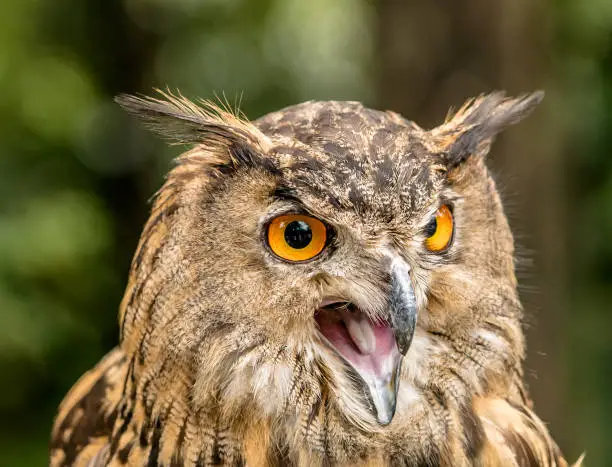
The deep, echoing hoot of an owl can quickly bring back memories of nighttime stories, camping trips, or evenings when the world felt mysterious. Owls hoot to mark territory and communicate with mates, and their calls carry far in the dark. Children often experience this sound during quiet moments, making it more memorable than daytime noises. Adults commonly recall hearing an owl while lying in bed during a power outage, or while listening to folktales about night creatures. The hoot becomes tied to wonder, curiosity, and the thrill of nighttime adventures.
14. Turkeys Gobbling
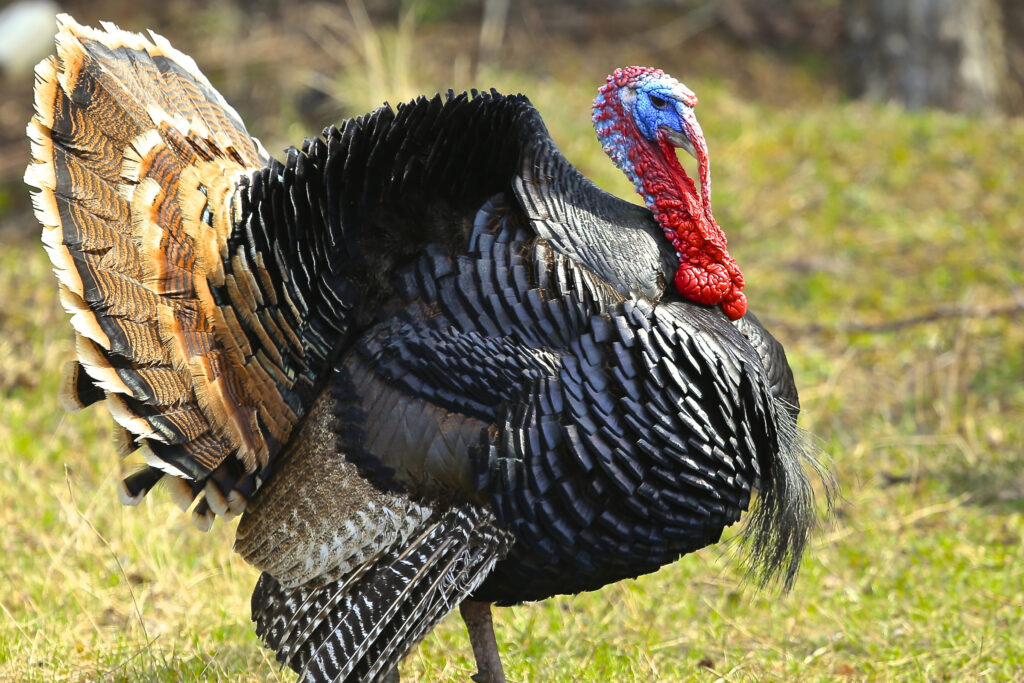
A turkey’s gobble is loud, unusual, and unforgettable, which is why it sticks so firmly in childhood memory. Turkeys gobble to attract mates and respond to sudden noises, but kids often find the sound funny or startling. Many people remember seeing turkeys being raised for celebrations, wandering around farms, or appearing in marketplaces. Because the sound is so distinct, hearing it again can instantly revive images of holiday preparations, family gatherings, or visits to places where large birds strutted proudly around open yards.
15. Horses Whinnying
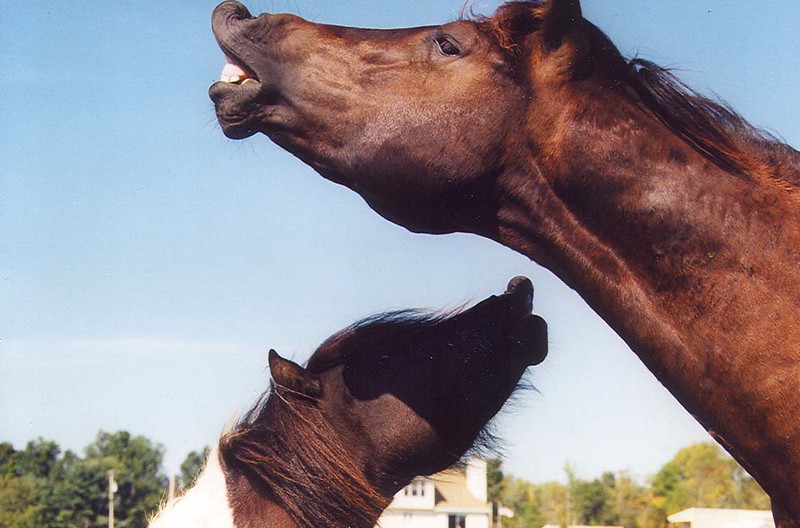
The sharp whinny of a horse can bring back memories of watching horse riders pass by, seeing horses at ceremonies, or even learning to ride as a child. Horses use whinnies to call to their herd or humans, and the sound carries far, especially in open spaces. Many adults remember hearing horses during traditional events, on village roads, or near stables during school excursions. The sound often recalls movement and excitement, the clatter of hooves, the sight of long manes blowing in the wind, and the sense of freedom horses embody.
16. Parrots and Talking Birds
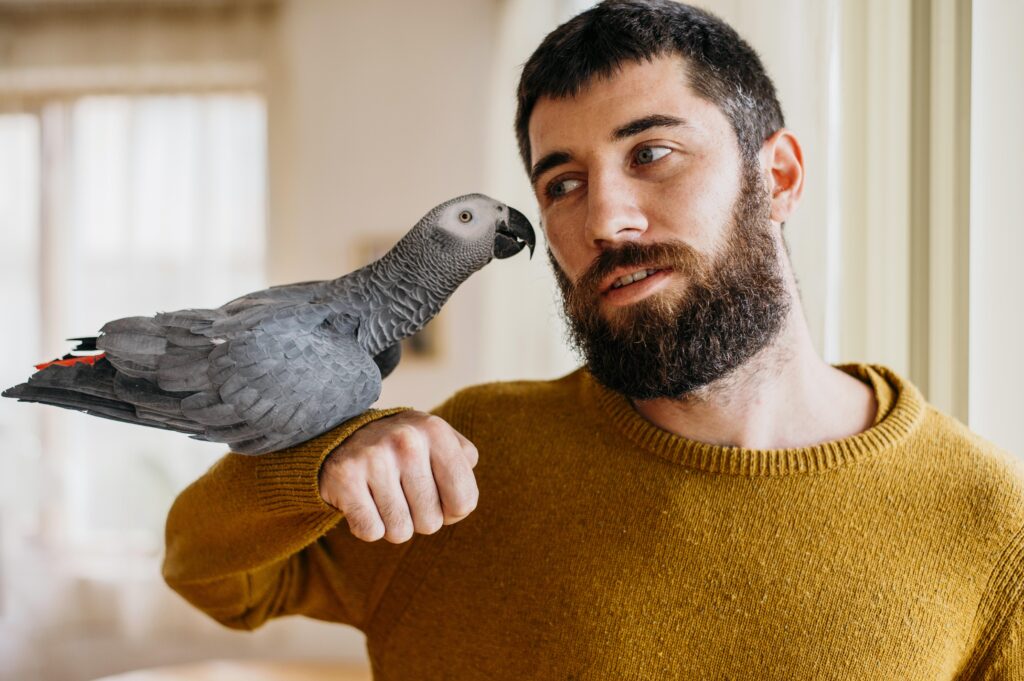
The chatter of parrots and other talking birds often brings back memories of lively homes, neighborhood aviaries, or market stalls filled with colorful birds. Parrots mimic human speech and everyday sounds, so children growing up around them often formed strong associations with their calls. Hearing the same playful squawks as an adult can revive memories of waking up to cheerful noise, watching the birds hop around cages, or laughing when a parrot repeated a familiar phrase. Their ability to copy voices makes their sounds especially nostalgic, because they blend nature with the rhythm of home life.
17. Geese Honking
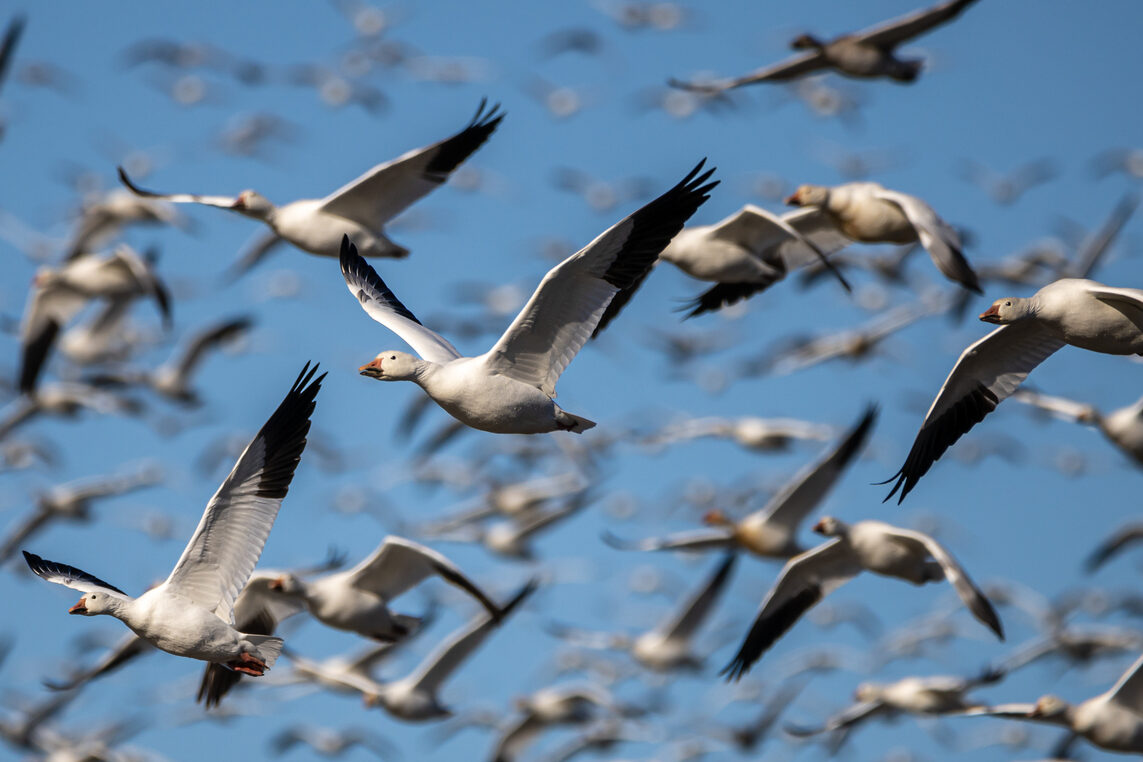
The loud honk of geese tends to transport people back to moments around lakes, rivers, or farms where these birds gather in groups. Geese honk to stay connected while flying or moving as a flock, and children often remember the commotion they create. Their calls can stir memories of field trips, holiday picnics, or early morning walks near water. Because geese are highly social and vocal, their sounds become tied to scenes of movement, long lines of birds marching, wings flapping, or flocks lifting off into the air with a burst of noise.
18. Hyenas Whooping
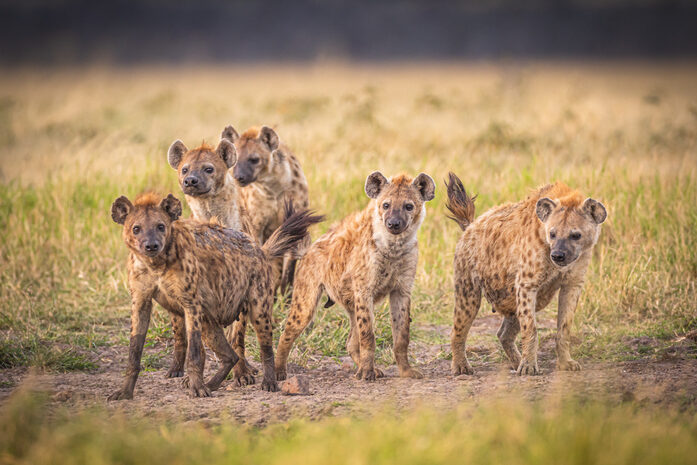
For many who grew up in regions where wildlife sounds travel easily at night, the whooping call of hyenas is unforgettable. Hyenas vocalize to signal location, coordinate hunts, or communicate within their clan. Children often remember these haunting sounds during quiet nighttime hours, especially in communities close to forests or open savannahs. Hearing a similar whoop today can bring back memories of gathering around lanterns, listening to stories about animals, or feeling both wonder and caution while the world outside grew still. The sound becomes linked to nighttime mystery and the awareness of nature’s presence.
19. Monkeys Screeching
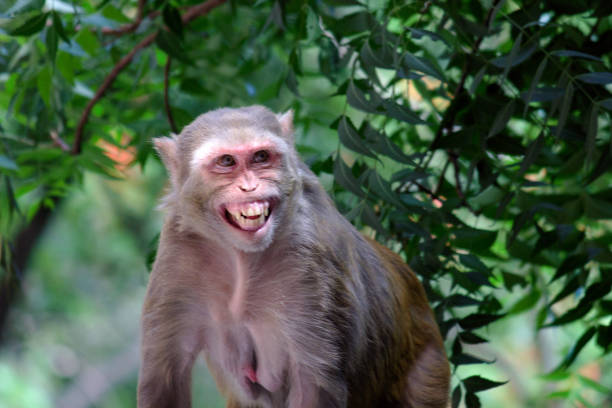
The sharp, energetic calls of monkeys often remind adults of visits to zoos, trips to forested areas, or living in places where monkeys roamed freely. Monkeys screech to signal danger, assert dominance, or communicate excitement. Children hearing these sounds often remember the thrill of watching monkeys jump between trees, steal fruits, or make sudden noises that startled everyone. As adults, a familiar screech can instantly revive memories of adventurous outings, school excursions, or playful encounters that felt wild and unpredictable compared to everyday life.
20. Guinea Fowls Calling
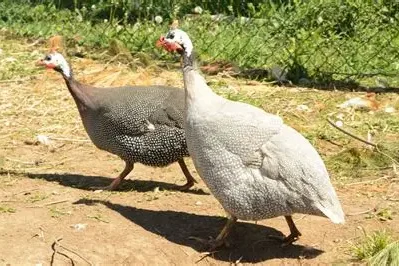
The loud, repetitive calls of guinea fowls are strongly tied to memories of rural villages, open compounds, or farms where the birds roam freely. Guinea fowls use their sharp cries to alert others to danger or unfamiliar movement, making them natural alarms in many communities. Children often remember their calls during early morning chores, festive seasons, or times when the birds chased each other around dusty yards. Hearing them again can bring back the energy of bustling family compounds, the smell of cooking fires, and the active pace of childhood days spent outdoors.
21. Bats Chirping
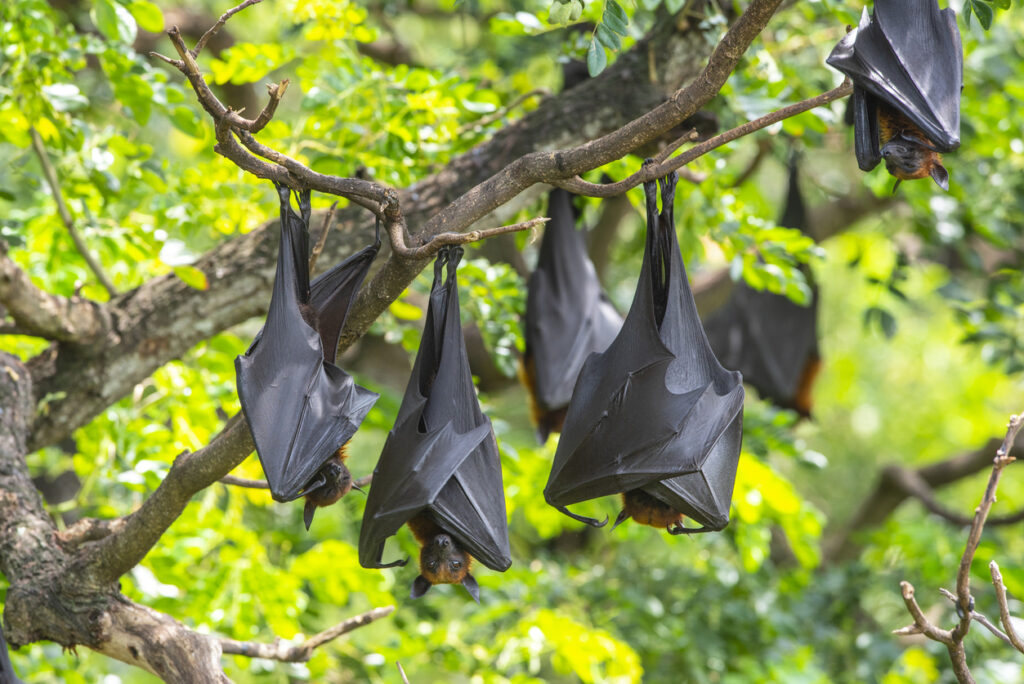
The soft, high-pitched chirps of bats often bring back memories of warm evenings when children played outside or watched bats dart across the sky at dusk. Bats use echolocation clicks to navigate and find insects, but kids usually remember the tiny sounds as part of the nightly routine, right after sunset, when the air cooled and families gathered on verandas. Hearing those faint chirps today can revive memories of chasing fireflies, listening to evening conversations, or looking up at fast-moving silhouettes that felt both mysterious and familiar.
22. Donkeys Braying
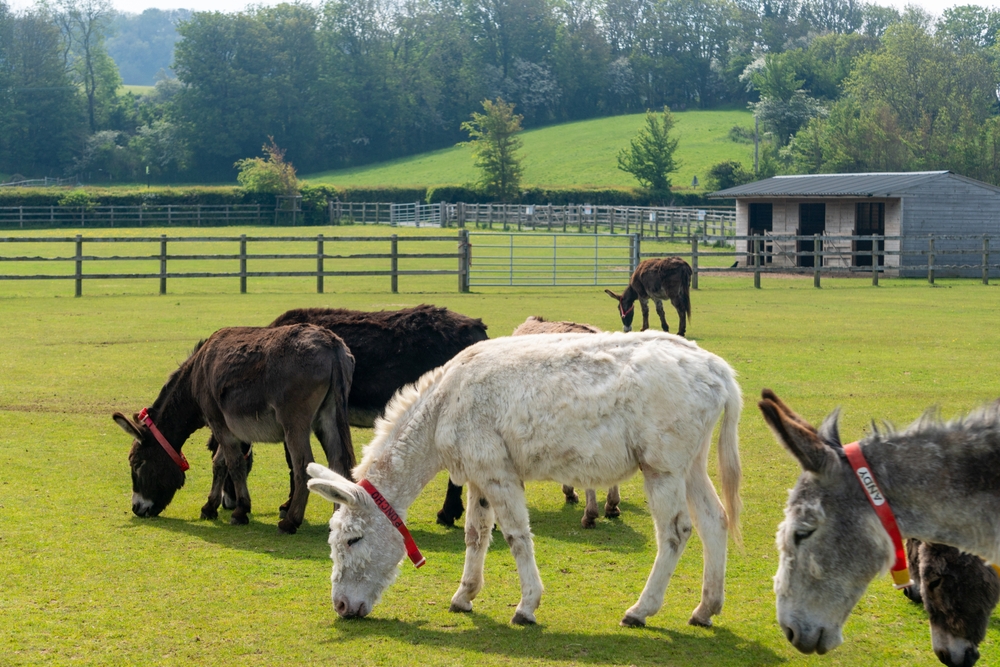
The loud, brassy bray of a donkey is one of the most memorable animal sounds from childhood in many regions. Donkeys bray to communicate distress, excitement, or to call out to other donkeys. Children often recall hearing them during market days, in rural towns, or near family farms. The sound may bring back scenes of donkeys carrying goods, standing patiently near stalls, or wandering along dusty paths. Because the bray is so distinctive and dramatic, it easily triggers detailed memories of everyday life, travel, commerce, and the simple noise of a busy childhood environment.
23. Pigs Grunting
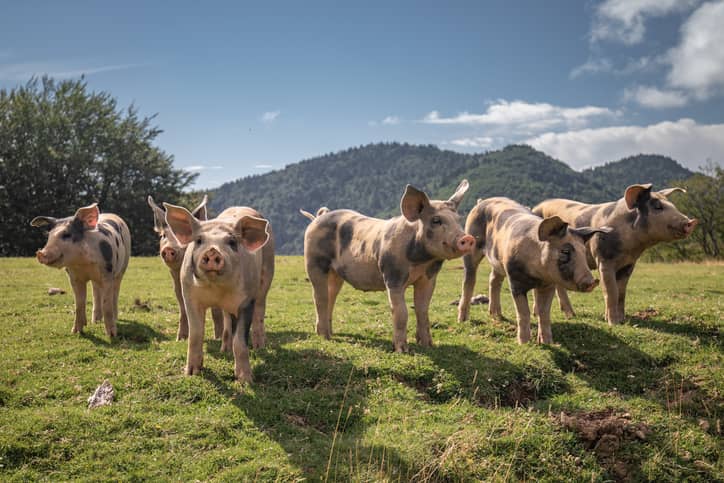
The low grunts and squeals of pigs often bring people back to memories of farms, outdoor kitchens, or festive preparations. Pigs vocalize to express curiosity, hunger, or excitement, and children often remember the sound because it’s both playful and loud. Adults may recall helping to feed pigs, watching piglets tumble around, or visiting relatives who raised them. The sound becomes tied to earthy smells, early morning chores, and the lively mix of animals that shaped many childhood experiences in rural or semi-rural homes.
24. Peacocks Calling
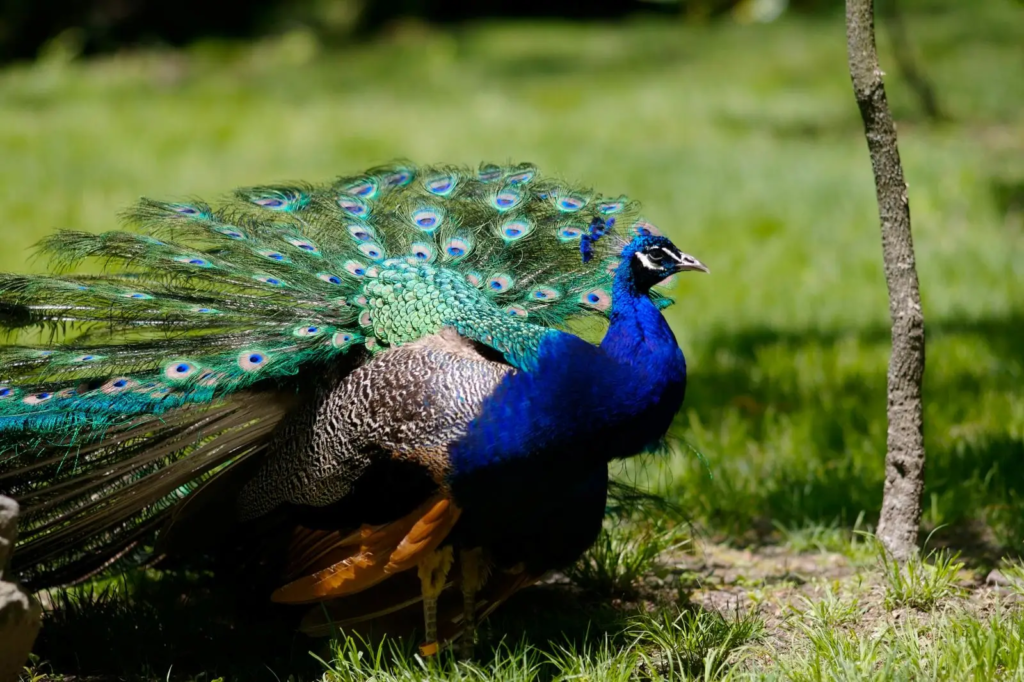
The piercing call of a peacock is unforgettable and often linked to childhood visits to zoos, gardens, or neighborhoods where the birds wandered freely. Peacocks call loudly to attract mates and announce territory, and their cries echo across large open spaces. Children remember the drama of hearing that sudden sound followed by the sight of bright feathers fanning out. As adults, hearing a similar cry can bring back vivid images of school trips, botanical gardens, or festive events where peacocks added color, noise, and excitement.
25. Rainforest Cicadas
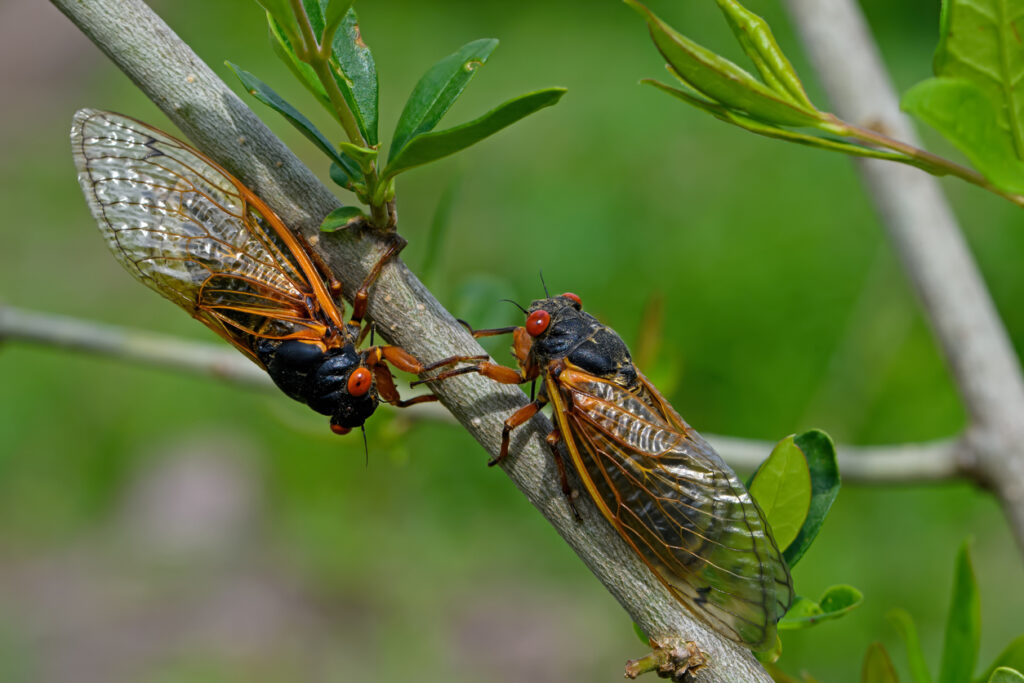
The intense buzzing of cicadas is one of the strongest auditory triggers for memory, especially for people who grew up in warm climates. Cicadas produce their characteristic sound by vibrating a structure on their abdomen, creating a high, constant buzz during the hottest parts of the day. Children often remember this as the soundtrack of lazy afternoons, holiday visits, or time spent outdoors during school breaks. As adults, hearing cicadas can immediately transport them back to sun-soaked days, sweaty playtimes, and the feeling of long, endless summers.
Animal sounds stay with us because they were part of the everyday rhythm of childhood. These familiar calls were woven into routines, seasons, and special moments that shaped how we experienced the world. Hearing them again today can feel like opening a window into the past, bringing back memories that are simple, warm, and deeply rooted in place and time.
If this story sparks a memory of your own, feel free to share it in the comments.
This story Why Certain Animal Sounds Trigger Childhood Memories was first published on Daily FETCH


