
Why Our Feline Friends Embrace The Zoomies
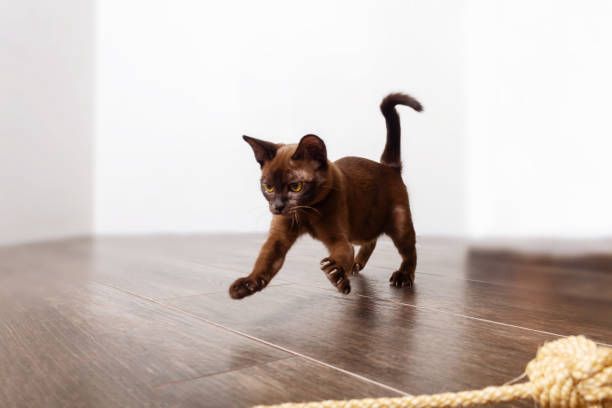
If you have ever been startled awake at three in the morning by the sound of invisible horses galloping across your hardwood floors, you are not alone. This sudden, frantic behavior is common in cats, yet it continues to baffle owners who watch their pets transform from sleepy loafers into high-speed projectiles in the blink of an eye. While it looks like a moment of temporary madness, these bursts of energy are actually a deeply ingrained part of the feline experience.
This connects our pampered house pets to their wild, predatory ancestors. For humans, we often view our cats as low-maintenance roommates who enjoy the quiet life, whereas their bodies are actually precision-tuned machines designed for action. By exploring the reasons behind these sprints, we can better appreciate the complex nature of our companions and ensure their indoor lives are as fulfilling as possible.
Pent Up Energy Release
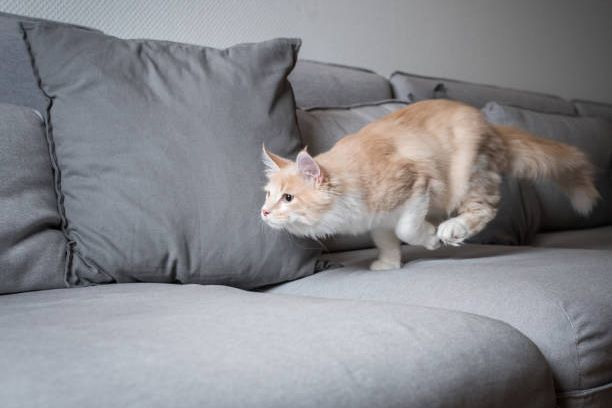
Most house cats spend the vast majority of their day lounging in sunbeams or curled up on the sofa which leads to a massive accumulation of physical energy. Since they are designed to sleep between twelve and sixteen hours a day to conserve their strength for the hunt, they eventually reach a breaking point where that stored power must go somewhere. Without a forest to roam or a field to patrol, your living room becomes the primary outlet for this sudden explosion of movement.
When a cat reaches this threshold, they often bolt across the house with wide eyes and a puffed-out tail because their muscles are finally getting the intense workout they crave. These sprints are a healthy way for an indoor pet to maintain muscle tone and cardiovascular health resulting in a much calmer animal once the “frenetic period” concludes. Providing structured play throughout the day can help manage these outbursts, yet many cats will still find their own time to burn off the extra fuel.
The Twilight Hunting Hour
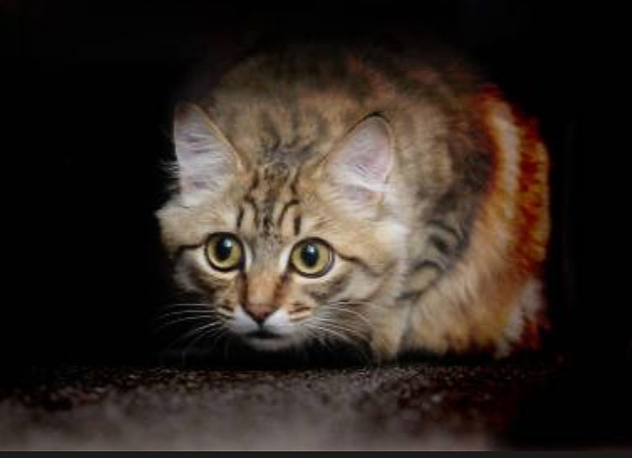
Many people mistakenly believe that cats are nocturnal creatures that prefer the dark, whereas they are actually crepuscular animals that are biologically programmed to be most active at dawn and dusk. This is the specific window of time when their natural prey is most vulnerable which explains why your cat might start doing laps around the kitchen just as you are trying to wind down for the night. Their internal clocks are telling them it is time to work even if their bowl is already full.
These dawn and dusk marathons are a direct link to their wild heritage because their eyes and ears are specialized for the low-light conditions of twilight. Even though your cat has never had to hunt for a meal, their DNA still pulses with the urge to move when the sun begins to dip or rise. This instinctual drive is so powerful that it often overrides their domestic training resulting in those famous “midnight crazies” that keep many pet owners on their toes.
Natural Predatory Instincts
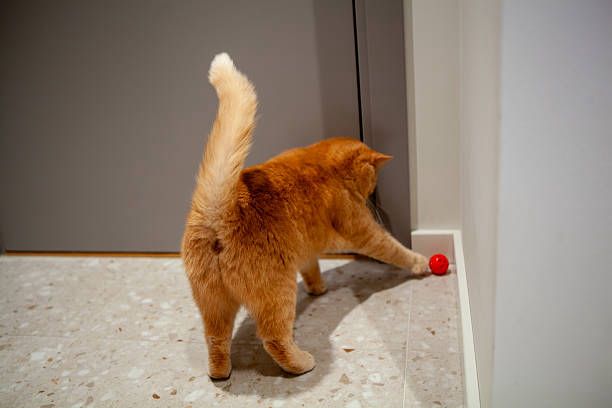
Even the most pampered indoor cat possesses a sophisticated “hunt-catch-kill” cycle that dictates how they interact with their environment. When a cat suddenly sprints across the room and pounces on an invisible target, they are likely engaging in a simulated hunt which allows them to practice their stalking and striking skills. This behavior is essential for their mental stimulation because it mimics the high-stakes challenges their ancestors faced in the wild every single day.
You might notice your cat zig-zagging or leaping onto furniture as if they are chasing a bird or a mouse which has actually only appeared in their imagination. These imaginary hunts are vital for a cat’s psychological health resulting in a sense of accomplishment and satisfaction once the “prey” has been caught. It is a harmless and often hilarious display of their natural prowess which reminds us that there is a tiny, efficient predator living right inside our cozy homes.
The Post Litter Euphoria
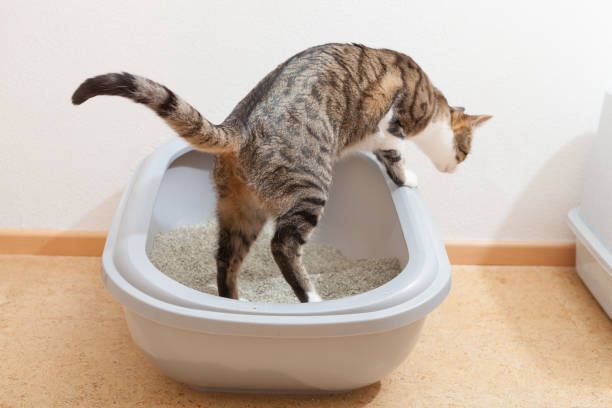
One of the more peculiar sights for any cat owner is watching their pet fly out of the litter box at top speed as if they are being chased by a ghost. This phenomenon is often colloquially known as “poo-phoria” because the act of defecating can stimulate the vagus nerve in a cat’s body. This stimulation often triggers a rush of endorphins or a digestive “high” which sends the cat into a celebratory sprint around the house immediately after they finish their business.
Beyond the physical sensation, some experts suggest that this behavior is a leftover survival instinct which encouraged wild cats to distance themselves from the scent of their waste to avoid attracting predators. By putting as much distance as possible between themselves and the litter box, they feel safer and more secure in their environment. Whether it is a nerve response or a deep-rooted habit, the result is always the same which involves a very fast cat and a very confused owner.
Seeking Instant Relief
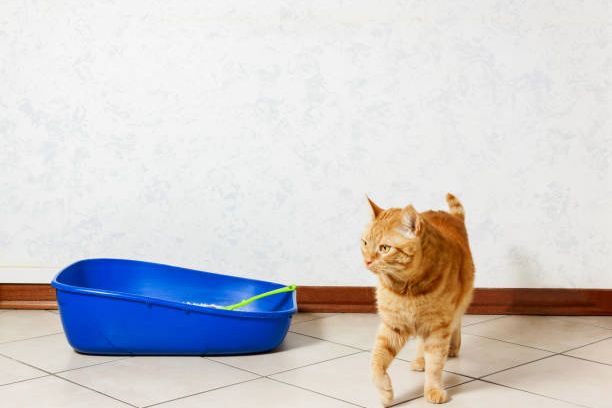
While many sprints are born of joy, sometimes a cat bolts from the litter box because they are experiencing a sense of discomfort or urgency. If a cat is dealing with digestive issues such as constipation or minor irritation, the act of using the bathroom might be something they want to finish as quickly as possible. This leads to a frantic exit because they associate the area with a physical sensation they would rather avoid resulting in a desperate dash for comfort.
Additionally, cats are incredibly fastidious creatures that have a very strong aversion to unpleasant odors which might prompt them to run away from a dirty box. If the litter is not cleaned to their high standards, they may try to escape the smell by sprinting to the other side of the home where the air is fresher. Monitoring these specific zoomies is important because they can sometimes be the first sign that your cat is unhappy with their bathroom situation or needs a checkup.
Fighting Off Boredom
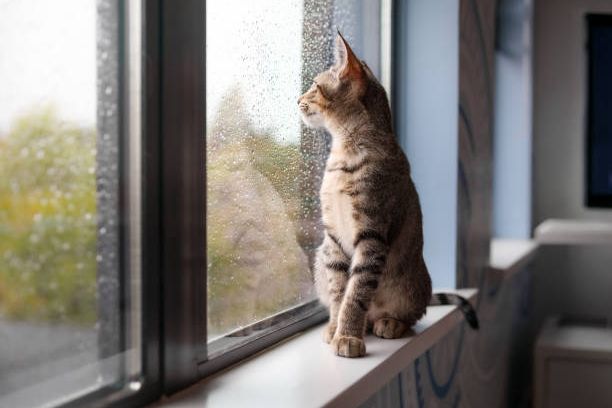
Indoor cats live in a very static environment where the scenery rarely changes which can eventually lead to a significant amount of boredom. Without the changing sights and sounds of the outdoors, a cat may decide to manufacture their own excitement by creating a high-speed obstacle course out of your furniture. These sudden bursts of activity are essentially a form of self-entertainment because they break up the monotony of a long day spent waiting for their humans to return.
When a cat gets the zoomies out of boredom, they are often looking for any kind of interaction or stimulation that makes life more interesting. You might find them staring at you with dilated pupils before they take off which is a clear sign they are hoping you will join in on the fun. Providing a variety of toys and climbing structures can help satisfy this need for novelty resulting in a happier cat that uses their energy for play rather than just running in circles.
Intense Overstimulation Cycles
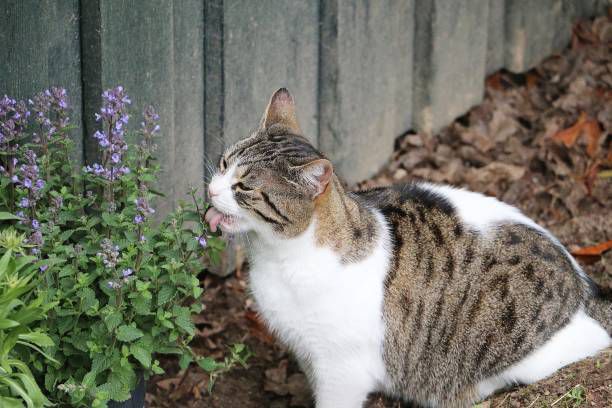
Sometimes the zoomies are triggered by an external source of excitement such as a particularly vigorous play session or the scent of fresh catnip. When a cat’s senses are pushed to the limit, their nervous system can become overstimulated which leads to a frantic need to discharge that electrical energy. This is especially common with “play aggression” where the line between a fun game and a real hunt becomes blurred for the cat resulting in a sudden, high-speed retreat.
During these moments, a cat may seem almost possessed as they scramble up curtains or bounce off walls because their brain is processing a massive amount of sensory input. It is usually best to give them space during these episodes because their reflexes are on a hair-trigger which could lead to accidental scratches if you try to intervene. Once the adrenaline wears off, the cat will usually settle down quickly which allows them to return to their usual, much calmer state of being.
Escaping Physical Irritation
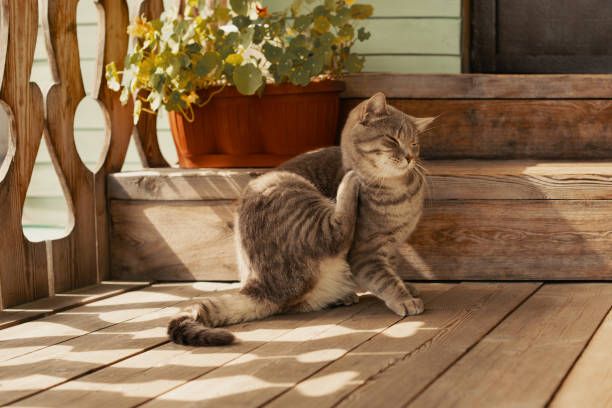
Not all zoomies are driven by internal instincts because external physical discomfort can also cause a cat to bolt unexpectedly. If a cat is suffering from fleas, skin allergies, or sudden nerve twitches, the sensation can feel like a sharp bite or a sting that they cannot escape. This often leads to a sudden sprint because the cat is literally trying to run away from the irritation on their own skin resulting in a distressed and frantic appearance.
If you notice your cat biting at their tail or back while they are running, it may be a sign that something is bothering them physically rather than just a case of high energy. Skin sensitivity can be triggered by many factors including environmental allergens or parasites which require a trip to the vet to resolve. Identifying the difference between a happy zoomie and a frantic escape is key to ensuring your pet remains comfortable and healthy in their daily life.
Feline Hyperesthesia Syndrome
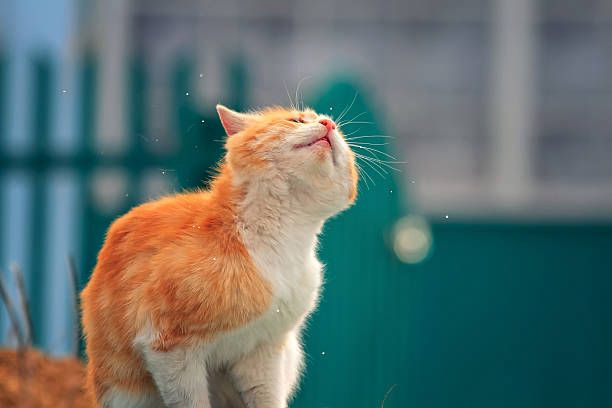
In some rare cases, the zoomies are actually a symptom of a medical condition known as Feline Hyperesthesia Syndrome which affects the cat’s nervous system. This condition causes the skin along the cat’s back to ripple or twitch uncontrollably which can be very distressing for the animal. To the observer, it looks like the cat has suddenly gone wild as they hiss at their own tail or race around the room in a state of high agitation.
Because this syndrome involves a physical malfunction of the nerves, the sprints are often accompanied by intense grooming or vocalization that sounds different from a normal play cry. If your cat’s zoomies seem repetitive or if they appear to be in pain during the episode, it is worth discussing the behavior with a professional. Understanding this condition helps owners provide the right care and medication resulting in a much more peaceful life for a cat that would otherwise be in constant distress.
Signs Of Aging
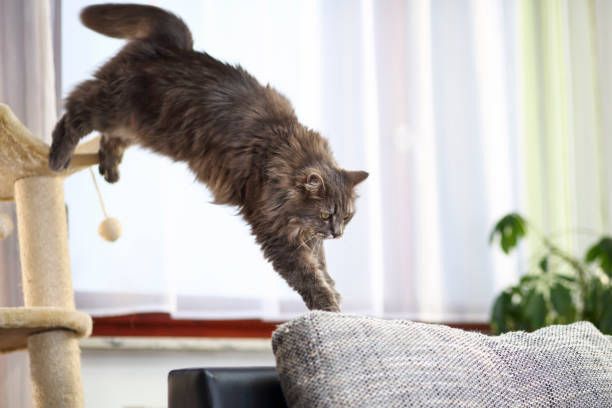
As cats enter their senior years, their behavior can change in surprising ways because of shifts in their physical health or cognitive abilities. An older cat that suddenly starts zooming around like a kitten might be suffering from hyperthyroidism which causes their metabolism to go into overdrive and provides them with an unnatural surge of energy. While it may look like they have found the fountain of youth, it is actually a sign that their body is working too hard.
Additionally, senior cats can experience cognitive dysfunction which is a form of feline dementia that causes them to become confused or disoriented. This confusion can lead to sudden bursts of activity because the cat is startled by their surroundings or feels a sense of anxiety that they try to run away from. Monitoring the frequency and intensity of these sprints in older pets is vital because it ensures that any underlying health issues are addressed before they become serious problems for your aging friend.
Like this story? Add your thoughts in the comments, thank you.


