
1. Marilyn Monroe and the need to be taken seriously
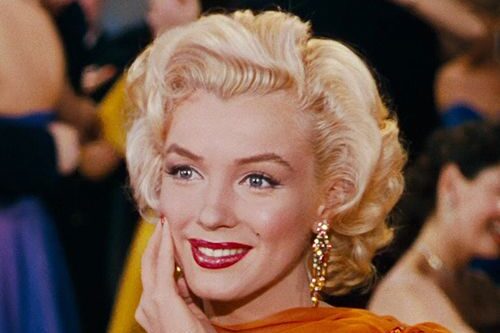
People who worked near Marilyn Monroe often noticed how carefully she studied acting between scenes. Crew members recalled her reading poetry and carrying notebooks filled with thoughts about improving her craft. Actor Eli Wallach once remembered she spoke earnestly about wanting respect, not just admiration. Even when magazines focused on glamour, insiders quietly talked about the determination behind the smile and how seriously she treated every rehearsal.
Still, stories about lateness followed her from production to production, sometimes overshadowing her preparation. Directors admitted frustration but also said the camera loved her completely once filming began. Monroe herself once said she wanted to be wonderful rather than simply rich. The whisper that stayed with her was not really scandal, but the sense of a sensitive performer trying hard to be valued beyond the image the world preferred.
2. Clark Gable and the carefully guarded private story
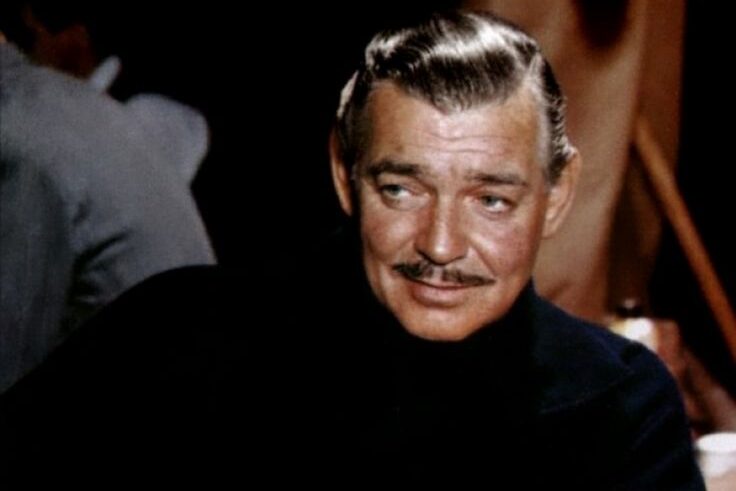
Clark Gable’s public image was built as Hollywood’s confident leading man, yet industry insiders quietly knew the studios protected his personal life with great care. During the 1930s, his relationship with actress Loretta Young resulted in a daughter, though the truth remained hidden for decades. At the time, publicity departments specialized in preserving perfect romantic reputations for their biggest male stars.
Years later, Judy Lewis confirmed the story in her memoir, explaining how secrecy shaped her upbringing. Historians often point to this case as proof of how completely the studio system managed public narratives. Gable continued working successfully, and audiences never suspected the complicated reality behind the screen persona. The whisper that followed him showed less about personal wrongdoing and more about an era when studios believed the illusion of moral perfection mattered more than honesty.
3. Judy Garland and the exhausting studio schedule
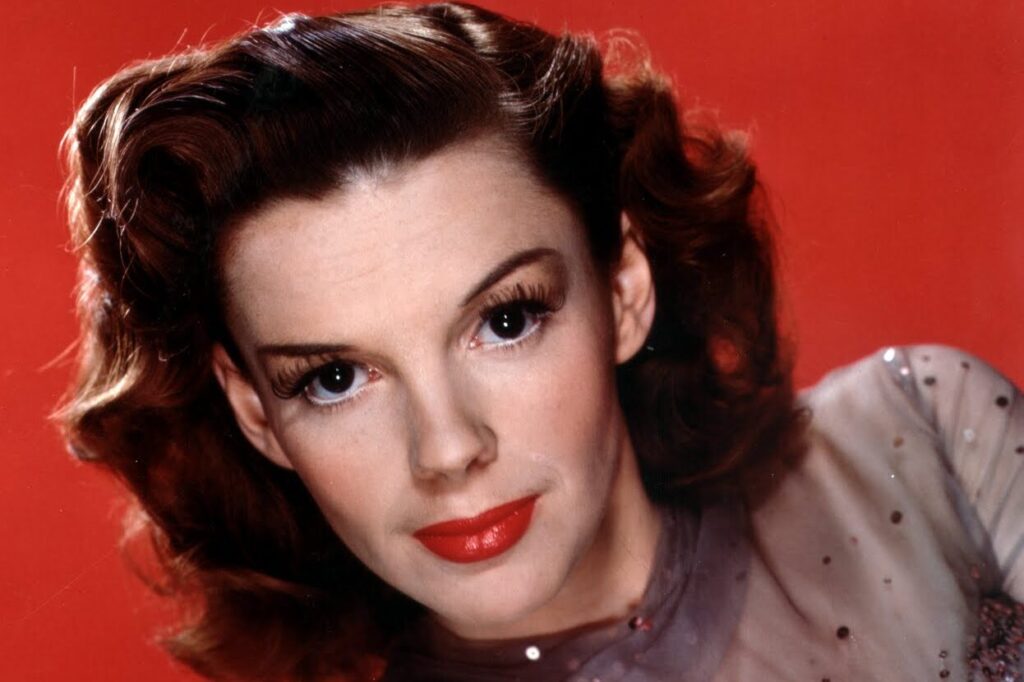
Judy Garland entered MGM as a teenager filled with talent and energy, but those near her soon noticed the exhausting pace expected from young contract stars. Long filming days, promotional appearances, and strict weight supervision became part of daily life. Crew members later recalled quiet concern about how little rest she truly received during her busiest production years.
Garland later spoke openly about the pills supplied to keep performers awake for filming and calm enough to sleep afterward. Her words in interviews suggested the routine was treated as normal at the time. While audiences saw optimism and musical brilliance, backstage conversations often centered on whether the workload was simply too much for someone so young. The whisper that trailed Garland was not rebellion, but the painful cost of growing up inside a studio machine built for nonstop output.
4. Cary Grant and the man he built himself into
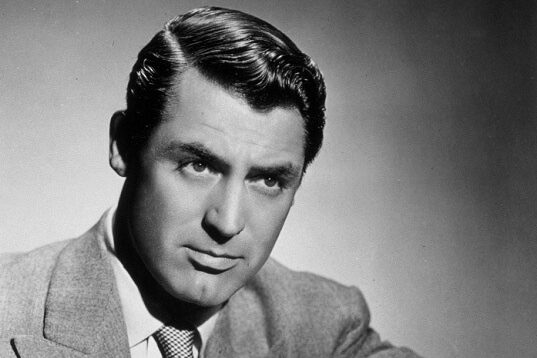
Cary Grant always appeared perfectly polished, yet he openly admitted later that his public self was something he consciously created. Born Archibald Leach in England, he once reflected that he became the man audiences expected through deliberate effort and self discipline. Friends described him as thoughtful and introspective, far from the effortlessly confident figure seen in romantic comedies.
Hollywood columnists occasionally hinted at mysteries surrounding his private routines, friendships, or personal anxieties, though nothing ever clearly defined the speculation. Grant showed unusual openness about therapy and personal growth later in life, which was rare for stars of his generation. The whisper surrounding him was not scandal but transformation. People seemed fascinated by the possibility that one of Hollywood’s smoothest icons had essentially written his own character and then lived inside it.
5. Bette Davis and the label of being difficult
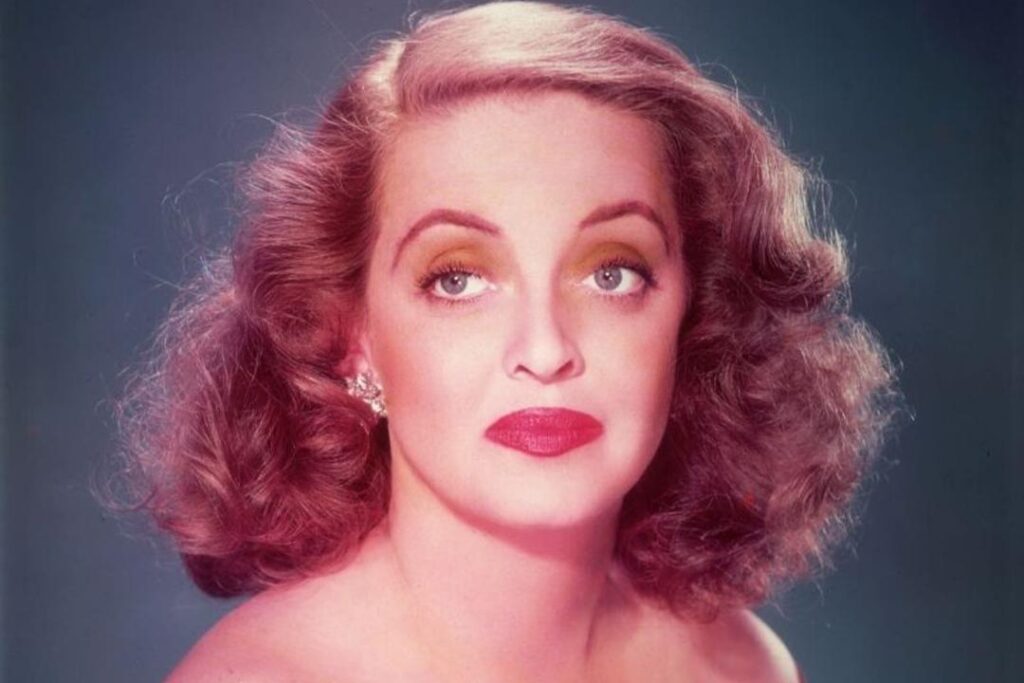
Bette Davis earned a reputation in studio offices as someone who argued strongly about scripts, costumes, and character motivations. Executives sometimes described her as difficult, yet directors who valued strong performances often appreciated her persistence. Davis believed roles should be believable and fought to avoid what she saw as weak storytelling or decorative casting.
She later commented that assertive men were called professional while assertive women were called troublesome. Many actors who worked closely with her praised her preparation and ability to lift an entire film through commitment. Warner Bros even suspended her during contract disputes, which newspapers framed dramatically. Looking back, the whisper seems less about personality and more about early battles for artistic control. Davis simply insisted on standards at a time when studios expected quiet obedience.
6. Errol Flynn and the headlines that never faded
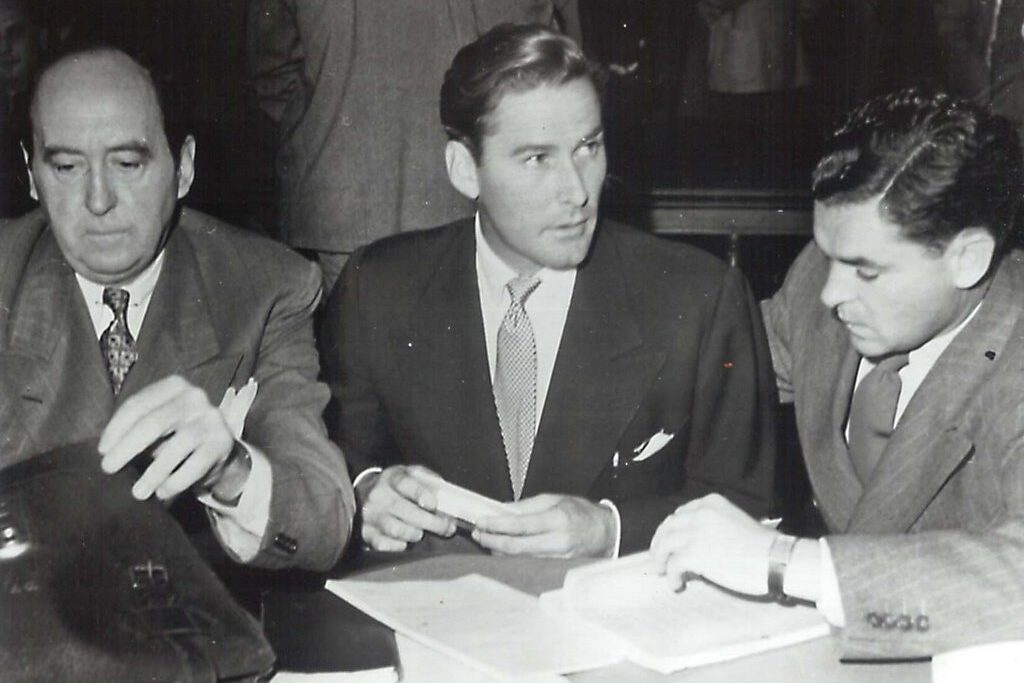
Errol Flynn’s adventurous on screen persona blended easily with his lively off screen lifestyle, which made gossip writers watch him constantly. His 1942 courtroom trial brought enormous public attention and threatened the heroic image audiences associated with his swashbuckling roles. Newspapers covered each day intensely, turning legal proceedings into national spectacle.
Flynn denied the accusations and was ultimately acquitted, yet the publicity permanently shaped how reporters framed his reputation afterward. Biographers later noted that his real life stories sometimes sounded as dramatic as his film characters. Directors kept casting him because audiences still filled theaters enthusiastically. The whisper that lingered after the trial was that Flynn lived too close to the daring persona he portrayed, leaving the public unsure where the scripted adventure ended and the real man began.
7. Greta Garbo and the mystery of staying private
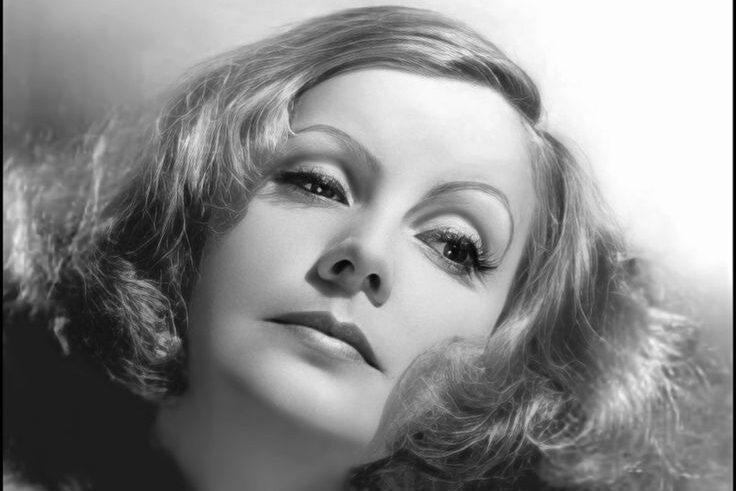
Greta Garbo fascinated audiences partly because she refused to play the usual publicity game. While many stars hosted interviews and appeared constantly in magazines, Garbo avoided premieres and spoke rarely to journalists. Studio publicists sometimes struggled with her silence, yet they also understood the mystery increased public curiosity.
Friends described her as warm and humorous in private company, which made her distant public reputation even more intriguing. Her famous association with the phrase about wanting to be alone strengthened the myth, even though it came from a film line. Film historians often note that Garbo instinctively understood how powerful absence could be. The whisper around her was not scandal at all, but the sense that the less she explained herself, the more the world tried to imagine her story.
8. Humphrey Bogart and the softer man behind the roles
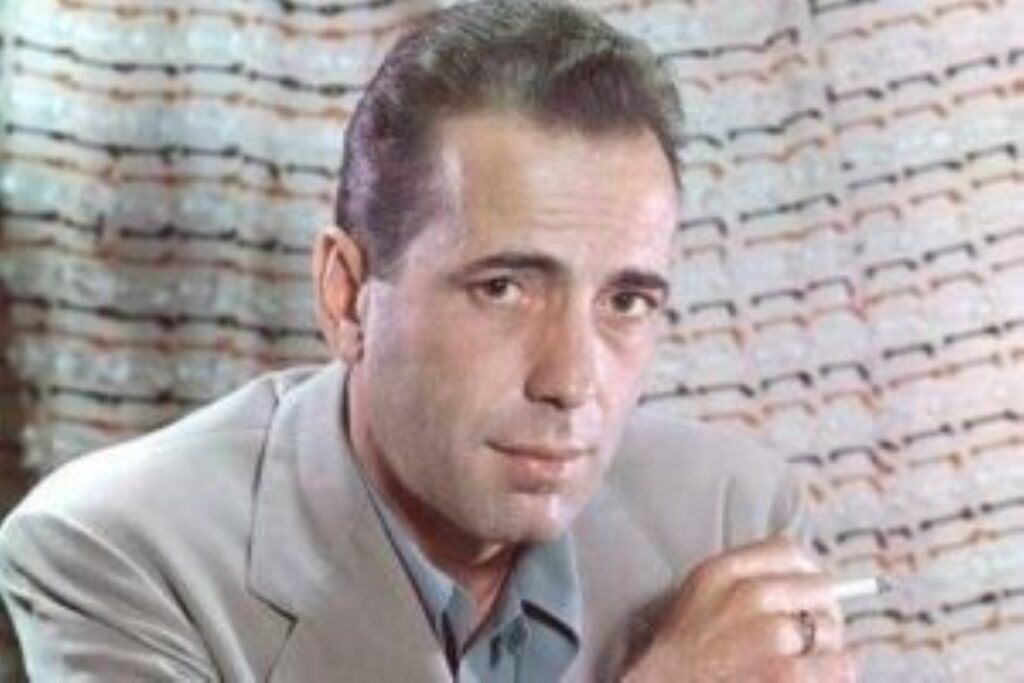
Audiences knew Humphrey Bogart as the tough detective or cynical war hero, yet colleagues frequently spoke about his surprisingly gentle humor off camera. Lauren Bacall later wrote that he was deeply loyal and often shy in unfamiliar company. Crew members recalled relaxed card games, practical jokes, and thoughtful advice given to younger actors.
Publicity teams still emphasized the hardened persona because it sold tickets and matched his most successful films. Stories about drinking and blunt conversation sometimes reinforced that image in newspapers. Directors, however, consistently praised his reliability and disciplined preparation during long shoots. The whisper that surrounded Bogart suggests Hollywood sometimes simplified complex personalities into marketable types. Those who worked beside him seemed to remember not the hardened screen legend, but a professional actor who cared deeply about his craft and friends.
9. Elizabeth Taylor and the romance that overshadowed everything
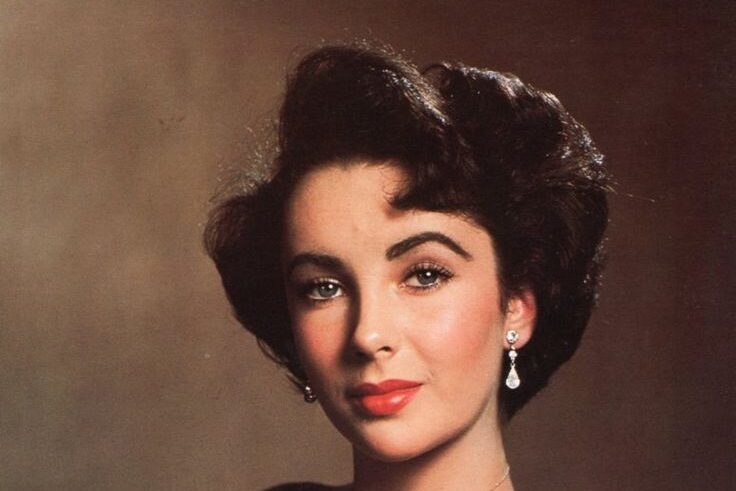
Elizabeth Taylor’s acting success arrived early, yet press attention increasingly followed her personal relationships as intensely as her performances. During the filming of Cleopatra, her relationship with Richard Burton generated worldwide headlines and moral commentary far beyond entertainment pages. Reporters camped near the production, turning private emotions into daily international news.
Taylor later spoke candidly about following her heart and refusing to pretend otherwise. Directors on set noted that despite the intense media scrutiny, she remained emotionally focused when cameras rolled. Her eventual Academy Awards reinforced that audiences respected her talent regardless of gossip. The whisper that followed Taylor throughout her career was that her romantic life often made louder headlines than her acting, even though her performances consistently proved she belonged among Hollywood’s most skilled dramatic stars.
10. Charlie Chaplin and the political suspicion era
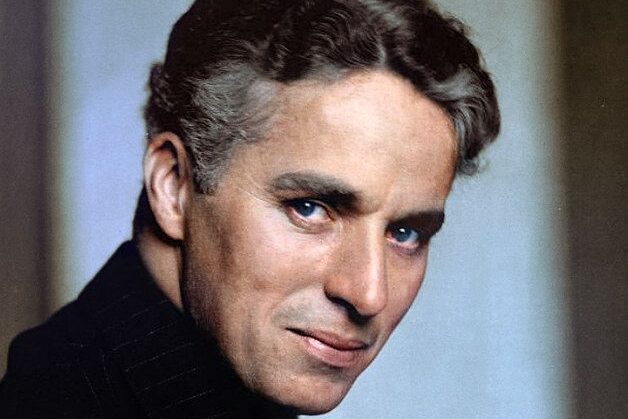
Charlie Chaplin’s global popularity never fully protected him from the political anxieties of the late 1940s. Authorities and journalists increasingly questioned his political sympathies during the early Cold War years, while older personal scandals resurfaced in headlines. The public conversation gradually shifted from his films toward speculation about his beliefs and loyalties.
Chaplin publicly insisted he saw himself as a humanitarian rather than aligned with any political movement. In 1952, while traveling abroad, his permission to reenter the United States was revoked, effectively pushing him into long residence in Europe. Film scholars later described the episode as part of a broader climate affecting many artists. The whisper attached to Chaplin became a reminder that even the world’s most beloved entertainers could find their reputations shaped by national fear as much as by their work.
11. Joan Crawford and the perfection everyone noticed
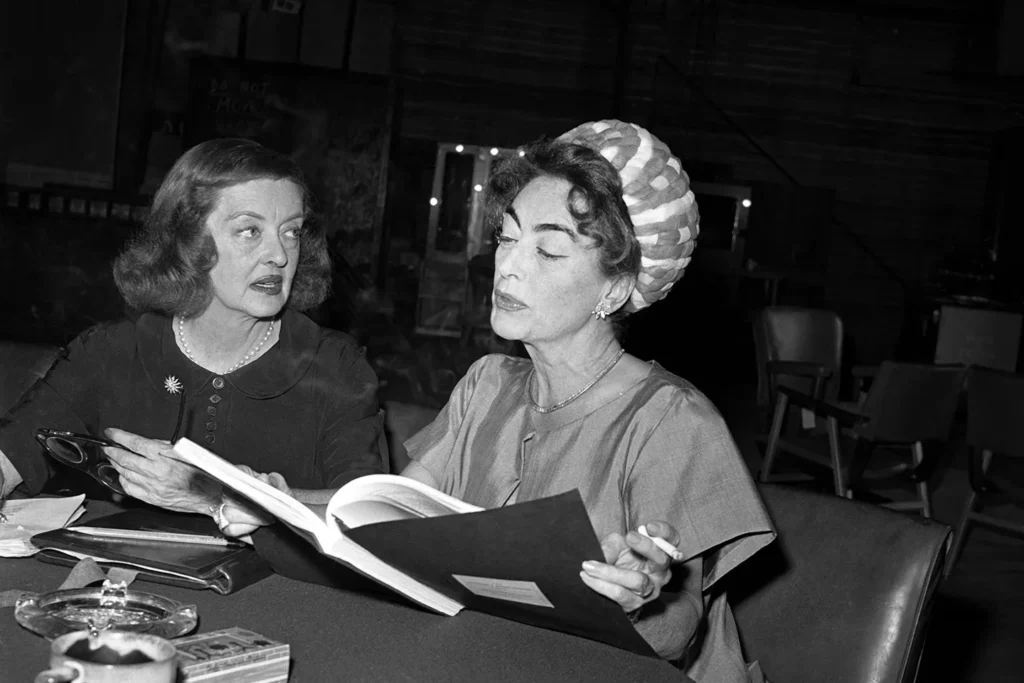
Joan Crawford’s coworkers often spoke quietly about how controlled every detail of her appearance and schedule seemed to be. She reportedly rehearsed intensely, marked scripts carefully, and maintained strict standards for lighting and camera angles. Some crew members admired her discipline, while others felt the effort created emotional distance on set.
Years later, stories from colleagues and family members painted sharply different pictures of her personality, which only deepened public fascination. Crawford herself framed her determination as simple professionalism and survival in a competitive industry. Directors acknowledged that her relentless preparation usually translated into strong performances on screen. The whisper that stayed around Crawford suggested that maintaining total control might have been both her greatest professional strength and the personal armor she felt she needed.
12. Laurence Olivier and the quiet insecurity
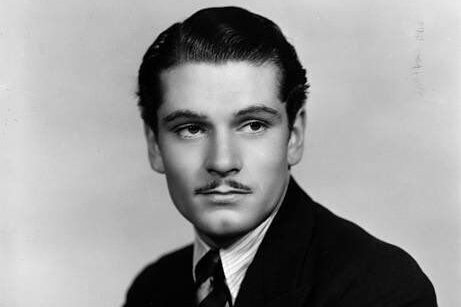
Laurence Olivier projected supreme theatrical confidence, yet letters and interviews later revealed how often he privately doubted his own performances. Fellow actors noticed he sometimes asked trusted colleagues for reassurance immediately after major stage or film scenes. The contrast between public authority and private questioning surprised many who expected absolute certainty from such a celebrated performer.
Biographers have written that Olivier treated acting almost like constant examination rather than effortless talent. He once remarked that every role felt like starting again from nothing. Directors admired how that mindset kept him pushing for improvement long after achieving fame. The whisper surrounding Olivier was not scandal but vulnerability, reminding observers that even the most decorated classical actors sometimes carried quiet uncertainty behind the commanding voice audiences trusted.
13. Rita Hayworth and the burden of the screen image
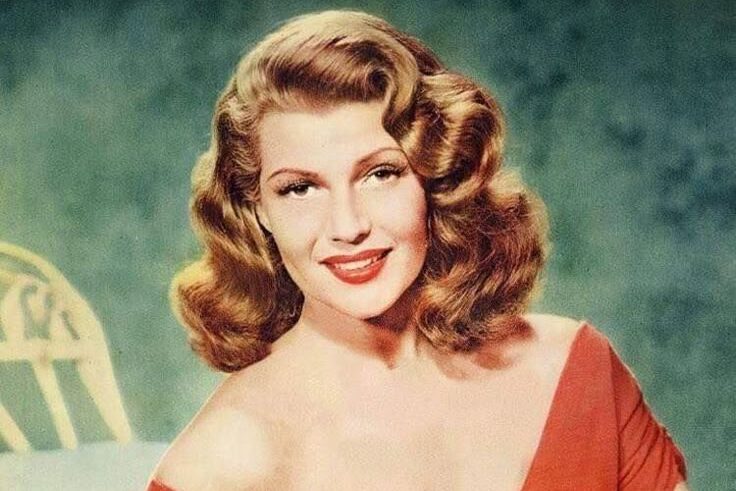
Rita Hayworth became one of Hollywood’s most famous glamour symbols, yet friends often said she felt trapped by the persona studios built around her. Off screen, acquaintances described her as gentle and shy, far removed from the confident seductress roles that made her famous. The contrast created constant pressure to perform the same personality in public appearances.
Hayworth once reportedly reflected that men fell in love with the screen character but woke up with her real self. Directors appreciated her professionalism, though publicity campaigns rarely allowed audiences to see her quieter nature. Biographers later argued that the gap between image and identity became emotionally exhausting over time. The whisper that followed Hayworth suggested that enormous beauty could sometimes become a professional cage, locking a performer into expectations she never fully chose.
14. Orson Welles and the reputation for excess ambition
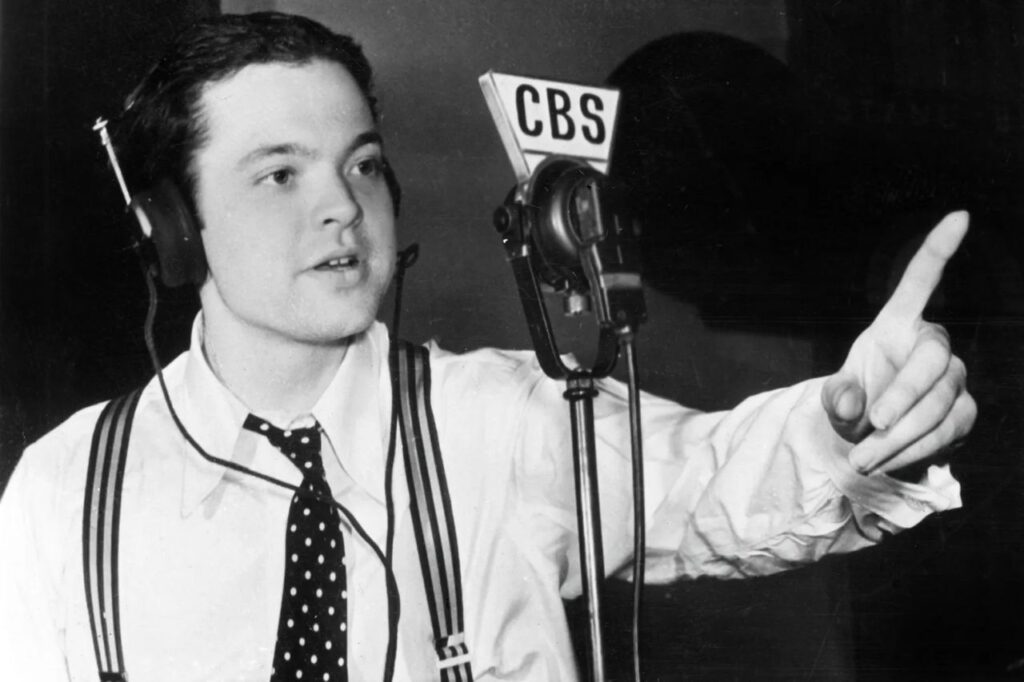
Orson Welles stunned Hollywood early with Citizen Kane, but studio executives soon began describing him as brilliant yet difficult to manage. His ambitious production ideas, experimental storytelling, and insistence on creative control made financiers nervous. Crew members often admired his imagination even while worrying whether budgets and schedules could keep up.
Over time, unfinished projects and reedited films contributed to the perception that his career was constantly battling studio interference. Welles himself argued that artistic freedom mattered more than predictable commercial formulas. Film historians today often agree that many of his risks later influenced generations of directors. The whisper surrounding Welles suggested that Hollywood admired genius but preferred it carefully contained, leaving truly independent visionaries walking a narrow line between innovation and industry patience.
15. Ingrid Bergman and the scandal that shocked audiences
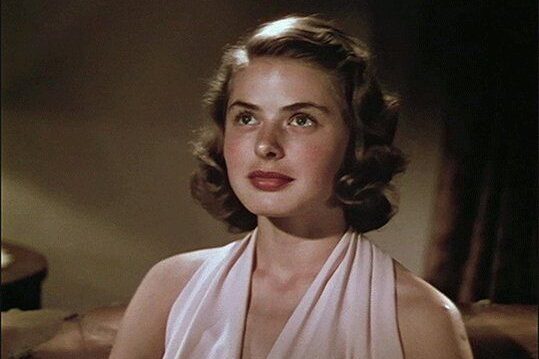
Ingrid Bergman’s wholesome screen reputation changed abruptly when her relationship with director Roberto Rossellini became public while both were still married. The news caused intense backlash in the United States, with some politicians even condemning her publicly. Fan mail reportedly shifted overnight from admiration to disappointment.
Bergman chose to continue her life and career in Europe for several years afterward, focusing on Italian film projects and raising her family. Eventually, American audiences welcomed her back, and she later won additional Academy Awards. Film historians now often view the scandal as an example of how strongly mid century audiences expected stars to match their screen morality. The whisper that followed Bergman proved how quickly public affection could turn, and how slowly forgiveness sometimes arrived.
16. James Cagney and the unexpected gentleness

James Cagney became famous for playing explosive gangsters, yet journalists visiting his home often reported a very different personality. Away from the camera, he preferred farming, painting, and quiet family life rather than nightclub glamour. Fellow actors sometimes joked that Hollywood had cast the most soft spoken man alive as its fiercest criminal.
Directors appreciated his intense physical energy during filming, which contrasted sharply with his calm off screen routine. Cagney himself said acting violence was simply part of the job, not a reflection of temperament. Over time, audiences began noticing his musical and comedic roles, which revealed more of his natural warmth. The whisper that stayed around Cagney showed how easily film casting could permanently shape public assumptions about a performer’s real nature.
17. Vivien Leigh and the struggle hidden by elegance
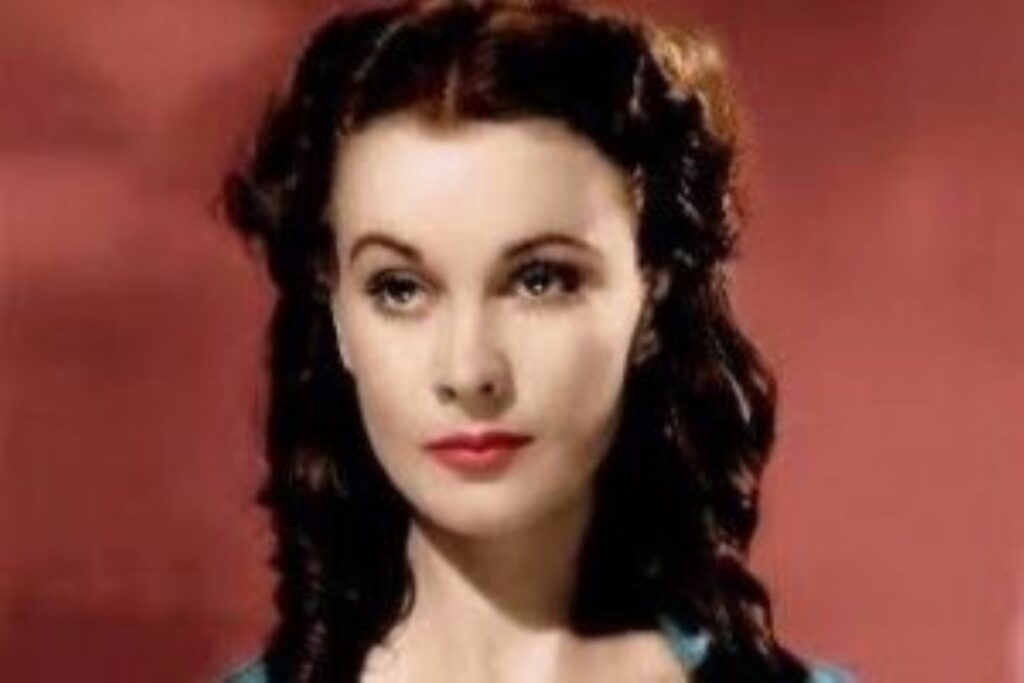
Vivien Leigh’s performances radiated poise and emotional precision, yet those close to her later described serious health struggles unfolding behind the scenes. Periods of intense energy sometimes alternated with deep exhaustion, confusing colleagues who only saw the polished final performances. At the time, public discussion of mental health remained extremely limited.
Her husband Laurence Olivier later wrote about the difficulty of watching her condition worsen while she continued performing demanding roles. Directors often praised her dedication, noting she pushed herself through illness to meet production expectations. Despite personal hardship, she maintained extraordinary screen presence in every major project. The whisper that followed Leigh became a quieter recognition that extraordinary elegance on screen sometimes concealed battles audiences of that era rarely understood.
18. Spencer Tracy and the quiet private life
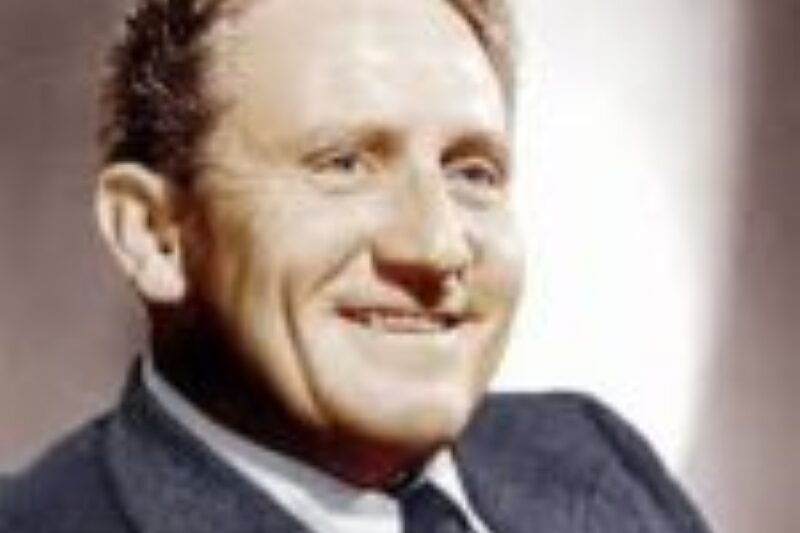
Spencer Tracy built a reputation as one of Hollywood’s most natural actors, yet he guarded his personal life very carefully. His long relationship with Katharine Hepburn became widely known within the industry long before it was openly discussed in public. Studios generally avoided addressing the situation, preferring to keep attention on his performances.
Colleagues described Tracy as deeply serious about acting and often uncomfortable with celebrity culture. Hepburn later spoke respectfully about their partnership, emphasizing mutual support and loyalty. Directors frequently trusted Tracy to carry emotionally complex roles with understated strength. The whisper that surrounded him suggested that some of Hollywood’s strongest relationships existed quietly behind studio silence, proving that discretion sometimes protected both personal dignity and enduring professional legacy.
19. Katharine Hepburn and the refusal to fit expectations
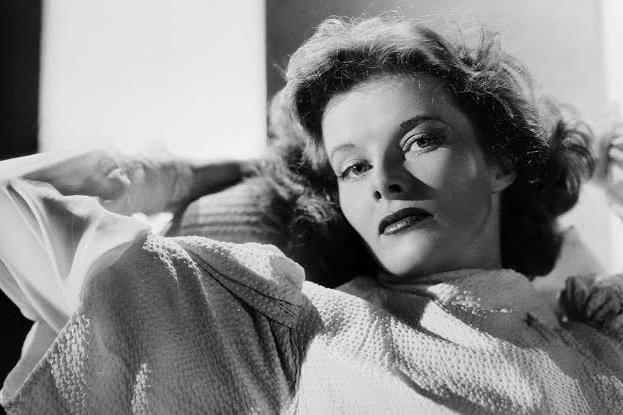
Katharine Hepburn never fully followed Hollywood’s usual rules for female stars. She wore practical clothes, spoke directly in interviews, and accepted roles that emphasized independence rather than softness. Early in her career, some theater owners even labeled her box office poison, believing audiences resisted her unconventional personality.
Instead of changing her style, Hepburn returned to the stage, rebuilt her reputation, and eventually came back stronger in film roles that matched her natural voice. Directors admired her intelligence and preparation, while younger actresses later cited her as proof that individuality could survive the studio system. The whisper that followed Hepburn gradually transformed into admiration. What once seemed stubbornness came to look like courage, and her career quietly suggested that authenticity sometimes wins by simply lasting long enough.
20. Frank Sinatra and the comeback nobody predicted
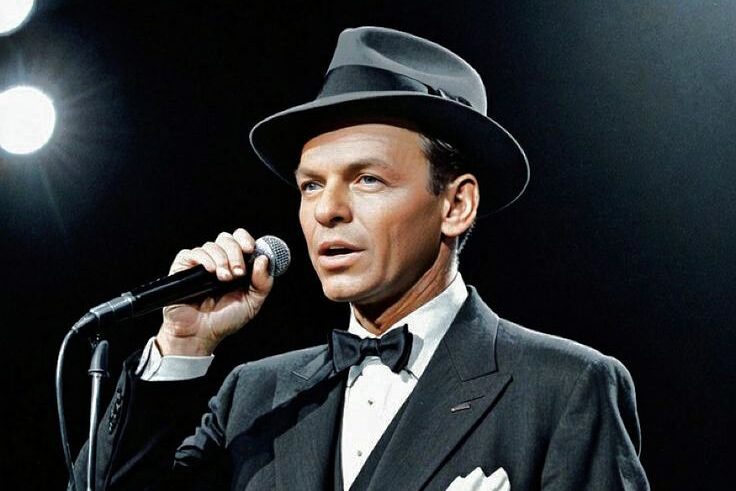
Early in his career, Frank Sinatra’s swooning popularity made him seem unstoppable, but by the late 1940s his film roles slowed and his recording career dipped. Industry chatter quietly suggested his moment had passed, and studio executives hesitated to cast him in serious dramatic parts. Friends later recalled how intensely he pushed himself during this uncertain stretch.
Then From Here to Eternity changed everything. Sinatra fought hard for the role and accepted a modest salary just to prove himself. Director Fred Zinnemann later praised his emotional realism, and the Oscar win revived his standing overnight. The whisper that lingered afterward was not decline but resilience, since Hollywood insiders remembered how close he came to fading before rebuilding himself into an even bigger legend.


