
Heather Locklear The Boss Who Never Really Left

If you ever watched Melrose Place during its peak years, chances are the memory really begins the moment Amanda Woodward stepped into that courtyard and suddenly everything felt sharper and more addictive. The show had already found an audience, but her arrival gave it a new kind of confidence that kept people tuning in week after week. Heather Locklear carried that same commanding presence long after the series ended, moving straight into projects like Spin City and a steady run of television movies that kept her familiar to viewers who grew up seeing her as the ultimate confident executive on screen.
As the years passed, her life shifted toward a quieter and more personal rhythm, with fewer roles and more focus on family, health, and stability. Public appearances became occasional rather than constant, yet fan affection never faded and her name still sparks recognition whenever classic television conversations begin. Seeing her today feels less like revisiting an old star and more like checking in on someone who simply moved to a calmer part of the neighborhood, which is probably why she remains the first face many people picture whenever Melrose Place comes up.
Thomas Calabro The Steady Working Actor

Thomas Calabro played Michael Mancini with the perfect mix of ambition, charm, and just enough trouble to keep viewers watching closely, and after the series ended his career followed a very real path built on consistency rather than flashy headlines. He moved through guest roles across television dramas, independent films, and theater productions, becoming one of those dependable performers casting teams trust when they need someone experienced and reliable. Fans who meet him at conventions often mention how approachable he feels, which likely explains why his connection to Melrose viewers has remained strong over the years.
Instead of chasing sudden reinvention, he focused on longevity and steady professional growth, which quietly kept him employed across decades of changing television trends. He even returned briefly when the franchise resurfaced, reminding audiences how strongly his character remained tied to the show’s identity. Behind the scenes he has also supported younger performers and explored production interests, showing that his involvement in storytelling expanded beyond acting alone. His journey feels authentic and grounded, reflecting the kind of long working career built on persistence, craft, and respect.
Josie Bissett Chose A Simpler Path

Josie Bissett brought a gentle sincerity to Jane that helped balance the chaos unfolding around her, and her real career after Melrose Place followed that same softer direction. Rather than staying locked inside intense soap drama, she gradually shifted toward family friendly television films, especially in the Hallmark world, where her warm and approachable style fit naturally into stories centered on relationships, home life, and emotional second chances. Many viewers who once watched her navigate dramatic 90s storylines later found her appearing in cozy seasonal movies that felt almost like visiting an old friend living a calmer life.
Outside acting, she also explored writing and released lifestyle and parenting books focused on everyday family experiences, which made her public image feel relatable instead of distant. Interviews across the years show her speaking about choosing work that aligned with her real priorities, particularly motherhood and long term stability. That thoughtful pacing allowed her to remain visible without burnout, and today she stands as one of those familiar television faces whose career quietly evolved into something balanced, steady, and warmly recognizable for audiences who grew up alongside her.
Doug Savant Stayed A Familiar TV Face

Doug Savant already held an important place in television history through his role as Matt, one of the earlier openly gay recurring characters on primetime drama, which made his presence meaningful to many viewers at the time. Years later, he surprised audiences by stepping into another massive hit when he joined Desperate Housewives as Tom Scavo, the overwhelmed but sincere suburban father trying to balance work, family, and personal dreams. That role lasted through the entire series run and introduced him to a new generation who may not have known his earlier work from the 90s.
Off screen, his marriage to former Melrose co star Laura Leighton became one of those quietly admired Hollywood relationships that fans appreciate because it feels genuine and stable. Rather than chasing constant publicity, he focused on consistent roles, raising a large family, and maintaining a strong professional reputation within the industry. His story feels reassuringly normal for the entertainment world, showing that success does not always require dramatic reinvention. Sometimes it simply means steady work, loyal audiences, and a long career built patiently over time.
Laura Leighton Found New TV Succes

Laura Leighton made Sydney one of the most unpredictable and watchable characters in the Melrose Place world, and that ability to hold attention followed her long after the original series closed its doors. After appearing in several television projects, she found a major second wave of recognition when she joined Pretty Little Liars. That role connected her with a younger audience who discovered her without realizing she had already been a familiar face years earlier. It gave her career a sense of continuity rather than nostalgia and reminded viewers how naturally she fits into ensemble dramas built on secrets and complicated relationships.
Away from the camera, her long marriage to fellow Melrose actor Doug Savant became part of the story fans quietly admire because it feels stable and genuine. She has often spoken about staying open to new opportunities instead of chasing the past, and that approach clearly helped her remain active as television storytelling evolved. Her journey feels less like a comeback and more like a smooth ongoing career, showing how a strong performer can simply keep moving forward while audiences from different generations keep discovering her work.
Grant Show Moved Into Bigger Roles

Grant Show’s Jake carried that classic rebellious energy that defined many 90s television favorites, yet his path after Melrose Place showed a patient shift rather than a sudden change. He continued working steadily through guest roles and drama series, slowly repositioning himself as a mature leading man instead of the young romantic figure audiences first met. That gradual evolution eventually led to his major role as Blake Carrington in the Dynasty reboot, where he stepped into a powerful and commanding character that reflected both age and experience.
For longtime viewers, watching that transition felt natural because their own lives had also moved from youthful uncertainty into more complex responsibilities. Interviews across the years suggest he always understood that longevity in television comes from accepting change rather than resisting it. His career stands as a good example of how early fame can mature into long term professional respect when someone allows their screen image to grow alongside real life, giving audiences a familiar face that still feels relevant decades later.
Courtney Thorne Smith Shifted To Comedy

Courtney Thorne Smith’s Alison lived through constant emotional turbulence during her Melrose years, so many viewers were surprised when her later career leaned strongly toward comedy. She became widely recognized again through her long run on According to Jim and later appearances on Two and a Half Men, where her relaxed delivery and natural humor showed a completely different side of her performance style. Seeing her handle lighter material after so many dramatic storylines felt refreshing and helped introduce her to audiences who primarily followed sitcom television.
Beyond acting, she explored writing and released a novel while also speaking publicly about health and balanced working schedules in the entertainment industry. Interviews suggest she genuinely preferred the friendlier atmosphere of comedy sets, which likely helped her remain in that space for many years. Her professional shift feels very relatable because it mirrors what many people experience in real life when they eventually move from stressful environments into workplaces that better match their personality and long term happiness.
Andrew Shue Left Acting For Business

Andrew Shue’s Billy often represented the hopeful dreamer trying to build a creative future, yet his real world direction eventually moved far outside Hollywood. After stepping away from regular acting work, he became a co founder of CafeMom, a social networking platform designed to connect mothers and families. That move shifted his daily focus toward entrepreneurship and community building rather than filming schedules, surprising some fans but clearly reflecting his interest in projects with practical social value.
He later became involved in youth mentoring programs and public speaking focused on opportunity, education, and support networks. While he still appears occasionally in reunion interviews reflecting on the show’s legacy, his main identity now sits firmly in business and advocacy. His story stands out because it shows that life after television fame does not always mean staying on screen. Sometimes it means using early recognition as a stepping stone toward building something useful and meaningful in the wider world.
Marcia Cross Reached A New Career Peak

Marcia Cross delivered one of Melrose Place’s most unforgettable performances, yet her greatest professional recognition surprisingly arrived later when she joined Desperate Housewives as Bree. That role brought award nominations, international popularity, and a level of respect that confirmed her range as a dramatic actress. Fans who followed both series often highlight how she balances emotional vulnerability with strict composure, a combination that made both characters deeply memorable across very different storytelling styles.
In more recent years she spoke openly about her cancer experience and encouraged routine health awareness, which added another layer of admiration beyond her acting achievements. She now appears only occasionally while focusing mainly on family life and personal advocacy. Her journey quietly reminds audiences that professional timelines rarely move in straight lines, and sometimes the role that truly defines someone arrives later, once experience and resilience have fully shaped their voice and presence.
Daphne Zuniga Moved Into Directing

Daphne Zuniga’s Jo often felt like the observer standing slightly outside the chaos of Melrose Place, and her real career followed a similarly thoughtful pace. She continued acting in television films and smaller productions but gradually developed a strong interest in directing, especially in the Hallmark movie world where character driven storytelling remains central. That shift allowed her to influence projects creatively from the earliest stages rather than only performing inside them.
Environmental advocacy also became an important part of her public work, with speaking engagements and sustainability projects shaping much of her time. Instead of maintaining a constant celebrity presence, she built a quieter creative career balancing directing, selective acting, and personal causes. Her path feels grounded and intentional, showing how someone can remain connected to storytelling while consciously shaping a professional life that reflects evolving priorities and a calmer long term perspective.
Jack Wagner Balanced Acting And Music
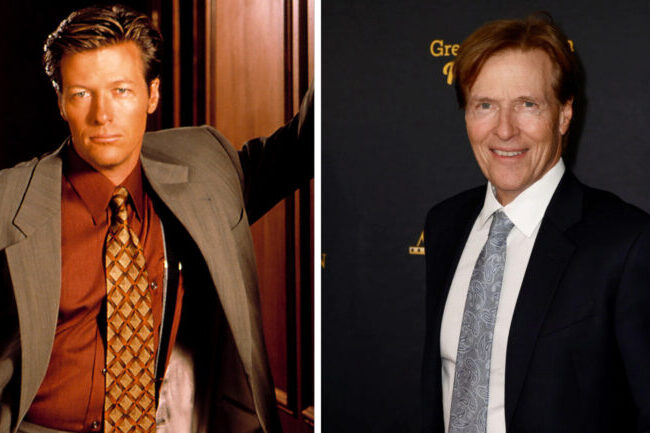
Jack Wagner joined the series later yet quickly made an impression, and unlike many performers he continued balancing several entertainment careers at once. Already well known from daytime soap operas, he kept appearing in television roles including Hallmark films while also touring as a live singer. That ability to move comfortably between acting and stage performance gave him a unique longevity that kept audiences engaged across multiple forms of entertainment rather than only one.
He often shares that performing music keeps him grounded because audience reactions happen immediately and feel personal in a way filmed projects rarely provide. Even now, seeing his name attached to a project or concert announcement feels less like nostalgia and more like a reminder that some performers simply continue doing the work they enjoy. His career reflects steady creative persistence built on versatility, loyal fans, and the willingness to keep showing up wherever the next opportunity feels right.
Vanessa Williams Stayed Busy Across TV And Music
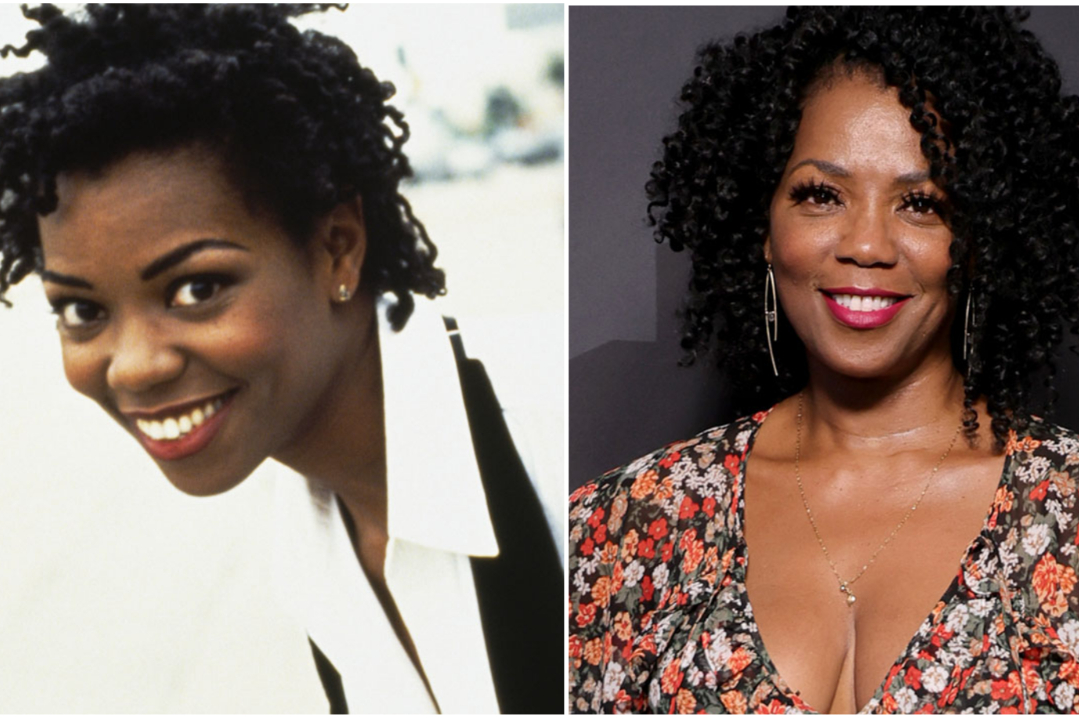
Vanessa Williams joined Melrose Place during its later seasons as Rhonda’s sophisticated replacement storyline presence, and even though her time in that television world was only one chapter, her career beyond it kept unfolding in steady and interesting ways. Long before and after the series, she balanced music, film, Broadway, and television, building a reputation as someone who could move comfortably between drama, comedy, and live performance. Many viewers later rediscovered her through shows like Ugly Betty, where her confident screen presence again reminded audiences how naturally she commands attention without needing exaggerated storylines to hold interest.
In more recent years she has continued appearing in stage productions, television guest roles, concerts, and special appearances, choosing projects that fit both her schedule and her creative interests. Her path feels less like someone tied to one nostalgic role and more like a performer who simply kept evolving while the industry around her changed. And in that sense, spotting her name in a cast list today never feels like a throwback moment, just another reminder that some careers keep moving forward in their own steady rhythm.


